The Office Used to Be a Museum of Mild Confusion
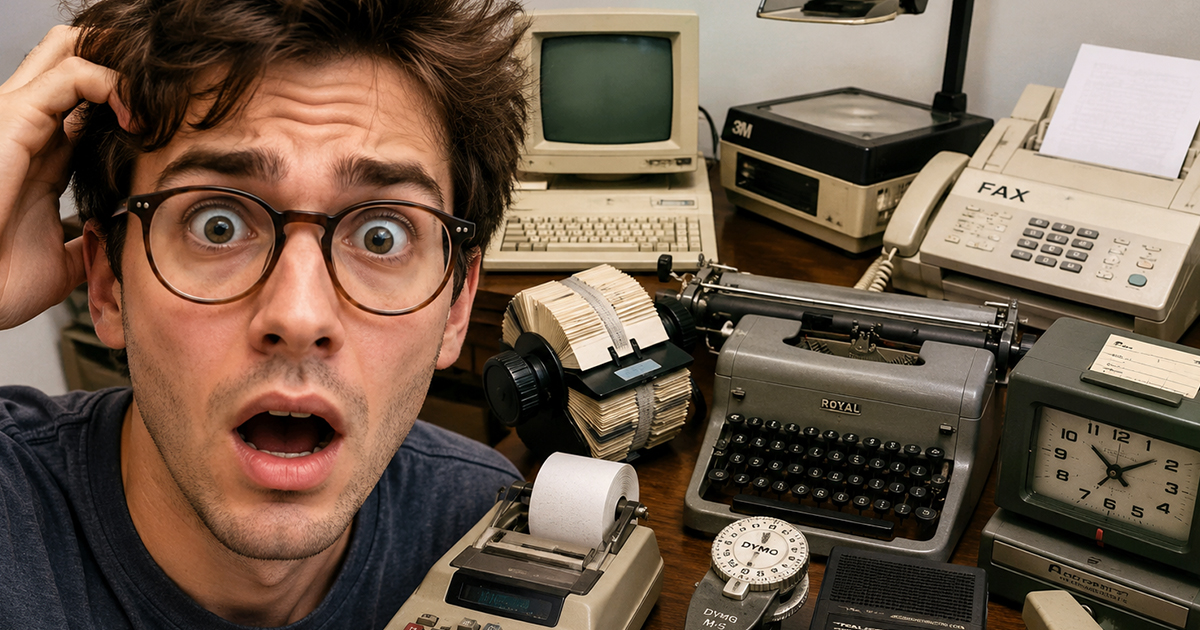
Before Slack, cloud storage, and laptops thinner than a sandwich, offices were filled with mysterious machines that clicked, buzzed, stamped, shredded, jammed, and occasionally smelled like hot plastic. If you’re under 30, some of this equipment may look less like office supplies and more like props from a workplace-themed escape room.
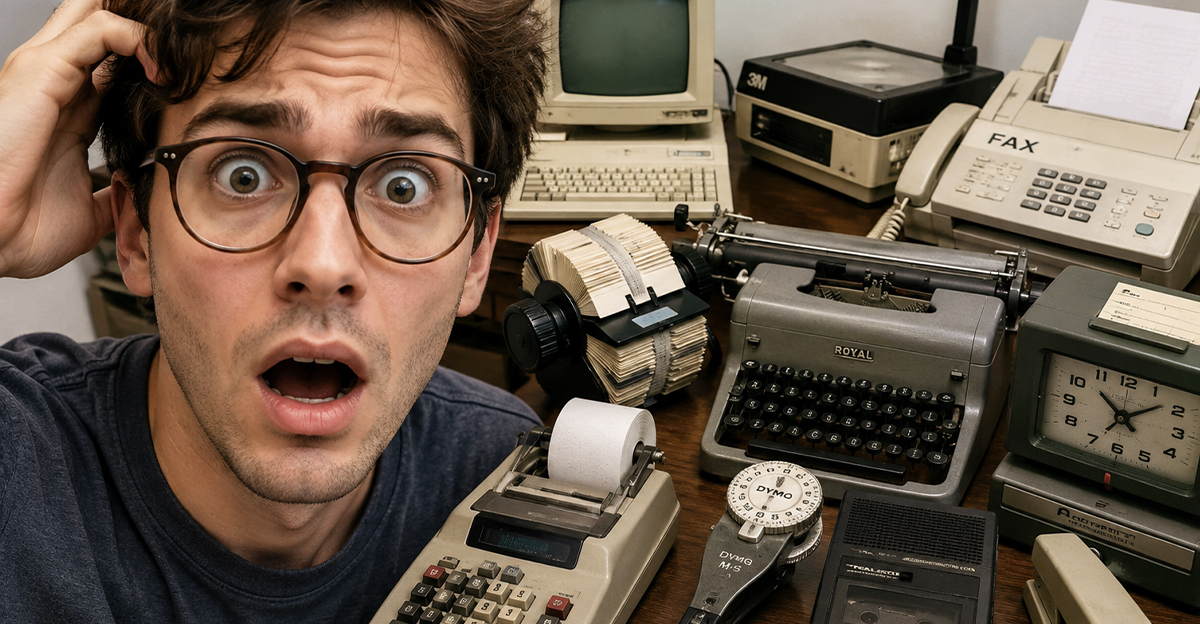
#25. The Desk Rolodex
Before everyone’s contacts lived in a phone, office workers kept names and numbers on little rotating cards called a Rolodex. It sat on the desk like a tiny paper Ferris wheel of business relationships. Losing one card could mean losing a client forever, which feels dramatic for cardboard.
 ArnoldReinhold, Wikimedia Commons
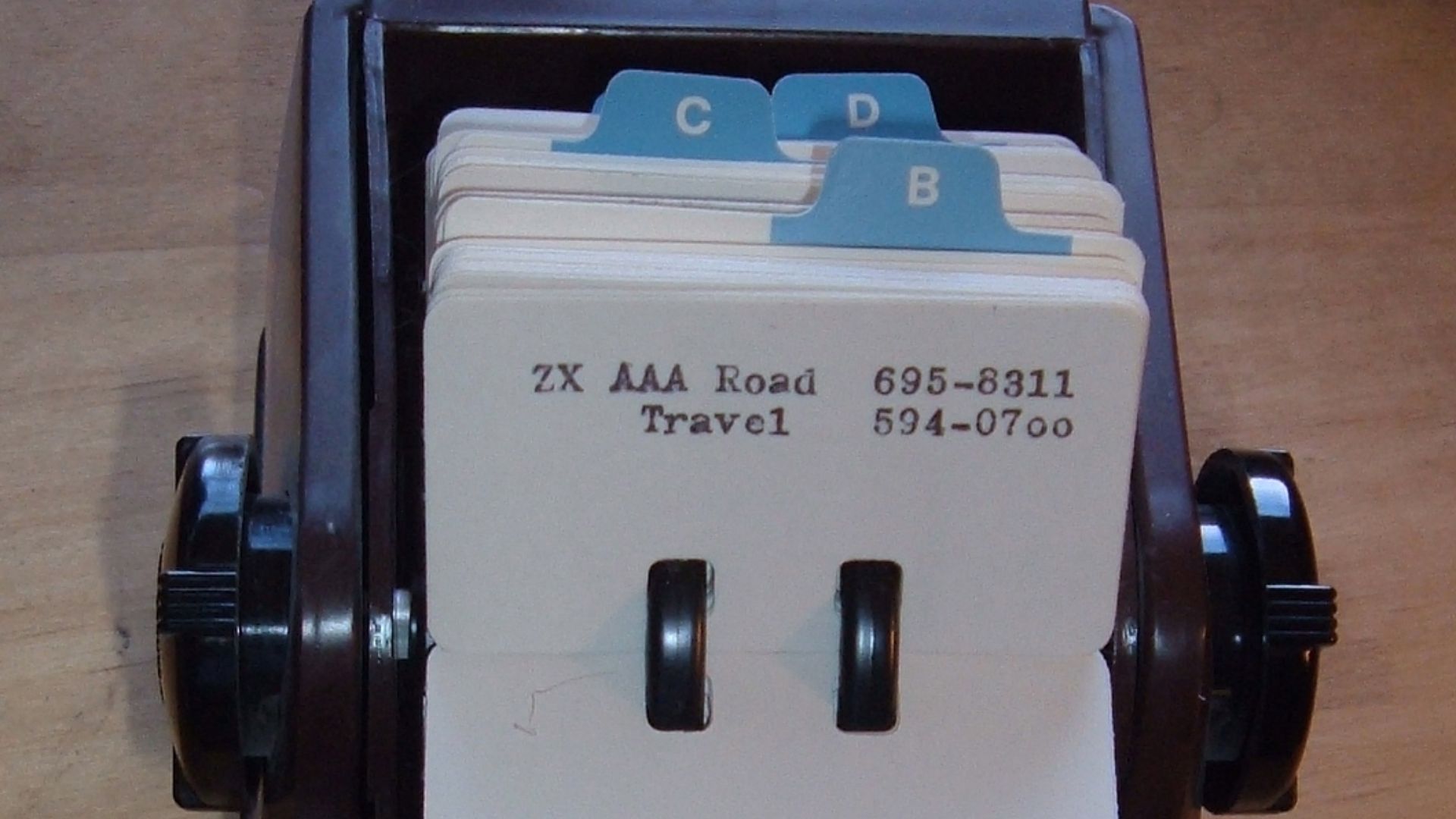
#24. The Fax Machine
The fax machine let people send documents through phone lines, usually while making noises like a robot falling down stairs. Offices treated them as essential, even though half the time the paper came out crooked, blurry, or mysteriously missing page three.
 Richard Ash, Wikimedia Commons
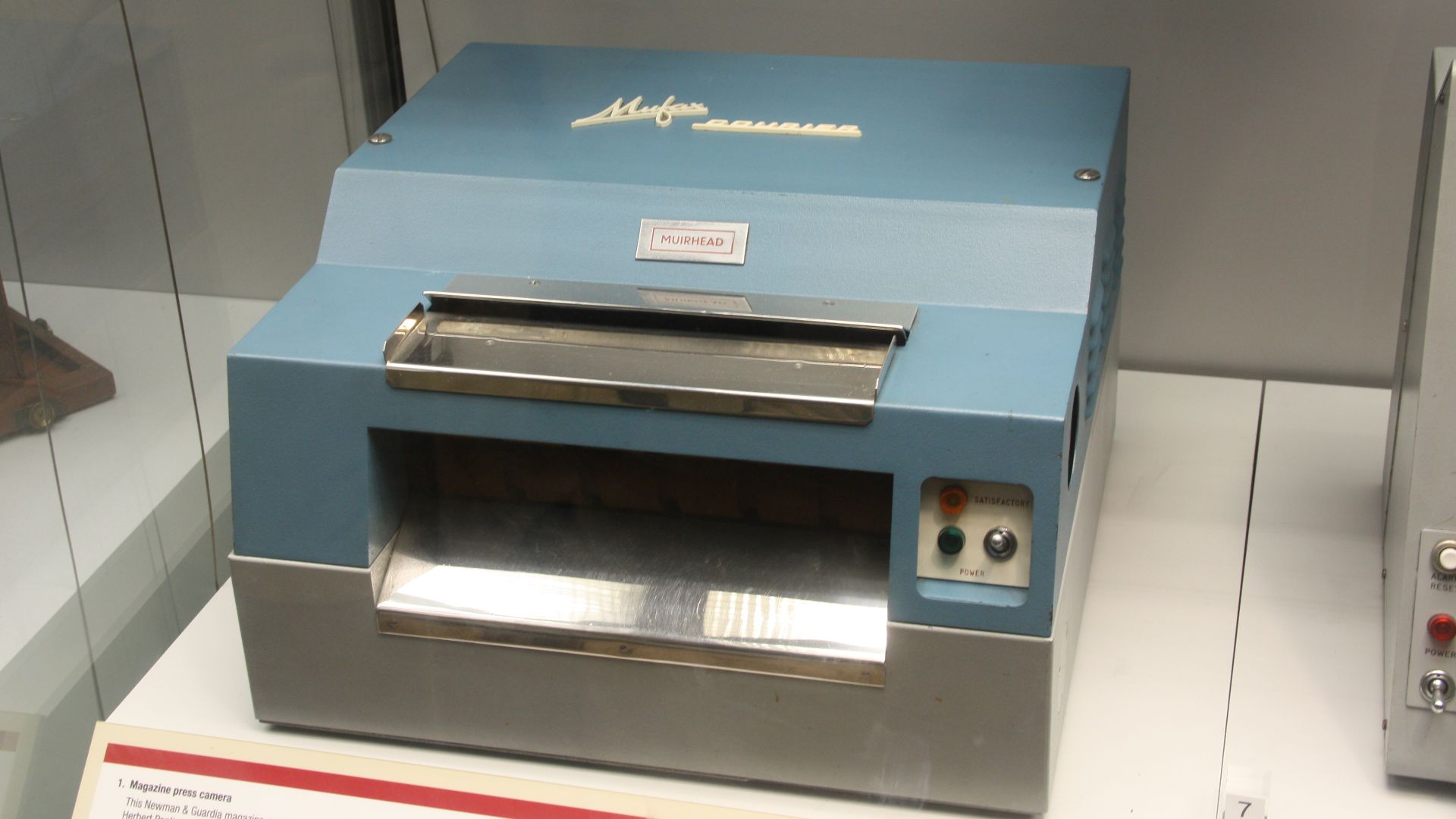
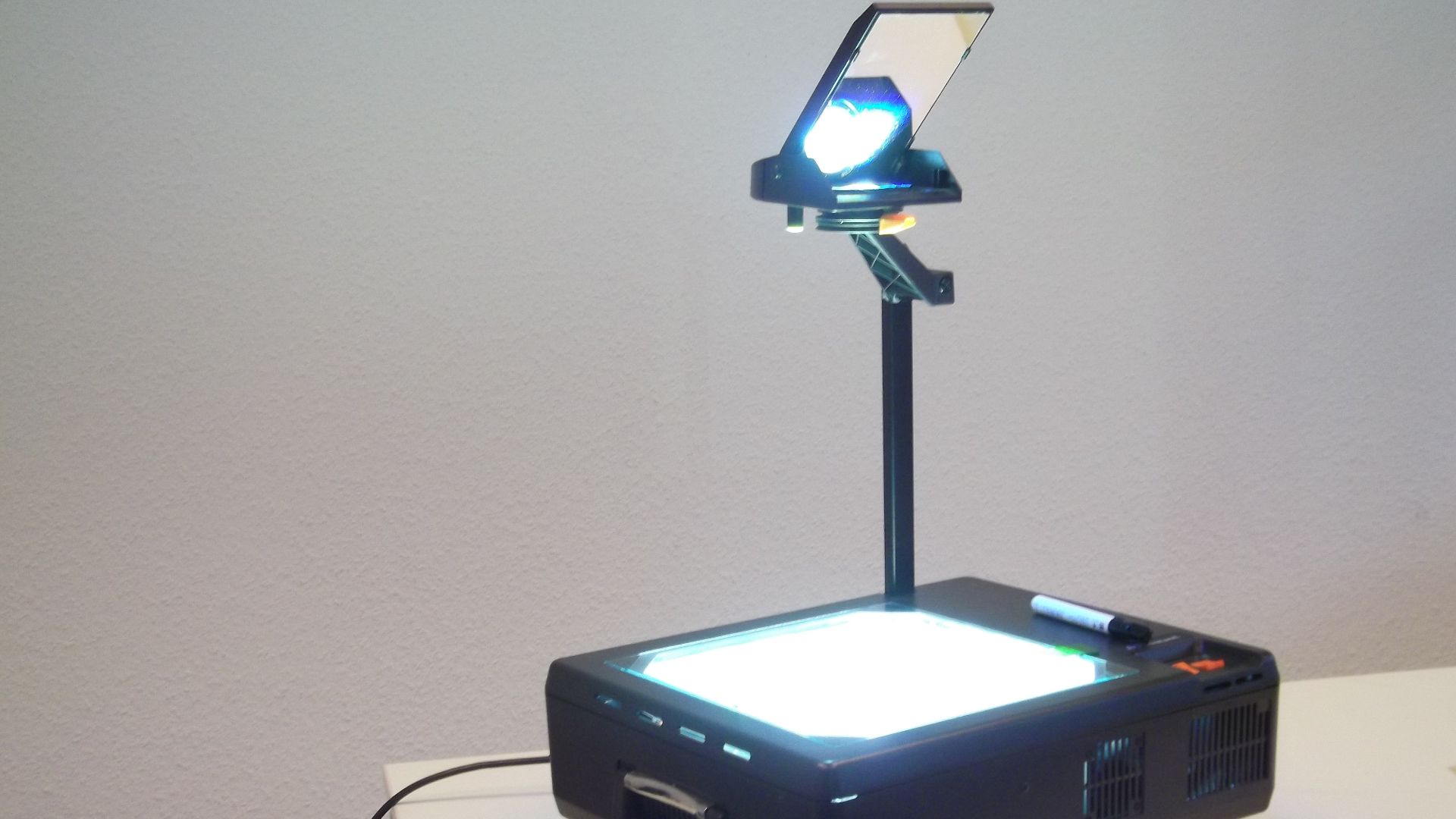
#23. The Overhead Projector
Before PowerPoint took over every meeting, teachers and office presenters used overhead projectors. They placed clear plastic sheets on a glowing glass surface, then wrote on them with markers. It was basically a giant flashlight for spreadsheets, but somehow everyone acted impressed.
#22. The Transparency Sheet
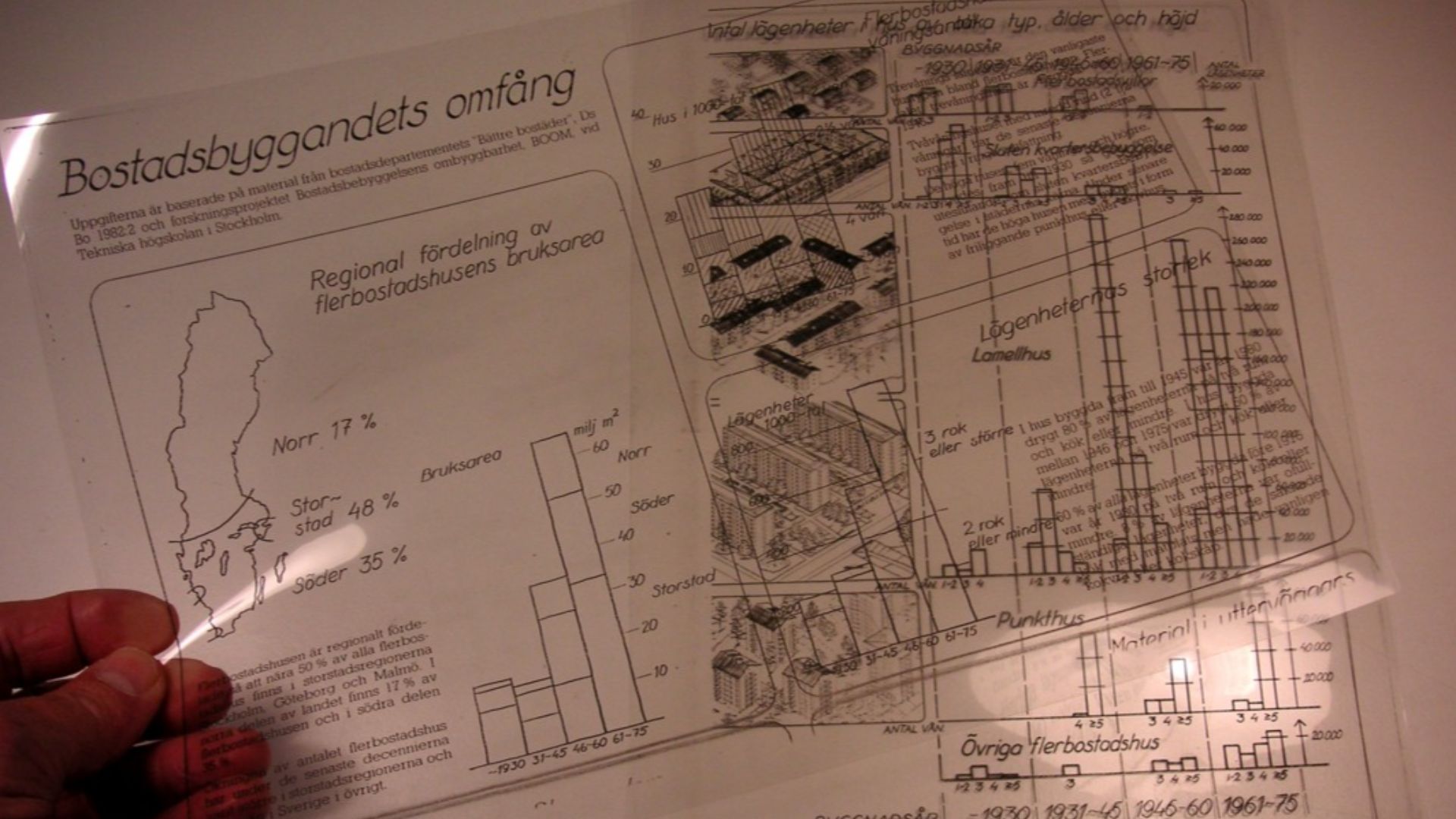
Transparency sheets were clear plastic pages used with overhead projectors. You could print on them, write on them, smudge them, or accidentally melt them if the machine got too hot. Nothing said “professional presentation” like a squeaky marker and a slightly warped pie chart.
 Holger.Ellgaard, Wikimedia Commons
#21. The Desk Intercom
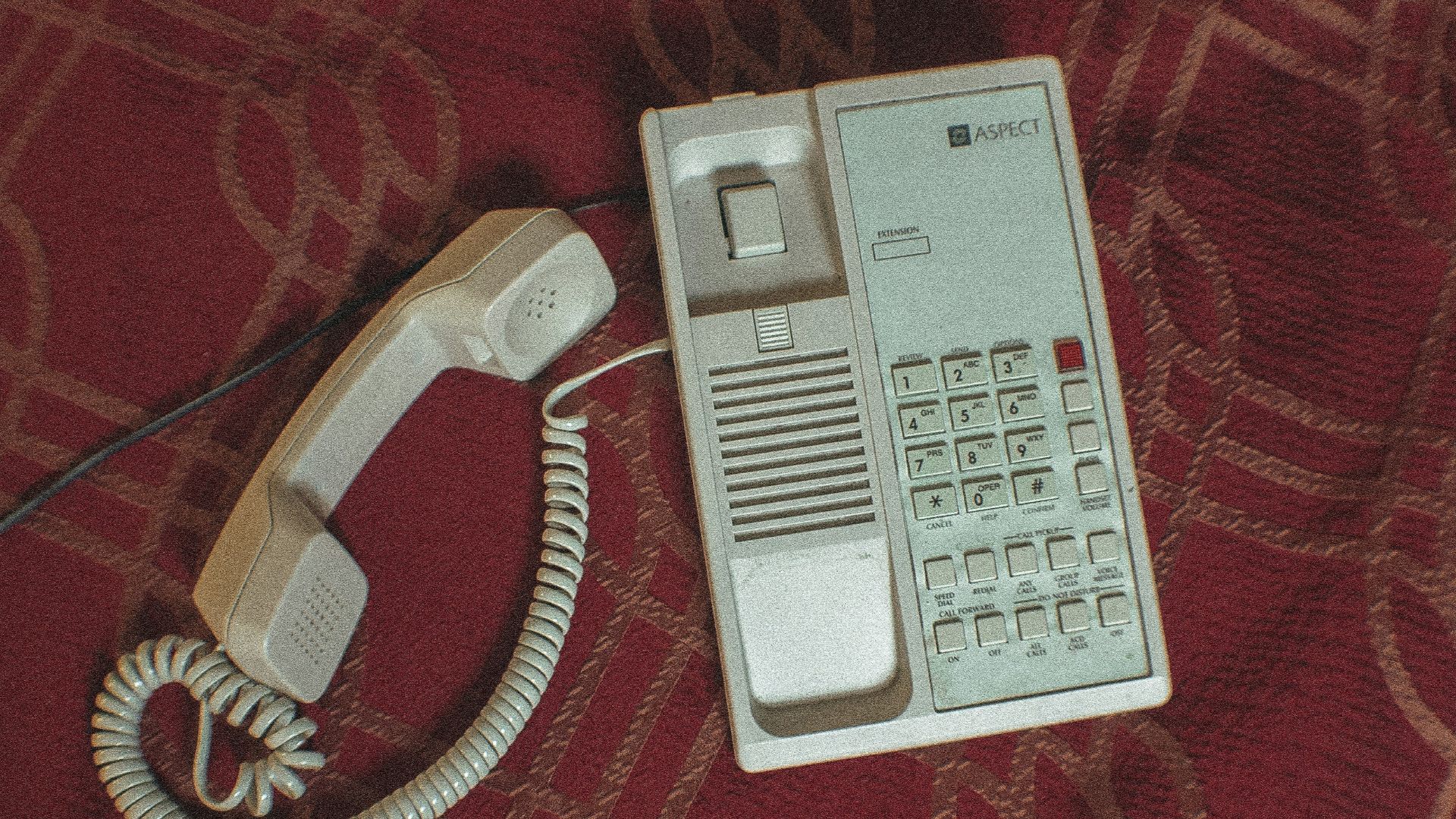
Some offices had little intercom boxes so managers could buzz assistants or speak to another room. It was like texting, except louder, more invasive, and impossible to ignore. Imagine your boss having a button specifically for summoning you. Delightful and terrifying.
 Shannon VanDenHeuvel, Unsplash
#20. The Adding Machine
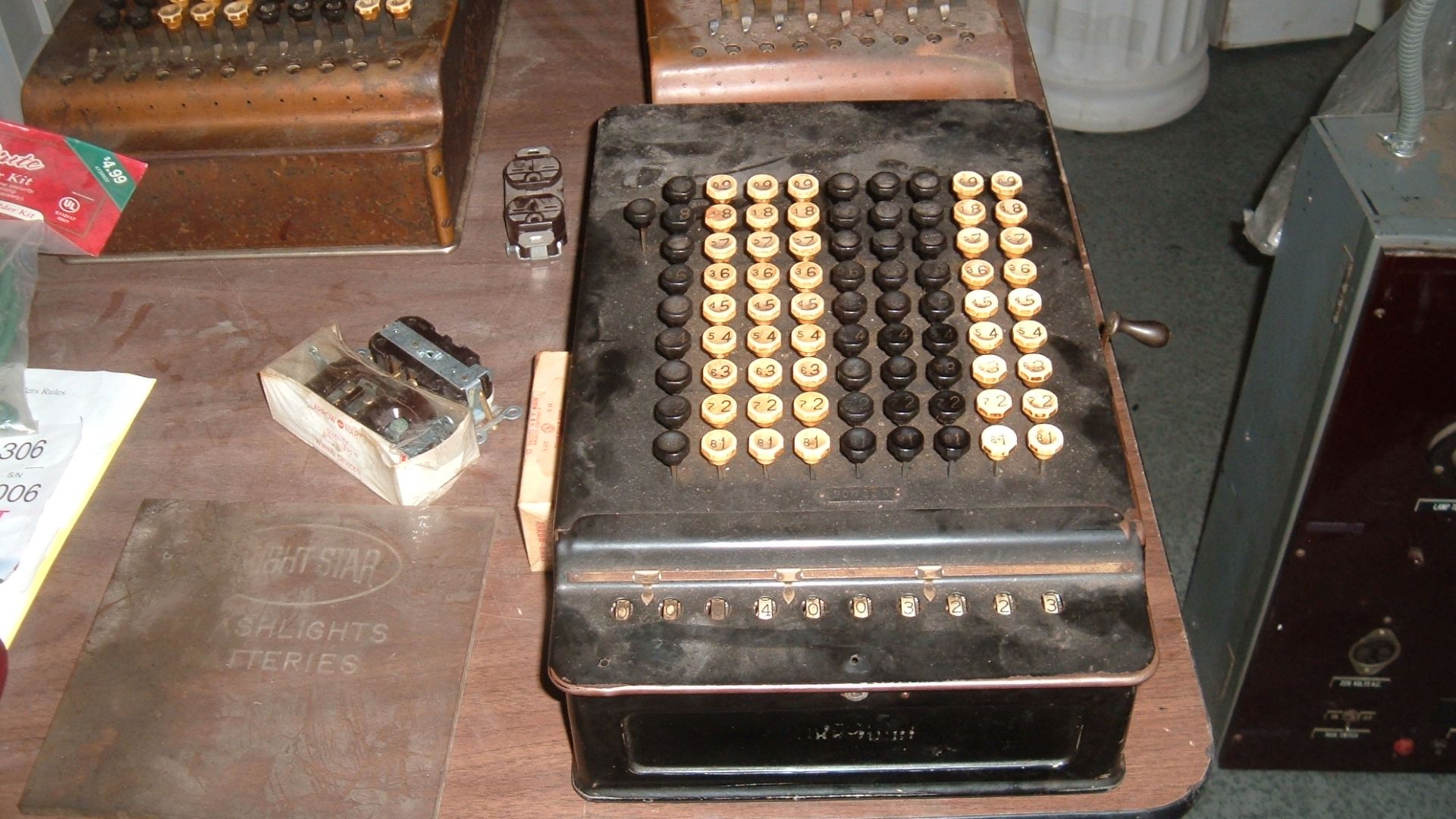
The adding machine was a calculator with a paper roll attached. Accountants and office clerks used it to print long trails of numbers, because apparently math was not official unless it had a receipt. The sound alone could make a finance department feel busy.
 ArnoldReinhold, Wikimedia Commons
#19. The Carbon Copy Form
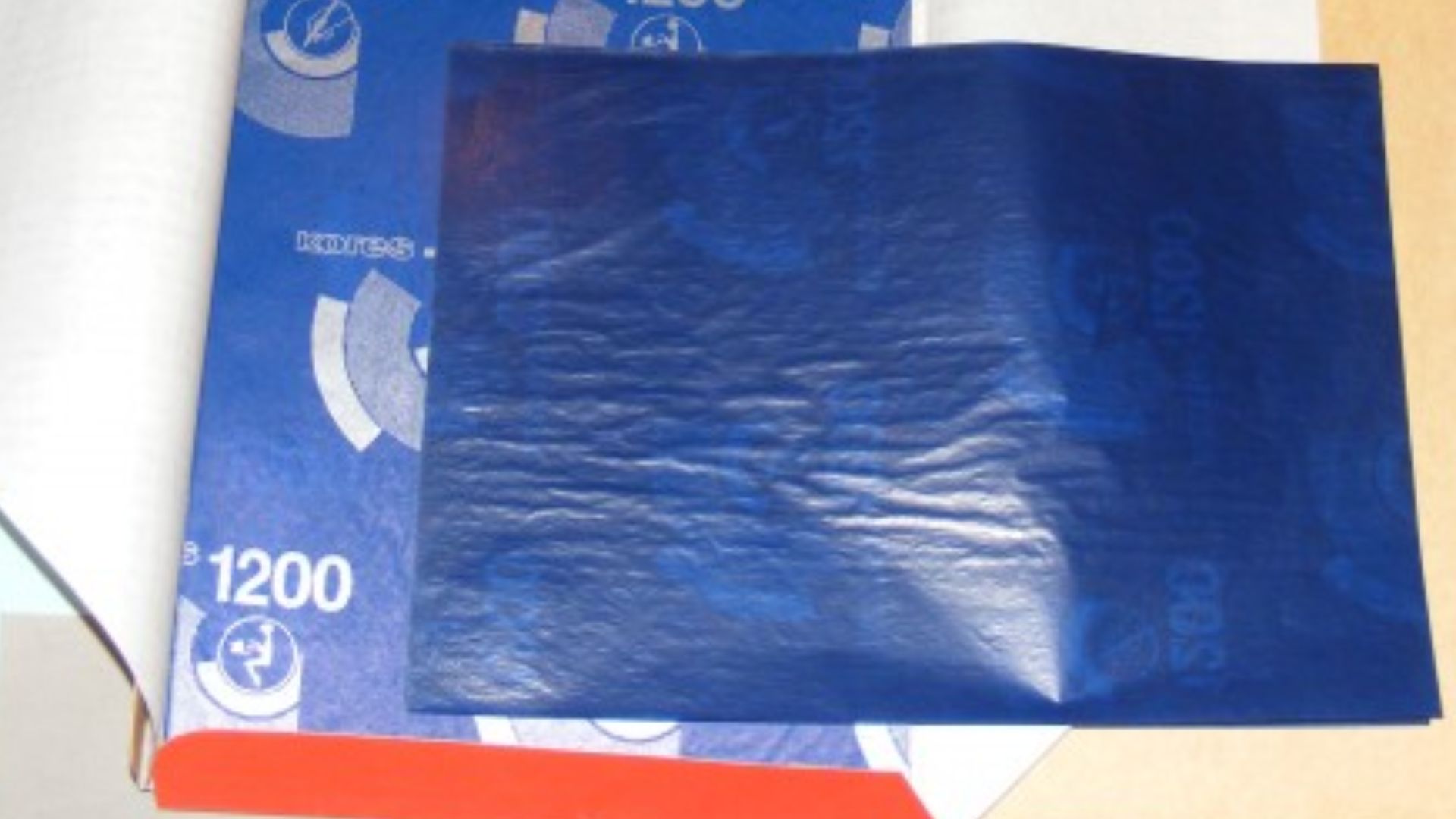
Before “CC” meant copying someone on an email, carbon copy forms used special paper to make duplicates as you wrote. Press too lightly and nothing copied. Press too hard and your hand needed medical attention. Either way, bureaucracy got its backup copy.
 Emilian Robert Vicol from Com. Balanesti, Romania, Wikimedia Commons
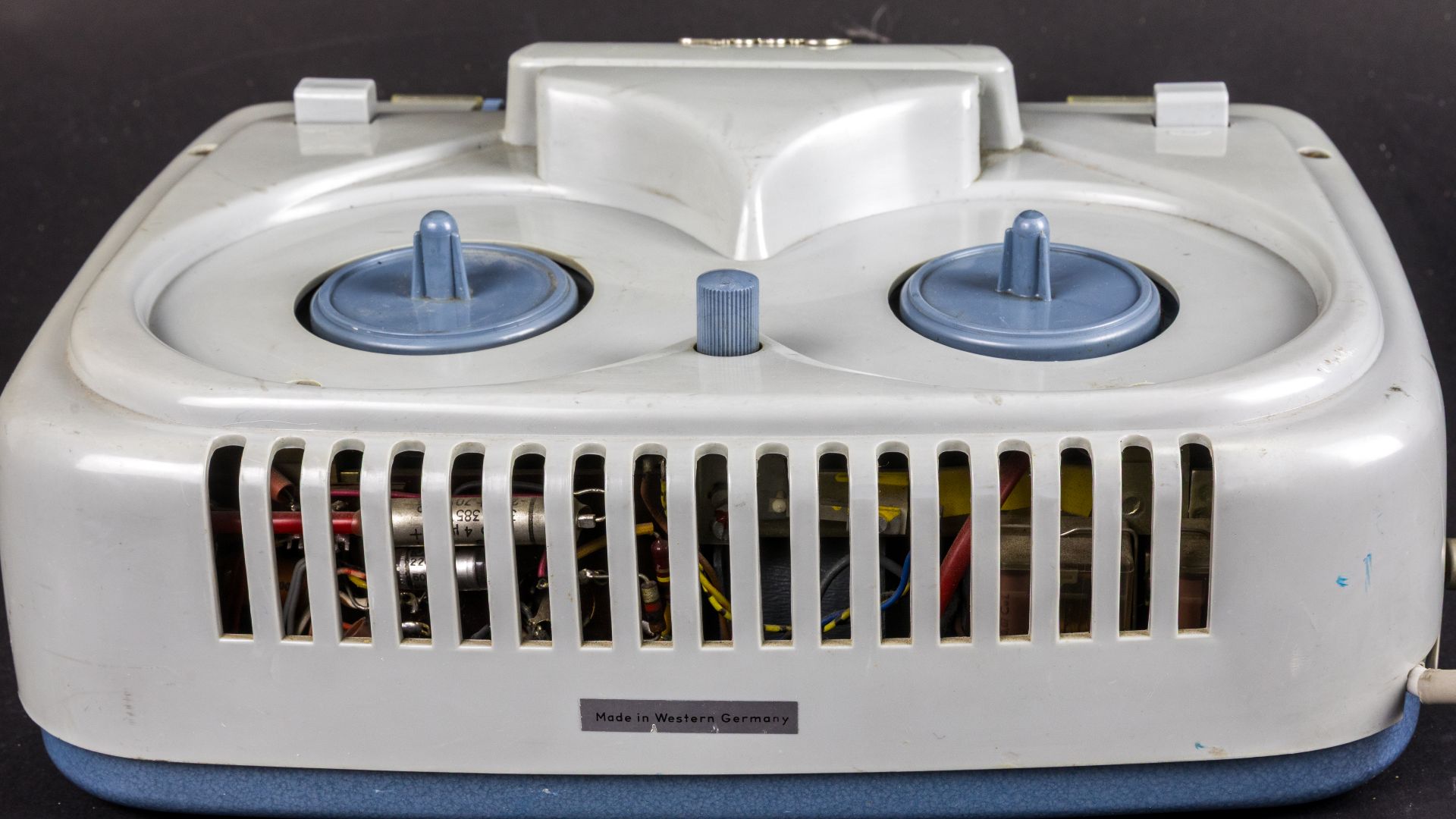
#18. The Dictation Machine
Executives once recorded letters or notes into dictation machines, then handed the recording to someone else to type. It was voice-to-text, but with more steps, more cassette tapes, and a much higher chance of someone hearing your awkward throat-clearing.
 Raimond Spekking, Wikimedia Commons
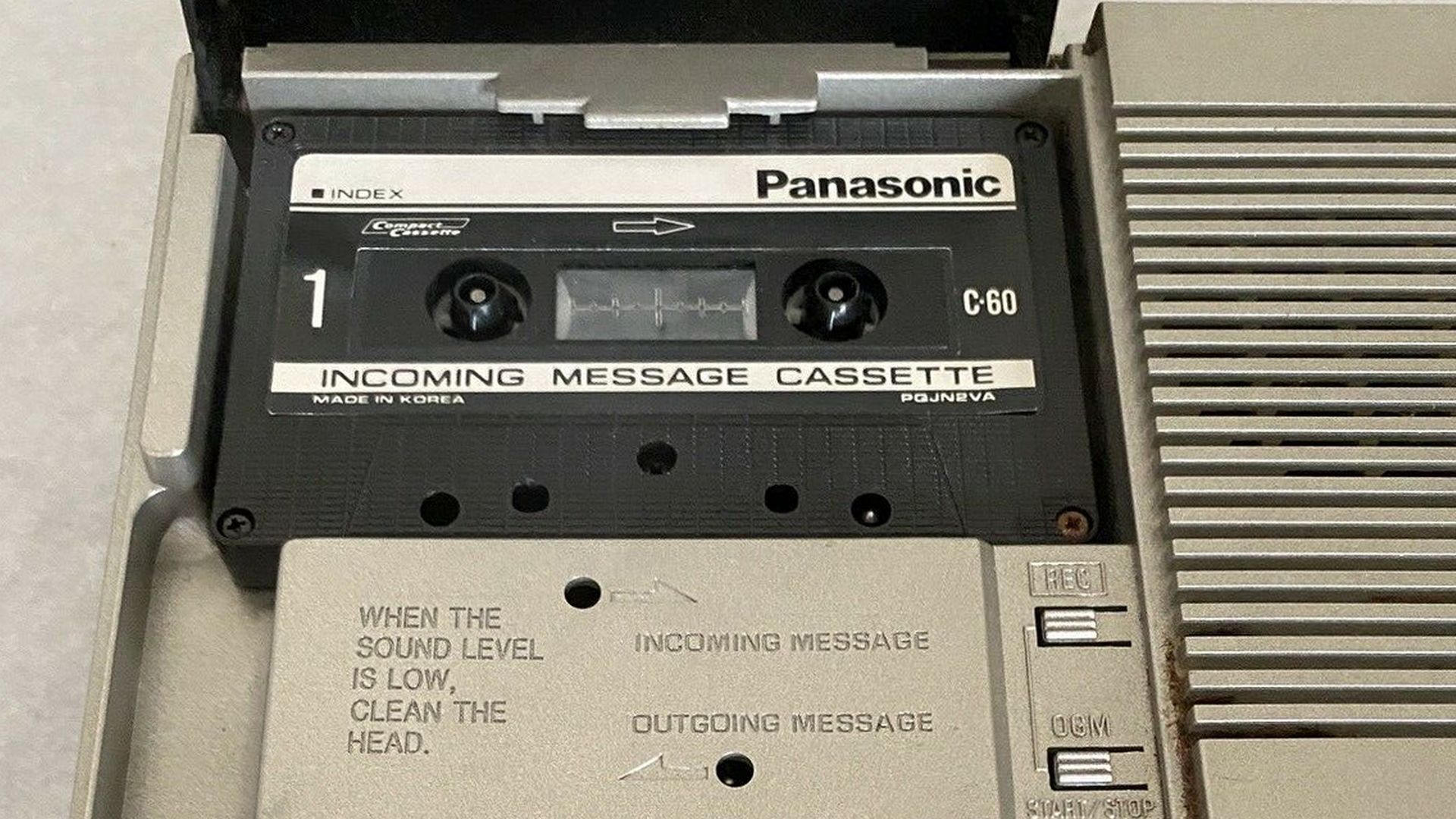
#17. The Cassette Answering Machine
Office voicemail used to live inside a physical machine with tiny cassette tapes. You could rewind messages, accidentally erase them, or listen while the caller was still talking. It was basically voicemail with stage fright and moving parts.
 Pittigrilli, Wikimedia Commons
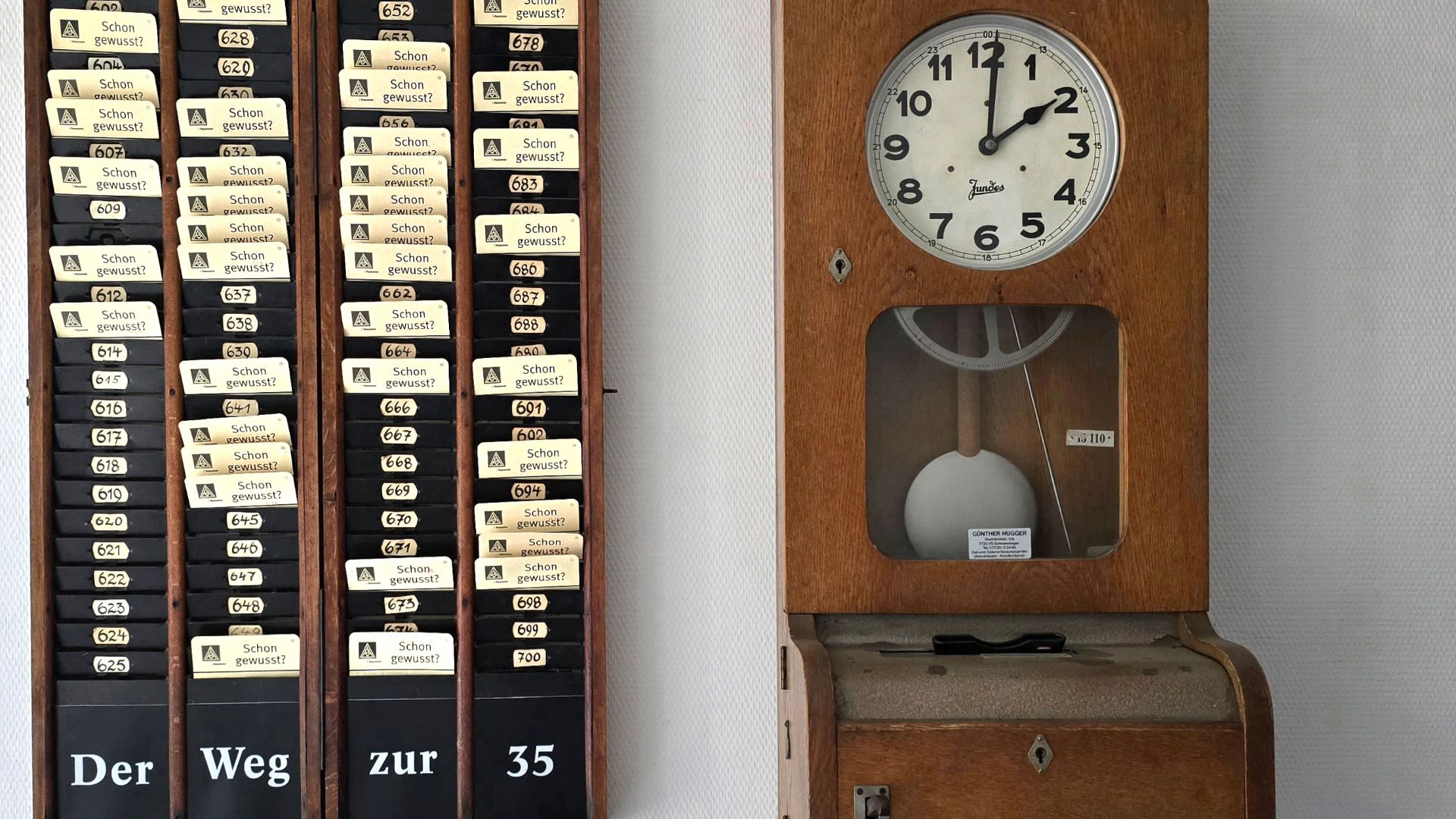
#16. The Paper Time Clock
Hourly workers used to punch time cards into a machine that stamped the exact time they arrived or left. It was simple, loud, and impossible to sweet-talk. The machine did not care about traffic, weather, or “just running five minutes behind.”
 Bernd Schwabe, Wikimedia Commons
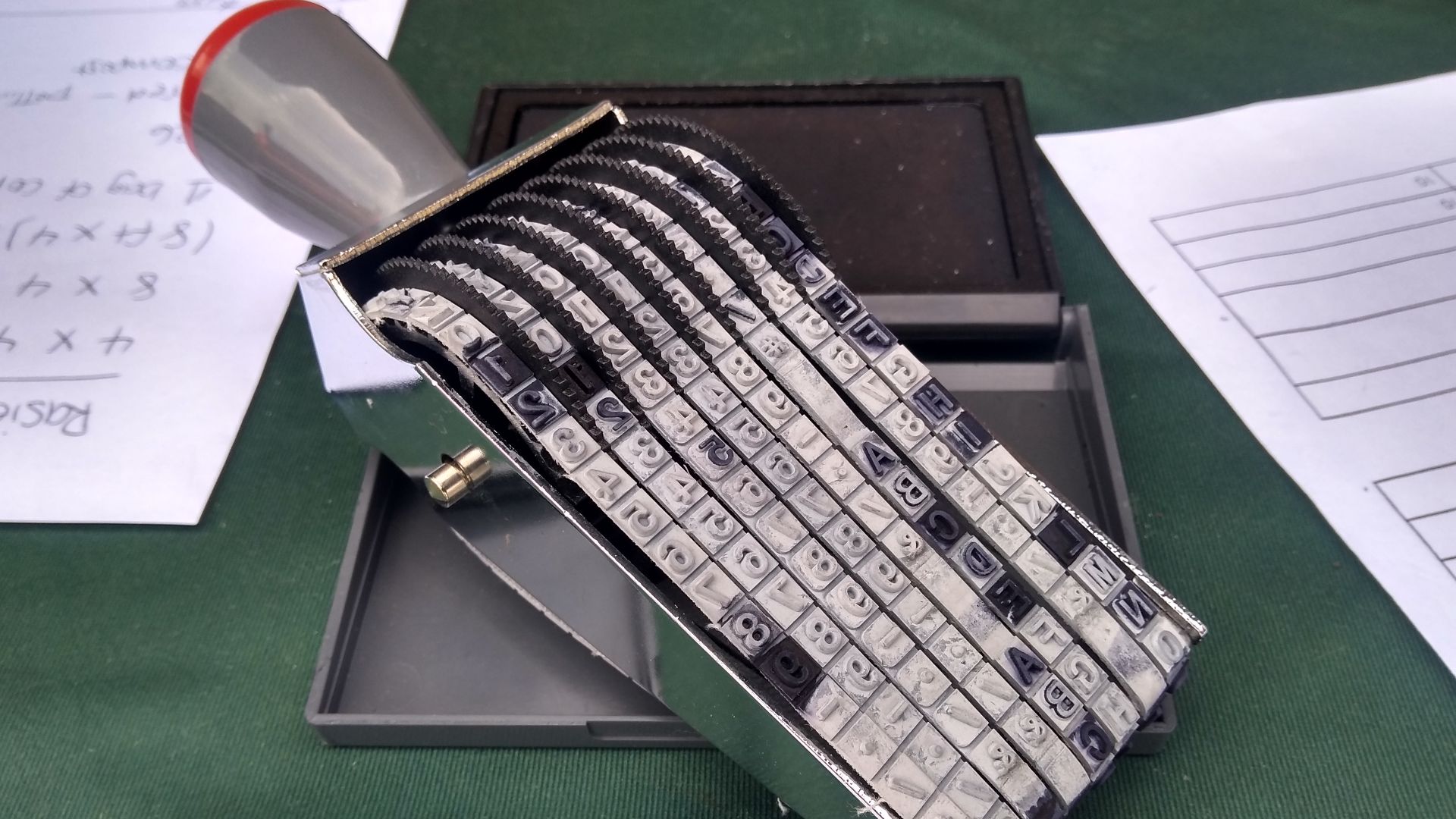
#15. The Rubber Date Stamp
Before digital timestamps, offices used rubber date stamps for documents, invoices, mail, and forms. You pressed the stamp into an ink pad, slammed it onto paper, and suddenly everything felt official. It was tiny office power in handheld form.
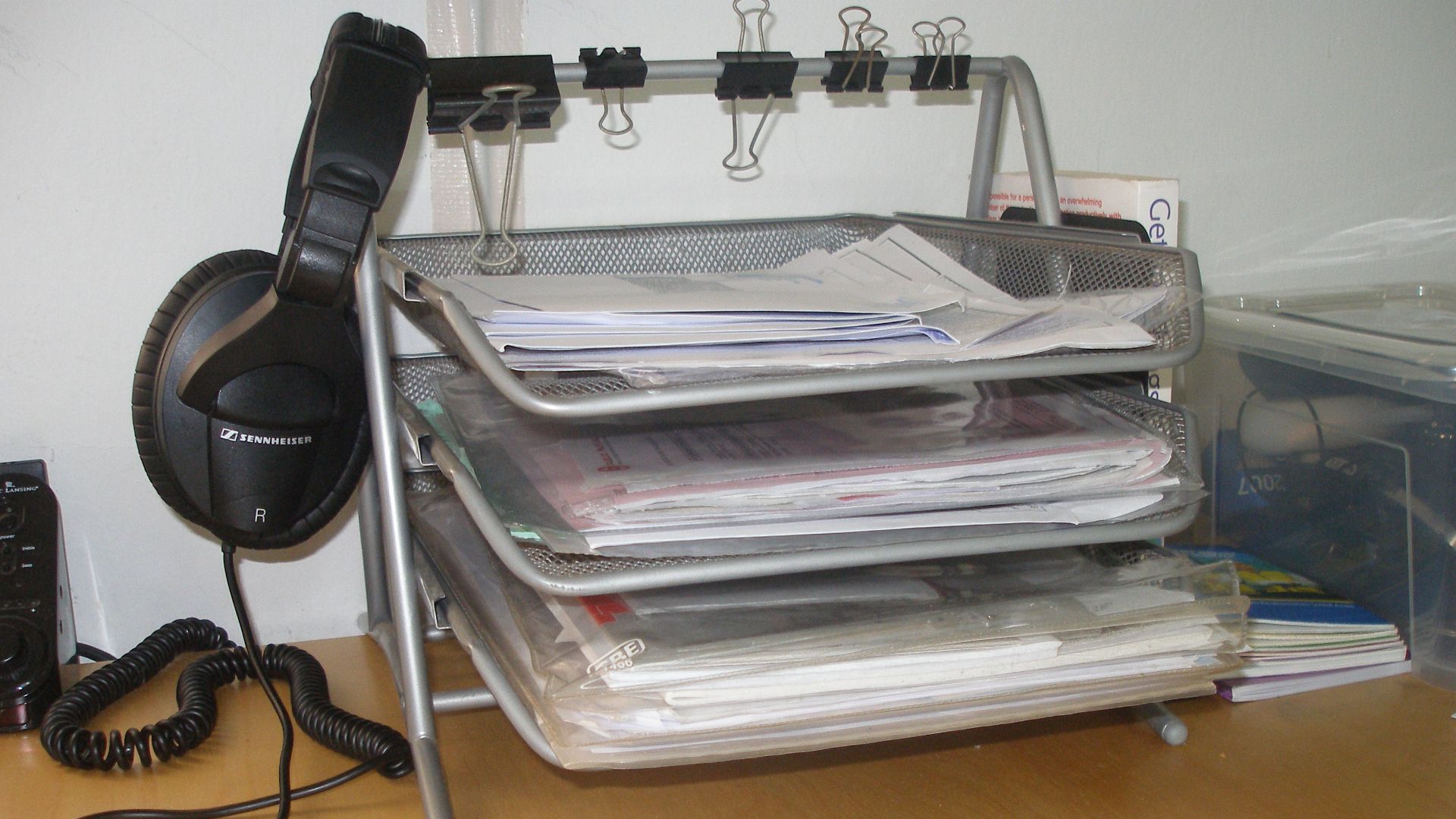
#14. The Inbox and Outbox Trays
Physical inbox and outbox trays sat on desks to organize paper documents. “Inbox” meant work you had to deal with. “Outbox” meant work you hoped someone else would deal with soon. It was email, but slower and easier to spill coffee on.
 Khairil Yusof, Wikimedia Commons
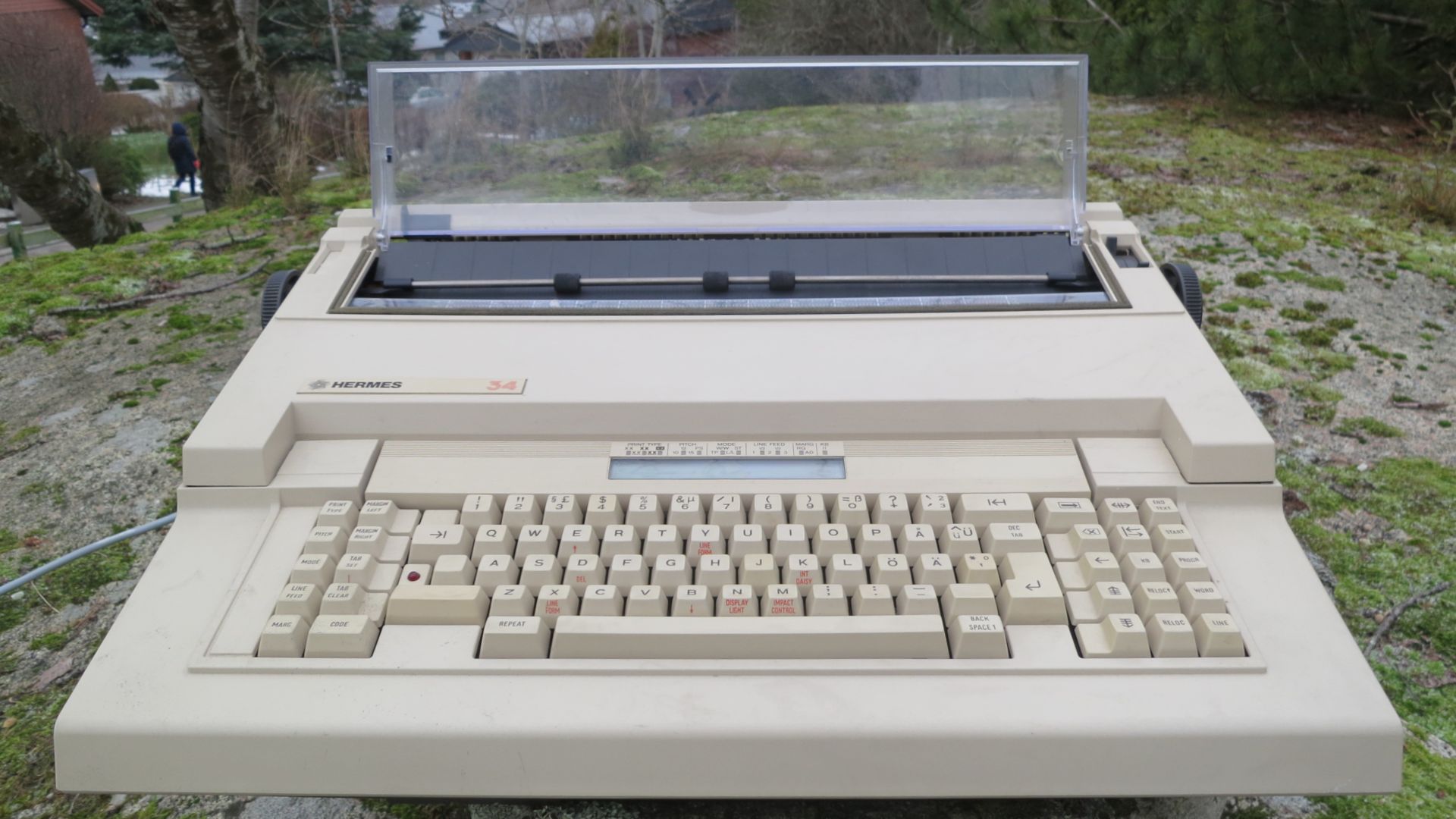
#13. The Electric Typewriter
The electric typewriter made typing faster and louder, with keys that snapped letters onto paper. There was no undo button, only regret and correction tape. Every typo felt personal, because the machine basically shouted it into existence.
 R. Henrik Nilsson, Wikimedia Commons
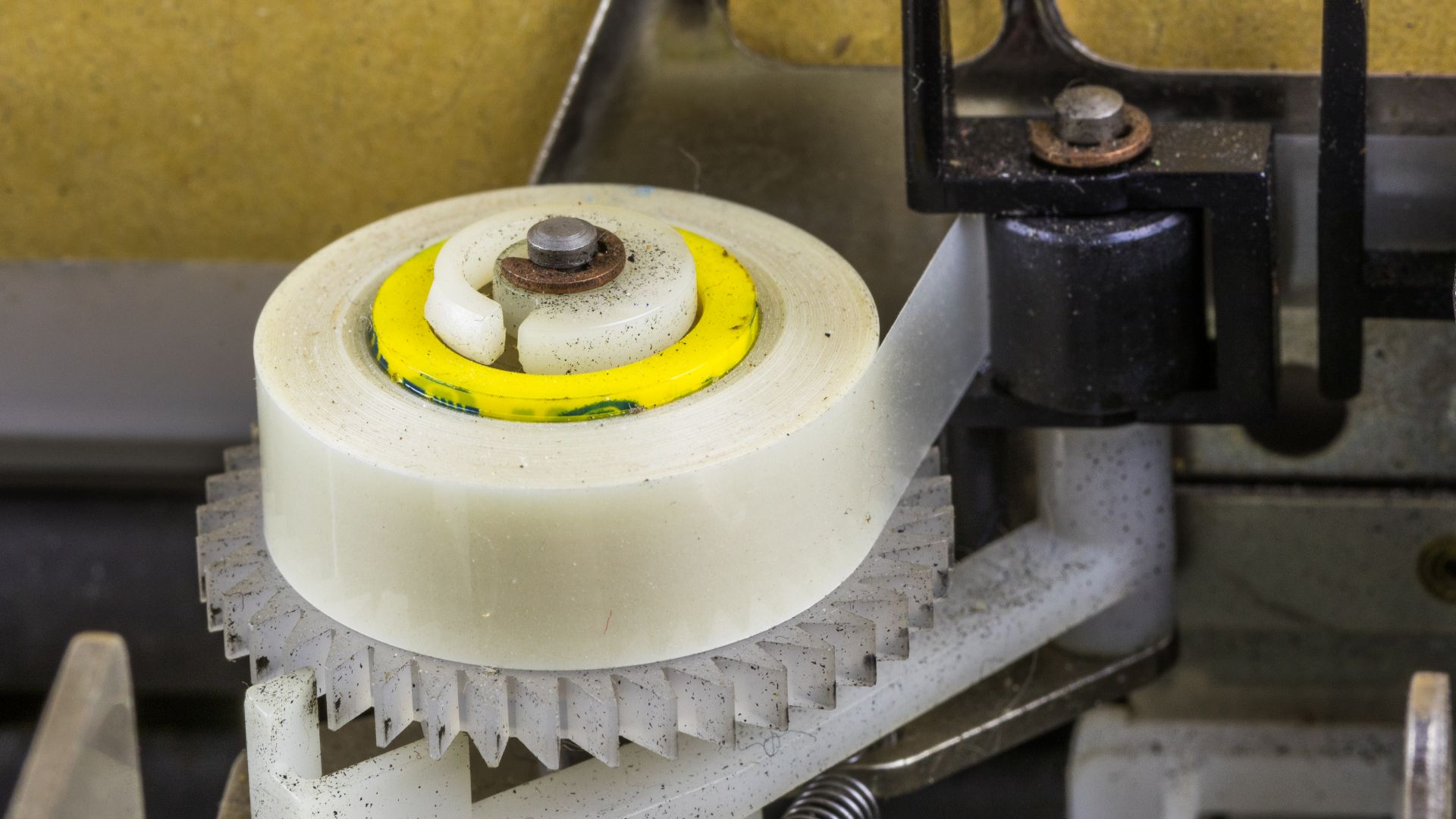
#12. Correction Tape
Correction tape was used to cover mistakes made on typewriters or handwritten forms. You rolled it over the error, typed again, and hoped nobody noticed the weird white scar on the page. It was Photoshop for paper, but clunkier and more judgmental.
 Raimond Spekking, Wikimedia Commons
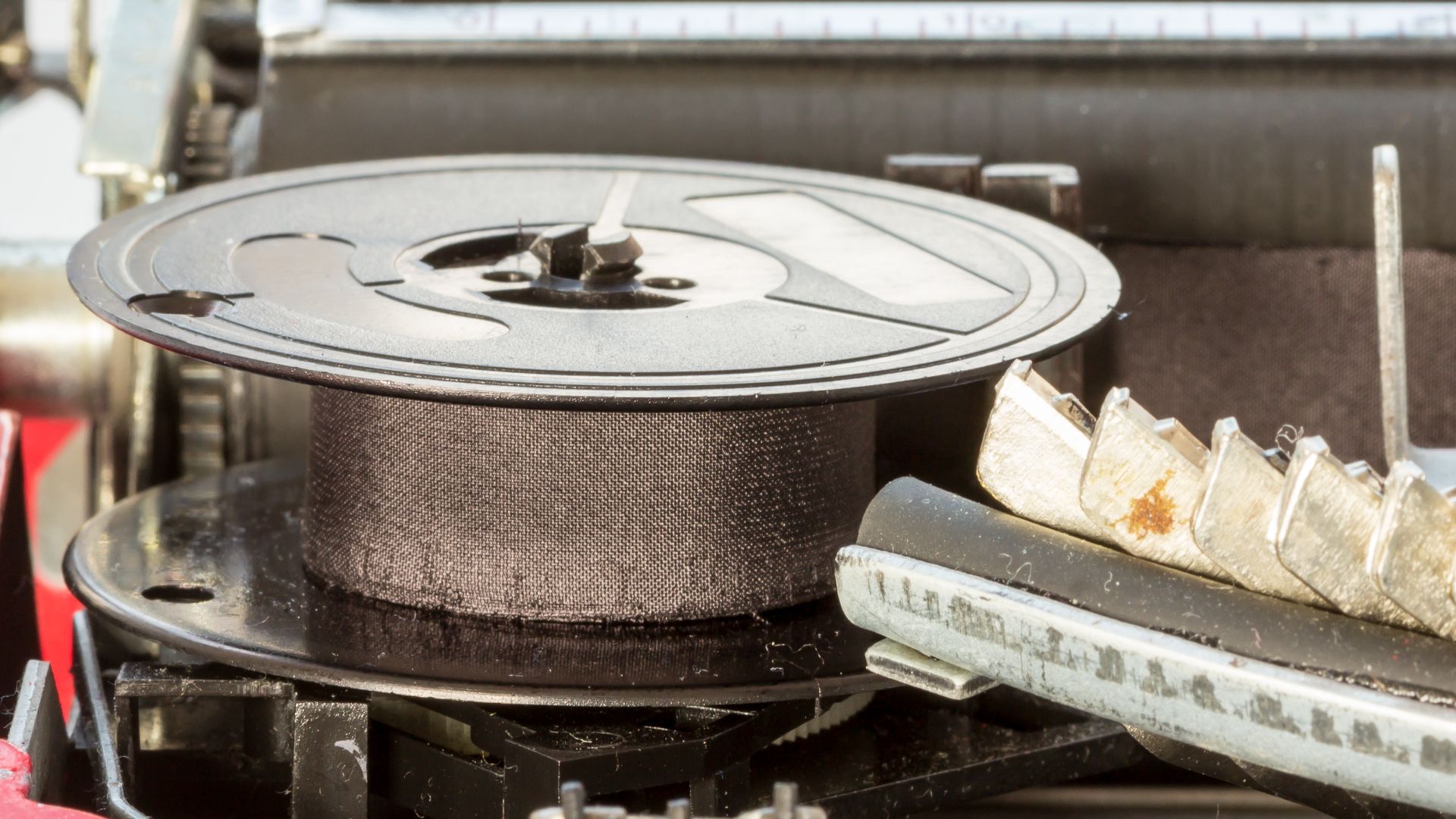
#11. The Typewriter Ribbon
Typewriters used inked ribbons to print letters onto paper. When the ribbon dried out, the words faded until documents looked like they were written by a ghost with low confidence. Replacing it was messy, fiddly, and somehow always stained someone’s fingers.
 Raimond Spekking, Wikimedia Commons
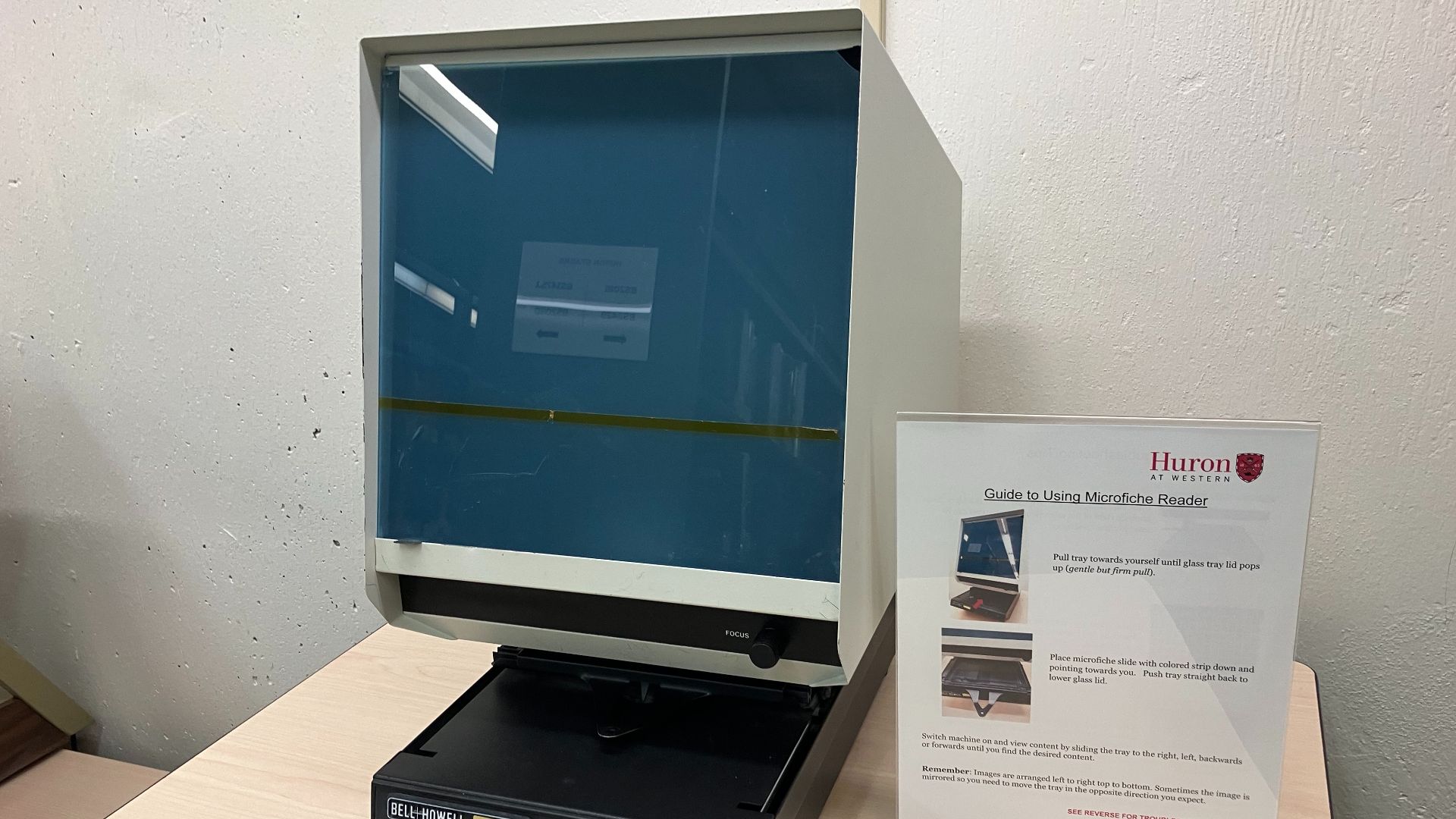
#10. The Microfiche Reader
Microfiche readers displayed tiny photographed documents stored on flat sheets of film. Libraries, offices, and government departments used them to search archives. To anyone under 30, the machine looks like a retro spaceship designed exclusively for reading old utility bills.
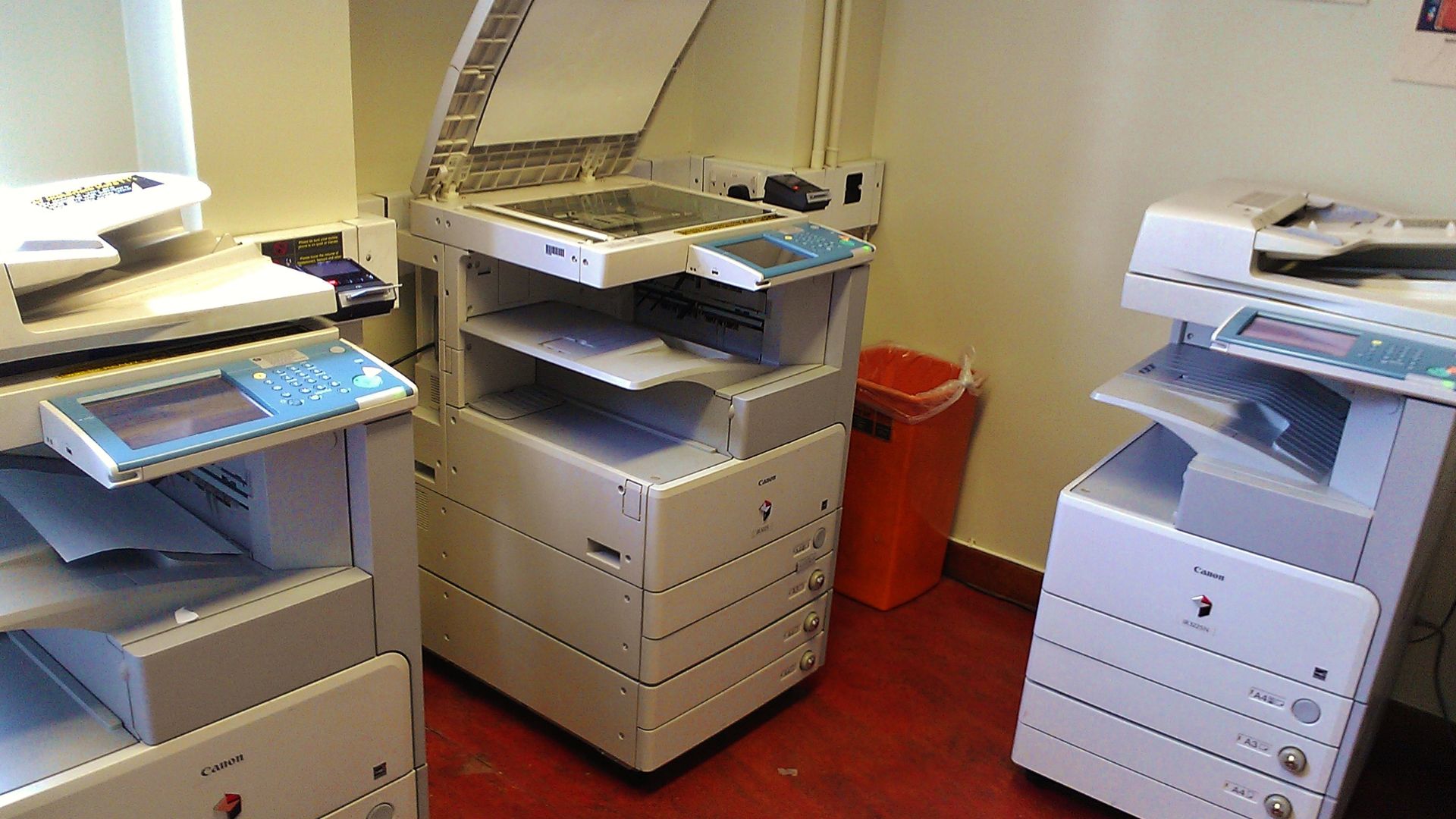
#9. The Photocopier Coin Box
Some offices, libraries, and copy centers had coin-operated photocopiers. You inserted coins to make copies, which feels deeply strange now that people complain about printer ink subscriptions. Back then, even copying a document could require exact change and emotional patience.
 Midnightblueowl at English Wikipedia, Wikimedia Commons
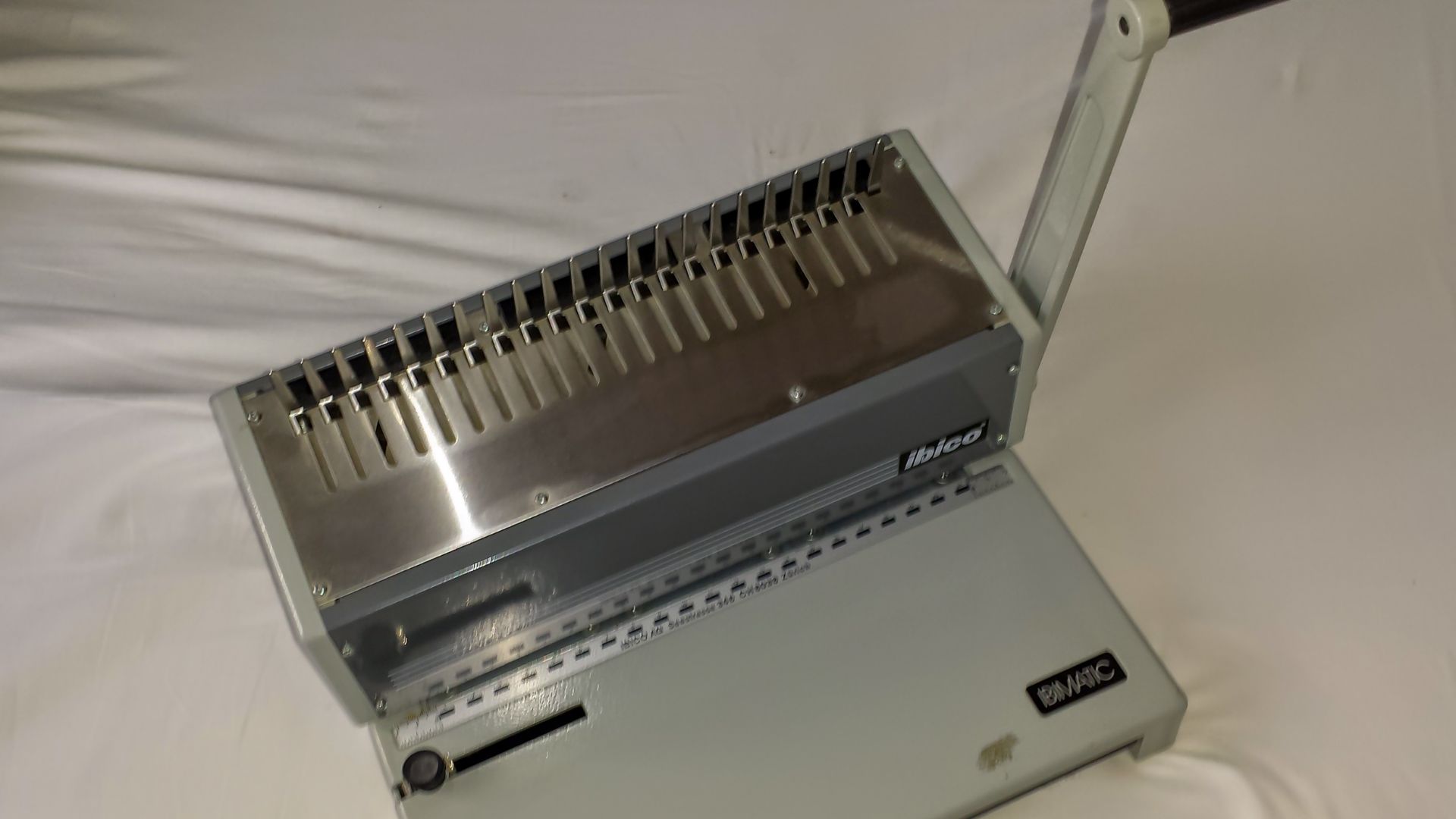
#8. The Spiral Binding Machine
Offices used spiral binding machines to punch holes into reports and wind plastic coils through the pages. It made homemade documents look “official,” as long as the coil did not jam halfway through. Nothing said corporate polish like wrestling plastic spaghetti.
 Matti Blume, Wikimedia Commons
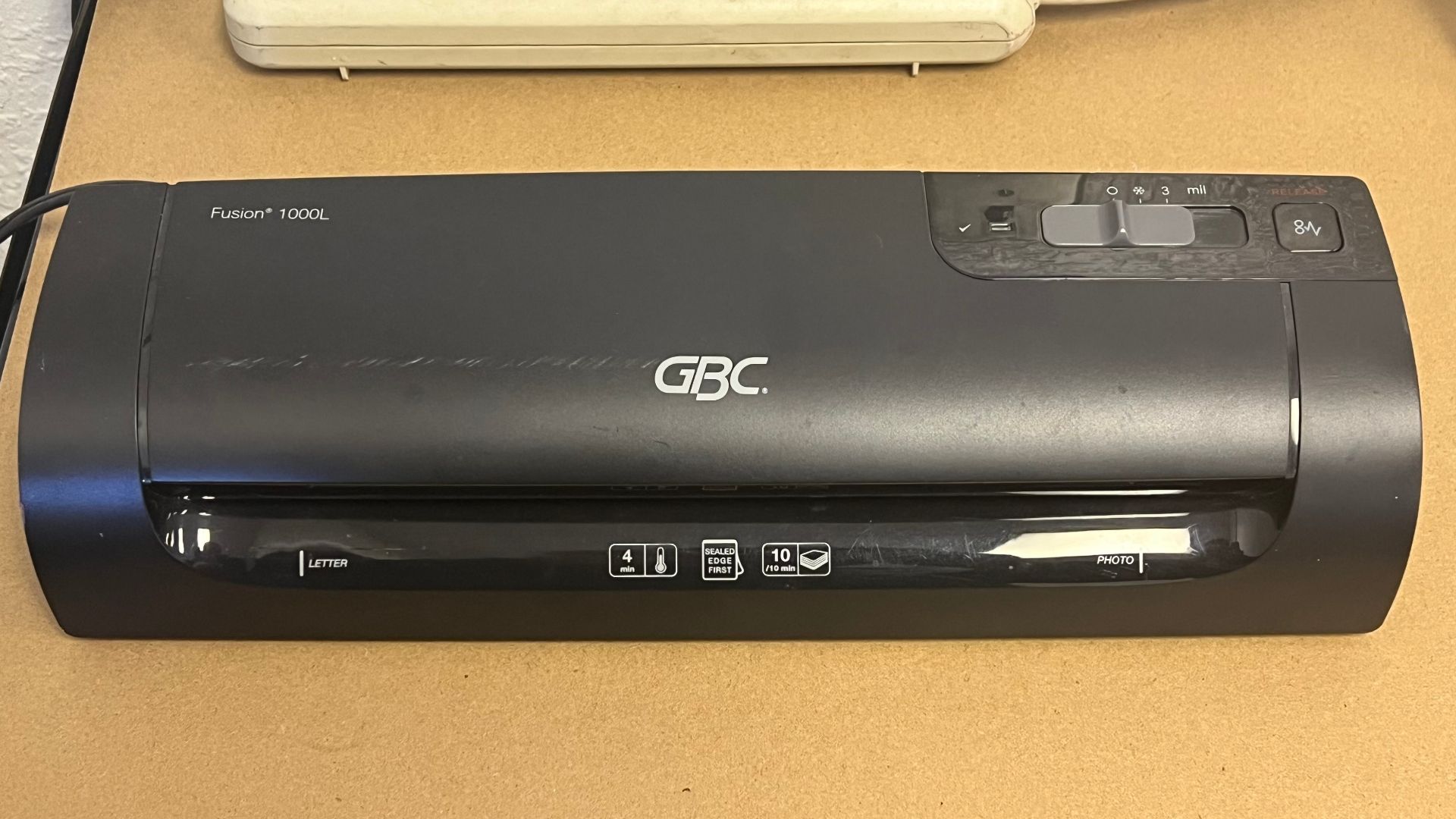
#7. The Laminator
Laminators sealed paper inside plastic using heat. Offices used them for signs, ID cards, menus, instructions, and anything managers wanted to make weirdly permanent. Once something was laminated, it carried authority. Even a “Do Not Touch” sign suddenly looked legally binding.
 TaurusEmerald, Wikimedia Commons
#6. The Label Maker With Embossing Tape
Old label makers punched raised white letters onto stiff plastic tape. You squeezed the handle letter by letter, like you were training for office forearm day. The labels were useful, but also made everything look like it belonged in a 1980s filing cabinet.
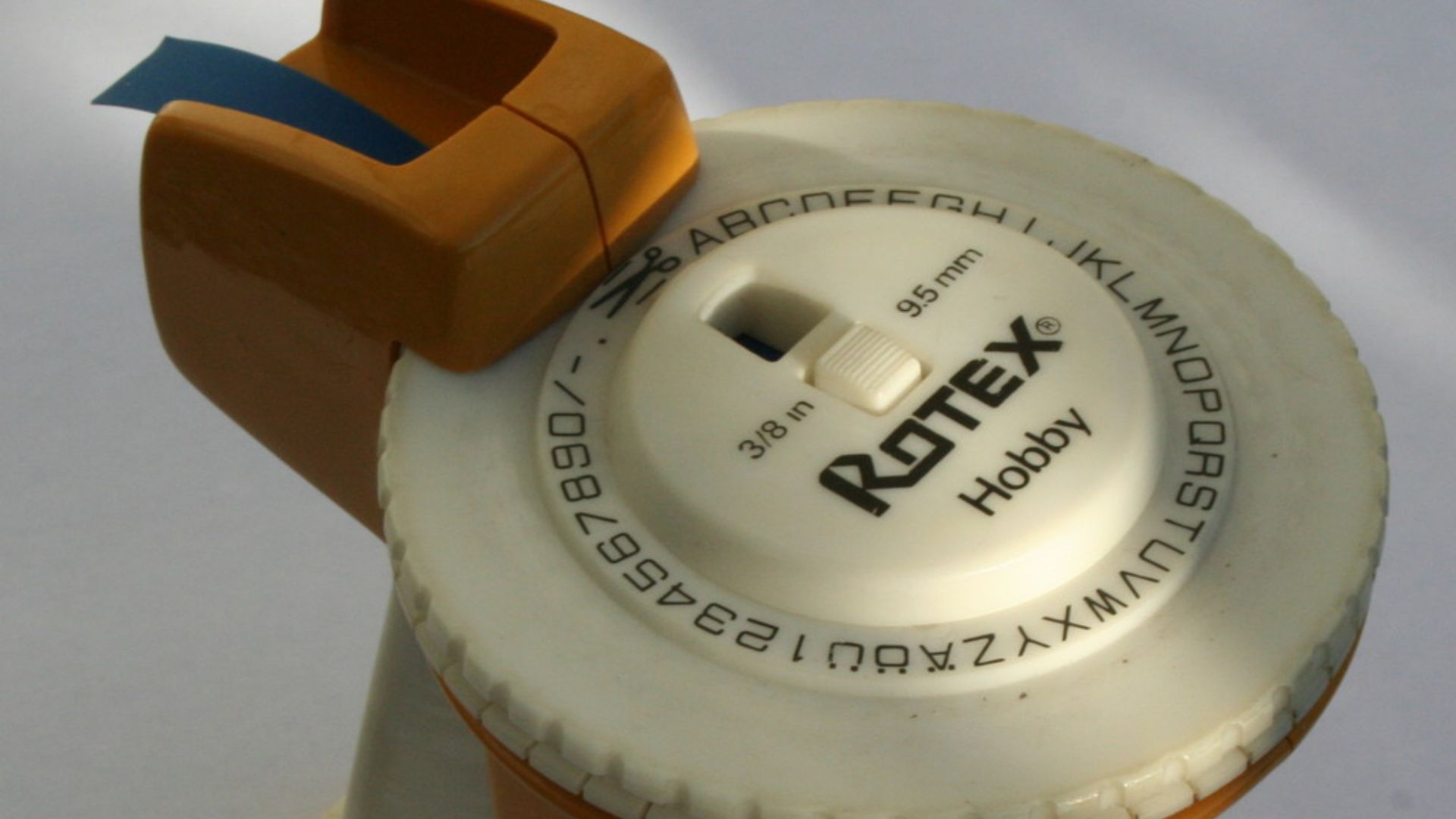 Gmhofmann at German Wikipedia, Wikimedia Commons
#5. The Desktop Letter Opener
Some offices had small electric letter openers that sliced envelopes open automatically. This was perfect when mail arrived in giant stacks instead of as notifications. It also added a tiny element of danger to reading invoices, which probably kept accounting awake.
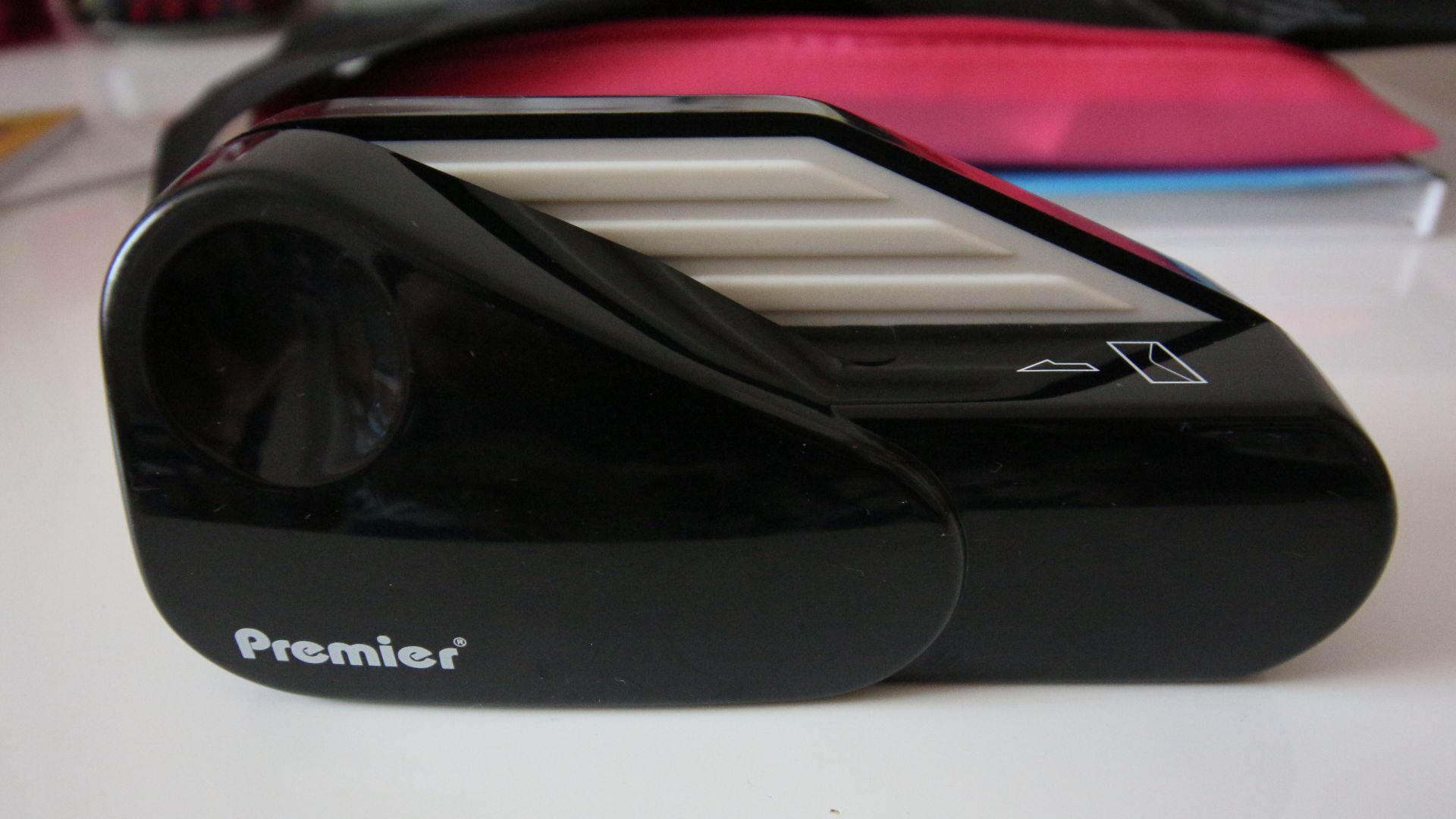 SK Sturm Fan, Wikimedia Commons
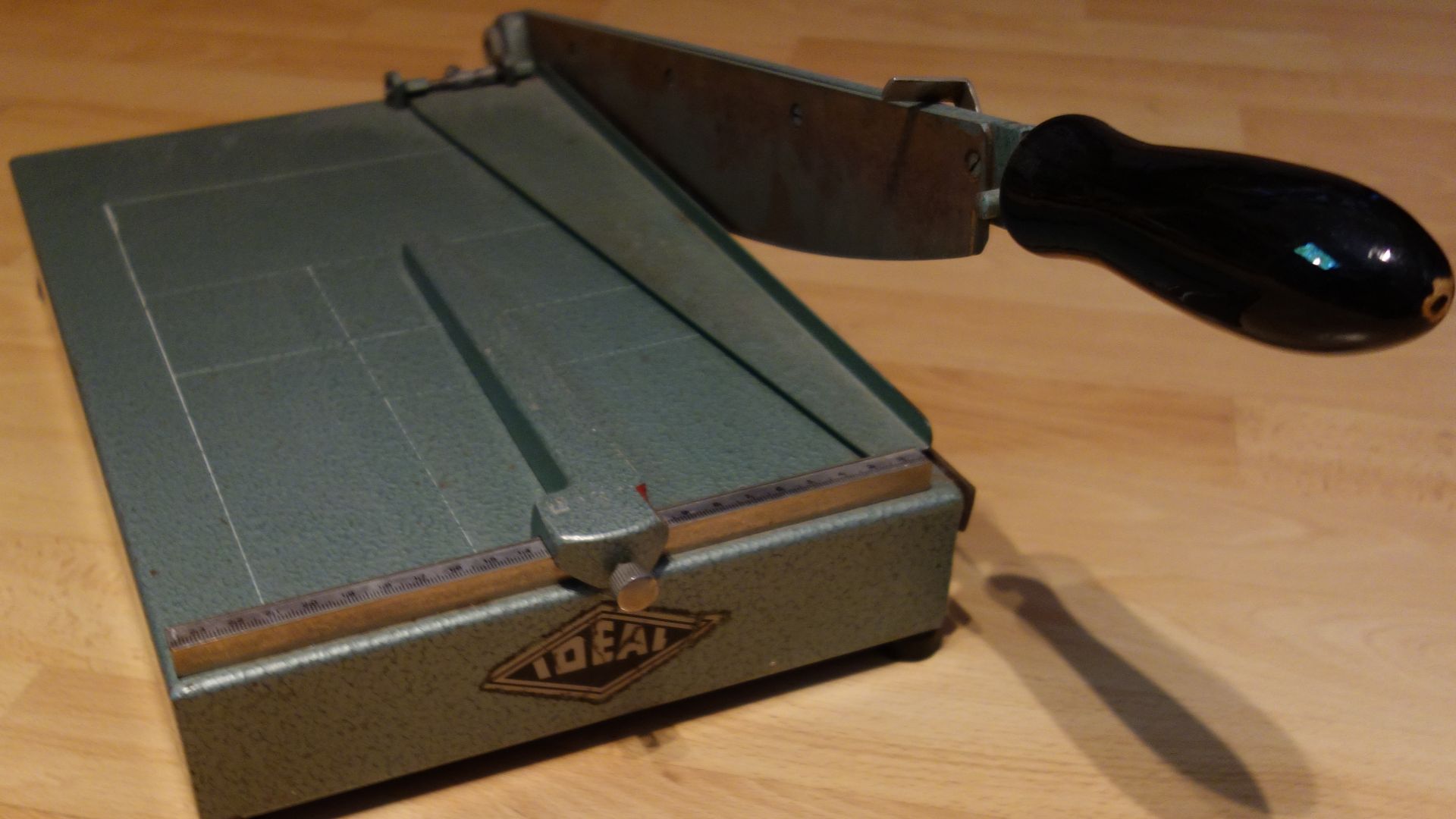
#4. The Paper Guillotine Cutter
The paper guillotine cutter had a long blade that chopped stacks of paper in one dramatic motion. It was efficient, terrifying, and definitely not designed by someone worried about workplace anxiety. Every office had one, and everyone respected it immediately.
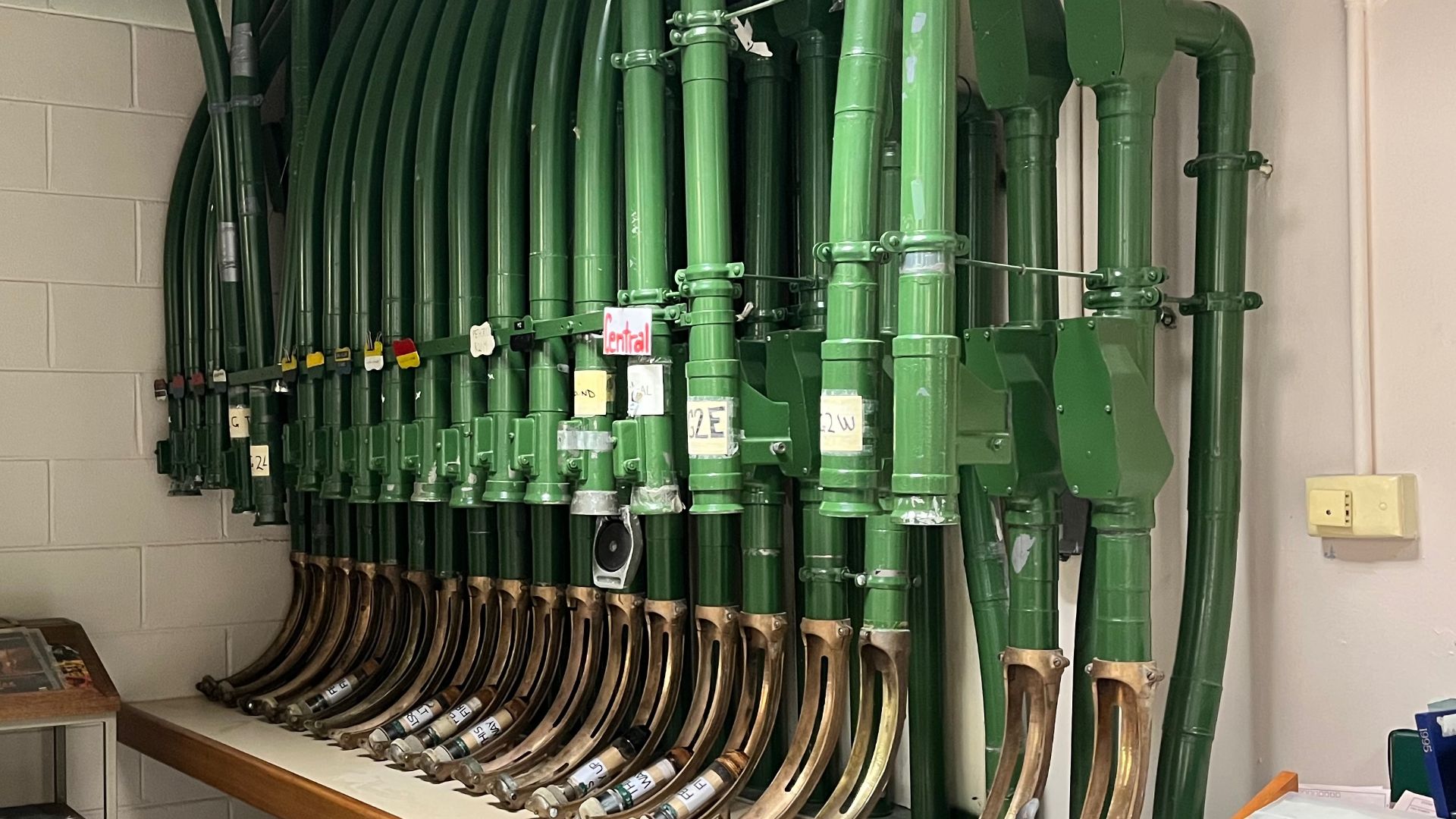
#3. The Pneumatic Tube System
Some offices, banks, and hospitals used pneumatic tubes to shoot capsules through walls using air pressure. Documents, cash, and forms traveled through the building like secret messages in a cartoon. Honestly, this one still feels futuristic. Why did we abandon office teleportation?
#2. The Mimeograph Machine
The mimeograph machine made copies using ink, stencils, and a hand-cranked or motorized drum. It was common in schools and offices before modern photocopiers. It also had a distinctive smell, meaning your paperwork came with aromatherapy whether you wanted it or not.
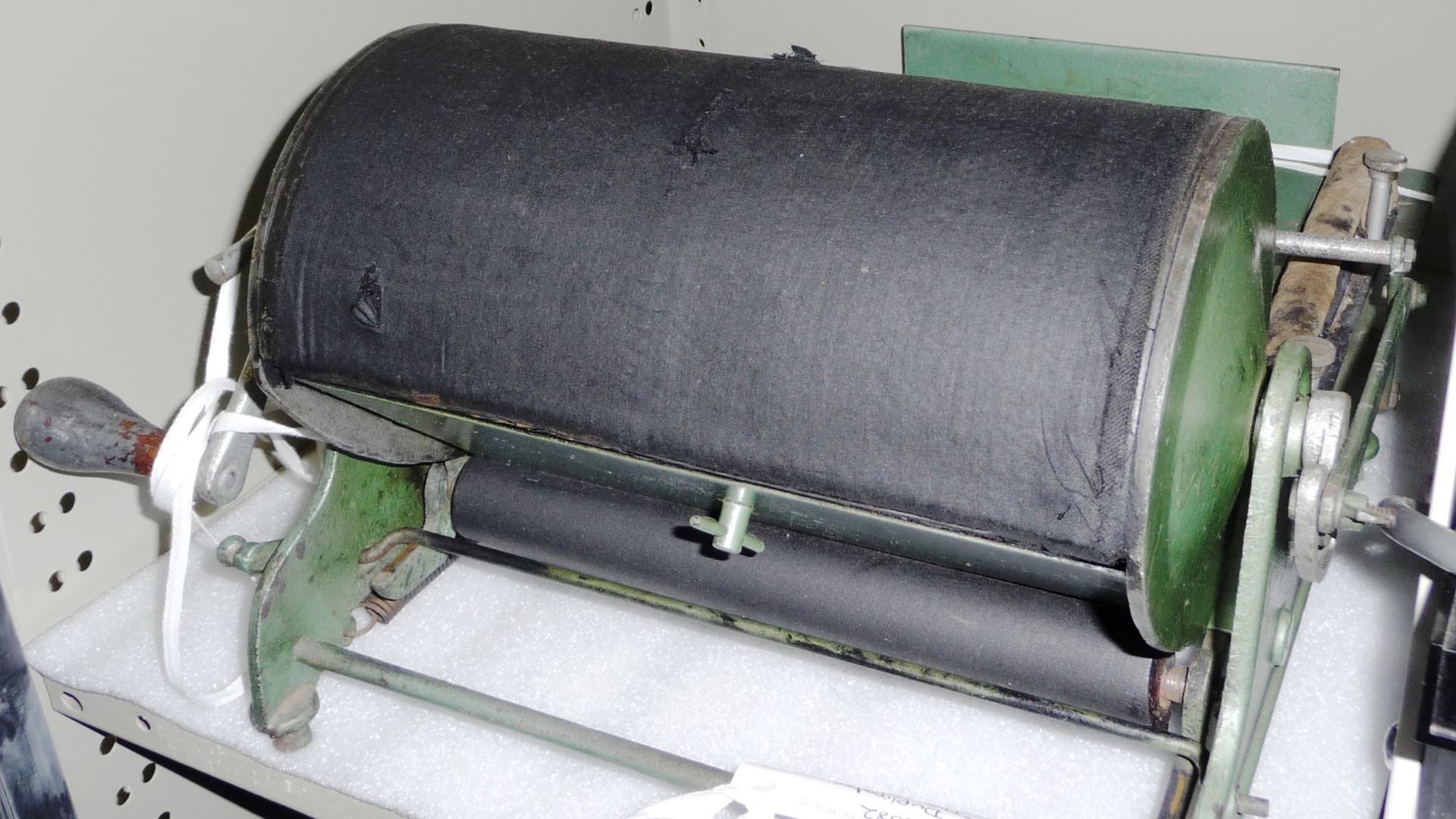 Queensland Museum, Wikimedia Commons
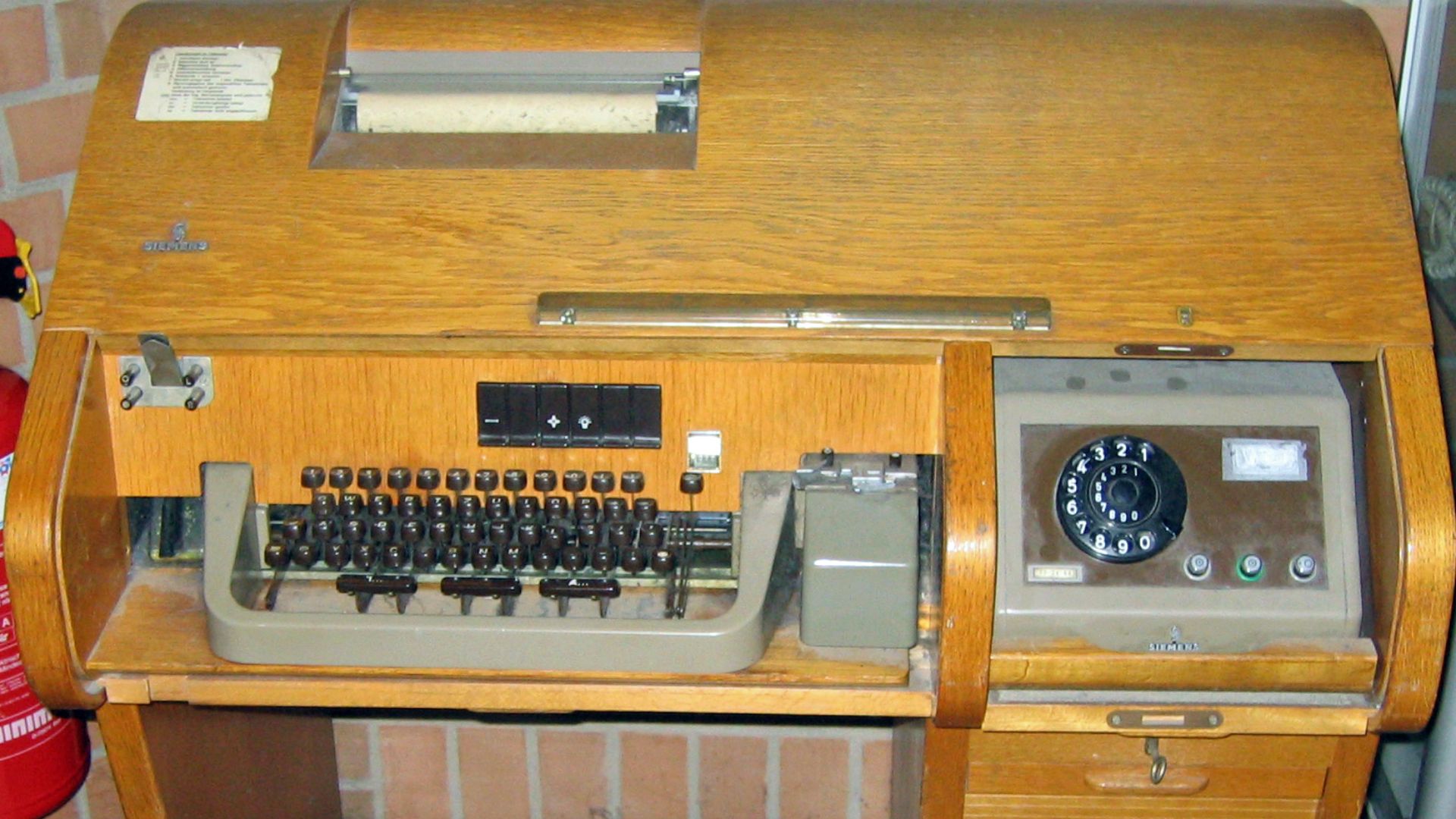
#1. The Telex Machine
The telex machine sent typed messages across a network before fax machines, email, and instant messaging became normal. It looked like a typewriter crossed with a communication terminal from a spy movie. For younger workers, it may be shocking to learn offices once texted with furniture.
You May Also Like:
Workplace Habits Americans Think Are Normal—But The Rest Of The World Finds Bizarre
Financial Rights Most Americans Don’t Know They Have—And It’s Costing Them Money
These Strange Financial Rules Are Affecting Your Money—And You Don’t Even Know It