From Out Of The Blue
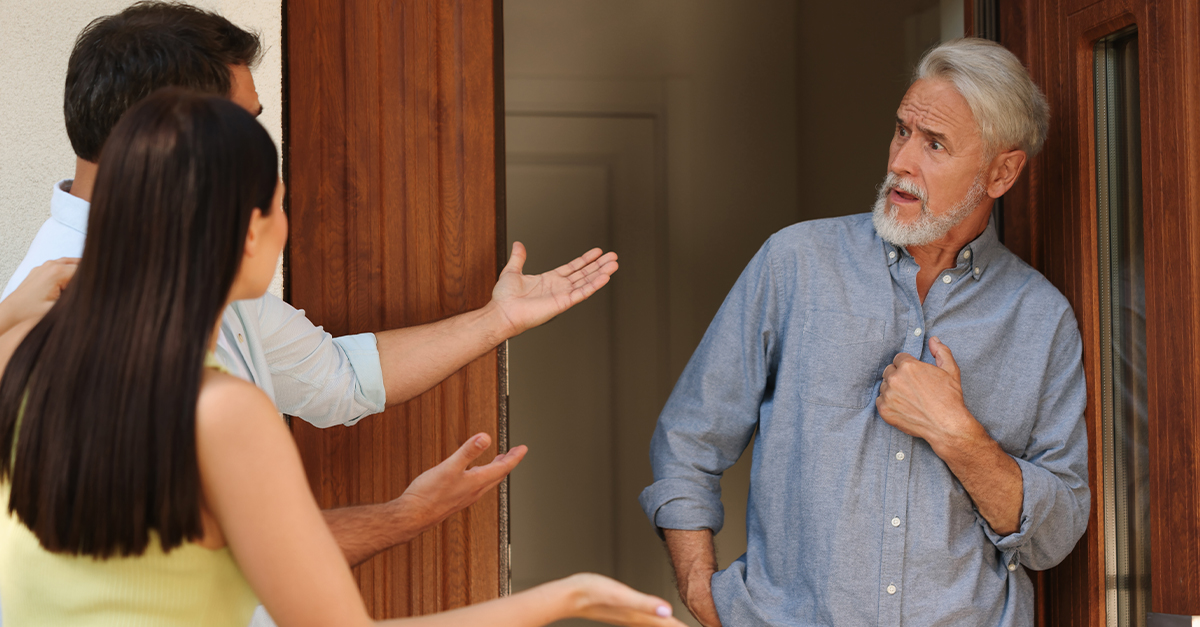
One day out of nowhere, strangers show up on the doorstep of your new home expecting to tour a room they believe is for rent. The problem is, you never advertised anything. But after some digging, you find photos of your house posted on rental websites by an unknown person, most likely in an attempt to scam unwary renters into sending deposits.

How This Rental Scam Works
Scammers steal real listing photos from public sources, then turn around and post fake rental ads at enticing prices. They typically pose as landlords, collect deposits, and then vanish into the ether. Victims show up thinking they have appointments, while homeowners are left confused and sometimes even threatened by angry would-be tenants.
Your First Priority: Personal Safety
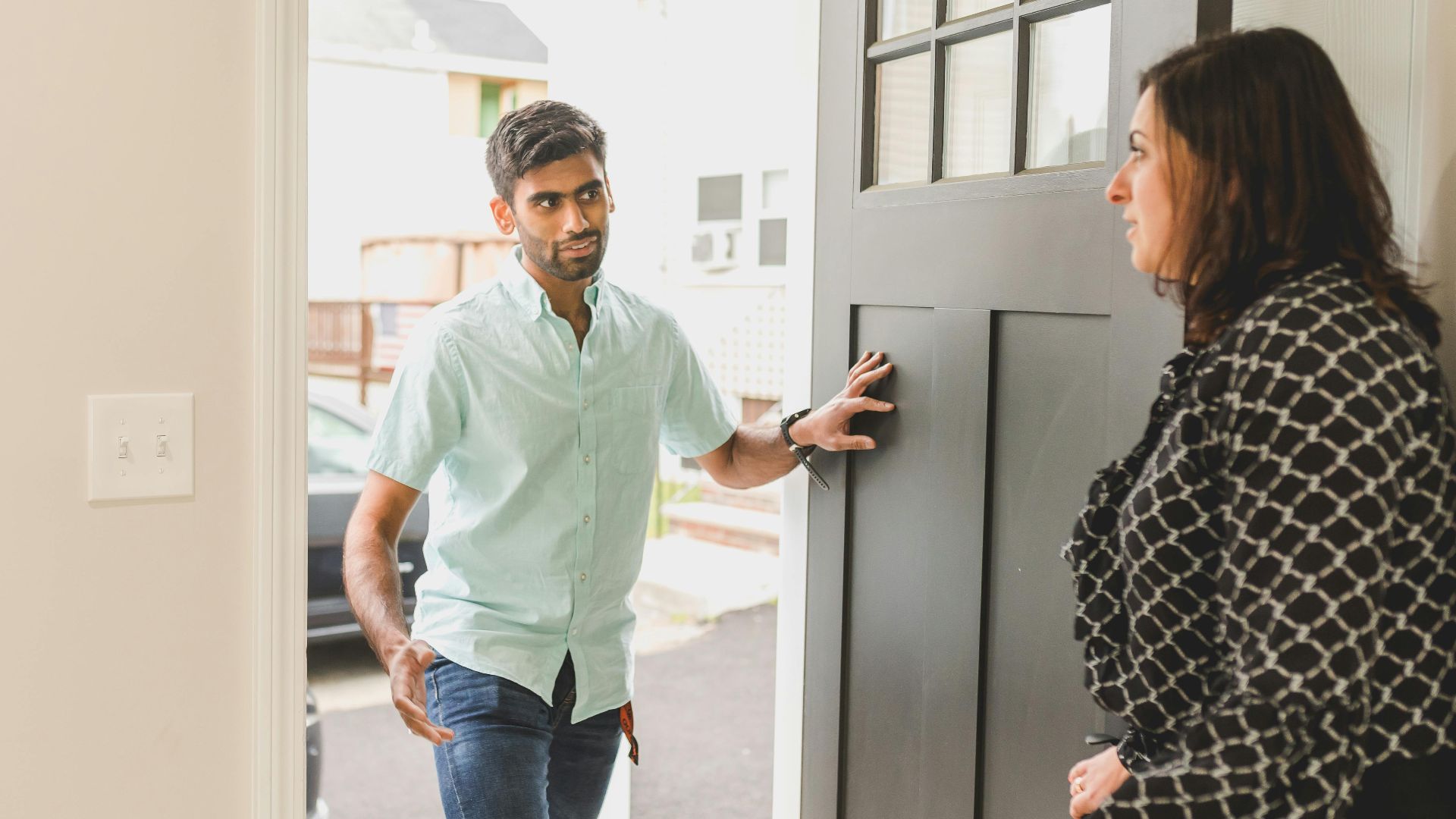
If strangers keep showing up, don’t invite them inside to explain what’s going on. Keep all your interactions with these people brief and outside the home. If anyone starts getting aggressive or refuses to leave, treat the matter as a safety issue. Contact local authorities for assistance if necessary.
Document Everything ASAP
Take screenshots of the fake listing, save URLs, and record all the different dates and times when people arrive. Ask visitors what site they saw the listing on and how they were contacted. Documentation strengthens any reports you make to platforms, police, and/or credit bureaus.
Report The Fraudulent Listing To The Platform
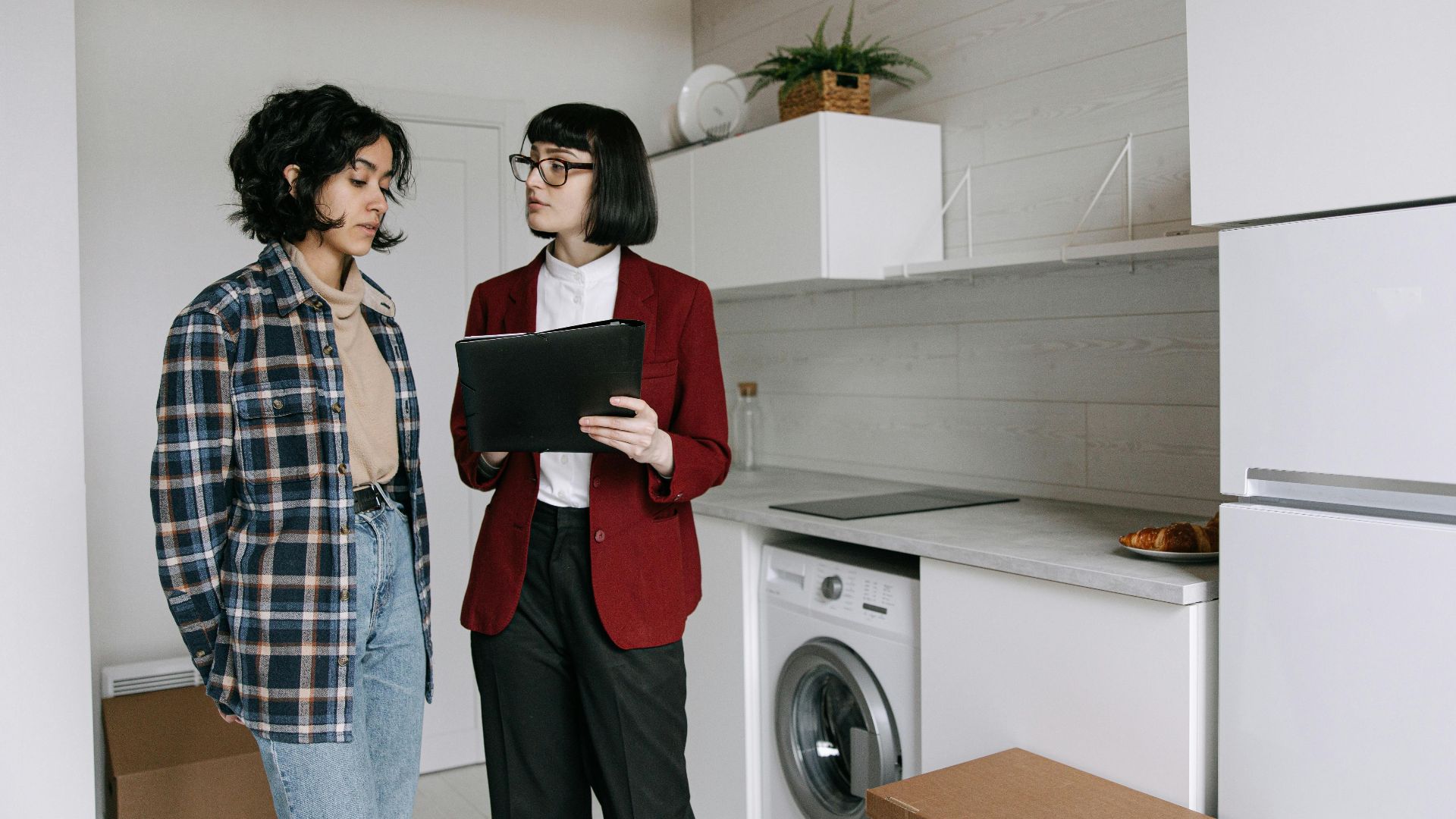
Get in touch with the rental site as soon as possible and report the listing as fraudulent. Most platforms have impersonation or scam reporting tools in place for just this type of bogus listing scam. Give them proof that you own or occupy the home. It’s critical to remove the ad so you can stop disruptions and keep more people from getting taken in.

File A Police Report
This scam is based on two key crimes: identity misuse and attempted fraud. A police report generates an official record even if you personally weren’t financially harmed. While it may be a tedious bureaucratic exercise, and the police may be apathetic about helping, a report like this can help with platform takedowns and any future disputes.

Place A Temporary Notice At Your Property
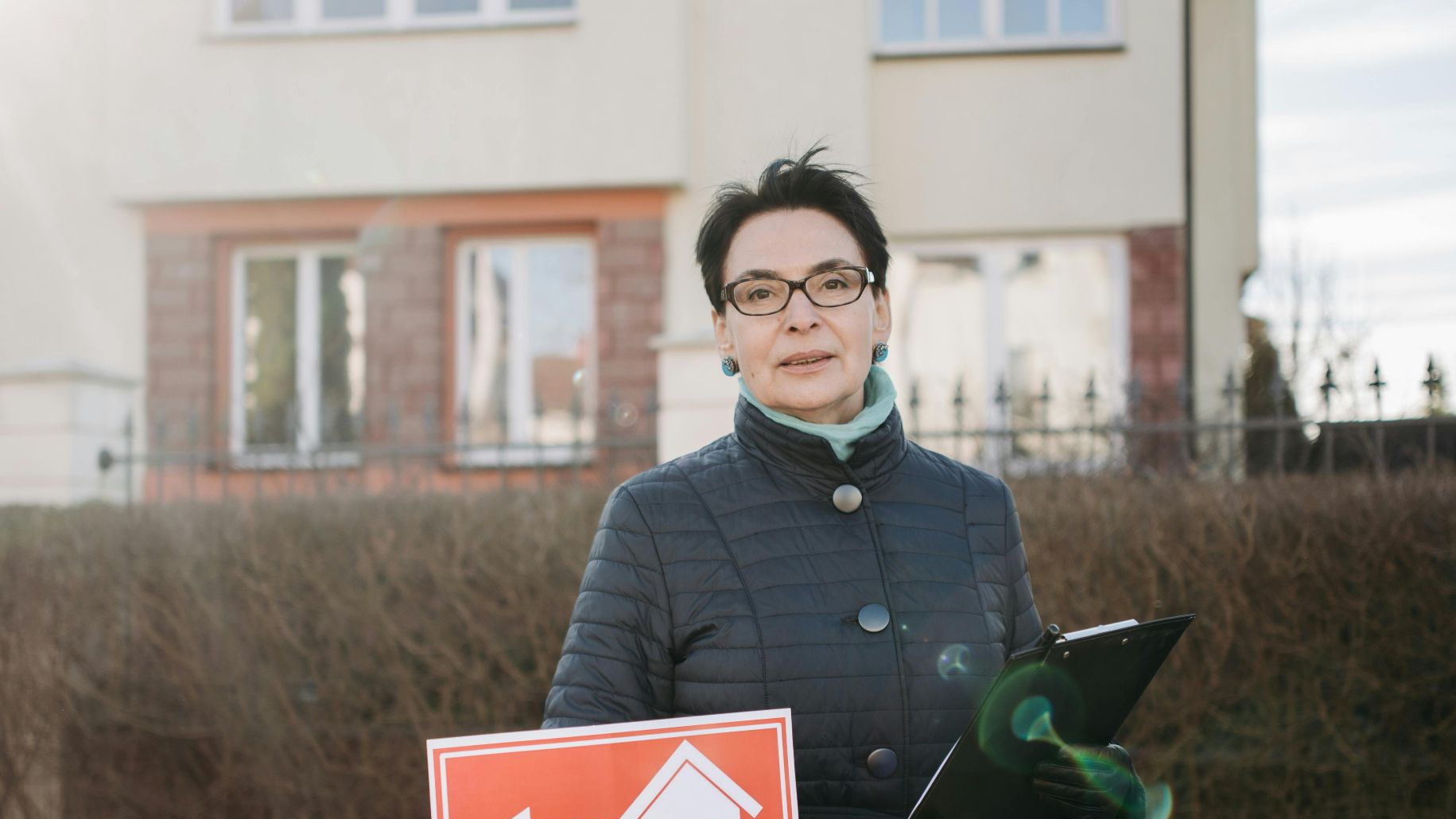
A simple sign stating “This Property Is Not For Rent” can stop the confusion in a hurry. It won’t end the online scam, but it will at least cut down on door-to-door disruptions and prevent awkward face-to-face interactions while you work on taking down all the false listings.
Check Other Rental Sites
Scammers will often repost the same photos across multiple platforms. Run reverse image searches and check popular rental sites to make sure your home isn’t listed anywhere else. Each false listing usually has to be reported individually.

Lock Down Your Personal Information Online
Review all the images or details of your home that are publicly available. Old real estate listings, social media posts, or virtual tours can be scooped up by scammers. Removing or limiting all this content reduces or eliminates the chance of repeat incidents

Alert Your Neighbors
Let your neighbors know what’s going on so they don’t direct strangers to your house or assume that you’re in any way involved. Neighbors can also help keep an eye out for suspicious activity and let you know if people come by while you’re away.

You Aren’t Liable For Victims’ Losses
Victims who unwisely sent deposits to scammers may be upset, but as much as you may sympathize with them, you are not responsible for their losses. You didn’t advertise, collect money, or authorize the listing. Avoid giving any legal advice to victims. Just try to keep the duration of the interaction to a minimum and refer them to the platform and police.
Don’t Confront The Scammer Directly
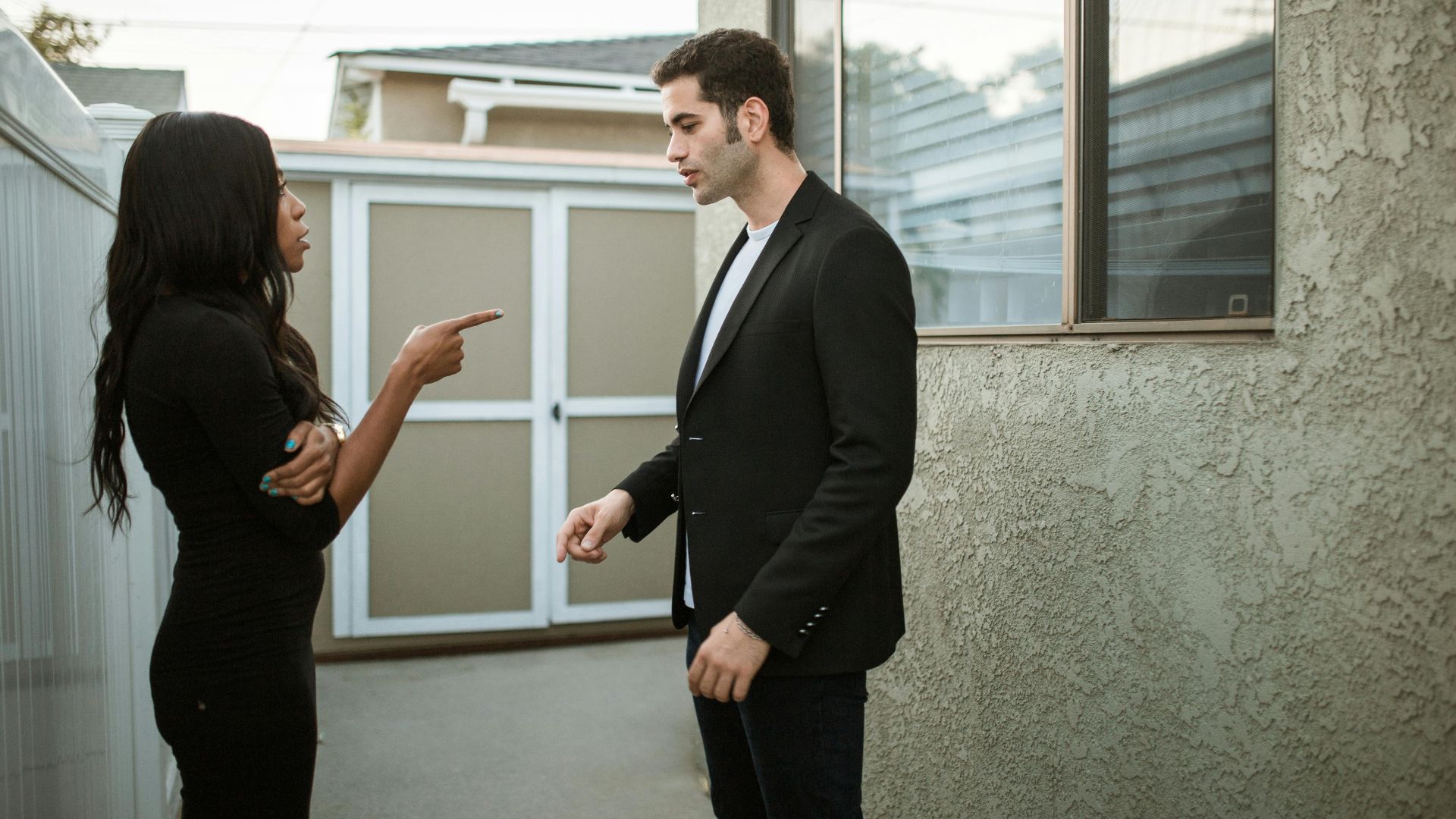
Don’t try to message or “bait” the person who posted the fake listing. Confrontation can escalate harassment, identity misuse, or deliberate retaliation. It’s not worth it. Let the online platforms and law enforcement handle any removal or tracking.

Tell The Post Office If Mail Appears
Scammers will sometimes redirect mail or ask victims to send documentation. If you receive suspicious mail addressed to unknown tenants, stop in at your local post office and let them know about it. This helps prevent identity theft and misuse of your address.

Check Your Credit And Identity Reports
Even if the scam was targeting renters, their use of your address can sometimes lead to broader misuse of your identity. Pull your credit reports and watch for any unauthorized activity. Consider placing a fraud alert if the situation seems expanded or persistent.

Consider A Legal Consultation If It Continues
If your house shows up in repeated listings or harassment escalates by either the scammers or the prospective tenants, a brief meeting with an attorney can help. They may recommend cease-and-desist letters to platforms, formal identity theft reports, or additional legal protections.

Why These Scams Are Increasing
Rental demand, continuing high housing costs, and the lack of face-to-face communications make these kinds of scams common. Scammers are banking on urgency and trust as key elements in their psychological game. Knowing that this is a widespread scam helps you stay one step ahead of the game, and even more importantly, it helps keep you calm through the resolution process.

Stay Proactive
Even after the fraudulent ad has been removed, keep monitoring rental platforms for several weeks. Scammers often repost after removals. Quick reporting shortens their lifespan of each attempt and minimizes disruption to your household.

Keep Records In Case The Issue Resurfaces
Save all documentation even after listings are removed. If the scam reappears months later, having prior reports and case numbers speeds response times and builds credibility with online platforms and law enforcement.

Reassure Yourself You Did Nothing Wrong
Just because you were targeted doesn’t mean you were careless. Public listings and images are incredibly easy for scammers to use, even for those with limited computer skills. What really matters most is that you act quickly and deliberately to stop the misuse, protecting yourself and others in the process.

Final Takeaway Before You Move On
When your home is used in a rental scam, the goal is to stop the listings fast, protect your safety, and document everything. You’re not responsible for the scam—but decisive action prevents repeat incidents and restores peace of mind.

You May Also Like: