Who Really Owns The Ring Now?
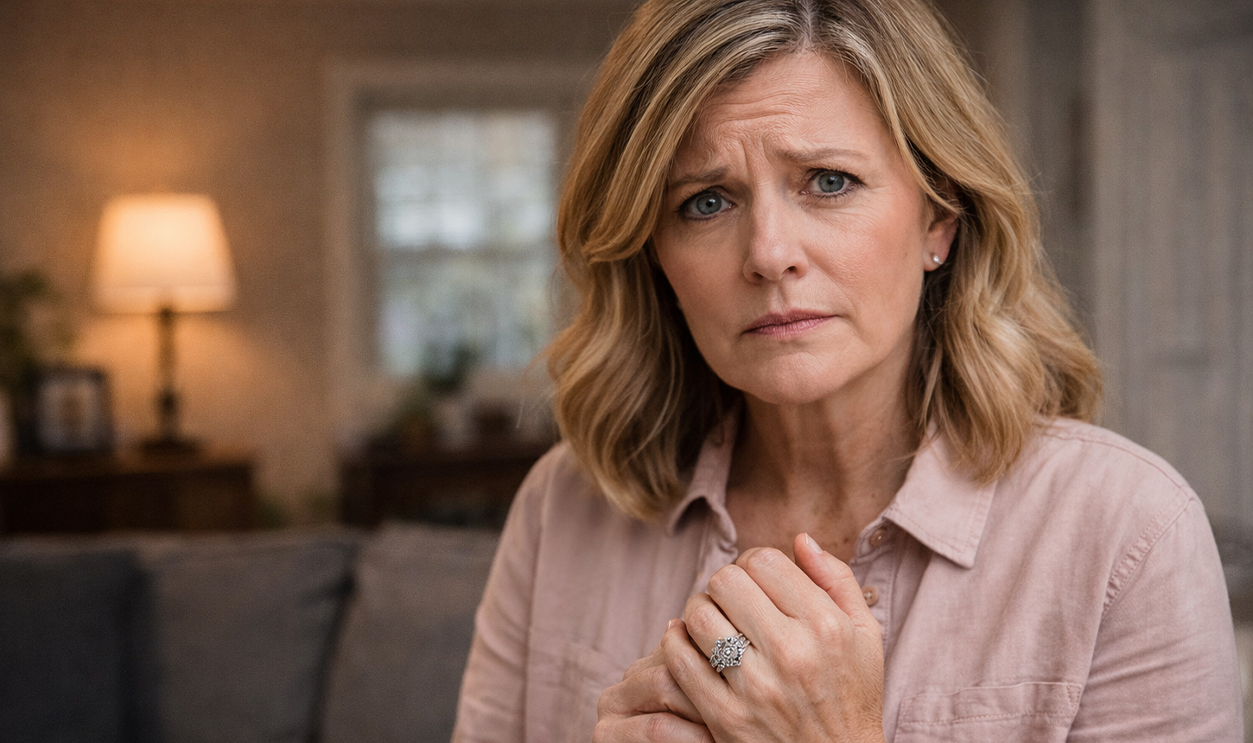
You thought everything was settled after the divorce, including what belonged to whom. Then your ex-husband’s family reaches out and says the heirloom ring should be returned. It’s surprising, perhaps a little uncomfortable, but most importantly it raises a bigger question: do they actually have a right to ask for it back?
Why This Situation Is Different From An Engagement
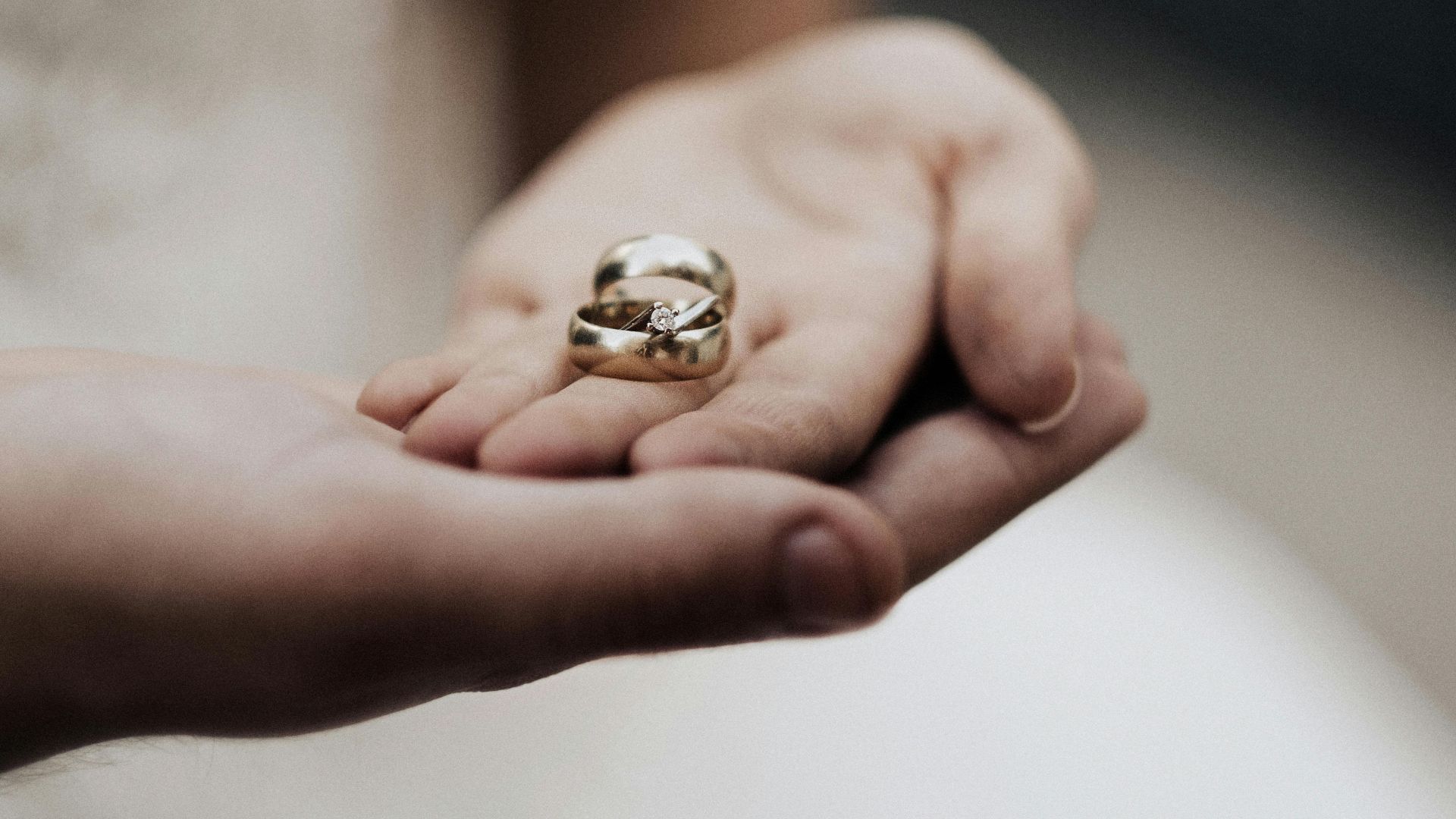
Once you’re married, the legal treatment of a ring usually changes. Unlike engagement rings, which are often considered conditional gifts, a ring given during the marriage is typically treated as a completed gift. That means the condition, getting married, has already been fulfilled, and ownership usually transfers fully to you.
Divorce Doesn’t Automatically Undo Gifts
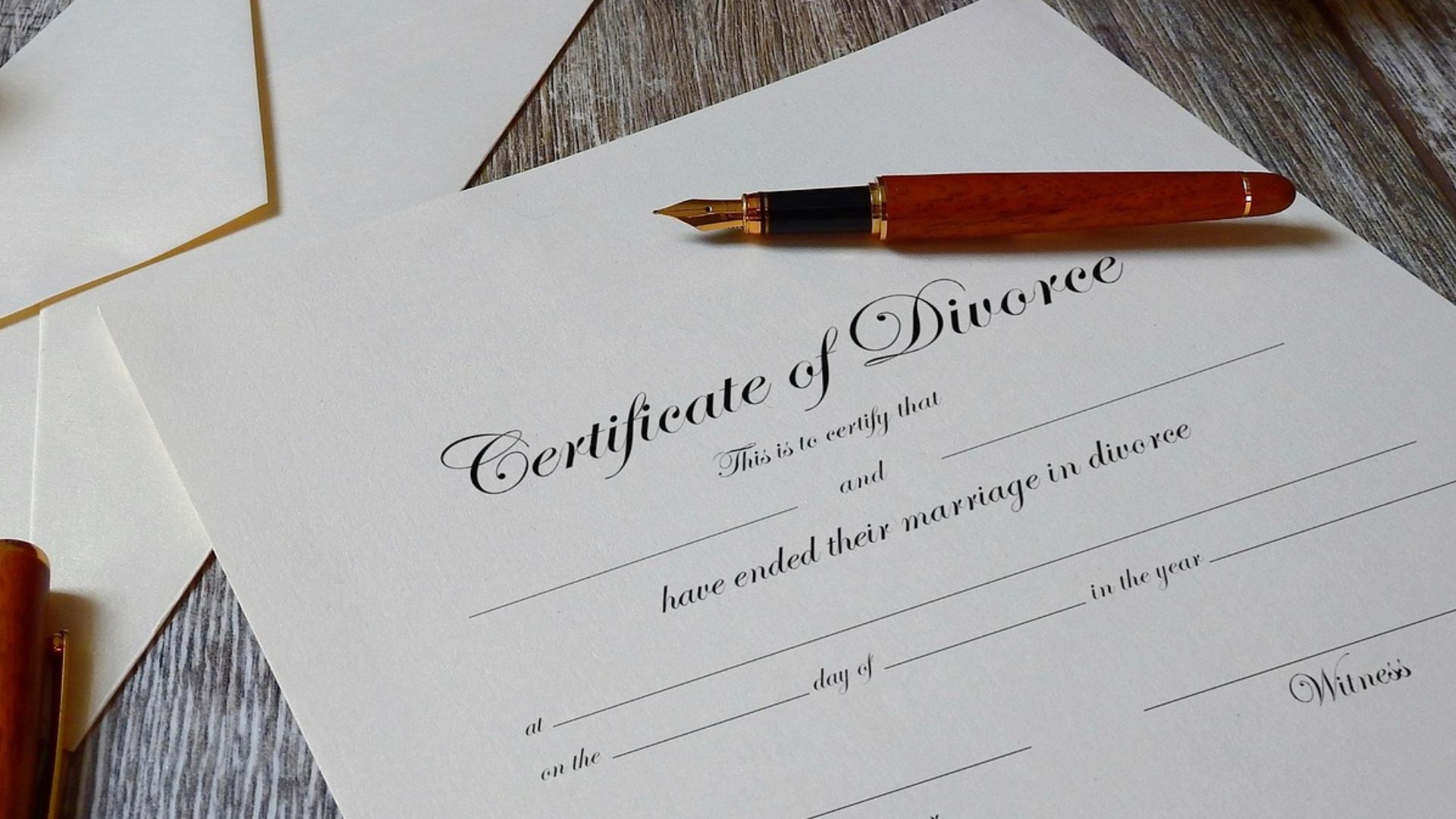
When a marriage ends, not everything goes back to how it was before. Gifts exchanged during the relationship are often considered part of the marital history and aren’t automatically returned unless specifically addressed in the divorce settlement. If the ring wasn’t mentioned in your agreement, that can matter.
What Your Divorce Agreement Says Matters Most
One of the biggest factors is whether the ring was included in your divorce settlement or property division. If it was listed and awarded to you, that strengthens your position significantly. If it wasn’t mentioned at all, ownership may still default to you, but it can leave more room for disagreement.
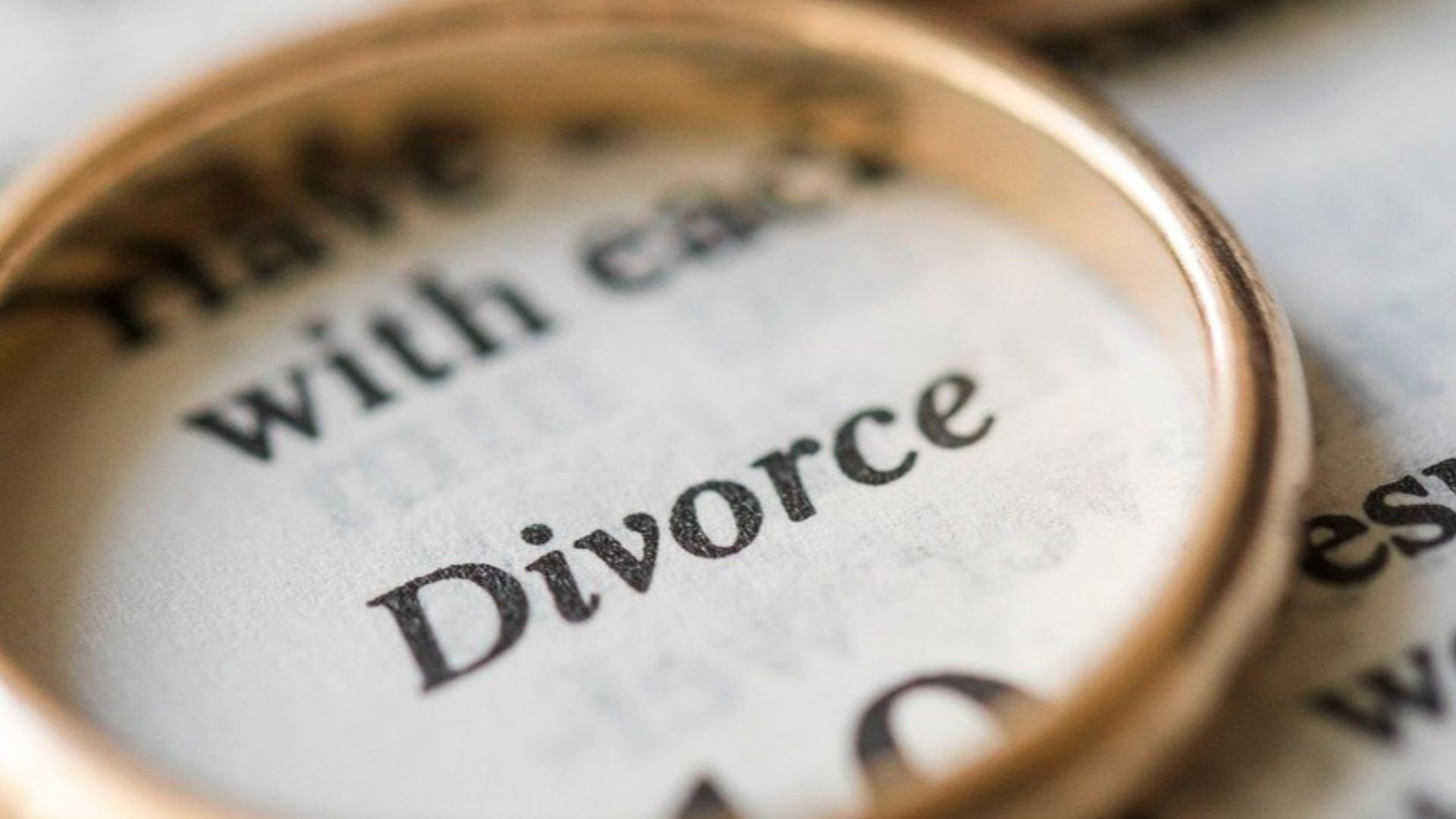
Heirloom Rings Add Emotional Weight
When a ring has been passed down through generations, it often carries deep emotional significance for the family. From their perspective, it may feel like a piece of family history that should come back to them. That emotional argument, however, doesn’t always translate into a legal right.
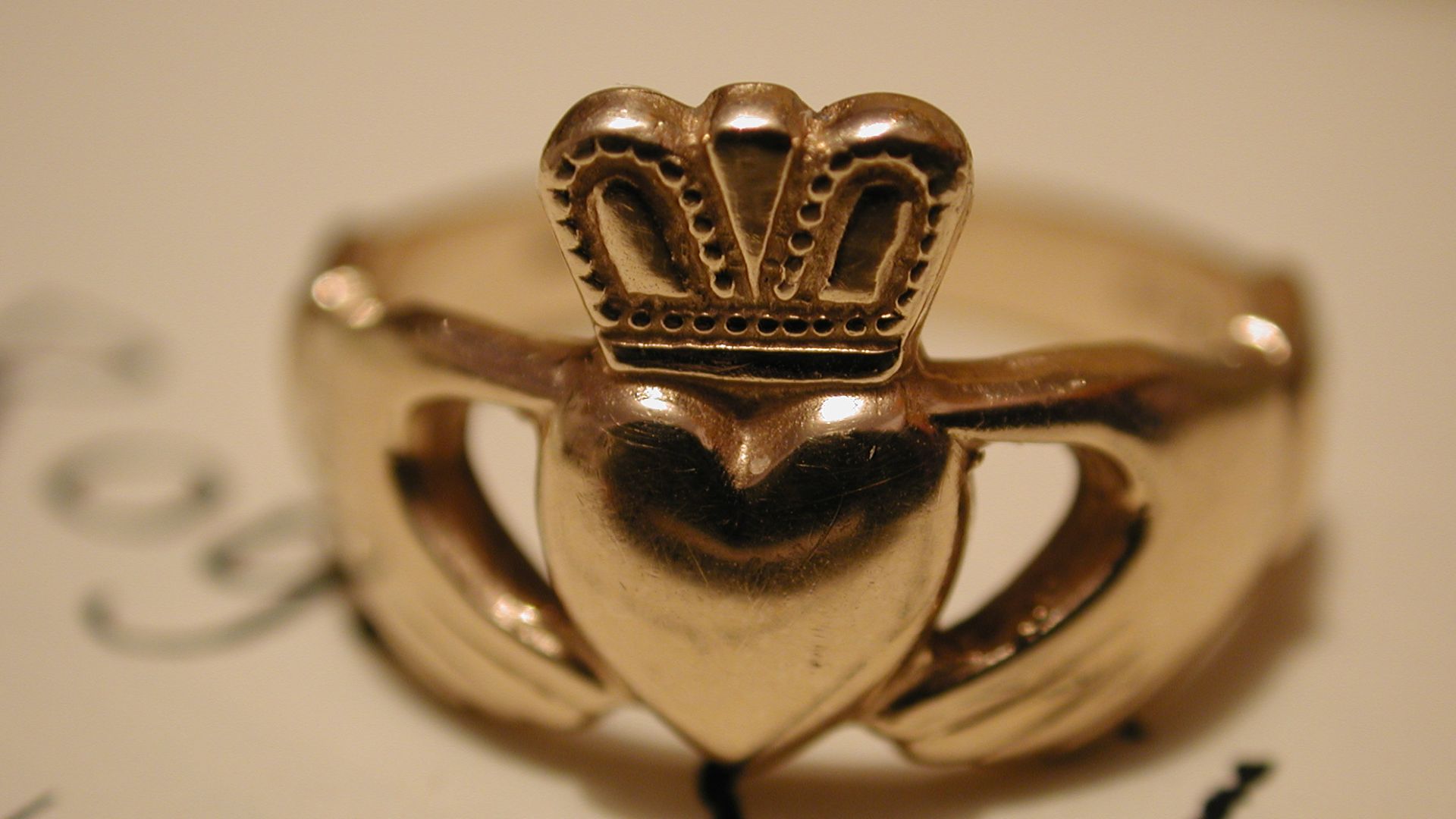 Royalcladdagh, Wikimedia Commons
Legal Ownership Often Stays With You
In many cases, courts treat a ring given during marriage as a personal gift, meaning it belongs to the recipient. Unless there was a clear agreement that the ring would remain family property or be returned in certain circumstances, you may have the legal right to keep it.
Was There Any Understanding About The Ring?
If there was a clear discussion, either with your ex-husband or his family, that the ring was meant to stay in the family, that could influence how the situation is viewed. Even informal understandings can sometimes come up in disputes, though they can be harder to prove.
Timing And Context Can Play A Role
The longer you were married and the more integrated the ring was into your life, the stronger the argument that it became your personal property. If it was given early in the relationship and treated like a shared heirloom, that might shape how others see it, even if the legal outcome doesn’t change.
The Estate Argument Doesn’t Usually Apply Here
Unlike situations involving death, this typically isn’t about an estate claim. Your ex-husband is still alive, and unless he is actively pursuing the return of the ring through legal channels, the family’s claim is usually informal rather than enforceable.

You Are Not Required To Decide Immediately
If you’re approached about returning the ring, you don’t have to give an answer right away. It’s completely reasonable to take time to think through both the emotional and legal sides of the situation before responding.

Consider What The Ring Means To You
Think about your own connection to the ring. For some people, it represents a chapter of their life they want to move on from, while for others, it still holds personal or sentimental value. Your feelings about it are just as important as any external expectations.

Think About Your Relationship With The Family
If you still have a relationship with your ex’s family, that may influence your decision. Returning the ring could help preserve that connection, while keeping it might create tension. On the other hand, if there’s no ongoing relationship, your priorities may be different.

There May Be Room For Compromise
Not every situation has to be all-or-nothing. In some cases, people find middle ground by agreeing to return the ring later, exchanging it for something else of value, or coming to a financial arrangement. These options can sometimes reduce conflict.

Legal Advice Can Clarify Your Position
If the situation becomes more serious or the family is pressuring you strongly, speaking with a lawyer can help you understand your rights based on your location. They can explain how similar cases are treated and whether the family has any realistic legal claim.

Keep Records Of Any Communication
If discussions around the ring become ongoing or tense, it’s a good idea to keep records of what’s being said. Saving messages or notes from conversations can help avoid misunderstandings and provide clarity if things escalate.

Avoid Making Decisions Under Pressure
Emotional pressure can make it harder to think clearly about what you want. Try to separate what others expect from what feels right to you and what makes sense legally. Taking a step back can help you make a more balanced decision.

The Bottom Line On Who Keeps The Ring
So, can your ex-husband’s family make you return the heirloom ring? In most cases, they can’t force you to give it back without a clear legal basis. However, that doesn’t mean the situation is simple, especially when emotions and family history are involved.

Take A Thoughtful Approach Moving Forward
At the end of the day, this is as much a personal decision as it is a legal one. Take your time, understand your rights, and weigh what matters most to you. Whether you choose to keep the ring or return it, the decision should reflect your own sense of closure and what feels right in your situation.

You May Also Like: