Five Floors Changes The Question
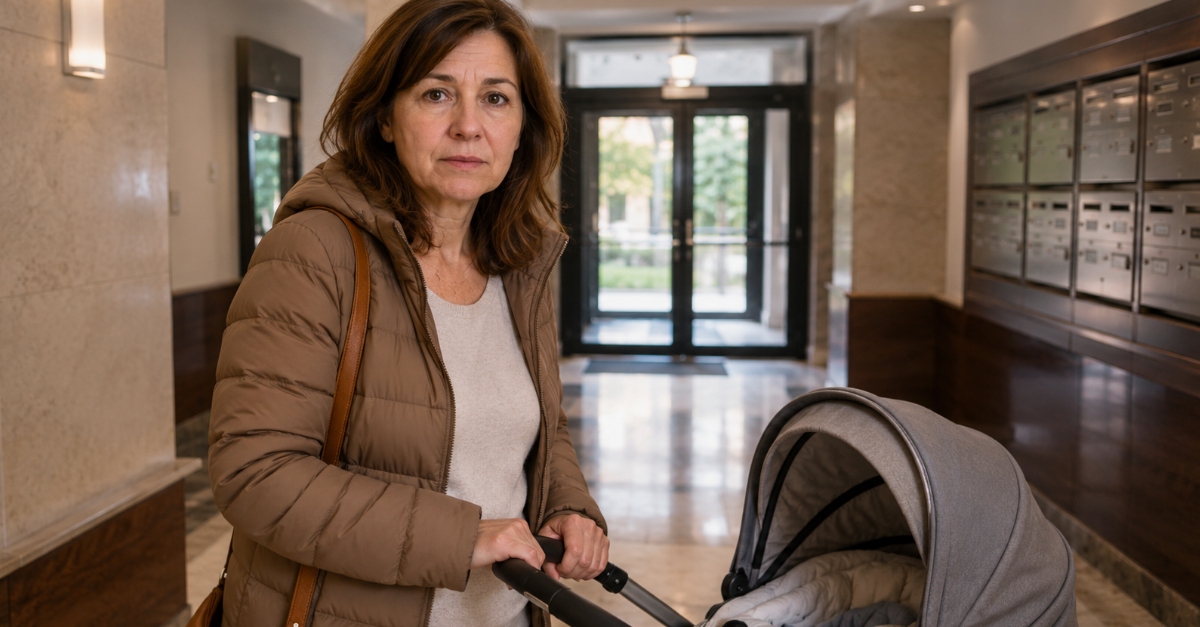
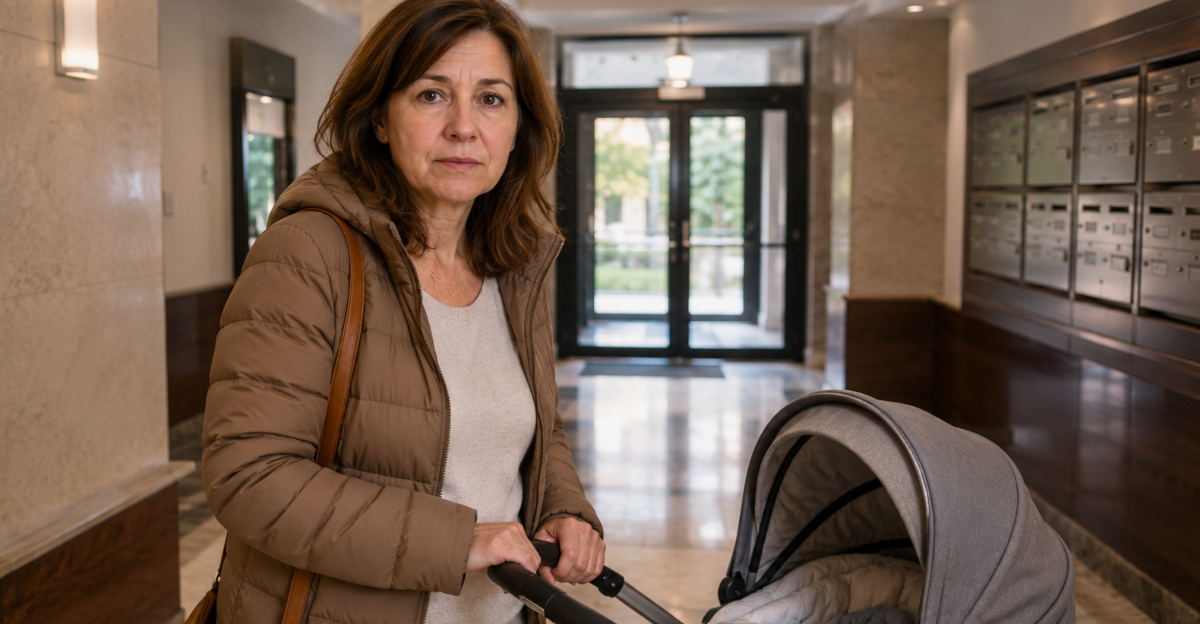
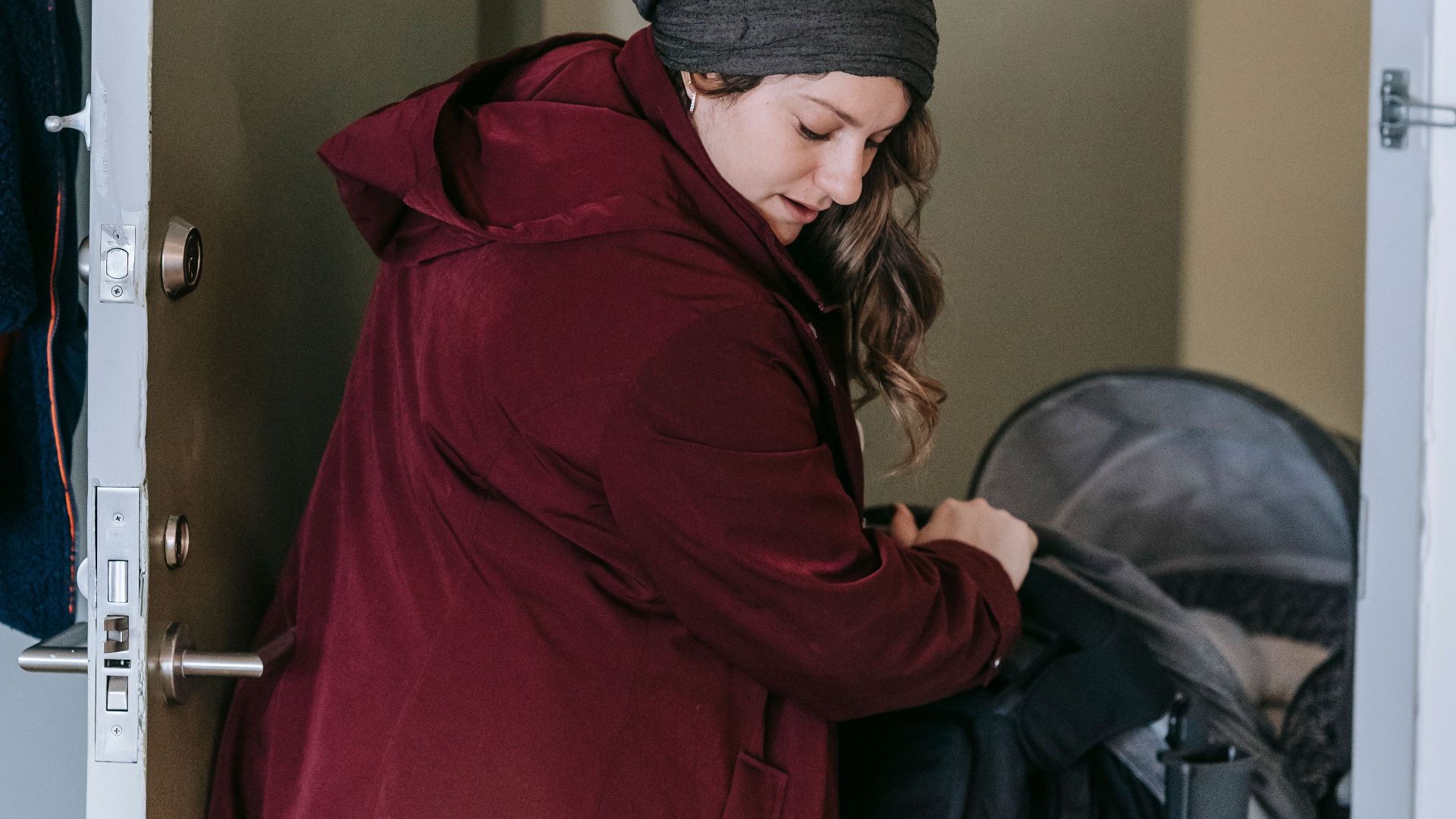
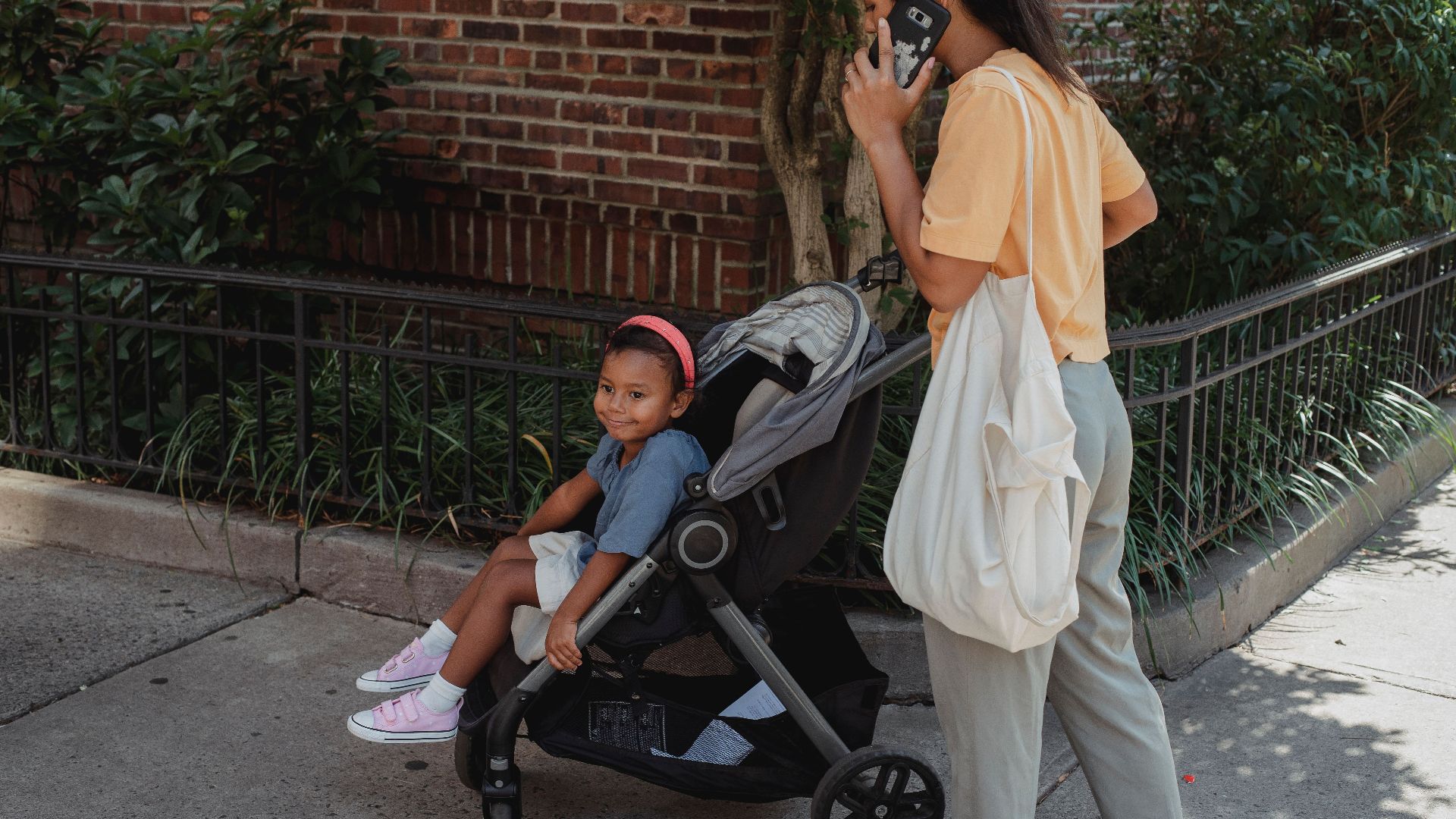
The notice looked simple enough: no strollers in the lobby. But for parents living on the fifth floor of a building with no elevator, that one sentence creates a much bigger problem.
And whether management can really enforce it depends on details the notice may not explain.
It Sounds Simple On Paper
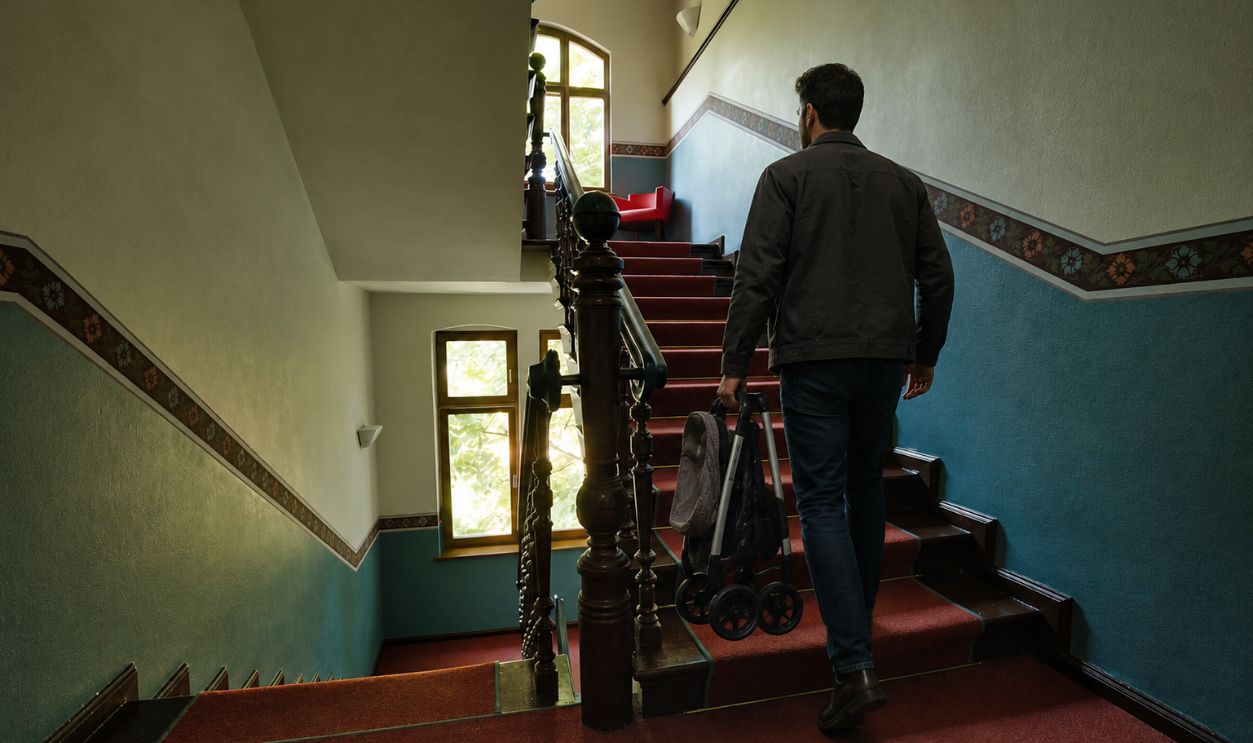
According to the new policy, parents must carry their strollers upstairs. That could mean climbing to the fifth floor while also handling a baby, groceries, bags and everything else that tends to arrive at the front door at the same time. But inconvenience alone does not decide whether the rule is legal.

There Is No Easy Alternative
Parents cannot simply stop using a stroller because the building changed its rules. Leaving it outside could expose it to weather, theft or damage, while carrying it upstairs every day creates an obvious burden. Still, the fifth floor may not be the detail that decides this.
One Detail Could Change Everything
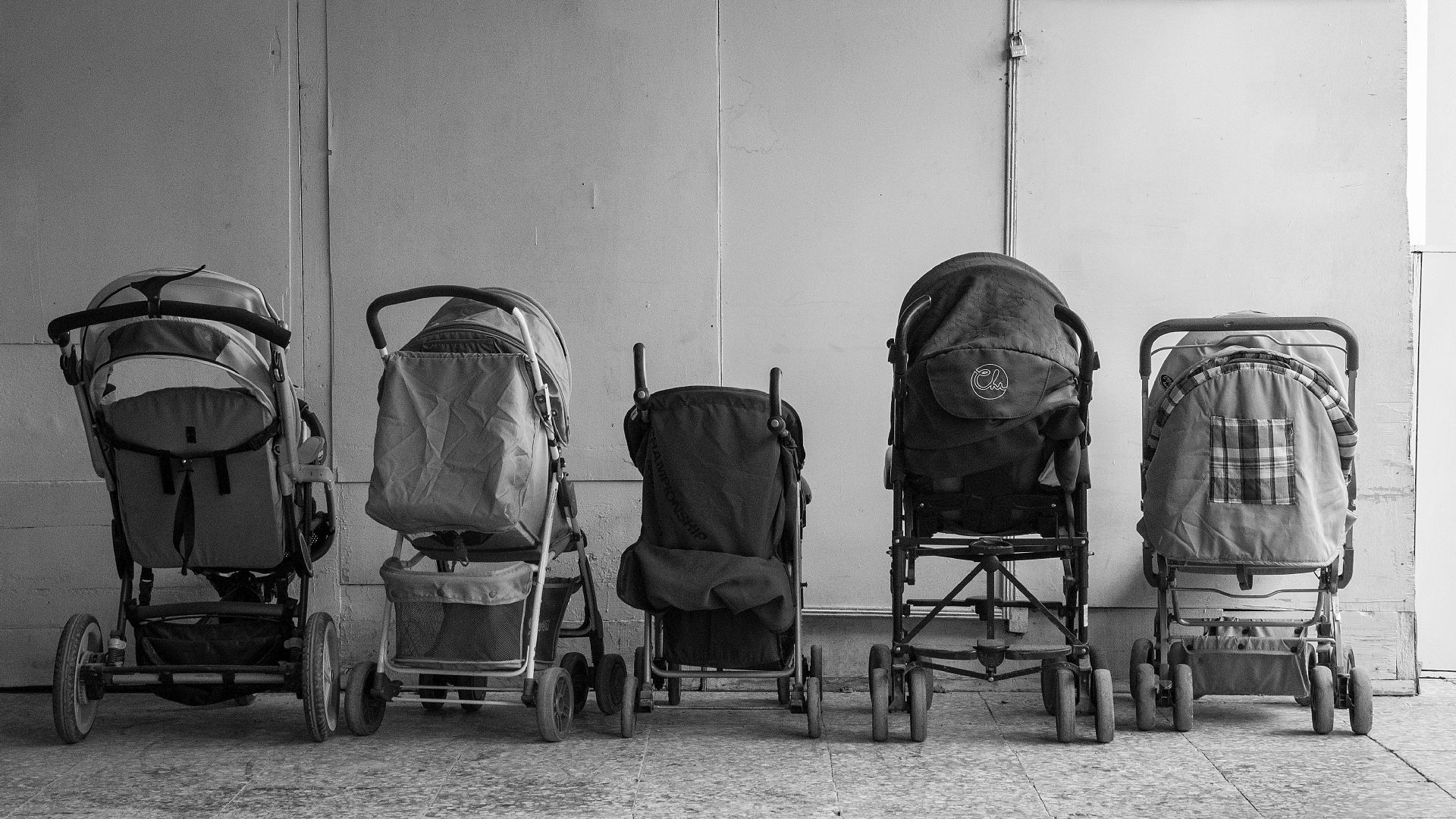
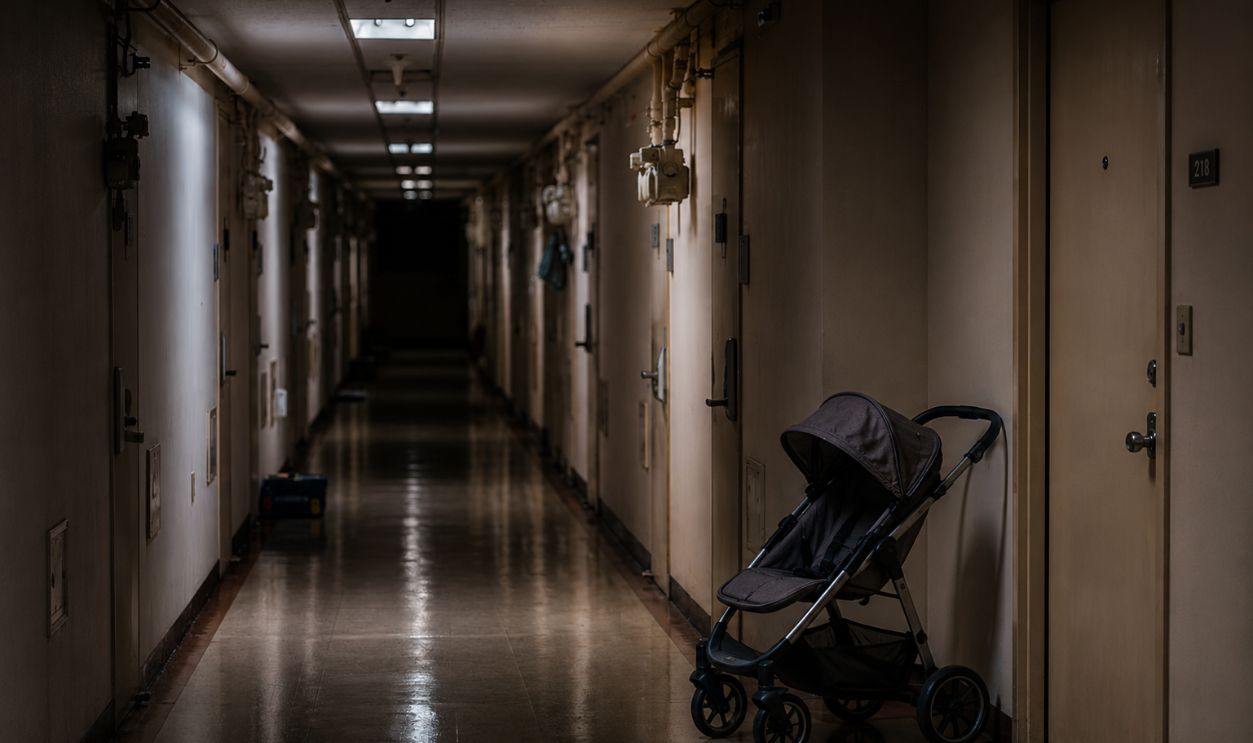
The biggest question is where the stroller is being left. A stroller blocking a doorway, hallway or required exit is much easier for management to prohibit than one folded away from the main walking path. But even a stroller that appears safely tucked aside may still be covered by local rules.
Common Areas Come With Rules
Landlords and building managers generally have authority to regulate shared spaces. Renting an apartment does not necessarily give a tenant the right to store personal belongings in the lobby, hallway or stairwell. And management may not need to wait until something completely blocks the door.

Fire Safety Could Decide The Easy Part
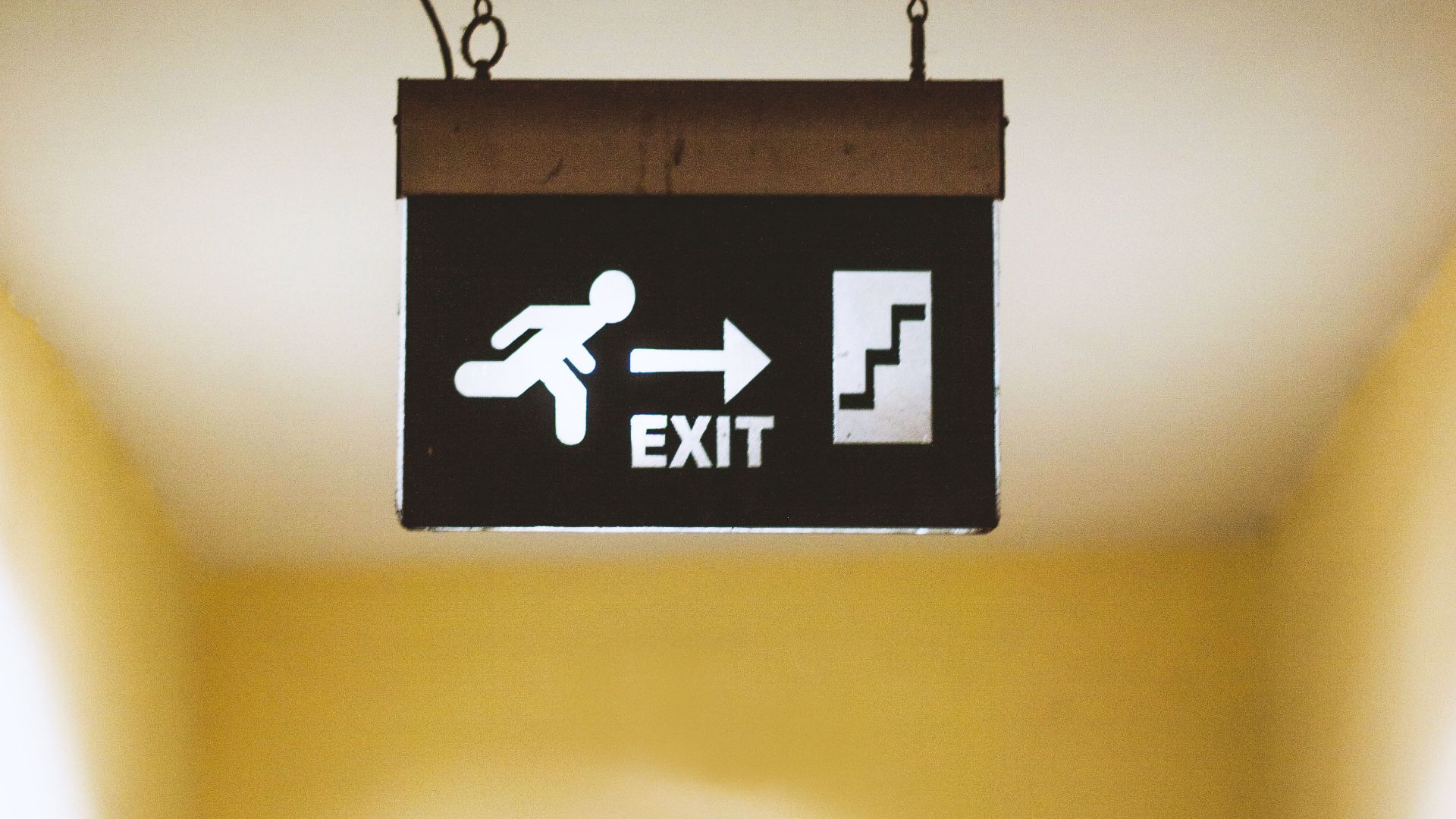
Local fire and building codes commonly require doorways, corridors, stairways and other exit routes to remain clear. A stroller that narrows a required path or creates a tripping hazard can usually be prohibited. That part is fairly straightforward. The rest depends on the exact local code.
A Clear Corner May Still Be Off-Limits
Some local rules prohibit storing personal property in certain lobbies, corridors or common areas even when plenty of walking space appears to remain. The rule may apply to the location itself, not just to objects visibly blocking an exit. So measuring the gap beside the stroller may not settle anything.
 Ng pakrae SZE, Wikimedia Commons
The Exact Space Matters
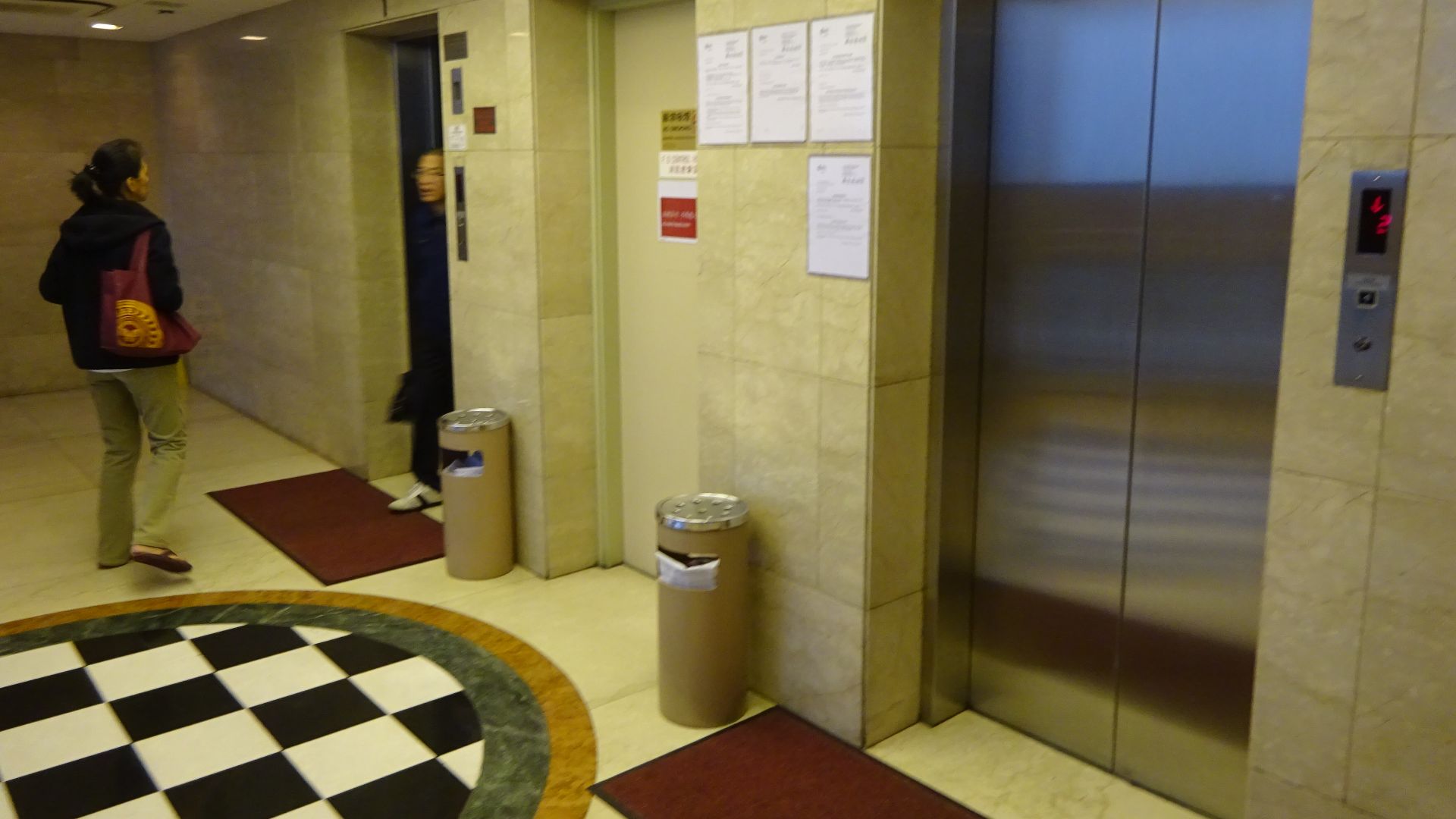
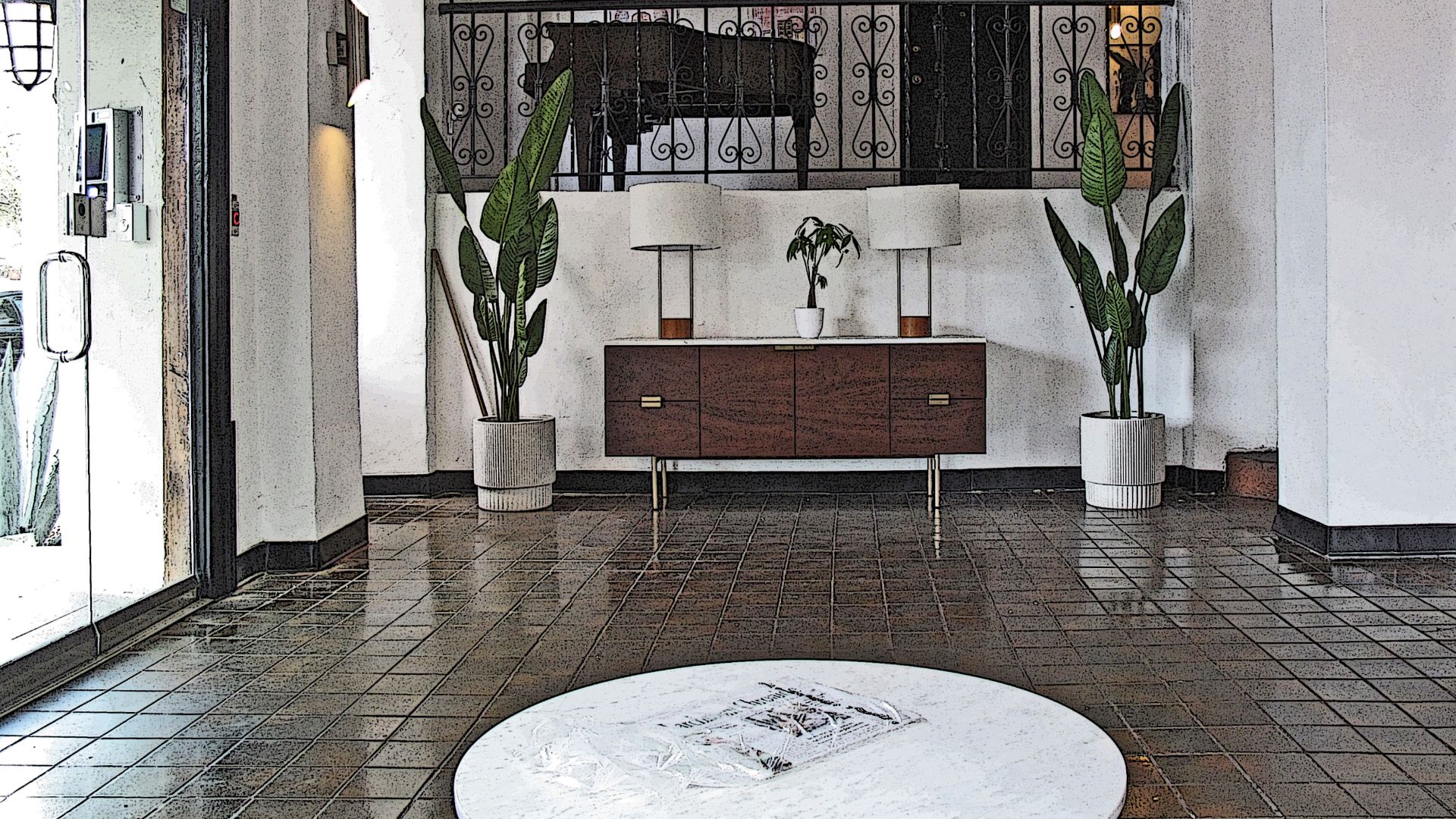
A building’s front lobby, hallway, vestibule and designated exit route may be treated differently under local law. A stroller allowed in one common area could be prohibited in another. That is why management should be asked which rule it is relying on—and which part of the building the rule actually covers.
 Downtowngal, Wikimedia Commons
Another Storage Area Could Help
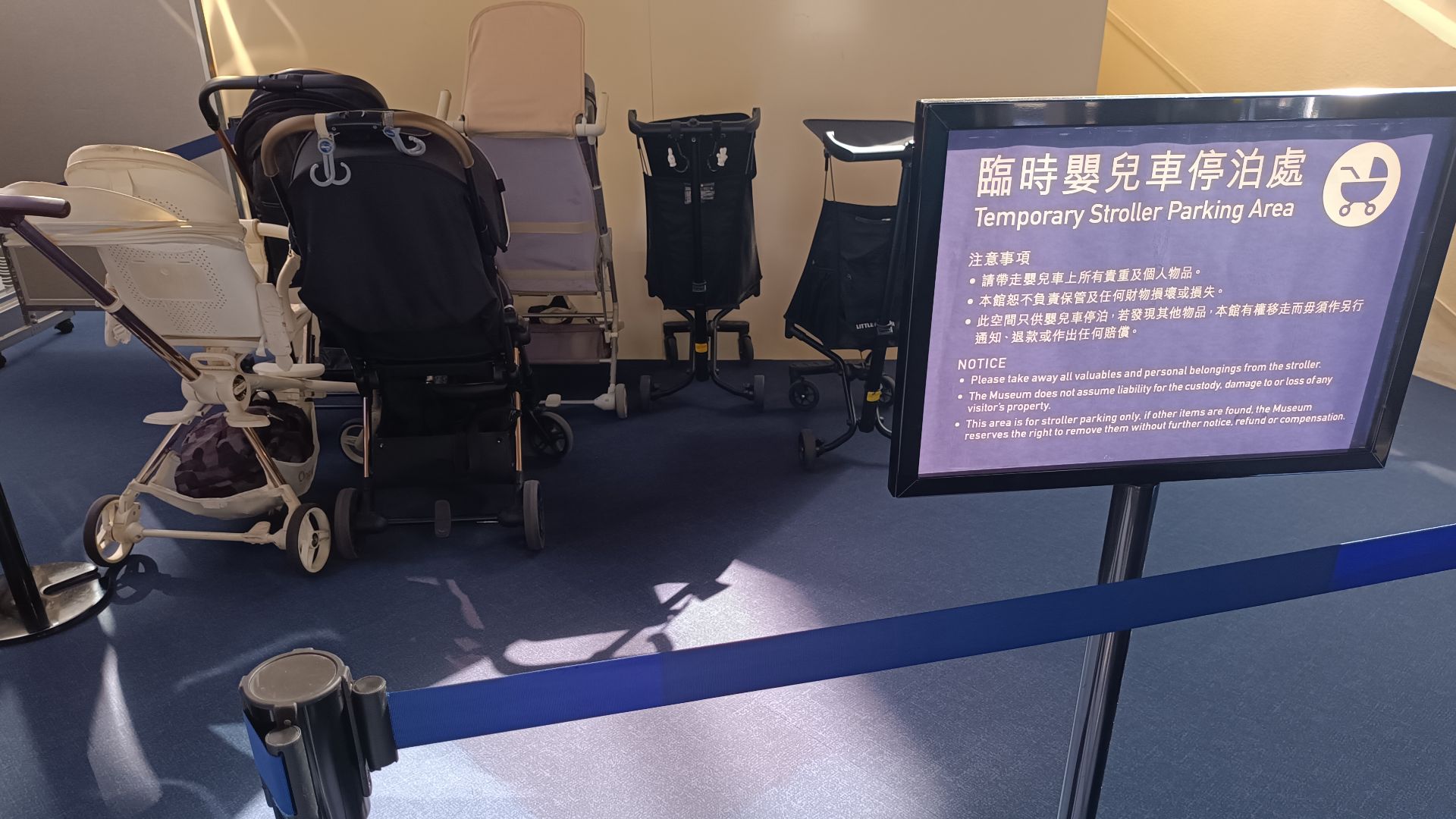
Management may choose to offer a marked stroller area, secure room or another location away from the exit. That could solve the problem without forcing parents to carry everything up five flights. However, the building is not automatically required to create stroller storage simply because it would be helpful.
Parents Do Have Federal Protection
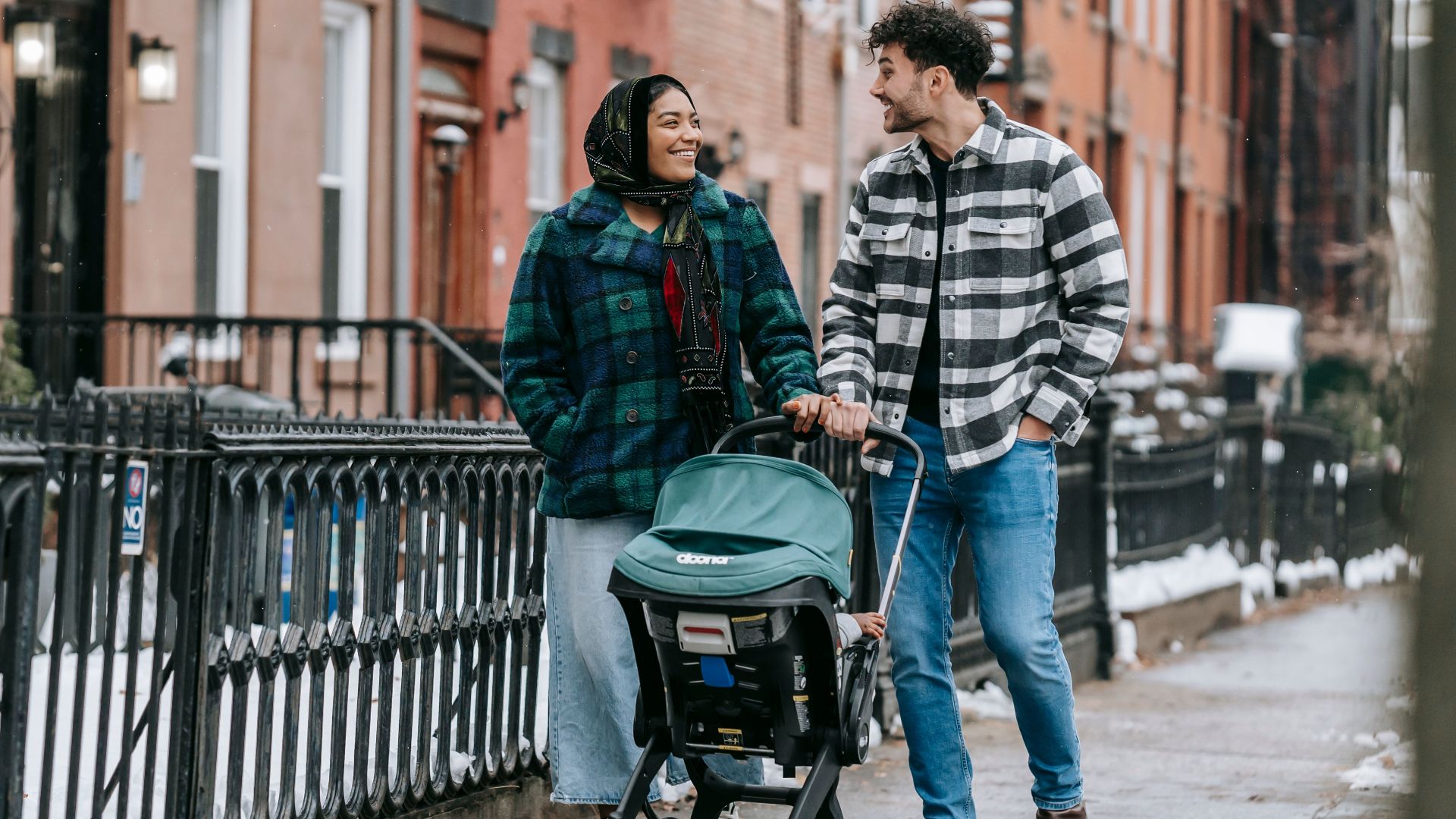
The federal Fair Housing Act prohibits housing discrimination based on familial status, which generally protects households containing children under 18. The law applies not only when someone is refused an apartment, but also to discriminatory terms, conditions, services and facilities connected with the rental. That sounds promising—but it does not create a universal stroller exception.
Inconvenience Is Not Automatically Discrimination
A common-area storage rule does not necessarily violate fair-housing law merely because it creates more difficulty for families with young children. A legitimate rule against storing personal property in a lobby or corridor may still be enforceable. The real concern is whether families are being treated differently without a legitimate reason.
A Neutral Rule Is Easier To Defend
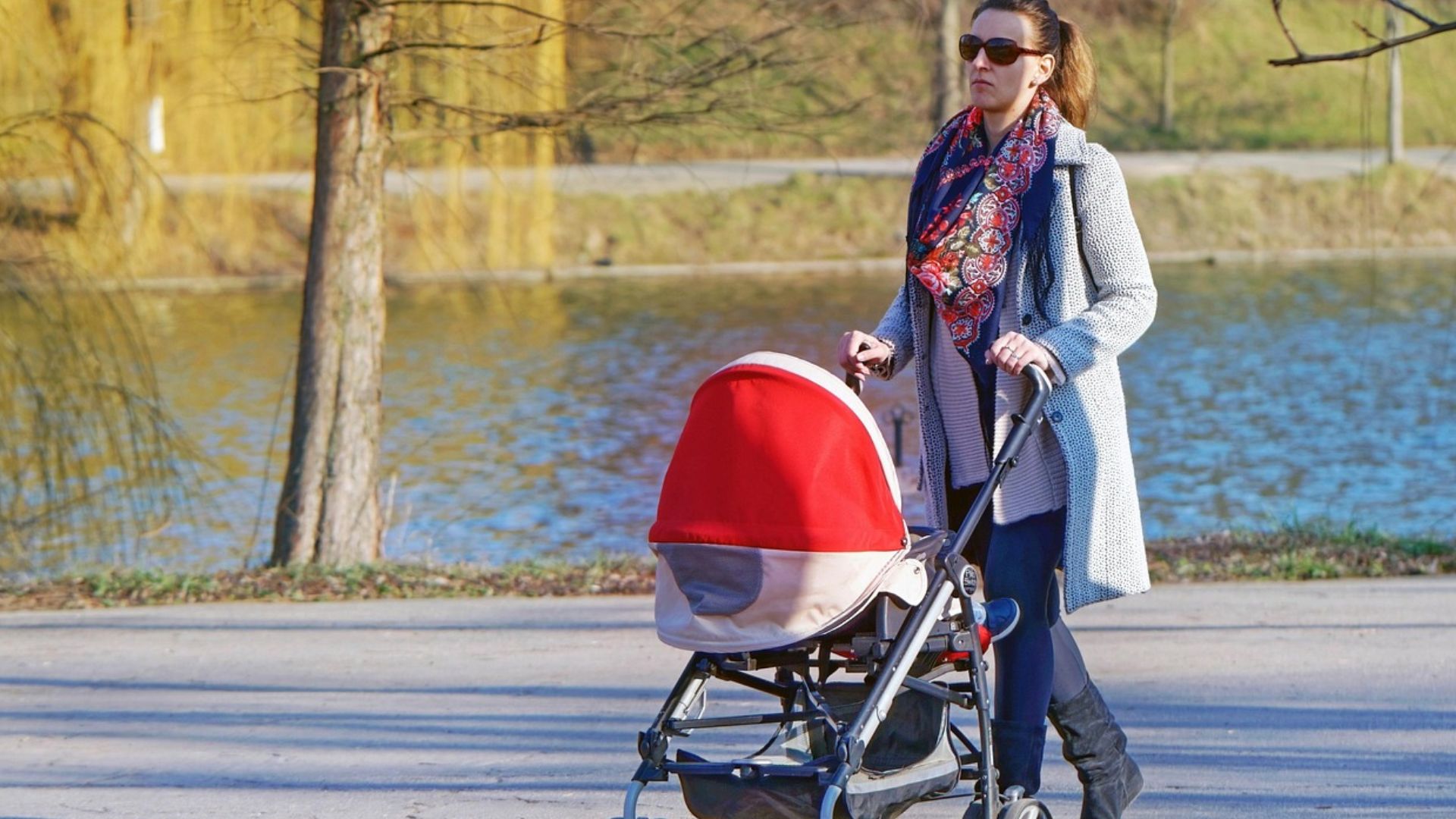
A policy covering all unattended personal property is less likely to raise a familial-status concern. A stroller-specific rule is not automatically illegal, but its purpose and enforcement deserve closer attention. Especially when other bulky belongings seem to receive different treatment.
What Else Is Allowed?
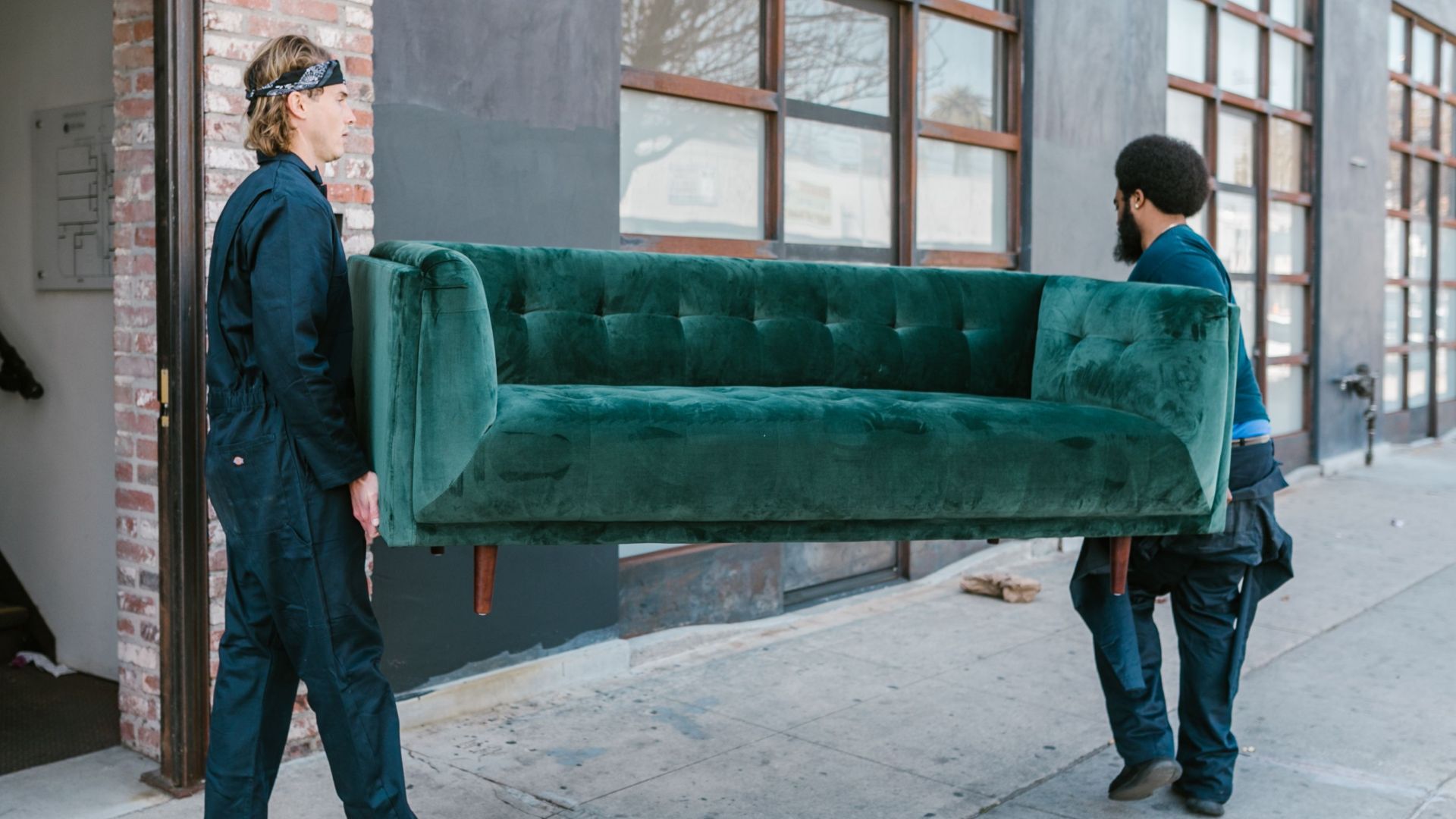
Parents should look at whether bicycles, shopping carts, scooters, delivery equipment, furniture or large packages are regularly left in the same area. A stroller-only crackdown becomes harder to describe as neutral when comparable objects remain untouched. That still would not prove discrimination—but it could become important evidence.
Unequal Treatment Can Matter
Federal fair-housing rules prohibit imposing different terms or limiting housing-related facilities because a household has children. If management tolerates similar belongings while enforcing the rule only against strollers, the parents may have a stronger argument that families are being treated differently. The explanation management gives may matter just as much as the written rule.
Comments Can Change The Story
A notice about keeping common areas clear is one thing. Statements suggesting that children are messy, families are a nuisance or parents should live somewhere else would create a much more serious concern. The wording around the policy can reveal whether this is really about storage—or something else.

The Fifth Floor Still Matters
Living on the fifth floor makes the practical burden much more serious. Carrying a stroller, a child and several bags upstairs is not a small inconvenience. But the fifth floor does not create an automatic legal right to leave the stroller downstairs.

No Elevator Does Not Automatically Mean Illegal
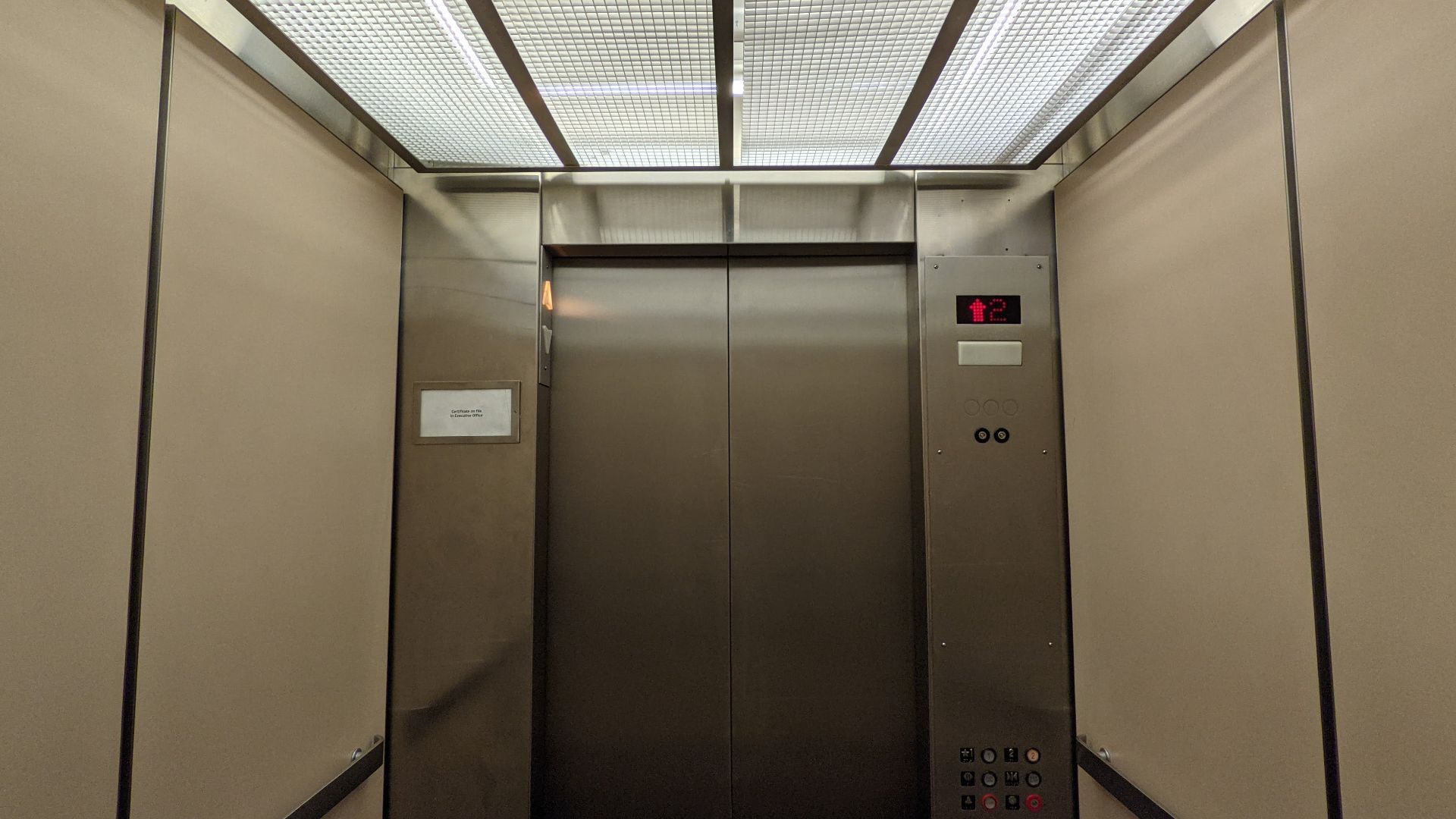
Older walk-up apartment buildings can remain lawful without elevators depending on their location, construction date, approvals and local building requirements. Federal accessibility rules do not require every existing private apartment building to add an elevator simply because upper-floor access is difficult. So the stronger legal argument probably lies elsewhere.
 Baron Maddock, Wikimedia Commons
The ADA May Not Be The Main Law
The private residential portions of an ordinary apartment building are generally not treated as public accommodations under the Americans with Disabilities Act. A leasing office, store or other public-facing space may be covered, but privately leased apartments are usually analyzed under fair-housing and local accessibility laws. Disability can still change the stroller question completely.

Disability Changes The Case
If a parent or child has a qualifying disability that makes carrying the stroller upstairs dangerous or effectively impossible, the household may request a reasonable accommodation. That means asking management to make an exception or adjustment when it is necessary for equal use and enjoyment of the home. That request must be connected to the disability.

The Connection Must Be Explained
The family should identify the rule causing the problem, explain the disability-related limitation and request a specific solution. When the disability or need is not obvious, management may request limited reliable information supporting the connection. That does not generally mean it gets unlimited access to someone’s medical history.

It Does Not Guarantee Lobby Storage
A reasonable accommodation does not necessarily mean the family can leave the stroller in the exact location it prefers. Management may still refuse a spot that violates a safety code or creates a real obstruction. The solution could instead be another safe storage area or a different workable arrangement.
 93MAINGMaisee Hungom, Wikimedia Commons
Management Must Consider The Request
A housing provider generally must consider a valid disability-related accommodation request individually. It may discuss alternatives and can deny a request that creates an undue financial or administrative burden or fundamentally changes its operations. What it should not do is reject the request automatically without considering the circumstances.

Local Law Could Go Further
Federal law is only the starting point. State and city laws may provide broader protections for families, caregivers, pregnancy or disability. Local fire codes will also determine whether stroller storage is allowed anywhere in the building’s common areas. The lease is another important piece—but it may not provide the entire answer.
Read The Lease And The Notice
The parents should check whether the lease already prohibits storing belongings in common areas or gives management authority to adopt reasonable building rules. They should also save the exact notice, because a general no-storage policy and a stroller-only policy may raise different questions. Then management should be asked to explain what the rule actually means.

Ask The Right Questions In Writing
The parents should ask which part of the lobby is covered, whether the rule comes from a specific fire or building code and whether comparable belongings are also prohibited. They should also ask whether any approved stroller-storage location exists elsewhere in the building. The answers may reveal a straightforward safety rule—or an uneven policy.

Offer A Practical Compromise
Rather than demanding the right to leave the stroller anywhere, the parents could propose storing it folded in an approved area that complies with local safety rules. A secure room, wall rack or designated storage location may solve the problem. Management may say no, but a reasonable proposal creates a useful record.
Keep Everything
The parents should save notices, emails, warnings and any fines. They should document where the stroller was stored and whether other large objects are permitted nearby. Any comments specifically criticizing children, parents or families should also be recorded. If management’s explanation changes repeatedly, that could matter later.

HUD May Be An Option
Someone who believes the policy amounts to familial-status or disability discrimination can report it to HUD or an appropriate state or local agency. A Fair Housing Act complaint generally must be filed with HUD within one year of the most recent alleged discriminatory act. A private lawsuit generally has a different deadline.
 U.S. Dept. of Housing and Urban Development (HUD) from USA, Wikimedia Commons
A Lawsuit Has A Longer Window
The Fair Housing Act generally allows a private civil lawsuit to be filed within two years of the most recent alleged discriminatory act. Certain time while an administrative complaint is pending may not count toward that period. Still, waiting until a deadline approaches is rarely a good plan.

Retaliation Is Prohibited
The Fair Housing Act prohibits coercing, threatening, intimidating or interfering with someone for exercising protected housing rights. Management may still enforce legitimate lease rules, but it cannot lawfully punish tenants merely because they raised a discrimination concern or requested a disability accommodation. So where does that leave the stroller?

Is The Rule Allowed?
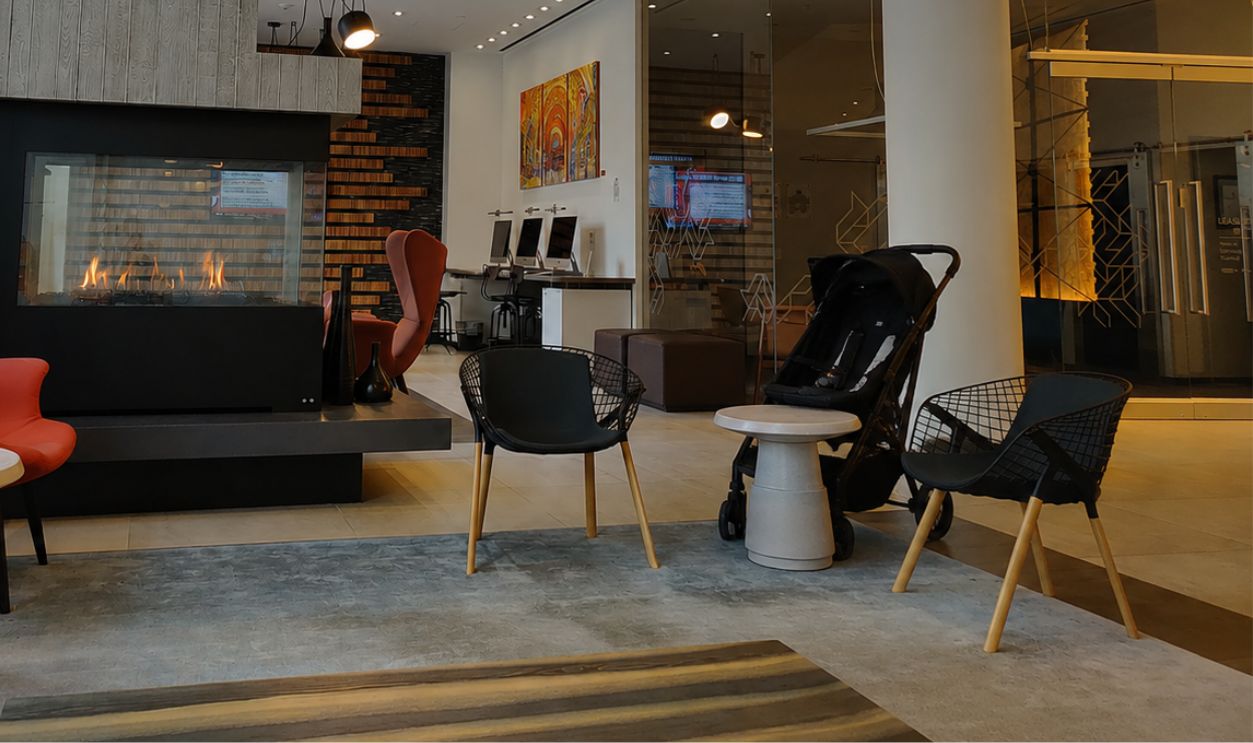
In many cases, yes. A landlord can often prohibit tenants from storing strollers in a lobby, corridor or other common area, particularly when the lease or local safety code restricts personal-property storage there. Living on the fifth floor does not create an automatic exception—but that is not the end of the answer.
 Sdkb, Wikimedia Commons, Modified
The Bottom Line
The building may legally require parents to carry the stroller upstairs if common-area storage is prohibited by the lease, a reasonable building rule or local safety law. However, selective enforcement against strollers, comments targeting families or a disability-related need could change the analysis. The location, wording, enforcement and local code will decide far more than the fifth-floor walk-up alone.
 Stefan Steinbauer, Unsplash, Modified
You Might Also Like:
Credit card companies could legally do in the 60s and 70s—that would outrage anyone born after 2000.