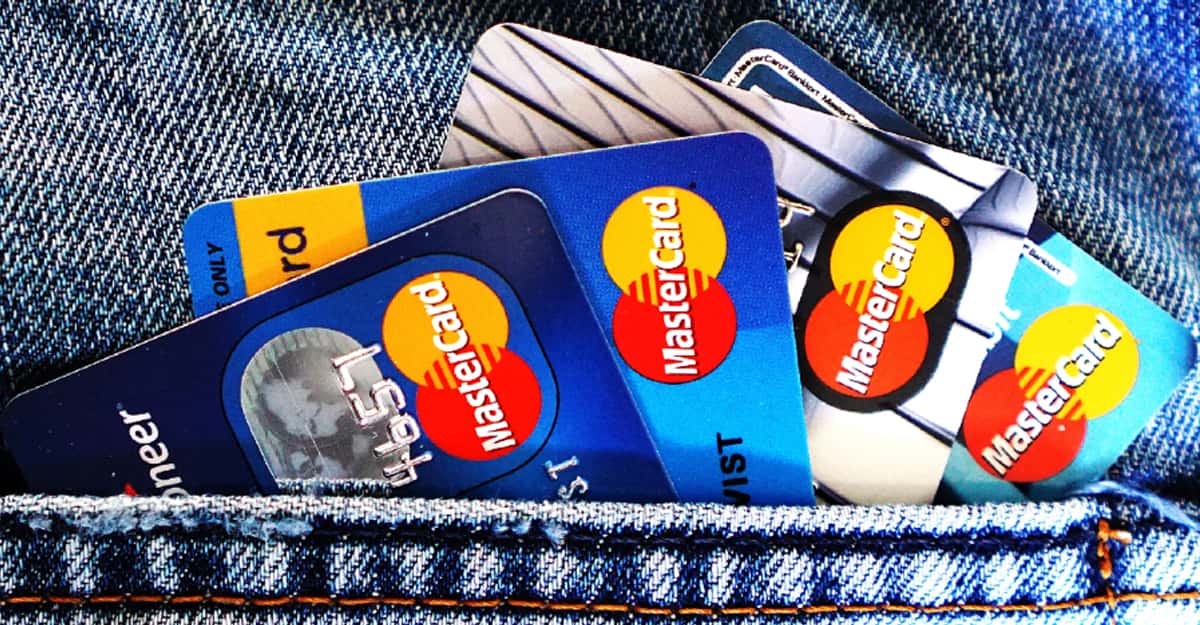
Plastic Was Basically The Wild West
Credit cards feel normal now, which is exactly why the early days are so hard to believe. In the 60s and 70s, the rules were still catching up to the plastic—and companies had a lot more room to play games with your money, your mail, and your sanity.

Mail You A Real Credit Card You Never Asked For
Imagine opening your mailbox and finding an active credit card sitting there like a grocery flyer with spending power. That actually happened. Before federal law stopped the practice in 1970, banks could send out unsolicited credit cards as a marketing strategy. Today, that sounds less like convenience and more like identity theft with better branding.
Drop Credit Cards On Entire Cities
BankAmericard famously launched in Fresno, California, in 1958 by mailing 60,000 unsolicited cards to residents. It was called the “Fresno Drop,” which somehow makes it sound even more chaotic. No careful online application. No little loading wheel. Just a bank deciding a whole city was ready for plastic.
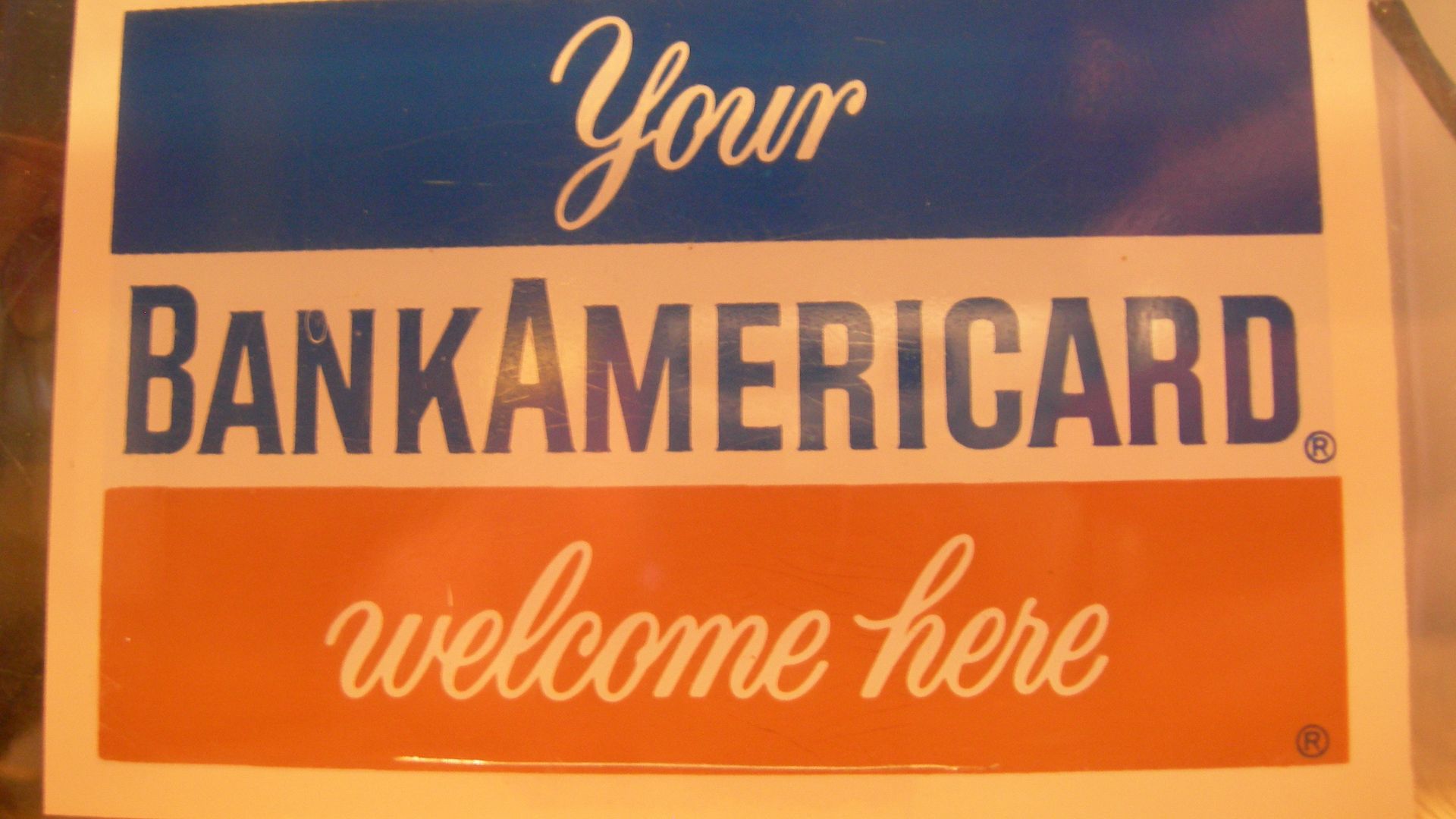 jonrev (talk), Wikimedia Commons
Let Your Mailbox Become A Fraud Risk
The obvious problem with mailing active credit cards is that mailboxes are not Fort Knox. Cards could be stolen, used, misplaced, or ignored until trouble arrived. Anyone born after 2000 is used to activation codes and fraud alerts. Back then, the card itself could show up ready to cause a financial headache.
 Infrogmation of New Orleans, Wikimedia Commons
Make You Deal With Charges On A Card You Didn’t Request
This is the part that feels especially insane now. If a card you never requested got stolen or used, you could still be dragged into the mess of proving what happened. Congress eventually stepped in because unsolicited cards created exactly the kind of problems you would expect when banks put instant borrowing power into the mail like coupons.
![Collectie / Archief : Fotocollectie Anefo
Reportage / Serie : [ onbekend ]
Beschrijving : Roofoverval bij Amro-bank, Beethovenstraat, Amsterdam; bankemployes en politie en burger na de overval in de bank
Datum : 21 juli 1970
Locatie : Amsterdam, Noord-Hol](https://www.factinate.com/storage/app/media/moneymade/2026/7/16/17842060553a7df83ac6790da4d6301b1944c8f43bbe0fcb29.jpg) Rob Mieremet / Anefo, Wikimedia Commons
Rob Mieremet / Anefo, Wikimedia Commons
Hide The Real Cost Behind Confusing Terms
Before the Truth in Lending Act became effective in 1969, lenders had much more freedom to make credit look cheaper than it really was. A monthly finance charge could sound harmless until you realized what it meant over a year. Today, people complain about APRs. Back then, consumers often could not easily compare them.

Advertise Credit Without Meaningful Disclosure
Credit card marketing could lean hard into the convenience while leaving the pain for later. That is why federal disclosure rules mattered so much. The Truth in Lending Act was built around a simple idea that still feels obvious now: people should know what credit actually costs before they use it.

Treat Billing Errors Like Your Problem
Before the Fair Credit Billing Act of 1974, consumers had far fewer federal protections when something went wrong on a statement. A wrong charge, math error, or missing credit could become a long, irritating fight. Today, people dispute a charge from their phone. Back then, the system was basically: good luck, champ.

Damage Your Credit While You Were Disputing A Bill
One of the most outrageous pre-protection problems was what could happen while a billing dispute was still unresolved. The Fair Credit Billing Act later stopped creditors from taking certain actions that hurt a consumer’s credit standing during an investigation. Before that, even being right could still feel financially dangerous.

Take Their Sweet Time Investigating Mistakes
Today, there are rules for acknowledging and investigating billing disputes. In the earlier credit card era, that structure was not nearly as clear. So if your statement was wrong, you might be stuck waiting while the company moved at the speed of a DMV line in a snowstorm.

Fail To Post Payments Promptly
The Fair Credit Billing Act also addressed payment posting. That matters because a payment that arrives but does not get properly credited can snowball into late fees, finance charges, and angry letters. Anyone born after 2000 expects a payment to show up almost instantly. In the 70s, that expectation would have been adorable.

Make Overpayments Annoying To Get Back
Accidentally paying too much should not feel like donating to your credit card company. Federal billing protections eventually required creditors to handle overpayments properly, either by crediting or refunding them. Before that, the customer had much less leverage. Nothing says “modern finance” like needing a battle plan to retrieve your own money.

Give Women A Harder Time Getting Credit
This one is not ancient history, which makes it even more ridiculous. Before the Equal Credit Opportunity Act of 1974, lenders could legally discriminate against women in credit decisions. A woman could have income, responsibility, and a pulse, and still be treated like the financial system needed to speak to her husband.

Require A Husband’s Signature
Married women could be told they needed their husband’s signature to get credit. Not because the husband was paying the bill. Not because he had better handwriting. Because the system often treated men as the “real” financial adults. Anyone born after 2000 would think this was a deleted scene from a very angry period drama.

Treat Married Women Like Temporary Workers
Some lenders discounted or questioned women’s income, especially if they thought marriage, pregnancy, or motherhood might interrupt work. The logic was basically: sure, you earn money now, but what if life happens? Meanwhile, men were apparently considered immune to life, illness, layoffs, bad decisions, and buying a boat.

Deny Credit Based On Marital Status
Before modern credit discrimination rules, whether someone was married, single, widowed, or divorced could become part of the decision. That sounds bizarre now because marital status has nothing to do with whether someone can pay a bill. But for a long time, “financial character” came with a lot of personal judgment baked in.
 Frame Stock Footage, Shutterstock
Ask Questions That Would Sound Illegal Today
Credit applications could involve personal questions that would make a modern compliance department sprint across the room. Marital status and assumptions about family life could all enter the picture. Today, a lender asking the wrong question can create a legal problem. Back then, the problem was often the customer having to answer it.

Discriminate In Credit Before The Rules Expanded
The Equal Credit Opportunity Act first targeted discrimination against women and discrimination based on marital status in 1974, then protections expanded in 1976 to cover more categories, including race, color, religion, national origin, age, and public assistance income. That timeline is the jaw-dropper. For a big chunk of the credit card era, the anti-discrimination rulebook was still being written.

Use Credit Reports You Could Barely Challenge
The Fair Credit Reporting Act became effective in 1971 because consumer reporting had become powerful and messy. Before modern rights around access and disputes, negative details could follow people around with very little transparency. Imagine being judged by a file you could not easily see. Very normal. Very terrifying.

Share Consumer Report Information With Fewer Guardrails
Modern consumer reporting has rules about permissible purposes, accuracy, and disputes. Earlier reporting was much looser, and reports could include surprisingly personal information. Not just payment history. More like character, habits, lifestyle, and reputation. Basically, your financial file could have a gossip section, which feels illegal even to type.

Build A System Before Consumers Understood It
One of the sneakiest things about early credit cards is that the product spread before most people fully understood it. Banks were building a new payment culture while consumers learned the rules in real time—which is great for the bank, and less great for the person learning through fees.

Make Plastic Feel Like Free Money
Credit cards did not invent overspending, but they did make it smoother. A charge card or bank card could make a purchase feel painless in the moment, then very real later. Before stronger disclosures and consumer education, that gap was powerful. The card said “buy it.” The bill said “remember me?”

Rely On Confusion As Part Of The Business Model
The most outrageous part is not one single rule. It is the whole vibe. Early credit cards grew when disclosures were weaker, billing protections were thinner, and discrimination was more openly tolerated. The plastic looked modern. The rules were still catching up.
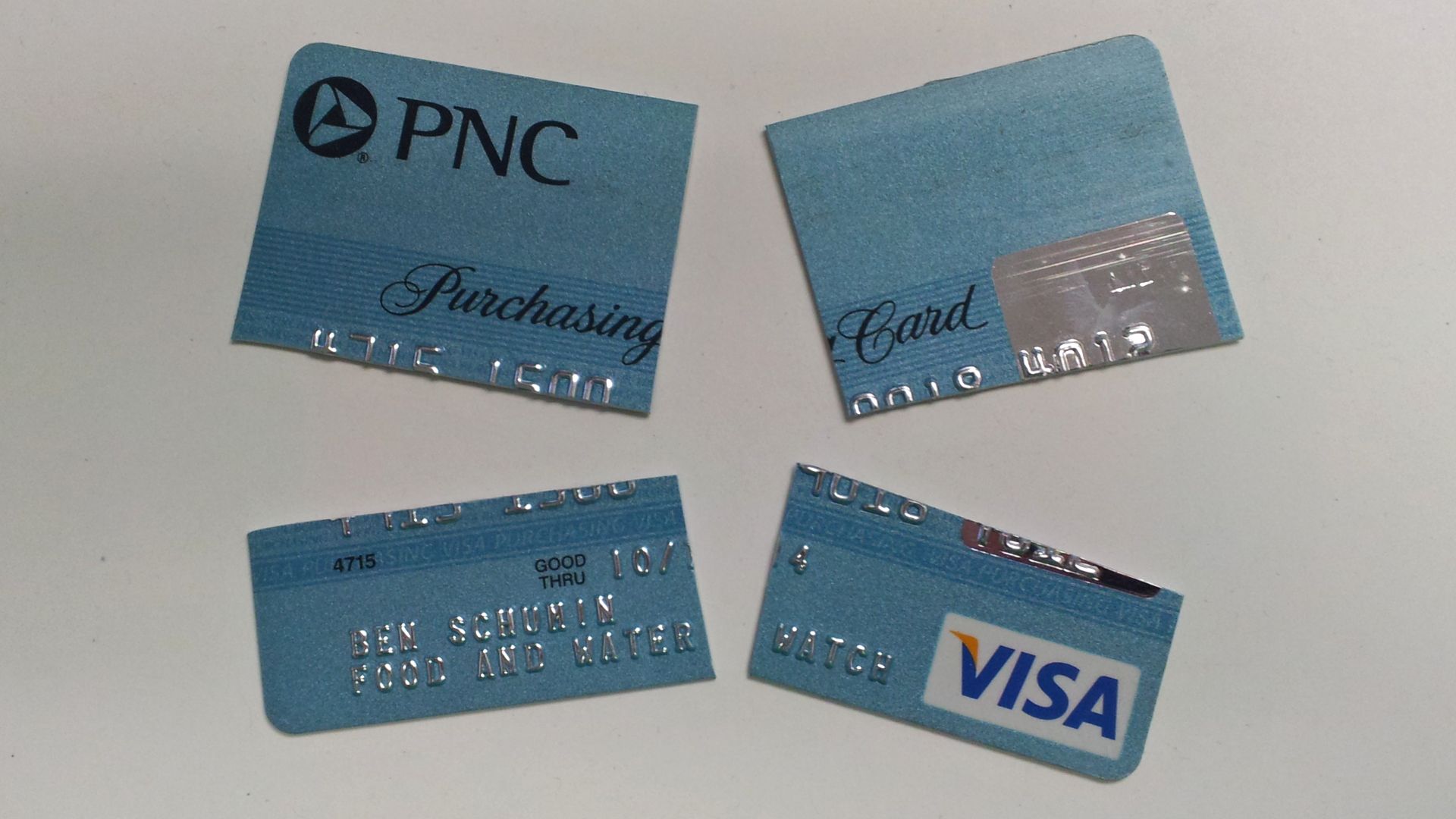 Ben Schumin from Montgomery Village, Maryland, USA, Wikimedia Commons
Then The Laws Finally Started Catching Up
The 60s and 70s were not just the wild west. They were also when Congress started building the guardrails: Truth in Lending, the unsolicited-card ban, fair credit reporting rules, fair billing rules, and equal credit opportunity protections. In other words, people looked at what was happening and said, “Okay, absolutely not.”

The Part That Still Feels Familiar
Credit card companies still make money when customers misunderstand costs, miss deadlines, or carry balances. The rules are much stronger now. But the business has always depended on one tiny plastic miracle: making spending feel easier than paying.
You Might Also Like: