You Went In For One Album
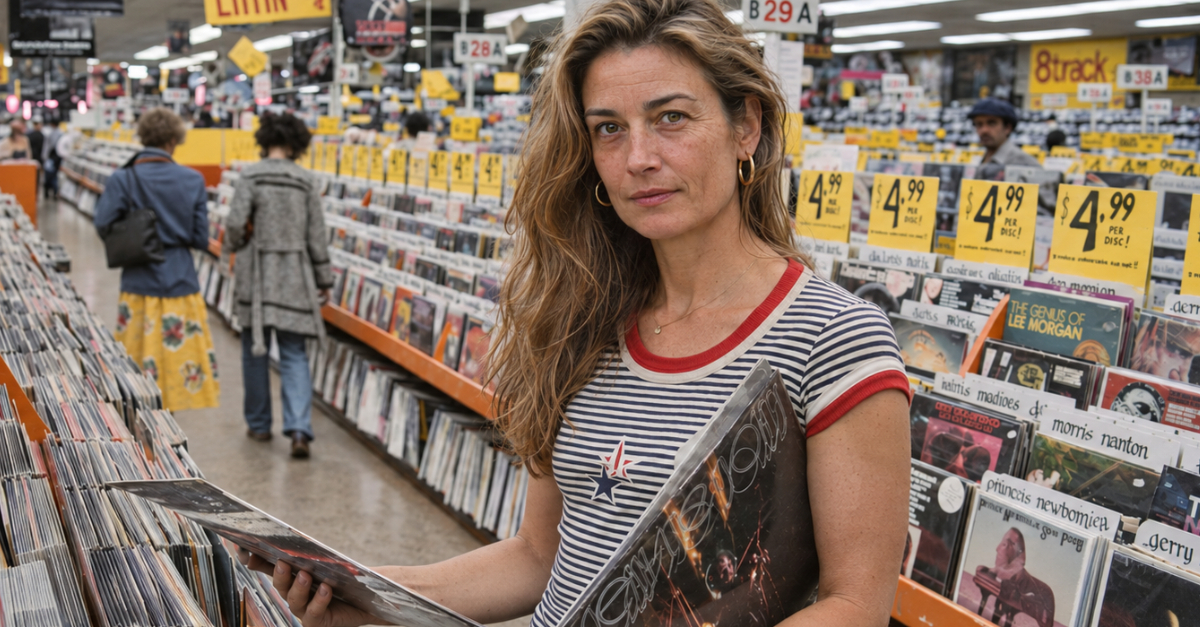
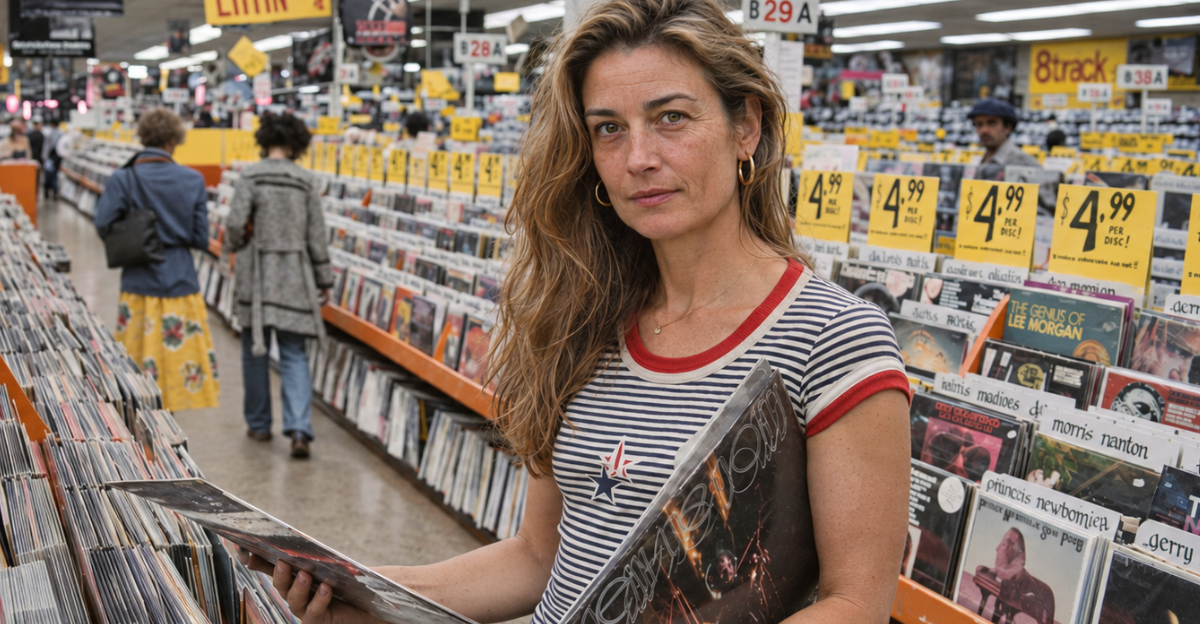
You went in for one album. An hour later, you were still deciding which three you could afford. Baby Boomers remember that part. But the names above the doors? Well, let's see how many of those you actually remember.
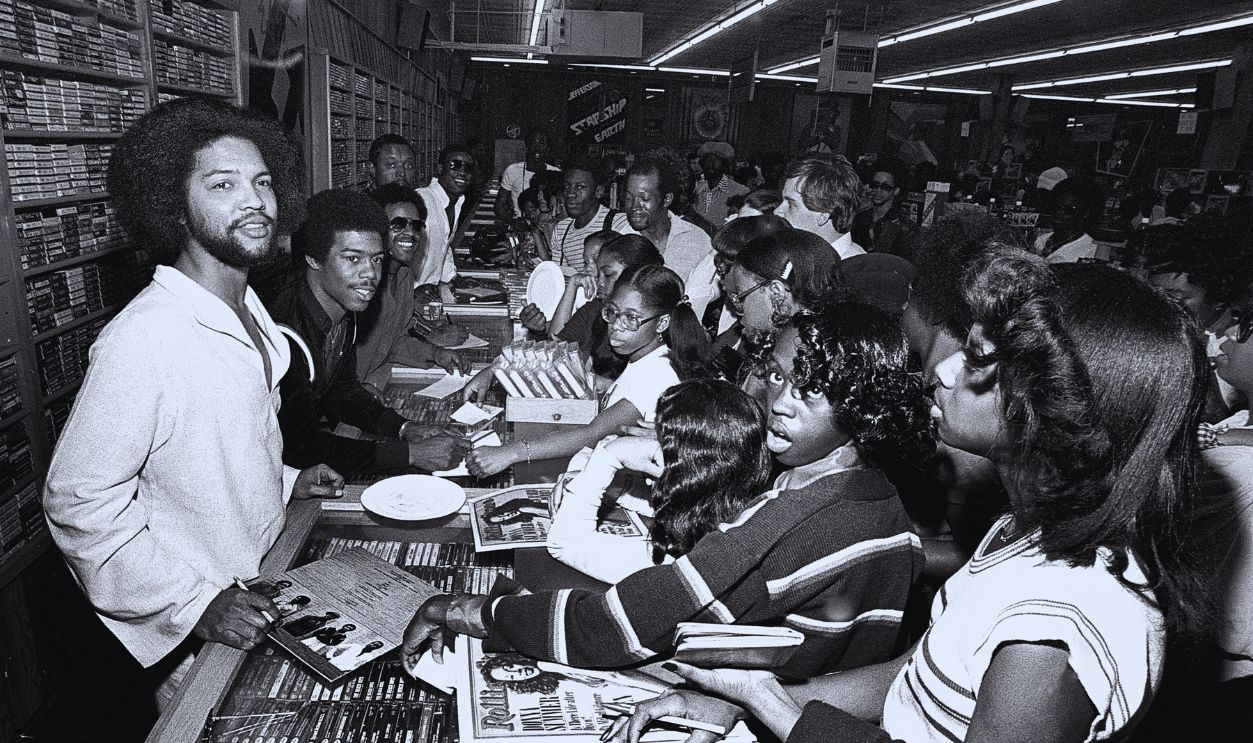
Peaches Records & Tapes
Before the album even reached your turntable, Peaches could sell you a wooden crate to keep it in. Those fruit-crate-style boxes became a signature of this 70s record superstore chain, alongside giant album-cover displays and artist appearances. Forget the shopping bag. Some customers took the store's name home as furniture.
Camelot Music
For plenty of Boomers, a trip to the mall included a stop at Camelot, whether they planned to buy anything or not. Its first retail store opened in Ohio in 1965, and the business grew into a major mall chain. You could finish shopping for clothes. Finishing in the record store was another matter.
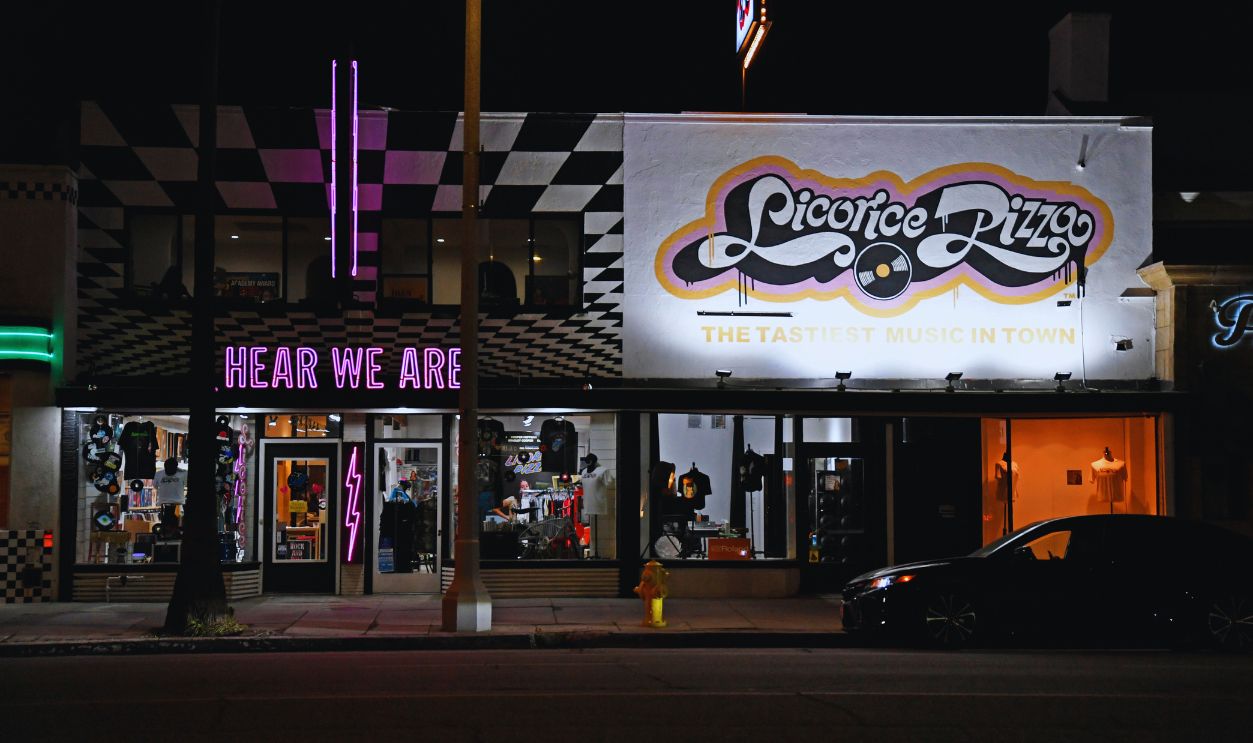
Licorice Pizza
No, it wasn't a restaurant. Licorice Pizza started in Long Beach in 1969 and spread across Southern California, giving music fans a name that was hard to confuse with anything else. The original chain eventually became Sam Goody. A later revival brought the name back, but the old chain belongs to another era.
 Michael Tullberg, Getty Images
Turtle's Records & Tapes
Remember saving little stamps because buying records could help you buy more records? Turtle's customers did exactly that. The Atlanta-area chain, founded in 1977, handed out stamps that shoppers collected in booklets for purchase credit. Somehow, sticking stamps into a little book felt considerably more exciting than checking reward points on a phone.
Musicland
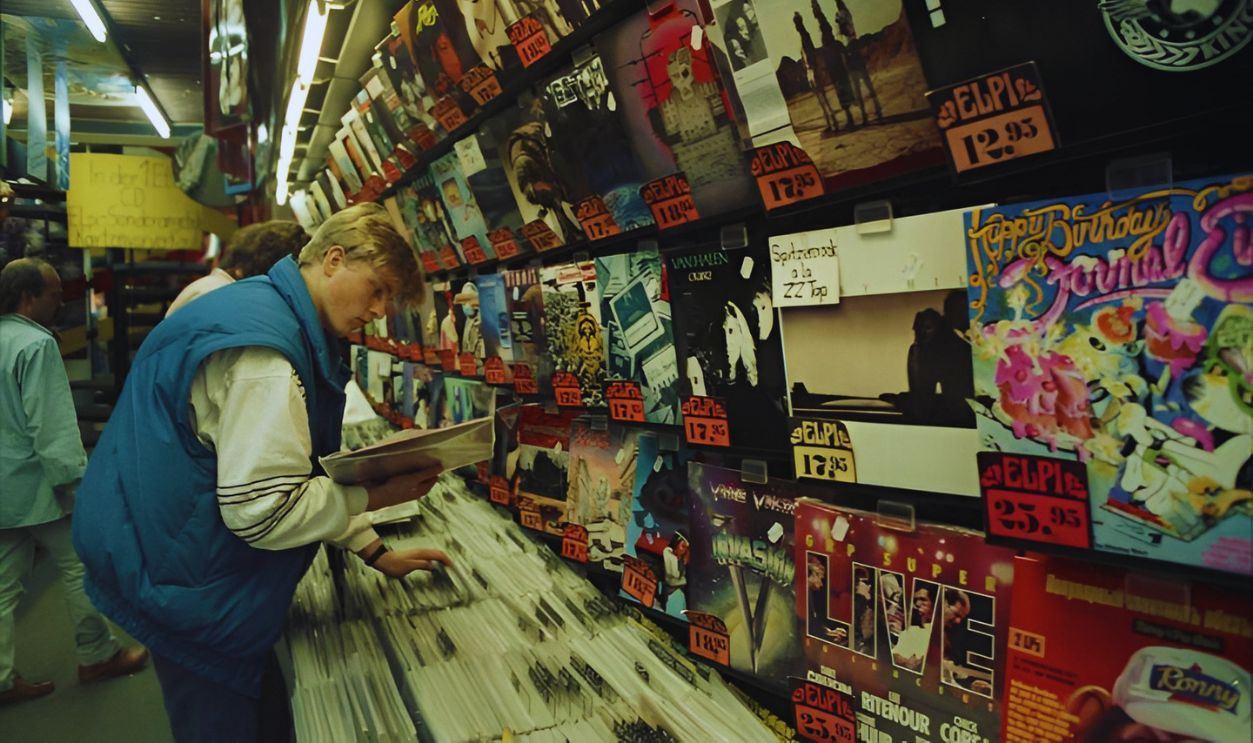
Musicland was one of those mall signs you could spot before you had any idea what album you wanted. The business grew out of Minneapolis and became a major national music retailer. Its stores later began switching to the Sam Goody name, leaving shoppers with familiar aisles and a different sign above the entrance.
 Unknown author, Wikimedia Commons
National Record Mart
Pittsburgh music fans knew it as NRM, but the business began in 1937 selling used jukebox records under the name Jitterbug Record Mart. It eventually expanded far beyond its hometown. By the time the founding family sold the company in 1986, it had more than 75 stores. Quite a journey from secondhand 78s.
Strawberries Records & Tapes
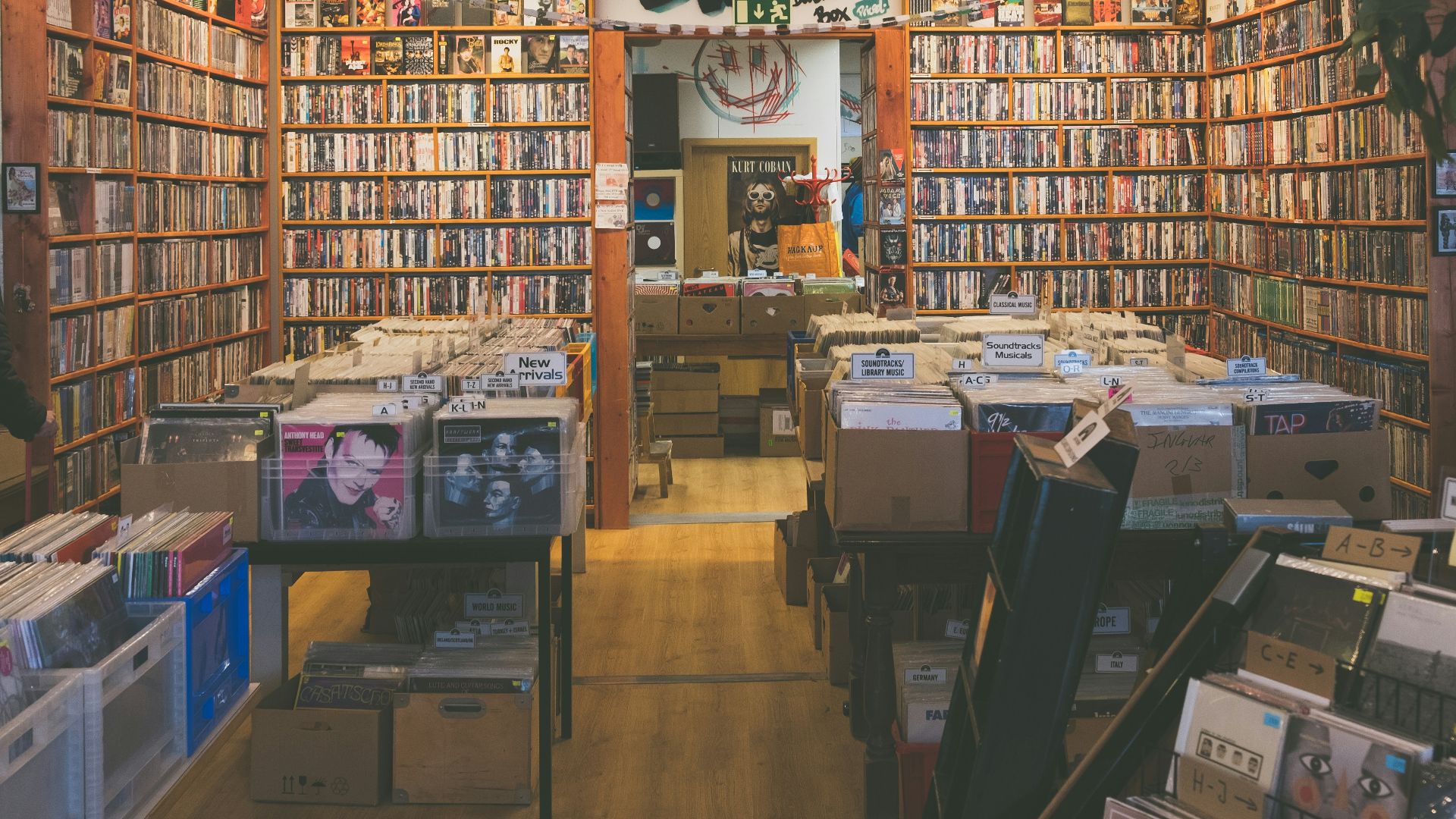
New England had its own answer to the question, "Where are we buying records?" Strawberries began in 1972 and spread through the region, eventually reaching 81 stores. Albums, concert tickets, posters, and artist appearances gave fans reasons to keep coming back. The original chain is gone, though an unrelated shop later revived the name.
Waxie Maxie's
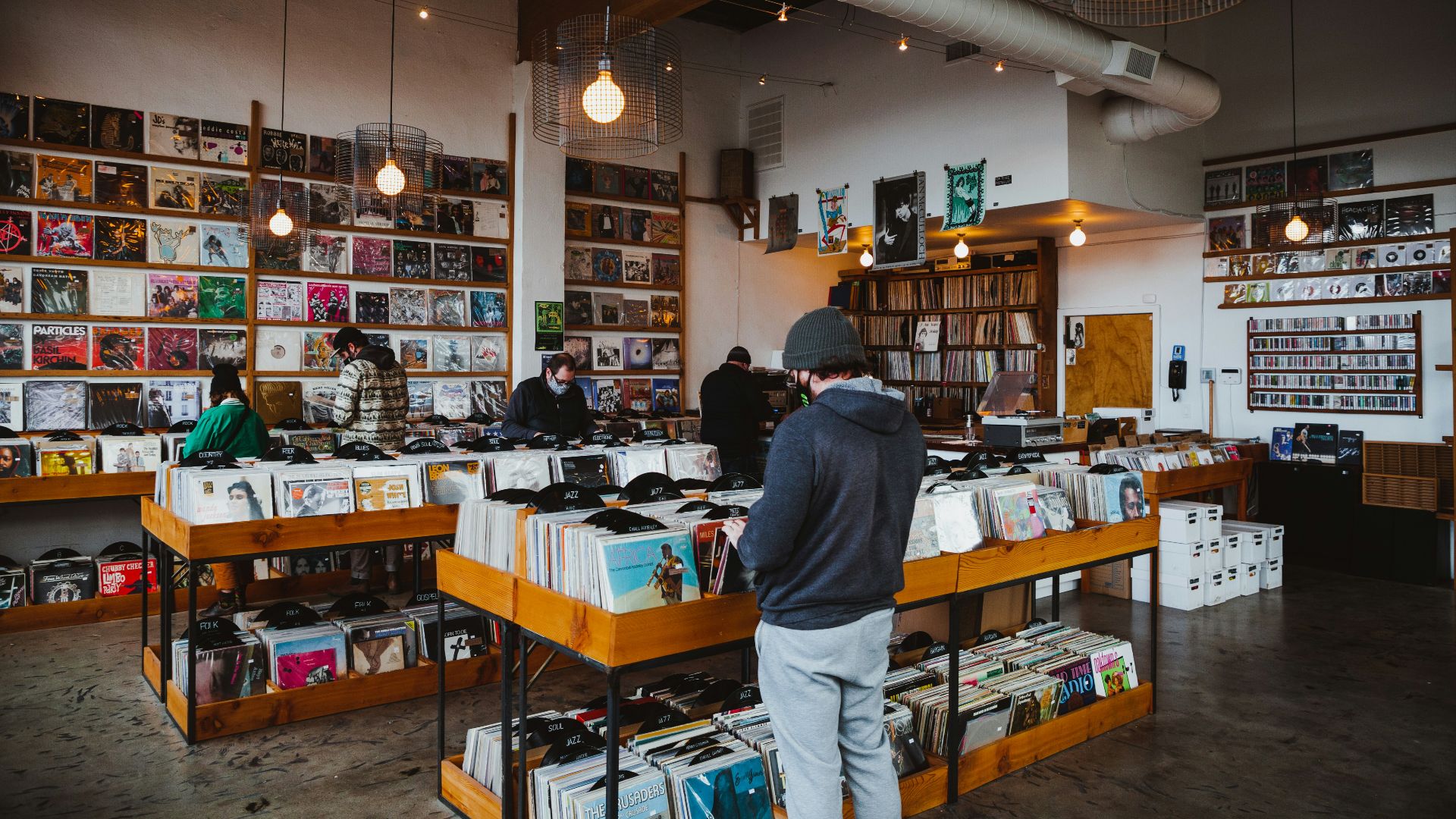
Waxie Maxie's began as a Washington, D.C., record shop in the 1930s and grew into a regional chain. Jazz and R&B were important to its early identity, with rock and pop reaching more shoppers as it expanded. The name alone deserves a point on this memory test. Surely you'd remember shopping at Waxie Maxie's.
 The Washington Post, Getty images
Record Bar
Record Bar grew from a Durham, North Carolina, shop into a chain of roughly 180 stores, with a particularly strong presence in the Southeast. Later, some locations appeared under the Tracks name. If the sign changed while you were busy building your record collection, you might remember both without realizing how closely they were connected.
Flip Side
Chicago's Flip Side had a connection to your record collection and your concert memories. Brothers Carl and Larry Rosenbaum built the retail chain, then expanded into promoting major shows, including 1977's Super Bowl of Rock at Soldier Field. Buying the album and seeing the band weren't entirely separate businesses in their world.
The Wherehouse
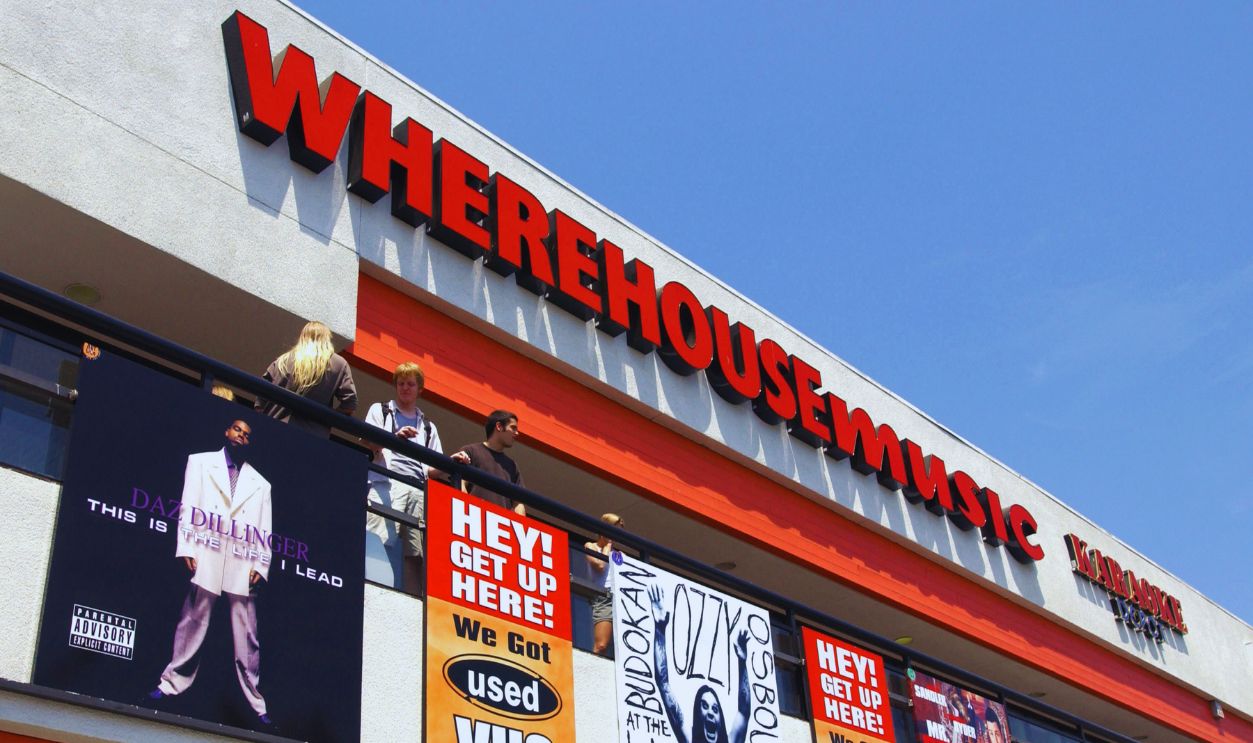
That spelling was deliberate, and California shoppers saw plenty of it. Founded in 1970, The Wherehouse expanded into a large Western chain, adding movies and other entertainment as shopping habits changed. But for customers who knew it in the vinyl years, the name still brings back the record bins before the video rentals.
Music Plus
Southern California record shoppers had choices, and Music Plus was very much part of the competition. By 1975, it was already a nine-store Los Angeles-area chain. Blockbuster later bought the business and converted stores to Blockbuster Music. That familiar video-rental name ended up above doors customers had once walked through looking for LPs.
Sound Warehouse
For record buyers in Oklahoma and Texas, Sound Warehouse could be a regular stop. The regional chain became part of a much larger deal when Blockbuster bought it along with Music Plus in 1992. Before that corporate reshuffling, though, it was a place to spend an afternoon and come home with less money.
Hastings Books & Music
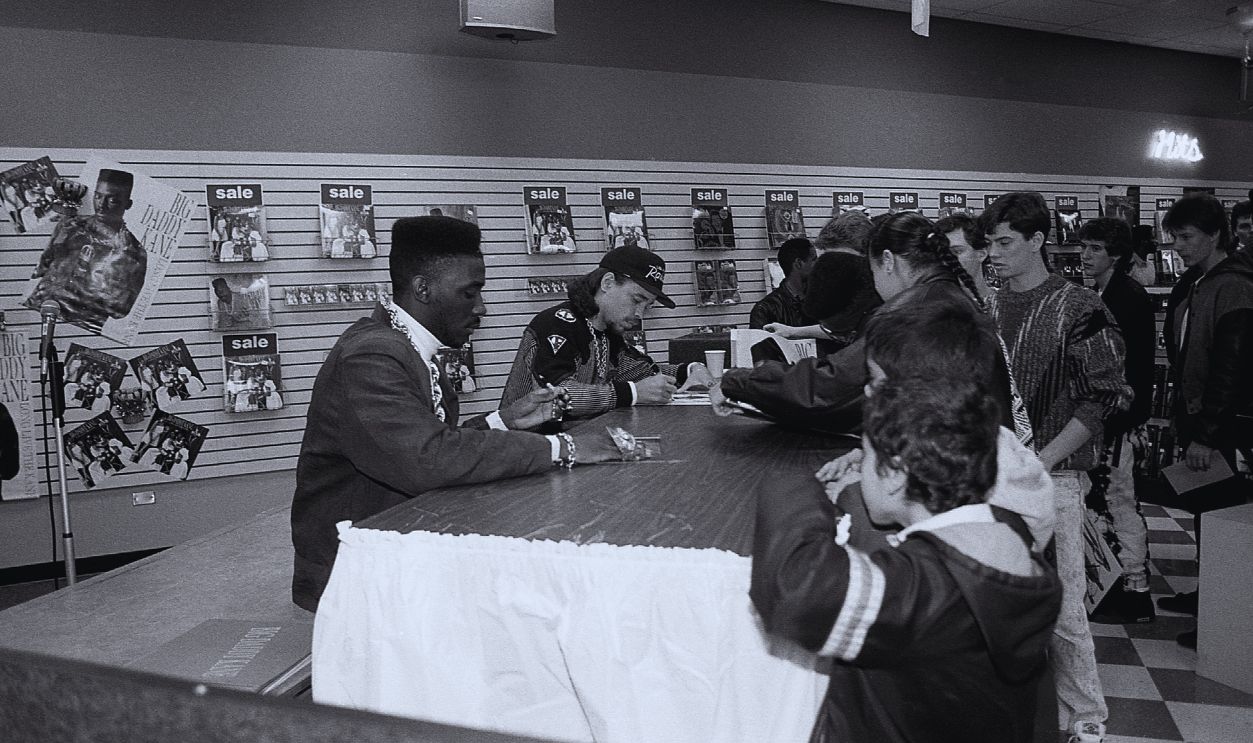
Hastings Books & Music started in Amarillo, Texas, in 1968 and spread through smaller cities in the Southwest and Midwest. Books shared space with records, making it possible to walk in for an album and leave with something to read, too. Two perfectly respectable purchases. Explaining the total at home was your problem.
Spec's Music
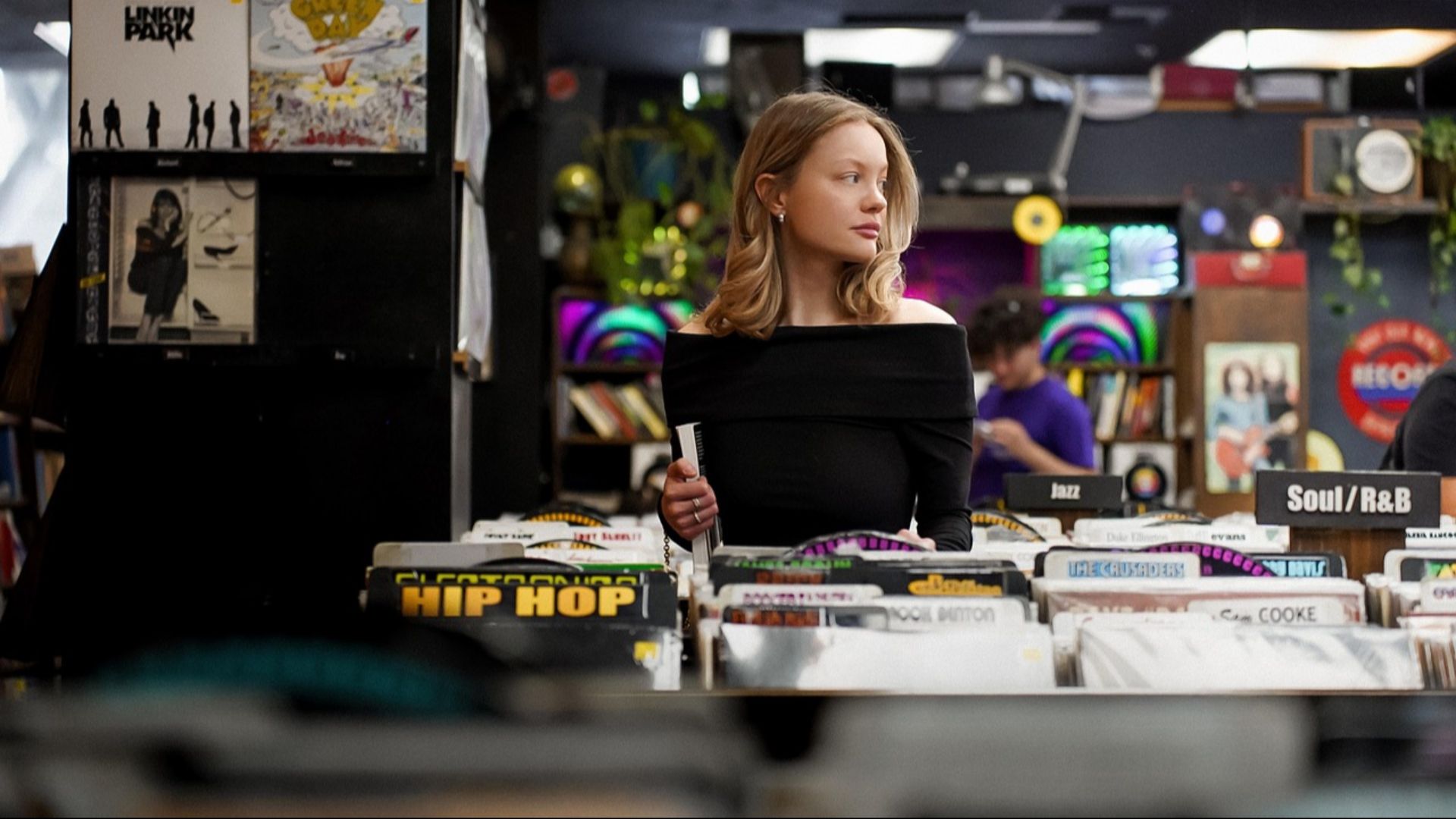
Spec's began in Coral Gables, Florida, in 1948, with a shop that sold appliances as well as records. Founder Martin Spector wanted a music business, but the refrigerators helped pay the bills. Over time, Spec's became a major Florida chain and expanded into Puerto Rico. Eventually, the records could carry the business themselves.
Record Town
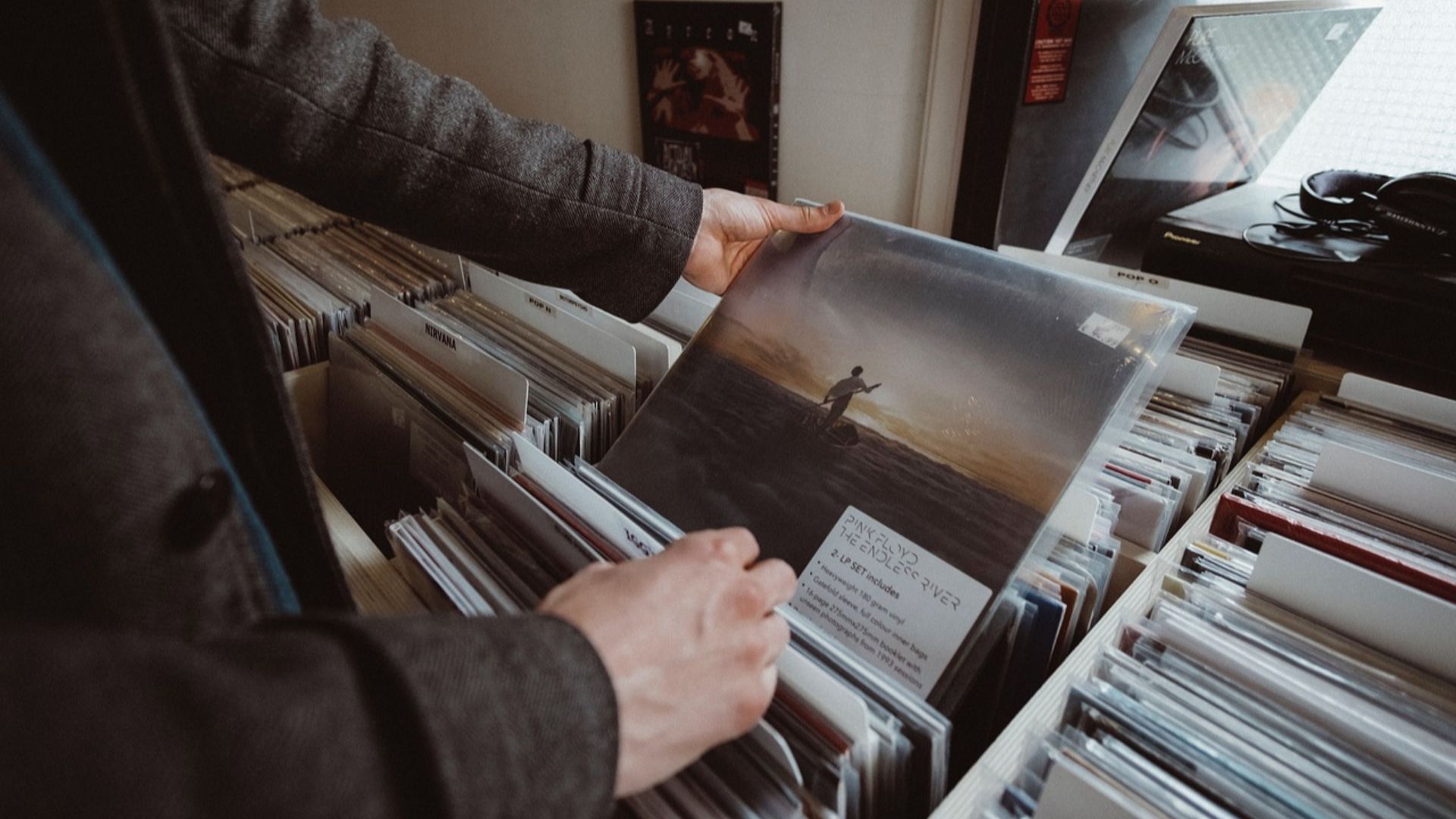
Record Town sounds almost too straightforward to forget. Yet this was a real mall destination, launched by Trans World in 1973, long before the company's FYE signs became familiar. For Boomers who shopped there, the name belongs to the years when browsing music meant leaving home and actually touching the merchandise.
 Seth Doyle sethdoylee, Wikimedia Commons
Record World
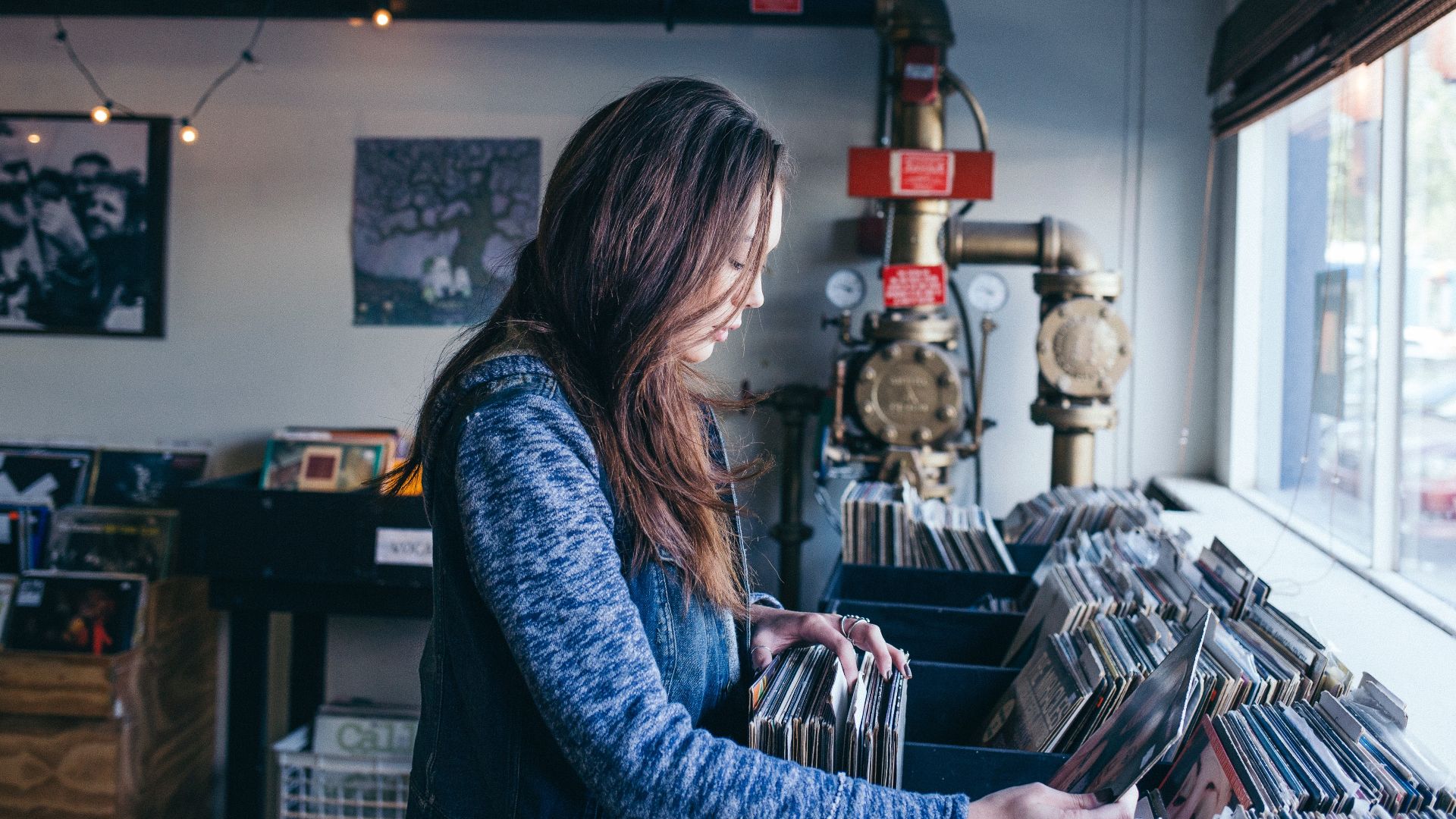
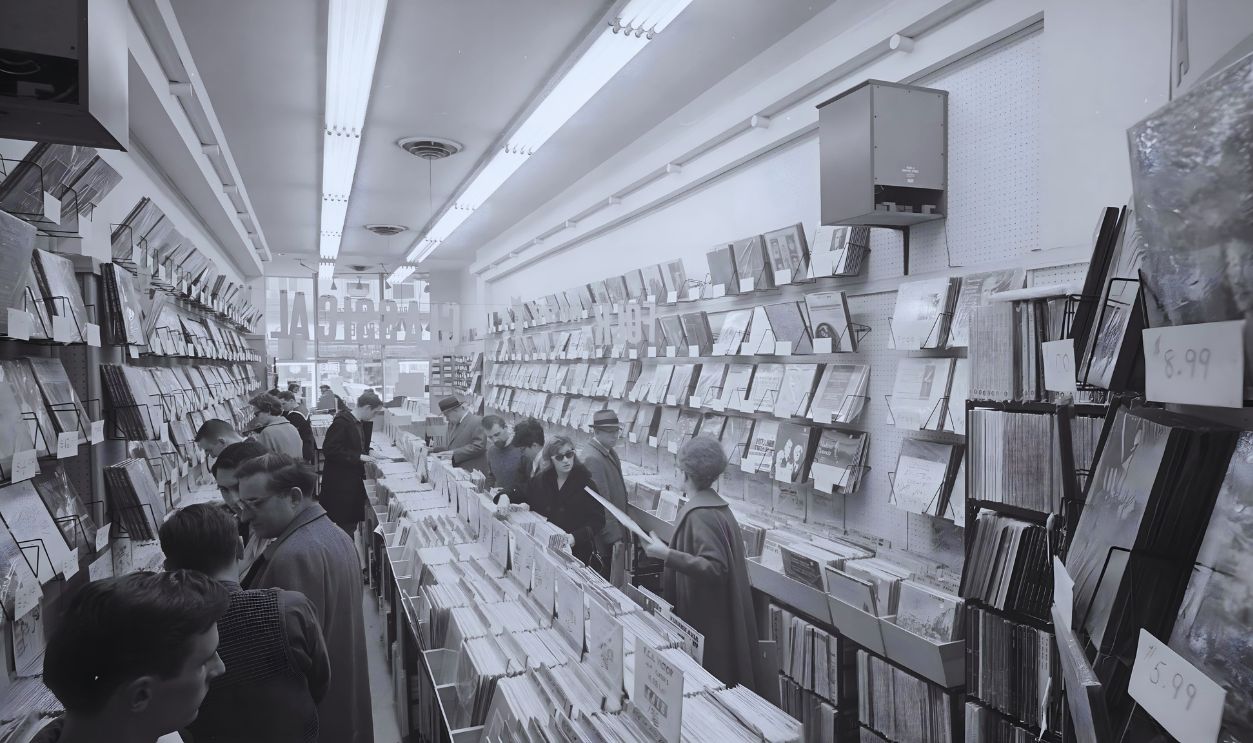
Long Island shoppers had Record World, which counted 12 stores in 1977 and was preparing to expand into additional New York markets and New Jersey. Not to be confused with Record Town, of course. Apparently, buying albums also required keeping several very similar store names straight.
 Marion S. Trikosko, Wikimedia Commons
Record Theatre
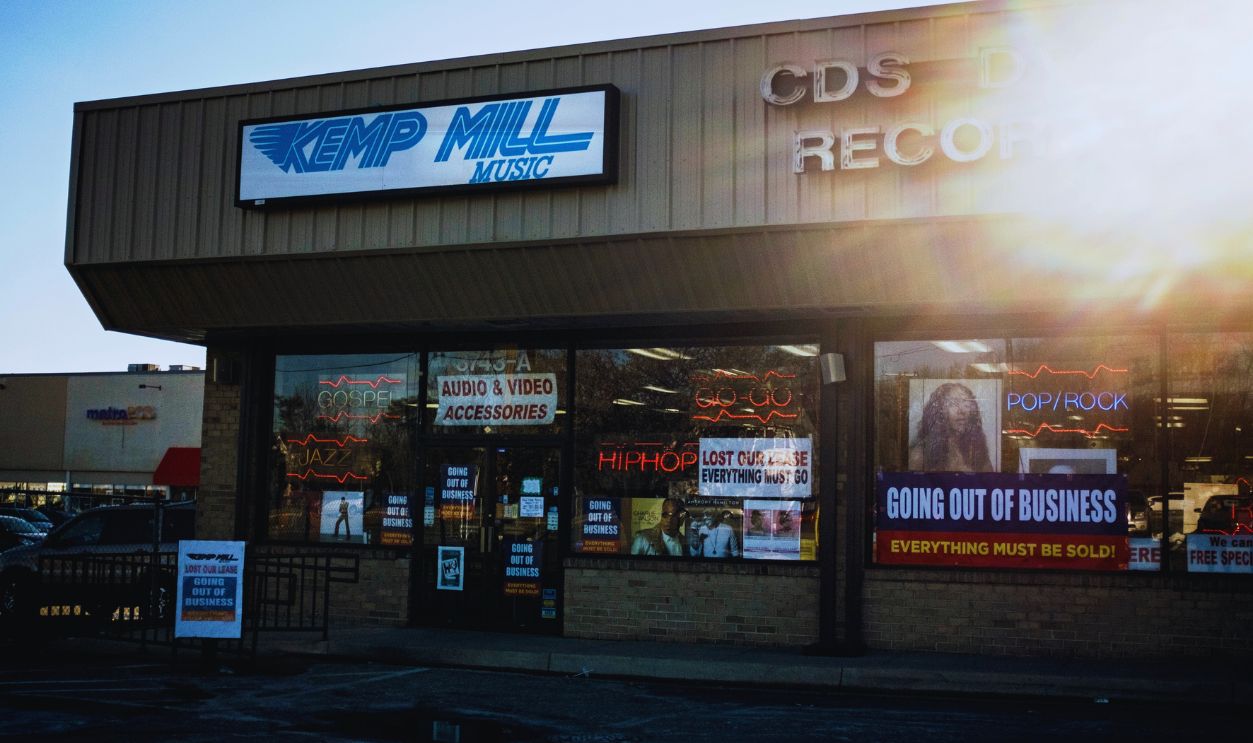
Buffalo's Record Theatre opened in 1976, and founder Lenny Silver built a chain that expanded beyond Western New York. The original Main Street store lasted until 2017. That gave some customers time to buy records there as young adults and return decades later, still looking through the bins for another discovery.
Kemp Mill Records
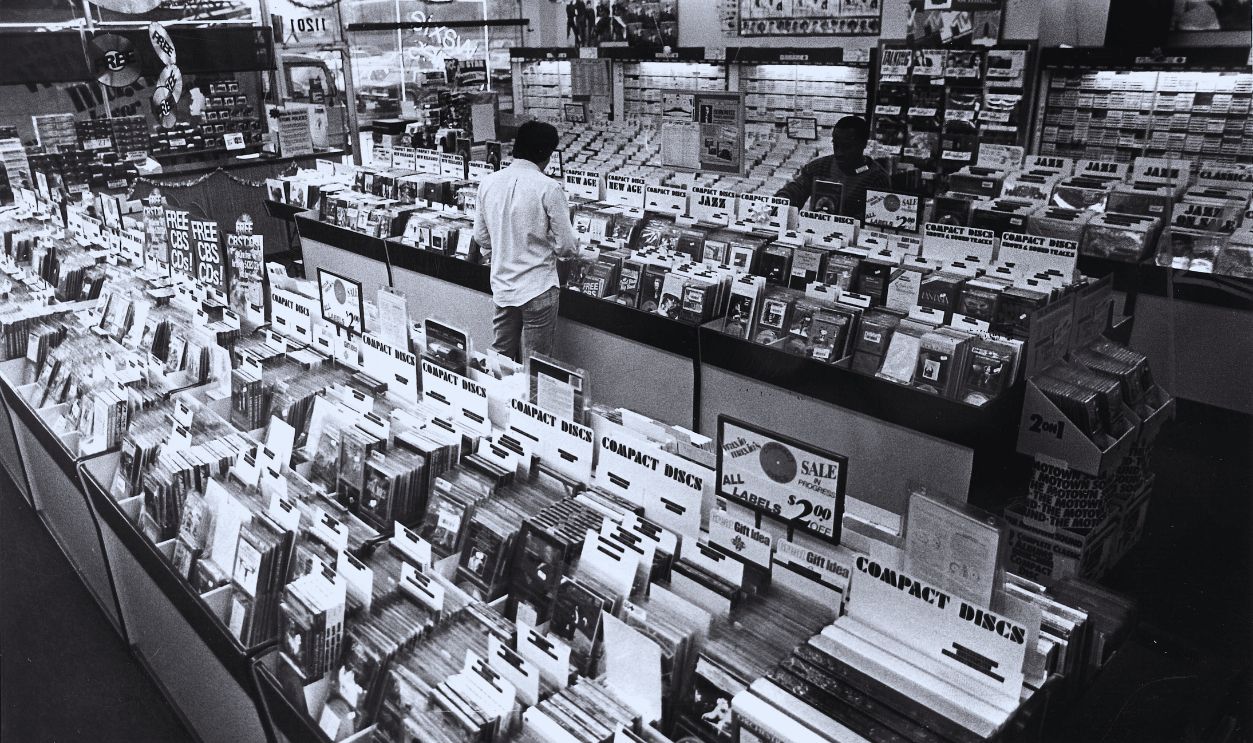
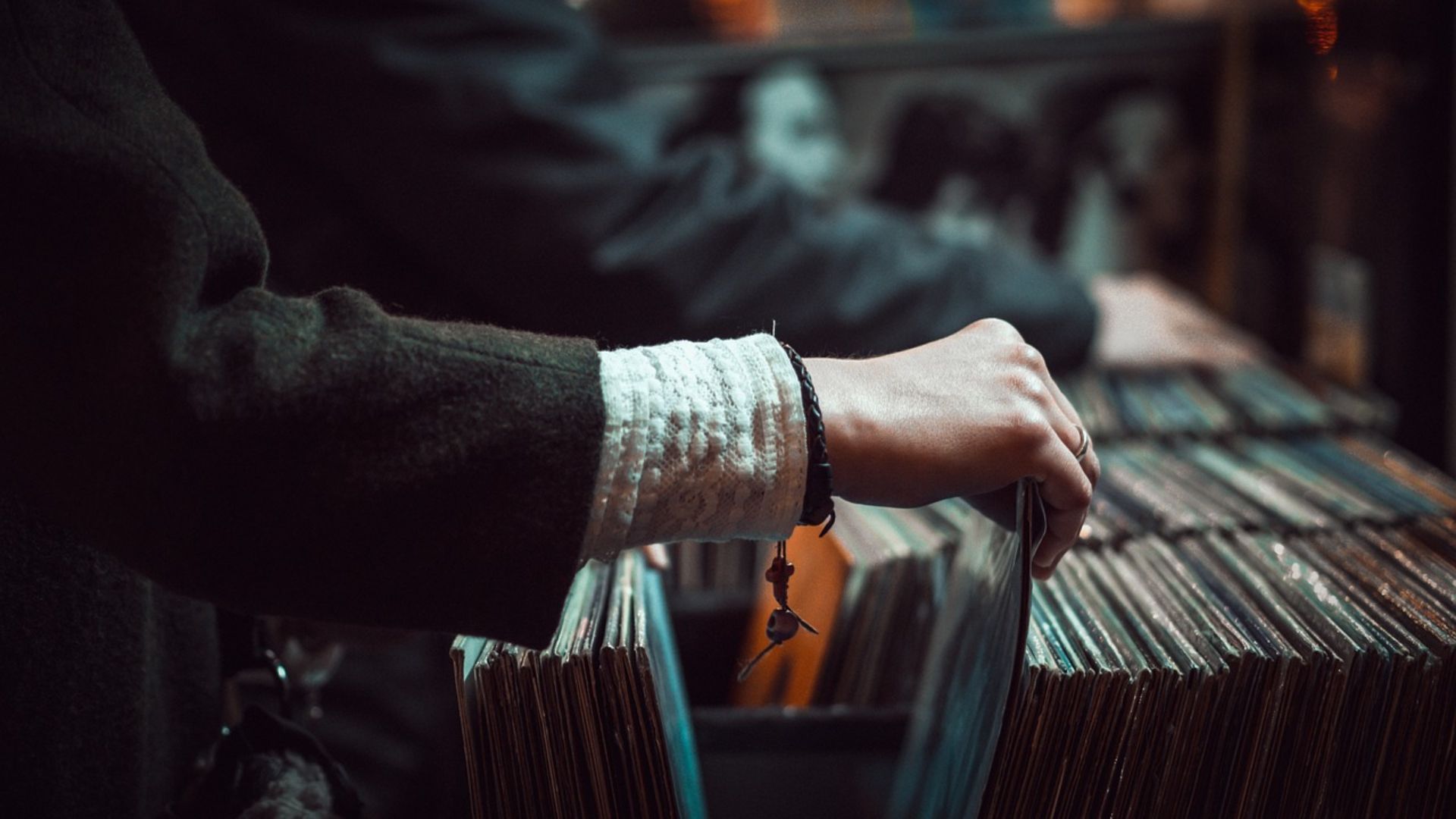
Kemp Mill Records started in Silver Spring, Maryland, in 1972 and became a familiar Washington-area chain. Its reputation for low prices gave shoppers a reason to compare before buying. Saving a little on one album could mean having enough left for another. Naturally, that counted as being sensible with money.
 The Washington Post , Getty Images
Listening Booth
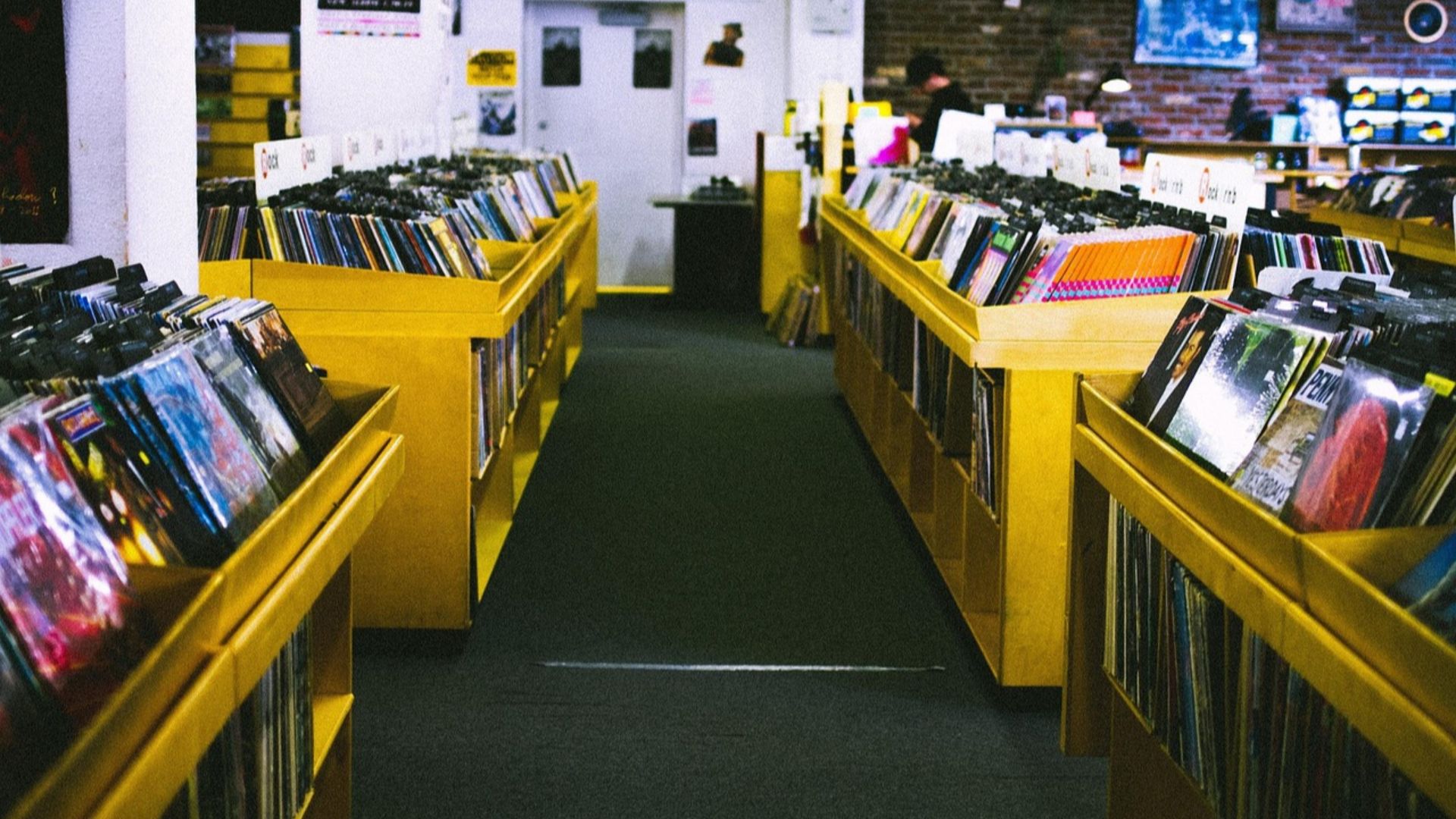
The name sounds like a feature inside a record store, which makes this one a tougher memory test. Listening Booth was a chain in its own right, operating around Philadelphia and the surrounding region during the 70s. Its stores sold records and tapes alongside equipment and instruments. Remember the sign now?
Harmony Hut
Harmony Hut brought records, tapes, and stereo equipment to shoppers around Washington, D.C., and beyond. Its early stores even promoted installation of tape players in customers' cars. Musicland acquired 24 locations in 1984. If you remember shopping there, you may also remember when putting music in the car required considerably more hardware.
Record Factory
Northern California had Record Factory, another chain competing with Tower and The Wherehouse for record buyers. In 1986, Wherehouse announced plans to buy 23 of its stores. The takeover was another example of a familiar record store name being swallowed by a competitor, years before streaming changed how people bought music.
 Asturio Cantabrio, Wikimedia Commons
Discount Records
The name promised exactly what record buyers wanted. This chain had a strong connection to college markets and, for a time, belonged to Columbia Records. Pickwick acquired 49 stores in 1976. Students who stretched their budgets to buy another album probably cared more about the price sticker than the company behind the counter.
Moby Disc
Southern California's Moby Disc catered to shoppers whose wish lists went beyond whatever was dominating the radio. Imports, used records, and a deep selection of older titles helped this small chain compete. For collectors, that could mean finding the album other stores didn't have, then immediately starting the search for the next one.
King Karol
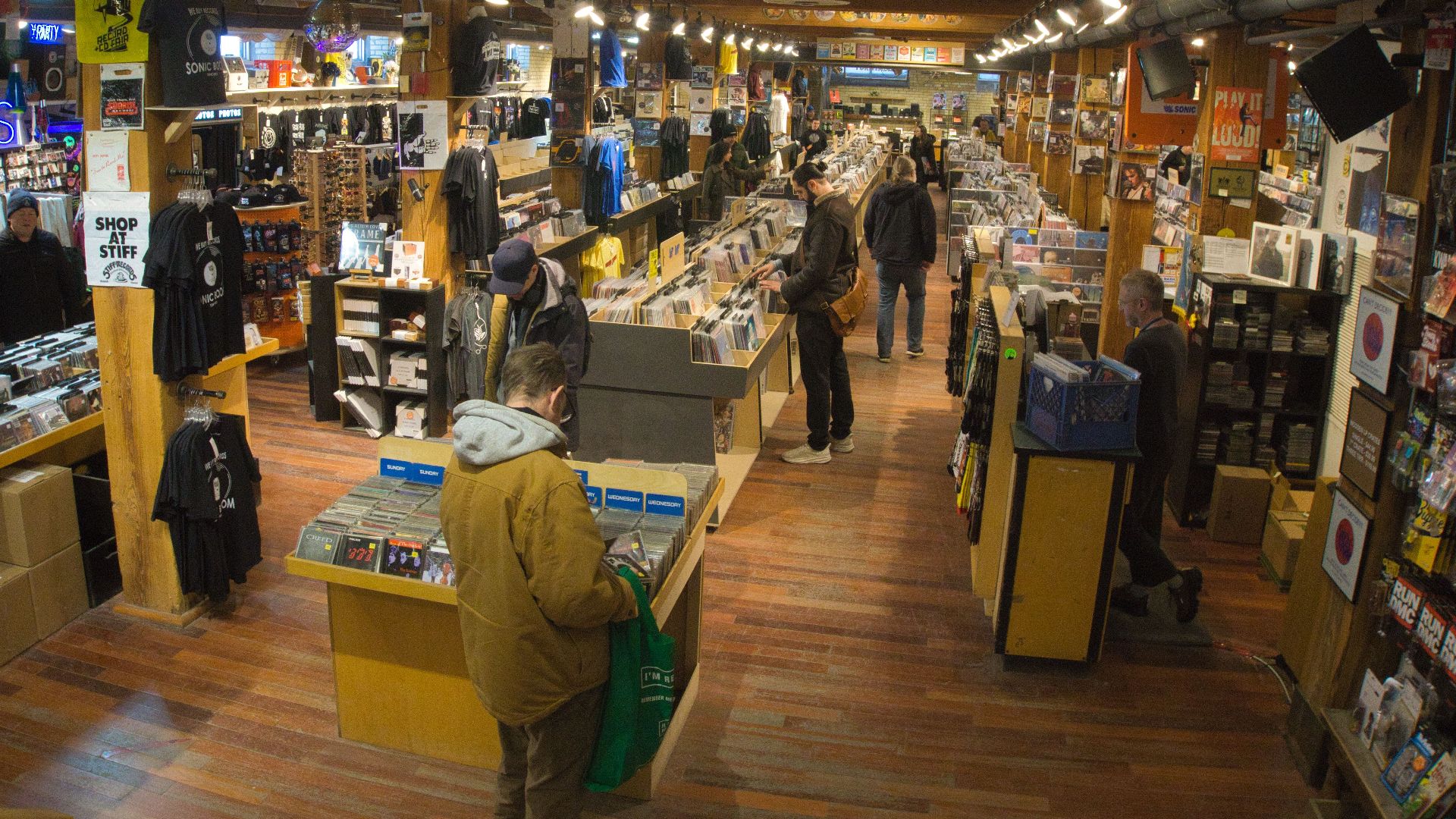
New York's King Karol began in 1952 and grew to seven stores at its peak. Its selection made it a serious destination for record shoppers, and a mail-order business reached customers beyond the city. It never needed hundreds of locations to matter. For the people who knew those shops, seven was plenty.
 Chicken4War, Wikimedia Commons
The Ones You Remember
Remember five? More? How about the albums you bought there? Let us know.
You Might Also Like:
Grocery Items You Could Buy For Under $5 Five Years Ago—But Not Today