The Biggest Names In American Business Weren't Invincible
Some of America's most recognizable companies once generated billions in annual sales, only to suffer extraordinary declines. Changing consumer habits played a major role, particularly as younger generations embraced new technologies and competitors. Poor management, debt, and outdated business models often made things worse.
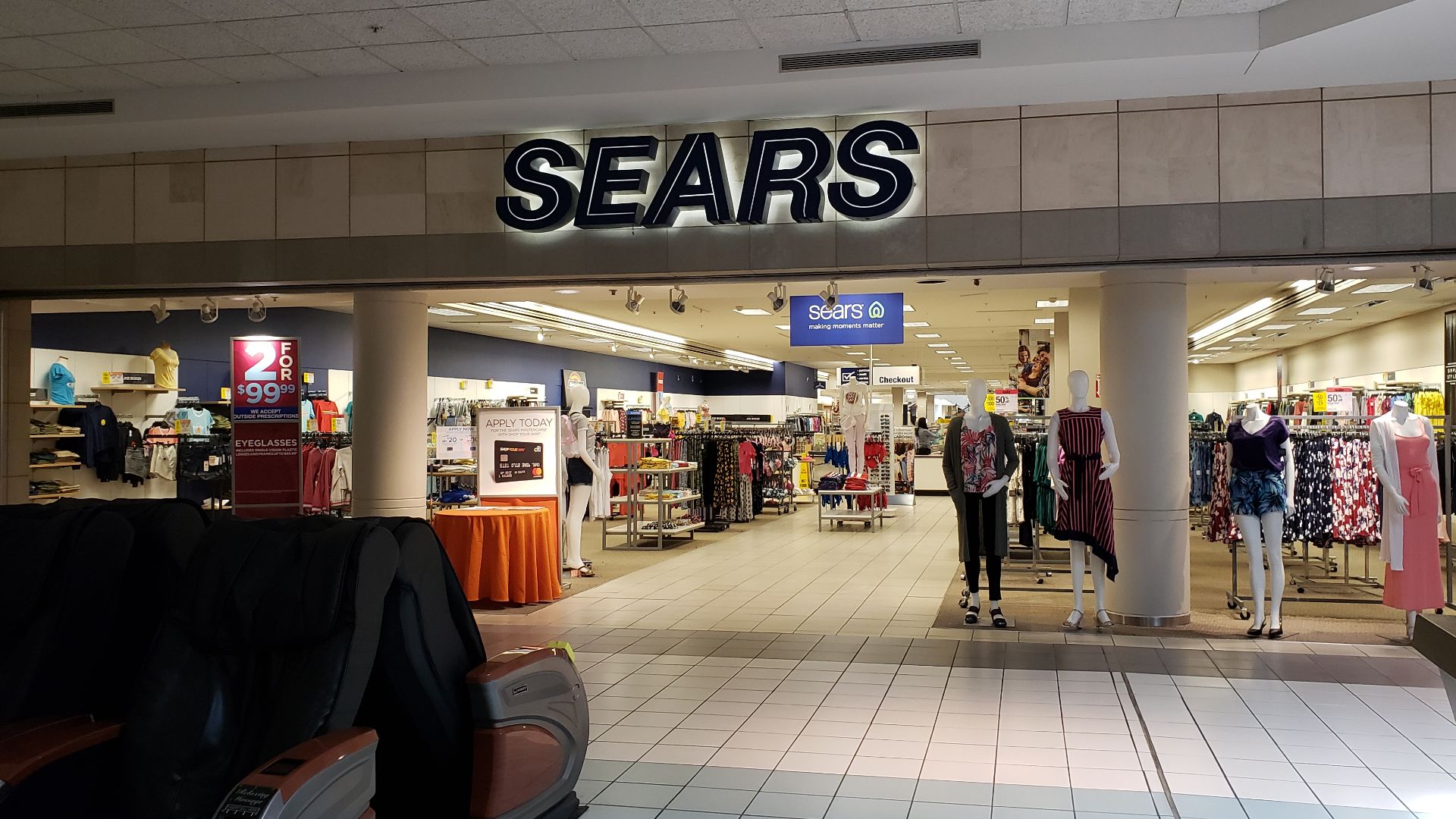
Sears: The Department Store That Lost Its Empire
Sears once helped define American shopping, selling everything from clothing to major appliances. When it merged with Kmart in 2005, the combined company had roughly $55 billion in annual revenue. By October 2018, Sears Holdings had filed for Chapter 11 bankruptcy protection.
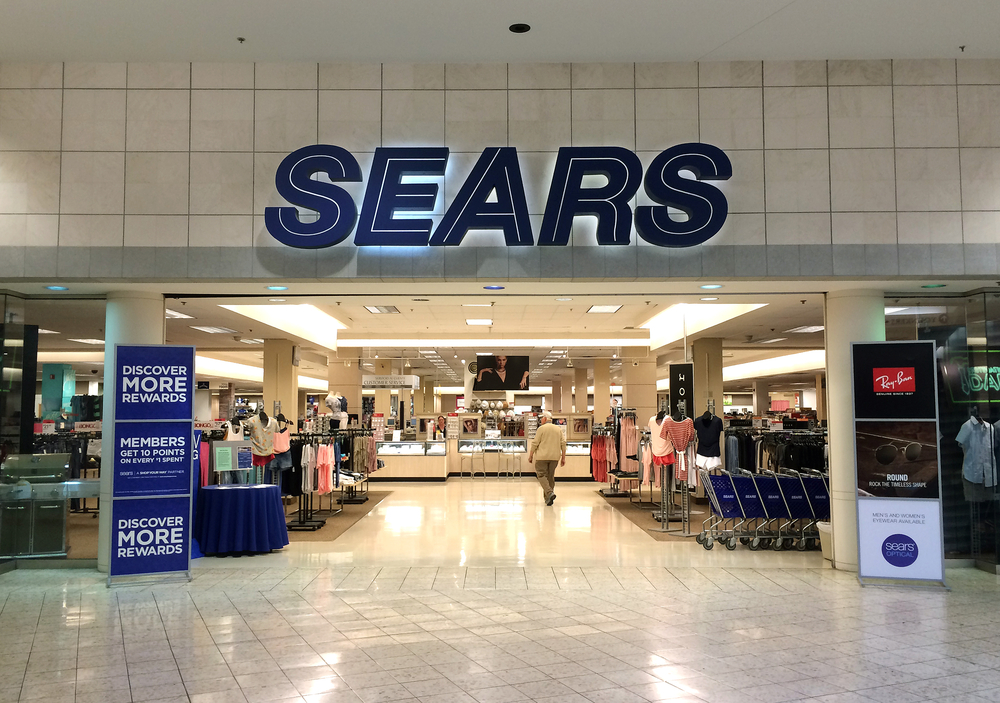 digitalreflections, Shutterstock
Sears: Younger Customers Stopped Showing Up
By 2018, just 9% of American millennials surveyed by YouGov said they would consider shopping at Sears. Meanwhile, the company struggled with outdated stores, empty shelves, and years of underinvestment. Without younger customers replacing older generations, its declining appeal became increasingly difficult to reverse.
Kmart: A Discount Giant Gets Left Behind
Kmart's famous Blue Light Specials once helped make it a household name. The retailer operated more than 2,000 American stores before its dramatic decline. However, Walmart offered formidable price competition, while Target attracted shoppers with more fashionable merchandise, leaving Kmart struggling to differentiate itself.
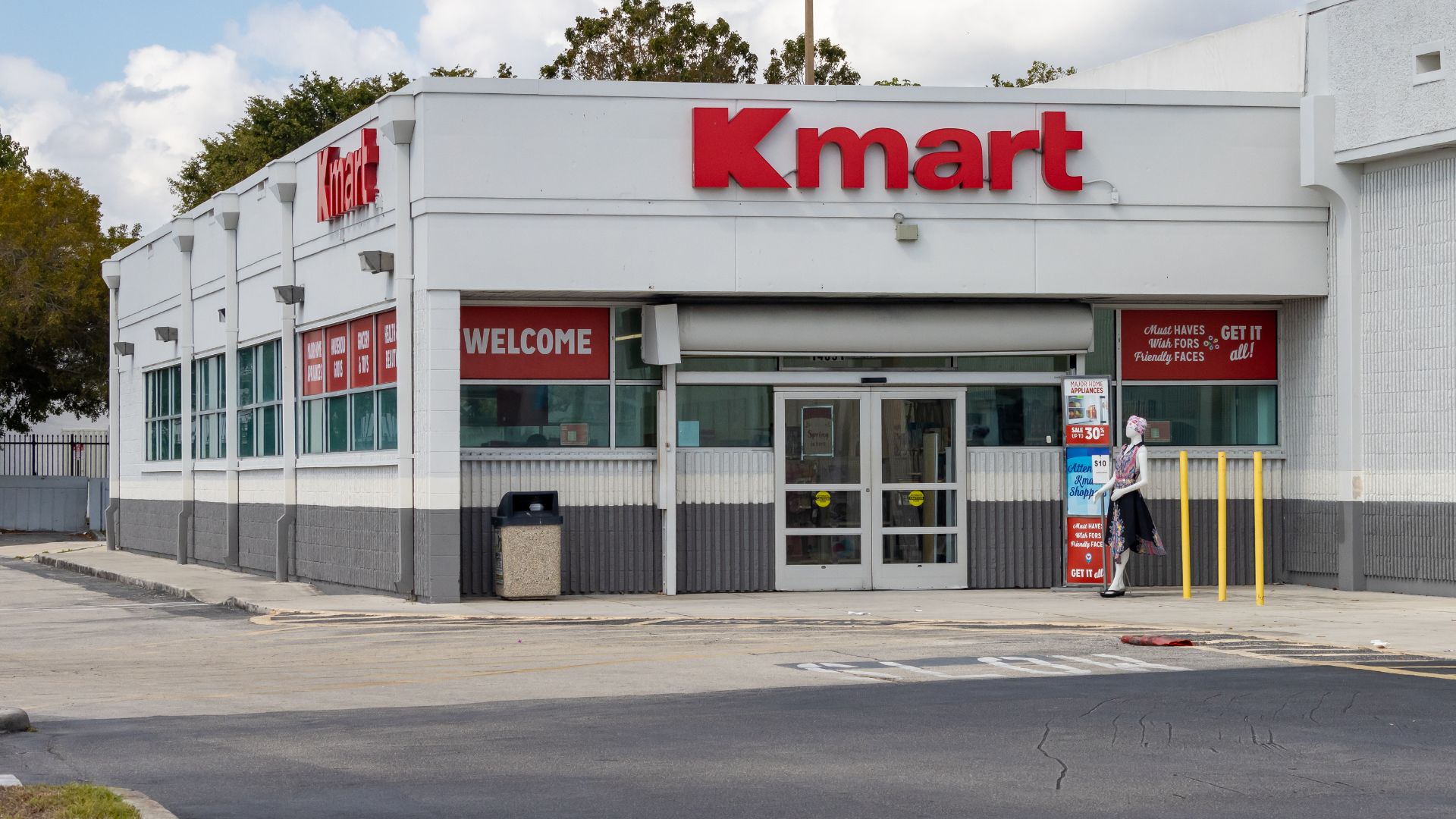
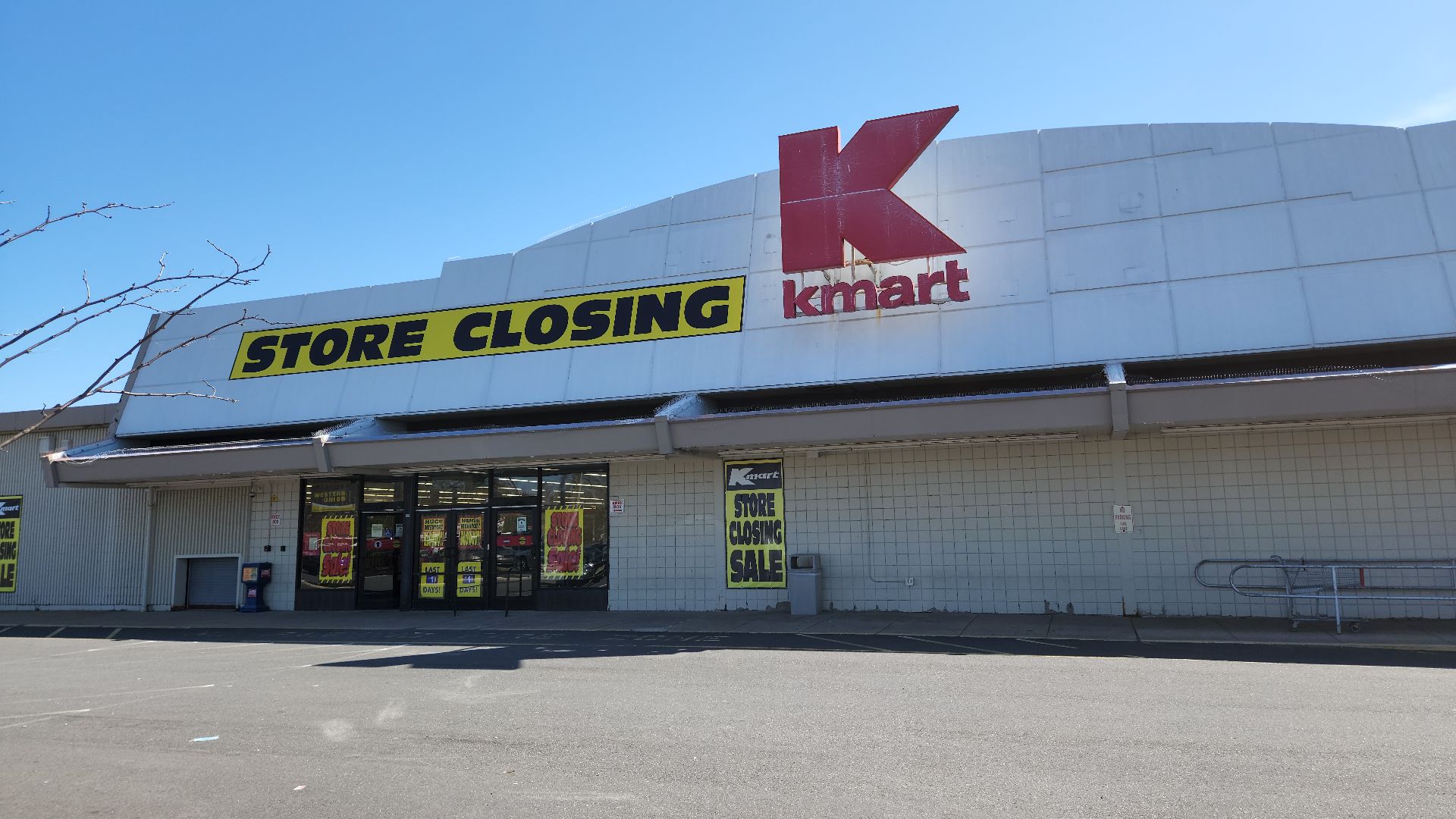
Kmart: Even Nostalgia Couldn't Save The Stores
Kmart filed for bankruptcy protection in 2002, and its subsequent merger with Sears failed to restore its dominance. Its last full-sized store in the mainland United States closed in October 2024. Familiarity wasn't enough when newer generations had more attractive places to spend their money.
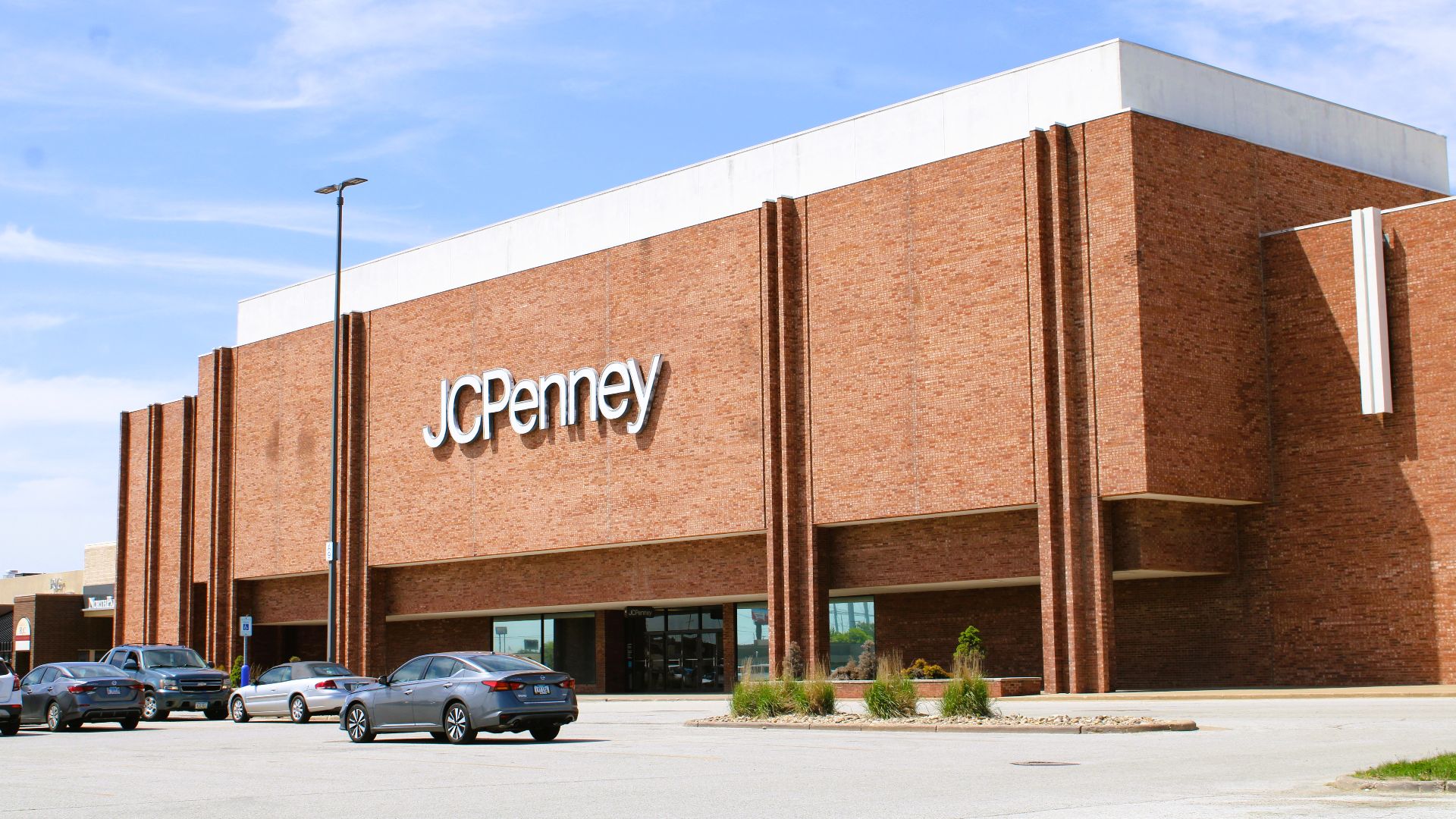
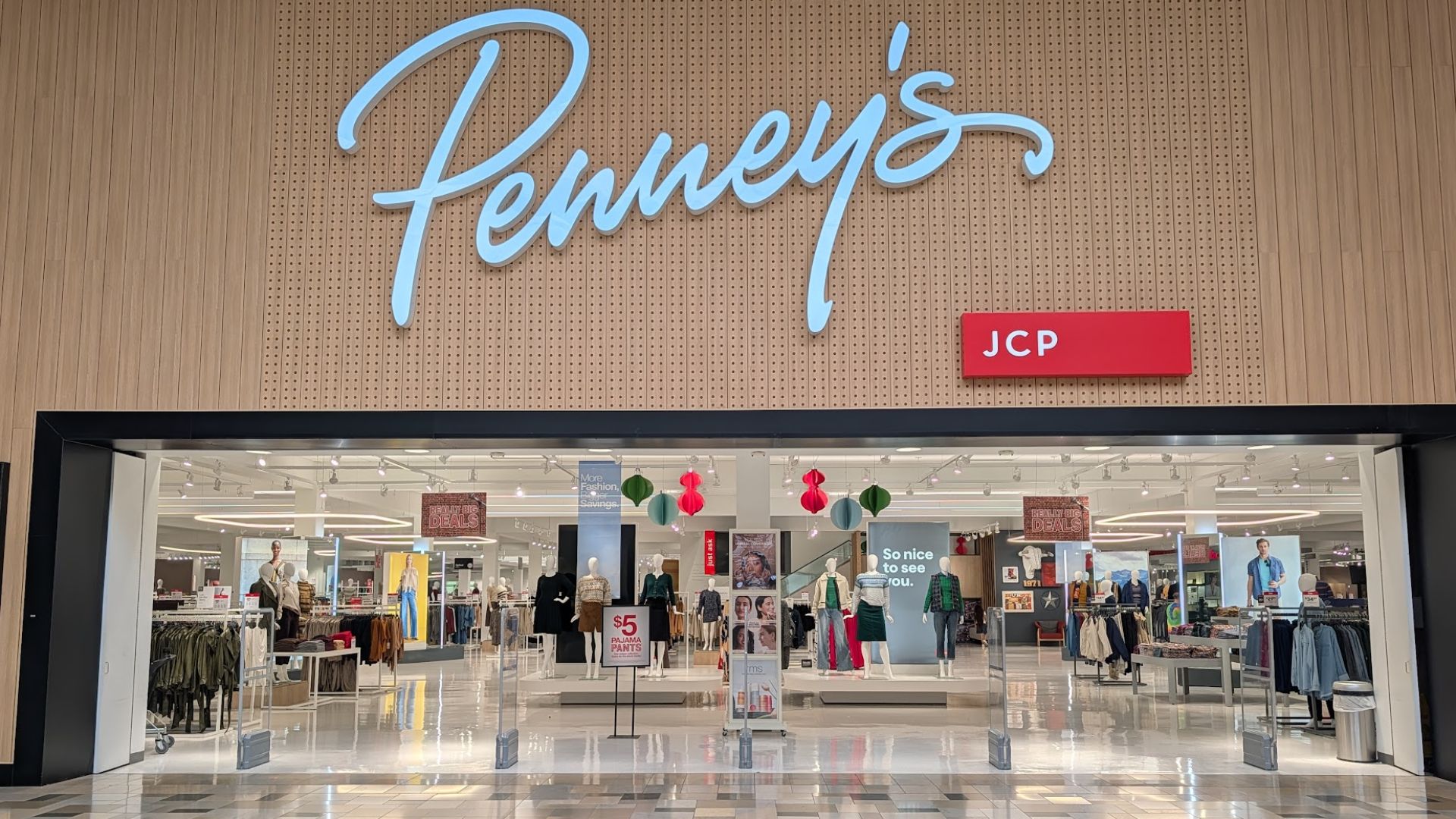
JCPenney: A Makeover That Backfired Spectacularly
JCPenney's attempt to modernize its business produced disastrous financial results. In 2012, former Apple executive Ron Johnson replaced familiar coupons with simplified everyday prices. Sales fell approximately $4.3 billion that year, and JCPenney posted a $985 million net loss, demonstrating the danger of alienating existing customers.
 Farragutful, Wikimedia Commons
JCPenney: Being Early Online Wasn't Enough
JCPenney was actually an early adopter of online retail, with digital sales exceeding $1 billion by 2006. Unfortunately, it struggled to sustain that advantage. Fiscal 2019 net sales reached just $10.7 billion, and the company entered bankruptcy in 2020 before surviving under new ownership.
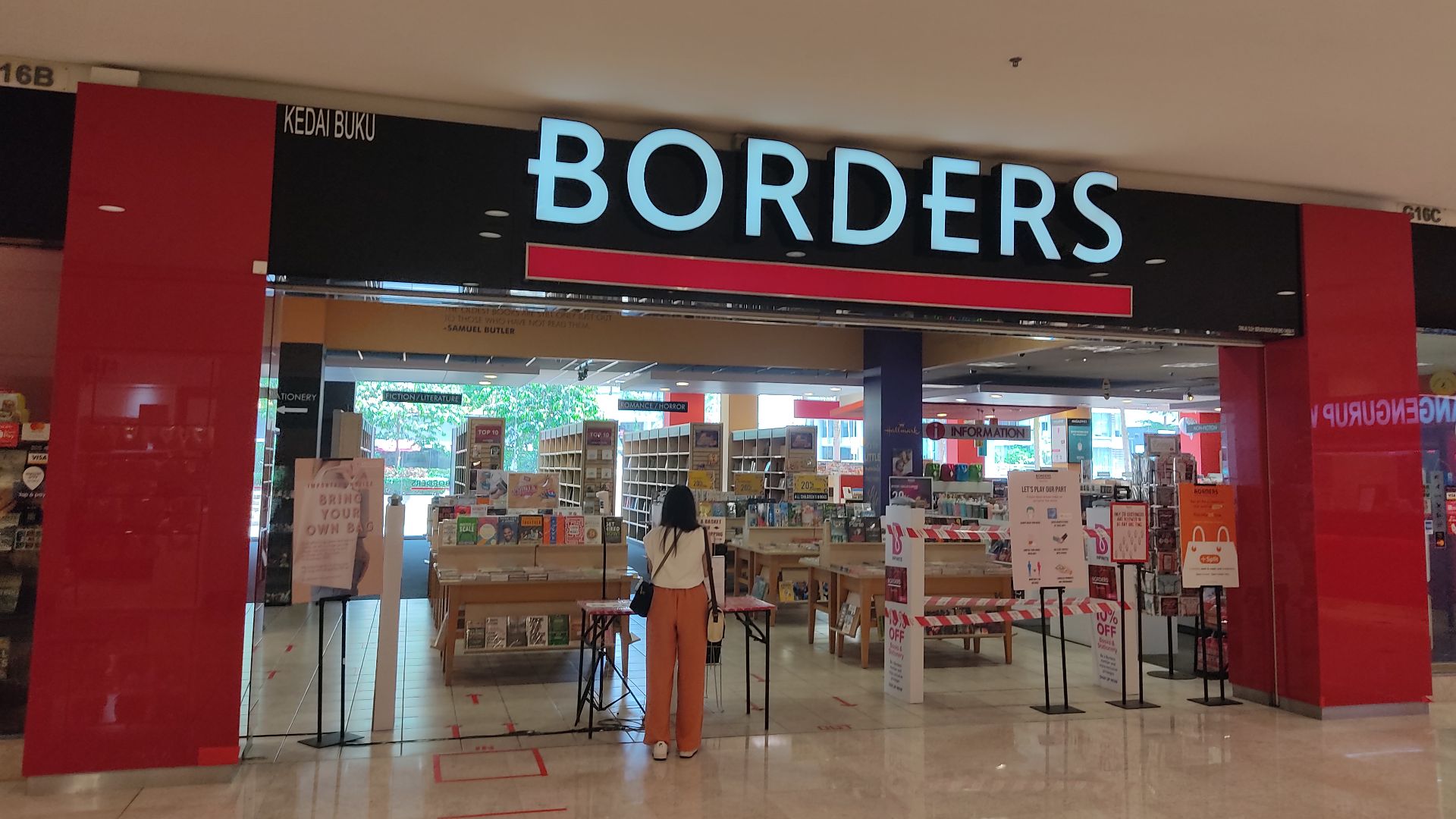
Borders: The Bookstore That Gave Away Its Digital Future
Borders made a remarkably consequential decision in 2001, handing responsibility for its online bookstore to Amazon. It didn't launch its own independent online sales operation until 2008. Meanwhile, electronic books and internet retailers were transforming shopping habits, making Borders' enormous physical stores increasingly difficult to justify.
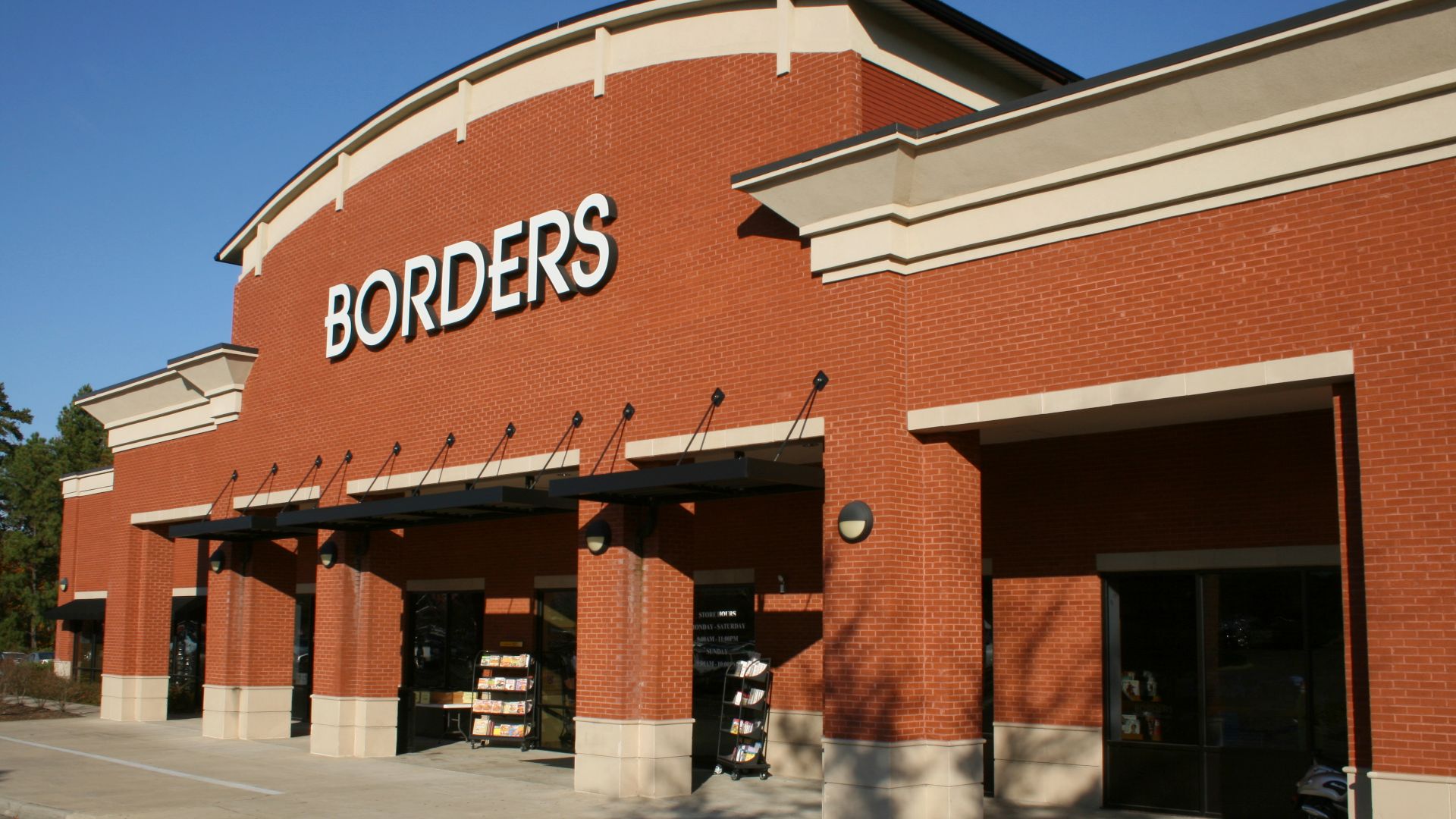
Borders: Billions In Revenue Couldn't Prevent Liquidation
Borders still generated approximately $2.27 billion in revenue during 2010, but recorded a $300 million loss from continuing operations. In July 2011, the company moved toward liquidation. Its downfall showed that even established businesses could not rely on loyal customers indefinitely when entire industries changed around them.
 Ildar Sagdejev (Specious), Wikimedia Commons
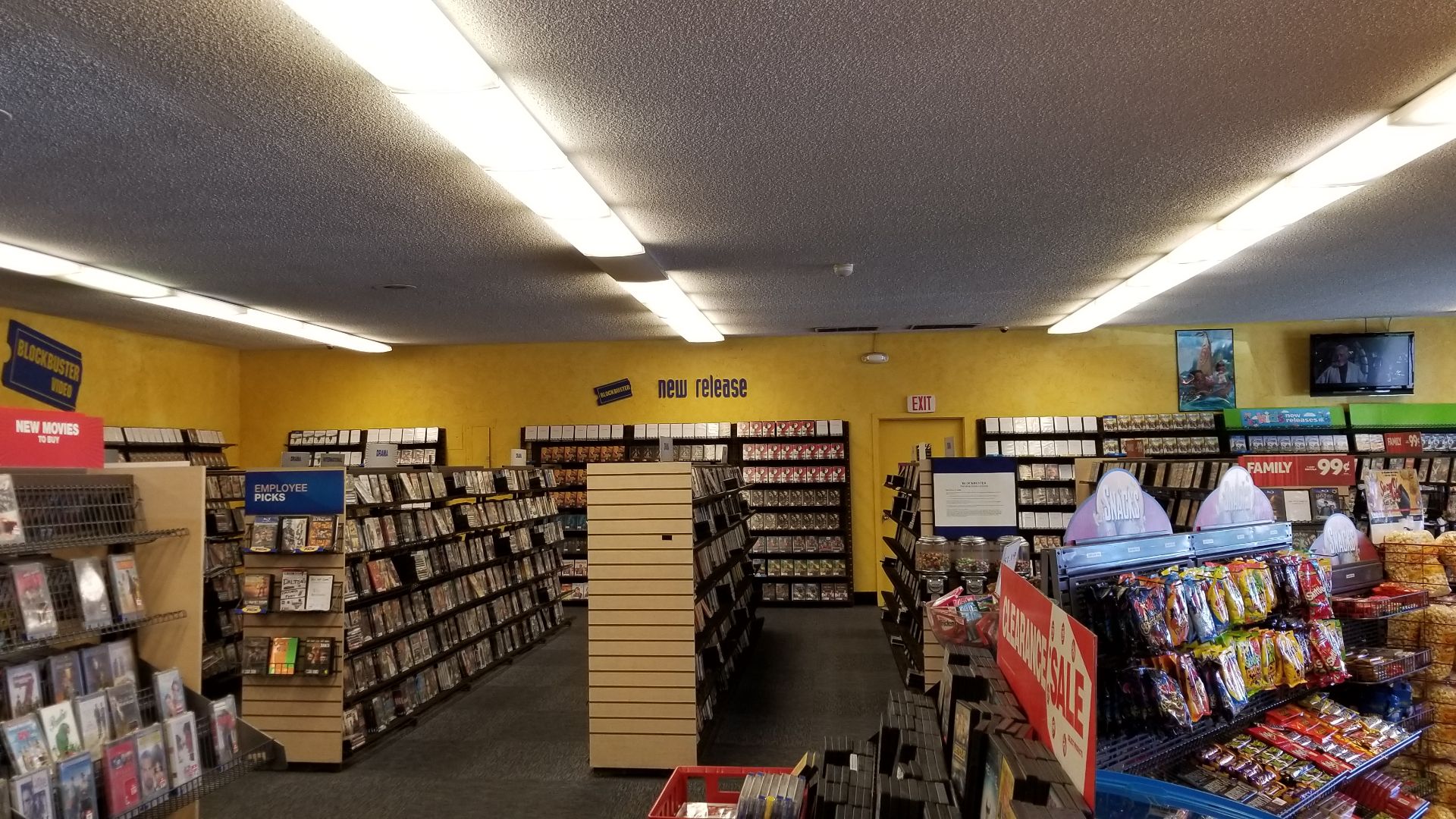
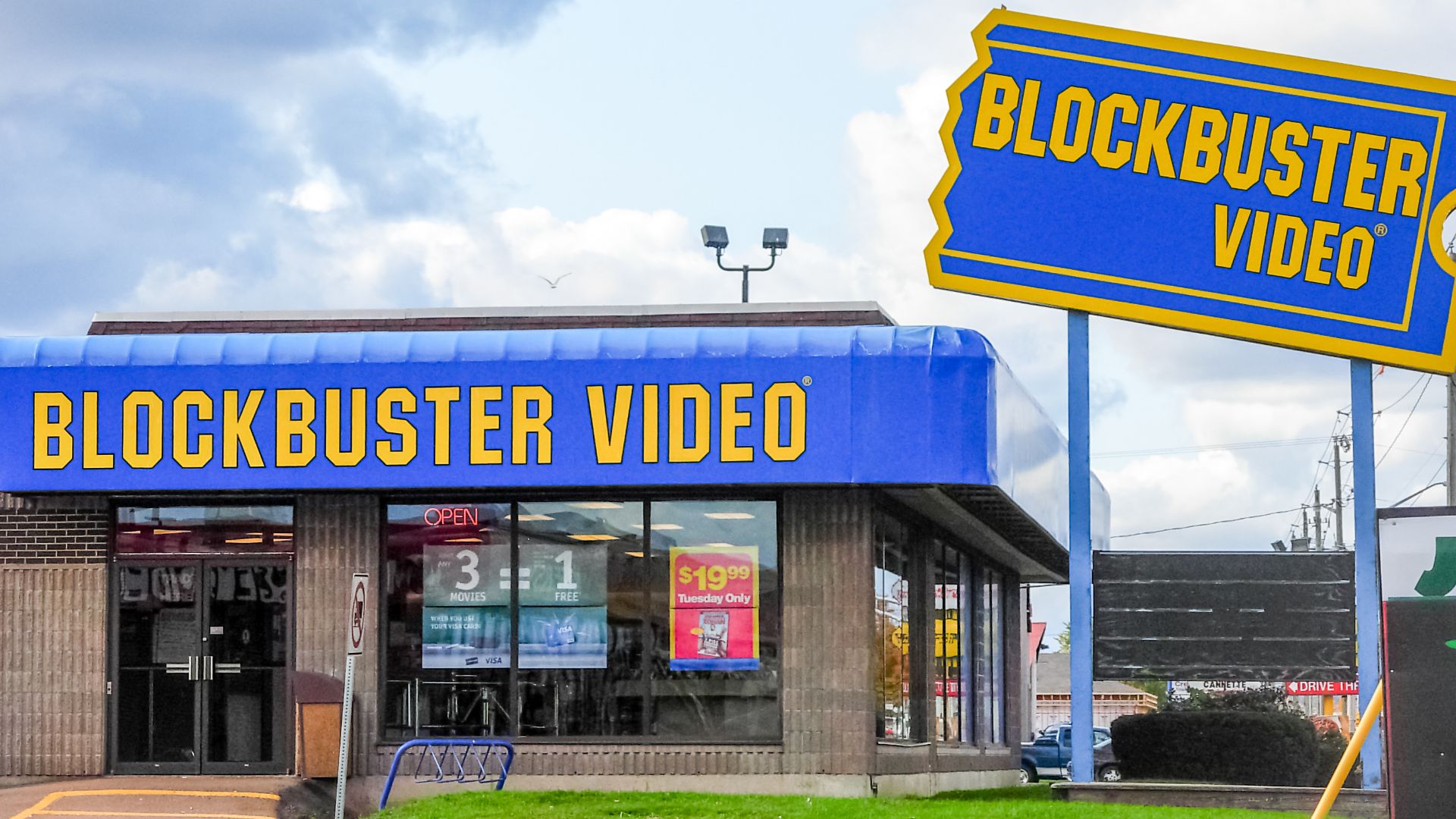
Blockbuster: The Video Giant That Missed The Future
At its peak, Blockbuster made Friday-night movie rentals a familiar American ritual. The company generated billions in annual revenue during the mid-2000s. However, DVD subscriptions and eventually streaming challenged the entire business model, leaving the once-dominant company struggling to compete as viewing habits changed.
 Coasterlover1994, Wikimedia Commons
Blockbuster: Convenience Beat The Familiar Blue Sign
Netflix built its early business around DVDs delivered by mail, offering subscriptions without traditional late fees. Streaming eventually made watching movies even more convenient. Blockbuster filed for bankruptcy in 2010, demonstrating how quickly customers could abandon a familiar experience when competitors eliminated its biggest inconveniences.
 File:BlockbusterMoncton.JPG: Stu pendousmat (talk) derivative work: Georgfotoart, Wikimedia Commons
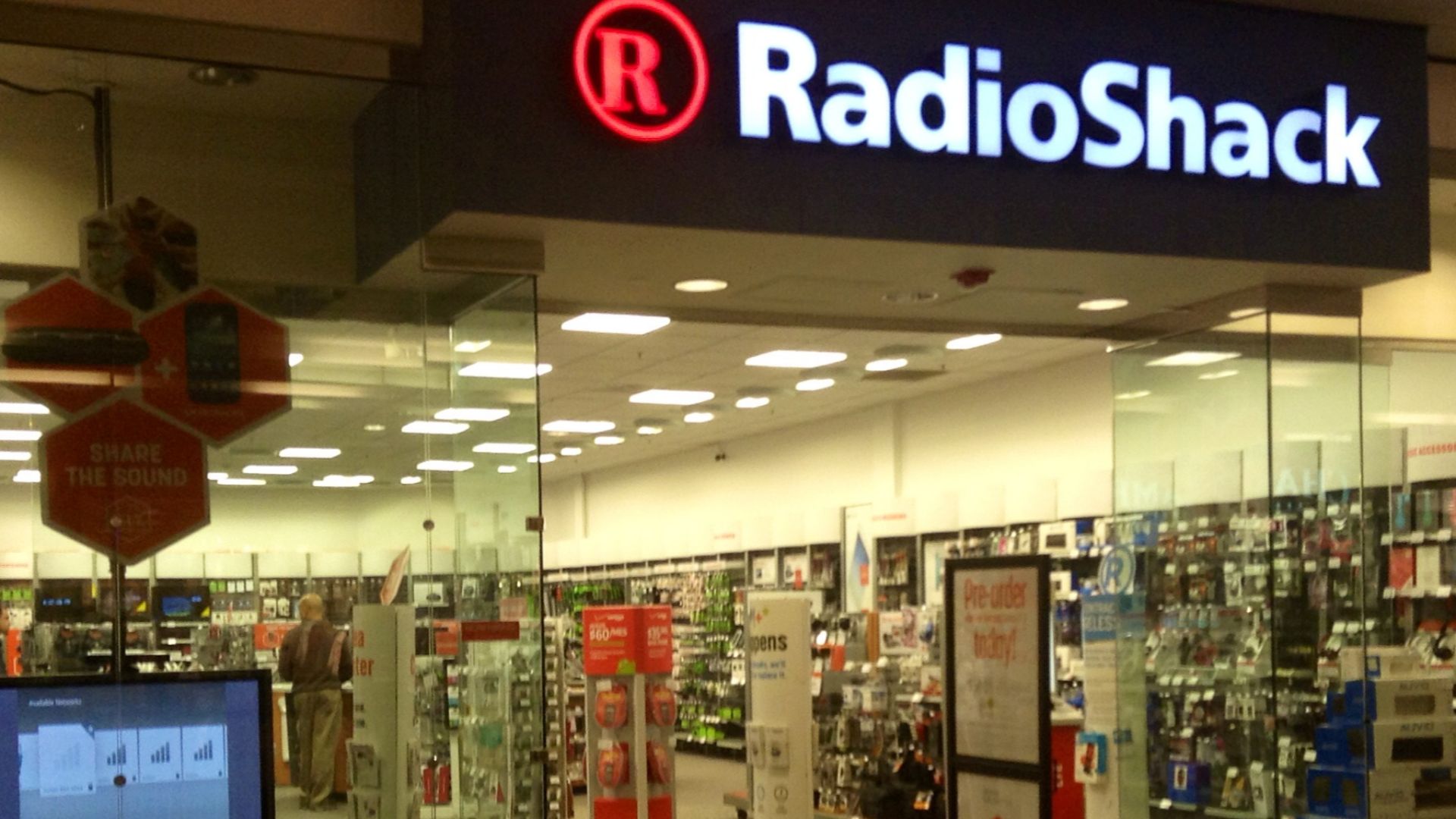
RadioShack: Thousands Of Stores, But Not Enough Customers
RadioShack was once a destination for electronics enthusiasts, selling everything from circuit components to radios. At the time of its 2015 bankruptcy, it operated approximately 4,100 stores. Eleven consecutive unprofitable quarters preceded the filing, exposing serious weaknesses behind that enormous retail footprint.
 Mike Mozart from Funny YouTube, USA, Wikimedia Commons
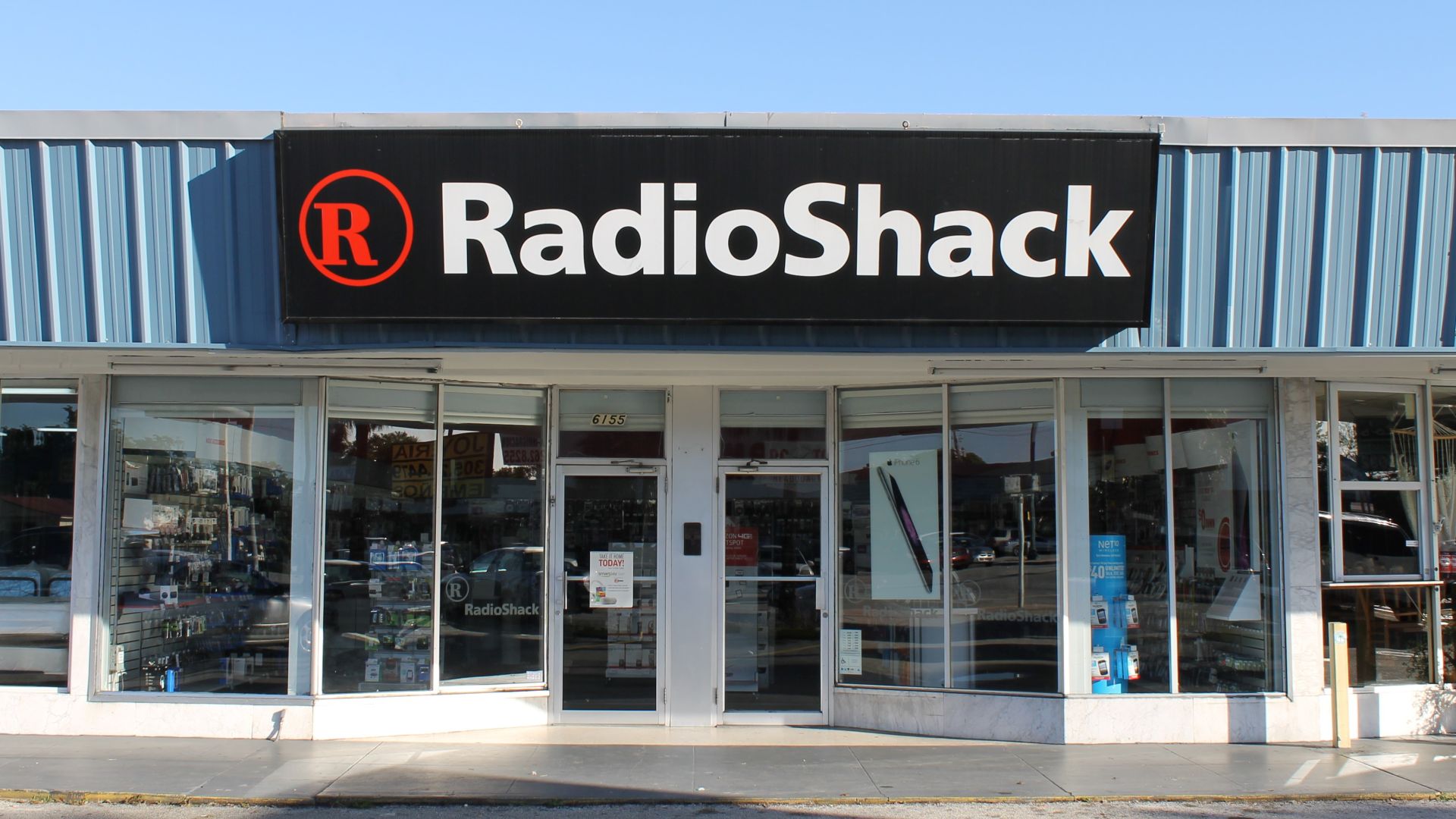
RadioShack: The Smartphone Generation Wasn't Interested
RadioShack struggled to become a fashionable destination for younger smartphone shoppers. Analysts criticized its outdated image and failure to attract younger customers. The retailer tried redesigning stores and refreshing its marketing, but those efforts couldn't overcome the fundamental problem of shoppers increasingly finding better alternatives.
 Phillip Pessar from Miami, USA, Wikimedia Commons
Kodak: It Invented The Future But Couldn't Capitalize On It
Kodak didn't overlook digital photography entirely. Engineer Steven Sasson built a self-contained digital camera at the company in 1975, and Kodak continued developing digital technology. Its bigger mistake was failing to replace its enormously profitable film business quickly enough as consumers changed how they took pictures.

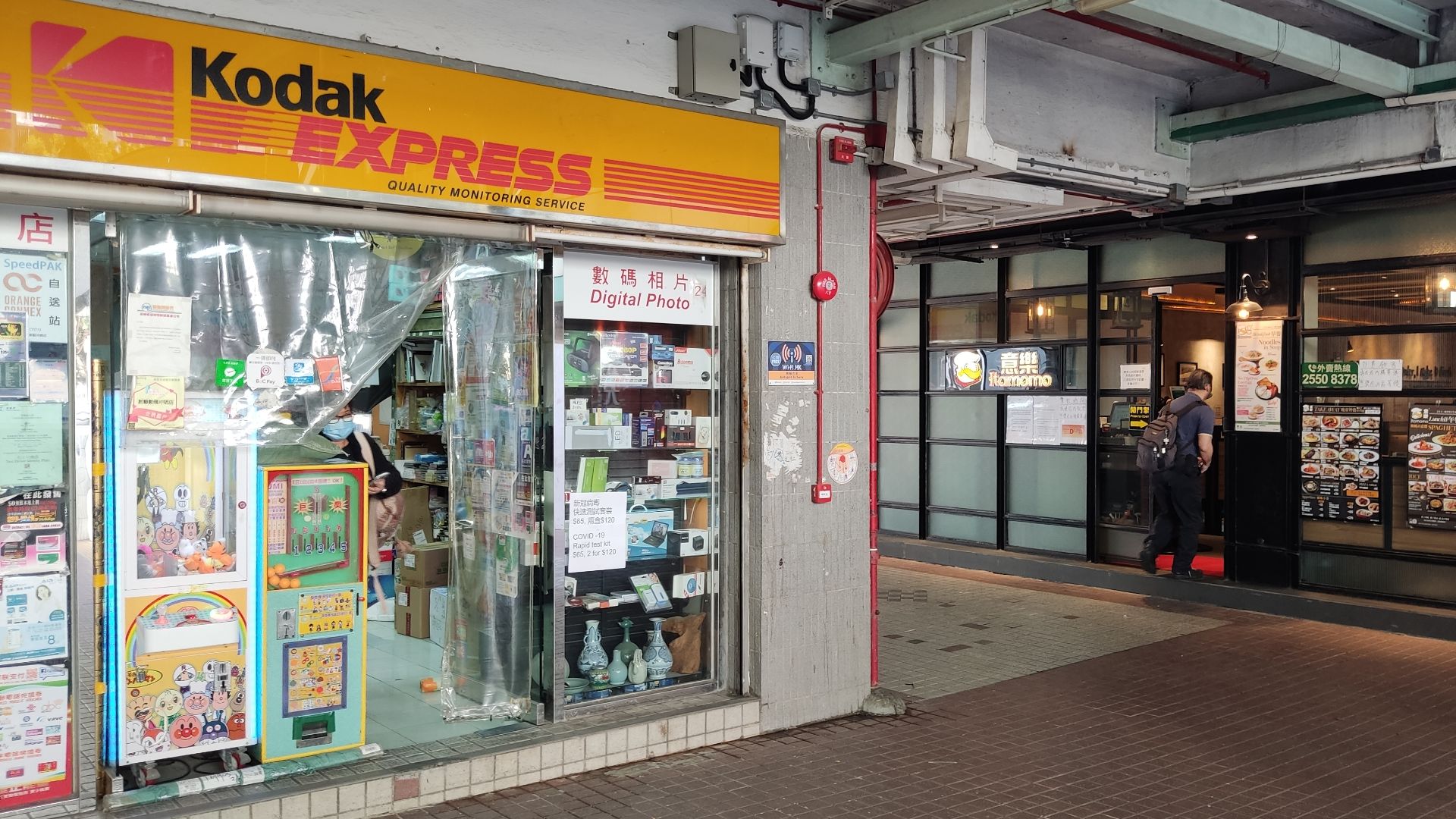
Kodak: The Photography Giant Became A Smaller Company
Kodak filed for bankruptcy protection in 2012 as digital photography eroded its traditional business. The company survived its restructuring, but emerged considerably smaller and increasingly focused on commercial printing rather than consumer photography. Much of the enormous business built around selling and processing photographic film had disappeared.
 SHOOTANGYAEIN 200 Liuam, Wikimedia Commons
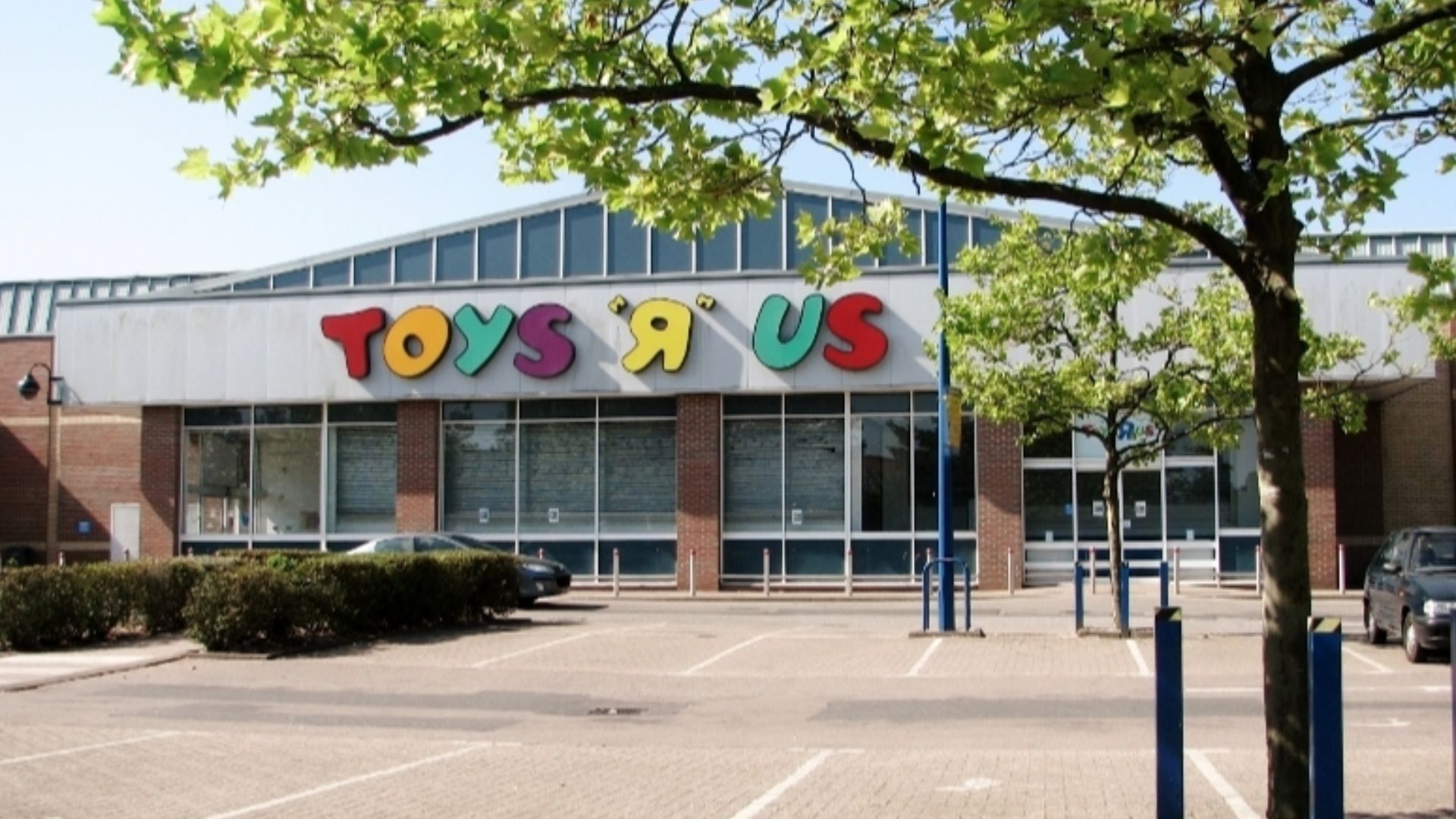
Toys 'R' Us: Billions In Debt Met A Changing Childhood
Toys 'R' Us once dominated toy-shopping trips for American families. However, a $6.6 billion leveraged buyout in 2005 left it carrying substantial debt while online competition intensified and children increasingly embraced electronic entertainment. The company ultimately filed for bankruptcy protection in September 2017.
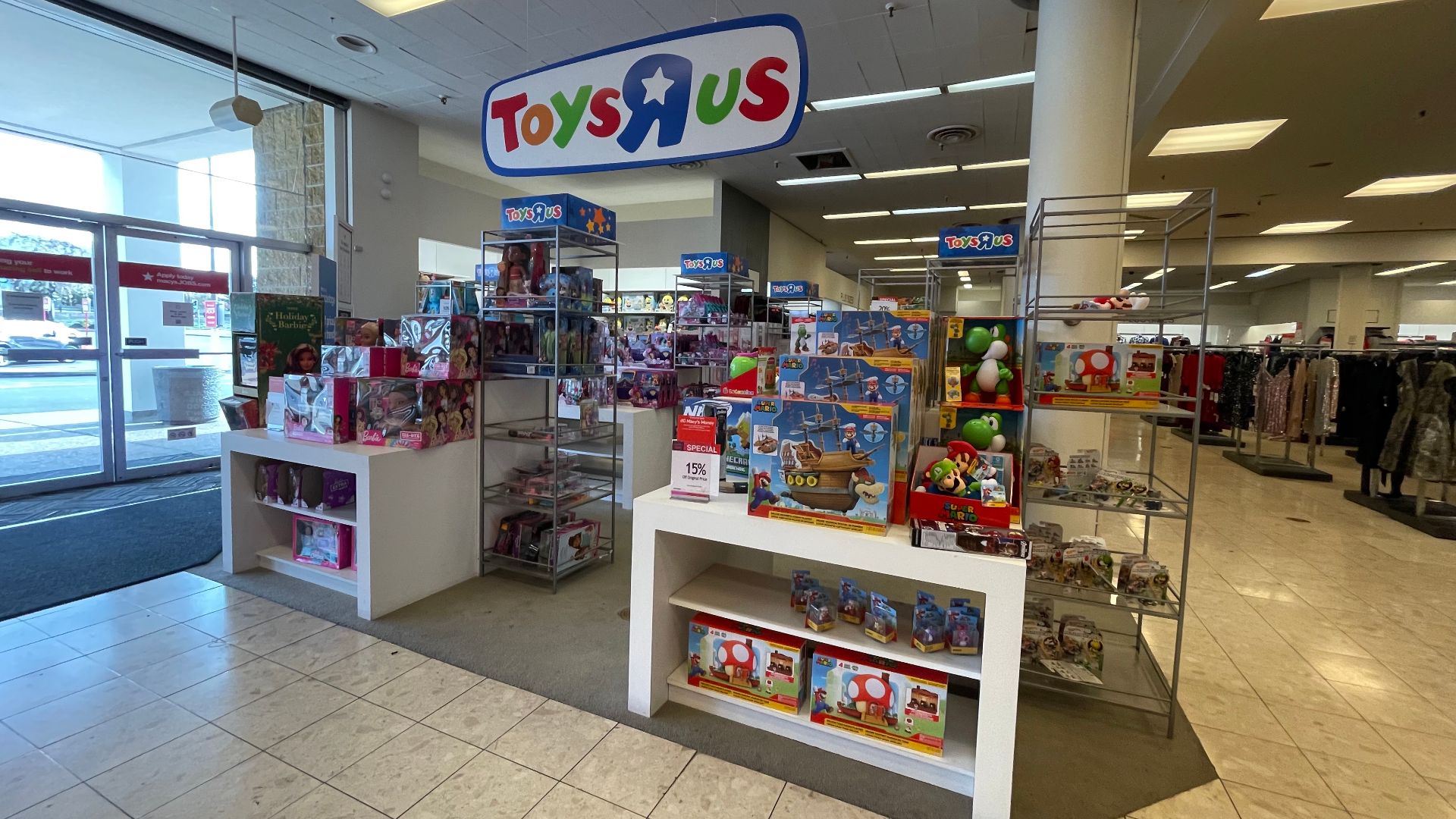
Toys 'R' Us: The Original Empire Collapsed, But The Name Survived
In 2018, Toys 'R' Us moved to shutter 735 American stores, ending its original national retail empire. The brand subsequently returned through new ownership, including shops inside Macy's. In September 2026, its operator announced plans to open another 120 standalone American stores, showing that a familiar name can sometimes earn another opportunity.
 Evelyn Simak , Wikimedia Commons
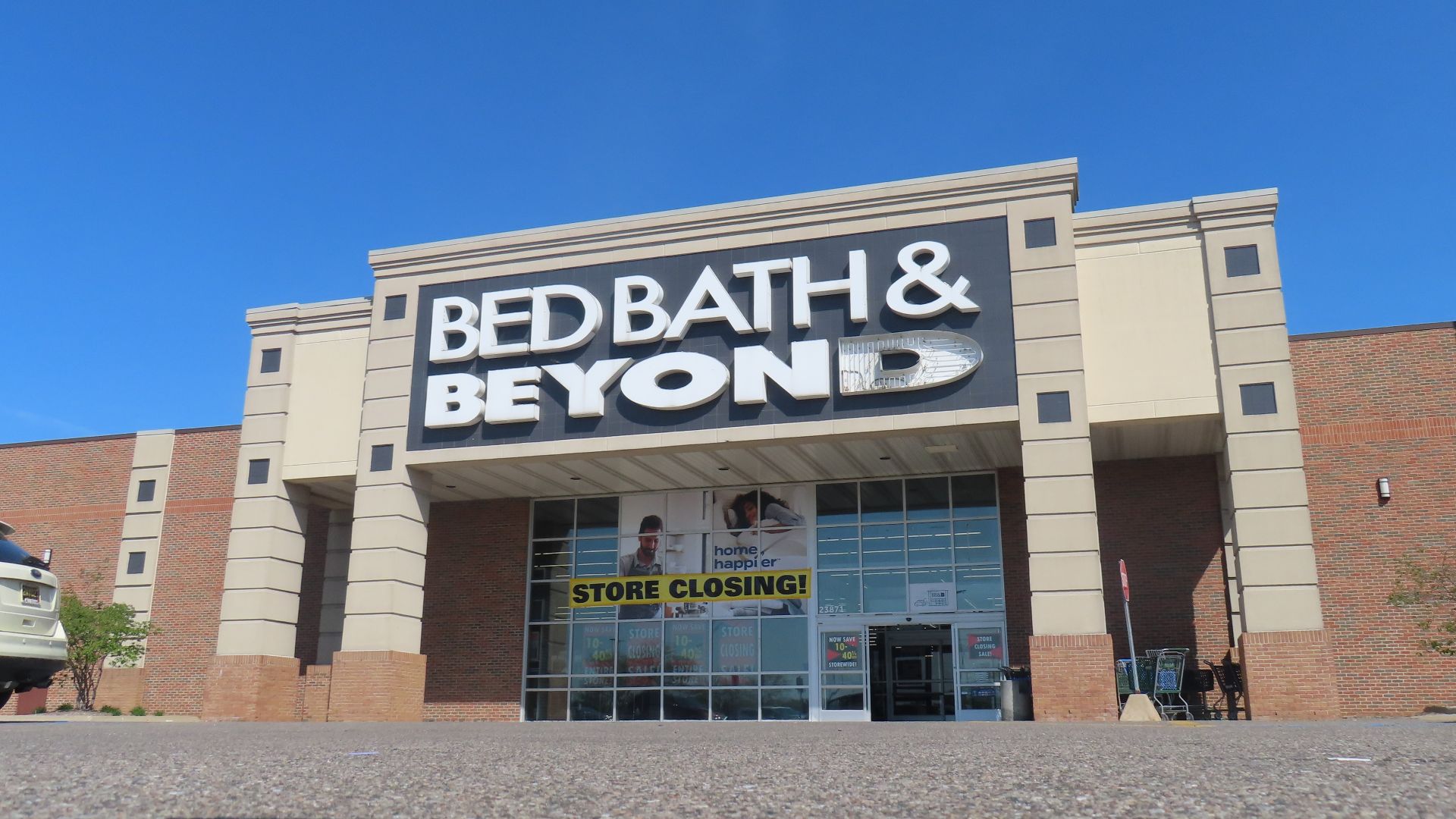
Bed Bath & Beyond: Coupons Couldn't Compete With Convenience
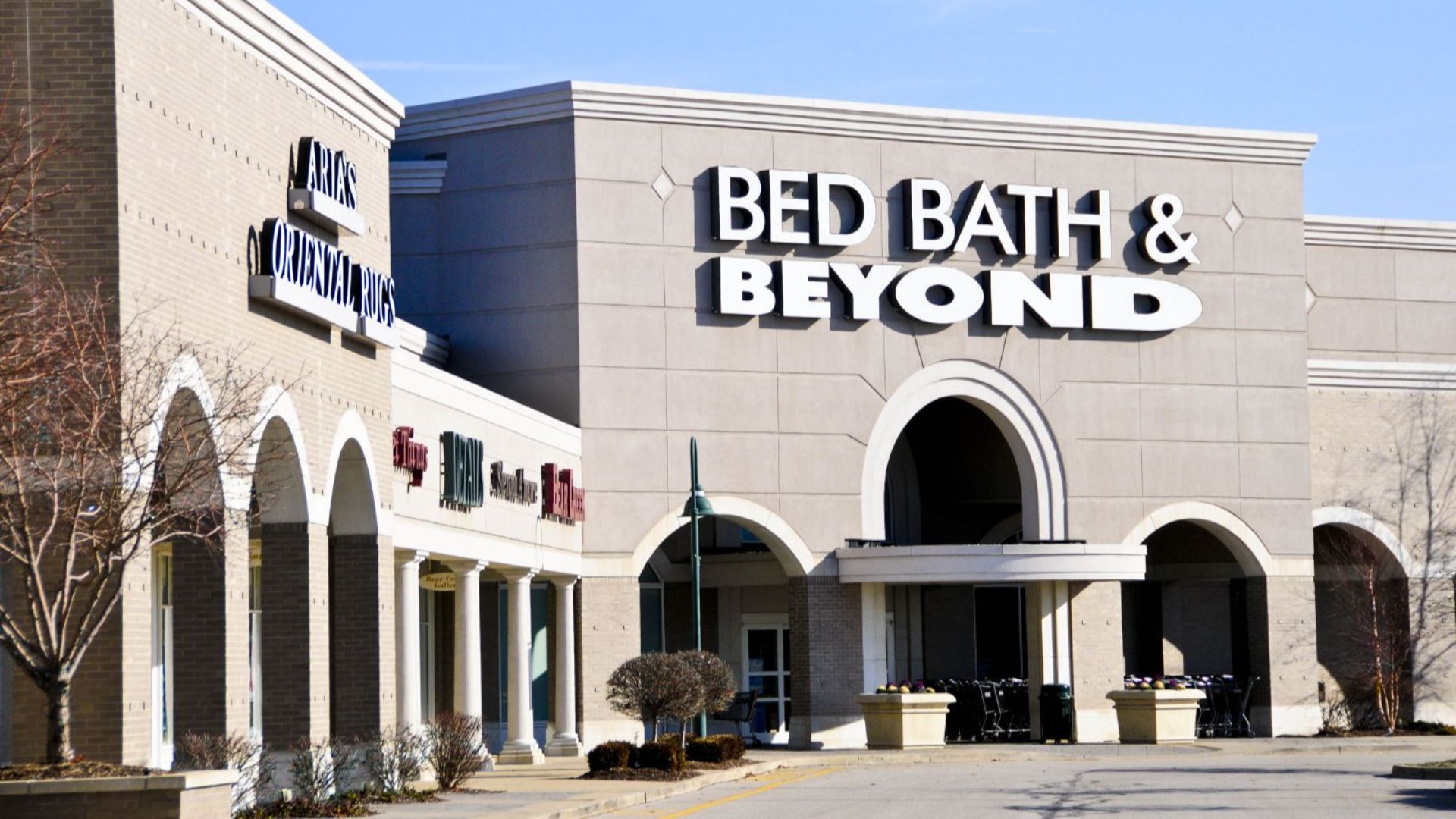
Bed Bath & Beyond became a familiar destination for wedding registries and home essentials, supported by its famous discount coupons. But online retailers and big-box competitors gradually weakened its appeal. After years of strategic problems and declining demand, the original company filed for bankruptcy and began liquidation in April 2023.
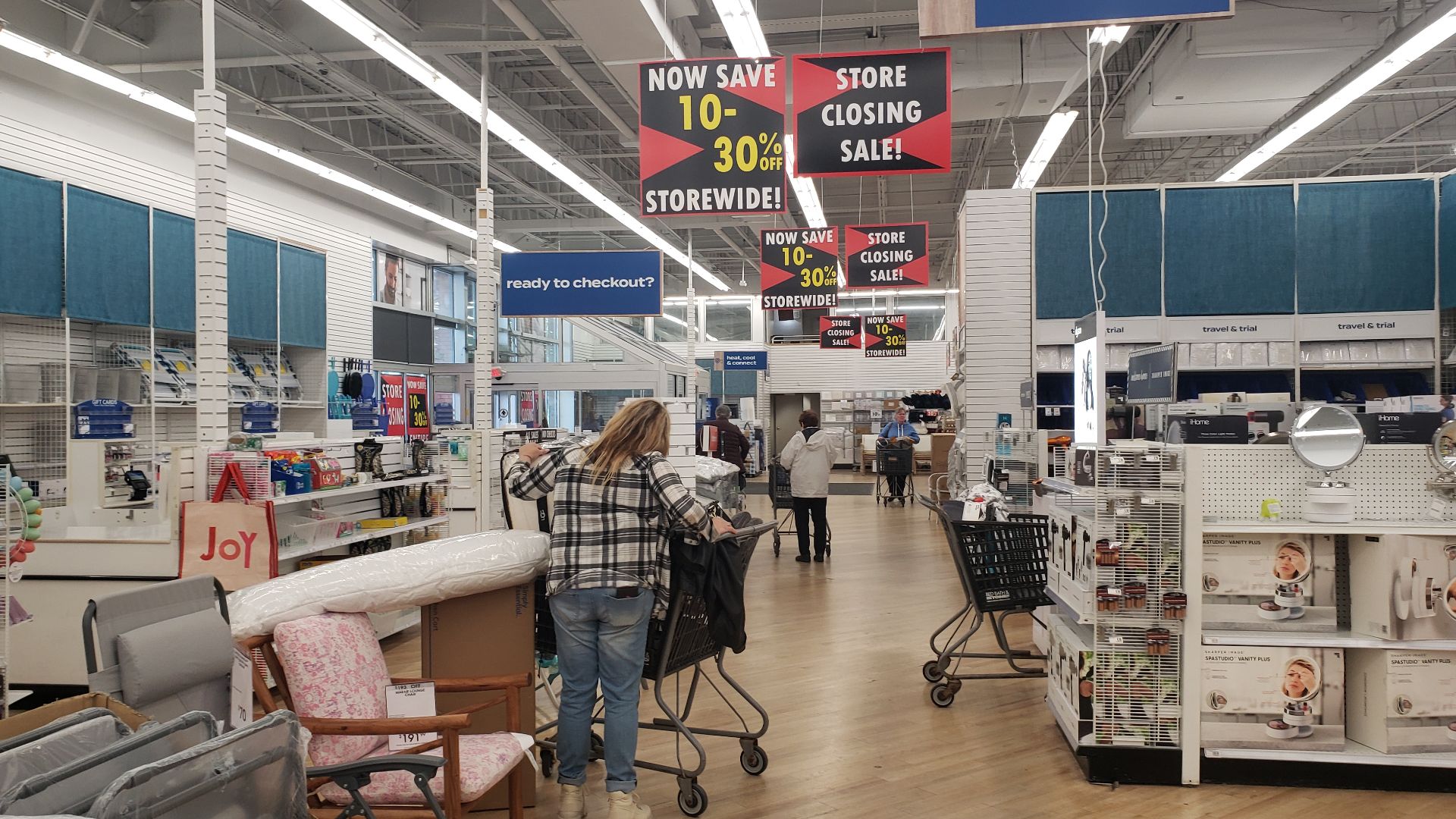
Bed Bath & Beyond: The Financial Damage Was Enormous
Company filings show annual net sales falling from $7.87 billion in fiscal 2021 to $5.34 billion in fiscal 2022. Bed Bath & Beyond also recorded a $2.78 billion operating loss in fiscal 2022. Inventory shortages, declining traffic, and an unsuccessful merchandise overhaul contributed to a collapse that discounts could not reverse.
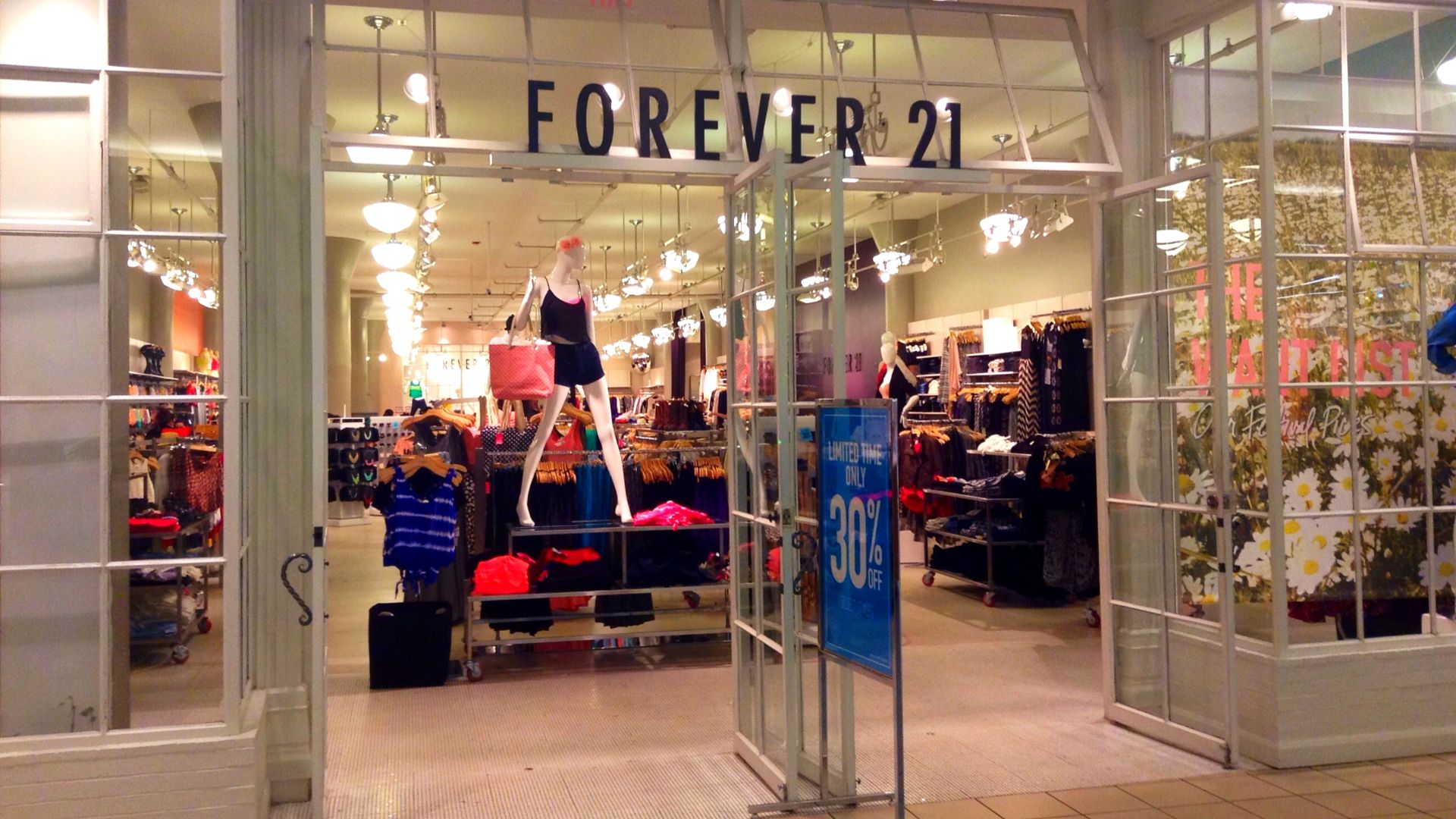
Forever 21: Young Shoppers Grew Up And Moved On
Forever 21 built a fashion empire selling inexpensive, trend-driven clothing to teenagers and young adults. Its annual sales eventually exceeded $4 billion. But customers grew older, competitors embraced social media, and concerns about disposable clothing challenged its relationship with a new generation of shoppers.
 Mike Mozart from Funny YouTube, USA, Wikimedia Commons
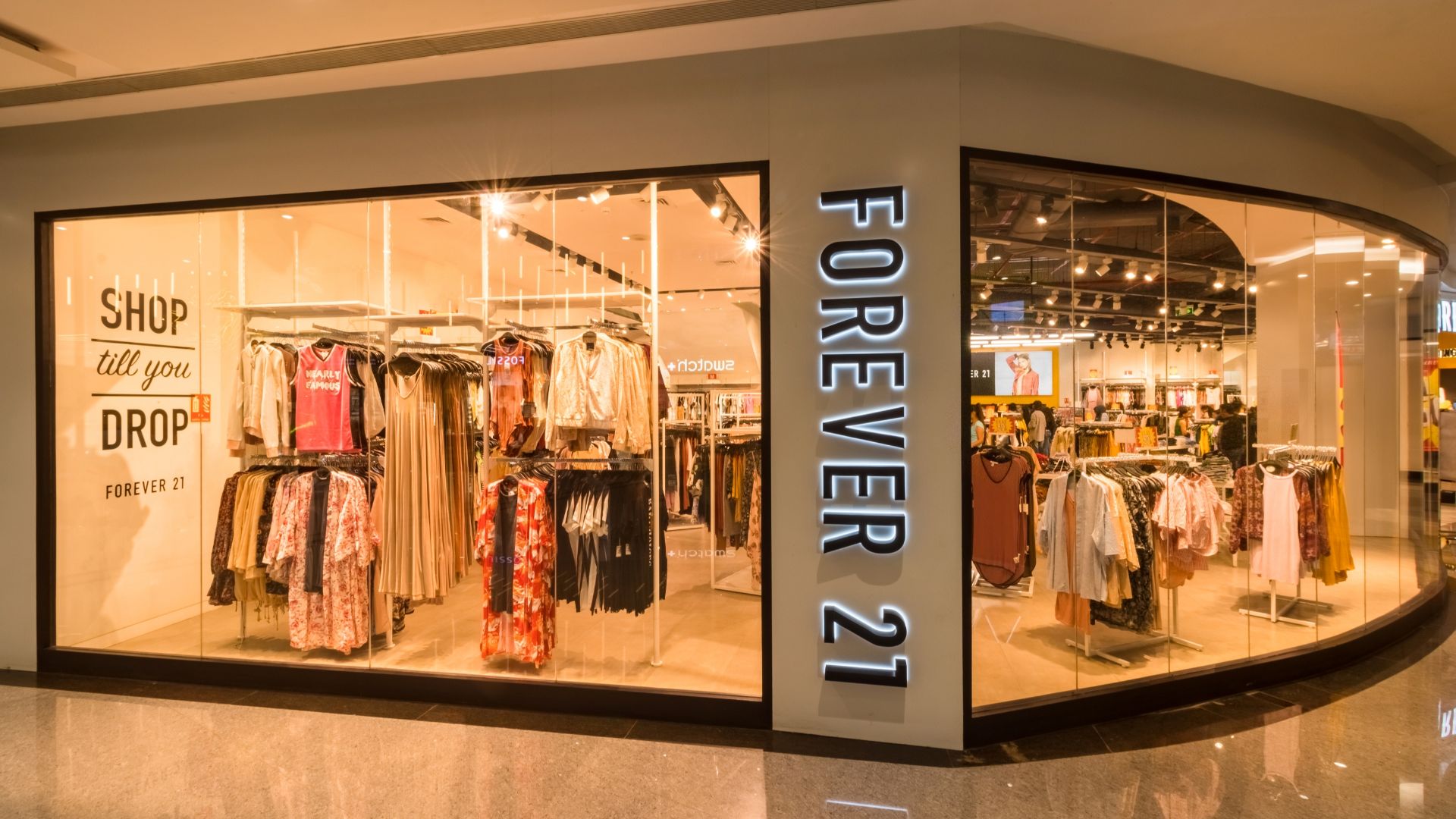
Forever 21: Online Competitors Won The Next Generation
Forever 21 filed for bankruptcy in 2019, followed by another filing from its American operating company in March 2025. Competition from Shein, Temu, and other online retailers made its mall-based business increasingly difficult to sustain. Its American stores subsequently closed, although the brand continues through other retail channels.
 MarketcityKurla, Wikimedia Commons
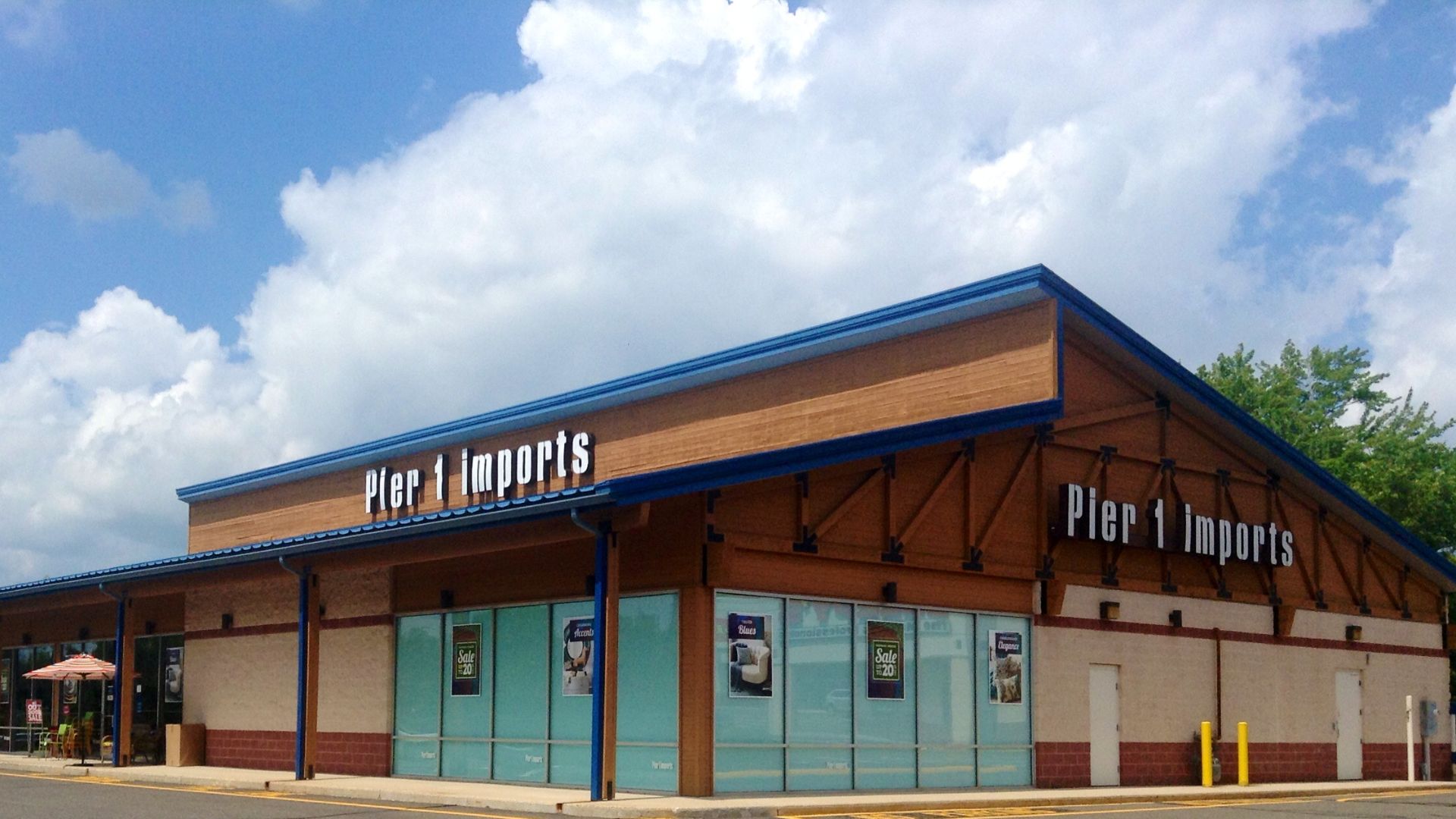
Pier 1 Imports: The Home Decor Giant Lost Its Advantage
Pier 1's distinctive furniture and home accessories once made its stores popular shopping destinations. However, consumers gained access to enormous online selections through competitors such as Wayfair, without needing to visit a showroom. Pier 1 entered bankruptcy protection in February 2020 after announcing plans to close hundreds of stores.
 Mike Mozart from Funny YouTube, USA, Wikimedia Commons
Pier 1 Imports: Nearly Two Billion Dollars Couldn't Save It
Pier 1 reported nearly $1.9 billion in annual sales for fiscal 2016, but its fiscal 2019 sales had fallen to $1.55 billion. The chain ultimately closed its physical stores, and its brand was relaunched online following a $31 million asset purchase. Its original retail network was gone.
 Steve Morgan, Wikimedia Commons
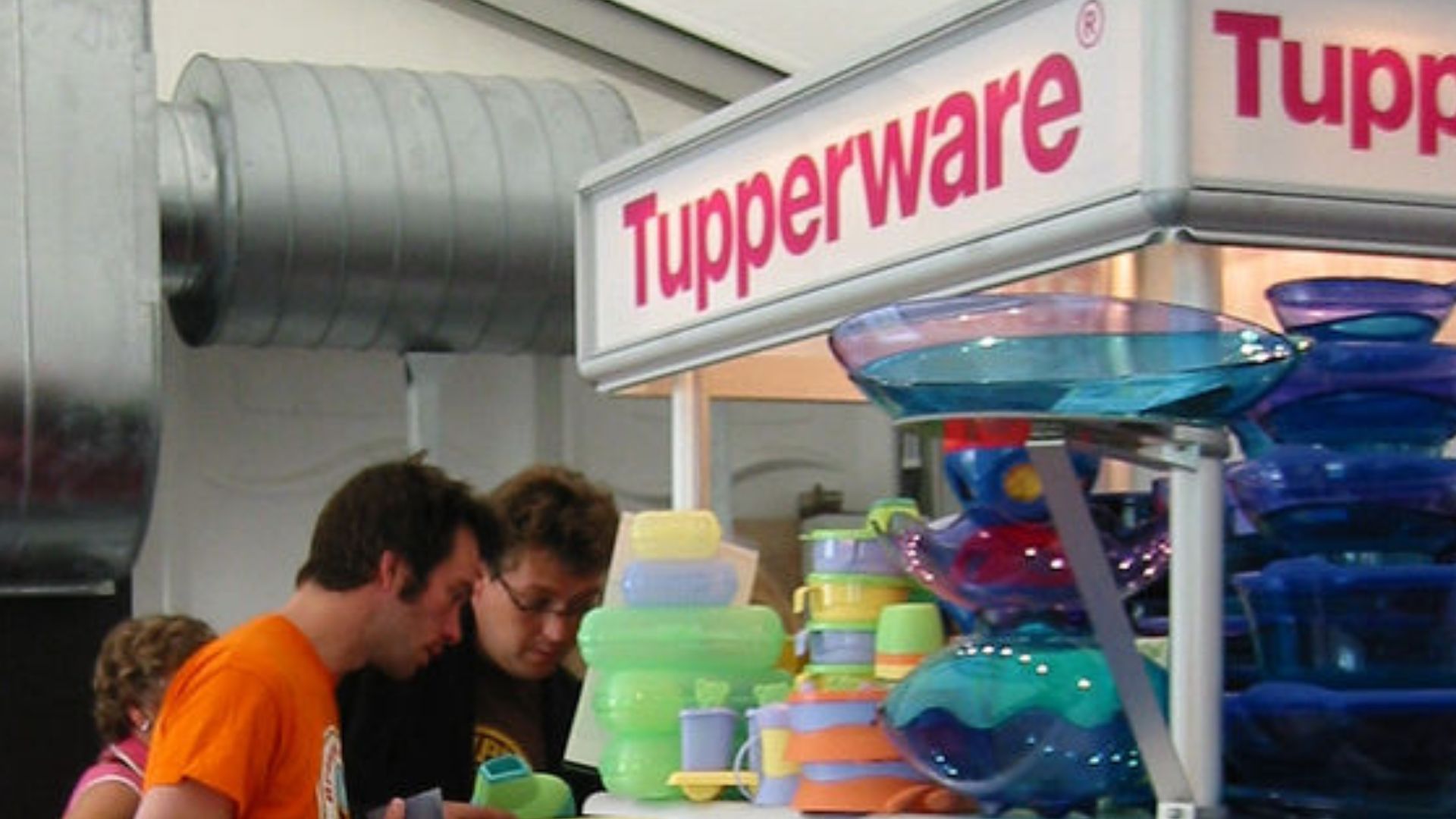
Tupperware: The Sales Party Finally Ended
Generations knew Tupperware through home demonstrations and sales parties, but its traditional distribution model became increasingly outdated. Sales fell from a $2.67 billion peak in 2013 to approximately $1.6 billion in 2021. Even an iconic household product needed better ways to reach modern consumers.
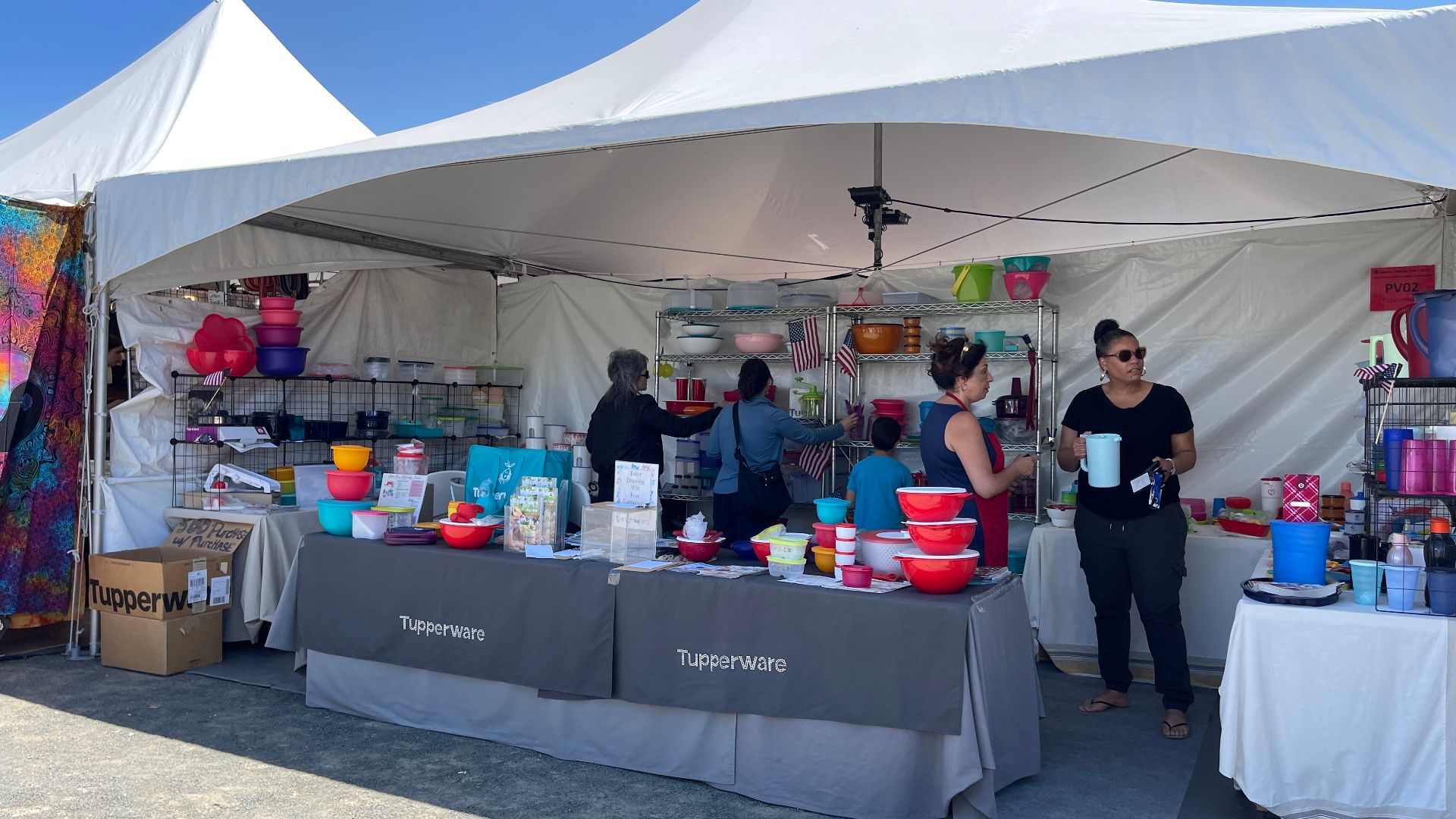
Tupperware: A Household Name Had To Reinvent Itself
Tupperware filed for bankruptcy in September 2024 after its historic dependence on independent sales representatives failed to reach enough modern consumers. Lenders subsequently acquired key assets, with plans for a digital-first strategy. The products survived, but their business model required a fundamental overhaul.
Claire's: The Teen Shopping Destination Lost Its Cool
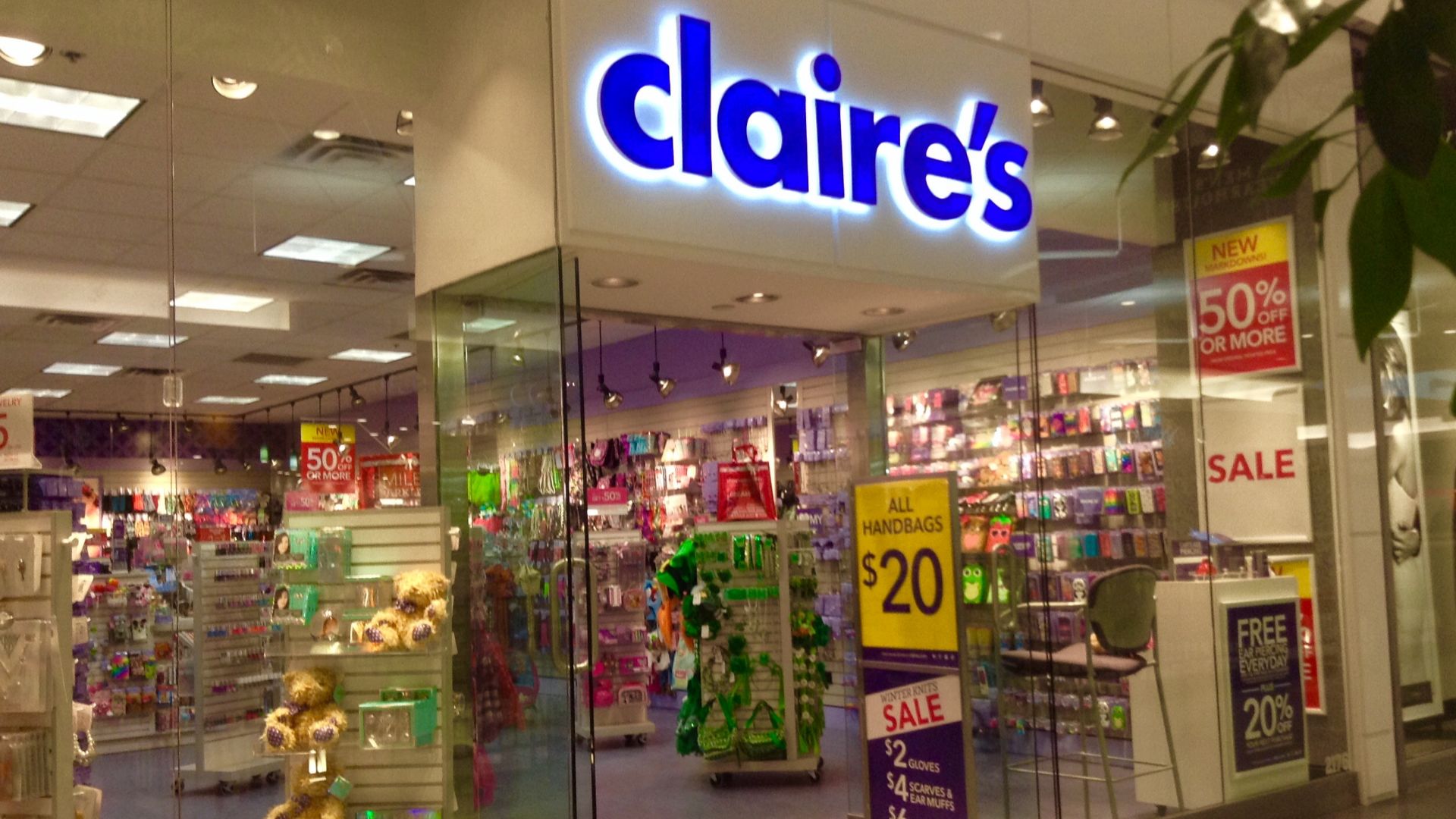
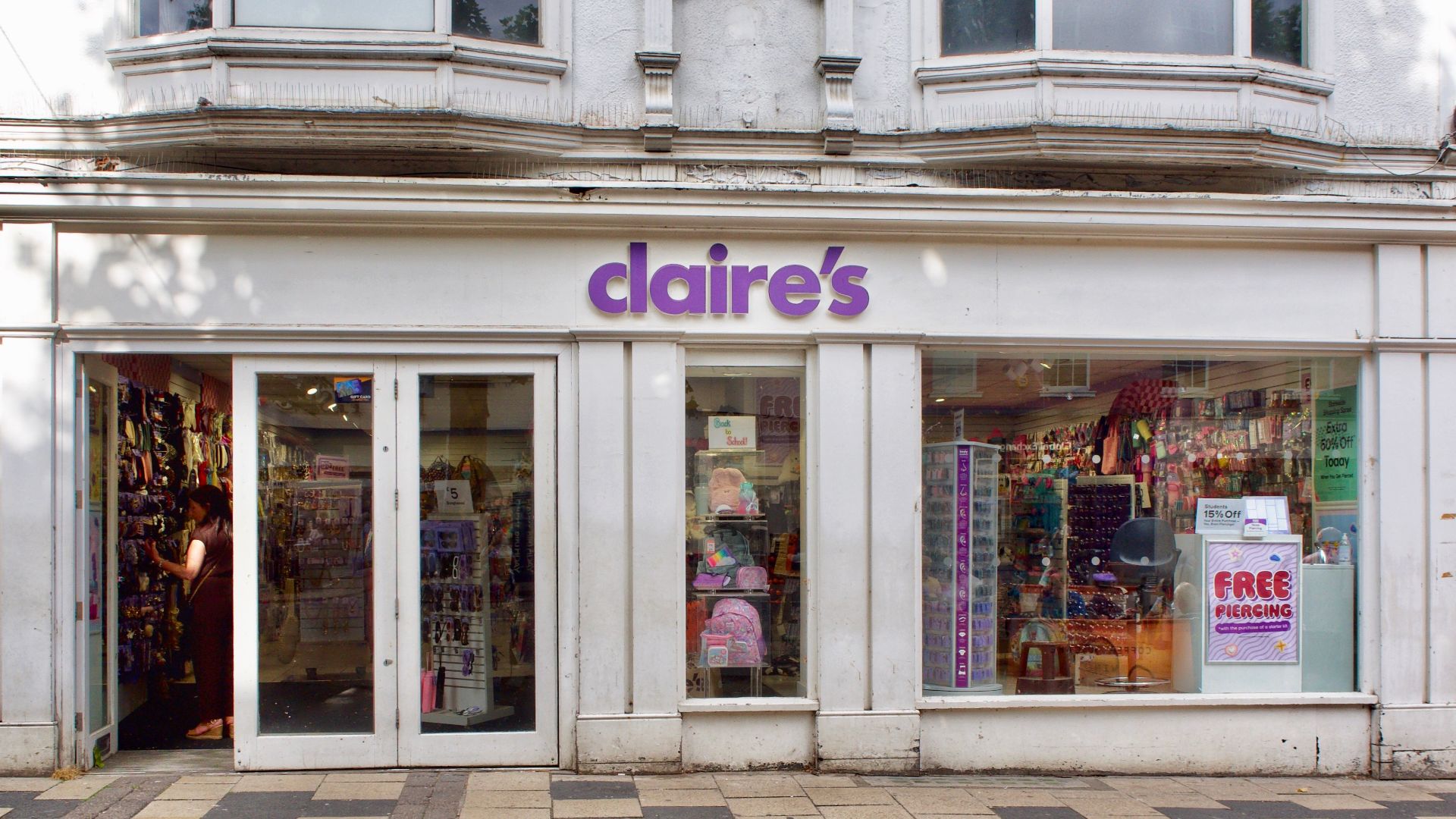
Claire's once occupied a special place in American malls as a destination for inexpensive accessories and first ear piercings. But today's teenagers increasingly discover fashion through social media and online marketplaces. Retail analysts say Claire's struggled to keep pace with changing tastes, especially among Generation Alpha.
 Mike Mozart from Funny YouTube, USA, Wikimedia Commons
Claire's: Another Bankruptcy And A Much Smaller Future
In August 2025, Claire's filed for bankruptcy protection for the second time in seven years. An investment firm subsequently agreed to purchase much of its North American business for $104 million in cash, preserving hundreds of stores. The deal offered another opportunity to rebuild its appeal.
The Billion-Dollar Lesson Every Investor Should Remember
These companies demonstrate how quickly enormous businesses can lose their advantages when customers change their habits. For investors, brand recognition is no substitute for growing demand, manageable debt, and sustainable cash flow. Before investing in a familiar company, examine whether it can attract the next generation of customers.
 Valerie Everett, Wikimedia Commons
Sources: 1, 2, 3, 4, 5, 6, 7, 8, 9, 10, 11, 12, 13, 14, 15, 16, 17, 18, 19, 20, 21, 22, 23, 24, 25, 26, 27, 28, 29, 30, 31, 32, 33