When Loyal Customers Aren't Enough
Some products inspire extraordinary devotion, yet they get discontinued anyway. In 2020 alone, Coca-Cola announced plans to reduce its portfolio of roughly 400 master brands by half. The move illustrated an uncomfortable reality of modern business: Even if customers like a product, it might not justify production costs, distribution expenses, and limited growth.
How many of these discontinued products do you think deserved better?
TaB: The Diet Soda That Refused To Be Forgotten
Coca-Cola introduced TaB in 1963, establishing a devoted following long before Diet Coke arrived. The company discontinued it in 2020 while simplifying its beverage portfolio. Loyal drinkers subsequently organized petitions and advertising campaigns, demonstrating that passionate customers do not necessarily generate sufficient sales.
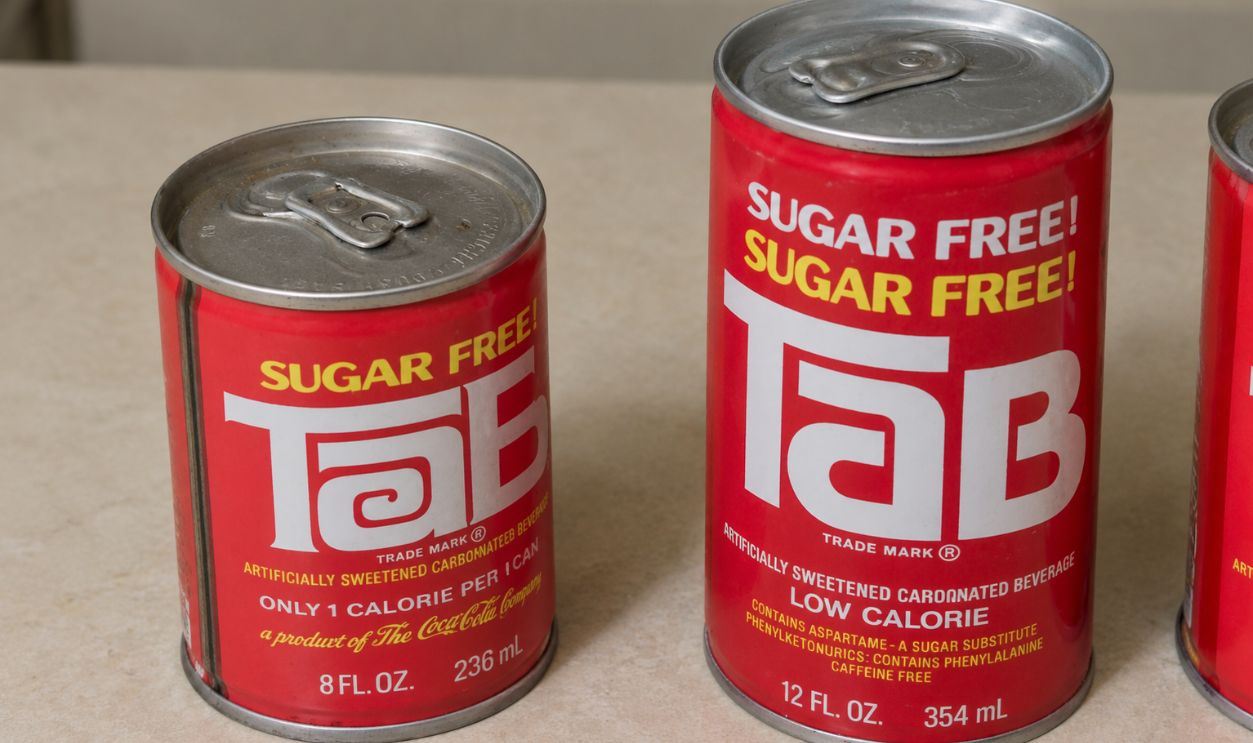 Jerry Woody, Wikimedia Commons, Modified
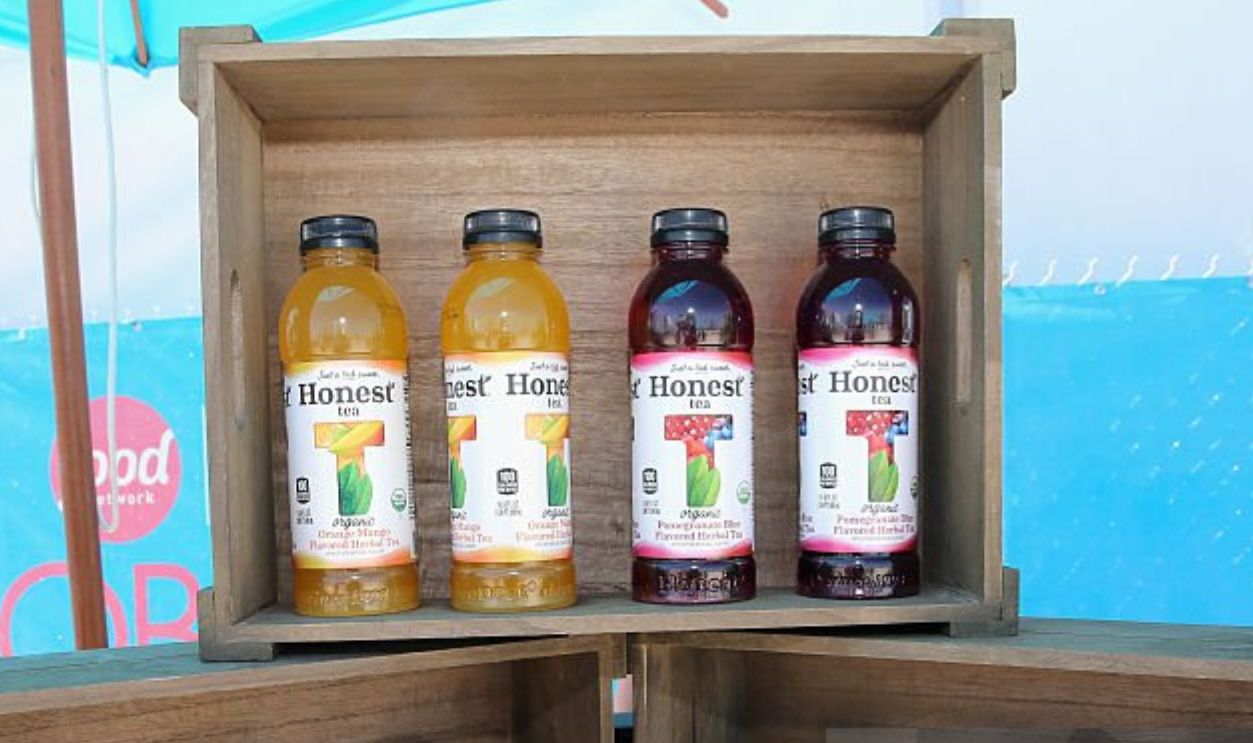
Honest Tea: A Beloved Brand Gets Cut By Its Owner
Honest Tea built its reputation on organic ingredients and less-sweet beverages. Nevertheless, Coca-Cola announced its discontinuation in 2022, prioritizing Gold Peak and Peace Tea instead. Co-founder Seth Goldman described the decision as deeply disappointing, highlighting the vulnerability of smaller brands inside enormous corporations.
Choco Taco: Even Ice Cream Icons Have An Expiration Date
For nearly four decades, Klondike's Choco Taco delighted customers with its distinctive ice cream-filled waffle shell. In 2022, the company discontinued it, citing extraordinary demand across its wider portfolio. The decision demonstrated how production priorities can outweigh nostalgia, even when customers genuinely love a product.
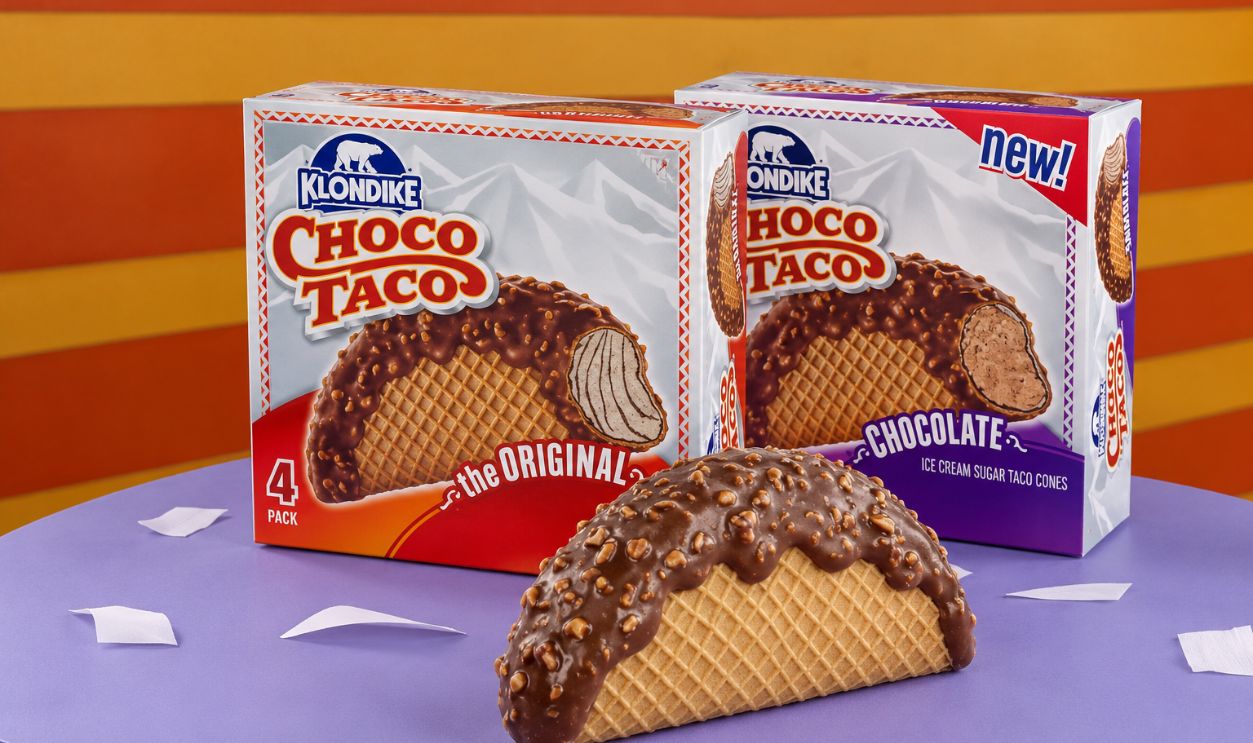 Screenshot from Klondike's Choco Taco Commercial, Unilever (2012)
Crystal Pepsi: Nostalgia Could Bring It Back, But Not Keep It
Crystal Pepsi debuted in 1992 with enormous publicity surrounding its transparent appearance. The novelty quickly faded, and the original product disappeared by the following year. Fan campaigns helped secure later limited releases, but those comebacks never established it as a permanent mainstream competitor.
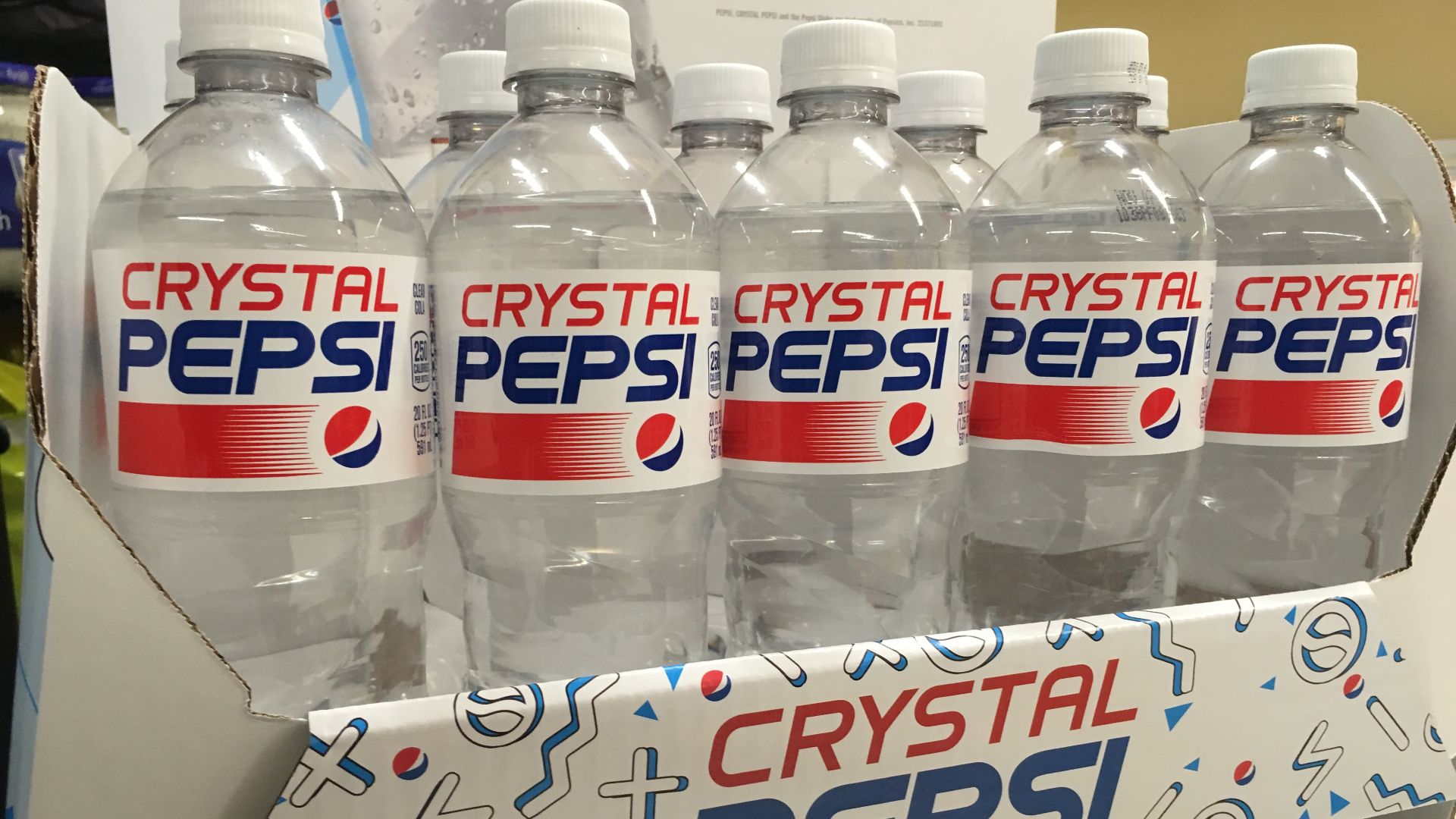 Mike Mozart from Funny YouTube, USA, Wikimedia Commons
Fruitopia: A Marketing Sensation That Lost Its Audience
Coca-Cola launched Fruitopia in 1994, targeting younger consumers with colorful packaging and unconventional advertising. Despite its memorable identity, declining sales led to the standalone American beverage line's discontinuation in 2003. Versions continued elsewhere, demonstrating how a brand can survive internationally while disappearing from its original market.
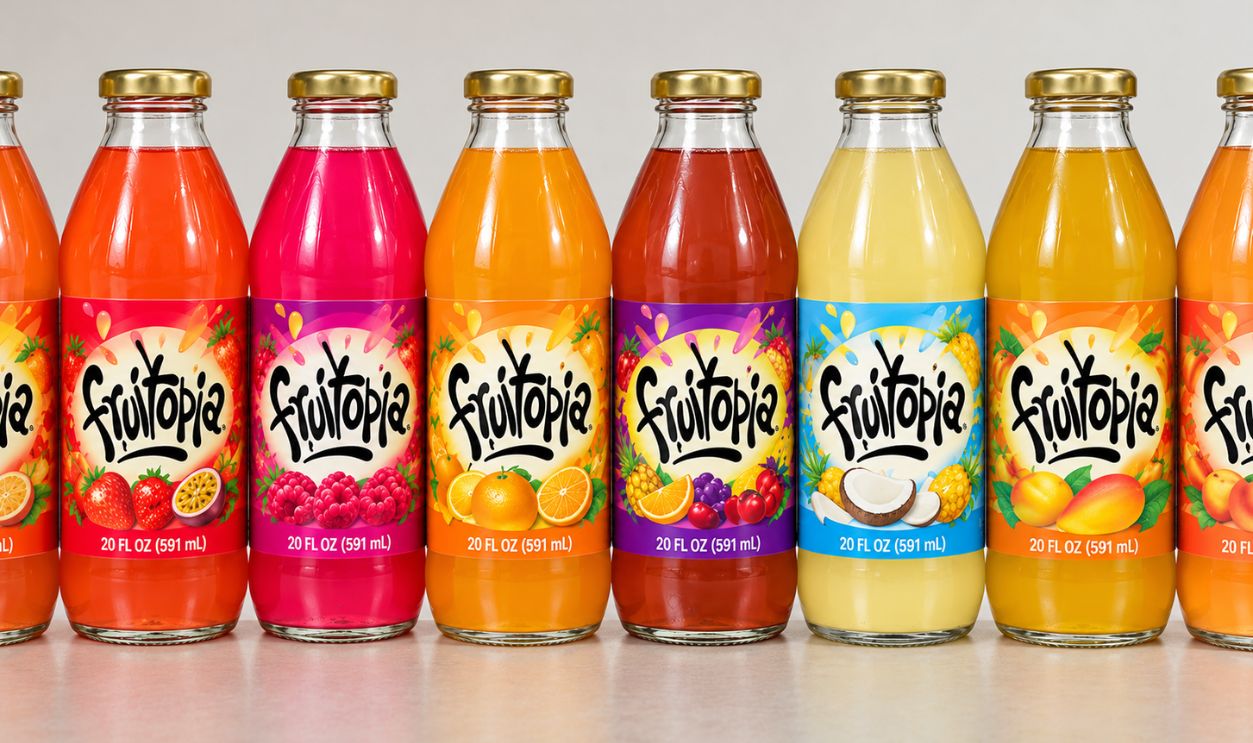 Screenshot from Fruitopia Commercial, Leo Burnett Co. (1996)
Squeezit: The Lunchbox Favorite That Couldn't Last Forever
General Mills made Squeezit drinks instantly recognizable with brightly colored plastic bottles that children could squeeze. The novelty attracted imitators, but the brand disappeared in 2001. Its story illustrates the difficulty of sustaining demand when much of a product's appeal comes from unusual packaging.
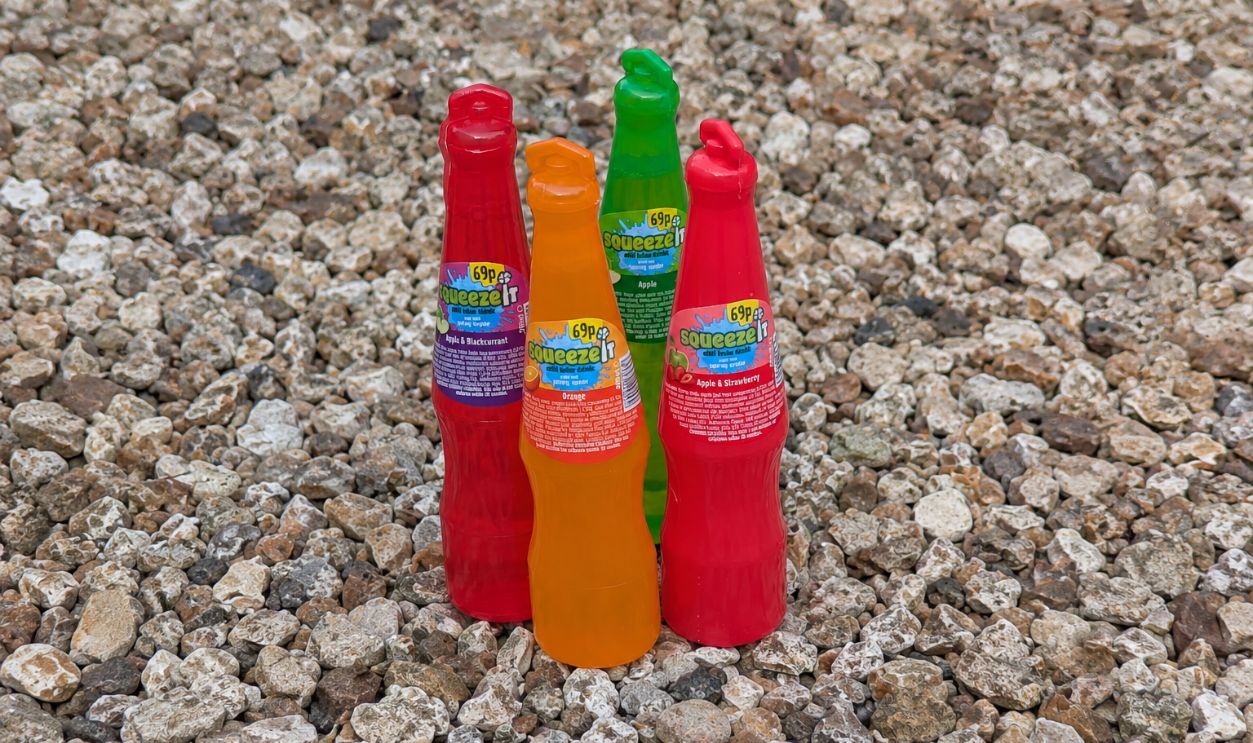 ZolHaj, Wikimedia Commons, Enhanced
Orbitz: The Drink That Looked Like Nothing Else
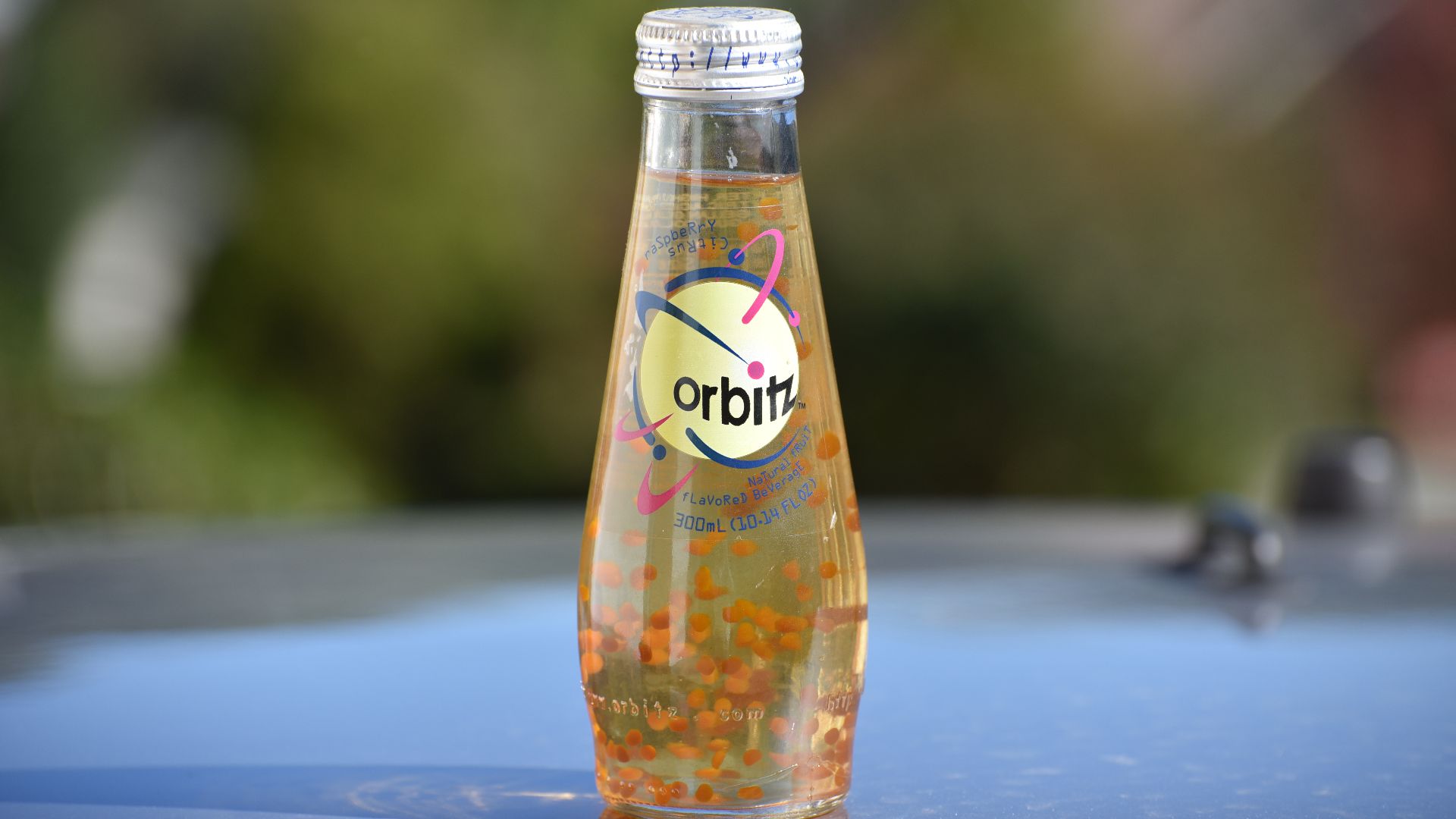
Orbitz introduced suspended edible spheres into fruit-flavored beverages during the late 1990s. Its extraordinary appearance attracted attention, but complicated flavors and limited mainstream appeal undermined the product. It disappeared within approximately a year, proving that visual innovation alone cannot guarantee repeat purchases.
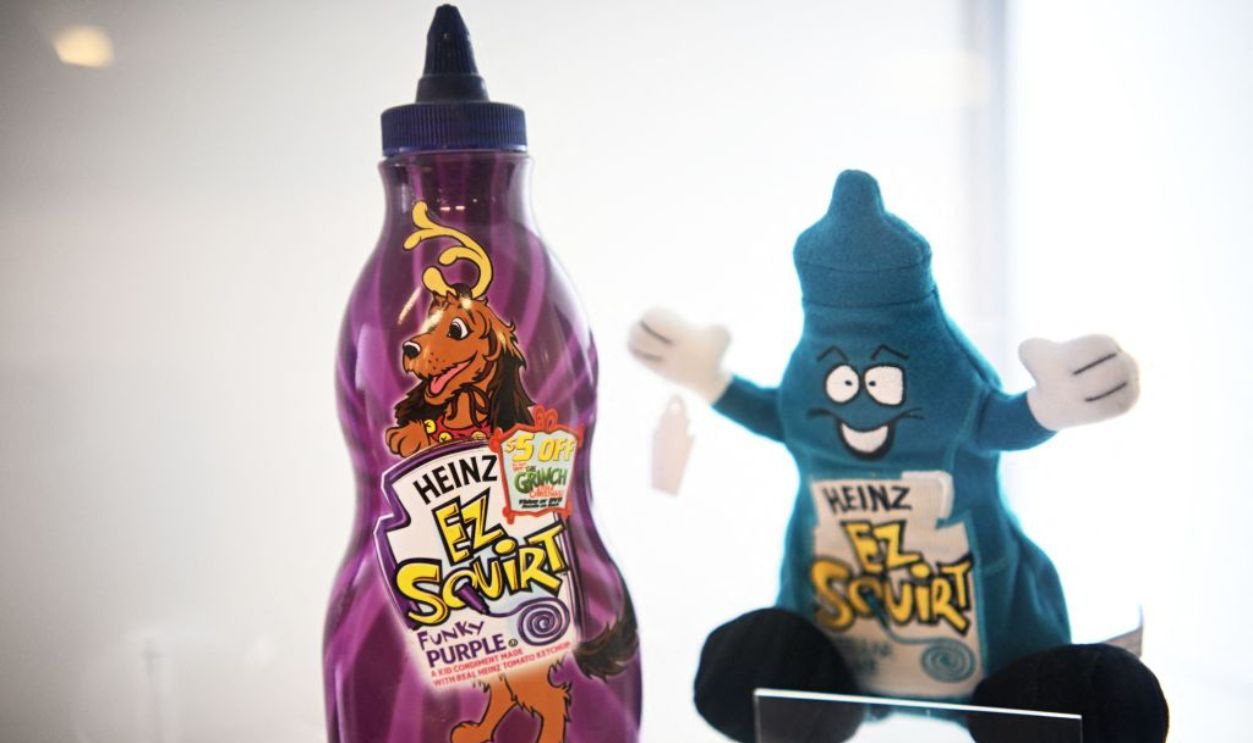
Heinz EZ Squirt: Millions Of Bottles Still Weren't Enough
Heinz enjoyed immediate success with its brightly colored EZ Squirt ketchup, particularly among children. More than 25 million bottles sold, yet demand eventually weakened. Heinz discontinued the line in 2006, illustrating the difference between creating an exciting purchasing trend and maintaining reliable long-term sales.
Jell-O Pudding Pops: Popularity Didn't Guarantee Profitability
Jell-O Pudding Pops generated impressive early sales, becoming a familiar freezer-aisle favorite. However, manufacturing frozen desserts was expensive for a company better known for packaged pudding mixes. Later licensing arrangements could not sustain the product indefinitely, demonstrating why strong sales are not necessarily equivalent to healthy profits.
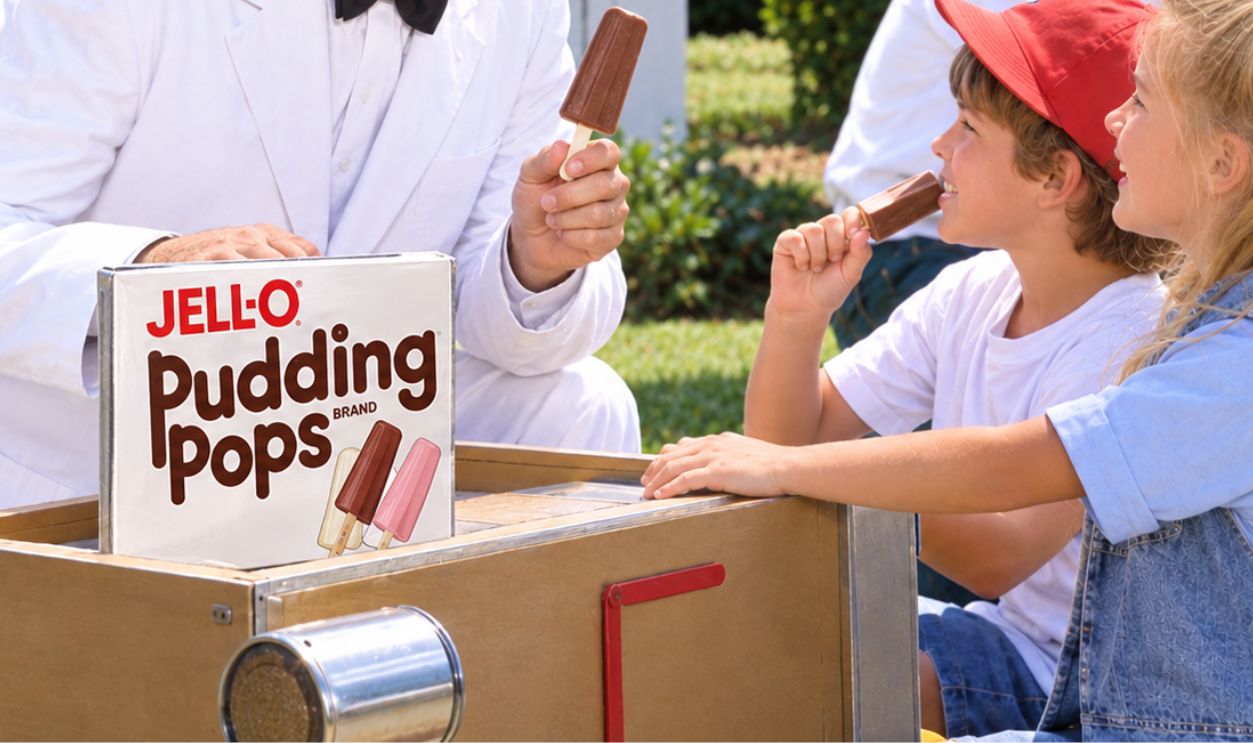 Screenshot from Jell-O Pudding Pops Commercial, General Foods Corporation (1983)
Sierra Mist: PepsiCo Decided To Start Over
Sierra Mist competed in America's lemon-lime soda market for more than two decades. PepsiCo replaced it with Starry in 2023, introducing a new formula and marketing campaign aimed particularly at younger consumers. The decision showed how established brand recognition can lose value when management wants different positioning.
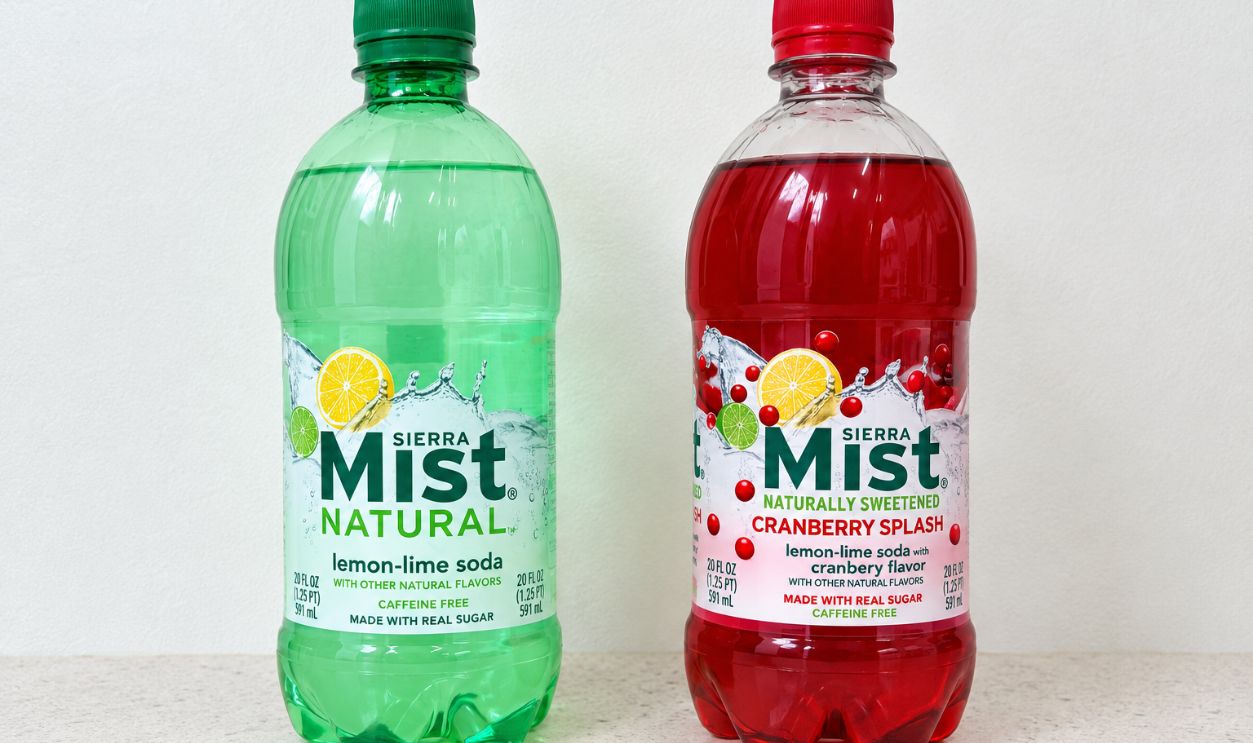 Jeff Taylor, Wikimedia Commons, Enhanced
Arch Deluxe: A $150 Million Marketing Campaign Couldn't Save It
McDonald's introduced the Arch Deluxe as a more sophisticated burger for adult customers. Its promotional campaign reportedly cost $150 million, but consumer enthusiasm disappointed and franchisees struggled with additional preparation requirements. The sandwich disappeared in 2000, demonstrating how operational complexity can undermine expensive marketing investments.
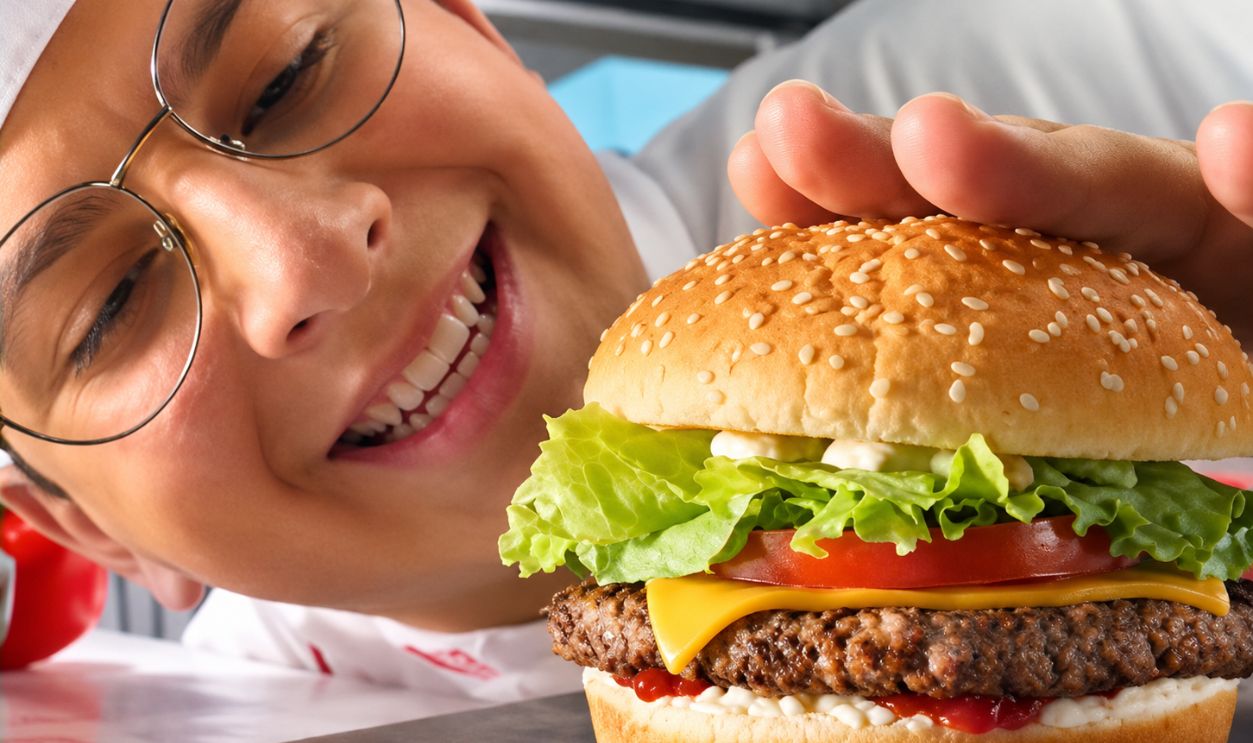 Screenshot from McDonald's Arch Deluxe Commercial, Fallon McElligott (1996)
Caramel Apple Empanada: Sometimes Nostalgia Becomes A Limited-Time Business
Taco Bell discontinued its Caramel Apple Empanada in 2019, disappointing customers who remembered the crispy dessert. The company brought it back temporarily in 2024 as part of a nostalgic menu promotion. Rather than guaranteeing permanent availability, customer enthusiasm became an opportunity for limited-time sales.
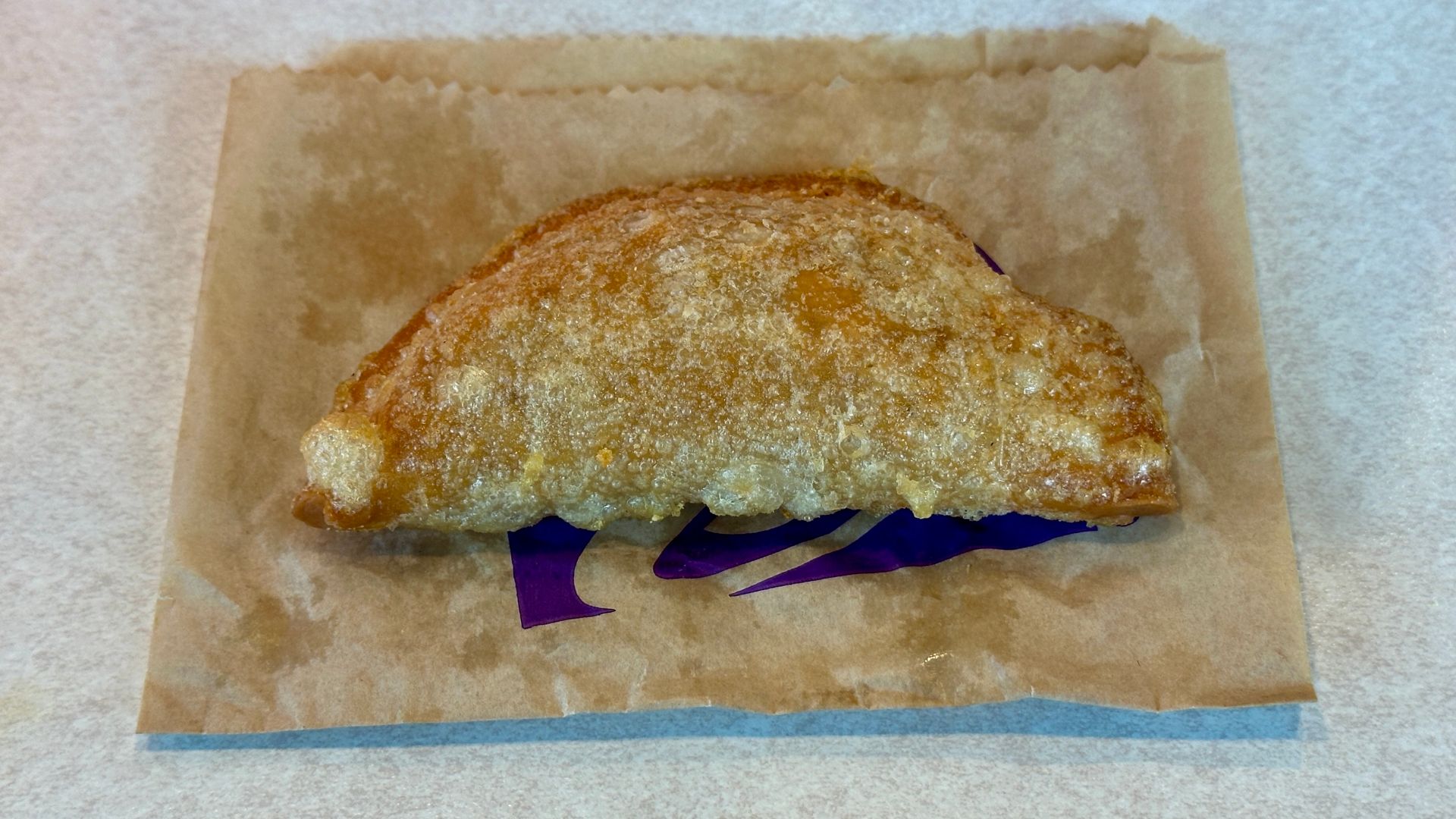 Phillip Pessar , Wikimedia Commons
Apple iPod: The Device That Changed Music Became Unnecessary
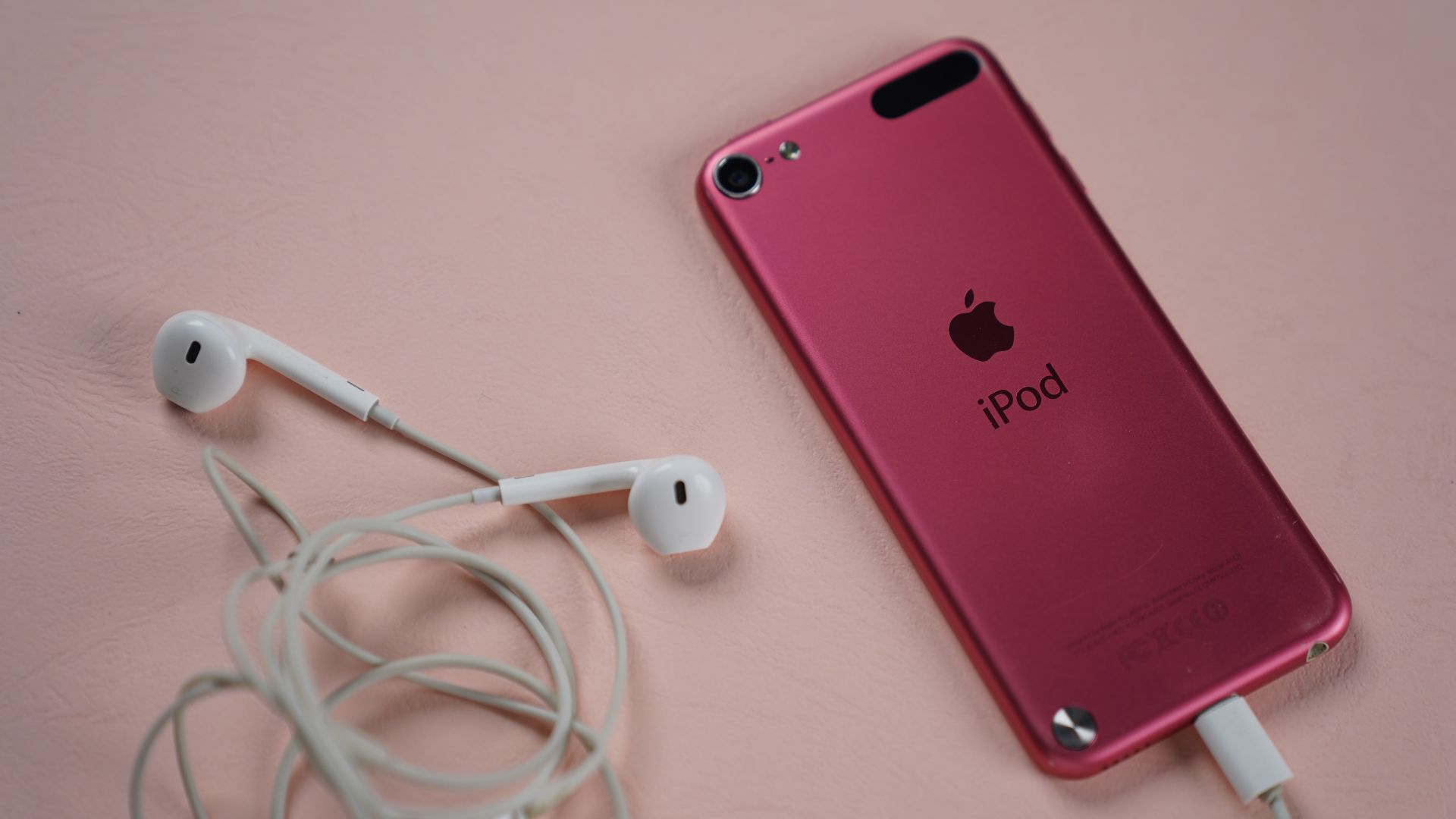
Apple's iPod transformed portable music after its introduction in 2001. Nevertheless, the company ended the product line in 2022, explaining that music capabilities had spread throughout its other devices. The financial lesson is straightforward: companies sometimes discontinue successful products because newer offerings serve the same customers.
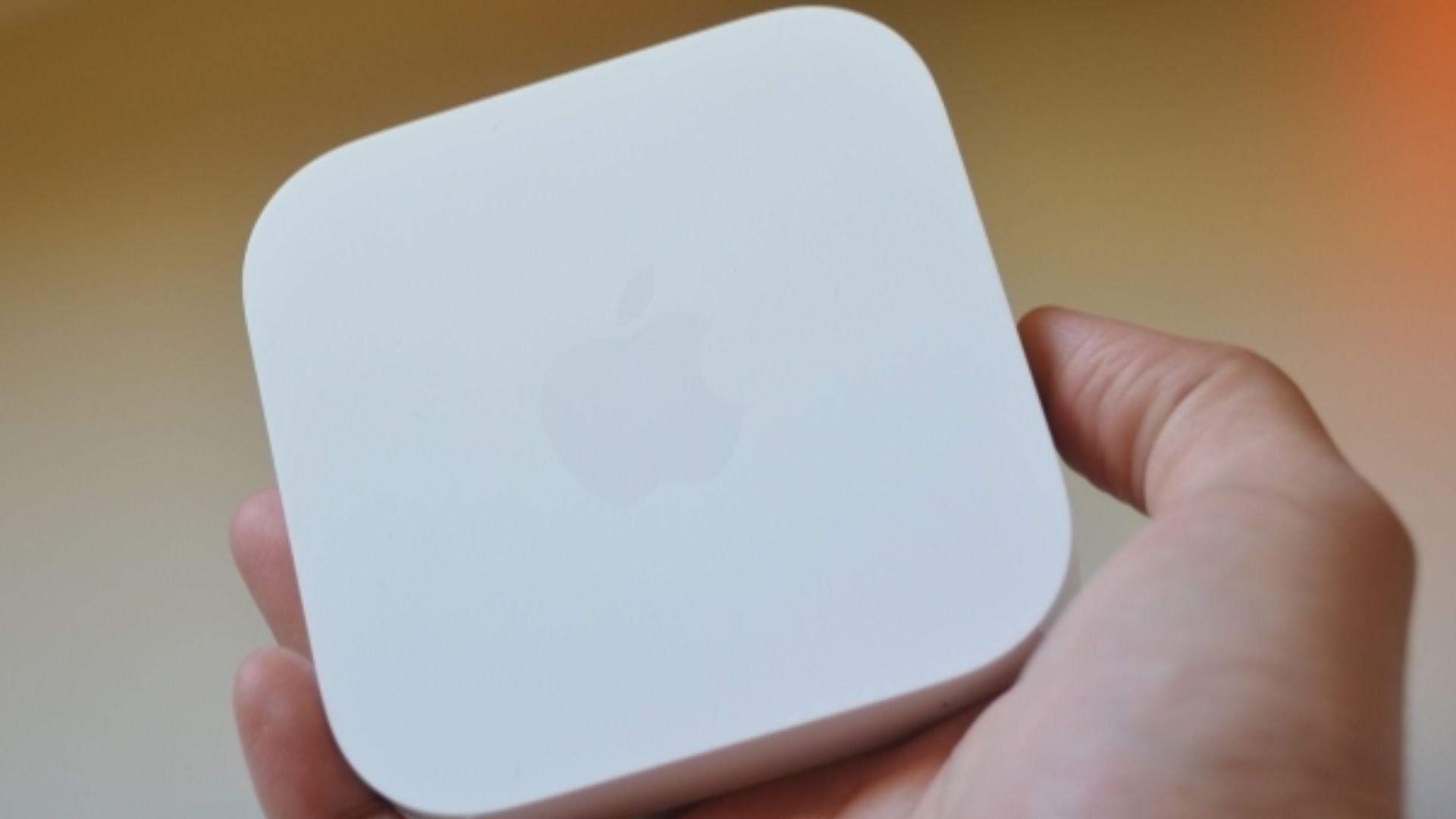
Apple AirPort: Even Apple Couldn't Justify Every Accessory
Apple discontinued its AirPort wireless routers in 2018, including the AirPort Extreme and Time Capsule. Competing networking products had become increasingly capable, while Apple concentrated on other devices. For consumers, the disappearance underscored the importance of considering long-term support before purchasing specialized technology.
Kindle Oasis: Premium Features Couldn't Guarantee Survival
Amazon discontinued the Kindle Oasis in 2024, ending its lineup of e-readers with physical page-turn buttons. The company said newer devices emphasized touchscreens, reflecting its understanding of customer preferences. For readers who valued the Oasis's ergonomic design, the decision demonstrated how specialized features can disappear despite devoted supporters.
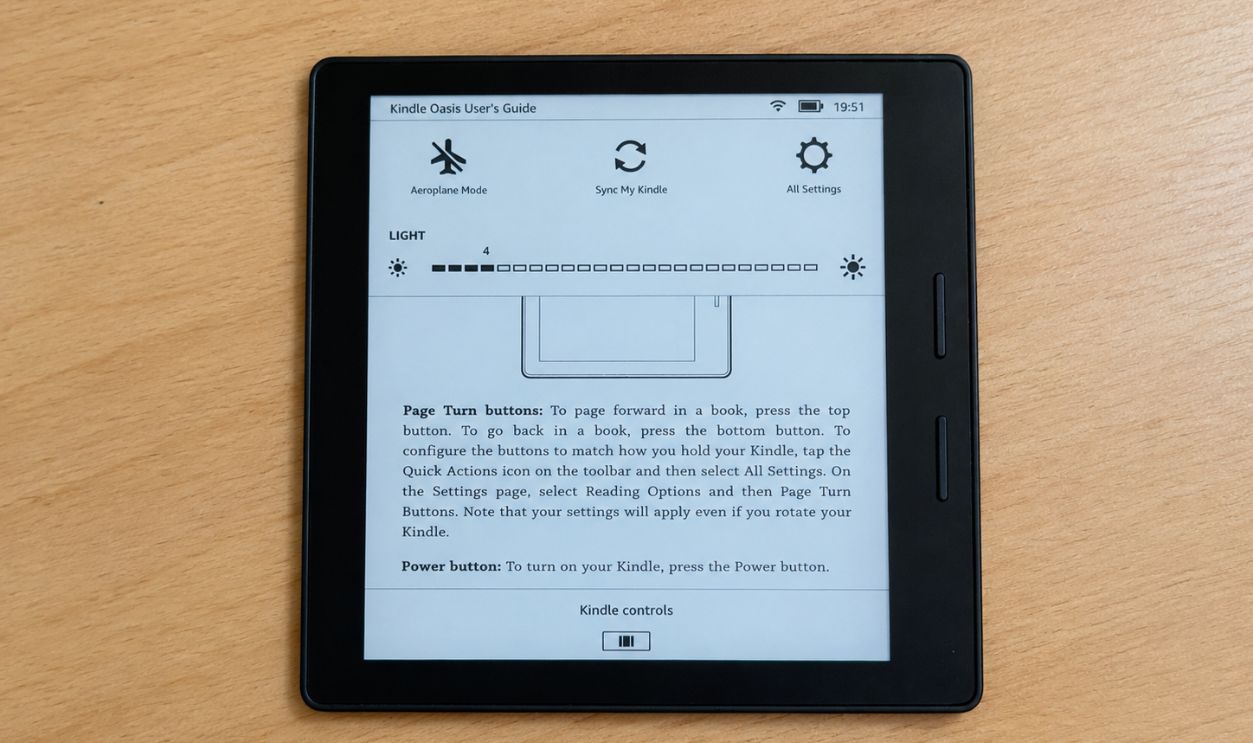 Brevity, Wikimedia Commons, Enhanced
Google Chromecast: A Budget Favorite Gets Replaced
Google discontinued its Chromecast hardware lineup in 2024 after more than a decade. Its replacement, the Google TV Streamer, launched at $99.99, considerably more than the entry-level Chromecast. The transition demonstrated how manufacturers can prioritize more capable, higher-priced devices even when affordable alternatives remain useful.
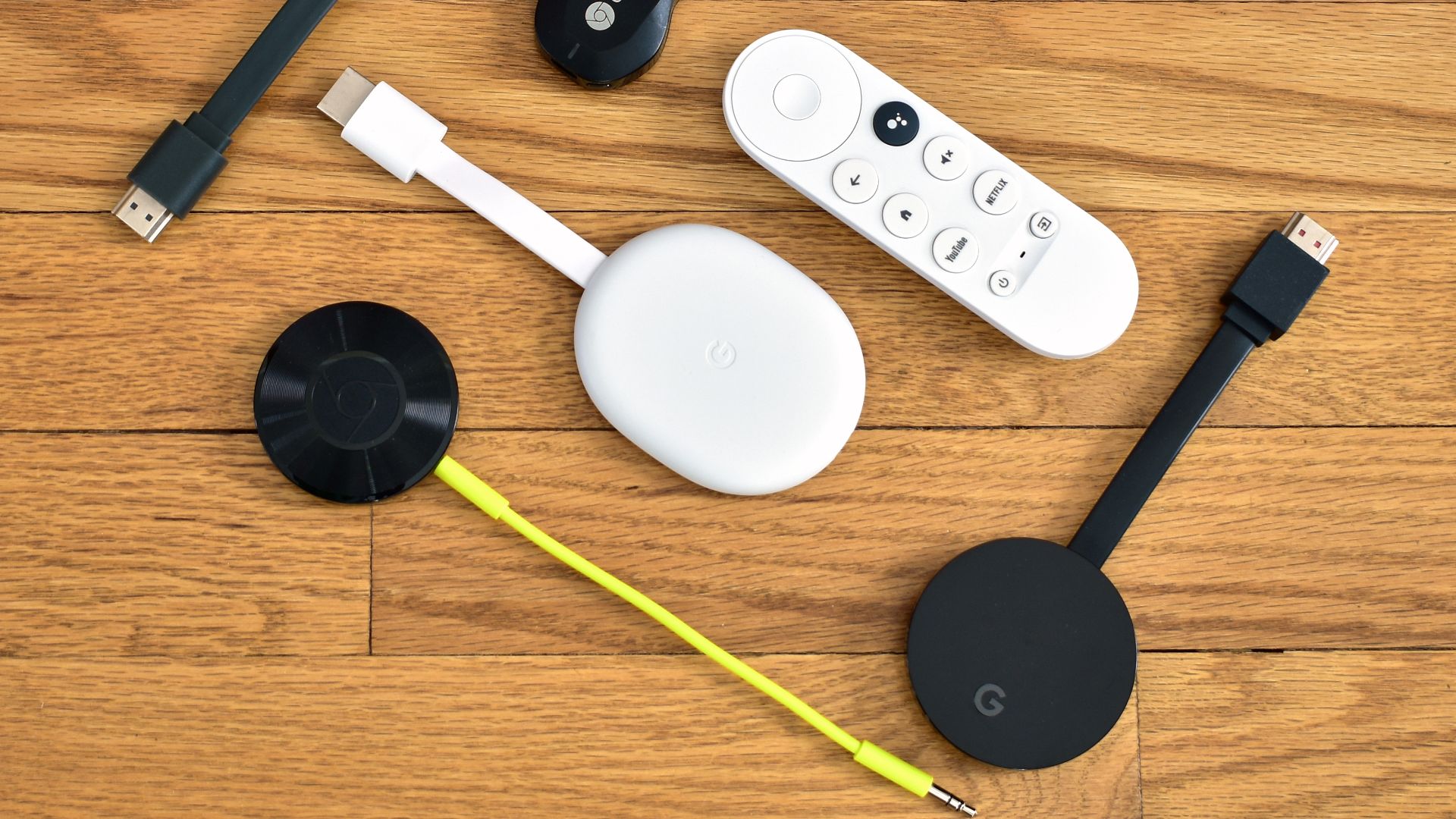 Y2kcrazyjoker4, Wikimedia Commons
Logitech Harmony: The Universal Remote Loses Its Market
Logitech stopped manufacturing Harmony universal remotes in 2021, although it initially committed to supporting existing customers. The devices had offered convenient control over complicated entertainment systems. Increasing competition from smart televisions, streaming-device remotes, and integrated controls made the standalone universal remote a more difficult business.
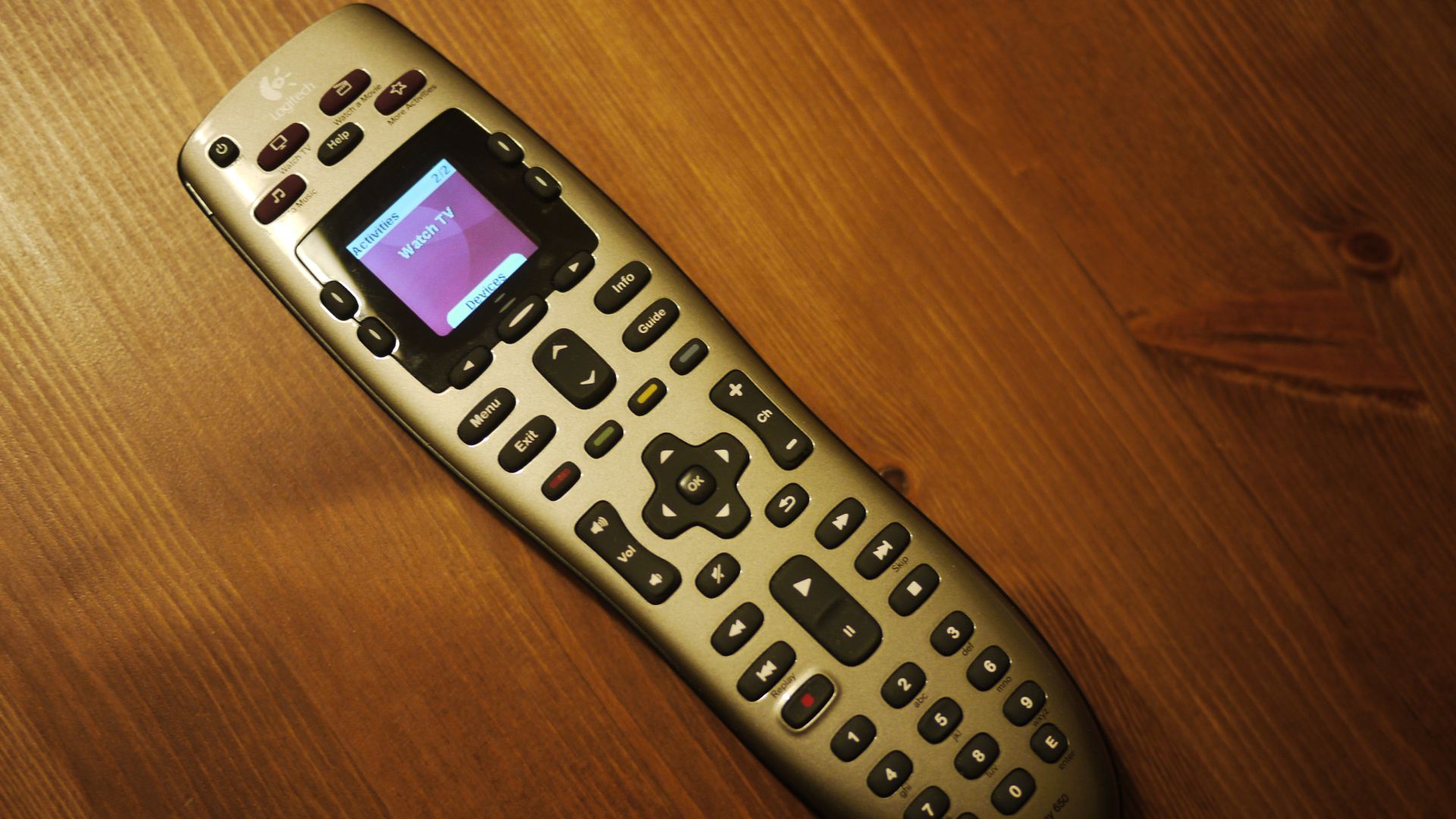 bfishadow from Beijing, China, Wikimedia Commons
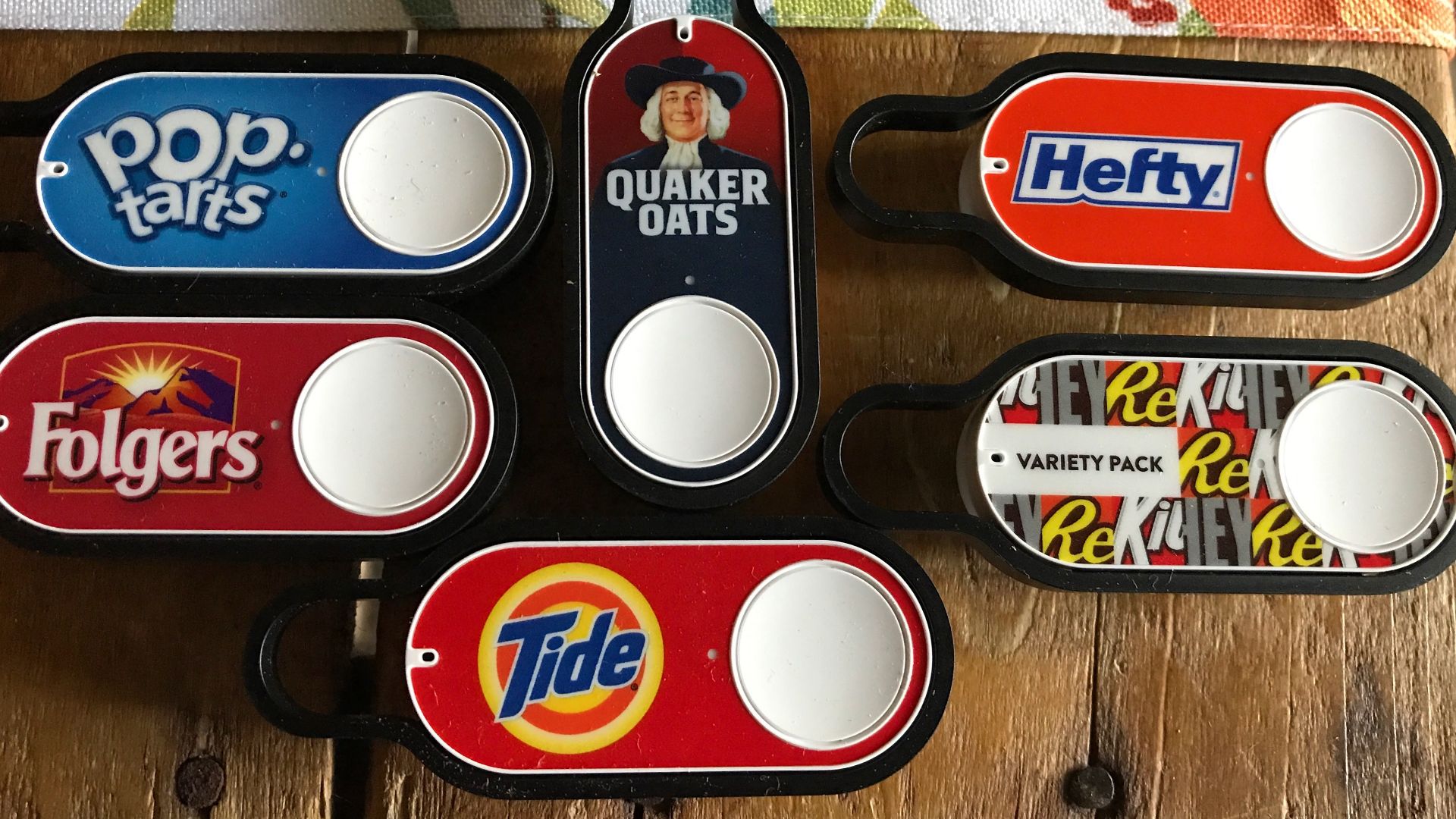
Amazon Dash Buttons: Convenience Became Obsolete Almost Overnight
Amazon's physical Dash Buttons allowed customers to reorder household essentials with a single press. Introduced in 2015, they disappeared from sale in 2019 as Amazon emphasized virtual buttons and automated replenishment. The product's short life illustrated how quickly technological improvements can eliminate an innovative device's commercial purpose.
 Forsaken Fotos, Wikimedia Commons
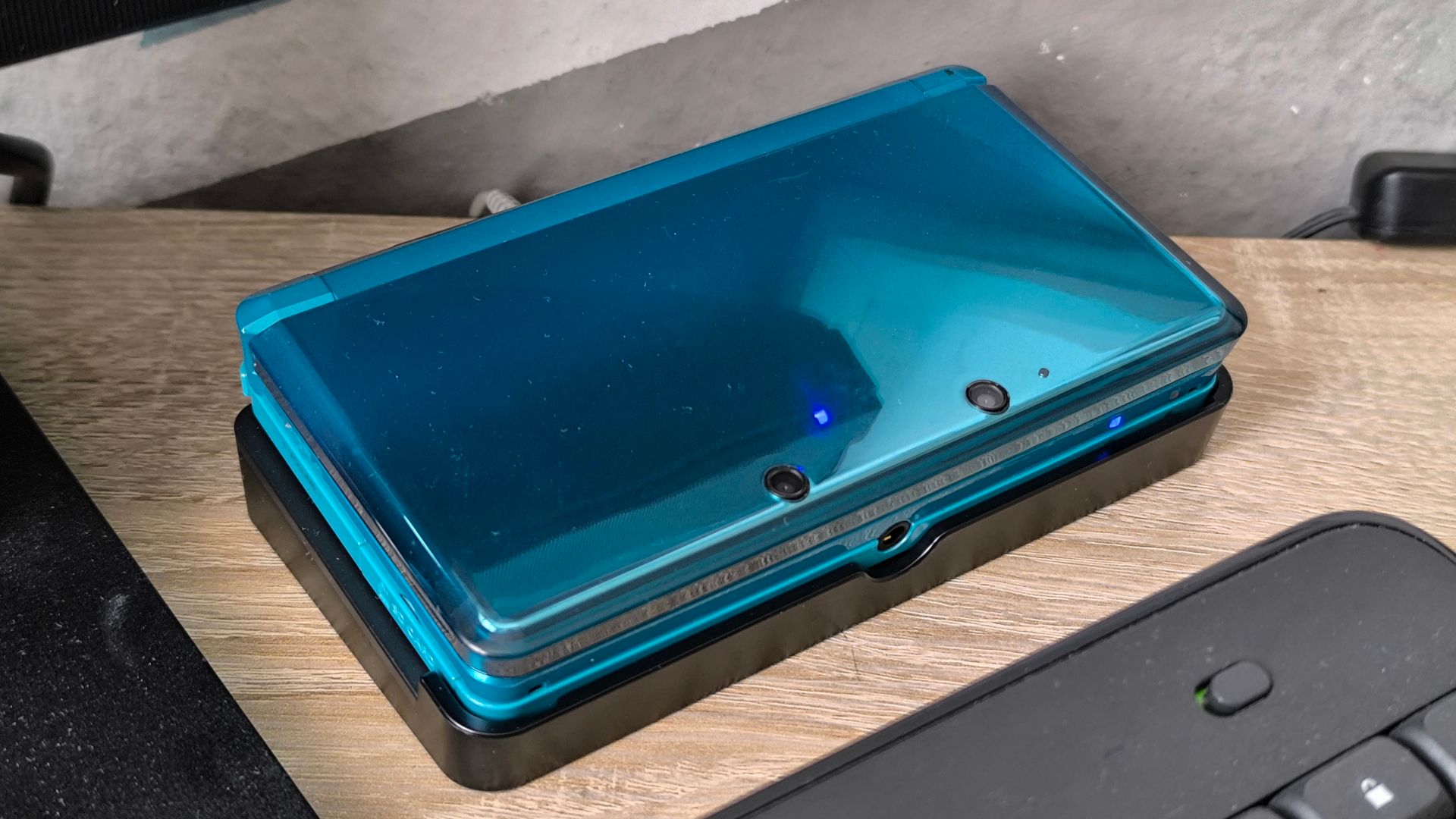
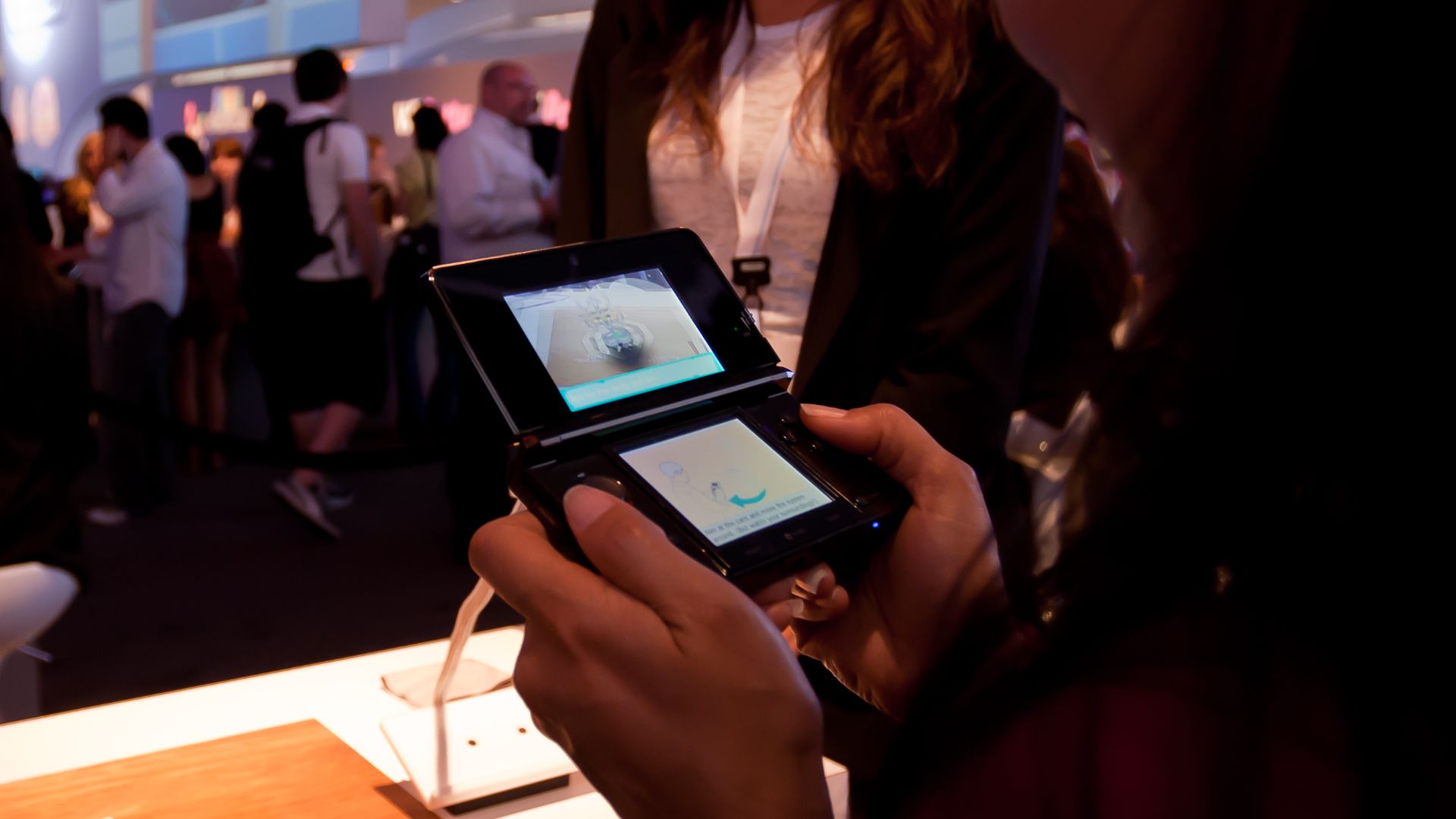
Nintendo 3DS: Millions Of Customers Couldn't Prevent Retirement
Nintendo discontinued its 3DS handheld family in 2020 after approximately nine years on the market. The systems had established a substantial audience and accumulated an extensive game library. Nevertheless, Nintendo's focus shifted toward the Switch, illustrating how companies redirect investment even after selling millions of successful devices.
 DeveloperSystem4,6, Wikimedia Commons
Google Stadia: Even Refunds Couldn't Preserve The Service
Google launched Stadia with the promise of streaming sophisticated video games without conventional console hardware. Despite enthusiastic users, adoption failed to meet company expectations, and the service closed in January 2023. Google offered qualifying purchase refunds, highlighting the financial risks of depending on discontinued digital platforms.
 Simon Waldherr, Wikimedia Commons
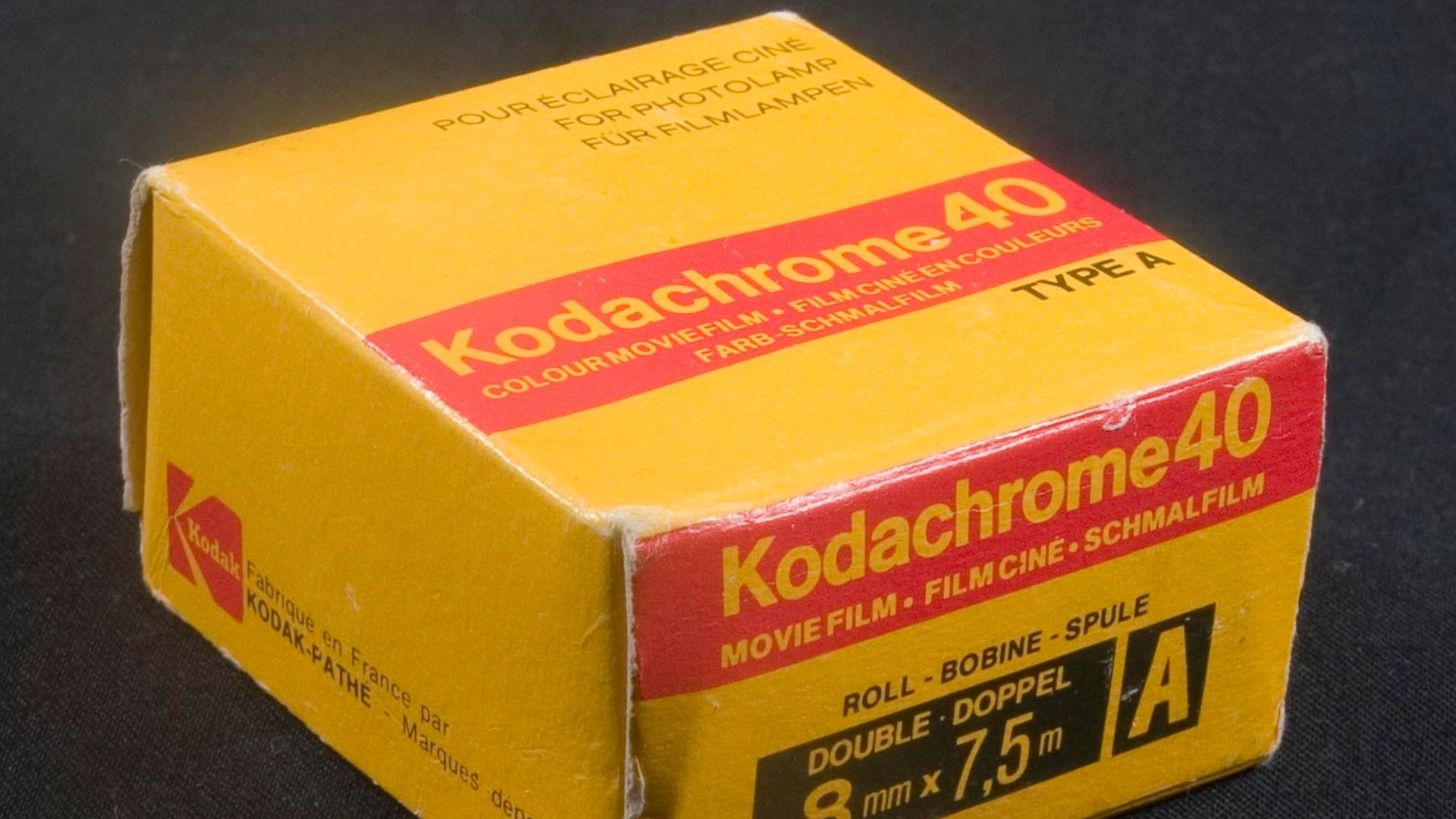
Kodachrome: A Legendary Product Became Too Expensive To Maintain
Kodak's Kodachrome film was celebrated for its rich colors and became a photographic institution. By 2009, however, it represented only a tiny fraction of Kodak's film sales. Specialized processing requirements and declining demand made continued manufacturing impractical, despite the product's extraordinary cultural significance.
 Detlefhansenfoto, Wikimedia Commons
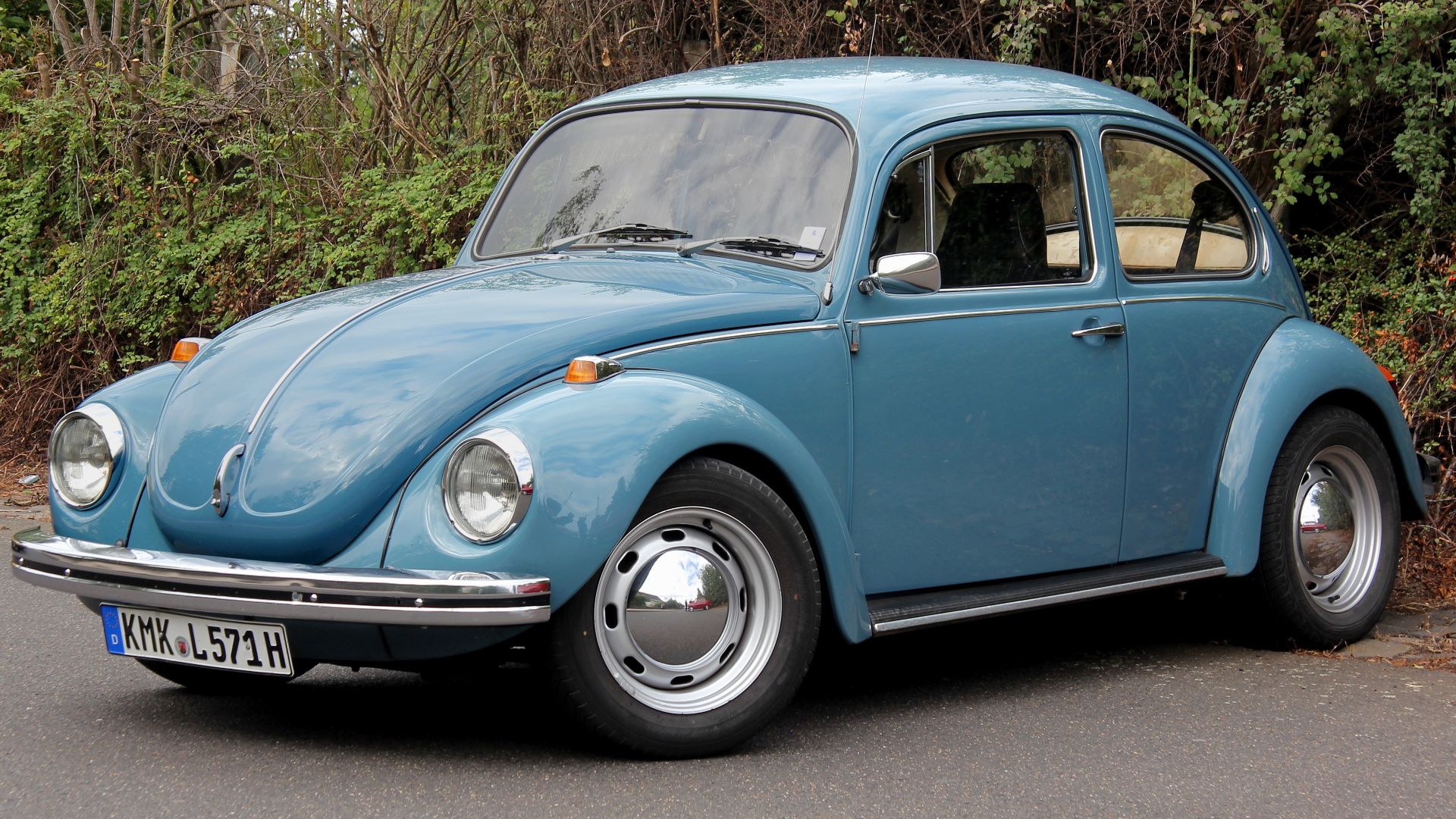
Volkswagen Beetle: Eight Decades Of Recognition Couldn't Save Production
Volkswagen produced its final Beetle in Mexico in July 2019, ending another chapter in automotive history. The distinctive car remained internationally recognizable, but Volkswagen increasingly emphasized electric vehicles. Its retirement illustrated how manufacturers must allocate investment toward future models rather than preserving every historically important product.
 Lothar Spurzem, Wikimedia Commons
Honda Element: Practicality Didn't Translate Into Enough Buyers
Honda's boxy Element offered washable surfaces, flexible cargo space, and a distinctive appearance. Despite its dedicated following, sales volumes were insufficient to sustain production beyond 2011. The vehicle demonstrates why niche enthusiasm must be considered alongside the substantial costs of manufacturing and distributing an automobile.
 Spanish Coches, Wikimedia Commons
Toyota FJ Cruiser: Discontinued Doesn't Always Mean Unwanted
Toyota discontinued the FJ Cruiser in North America after the 2014 model year. Its unusual styling and impressive off-road capabilities subsequently helped sustain a strong used-vehicle market. Some examples command substantial resale prices, demonstrating how discontinuation can create scarcity without making every surviving vehicle a worthwhile investment.
 Alexander Migl, Wikimedia Commons
Chevrolet Volt: A Pioneering Hybrid Gets Overtaken By Corporate Strategy
Chevrolet's Volt offered electric driving with a gasoline engine available for longer journeys. General Motors ended production in 2019 while restructuring factories and redirecting investment toward electric and autonomous vehicles. Its discontinuation showed how strategic priorities can outweigh the advantages of an established, innovative product.

Netflix DVDs: A Profitable History Couldn't Preserve A Shrinking Business
Netflix mailed its final rental DVDs in September 2023, ending a service that helped revolutionize home entertainment. Although loyal subscribers still valued physical discs, Netflix said the shrinking business had become increasingly difficult to maintain. The company's future had shifted decisively toward streaming.
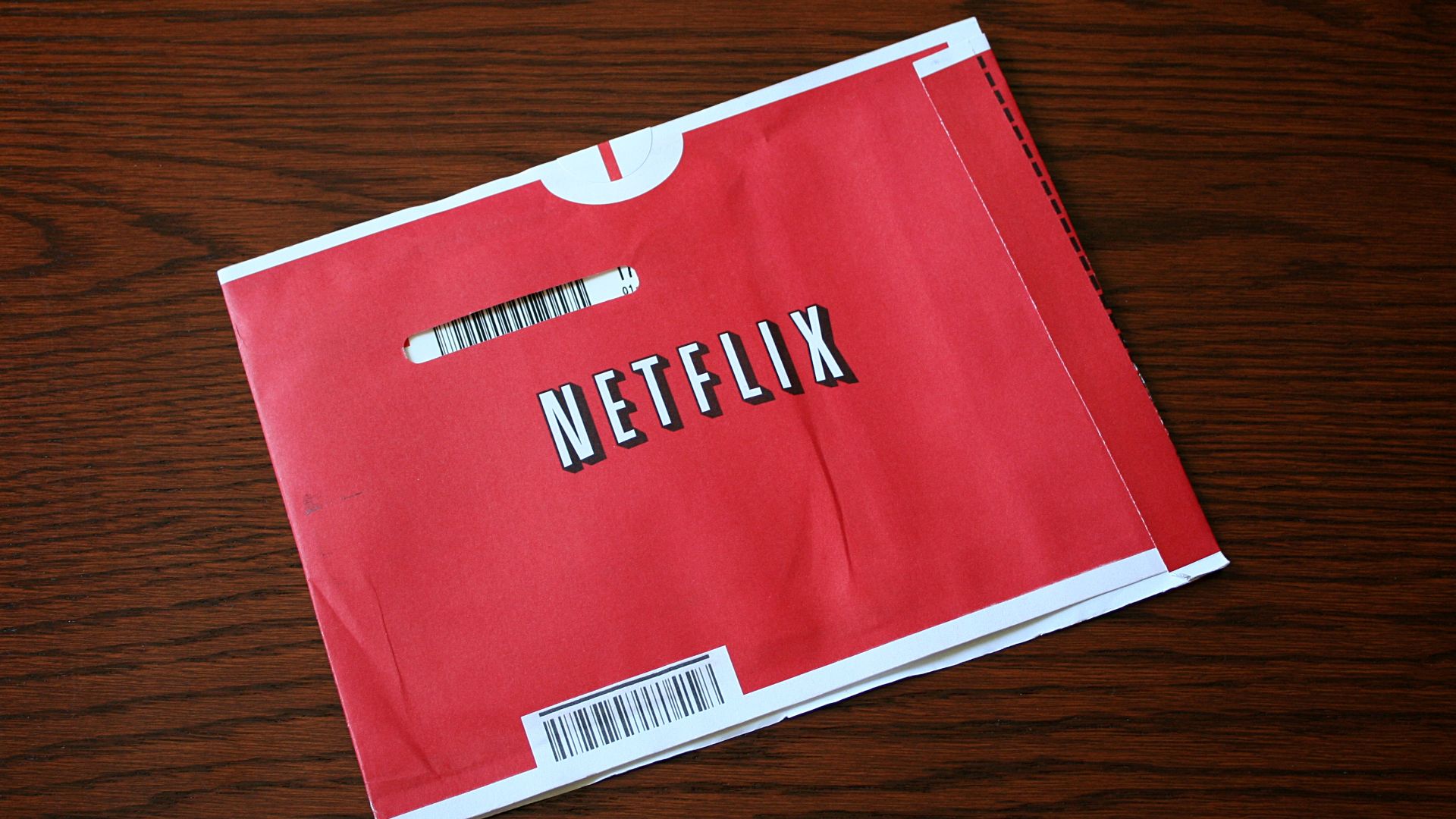 Marit & Toomas Hinnosaar, Wikimedia Commons
The Real Lesson: Love The Product, But Understand The Business
These discontinued favorites reveal why popularity and profitability are different things. Before paying collector premiums, research actual completed resale prices, replacement parts, and whether a product still works without manufacturer support. Nostalgia can create value, but it cannot guarantee appreciation or a comeback. Which would you revive?
 Lian Chang from New York City, Wikimedia Commons
Sources: 1, 2, 3, 4, 5, 6, 7, 8, 9, 10, 11, 12, 13, 14, 15, 16, 17, 18, 19, 20, 21, 22, 23, 24