Your Vending Machine Business Is Past It's Sell-By Date. What Now?
You had a vision: a snack-filled empire, passive income rolling in while you slept. Instead? Shelves of expired potato chips and candy bars. Ouch. But this isn’t the end—let’s unpack what went wrong, explore options to recover, and find smarter strategies moving forward.
You’re Not Alone
First off, don’t beat yourself up. Every entrepreneur stumbles, especially with inventory-heavy businesses. Many vending operators experience this exact issue. You’re joining a long list of people who thought snacks sell themselves but quickly learned timing, demand, and stocking strategies matter. This is a lesson, not a life sentence.

What Actually Happened
At its core, this is a problem of perishability colliding with cash flow. Snacks aren’t like vending machines—they have ticking clocks. When products expire before they sell, revenue vanishes. It’s not personal failure; it’s a mismatch between stock levels, demand forecasting, and shelf life. Many beginners face the same trap.
Can You Recover The Money?
Here’s the hard truth: expired snacks can’t be resold. Consumers, stores, and regulators won’t allow it. Legally, they’re unsellable. This means yes—the money spent on those products is a sunk cost. The key is shifting your perspective from lost revenue to lessons gained, because this mistake doesn’t have to repeat.

But Are You Really Stuck?
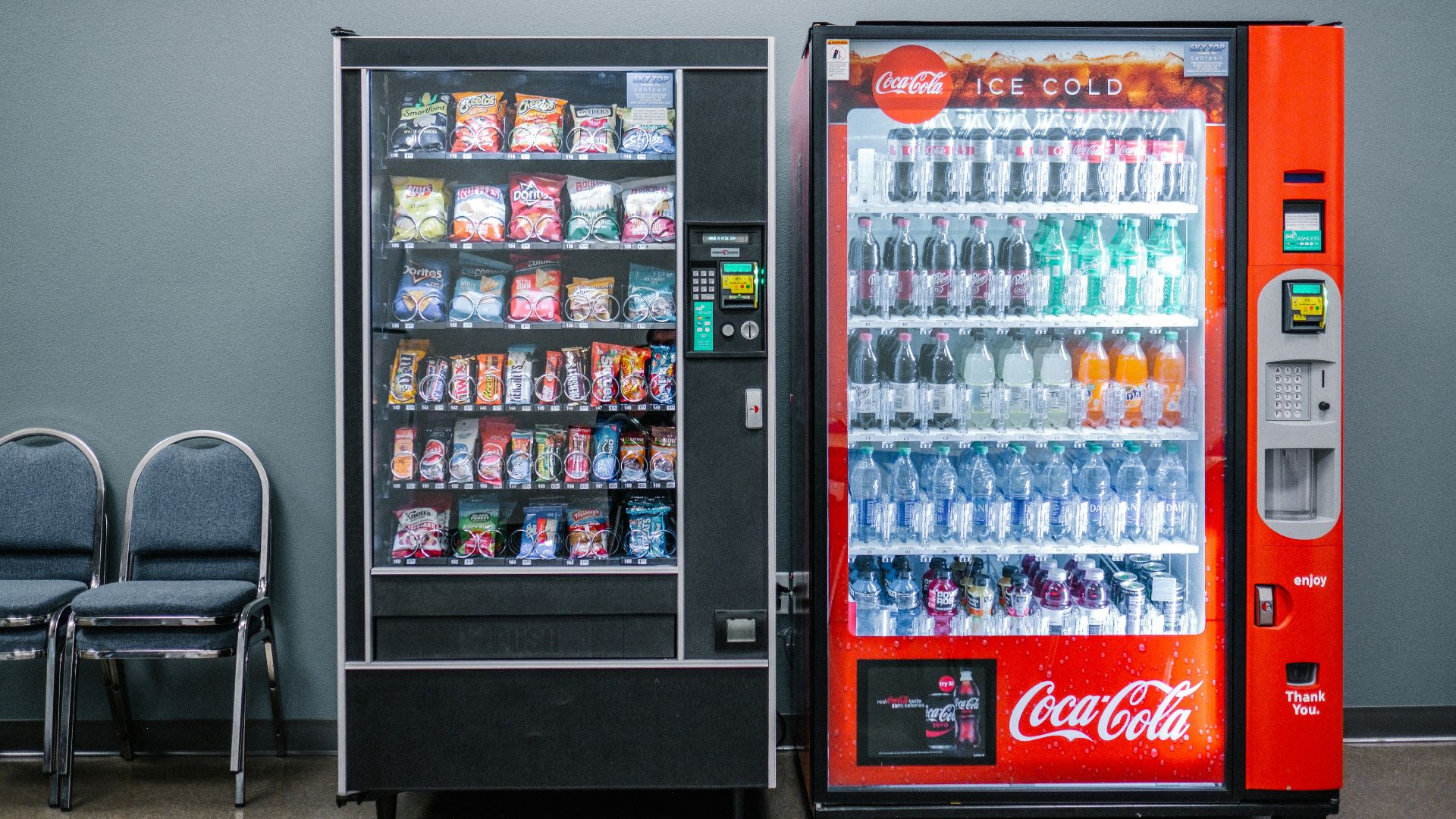
Not entirely! While the snacks themselves are gone, you still have valuable vending machines. Unlike candy bars, machines don’t expire. They’re reusable, resellable, and flexible assets. You still control the business infrastructure, and that gives you leverage. The sunk cost is limited to stock, not your entire investment portfolio.
 Victoriano Izquierdo, Unsplash
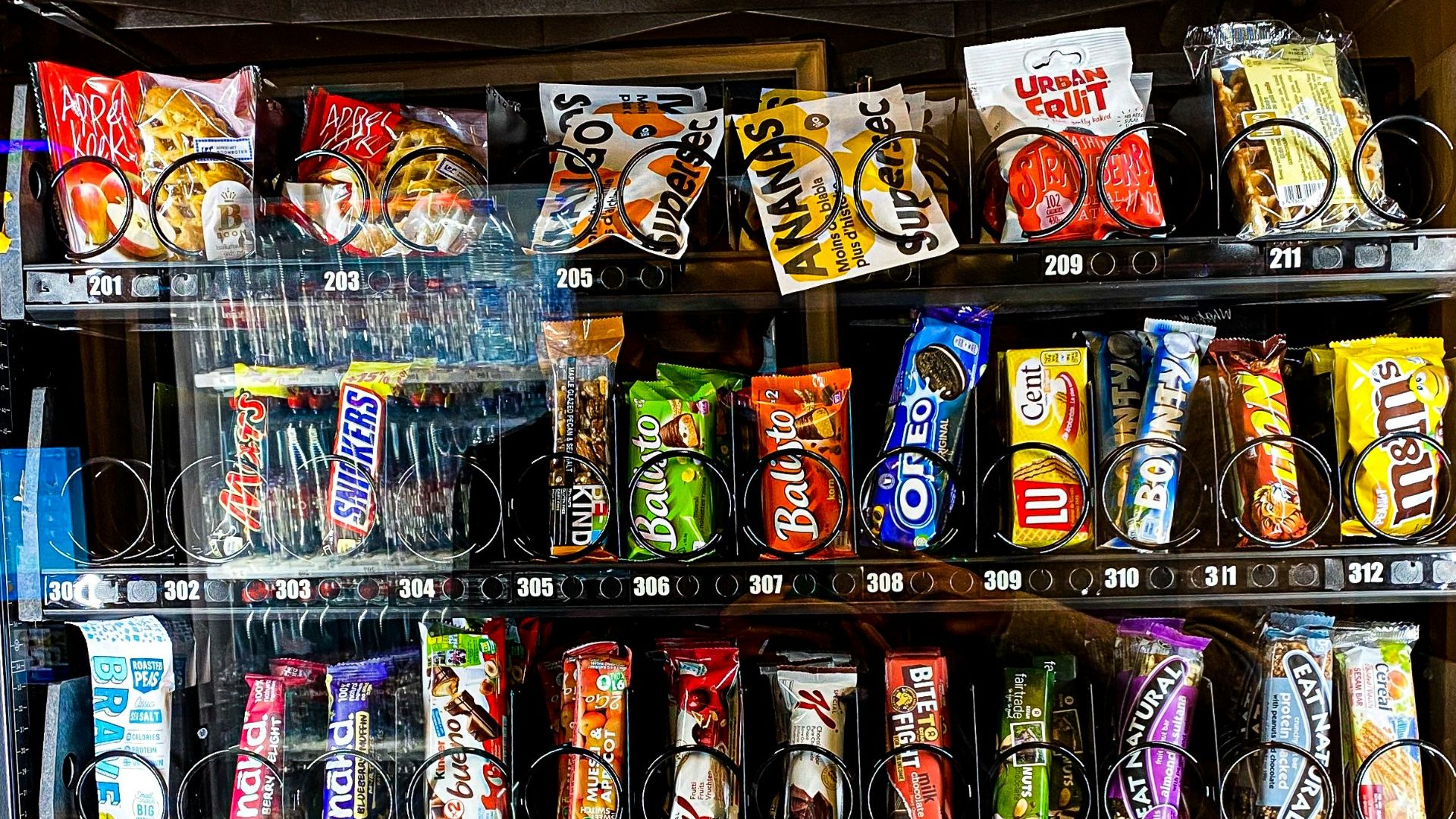
Step One: Clear Out The Expired Stock
Expired snacks don’t just hurt your wallet—they can hurt your reputation. Customers won’t trust machines filled with stale goods. Step one is clearing them out immediately. It may feel painful, but starting fresh is critical. Think of it as spring cleaning: removing what doesn’t work to make room for success.
Step Two: Sell The Machines (If You’re Done)
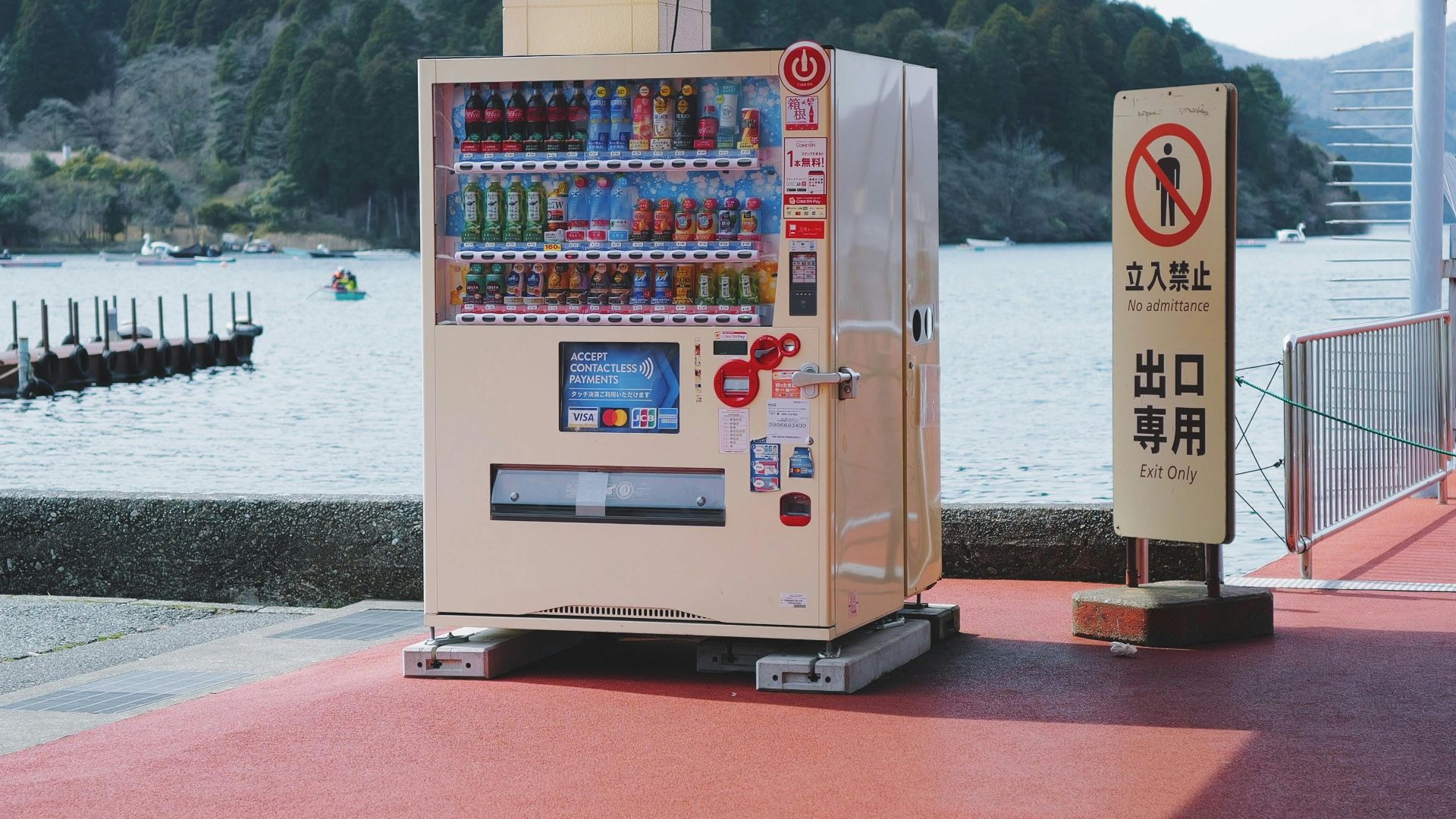
If the vending business doesn’t excite you anymore, consider selling the machines. They hold value independent of the snacks. Online marketplaces, local businesses, or vending distributors often buy used machines. While you won’t get back every dollar, you’ll recover a chunk and free yourself to pursue another entrepreneurial adventure.
Step Two Alternative: Restock Smarter
If you’d like to keep trying, then don’t give up—restock smarter. That means smaller orders, more popular products, and testing before scaling. It’s tempting to stock shelves like a supermarket, but vending requires precision. By monitoring demand and limiting risky items, you can avoid expiration losses and protect your cash flow.
Learn Your Customer Base
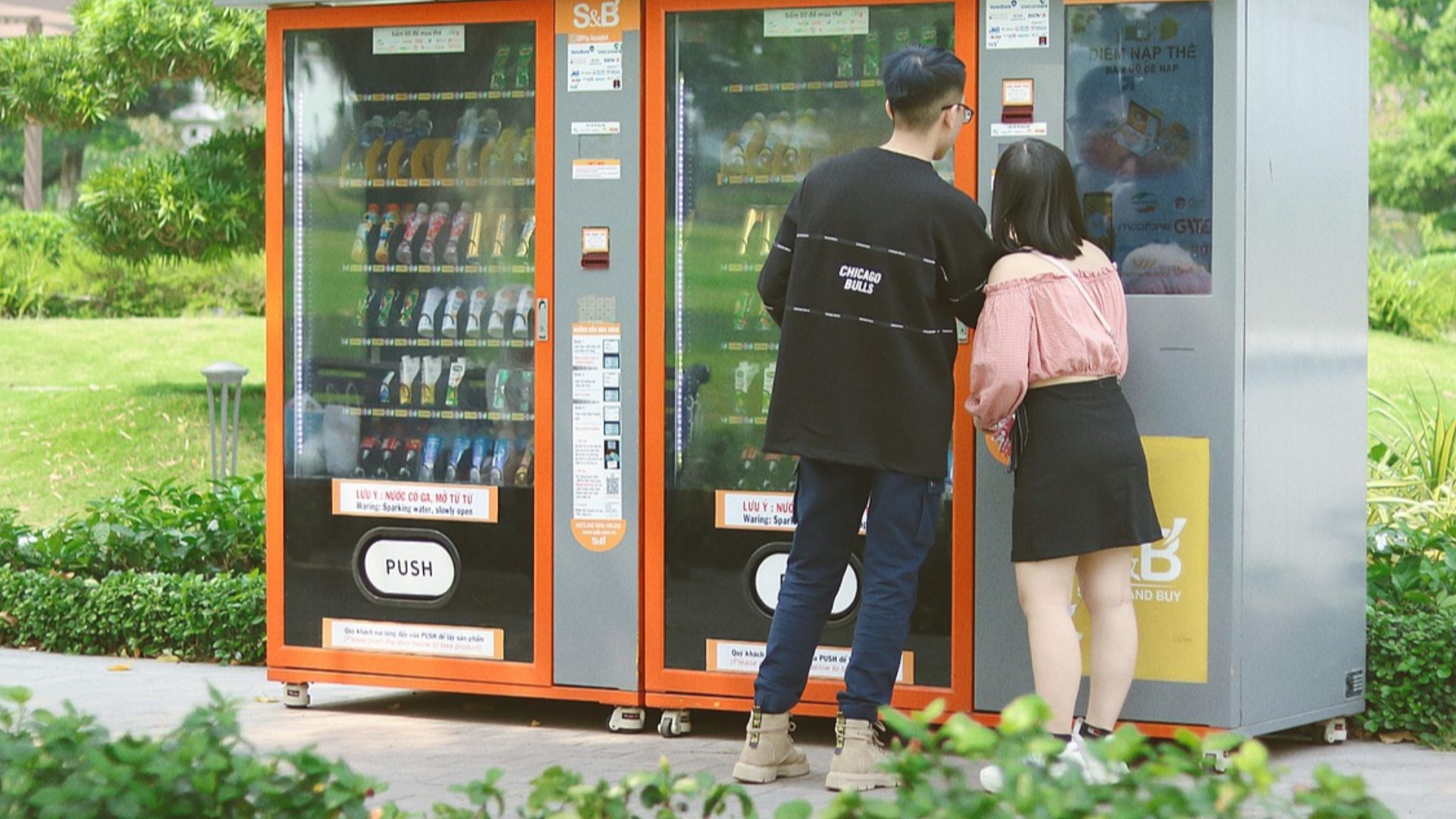
The difference between profit and loss often comes down to knowing your customers. Don’t assume what people want—watch closely. Do energy drinks fly while candy bars linger? Does bottled water outsell soda? Track trends weekly. Real data beats guesswork, and once you know what sells, you’ll stock with confidence.
 Photo By: Kaboompics.com, Pexels
Explore Non-Perishable Options
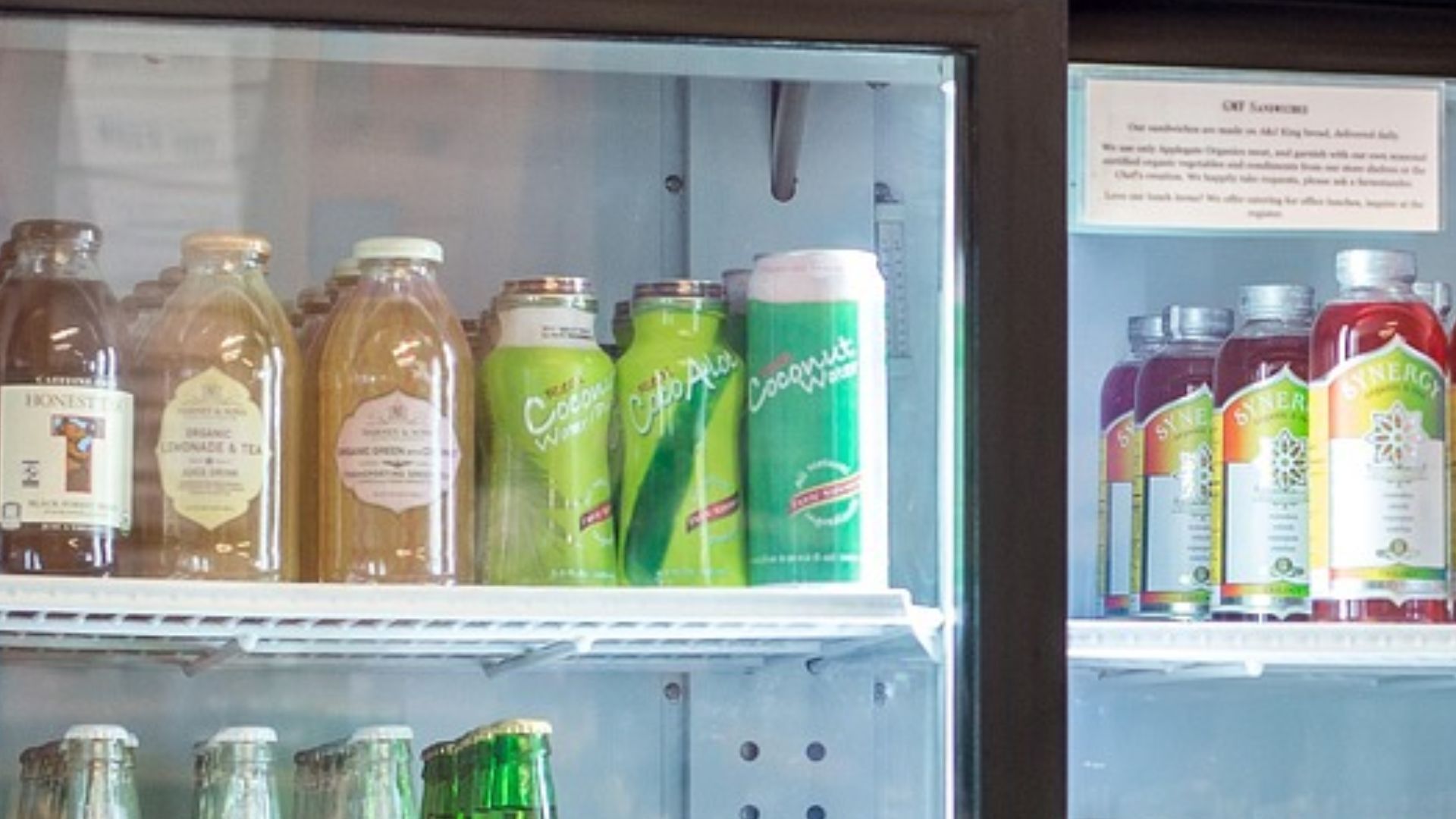
One simple fix? Stock more items with longer shelf lives. Think gum, bottled water, energy drinks, canned sodas, or even trail mix. These products don’t expire nearly as fast as pastries or chips. By reducing perishability, you extend profit windows and minimize waste. Shelf-stable goods give your business a safety cushion.
Negotiate With Suppliers
Here’s a little-known secret: you can negotiate with distributors. Many small vendors don’t realize bulk isn’t always mandatory. Ask for smaller case sizes, flexible payment terms, or return policies for unsold products. A few simple conversations with suppliers can shift risk off your shoulders and prevent big piles of wasted snacks.

Check Location Performance
Not all vending spots are created equal. A gym, bus station, or school may generate steady sales, while a quiet office corner may collect dust. Relocating underperforming machines could dramatically change results. Test placements, track revenue, and don’t be afraid to move machines until they land in high-traffic goldmine spots.

Diversify Payment Options
Cash-only vending machines lose sales in today’s digital-first world. Many people don’t even carry bills or coins anymore. By adding card readers, mobile payment options, or tap-to-pay technology, you’ll unlock more customers. More payment methods mean more sales—and that reduces the chance of snacks expiring while waiting to be purchased.
Think Outside The Snack
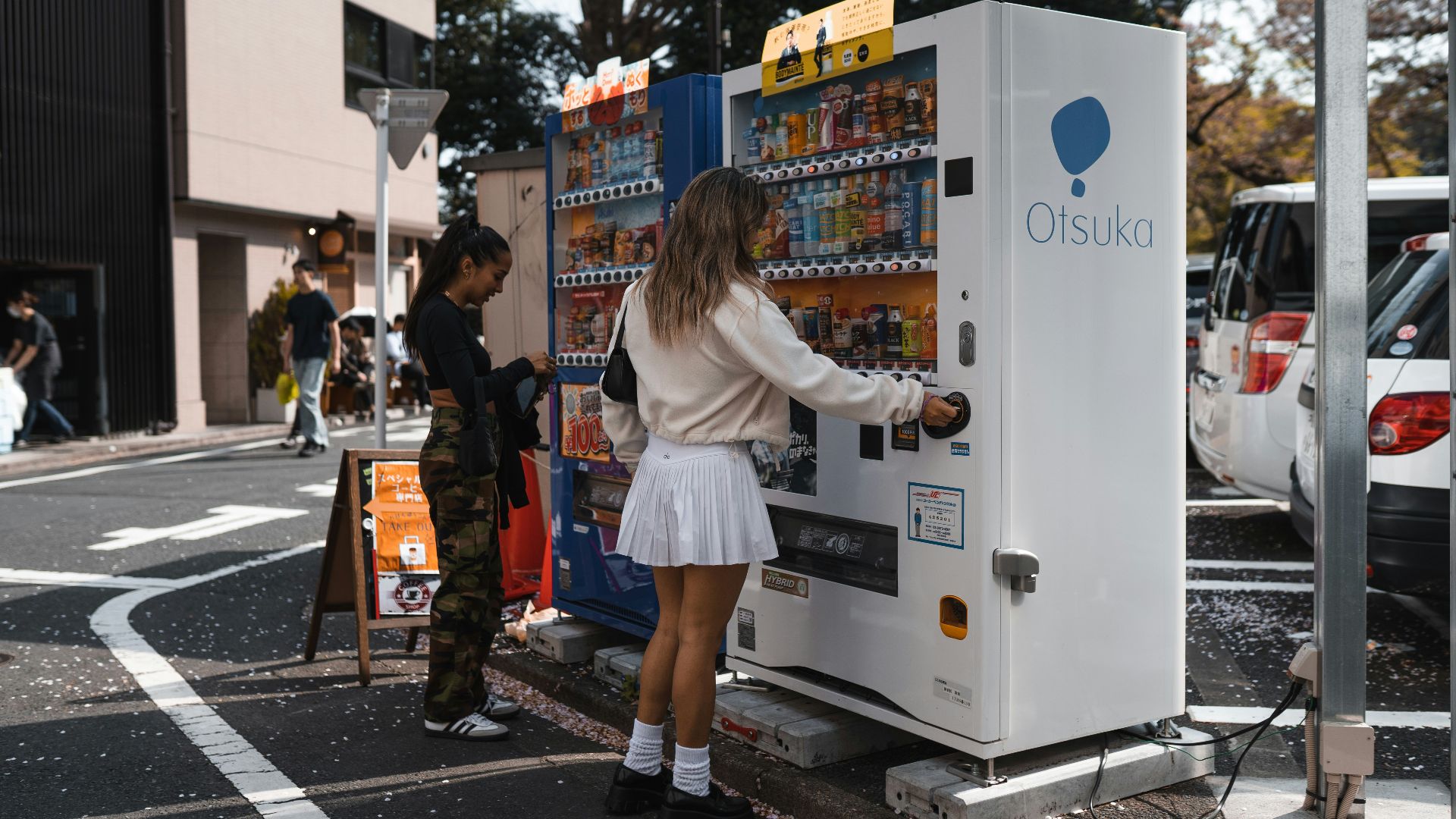
Snacks aren’t your only option. Some vending machine entrepreneurs pivot to non-food products like hygiene kits, phone chargers, or even small toys. These don’t expire and can offer great margins. By thinking creatively, you transform vending machines into multipurpose sales tools. Diversification is often the secret to long-term vending success.
Consider Donation For A Tax Break
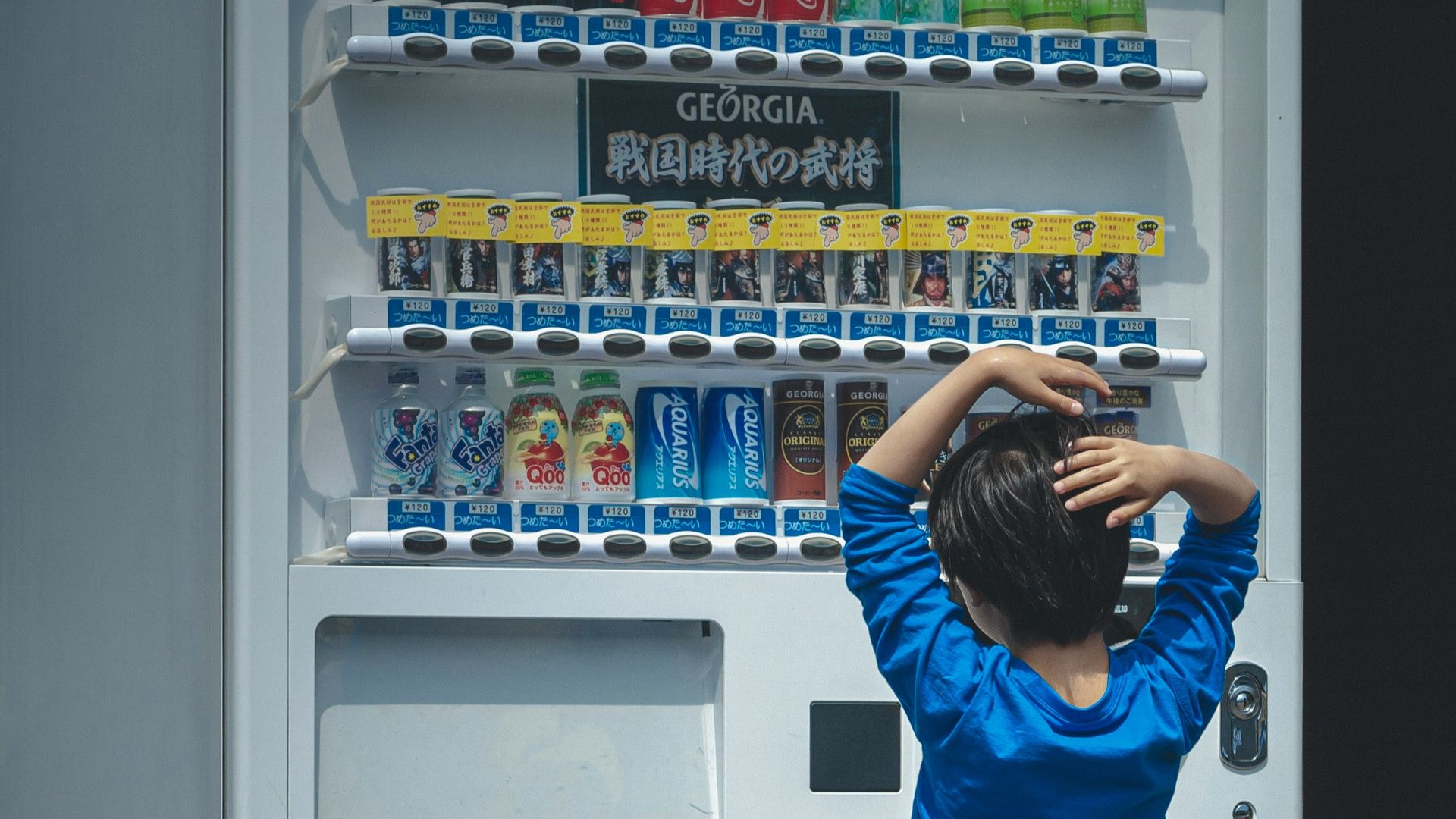
While expired snacks can’t be sold, food that’s nearing expiration might still be donated to local shelters or charities. This keeps waste out of landfills, helps your community, and may earn you a small tax deduction. It won’t recover every dollar, but it softens the blow while doing genuine good.

Record The Loss Properly
From an accounting perspective, this loss isn’t wasted effort. Record it accurately in your books as inventory loss. When tax time rolls around, these write-offs may reduce your taxable income. It doesn’t replace lost revenue, but it does soften the financial sting. Documenting losses is part of being a professional entrepreneur.

Lessons For Next Time
Every business misstep is also a classroom. The big takeaway here: stock smaller at first, learn demand, and expand only when you’re confident. Avoid overbuying perishable items until sales patterns are consistent. The vending industry rewards patience and experimentation more than guesswork. This time, your tuition fee was paid in snacks.

Building Resilience As An Entrepreneur
This isn’t just about vending—it’s about resilience. Every successful entrepreneur has a “failure story” involving wasted inventory, lost investments, or flopped ideas. The difference is that they kept going. Consider this a rite of passage. Your willingness to analyze and adapt will shape future businesses into stronger, smarter ventures.

Reframe The Experience
You didn’t just lose money—you gained valuable real-world training. You’ve learned about inventory management, supply chains, and customer behavior firsthand. That kind of knowledge is priceless in the long run. When reframed, this experience becomes less of a defeat and more of an investment into your growth as a business owner.

Where To Go From Here
Now the big decision: do you pivot, or do you move on? Both are valid choices. If vending still excites you, restock strategically and grow smarter. If not, sell the machines and invest your energy elsewhere. Either way, you’re moving forward, not backward, because progress means learning from every step.

Snacks Expire, But Hustle Doesn’t
Losing money always stings, but this is only one chapter in your entrepreneurial story. Snacks may expire, but your determination, creativity, and drive don’t. Whether you keep vending or chase something new, remember: business is a marathon filled with sprints, stumbles, and wins. Keep hustling—your best venture might be next.

You May Also Like:
Enron: The Anatomy Of A Fiasco
How To Pick Stocks, According To Warren Buffett
I maxed out all my credit cards on Black Friday. All returns were store credit. How can I survive?