
The Cash Advance Catastrophe
Let’s begin with a universal truth: you are far from the first person to detonate your financial stability over a heap of Beanie Babies. You also won’t be the last. Human history is packed with people who believed they were investing in the next big collectible wave, only to discover they had purchased a very cute, very expensive lesson. But the fact that you’re here, ready to address the chaos, already puts you ahead of most who’ve made similarly fuzzy mistakes.
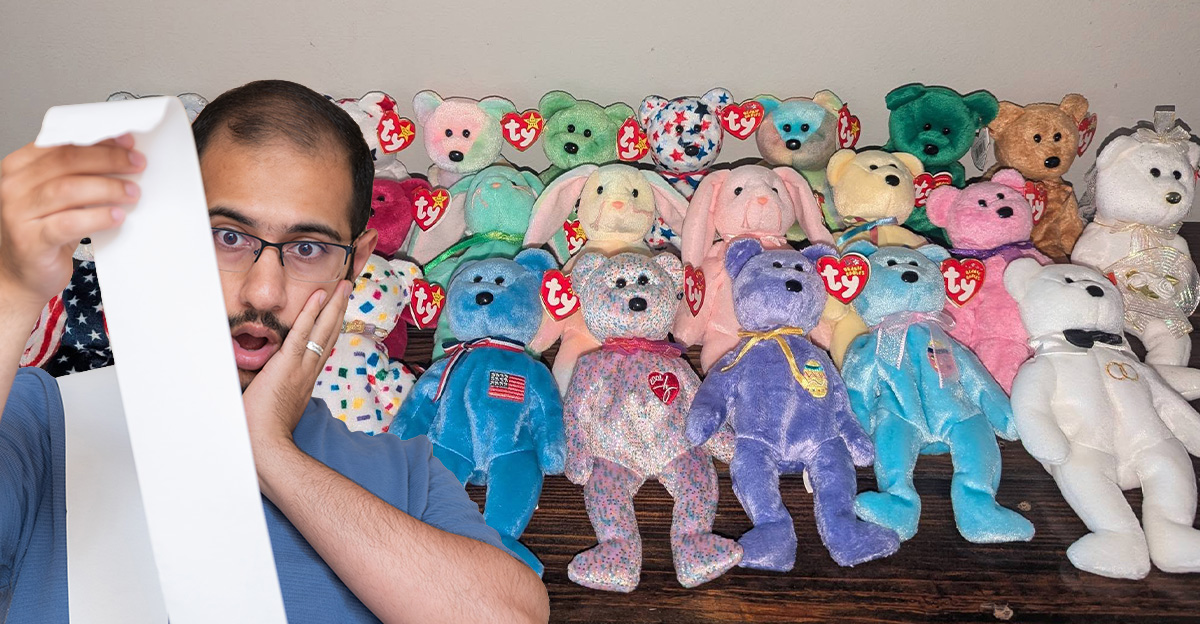
When Beanie Mania Meets High-Interest Debt
A cash advance is basically the financial equivalent of calling your ex at two in the morning—technically permitted, but rarely advisable. Combine that with an impulsive collectible purchase, and you’ve brewed a dangerous mixture of bad timing and bad math. You’re not broke because the universe hates you; you’re broke because high-interest loans and polyester-stuffed investments are a disastrous combination.

The Harsh Math Of Cash Advances
Cash advances usually come with steep fees—often around five percent upfront—paired with interest rates that can surpass thirty percent. The moment you borrowed the money, the interest started accumulating, with absolutely no grace period. Even if your Beanie Babies had increased slightly in value, your debt would’ve still grown faster. From the beginning, the numbers were stacked against you.

Collectibles Aren’t Investments (Usually)
You may have convinced yourself that the Beanie Babies were rare, valuable, or destined for a nostalgic resurgence. You might have recalled legendary tales of the Princess Diana bear selling for thousands during the collectible craze of the ’90s. Unfortunately, hype-driven markets tend to age poorly. Collectibles can appreciate, but predicting which ones will is closer to gambling than investing, and gamblers rarely retire early.
 daryl_mitchell from Saskatoon, Saskatchewan, Canada, Wikimedia Commons
You Didn’t Fail—The Market Did
Here’s the encouraging part: none of this makes you foolish. It makes you relatable. Humans are dreamers. We love the idea of turning small treasures into big windfalls. You saw potential and took a chance. That’s not a character flaw; it’s simply optimism colliding with unreliable market reality. Now you get to learn something far more valuable than the toys themselves: sustainable investments don’t depend on hype or nostalgia.

What Comes Next
Now you’re facing two primary challenges: the high-interest debt from the cash advance, and the mountain of plush animals staring at you like fuzzy little accountants demanding answers. Luckily, both issues have real solutions, even if they require a bit of honesty, strategy, and patience.

Stopping The Bleeding
Your first objective is preventing the situation from worsening. If you’re still using the same credit card, it’s time to step away. A cash advance isn’t just a one-time pain—it’s a financial wound that keeps reopening. Put the card somewhere out of reach. Freeze it in ice if that helps. The melodrama is optional; the barrier is effective.

Creating A Mini-Budget Reset
Before tackling the debt, spend a week examining your spending habits with brutal honesty. Notice where your money actually goes, instead of where you like to imagine it goes. Identify what’s essential and what’s simply a purchase made because the day was long and the snack aisle was tempting. A short, tough budget period will give you room to maneuver.

Making The Cash-Advance Debt the Priority
Since cash advances grow faster than a forgotten sandwich grows mold, this debt needs to be at the top of your repayment plan. Even modest extra payments help slow the runaway balance. Think of this debt as a wildfire—deal with it before addressing anything else.

Calling The Credit Card Company
Although it may feel uncomfortable, contacting your credit card issuer can genuinely help. Explain that you’re struggling and ask if they can reduce your interest rate, offer a hardship program, or waive specific fees. Sometimes they’ll say no, but often they’ll accommodate you simply because you asked. Companies can't solve problems they don’t know about.

Selling The Beanie Babies
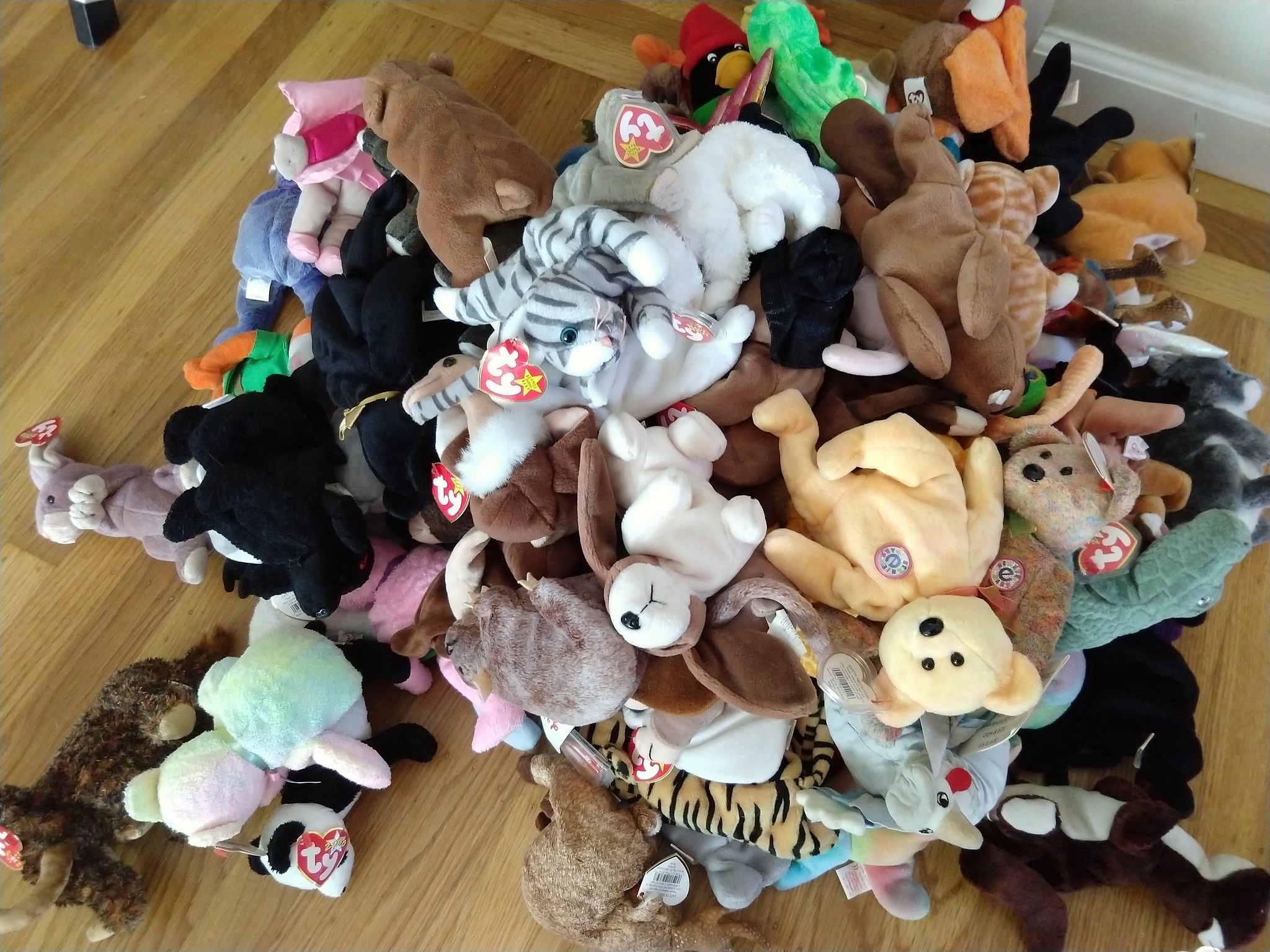
This is the moment you probably fear the most, but it's time to sell the Beanie Babies. Some of them still fetch decent prices, especially if they’re clean and well-maintained. You won’t fund a retirement account with the profits, but you can recoup something. Treat this like clearing old inventory rather than abandoning a collection. Your financial future matters more than your plush friends.
Accepting That You Won’t Break Even
Realistically, you will likely sell the Beanie Babies for less than you paid, and acknowledging this truth is essential. You bought into the dream at full price, and now you’re selling into reality at a discount. This is not failure; this is tuition. Every financially savvy person pays for a mistake or two along the way. Yours just happens to have little plastic eyes.

Creating A “Stupid Tax Fund”
Financial experts sometimes joke about the “stupid tax”—the price we pay for mistakes. You’ve just paid a large one. Going forward, set aside a small fund dedicated to cushioning future impulse decisions. It’s not pessimism; it’s preparation. Even a tiny safety valve helps prevent another plush-fueled emergency.

Building A Real Emergency Fund
After stabilizing your situation, start building a small emergency fund of five hundred to one thousand dollars. This money exists strictly to prevent future catastrophes like high-interest cash advances. Think of it as a safety net that keeps your future self from reenacting this saga.

Replacing Speculation With Real Investing
There are reliable ways to grow wealth that do not involve guessing whether a stuffed lobster will become valuable someday. Index funds, retirement accounts, and simple savings strategies may not feel thrilling, but they create steady growth. And after living through Beanie Baby speculation, “steady” will feel like a warm blanket.
 Photo By: Kaboompics.com, Pexels
Tracking Your Net Worth Monthly
Monitoring your net worth each month can be surprisingly motivating. Even when the numbers are small, the progress is visible. Watching your debt shrink and your savings grow turns the story from “I messed up” into “I’m improving.” Progress is powerful fuel.

Establishing One Personal Money Rule
To prevent future misadventures, create one financial rule you will honor no matter what. Maybe you’ll avoid purchases over a certain amount without a 24-hour pause. Maybe you’ll refuse to use borrowed money for nonessential items. Maybe you’ll ban late-night financial decisions entirely. One firm rule creates a dependable safeguard.

Forgiving Yourself
This moment matters: forgive yourself. You made a mistake—an extremely huggable, extremely expensive mistake—but mistakes are part of being human. Shame doesn’t create better financial habits. Compassion does. Once you forgive yourself, everything else becomes easier.

Looking for Small Wins Every Week
As you repay your debt, celebrate each small victory. A day without unnecessary spending counts. A slight dip in your balance counts. Even posting a single Beanie Baby for sale is a meaningful step forward. Small wins create momentum, and momentum leads to stability.
 Roman Samborskyi, Shutterstock
Learning The Signs Of Financial FOMO
Every speculative frenzy follows the same psychological script: urgency, hype, scarcity, and supposed guaranteed riches. Now that you’ve lived through one such frenzy, you’ll recognize these signs instantly. And hopefully next time, you’ll turn around and walk the other way.

Talking About It
While you don’t need to broadcast your Beanie Baby escapade to the entire world, discussing it with a trusted friend can lighten the emotional weight. Sharing your experience can help dissolve shame and might even spare someone else from making a similar plush-based mistake.

Rebuilding Your Relationship With Money
This is your chance to rebuild your financial relationship on healthier terms. Approach money with curiosity and patience instead of fear. The more you understand—whether about budgeting, investing, or your own habits—the more empowered you become.

Making A Realistic Debt Payoff Plan
Choose a debt repayment strategy that fits your personality and your needs. Whether you tackle the highest-interest debt first or prefer clearing smaller balances for motivation, consistency is what really matters. A plan transforms chaos into direction.

Celebrating When the Cash Advance Hits Zero
When you finally eliminate the cash-advance balance, give yourself permission to celebrate. Keep it simple—a cupcake, a fancy coffee, or a relaxing afternoon you actually planned for. Just avoid celebrating with another credit card charge.

Keeping One Beanie Baby As A Reminder
Allow yourself to keep a single Beanie Baby. Let it sit on your shelf like a tiny, plush guardian of your future financial decisions. Every time you see it, remember not just the mistake, but the lesson and the progress that followed.

The Final Takeaway
You’re not broke because you bought Beanie Babies. You’re broke because cash advances grow like weeds, speculative purchases rarely pay off, and financial safety nets matter more than we realize. But you’re also not doomed. You’re learning, adapting, and gaining wisdom. Smart people don’t avoid mistakes—they learn from them, laugh about them, and come out stronger.

You May Also Like:
Retro Magazines That Are Now Collector's Items
The Most Common Mistakes That People Make When Starting An Online Business