One Year, Two Very Different Bank Accounts
Every year had an investment people bragged about—and another they wished they had never touched. Sometimes the winner doubled, or even tripled. Sometimes the loser destroyed more than half its value.
And sometimes the real pain was watching your “sensible” investment barely move while somebody else’s hamburger stock started printing money.

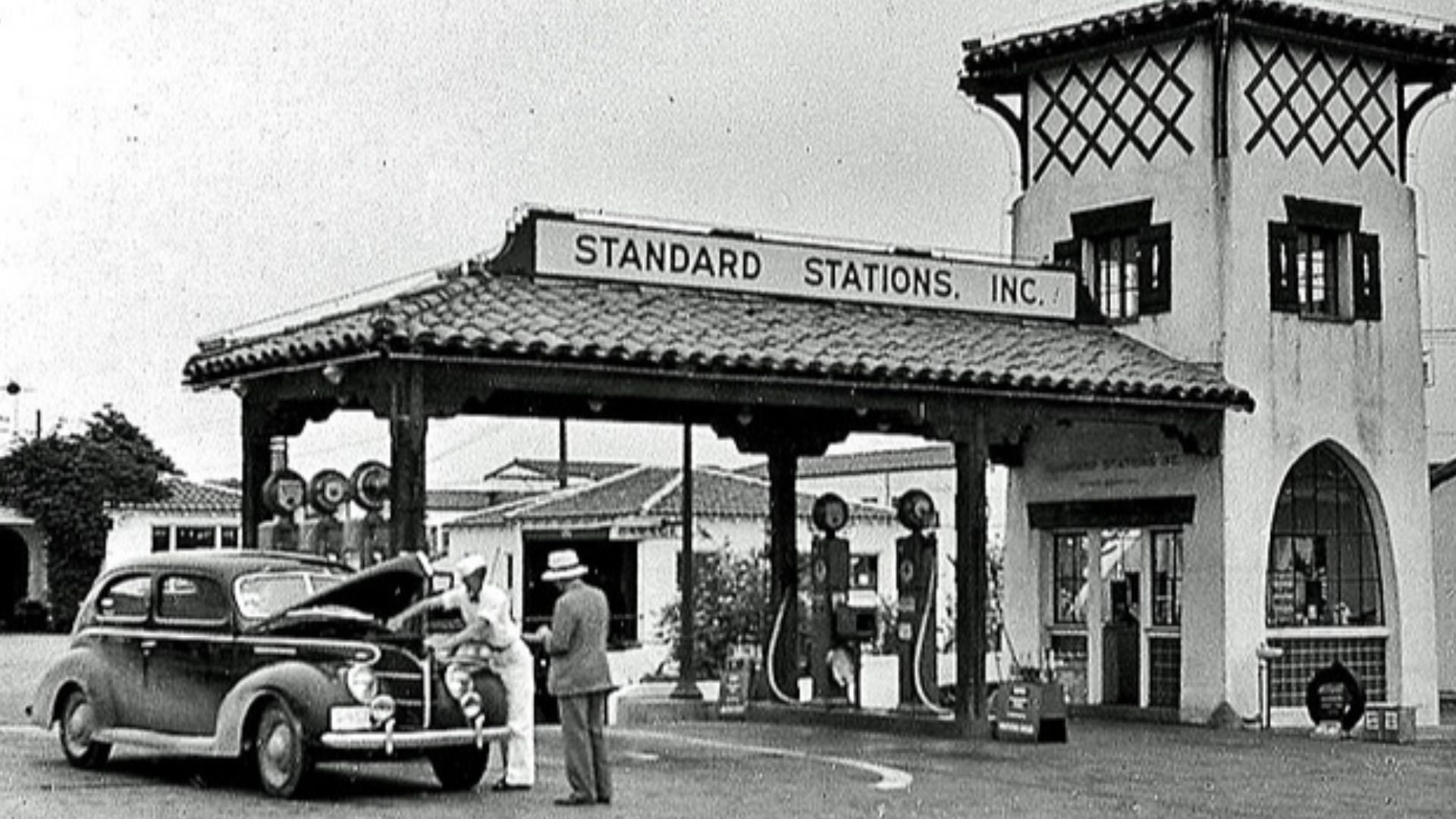
1962: Standard Oil Gushed, HP Got Crushed
Standard Oil of California—the company now known as Chevron—gained roughly 21% while much of the market struggled. HP went in the opposite direction, falling nearly 35%. Computers may have looked like the future, but in 1962, good old-fashioned oil was much kinder to investors.
 unknown photograph of building, Wikimedia Commons
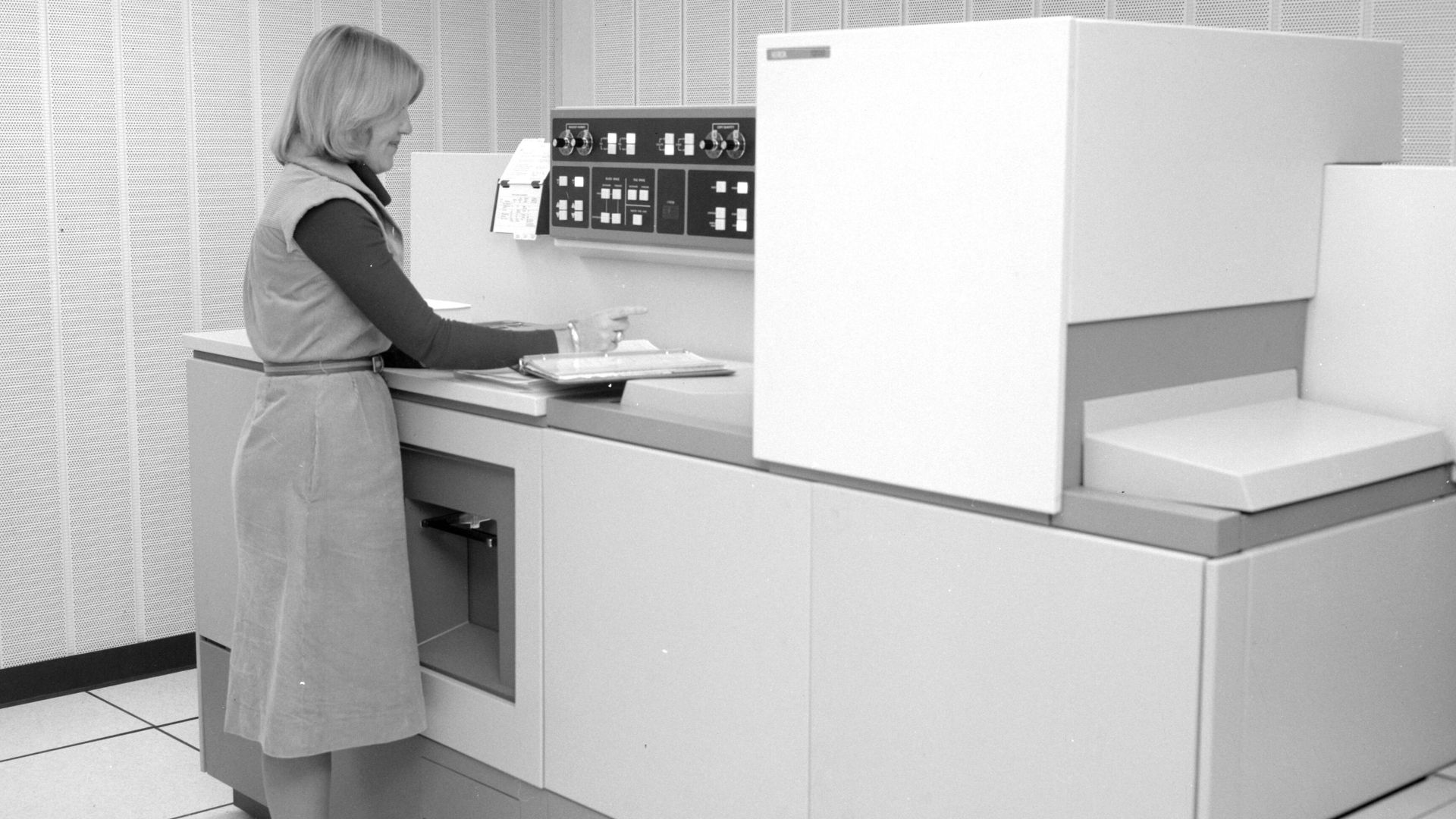
1963: Xerox Printed Money, HP Jammed Again
Xerox stock soared roughly 170%, as investors piled into the company behind the office copier revolution. HP fell another 21%. One company was multiplying documents at an astonishing rate. The other was making a noticeable chunk of its investors’ money disappear.
 U.S. Army Natick Soldier Systems Center, Wikimedia Commons
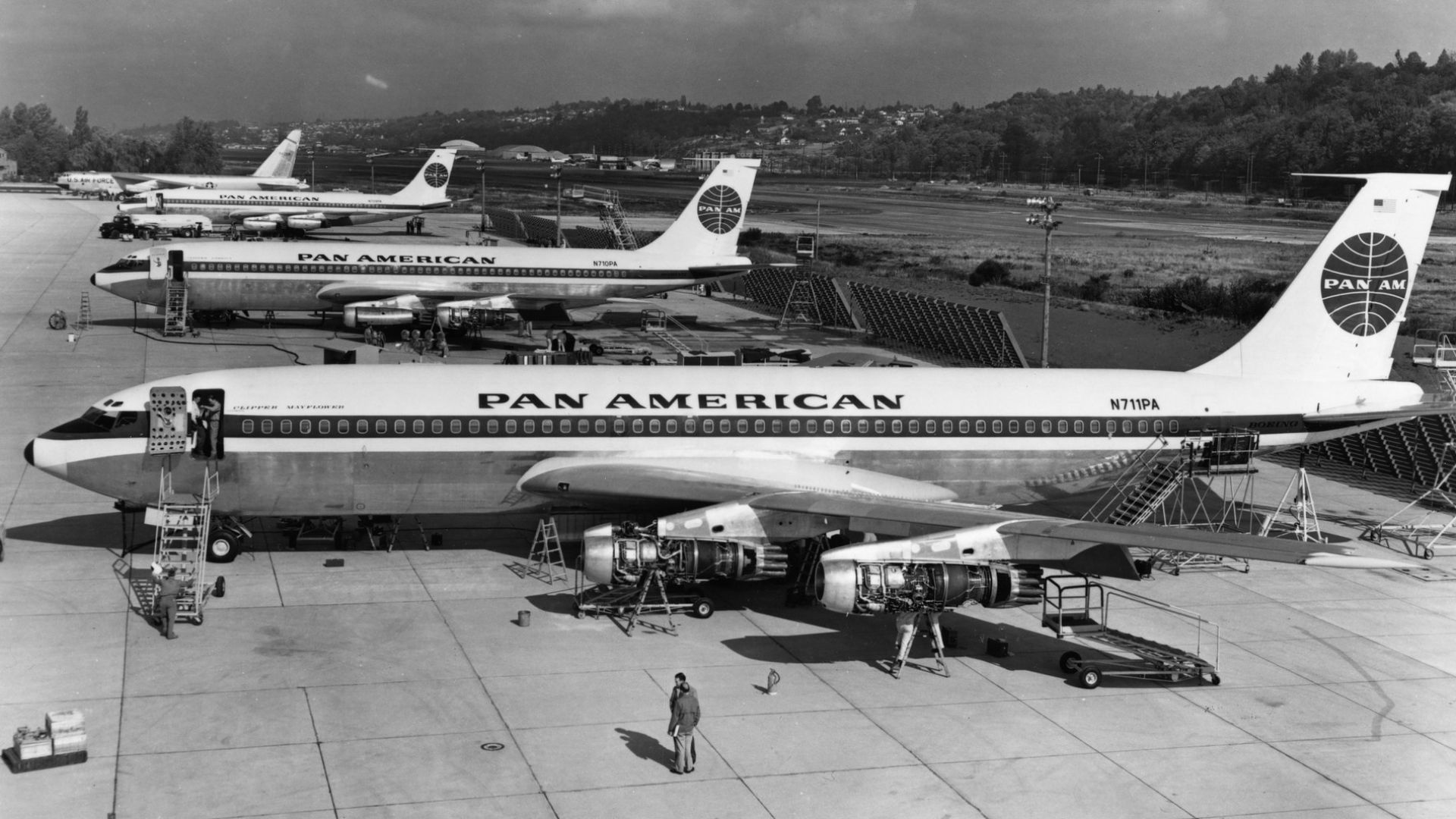
1964: Boeing Took Off, Alcoa Sank
Boeing shares jumped roughly 91%, almost doubling in a single year. Alcoa fell approximately 11%. Investors could own the company building the jetliners or the company supplying aluminum to industrial America. That year, only one of those investments was preparing to fly.
 Unknown authorUnknown author, Wikimedia Commons
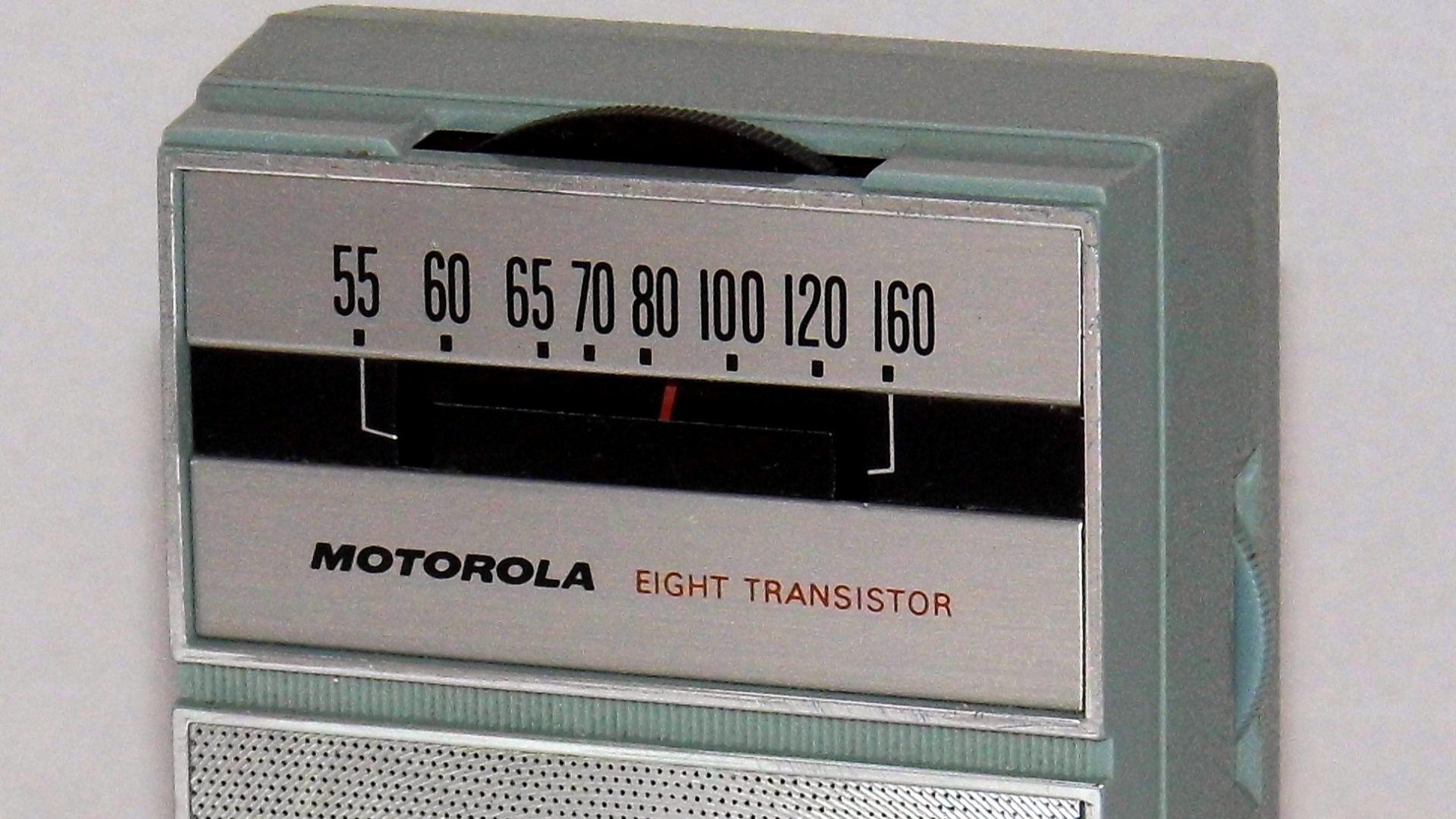
1965: Motorola Exploded, P&G Got Washed Out
Motorola stock climbed roughly 158%, turning the growing electronics company into one of the decade’s most spectacular investments. Procter & Gamble fell about 15%. Soap, toothpaste, and household staples remained useful. They just were not producing Motorola money.
 Joe Haupt from USA, Wikimedia Commons
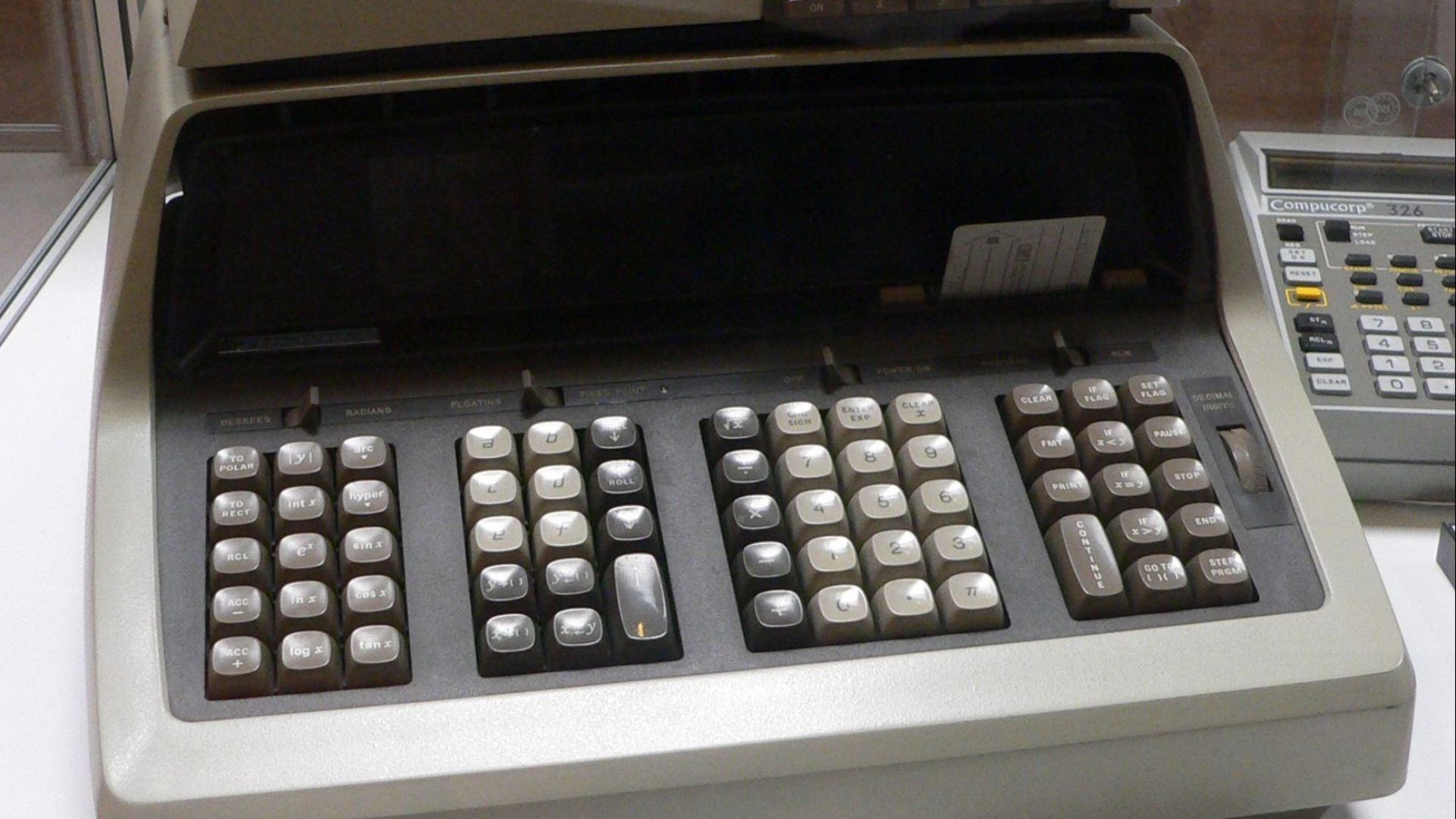
1966: HP Recovered, Motorola Fell Apart
HP shares gained roughly 34%, finally rewarding investors who had survived the company’s earlier declines. Motorola plunged approximately 43%. The stock that exploded in 1965 spent 1966 demonstrating just how quickly a financial victory lap could become an extremely awkward walk home.
 Rama & Musee Bolo, Wikimedia Commons
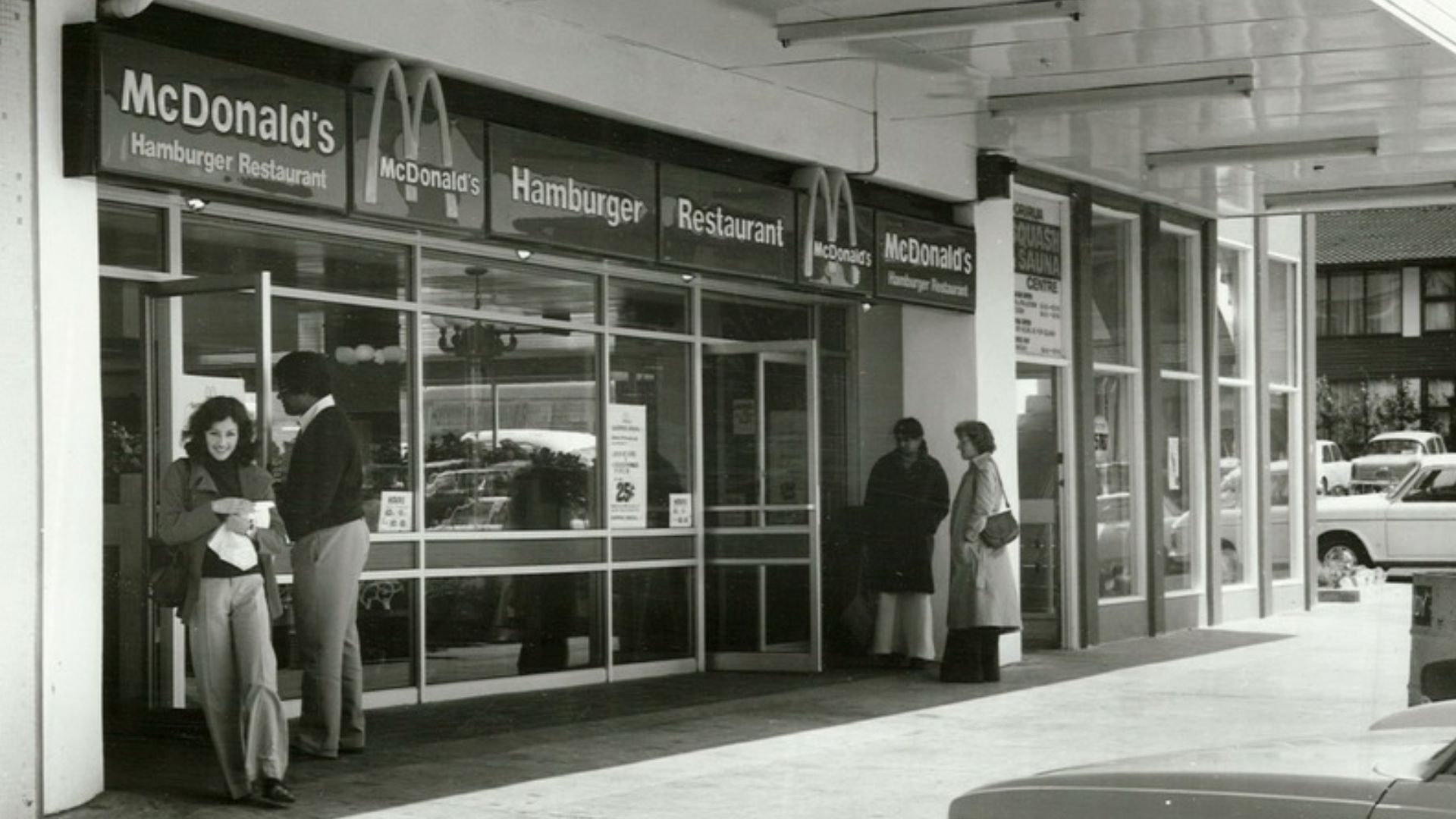
1967: McDonald’s Made a McFortune, Detroit Edison Lost Power
McDonald’s stock rocketed roughly 192%, as investors realized those golden arches might eventually appear almost everywhere. Detroit Edison—now part of DTE Energy—fell approximately 21%. One company sold electricity. The other sold hamburgers. Somehow, hamburgers won by more than 200 percentage points.
 Archives New Zealand from New Zealand, Wikimedia Commons
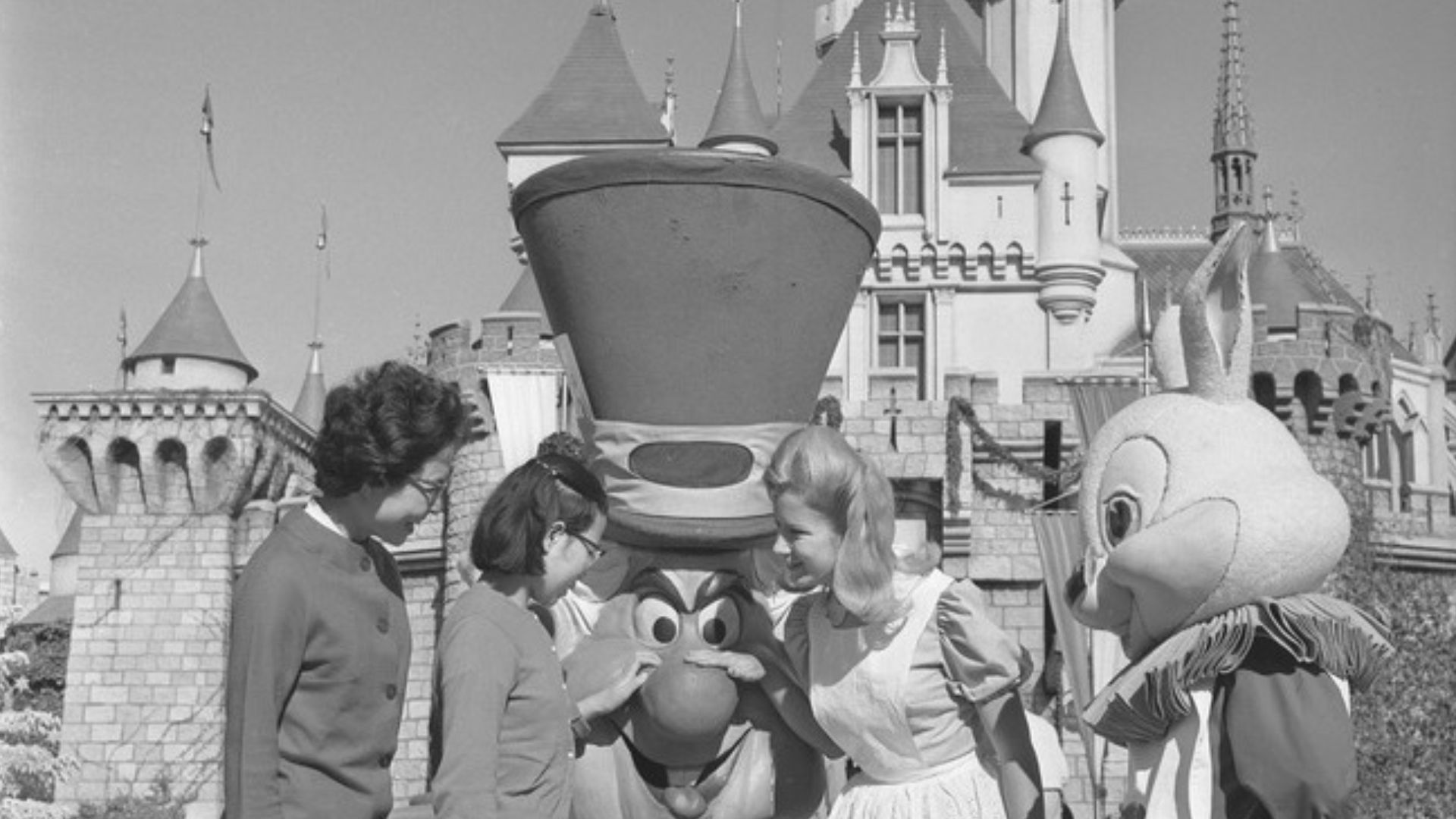
1968: Disney Made Magic, Boeing Fell Out of the Sky
Disney shares gained roughly 55%, continuing an extraordinary decade for the company. Boeing dropped approximately 37%. It was a dramatic reversal from its spectacular 1964 performance—and a reminder that even the decade’s hottest investments could suddenly turn painfully cold.
 UCLA Library Special Collections, Wikimedia Commons
1969: Johnson & Johnson Delivered, General Dynamics Crashed
Johnson & Johnson shares gained roughly 69%, an enormous return during a difficult year for many other companies. General Dynamics plunged approximately 40%. Bandages and baby products were building fortunes. Military aircraft and submarines were sinking brokerage accounts.
 ajay_suresh, Wikimedia Commons
1970: Kroger Filled the Cart, Boeing Lost Altitude
Kroger shares climbed roughly 38%, giving grocery-store investors an excellent return during a turbulent year. Boeing fell approximately 48%. Apparently, filling supermarket carts was a much better business for shareholders than filling the skies with jetliners.
 Harrison Keely, Wikimedia Commons
1971: McDonald’s Served Up a Fortune, Kroger Went Stale
McDonald’s stock soared roughly 147%, turning hamburgers, fries, and restaurant real estate into one of Wall Street’s most delicious investments. Kroger fell approximately 10%. Both companies sold food to Americans. Only one was serving its investors a financial feast.
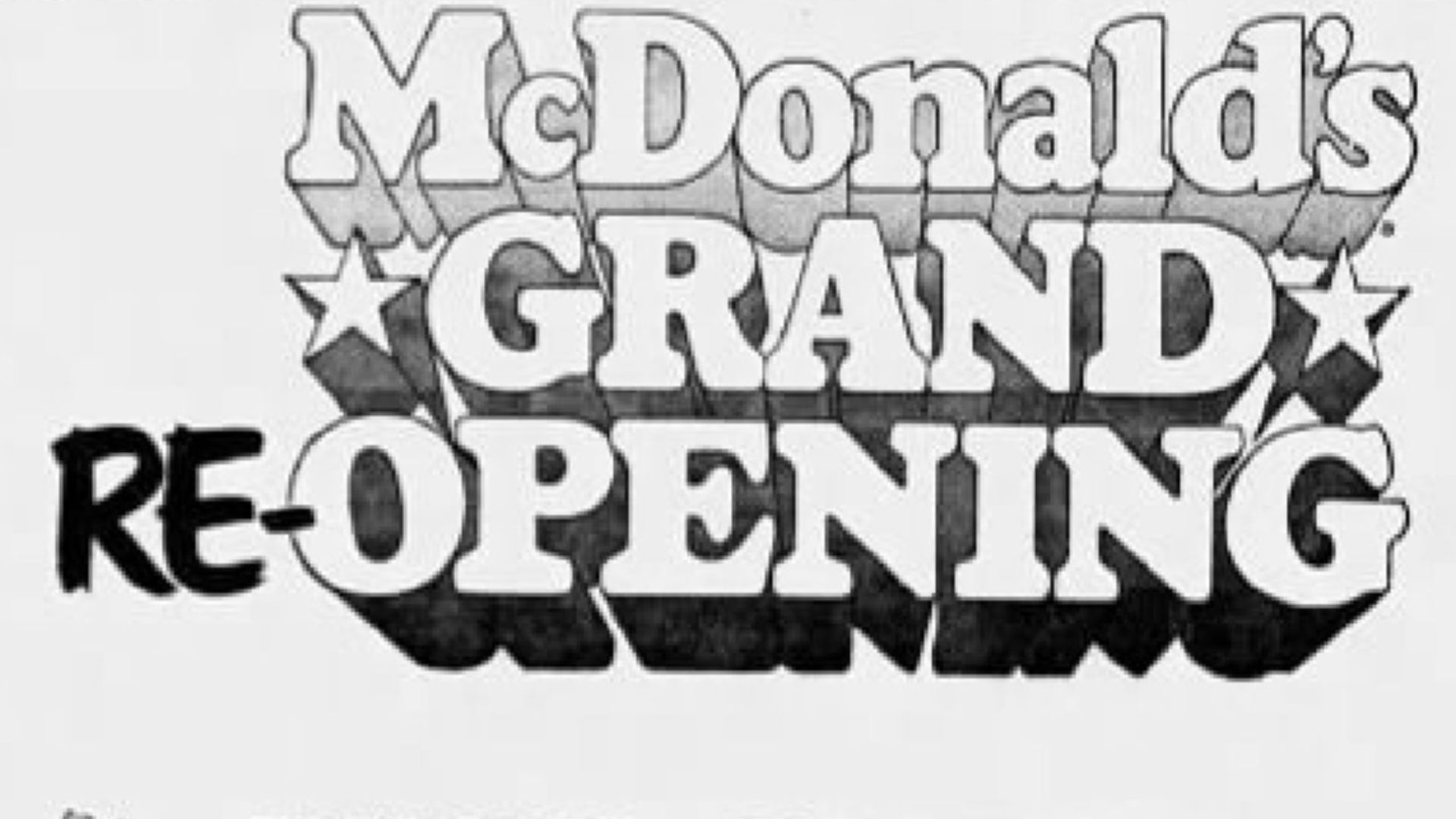 Self Scanned, Wikimedia Commons
1972: McDonald’s Doubled Again, Kroger Fell Again
McDonald’s gained roughly 101%, meaning the stock more than doubled after already exploding the previous year. Kroger dropped approximately 28%. Apparently, selling groceries was not nearly as lucrative as putting those groceries between two buns and adding fries.
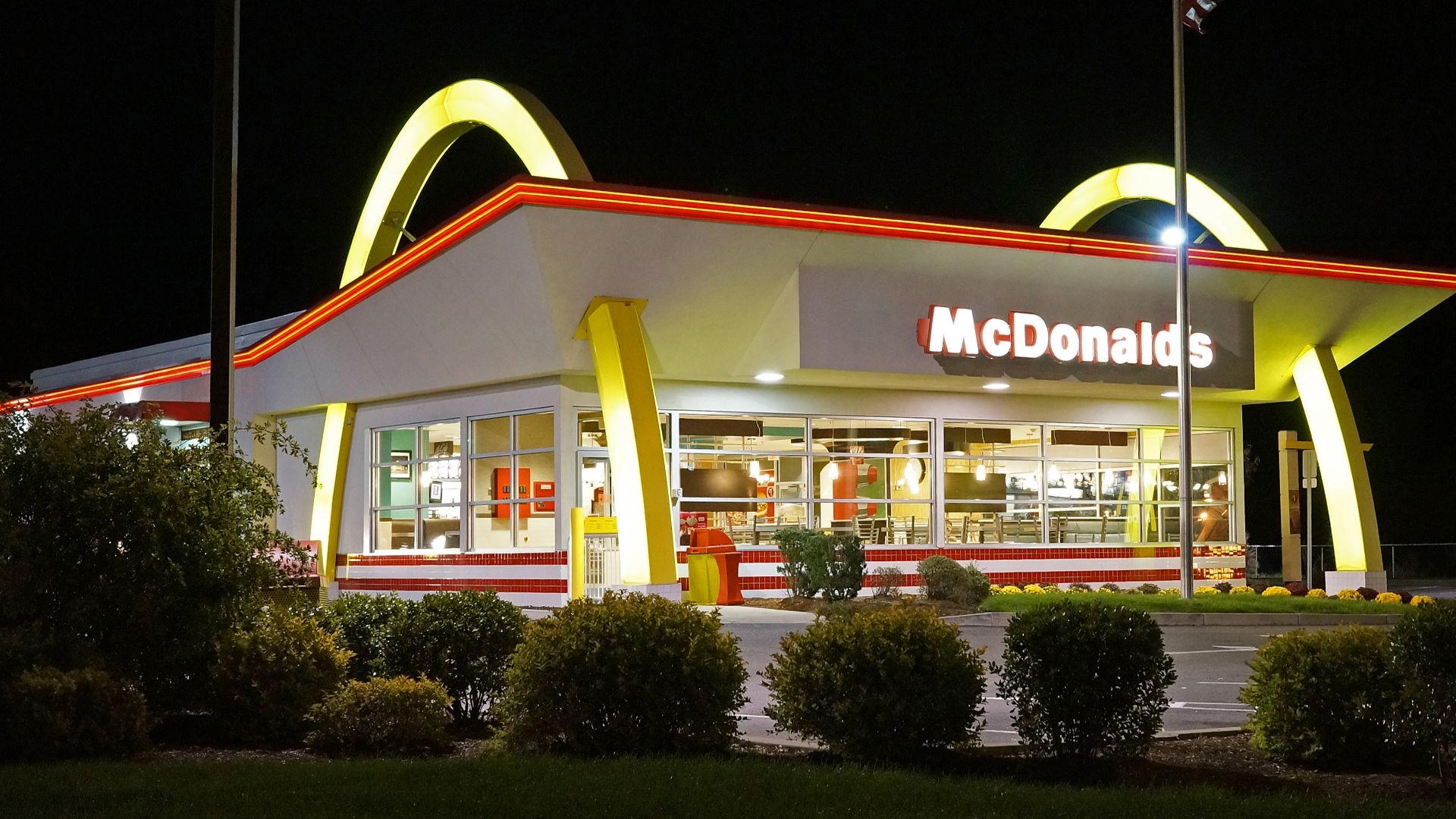 Anthony92931, Wikimedia Commons
1973: Agnico Eagle Struck Gold, Walmart Got Demolished
Agnico Eagle Mines climbed roughly 81%, giving gold-mining investors something to celebrate during an otherwise brutal market year. Walmart collapsed approximately 61%. Today that sounds almost impossible. In 1973, buying the future king of American retail could remove well over half your money in just 12 months.
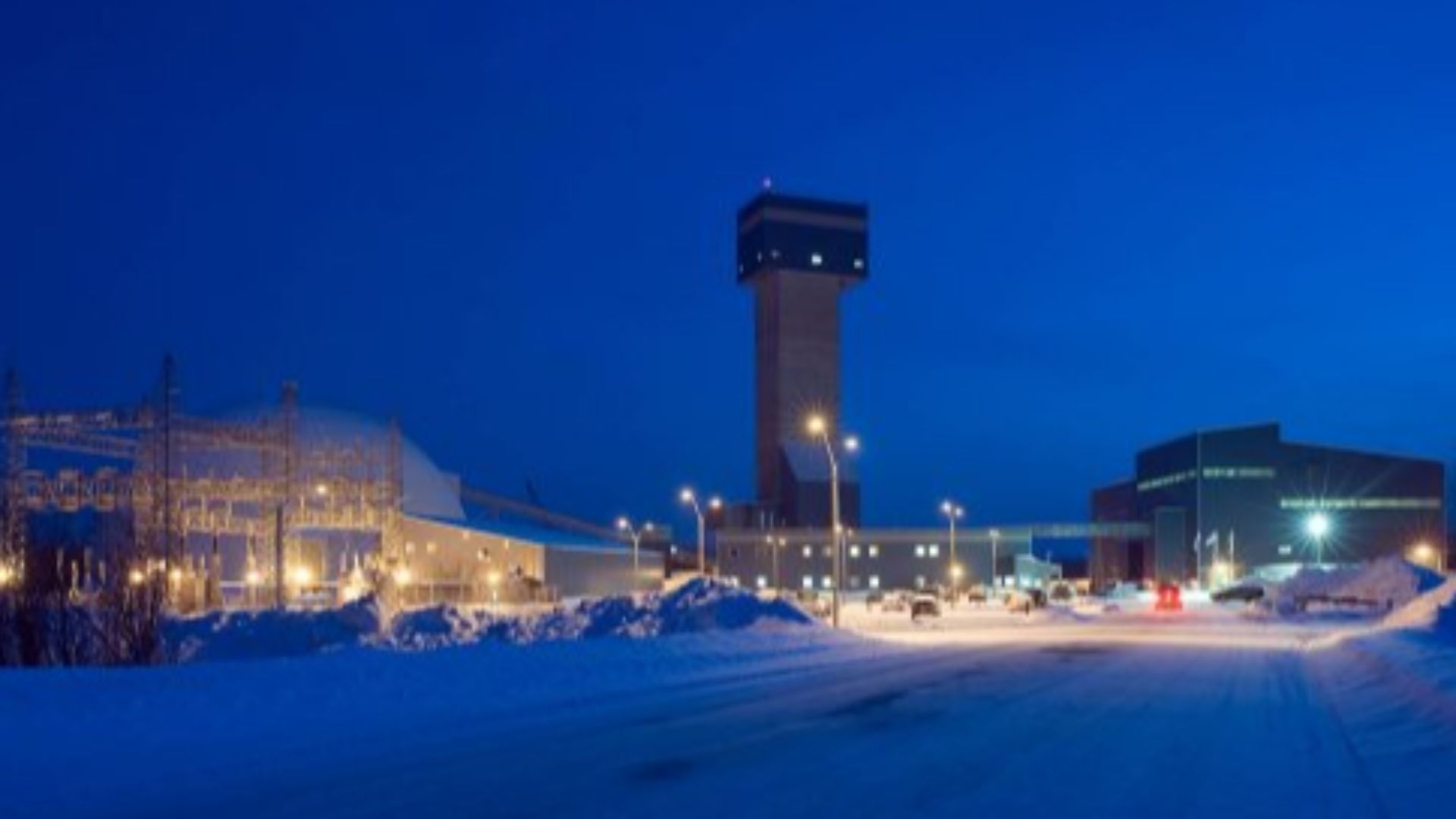 Agnico-Eagle, Wikimedia Commons
1974: Boeing Flew, Consolidated Edison Went Dark
Boeing shares gained roughly 33%, delivering a rare bright spot during another punishing year. Consolidated Edison fell approximately 57%. The company kept New York’s lights on, but it certainly was not doing much to brighten its shareholders’ account statements.
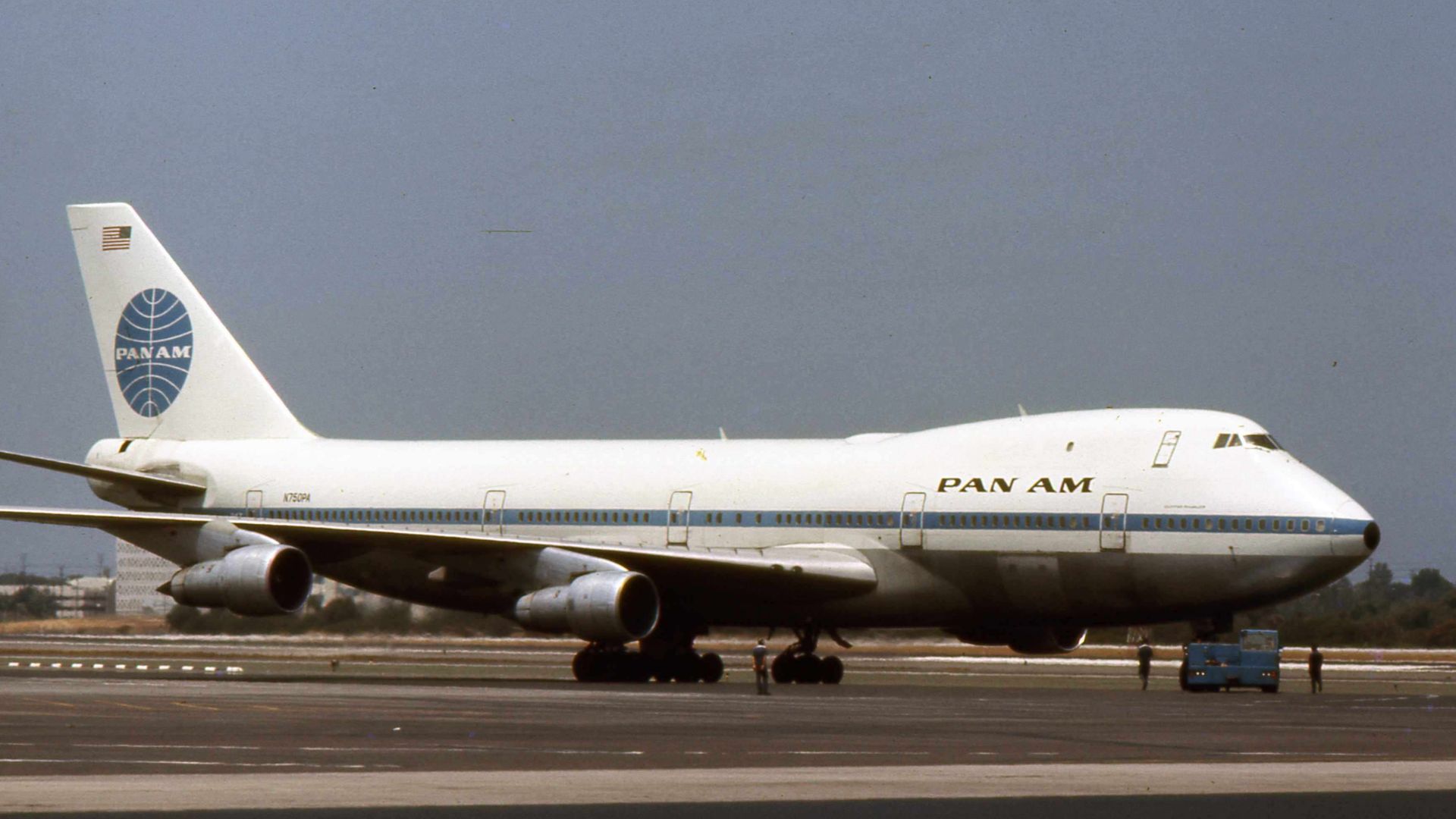 Piergiuliano Chesi, Wikimedia Commons
1975: Target’s Predecessor Tripled, Pentair Sank
Dayton-Hudson—the company later renamed Target Corporation—soared roughly 262%, more than tripling in a single year. Pentair fell approximately 28%. One retailer was producing the kind of return that changes lives. Pentair investors were changing the subject whenever somebody mentioned the stock market.
1976: Pentair Flooded Investors With Money, Coors Went Flat
Pentair bounced back by surging roughly 147%, proving that the previous year’s loser could become the next year’s fortune-maker. Adolph Coors—the predecessor of today’s Molson Coors—fell approximately 20%. One investment had money pouring in. The other had shareholders reaching for a drink.
 Stephen McKay, Wikimedia Commons
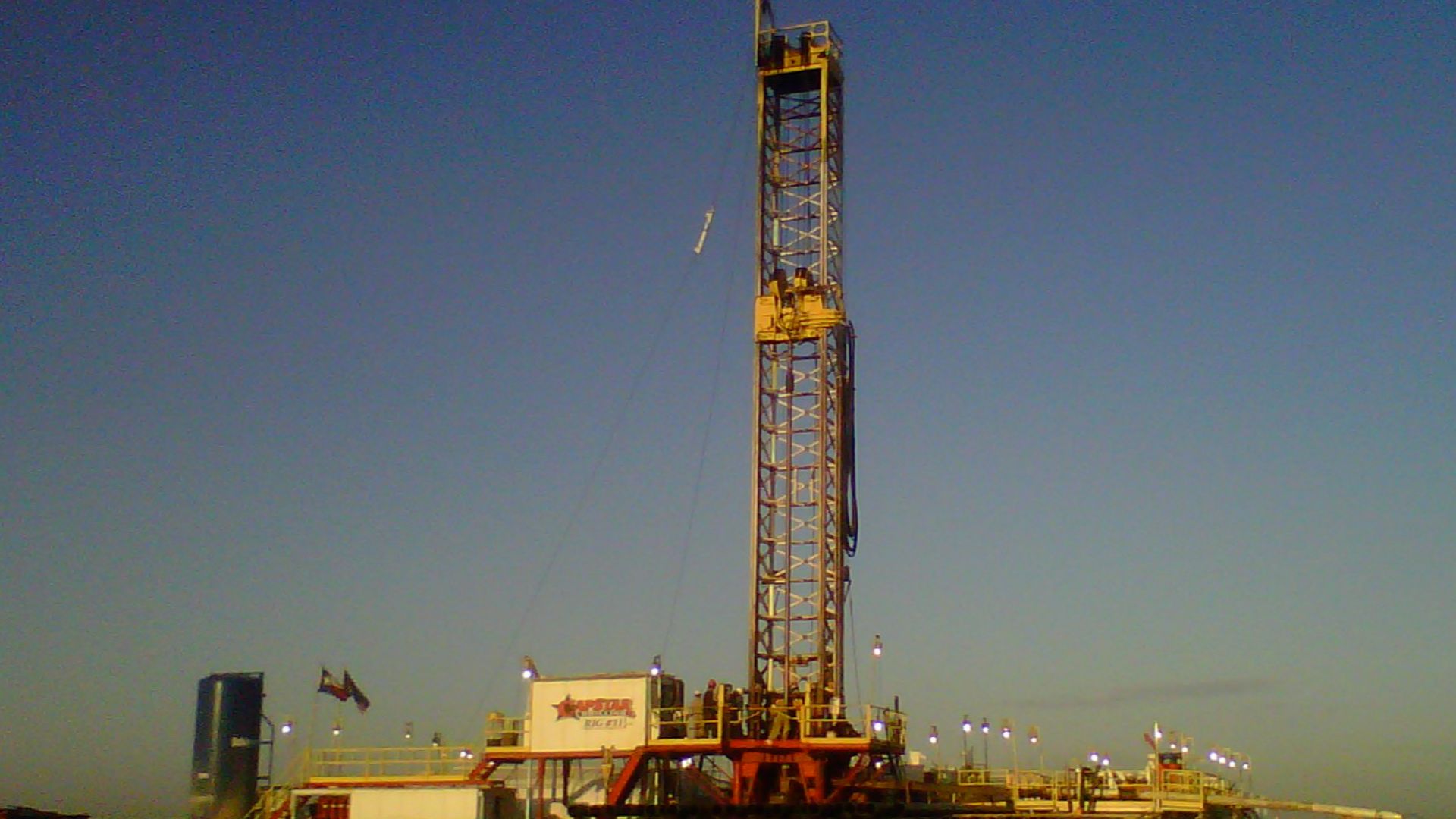
1977: Nabors Struck Oil, Motorola Disconnected
Nabors Industries gained roughly 211%, more than tripling in a single year. Motorola fell approximately 33%. Investors betting on oil-field equipment were suddenly swimming in money, while those betting on communications technology spent the year wishing somebody would call and explain where one-third of it went.
 Allan D. Hasty, Wikimedia Commons
1978: Boeing Nearly Tripled, Honeywell Got Burned
Boeing stock skyrocketed roughly 157%. Anyone brave enough to buy during the company’s earlier collapses was now being rewarded rather enthusiastically. Honeywell fell approximately 32%, proving that having a hand in several growing industries did not guarantee that investors would make money from any of them.
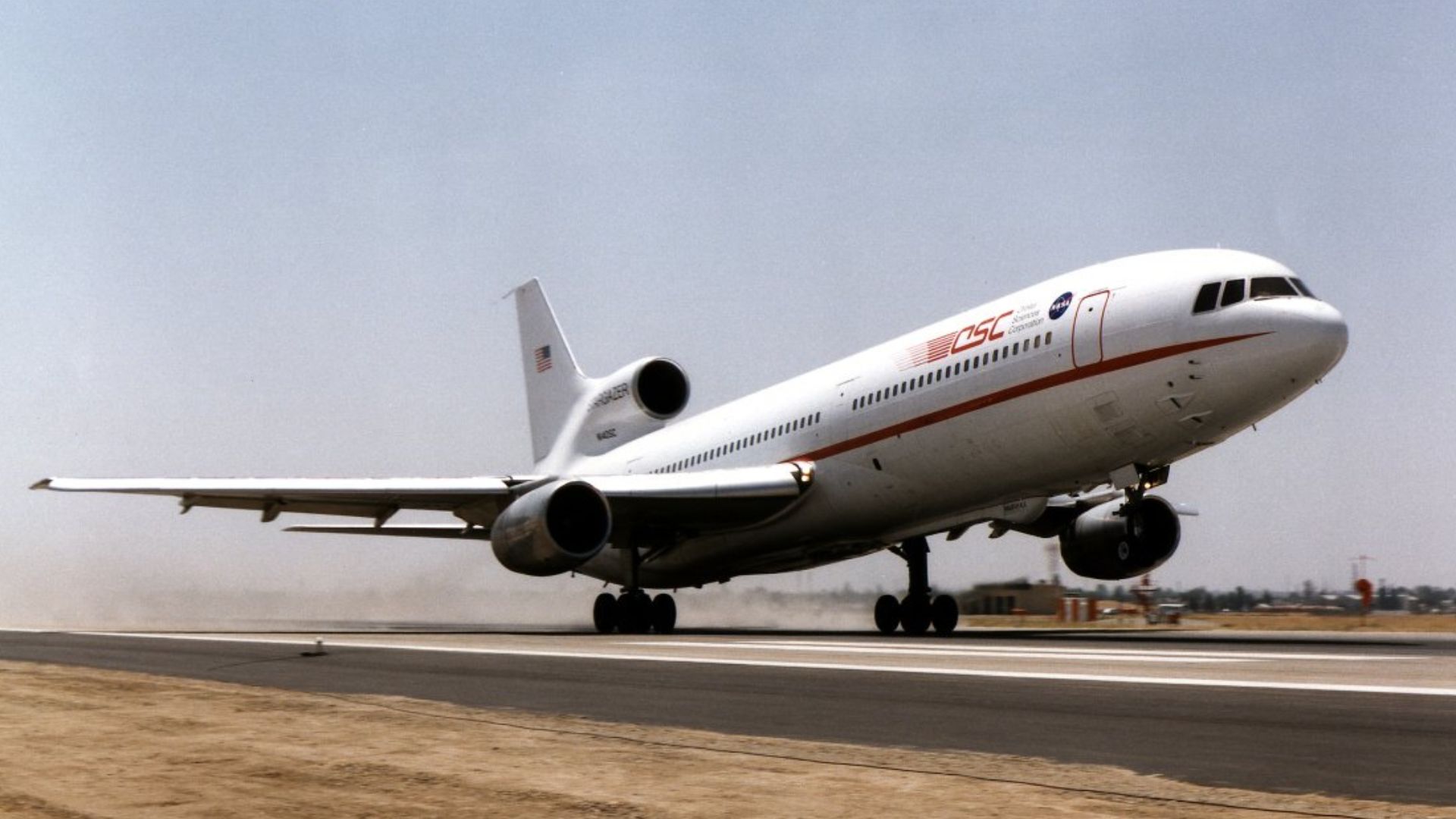
1979: Lockheed Flew, The New York Times Had Bad News
Lockheed shares gained roughly 77%, giving investors a spectacular finish to the decade. The New York Times fell approximately 18%. Its reporters may have had plenty of exciting financial stories to cover that year. Unfortunately, the company’s own stock was not one of them.
 NASA/Tony Landis, Wikimedia Commons
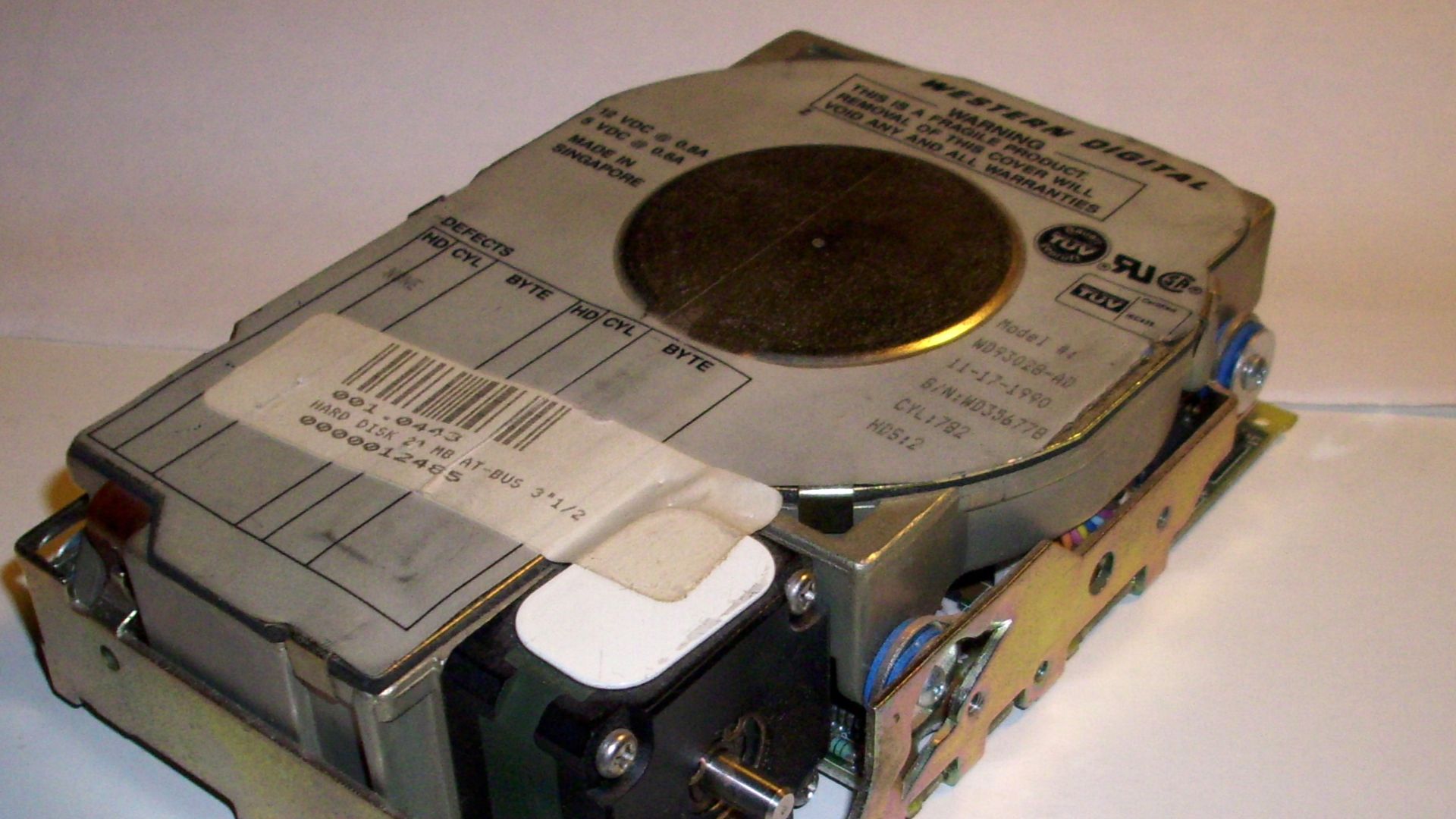
1980: Western Digital Exploded, Ford Stalled
Western Digital shares rocketed roughly 229%, more than tripling as investors chased the emerging computer revolution. Ford fell approximately 31%. One company represented the future of digital storage. The other was discovering that putting four wheels beneath an investment did not guarantee forward movement.
 Alessio Sbarbaro User_talk:Yoggysot, Wikimedia Commons
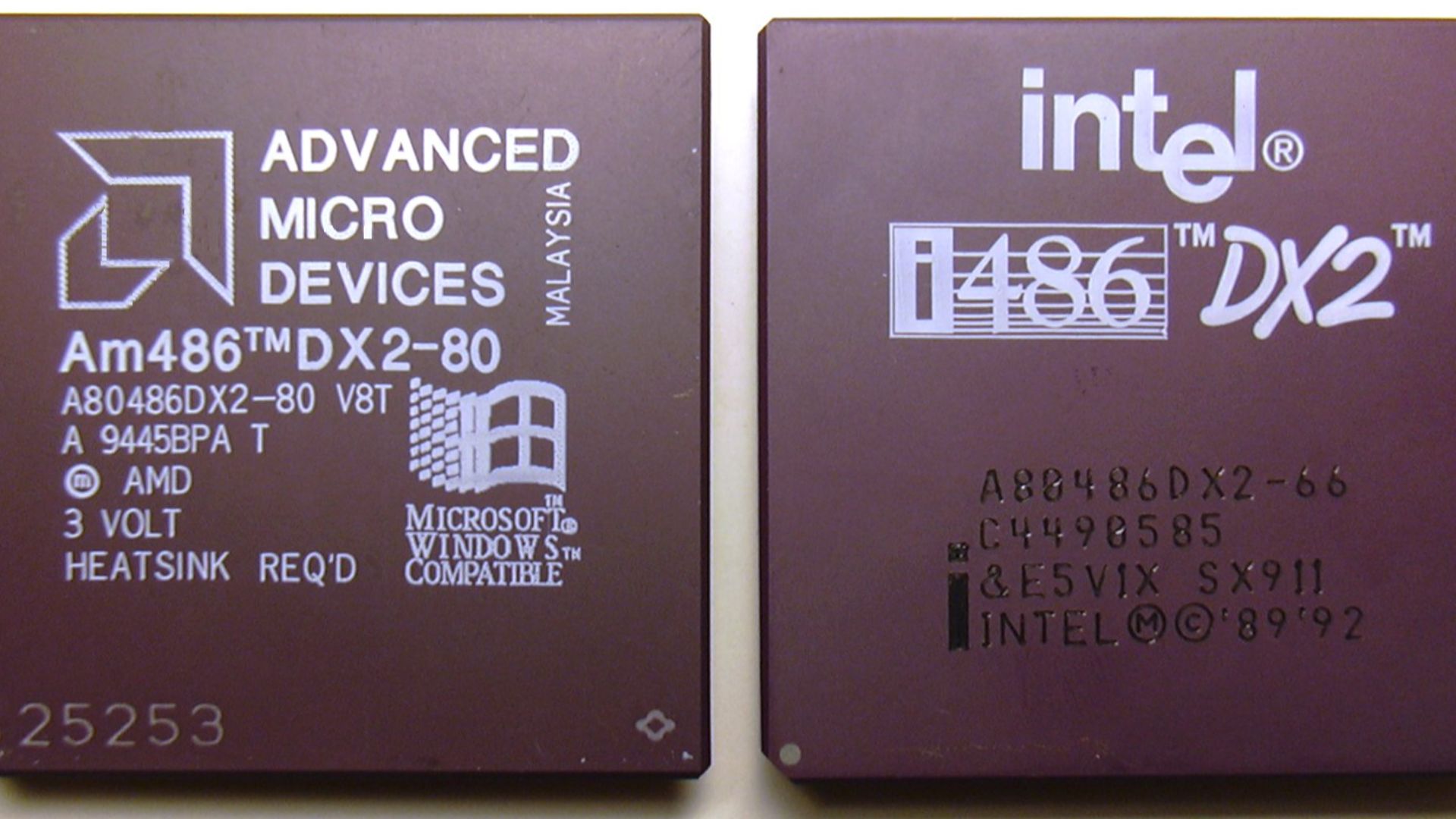
1981: Espey Electrified Investors, AMD Lost Half Its Value
Espey Manufacturing & Electronics surged roughly 325%, turning a relatively obscure electronics company into an enormous winner. AMD fell approximately 49%. The supposedly exciting semiconductor investment nearly cut itself in half, proving that being part of the future did not necessarily protect anyone’s present-day bank account.
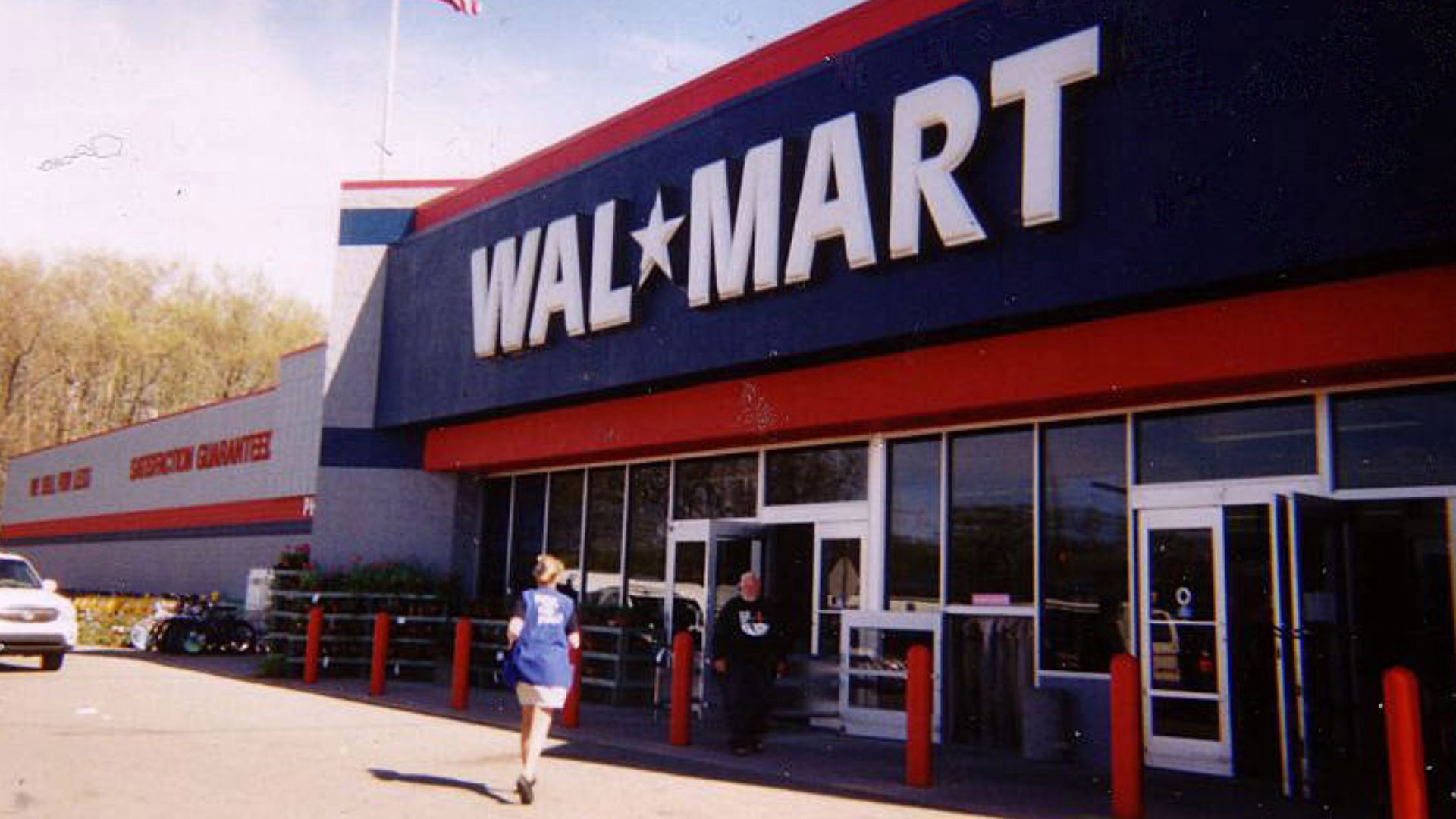
1982: Walmart More Than Doubled, Apache Got Drilled
Walmart stock surged roughly 135%, rewarding investors who could already see where American retail was headed. Apache Corporation fell approximately 44%. One investment filled shopping carts. The other emptied brokerage accounts.
 Bobby P. from Oscoda, MI, Wikimedia Commons
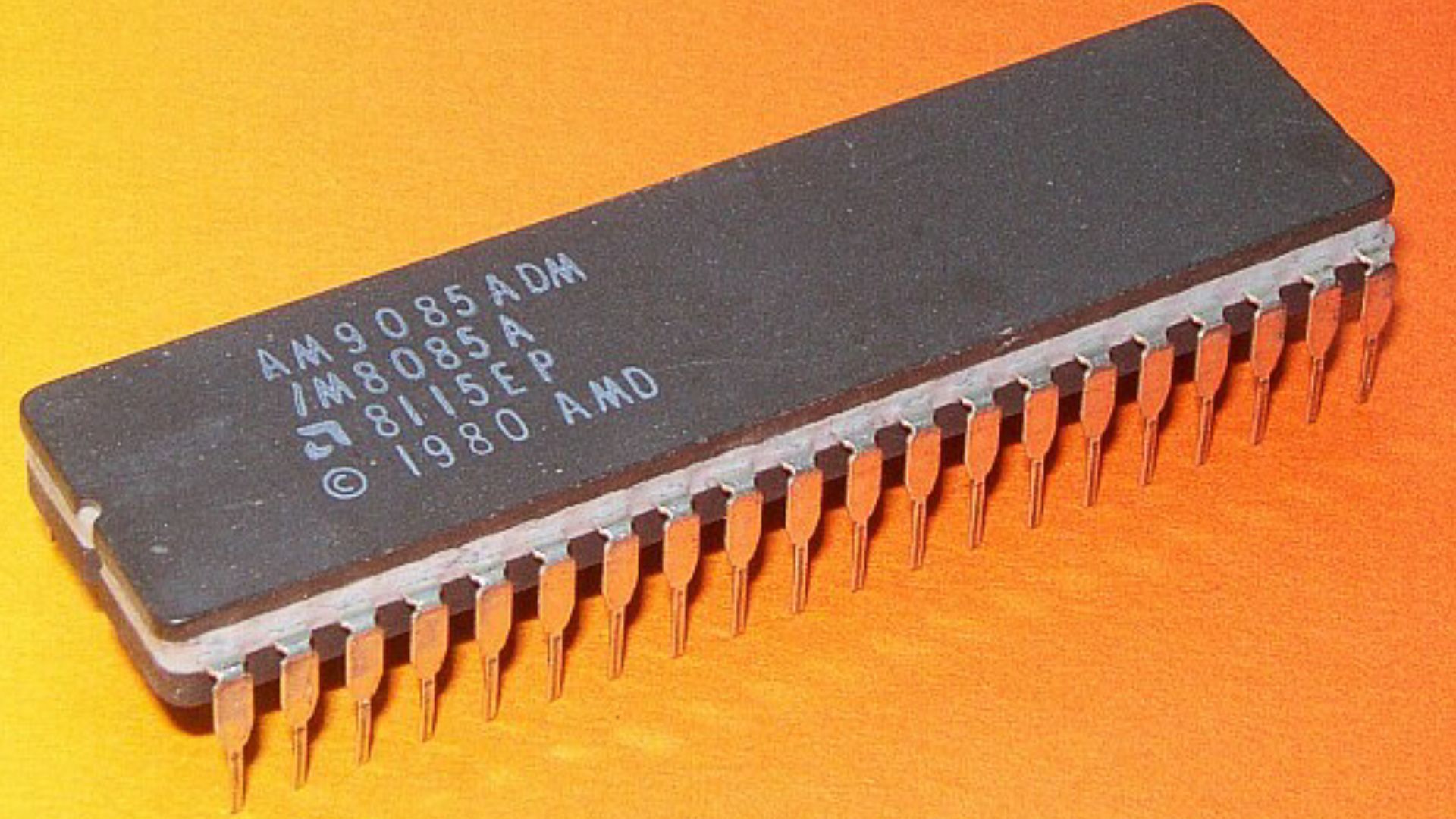
1983: AMD Nearly Tripled, Mattel Fell Apart
AMD shares soared roughly 168%, one of the largest gains anywhere on this list. Mattel plunged approximately 68%. Barbie was still smiling, but investors certainly were not. Nearly seven out of every ten dollars invested in the toy company effectively vanished.
 Christian Bassow, Wikimedia Commons
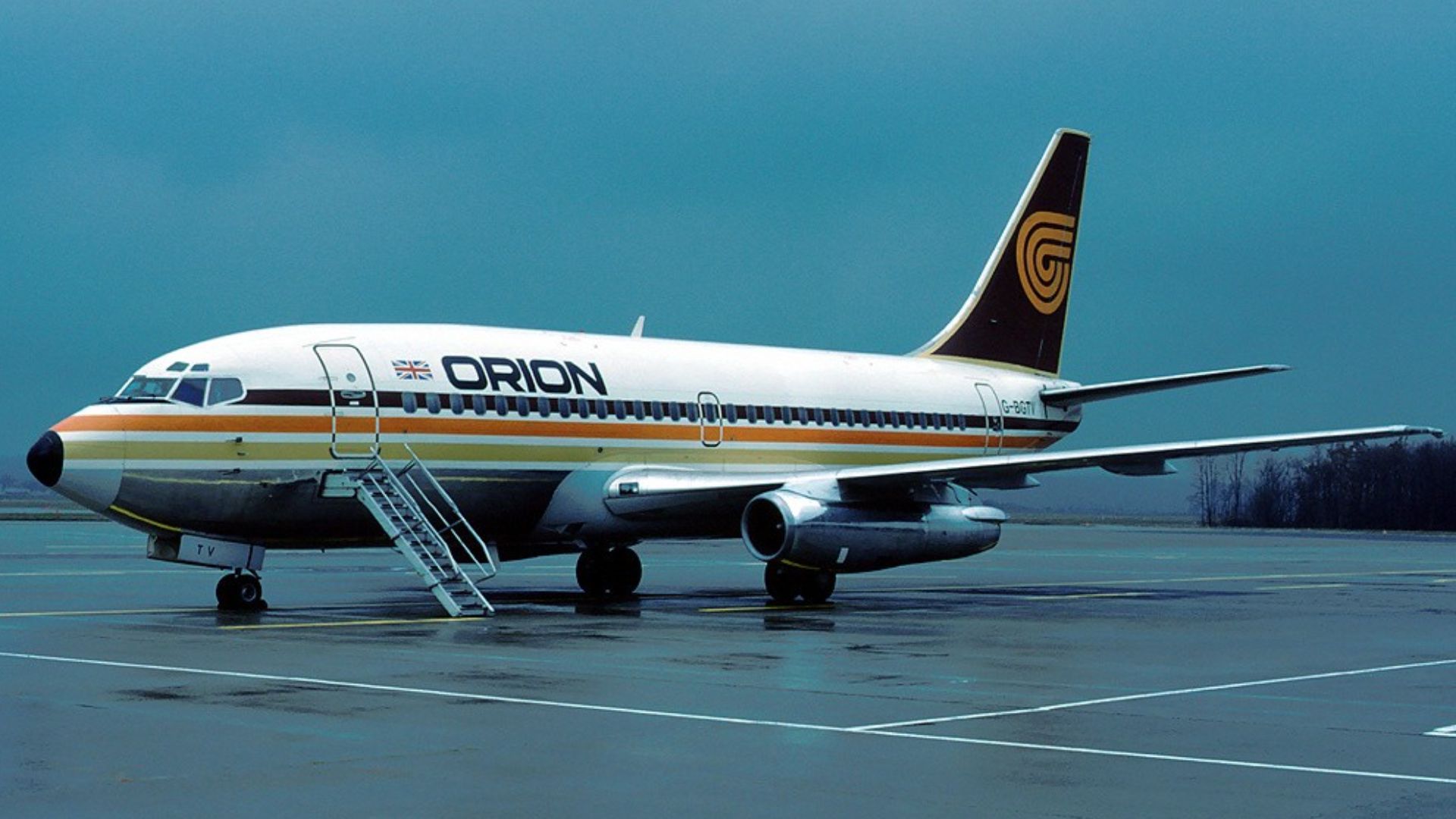
1984: Boeing Climbed, Valero Collapsed
Boeing stock gained roughly 33%, comfortably beating a relatively quiet year for the broader market. Valero plunged approximately 70%. Investors did not merely suffer an oil spill inside their portfolios. They watched seven out of every ten dollars drain away.
 Eduard Marmet. The original uploader was Russavia at English Wikipedia., Wikimedia Commons
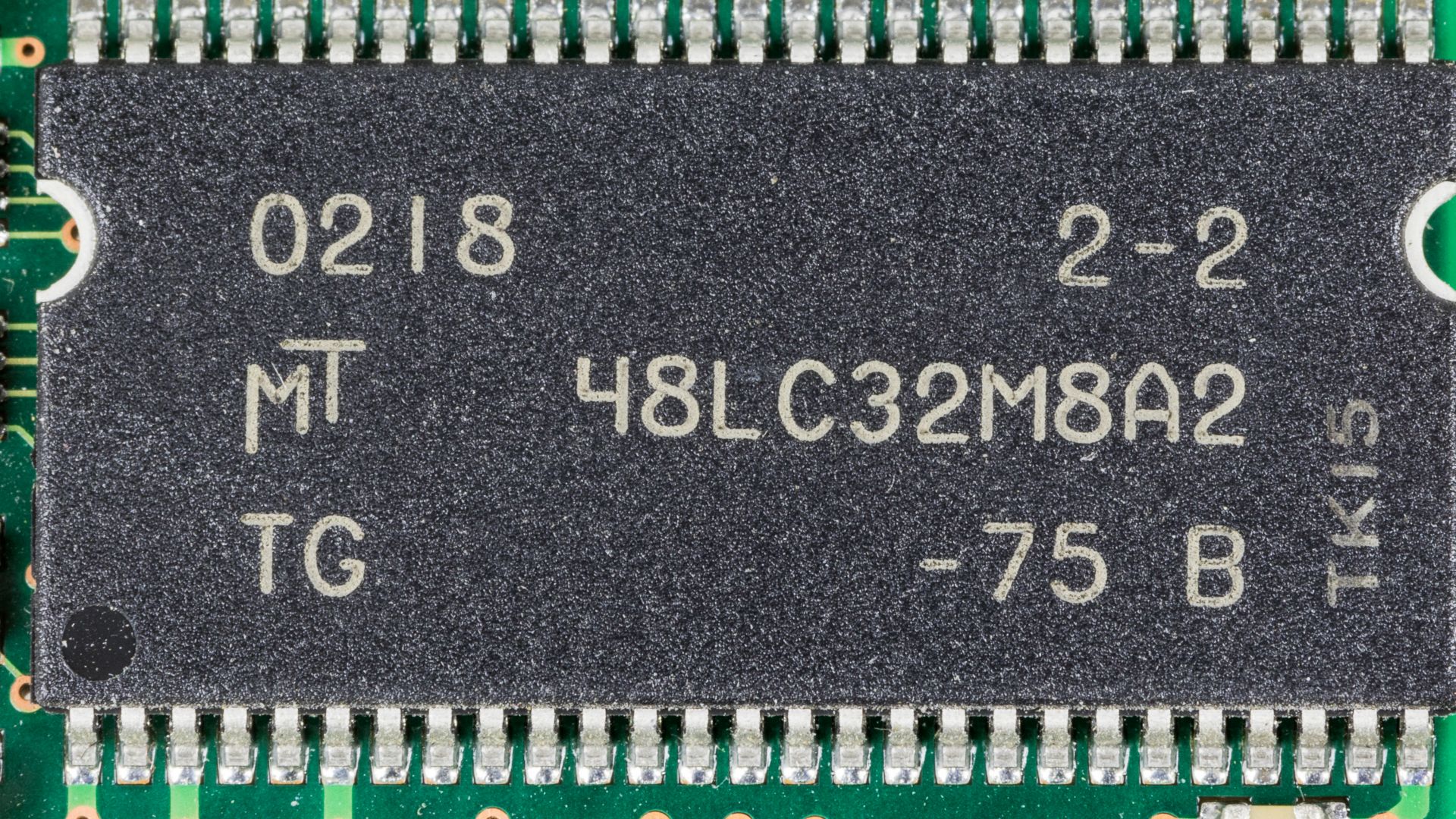
1985: Disney Made Magic, Micron Lost Nearly 70%
Disney shares soared roughly 91%, almost doubling during one of the market’s strongest years. Micron Technology fell approximately 69%. Both companies represented exciting parts of America’s future. Only one was making its investors feel particularly excited about opening their account statements.
 Raimond Spekking, Wikimedia Commons
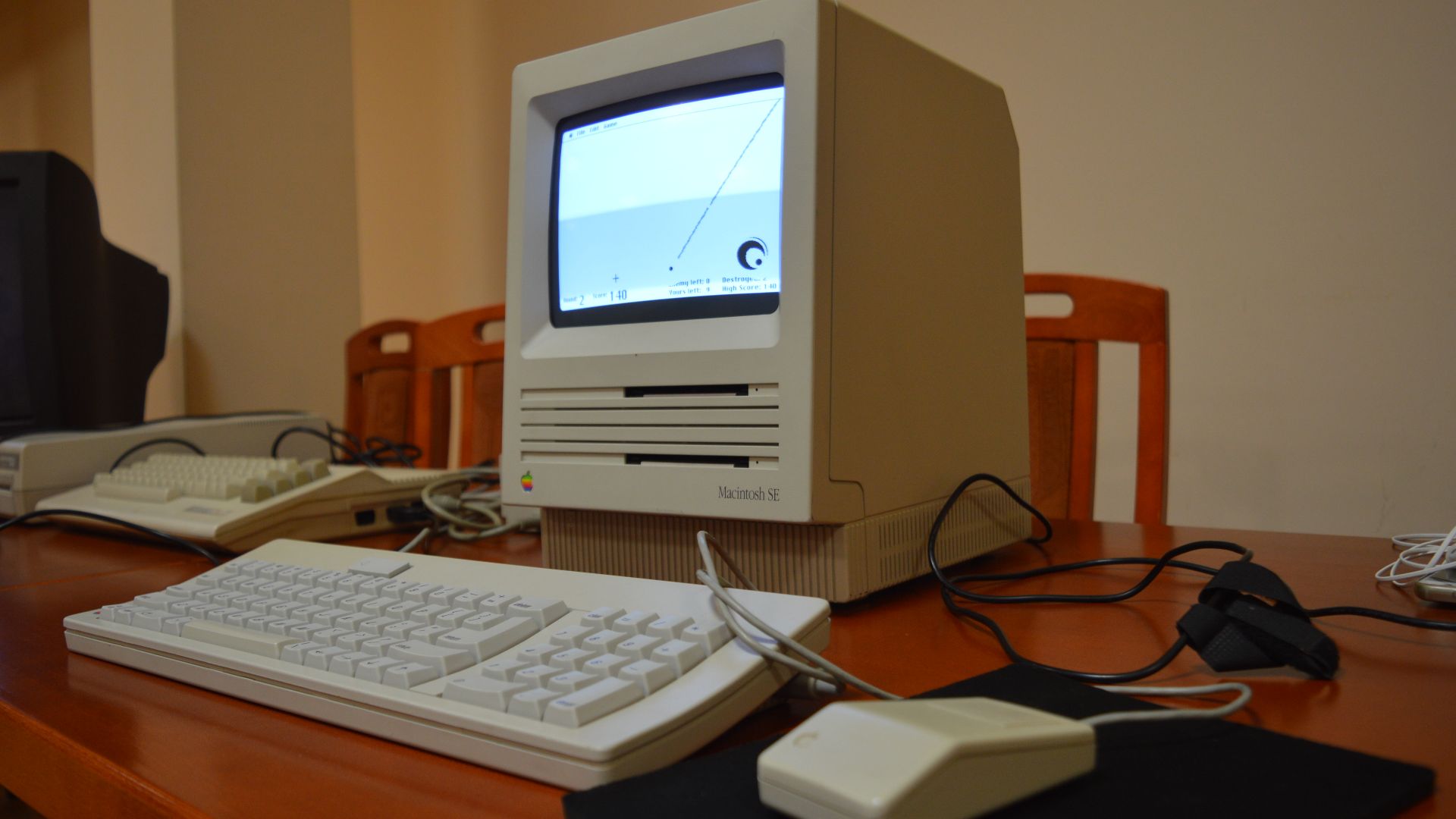
1986: Apple Took Off, AMD Fell Apart
Apple stock surged roughly 84%, immediately rewarding investors who had endured the company’s previous struggles. AMD collapsed approximately 52%. Both companies were part of the computer revolution. Only one was making shareholders feel particularly revolutionary about their bank accounts.
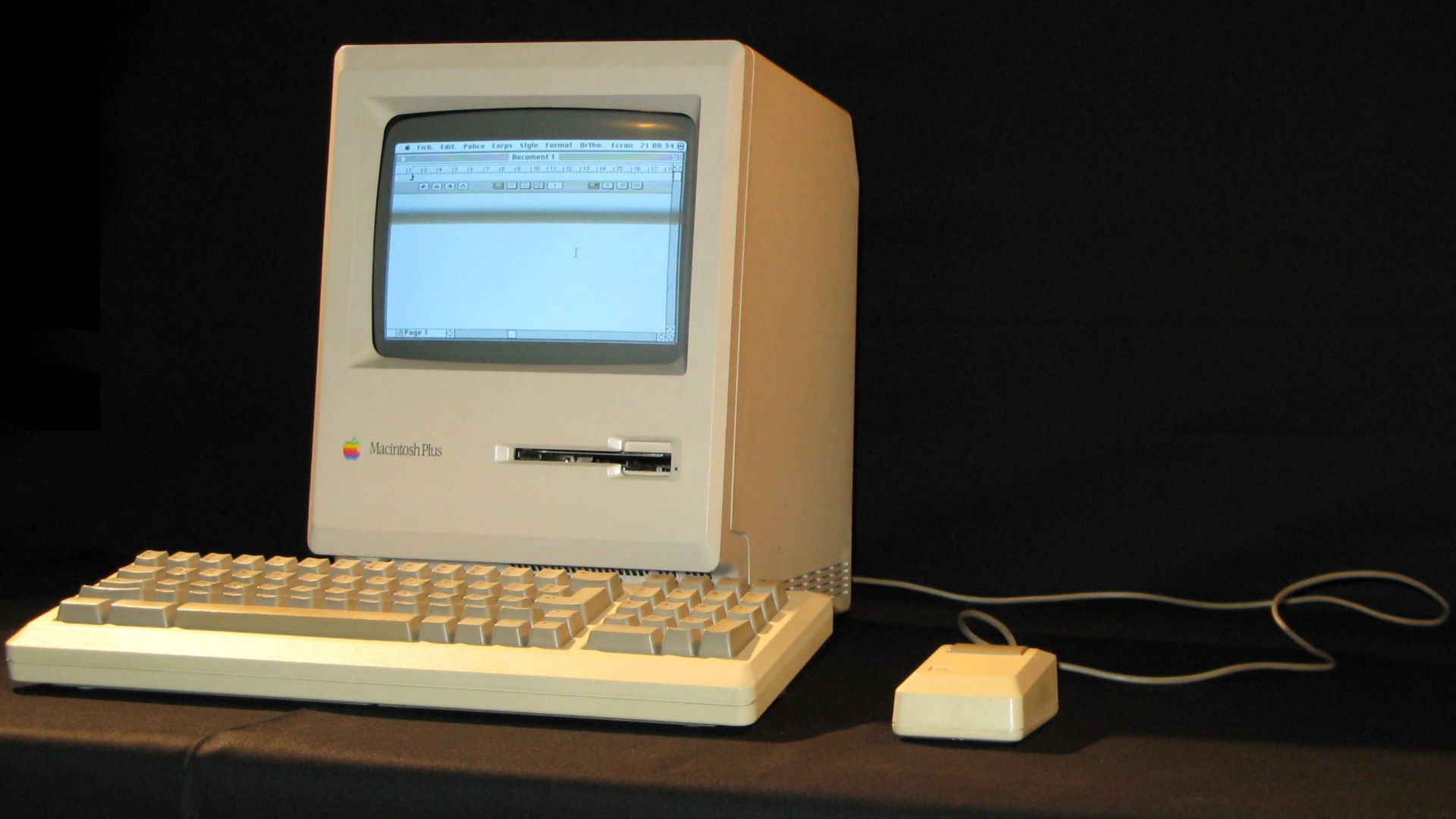
1987: Apple Doubled, Lockheed Missed the Recovery
Apple shares gained roughly 109%, despite the year being remembered for the Black Monday crash. Lockheed fell approximately 30%. The broader market still finished the year ahead, leaving Lockheed investors among the unfortunate people who experienced the panic without enjoying much of the recovery.
 Wojciech Pędzich, Wikimedia Commons
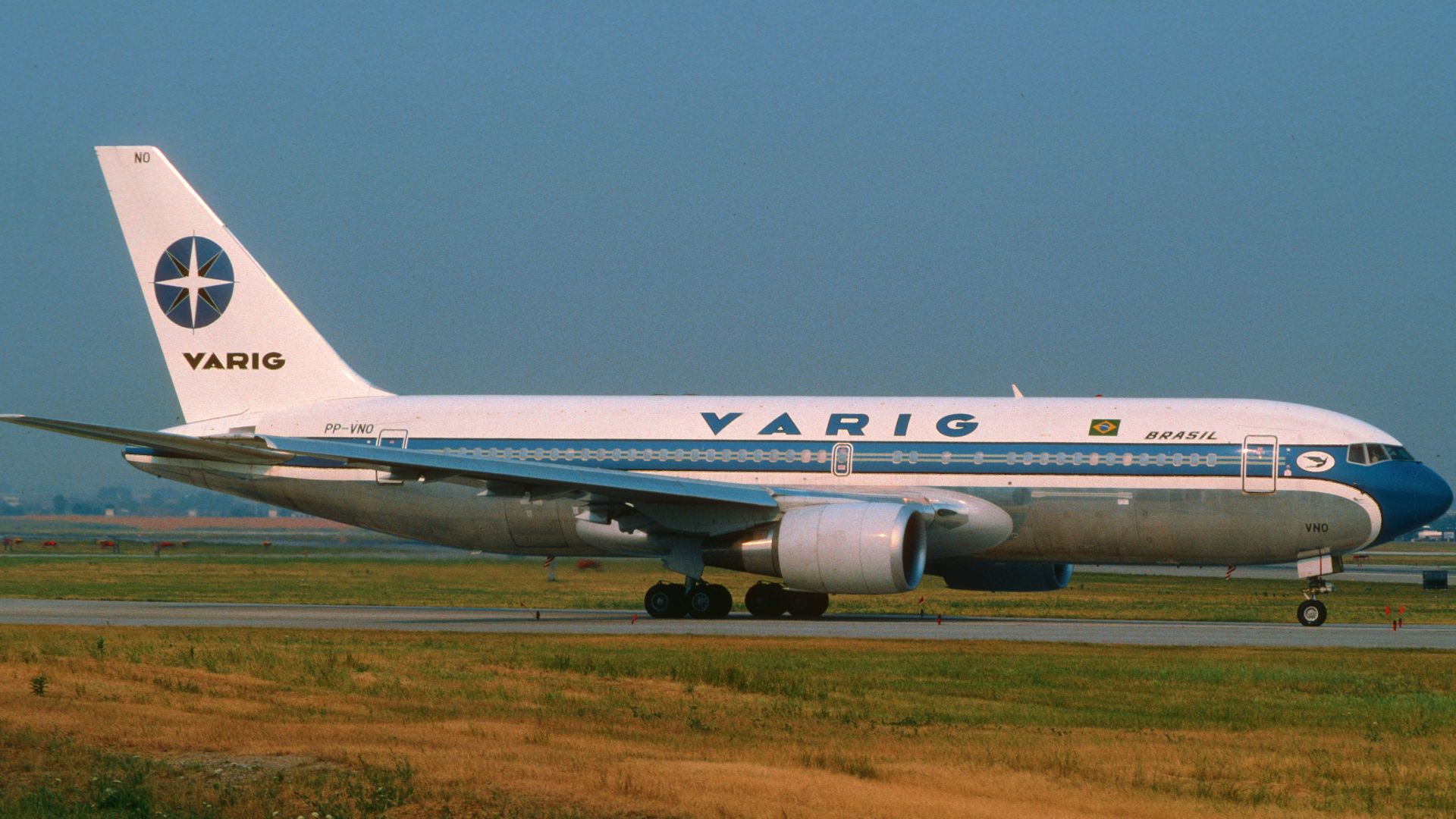
1988: Boeing Flew Higher, RF Industries Collapsed
Boeing stock rose roughly 68%, adding another enormous annual gain to the company’s extremely bumpy history. RF Industries plunged approximately 74%. Boeing investors were preparing for takeoff. RF Industries shareholders were discovering that three-quarters of a portfolio can disappear remarkably quickly.
 Aero Icarus from Zürich, Switzerland, Wikimedia Commons
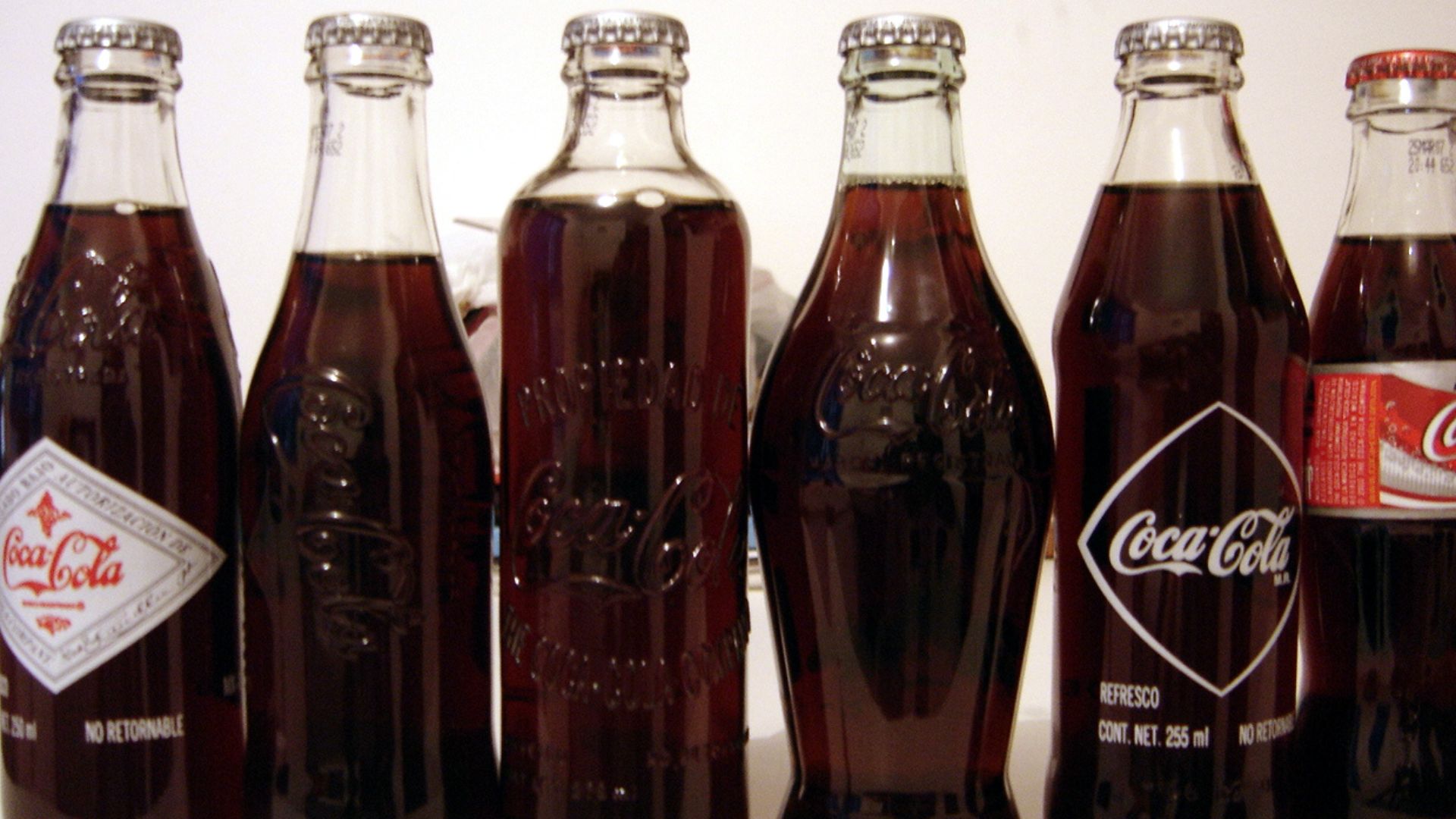
1989: Coca-Cola Fizzed, Hansen Natural Went Flat
Coca-Cola stock soared roughly 78%, proving that sometimes the obvious, familiar company really is the spectacular investment. Hansen Natural Corporation—the company later renamed Monster Beverage—fell approximately 55%. One beverage stock was overflowing with profits. The other lost more than half its value before Monster energy drinks even existed.
 User:C'est moi-es, Wikimedia Commons
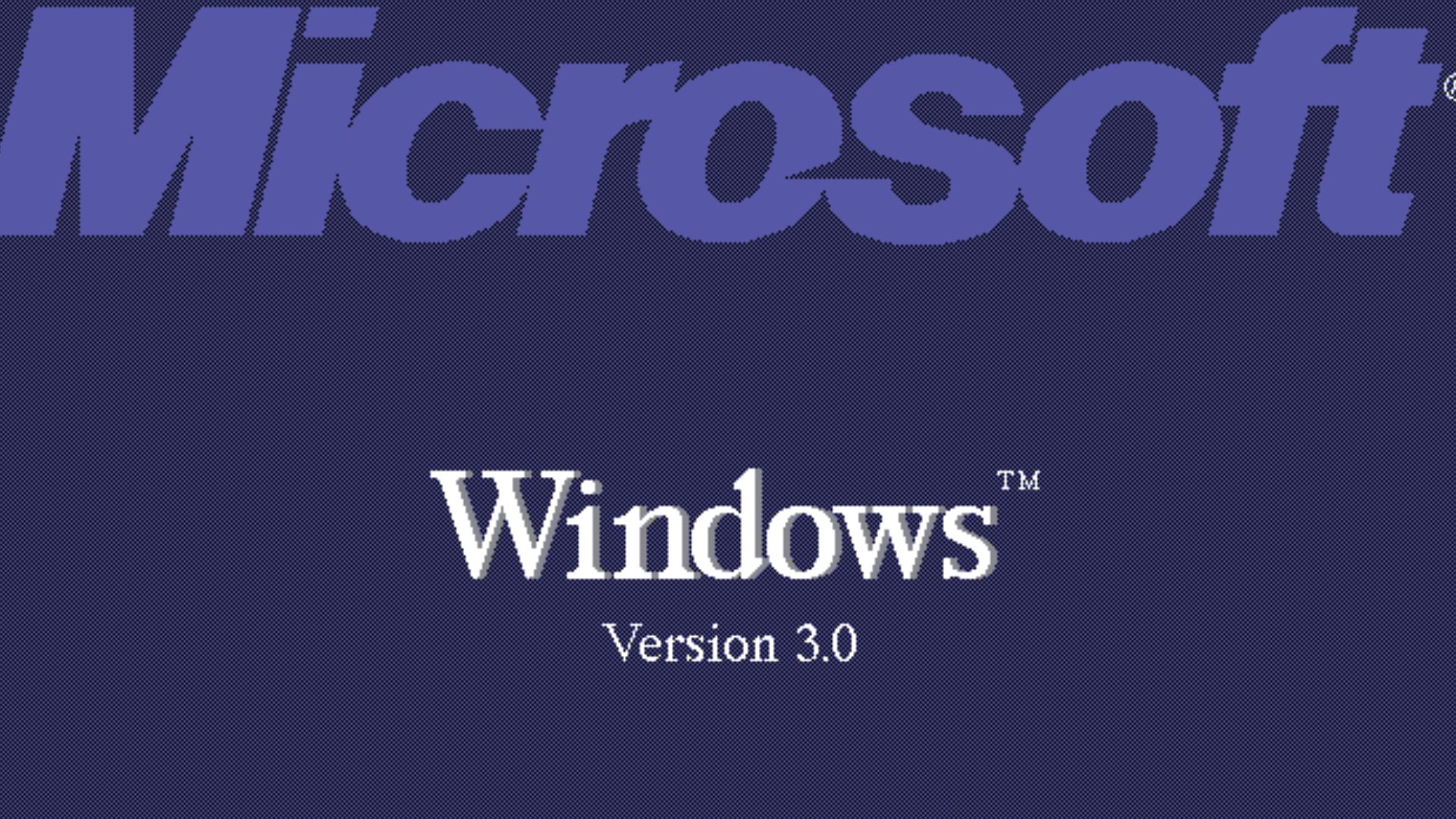
1990: Microsoft Made Millions, AMD Lost 41%
Microsoft shares gained roughly 73%, delivering a huge return during a difficult year for many other stocks. AMD plunged approximately 41%. The period ends exactly as investing history likes to end—with one technology company looking unstoppable and another making investors wish they had bought almost anything else.
 OS by Microsoft Corporation/Screenshot by PantheraLeo1359531 😺 (talk), Wikimedia Commons
Yesterday’s Winner Could Become Tomorrow’s Disaster
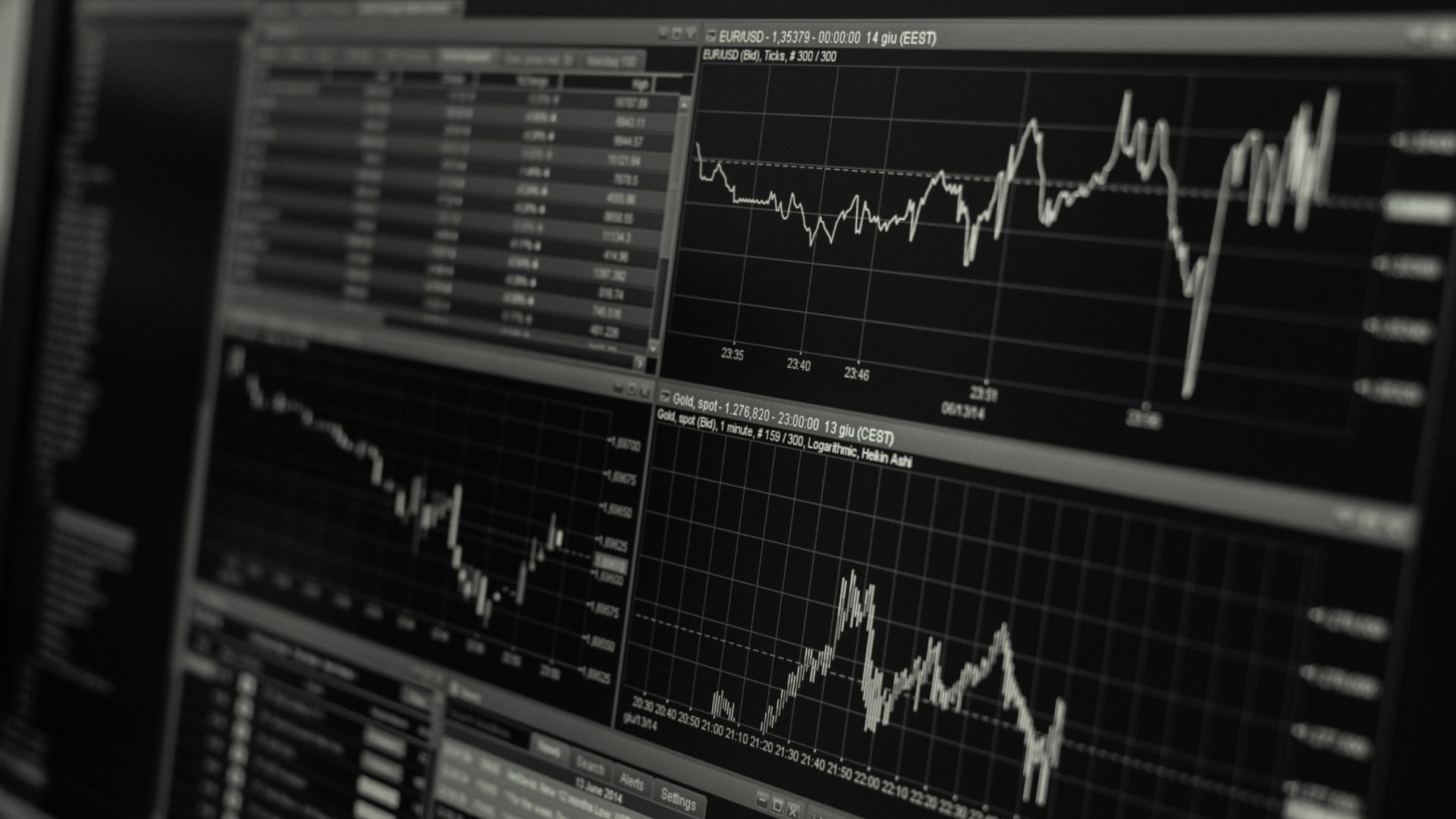
Boeing nearly tripled in 1978 after years of brutal losses. AMD soared in 1983 and then lost more than half its value in 1986. Walmart collapsed more than 60% in 1973 before more than doubling in 1982. Picking the investment mattered—but when people bought it mattered almost as much.
 Unknown authorUnknown author, Wikimedia Commons
You Might Also Like: