
Why This Argument Feels So Convincing
When someone says “the rich control the market,” they’re pointing to a real problem. Wealth in the U.S. is very concentrated, and richer households do own a much bigger share of stocks than everyone else. That can make investing seem rigged. But the bigger question is whether that makes investing pointless for regular people, and the evidence says no.

Yes, Wealthy Investors Own A Big Share
Federal Reserve data shows that stock ownership is heavily concentrated among wealthier households. That part of your brother's claim is true. Rich people do own a large share of corporate stock and mutual fund wealth. Big institutions and wealthy investors can also move a lot more money at once than small investors can. Still, owning a big share of the market is not the same as being able to control long-term results whenever they want.
What “Control The Market” Really Means
The stock market is not one giant switch that a small group can flip whenever they feel like it. Prices move because millions of buyers and sellers, including pension funds, index funds, retirement accounts, insurance companies, hedge funds, and regular investors, react to new information all the time. Big players can affect prices in the short run, especially in smaller or less liquid markets. But over time, broad market returns are tied much more closely to earnings, growth, interest rates, inflation, and investor expectations than to the wishes of a few rich people.
 Katrina.Tuliao, Wikimedia Commons
Short-Term Influence Is Real
Large trades can move prices in the near term, and markets can get pushed around by emotion, leverage, and concentrated money flows. There have also been real cases of manipulation, insider trading, and fraud, which is why regulators like the SEC exist. So it would be wrong to say markets are perfectly fair every second of the day. A better way to put it is that markets can be messy and flawed without being useless for regular investors.
 Unknown authorUnknown author, Wikimedia Commons
Long-Term Control Is A Different Thing
If rich investors really controlled the market in a simple, reliable way, then beating the market would be easy for them. In reality, even professional fund managers often fail to beat broad indexes over long periods after fees. S&P Dow Jones Indices regularly reports that many actively managed funds trail the S&P 500 and other benchmarks over time. That suggests this idea of total control is much weaker than it sounds.
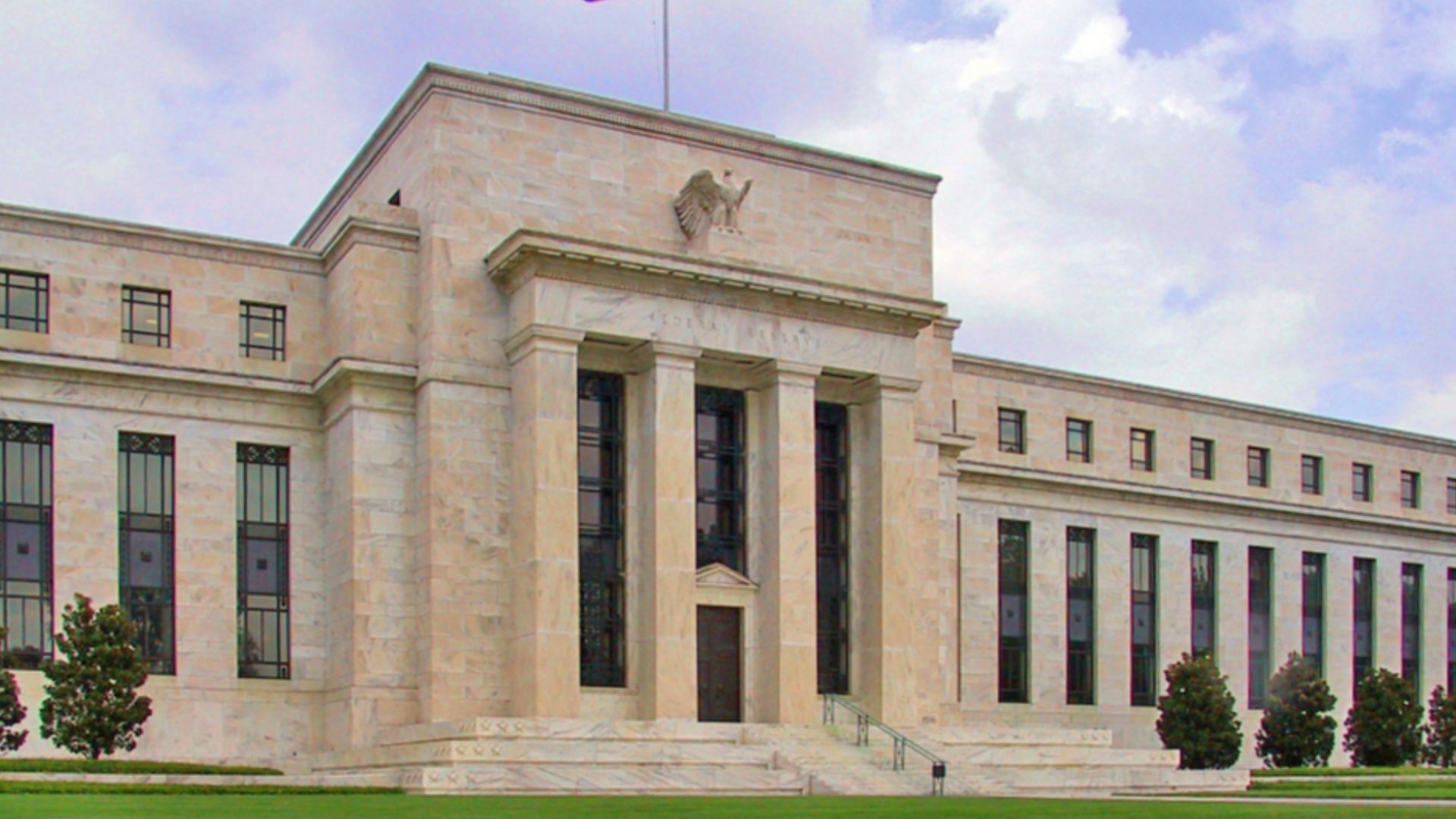
 Federal Reserve Bank, Wikimedia Commons
The Market Is Bigger Than Any One Group
Public markets are huge, global, and shaped by economic data, company profits, central bank policy, world events, and consumer behavior. Even very wealthy people operate inside that system, not above it. They may have better access, lower borrowing costs, and more tools, which is a real advantage. But they still cannot permanently overpower the wider economy.

Why Ordinary Investors Still Invest
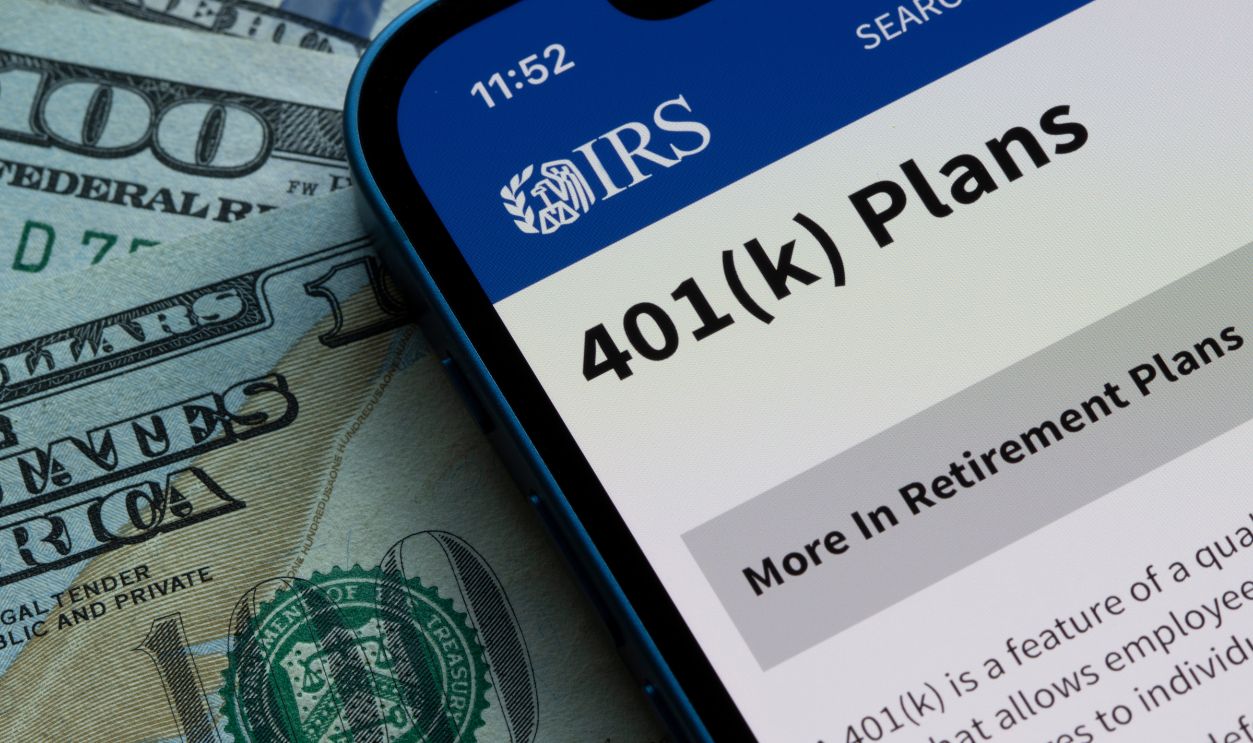
Millions of regular people invest through 401(k)s, IRAs, pensions, target-date funds, and brokerage accounts. They are not usually trying to outsmart billionaires trade by trade. Instead, they buy small pieces of many companies and hold them for years while the economy grows. Historically, that approach has worked much better than staying entirely in cash for long stretches.
Owning Stocks Means Owning Businesses
One helpful way to think about investing is that you are not just betting on stock symbols moving up and down. You are buying small ownership stakes in companies that sell products, earn profits, sometimes pay dividends, and reinvest to grow. Over long periods, stock returns have reflected that business growth underneath. That is why investing can still make sense even if the market sometimes looks chaotic or unfair day to day.

Cash Has Risks Too
People often compare investing to doing nothing, as if staying out of the market is automatically safer. But holding cash for long periods comes with inflation risk, which means your money can lose buying power over time. Federal Reserve and Bureau of Labor Statistics data make this easy to see: prices usually rise over the years, even if inflation cools now and then. So avoiding markets completely is not a neutral move. It has its own cost.
 AgnosticPreachersKid. Original uploader was AgnosticPreachersKid at en.wikipedia, Wikimedia Commons
Bonds, Cash, And Stocks Play Different Roles
Investing does not have to mean putting every dollar into volatile stocks. Bonds can provide income and some stability, while cash can cover emergencies and short-term needs. Stocks are usually the main driver for long-term growth, but a mix of assets can lower risk. For most people, the better answer is not all in or all out, but a balanced plan.

Index Funds Changed The Game
One reason the “rich control everything” argument is less convincing today is the rise of low-cost index funds. These funds let regular investors buy broad slices of the market with very low fees instead of trying to pick winners. Vanguard, BlackRock, and other firms made diversified investing much easier to access than it used to be. You do not need a private banker to own a broad market portfolio anymore.
 Jim.henderson, Wikimedia Commons
Fees Matter More Than Most People Think
A lot of investing underperformance comes not from rich people controlling the market, but from costs, bad timing, and trading too much. Morningstar and other research groups have repeatedly shown that lower-cost funds tend to do better over time than higher-cost alternatives, all else equal. Fees reduce returns whether the market feels fair or unfair. For regular investors, controlling what you can control often matters more than worrying about elite influence.

Trying To Beat The Pros Is Usually The Wrong Goal
Your brother may be thinking about investing as a competition where regular people have to outtrade hedge funds to win. That is not how successful long-term investing usually works. Most people are better off capturing market returns through diversified, low-cost funds instead of trying to guess better than professional traders. You do not need to beat Wall Street to benefit from owning a tiny share of the economy.

Market Timing Usually Goes Wrong
Another trap is waiting on the sidelines until the market finally becomes fair, or trying to pick the perfect moment to buy in. Research from firms like Charles Schwab has shown that missing just a few of the market’s best days can seriously hurt long-term returns. Those best days often happen close to the worst days, which makes timing exits and reentries very hard. That makes steady investing more practical than trying to dodge every scary headline.

Volatility Is Not Proof Of A Rigged System
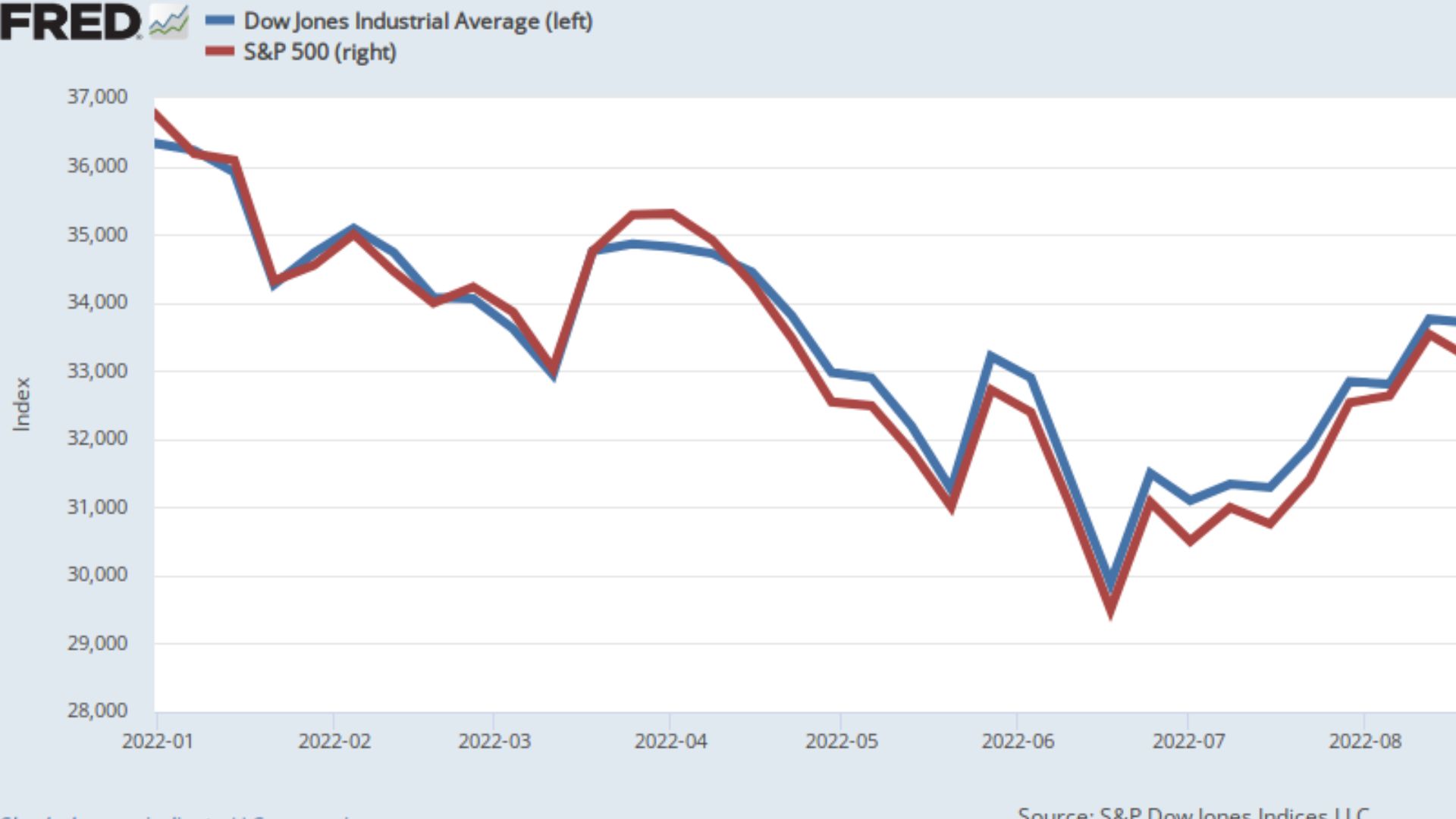
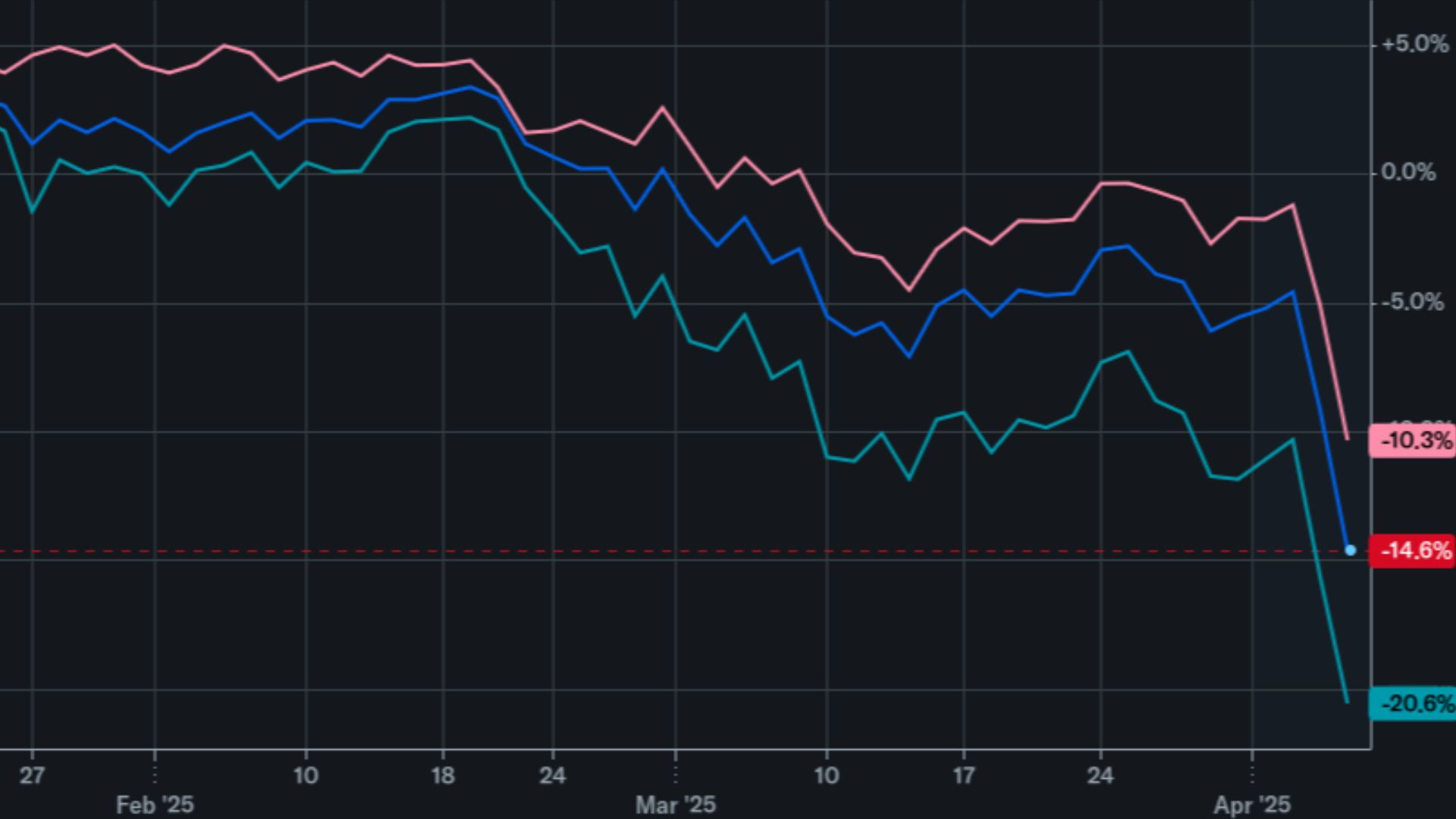
Sharp drops can make it seem like someone powerful is pulling strings behind the scenes. Sometimes price swings are made worse by panic, leverage, algorithmic trading, or forced selling, which can feel unfair. But volatility is a normal part of stock investing, not automatic proof that investing is pointless. Historically, investors who stayed diversified and kept investing through downturns were often rewarded over longer periods.
Regulators Do Not Stop Every Problem, But They Matter
The SEC, FINRA, stock exchanges, and disclosure rules exist because markets need oversight. Public companies have to file financial reports, important events must be disclosed, and many forms of manipulation are illegal. This system does not make markets perfect, and enforcement is not flawless. But it does create a much more transparent environment than a total free-for-all.
 Ajay Suresh from New York, NY, USA, Wikimedia Commons
There Is A Real Fairness Gap
It is also fair to admit that wealthy investors have advantages that regular people often do not. They may get better tax planning, access to private investments, more advanced advice, lower fees, and the ability to hold through downturns without needing to sell. Those advantages can widen wealth gaps over time. But that is an argument for better policy and better financial access, not proof that investing is useless for everyone else.

Compounding Does Not Care Who You Know
One of the most powerful parts of investing is compounding, which happens when returns start earning their own returns over time. Compounding is available to regular investors too, especially when they start early, keep costs low, and stay invested. It is not flashy, and it does not make people rich overnight. But over decades, it can make a big difference in retirement savings and long-term financial stability.
 Kevin Schneider, Wikimedia Commons
Retirement Systems Depend On Investing
A big reason investing is not pointless is that modern retirement systems are built around it. Pension funds, 401(k) plans, 403(b) plans, and IRAs all rely heavily on markets to grow savings over time. If market participation were hopeless for everyone except the ultra-rich, these systems would make far less sense than they do. They are imperfect, but they exist because long-term investing has historically been a practical way to build wealth.

The Smarter Question Is What Kind Of Investing Makes Sense
Instead of asking whether investing is pointless, it helps to ask what kind of approach gives regular people the best odds. The evidence usually points to diversification, long time horizons, regular contributions, low fees, and avoiding emotional decisions. That strategy does not promise instant wealth or protection from all losses. What it does offer is a realistic way to take part in long-term economic growth without needing insider access.
When Skepticism Is Healthy
Your brother isn't wrong to be skeptical of hype, meme-stock crazes, overpriced gurus, or claims that markets are always rational. Healthy skepticism can protect people from scams and from taking risks they do not understand. It is smart to question incentives, fees, and flashy promises. The mistake is going from “markets are flawed” to “investing is pointless.”
 Apex Virtual Education, Unsplash
So, Is There Any Truth To It?
Yes, there is some truth to it: wealthier people own more assets, have more influence, and often have built-in advantages. But no, that does not mean investing is pointless for everyone else. The historical record shows that regular investors have been able to build wealth over time by using diversified, low-cost, long-term strategies. The market may not be perfectly fair, but it is still one of the few places where ordinary people can buy into broad economic growth with relatively small amounts of money.

The Bottom Line For Your Brother
If your brother means “the rich have advantages,” that is true. If they mean “so regular people should never invest,” that claim does not hold up well. A sensible investing plan is not about beating the wealthy at their own game. It is about steadily owning productive assets and giving time a chance to work. In other words, the market can be unfair in some ways and still be worth using.