
The Argument Sounds Smart At First
If your friend says investing is pointless because you cannot beat the system, they are brushing up against a real debate in finance. For decades, researchers have tested whether regular investors, professionals, and even hedge funds can consistently outsmart the market. The short answer is that beating the market is very hard, but that does not make investing pointless.

What People Usually Mean By “The System”
Most of the time, “the system” means the stock market’s pricing machine. Millions of investors, analysts, and institutions react to news all day long, and their buying and selling helps push prices toward the information already out there. That idea was formalized in the 1960s by economist Eugene Fama, in what became known as the Efficient Market Hypothesis.

The Big Idea That Changed Investing
In 1965, Eugene Fama published “The Behavior of Stock-Market Prices” in the Journal of Business. He studied price movements and found that stock changes were hard to predict from past prices alone. That helped build the case that markets are tough to beat consistently using publicly available information.

Why This Hit Wall Street So Hard
If markets are broadly efficient, stock picking starts to look a lot less magical. It suggests that most obvious opportunities are already baked into prices because so many smart people are chasing them. That does not mean prices are always perfect, but it does mean easy money usually disappears fast.

Burton Malkiel Brought The Idea To Everyone Else
In 1973, economist Burton G. Malkiel published A Random Walk Down Wall Street, a book that helped popularize the idea that trying to outguess the market is usually a losing game. Malkiel argued that a simple, diversified, low-cost portfolio often beats more complicated strategies after fees and taxes. It was a simple message, and it stuck.

Then Came A Quiet Revolution
The practical answer to hard-to-beat markets arrived in 1976, when Vanguard launched the First Index Investment Trust, now the Vanguard 500 Index Fund. Instead of trying to outguess the market, the fund aimed to track the S&P 500. That move, championed by Vanguard founder John C. Bogle, changed investing for everyday people by making low-cost indexing possible.

John Bogle’s Main Point Still Holds Up
Bogle’s argument was blunt. Before costs, investors as a group earn the market return. After costs, investors as a group must earn less than the market, because fees, trading costs, and taxes take a cut.

The Data On Active Managers Is Rough
One of the most cited scorecards comes from S&P Dow Jones Indices, which regularly publishes its SPIVA reports. These reports compare actively managed funds with their benchmark indexes over time. Year after year, a large majority of active U.S. equity funds underperform their benchmarks over longer stretches, especially after fees.

The Persistence Problem Is Even Worse
It is one thing to win for a year or two. It is another thing to keep doing it. SPIVA’s persistence research has found that funds that outperform in one period usually do not keep outperforming in the next, which suggests that luck often plays a bigger role than many investors want to admit.

Warren Buffett Turned This Into A Public Bet
In 2007, Warren Buffett made a now-famous bet that a simple S&P 500 index fund would outperform a group of hedge funds over 10 years. The bet ended in 2017, and Buffett won by a wide margin. His point was not that no one can ever beat the market, but that high fees make it much harder for investors to keep the gains.
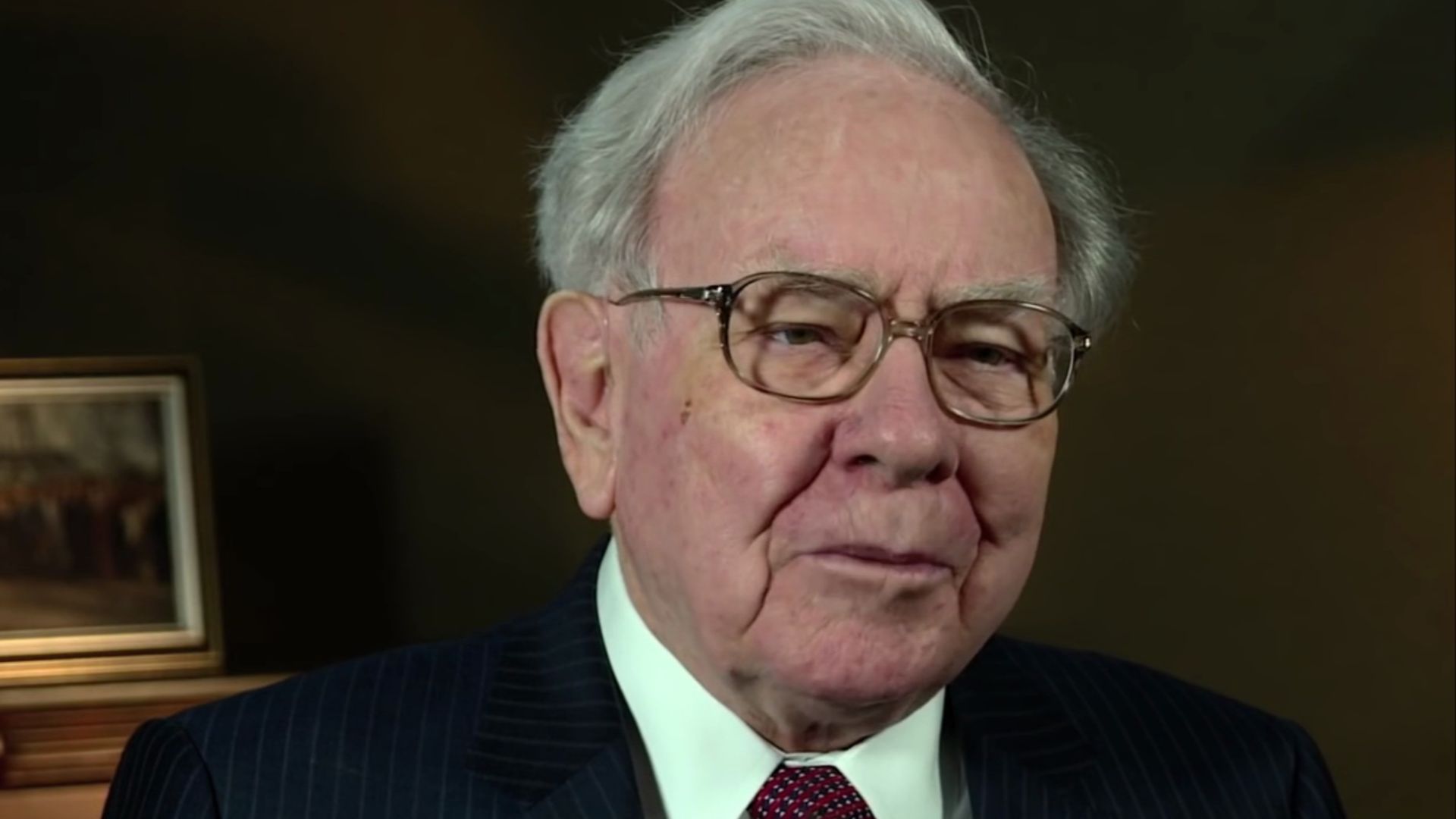 USA International Trade Administration, Wikimedia Commons
The Lesson From Buffett Was Not “Never Invest”
It was nearly the opposite. Buffett has repeatedly said that for most people, a low-cost S&P 500 index fund makes more sense than trying to pick winners. In his 2013 Berkshire Hathaway shareholder letter, he even said his instructions for his wife’s inheritance included putting most of the money in a very low-cost S&P 500 index fund.

There Is A Catch Your Friend Might Be Missing
If you do not invest, you are not escaping the system. You are still making a financial choice, and that choice usually leaves your money exposed to inflation. Over time, inflation quietly eats away at purchasing power, which means cash sitting under a mattress or in a low-yield account can lose real value.

Inflation Is The Real Slow-Burn Threat
The U.S. Bureau of Labor Statistics tracks inflation through the Consumer Price Index. Over long periods, prices for essentials like housing, food, healthcare, and education have climbed sharply. Investing is one of the main ways households try to grow money faster than inflation over decades.

Not Beating The Market Is Not The Same As Losing
This is the key point. You do not need to beat the market to build wealth. You only need to capture a reasonable share of market returns, keep costs low, stay diversified, and give compounding time to work.

Compounding Does Not Need A Genius
Albert Einstein probably did not actually call compound interest the eighth wonder of the world, but the math is still powerful. Reinvested gains can generate gains of their own, and over long periods that snowball effect matters a lot. The earlier someone starts, the less they may need to save each month to reach the same goal.
 Unknown photographer, Wikimedia Commons
Time In The Market Usually Beats Timing The Market
Trying to jump in and out at exactly the right moments sounds clever, but it is notoriously hard to pull off. Missing just a handful of strong market days can do serious damage to long-term returns, and those big up days often show up right next to ugly downturns. That is one reason steady, long-term investing remains such durable advice.

Diversification Is Your Seatbelt
Owning a broad mix of stocks reduces the damage any single company can do to your portfolio. Index funds and exchange-traded funds make this easy by spreading your money across many firms at once. Diversification does not remove risk, but it can make the ride less brutal.

Risk Is Real, But So Is The Reward
Markets do crash, sometimes hard. The dot-com bust, the 2008 financial crisis, and the 2020 pandemic shock all hammered investors who needed money at the wrong time. But history also shows that broad markets have recovered from steep declines, which is why a long time horizon matters so much.

Some People Do Beat The Market
This is where the story gets more complicated. There are exceptional investors, and some researchers have documented factors such as value, size, and profitability that have outperformed broad market averages over long periods. But spotting those opportunities ahead of time, sticking with them through rough stretches, and doing it after fees and taxes is difficult.

Even Nobel-Level Finance Does Not Promise Easy Wins
In 2013, Eugene Fama shared the Nobel Prize in Economic Sciences with Lars Peter Hansen and Robert Shiller. The award recognized major contributions to understanding asset prices, including evidence that short-term price movements are hard to predict. Shiller’s work also showed that markets can become overheated, which is a reminder that “efficient” does not mean “always rational in every moment.”
 Bengt Nyman, Wikimedia Commons
Behavior Can Be The Bigger Enemy
Many investors do worse than the funds they own because they buy after rallies and sell after panic hits. Morningstar and other researchers have repeatedly highlighted the “investor return gap,” which reflects poor timing decisions. In plain English, bad behavior can wreck a decent strategy.

Fees Are Sneakier Than They Look
A 1 percent annual fee sounds small until you see what it can do over 20 or 30 years. Since fees come out every year, they shrink the base that can compound in the future. This is one reason low-cost index funds became such a big deal, especially after Bogle pushed the industry to take costs more seriously.

Taxes Matter Too
Frequent trading can create taxable gains and increase transaction costs. Long-term investing, especially in tax-advantaged accounts like 401(k)s and IRAs, can help investors keep more of what they earn. You do not need a secret formula if you stop leaking money through avoidable costs.

So Is Investing Pointless
No. If your goal is to become a market-beating legend, the odds are against you. If your goal is to build wealth steadily over time, protect yourself against inflation, and take part in economic growth, investing is still one of the most practical tools available.

The Smarter Way To Think About Winning
Winning does not have to mean bragging rights over a benchmark every quarter. For most adults, winning means funding retirement, building a cushion for emergencies, and giving your future self more choices. A low-cost, diversified, long-term approach may not sound flashy, but the evidence says it is tough to beat.

What An Ordinary Investor Can Actually Do
Start with a diversified fund or a simple mix of broad stock and bond index funds that fits your risk tolerance and time horizon. Contribute regularly, reinvest dividends, keep fees low, and avoid panic-selling when headlines get ugly. That approach will not guarantee riches, but it gives you a strong shot at something more useful: steady financial progress.

The Bottom Line Your Friend Needs To Hear
You probably cannot beat the system consistently, and that is exactly why investing is not pointless. The real breakthrough of modern investing was realizing that you do not need to outsmart the market to benefit from it. For most people, the smartest move is to stop trying to be clever and start being consistent.