The Venmo “Oops” Moment
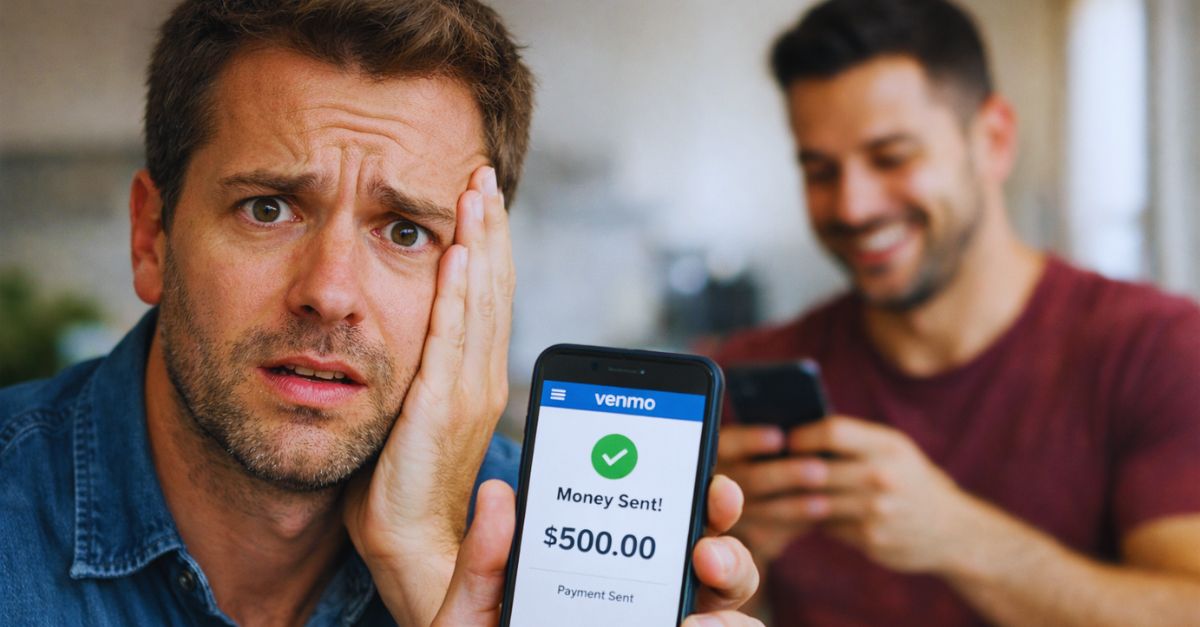
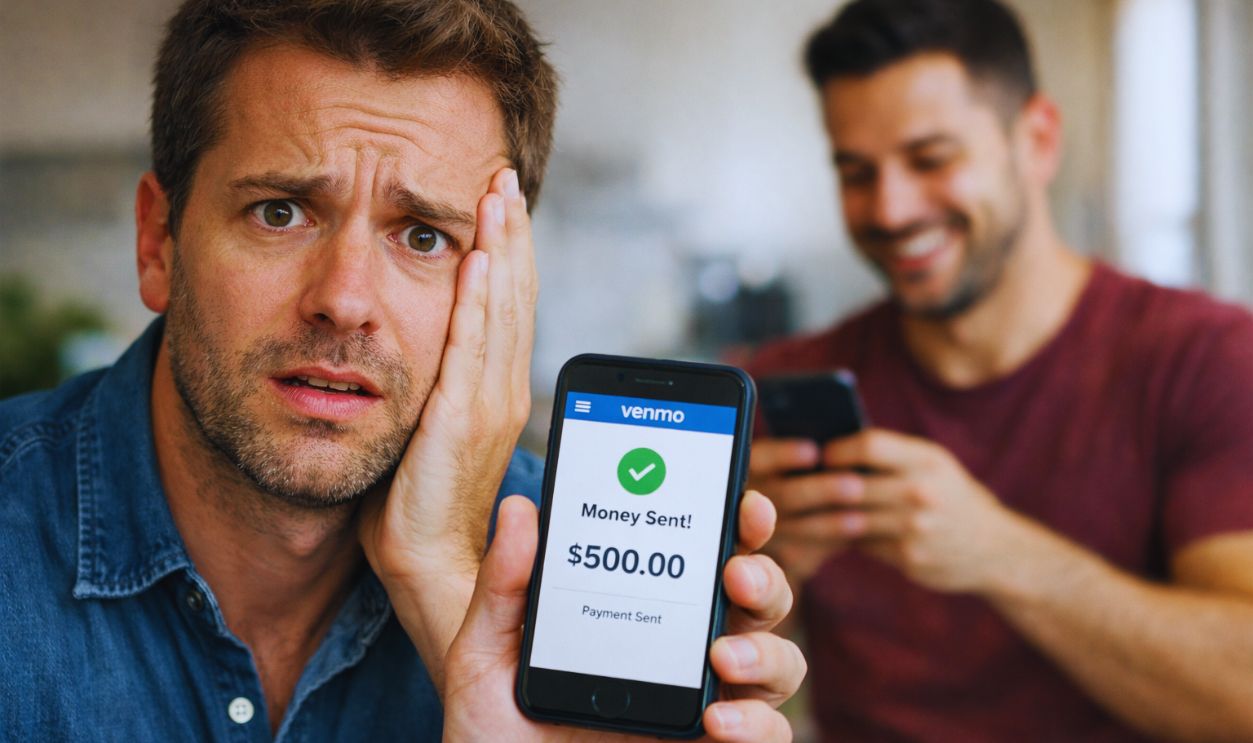
You meant to pay your friend, but you sent money to a stranger with a similar name. On Venmo, many payments are instant, which makes the mistake feel irreversible. The good news is there are a few realistic paths to getting your money back, but speed and documentation matter—and get ready to commit some time to it.
First, Know What You’re Up Against
Venmo is designed for fast transfers between people, not for “undo” buttons. Once a payment is completed, Venmo generally cannot reverse it for you. That policy shows up clearly in Venmo’s help guidance on mistaken payments.
Double-Check The Basics Before You Panic
Open the payment in Venmo and confirm the exact username, profile photo, and phone number or email (if shown). Make sure it was a “Payment” and not a “Request” you accidentally sent. Also confirm whether it is marked complete, because pending states can change what’s possible.

If It’s Pending, Your Odds Improve
Some transfers can show as pending, especially when there are identity checks or bank processing steps involved. If the money has not actually reached the recipient yet, there may be a narrow window to stop it. Venmo’s support pages encourage contacting them quickly if you think you sent money to the wrong person.
Step One: Send A Polite Message In The App
Venmo’s primary recommendation is simple: ask the recipient to send it back. Tap the transaction and use the comment or message flow to explain what happened. Keep it short, polite, and specific about the amount and the date. But of course, this won't always work out.

Make Your Message Hard To Ignore
Include the payment date, amount, and the last four digits of your phone number if you want to help them confirm you are real. If the payment note included something personal, acknowledge it and clarify it was meant for someone else. Do not threaten them or accuse them of theft in your first message.

Request The Money Back The Right Way
After you message them, send a Venmo “Request” for the same amount. That gives the recipient a one-tap way to return it. It also creates a clean paper trail inside Venmo.
Be Ready For The Awkward Truth
If the recipient is decent, you may get your money back in minutes. If they ignore you, Venmo is not obligated to force the return in most mistaken-payment situations. At that point, your plan becomes documentation, escalation, and choosing whether the amount is worth pursuing further.

When Venmo Might Step In
Venmo’s public guidance draws a line between a “mistake” and “unauthorized activity.” If your account was compromised, that is a different category than sending money to the wrong person. Venmo directs users to report unauthorized transactions through their support process.

Report The Issue To Venmo Support Quickly
Even if it was your typo, contact Venmo support right away and document the case number. Tell them it was a wrong-recipient payment and include the transaction link or ID. Venmo may not guarantee reversal, but reporting quickly matters if anything about the transfer looks suspicious.

Use The Venmo Dispute Path If It Was Unauthorized
If you did not make the payment, treat it like account takeover. Change your password, enable any available security features, and report the transaction as unauthorized. Venmo’s help center explains how to contact support for unauthorized activity and what information they may request.
Do Not Confuse Venmo With Credit Card Chargebacks
Some users assume they can just dispute it like a card purchase. But person-to-person transfers are not the same as buying something from a merchant. Your bank or card issuer may investigate, but outcomes vary, and it can create complications if the transfer was authorized by you.

If You Funded It With A Credit Card, You Still Need Caution
Venmo payments can be funded by a bank account, debit card, or credit card, depending on user settings and availability. Even when a credit card is involved, a chargeback is not a clean fix for a peer-to-peer payment you intentionally sent. Start with the in-app resolution steps and Venmo support before you escalate.

Watch Out For “I’ll Help You” Scams
After a misdirected payment, scammers may message you pretending to be Venmo support or the recipient. Venmo warns users that support will not ask for your password or send codes for you to share. Keep all communication inside the app and through official Venmo support channels.
 David Whelan, Wikimedia Commons
Never Send A Second Payment To “Unlock” A Refund
A common scam is someone offering to return the money if you send another transfer first. That is almost always a trap. The only “refund” method you should accept is the recipient sending the original amount back to you inside Venmo.

Document Everything In Case You Need To Escalate
Screenshot the transaction details, the recipient’s profile, and your messages and requests. Save dates, amounts, and any replies. If you later need to talk to your bank, card issuer, or even small claims court, this is the backbone of your case.

If The Recipient Refuses, Is It Theft?
Laws vary, and Venmo cannot give legal rulings inside the app. In some places, knowingly keeping money sent by mistake can create legal exposure, but that is fact-specific and depends on local law. What matters practically is whether you can identify the person and whether the amount justifies pursuing it.

Your “Leverage” Is Mostly Social, Not Technical
Venmo does not give users a way to force a reversal for a simple mis-send. That means your best leverage is a clear, calm request and a good paper trail. In many cases, the fastest win is getting the recipient to do the right thing.

Consider A Short, Firm Follow-Up
If you get no response, send one follow-up message after a day or two. Restate the amount and the date, and ask them to return it by a specific deadline. Keep it factual, because anything you type may become part of a dispute record later.

When Your Bank Can Help And When It Cannot
If the payment was authorized and completed, your bank may say it is not reversible. If the payment was unauthorized, banks often have clearer procedures for investigation. Either way, your documentation and your timing can influence how seriously your claim is handled.
If It Was A Big Amount, Talk To Venmo And Your Bank In Parallel
For a large mis-send, you can contact Venmo support and your funding institution at the same time. Keep notes on dates, names, and case numbers. You want a clean timeline that shows you acted quickly and consistently.

Small Claims Court Is Real, But It Is Not Fun
For meaningful amounts, some people consider small claims court. The hard part is identifying and serving the recipient, especially if their Venmo profile is minimal. If you cannot identify them, the case may not be practical.

How To Avoid This Next Time
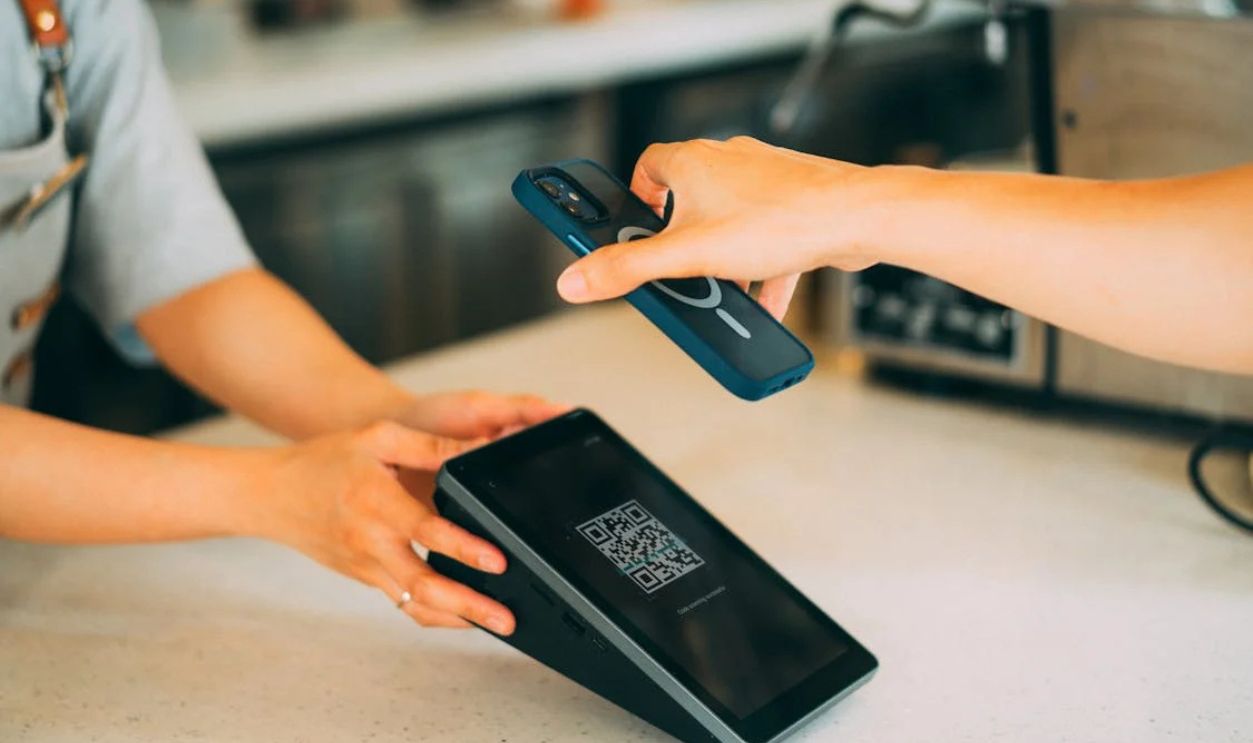
Use Venmo’s QR code for in-person payments when you can. Confirm the last few characters of the username before hitting pay. And consider sending $1 first for a new contact, then sending the rest after they confirm.
Set Your Privacy And Friends List Up For Safety
Keeping your transactions more private does not stop mis-sends, but it can reduce unwanted attention if you are trying to fix one. Maintaining a clean friends list also helps you spot impostor profiles. Venmo offers privacy controls that are worth reviewing.
 mikemacmarketing, Wikimedia Commons
The Bottom Line On Getting Your Money Back
The most realistic route is the simplest one: the recipient voluntarily returns it. Your next-best move is fast reporting and strong documentation, especially if anything looks unauthorized. Venmo is built for speed, so the best protection is slowing down for five seconds before you hit “Pay.”
Quick Checklist Before You Close The App
Message the recipient politely and request the money back. Contact Venmo support immediately and keep the case number. Save screenshots and do not engage with anyone asking for extra payments or login codes.