
Why Multiple Overdraft Fees Can Show Up Fast
Yes, a bank can sometimes charge multiple overdraft fees in a single day if several transactions hit your account while your balance is below zero. That’s what people mean when they say fees are “stacked.” In many cases, the bank charges one fee per item that overdraws the account, up to a daily limit set by the bank. Whether that’s allowed depends on the account agreement, federal rules, and sometimes state law or enforcement actions.

What an Overdraft Fee Actually Is
An overdraft fee is usually charged when the bank pays a transaction even though you do not have enough money in your account to cover it. The bank is basically fronting the money and then charging you for that service. These fees are often around $25 to $35 per item, though some banks have reduced or dropped them in recent years. The Consumer Financial Protection Bureau has described overdraft as a high-cost service that can be triggered by small debit transactions.

Yes, Small Purchases Can Trigger Big Fees
A coffee, a streaming charge, or a small subscription renewal can trigger an overdraft fee if your available balance is too low when the item is paid. The size of the purchase usually does not determine the size of the fee. That is why a $4 transaction can still lead to a $30-plus charge. If several small transactions post around the same time, the fees can add up fast.
 Vodafone x Rankin everyone.connected, Pexels
How Fee Stacking Usually Happens
Fee stacking usually happens when multiple debit card purchases, ACH debits, checks, or bill payments hit an already short balance. If the bank chooses to pay each item, it may charge a separate overdraft fee for each one. Some banks also set a cap on the number of overdraft fees per day. The exact rule should be in your deposit account agreement and fee schedule.

The Difference Between Overdrafts and NSF Fees
An overdraft fee generally means the bank paid the item and your account went negative. A non-sufficient funds, or NSF, fee usually means the bank declined or returned the item unpaid. Banks used to charge both types of fees more often, though many large institutions have reduced or removed NSF fees after regulatory pressure. It matters because your statement may use different terms, and each can come with its own cost.

Debit Card Overdrafts Have a Special Rule
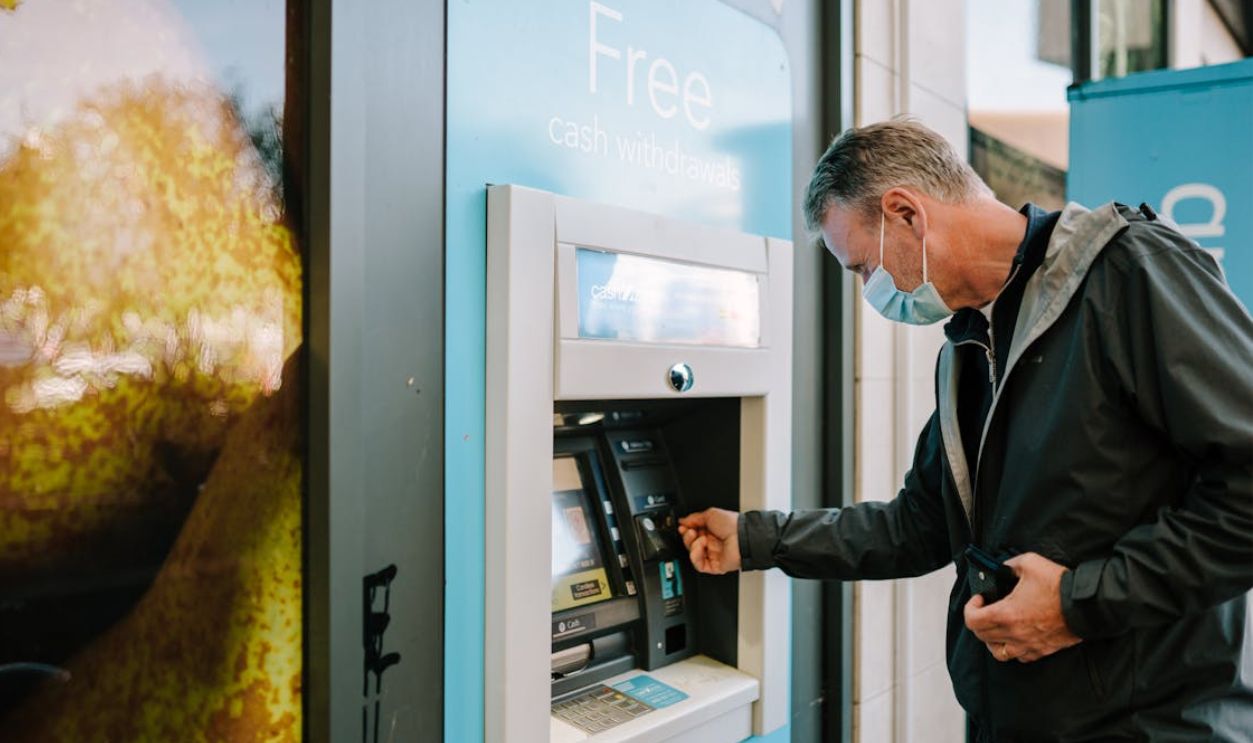
For one-time debit card purchases and ATM withdrawals, federal law generally says a bank cannot charge you an overdraft fee unless you opted in first. This rule comes from the Federal Reserve’s Regulation E opt-in requirement. If you never agreed to overdraft coverage for those transactions, the bank generally should decline them instead of charging a fee. That rule does not apply the same way to checks and recurring electronic payments.
 Centre for Ageing Better, Pexels
What Opting In Really Means
If you opted in, you gave the bank permission to approve and pay certain ATM and one-time debit card transactions even when you do not have enough money. In exchange, the bank may charge an overdraft fee when it covers those items. The bank must give you a notice explaining the service before you agree. If you are not sure whether you opted in, you can ask the bank for the record or check your account disclosures.

Why Transaction Timing Matters So Much
One frustrating part of overdraft fees is that the balance you see may not match what the bank uses to decide whether you are overdrawn. Some banks rely on “available balance,” which can reflect holds, pending card transactions, or deposits that are not yet available. That means you might think you have enough money based on your ledger balance, but still trigger an overdraft fee. Timing issues are at the center of many overdraft complaints and lawsuits.

Posting Order Can Make Fees Worse
The order in which transactions post can affect how many overdraft fees you get. In the past, some banks were accused of reordering transactions from highest to lowest amount, which could drain an account faster and create more fees. Regulators and courts have looked closely at that practice, and many banks changed their methods. Still, posting order matters, so it is worth reviewing your statement carefully if the fees seem off.

Daily Caps Do Not Always Save You
Many banks set a maximum number of overdraft fees per day, but that does not mean the charges will be small. A cap of three or four fees can still add up to well over $100 in one day. Some banks have no fee for overdrafts below a small threshold, while others charge once you go past a certain negative amount. You will want to check both the per-item fee and the daily maximum in your fee schedule.

There Has Been a Lot of Regulatory Pressure
Federal regulators have spent years criticizing overdraft programs that bring in large revenue from people with low balances. The CFPB has issued research and guidance showing that a small share of customers often pay a very large share of overdraft fees. Agencies have also brought enforcement cases over misleading balance information and surprise fees. Because of that, many banks have changed their overdraft policies, reduced fees, or added grace features.

Some Banks Have Dropped Fees Altogether
Several large banks and credit unions have removed overdraft fees or made overdraft coverage less harsh. Others now offer buffer zones, 24-hour grace periods, or automatic transfers from linked savings accounts. These changes are real, but they are not everywhere. If your bank still charges stacked fees, it may be worth comparing accounts at other institutions.

When Multiple Fees Might Be Legit
If your account agreement clearly says the bank charges one overdraft fee per paid item, and several items posted while your account did not have enough available funds, multiple fees may be allowed. That is especially true for checks, ACH payments, or recurring debit transactions. The key issue is whether the bank followed its disclosed rules and federal protections. “Allowed” does not always mean “fair,” but it often comes down to the contract and the transaction type.

When Multiple Fees Might Be a Problem
Multiple fees may be open to challenge if the bank charged overdraft fees on one-time debit card or ATM transactions without a valid opt-in. They may also be questionable if the bank’s disclosures were misleading, if balance information was wrong, or if transactions were processed in a way that violated the account terms. In some cases, lawsuits and enforcement actions have focused on so-called authorized-positive, settled-negative transactions. That phrase describes purchases approved when the balance looked high enough but posted later after other activity lowered the account.

The “Authorized Positive, Settled Negative” Issue
This issue has led to a lot of litigation because customers often argue the bank should not charge an overdraft fee on a purchase that was approved when enough money seemed to be available. Banks have responded that other transactions, holds, and account terms can change the available balance by the time the item settles. Whether a fee is valid in that situation often depends on the exact contract language and the facts. Courts and settlements have gone different ways, which is why statements and disclosures matter so much.

What to Check in Your Account Agreement
Look for sections called “Overdraft Services,” “Payment Order,” “Available Balance,” “Funds Availability,” and “Fee Schedule.” Those parts explain when the bank decides you are overdrawn, what kinds of transactions are covered, and how many fees can be charged in one day. You should also check whether the bank offers a small threshold, such as no fee if you are overdrawn by less than a certain amount. If the language is confusing, ask the bank to explain it in writing.

How to Review Your Statement Like a Pro
Start by making a timeline of each purchase, deposit, pending transaction, hold, and fee. Compare the authorization date with the posting date, because those can be different. Then note whether the fee came from a debit card transaction, an ACH debit, a check, or an ATM withdrawal. That breakdown helps you spot whether the bank may have charged a fee on a transaction type that required opt-in or used a balance method you did not expect.

How to Ask for the Fees Back
If this is your first problem or you have otherwise been a solid customer, ask for a courtesy refund. Be calm and specific. Mention the date, the number of fees, and why the charges surprised you. If the bank used a confusing posting sequence or a tiny purchase triggered a large total in fees, say that clearly. Many banks will reverse at least some fees, especially if you bring your balance positive quickly.

What to Say If You Want to Dispute Them
You can tell the bank you want a formal review of the overdraft fees and ask for the exact reason each fee was charged. Request copies of the overdraft opt-in record if any fee involved a one-time debit card purchase or ATM withdrawal. Ask what balance method was used and in what order the transactions posted. Put your complaint in writing if customer service does not give a clear answer.

Where to Complain If the Bank Will Not Fix It
If your bank is nationally chartered, you may be able to complain to the Office of the Comptroller of the Currency. You can also submit complaints to the CFPB, which forwards them to financial companies for a response. State banking regulators may also help, depending on the institution. If the dollar amount is significant, you may also want to speak with a consumer lawyer about whether the fees conflict with the account terms or applicable law.

Ways to Avoid Fee Stacking in the Future
Consider turning off debit card overdraft coverage if you do not want one-time debit card and ATM transactions approved into the negative. Set up low-balance alerts, keep a small cushion in checking, and link a savings account if your bank offers low-cost overdraft transfers. Tracking your available balance rather than just your current balance can also help. If your bank still relies heavily on overdraft fees, moving to a new account may be the simplest fix.

The Bottom Line on Stacked Overdraft Fees
Can a bank stack multiple overdraft fees in one day for small purchases? Sometimes yes, but not always, and the details matter a lot. The biggest questions are what kind of transaction it was, whether you opted in where required, what your account agreement says, and how the bank calculated your available balance. If the charges look wrong, do not assume they are unavoidable. Review the account terms, ask questions, and push for refunds or corrections when the facts are on your side.