
When Your Paycheck Shows Up Late
Finding out your paycheck is being delayed by a week can feel awful, potentially ruinous. Rent, groceries, childcare, and bills do not usually wait because your employer is having money problems. The short answer is that cash flow issues usually do not wipe out an employer’s legal duty to pay workers on time. Whether they can get away with it depends on federal and state law, but in a lot of cases, a late paycheck is a legal problem for the employer, not for you.

Cash Flow Problems Are Not A Free Pass
A lot of businesses deal with uneven revenue, especially small companies and seasonal businesses. But wage laws generally do not say employers can delay payroll just because money is tight. The Fair Labor Standards Act requires covered employers to pay at least minimum wage and overtime for the hours employees work, and state laws often go further by setting exact paydays. So a company’s money problems usually do not cancel your right to be paid on time.

Federal Law Sets The Floor
The federal Fair Labor Standards Act, or FLSA, does not create one nationwide payday rule for every worker. Still, the U.S. Department of Labor says wages earned in a pay period generally must be paid on the regular payday for that period. Overtime also has to be paid on the regular payday for the pay period when it was earned, with limited exceptions when the amount cannot be figured out in time. If an employer just pushes payroll back without a legal reason, that can lead to wage claims.
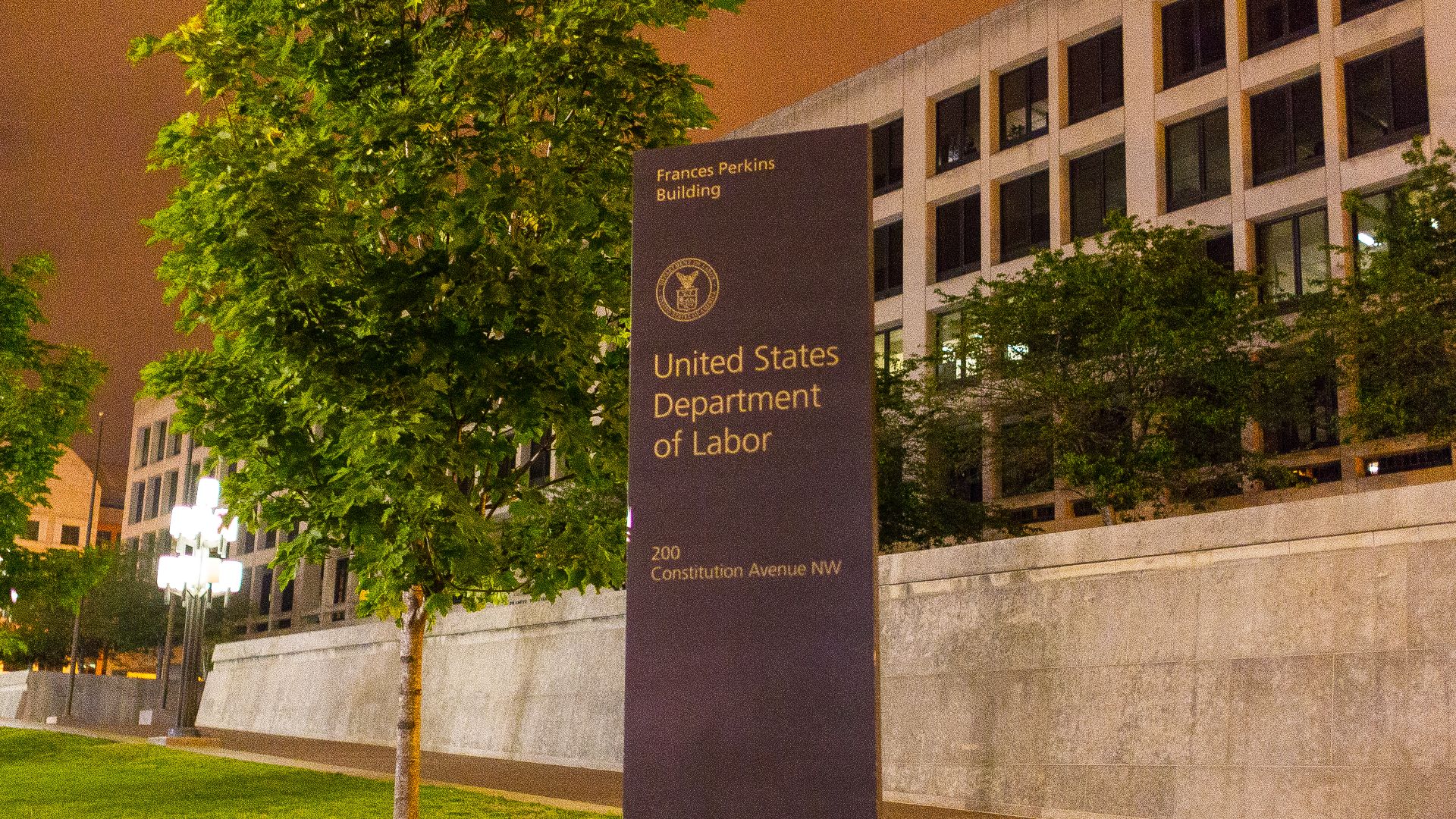 US Department of Labor, Wikimedia Commons
State Payday Laws Often Matter Most
This is where state law really matters. Many states require employers to pay workers on regular paydays and may even spell out how often employees must be paid, such as weekly, every two weeks, twice a month, or monthly depending on the kind of job. Some states also add penalties when wages are paid late, especially if the delay continues after an employee quits or is fired. So whether a one-week delay is legal often depends on your state’s rules, not just federal law.

Regular Payday Means Regular Payday
If your employer normally pays every other Friday, that schedule is not just a habit. In many states, once the employer sets a regular payday, wages are due then unless the law allows a change and proper notice is given. An employer usually cannot suddenly say there are cash flow issues and move payday by a week with no consequences. A temporary business problem does not automatically make a late payday legal.

Can A Company Change Payroll Dates Going Forward?
Sometimes yes, an employer can change the payroll schedule for future pay periods. For example, a company might move from weekly pay to every two weeks if state law allows it and employees get proper notice ahead of time. That is different from holding back wages that have already come due under the current schedule. Changing the schedule going forward is one thing, but delaying money already earned is where legal trouble often starts.

Exempt And Nonexempt Workers Both Need To Be Paid
People sometimes think timing rules only protect hourly workers, but that is not really true. Nonexempt employees have federal protections for minimum wage and overtime, while salaried exempt employees generally still must receive their promised salary on the employer’s regular payday under the law that applies. State wage payment laws often cover both groups. The details can vary, but late pay is not only an hourly-worker issue.

Minimum Wage Problems Can Happen Fast
A delayed paycheck is not just frustrating. It can also create minimum wage problems under federal law. If an employee is not paid on the regular payday, the Department of Labor says the unpaid wages may count as unpaid minimum wage or overtime depending on the facts. That can expose the employer to back wages and damages. So a one-week delay is not automatically harmless just because the money shows up later.

Overtime Has Its Own Rules Too
Overtime pay is supposed to be paid on the regular payday for the pay period when it was earned. If the employer cannot calculate the overtime amount in time, it must pay it as soon as possible after the regular pay date. That rule is meant for calculation problems, not because the company is short on cash. A company usually cannot use cash flow trouble as a stand-in for following overtime rules.

What If They Paid Part Of It?
Some employers try to make things easier by paying part of the wages now and the rest later. That may help a little in the moment, but it does not necessarily make the situation legal. If the unpaid part means you did not receive all wages due by the required payday, the employer may still be breaking wage payment laws. Partial payment is not a legal fix by itself.

Direct Deposit Delays Can Be Different
There is a difference between an employer deliberately delaying payroll and a bank or processing problem. If the employer sent payroll properly and there is a rare technical delay outside its control, that may be different from simply deciding to postpone payment because the account balance is low. Even then, the employer should move quickly to fix the issue and keep records of what happened. Repeated glitches can start to look less like accidents and more like a payroll problem.

Independent Contractor Or Employee Makes A Big Difference
If you are truly an independent contractor, state wage payment laws may not protect you the same way they protect employees. Contractors are usually covered by contract law instead of standard wage and hour rules. But many workers are mislabeled as contractors when they are really employees. If your boss controls your schedule, duties, and how the work is done, it may be worth looking more closely at your classification.

What You Should Check First
Start with the basics before assuming the worst. Review your pay stub, employee handbook, offer letter, union contract if you have one, and any payroll notices that mention your regular payday. Then check your state labor department website for rules on how often employees must be paid and what happens if wages are late. You want to figure out whether your employer lawfully changed payroll for future periods or simply missed a required payday.

Ask For The Explanation In Writing
If your boss told you verbally that your paycheck will be a week late, ask for that in writing. Keep the message polite and simple, such as confirming that wages for a certain pay period will not be paid until a specific date. Written proof can help a lot if you later need to file a complaint or wage claim. It also sometimes pushes employers to treat the problem more seriously.

Document Everything While It Is Fresh
Save emails, texts, pay stubs, time records, schedules, and bank screenshots showing when money usually arrives and when it did not. Write down who told you about the delay, when they said it, and the reason they gave. If coworkers were told the same thing, they should keep their own records too. Good records can make a big difference if the issue turns into a formal complaint.

You Can File A Wage Complaint
Many states let workers file wage claims directly with the state labor agency, often online. The U.S. Department of Labor’s Wage and Hour Division also handles certain unpaid wage violations under federal law. Which option makes the most sense depends on your state, the amount owed, and whether the issue involves minimum wage or overtime. If the delay is part of a bigger pattern, filing a complaint may be the fastest way to get action.

Penalties Can Be Expensive For Employers
Late wages can cost an employer more than just the paycheck amount. Depending on the law, they may owe back wages, liquidated damages, waiting time penalties, civil penalties, attorney’s fees, or interest. Some states are especially strict when final paychecks are late after a worker leaves or is fired. That is why delaying payroll to get through a short-term cash crunch can turn into a much bigger financial problem.

Retaliation Is Usually Illegal
A lot of workers stay quiet because they are afraid of getting fired or having their hours cut. But wage laws generally ban retaliation for asserting your rights, filing a complaint, helping with an investigation, or asking about pay you are owed. That does not mean retaliation never happens, but it does mean the employer can face more legal trouble if it does. If anything changes after you complain, document that too.

When Late Pay Is A Red Flag
One delayed paycheck can be a warning sign that a business is in serious financial trouble. If payroll is starting to slip, other problems may follow, like bounced checks, reduced hours, vendor trouble, or sudden management changes. It may be smart to update your resume and quietly look at other job options while also protecting your legal rights. You do not need to panic, but you also should not ignore a pattern.

If The Company Goes Under
If a business is heading toward bankruptcy or closing down, unpaid wages can become even more urgent. Workers may still have claims for wages, and in some bankruptcy cases certain wage claims get priority up to legal limits. That does not guarantee fast payment, but it does mean unpaid wages are not treated as an afterthought. If shutdown seems possible, gather your records now instead of waiting.

Should You Call A Lawyer?
If the amount is large, the delay keeps happening, or your employer is not giving straight answers, talking with an employment lawyer can be a smart step. Many workers’ employment lawyers offer consultations, and some state labor agencies also give guidance on how to file a claim. A lawyer can help you figure out whether this is a simple payroll mess or a serious wage law violation. That is especially helpful if you suspect retaliation or misclassification.

So, Is It Even Allowed?
Usually not just because your boss says there are cash flow issues. Employers generally must pay employees on the regular payday required by policy and law, and state payday laws often make that duty very clear. A one-week delay may break wage payment laws even if the company eventually pays you. The best next steps are to confirm the rule in your state, get the delay in writing, keep records, and think about filing a wage complaint if the money does not arrive soon.