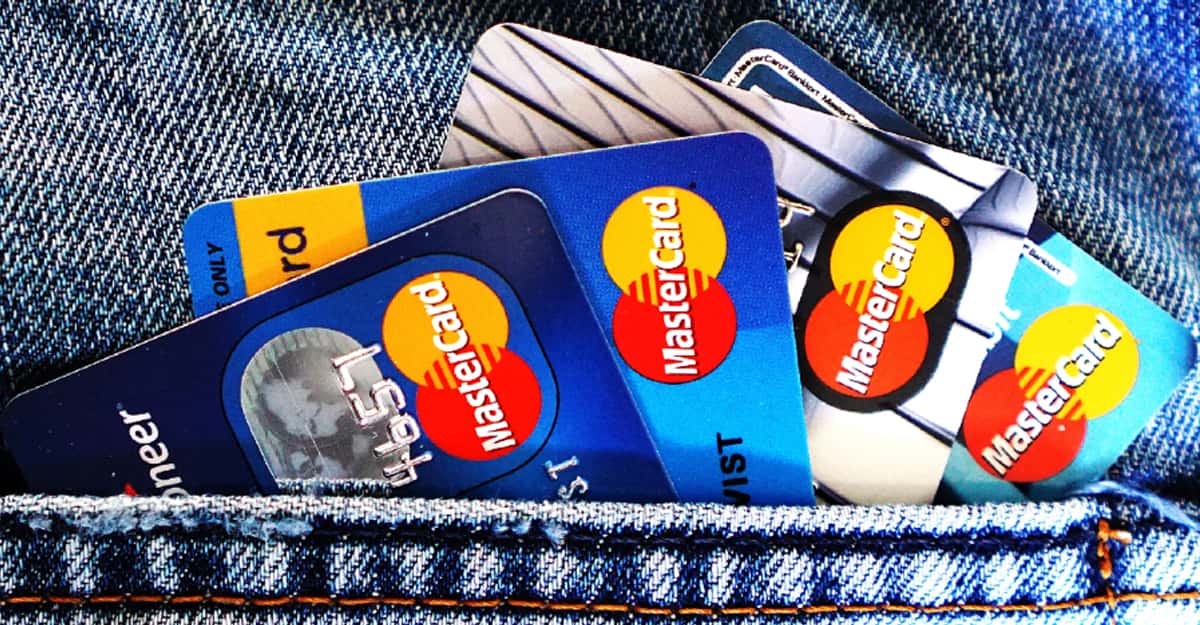
Why People Think Cash Makes Them Invisible
It feels like everything leaves a digital tail these days, so cash definitely sounds more private and secure. No electronic records can make it seem like the government, banks, and companies have no way to see what you are doing. But harder to track is not the same as impossible to track, and it definitely does not mean anything paid in cash is automatically legal. What matters most is what kind of transaction it is and whether you follow the rules that go with it.
 www.kaboompics.com, Pexels, Modified
Paying In Cash Is Usually Legal
First and foremost: Using cash to buy normal goods and services is mostly legal in the United States. You can pay for groceries, a haircut, furniture, or a used bike with cash if the seller takes it. There is no general federal law limiting the use of cash for ordinary transactions—yet.
But that doesn't mean you're scot-free for using cash.

Privacy And Illegality Are Not The Same Thing
Some people use cash because it helps them budget, avoid fees, or keep more privacy. Those reasons are not automatically shady, and the law does not ban private behavior just because it makes recordkeeping harder. The problem starts when cash is used to hide taxable income, avoid reporting rules, or cover up criminal activity. Wanting privacy is one thing. Trying to avoid legal duties is another.

Cash Does Not Erase Your Tax Duties
If you earn money in cash, it is still usually taxable income. The IRS says taxpayers must report income from all sources unless a specific exception applies. That includes tips, freelance work, side jobs, rent payments, and business income received in cash. Getting paid in twenties instead of direct deposit does not make the money disappear for tax purposes.
 Joshua Doubek, Wikimedia Commons
Businesses Taking Cash Still Have To Keep Records
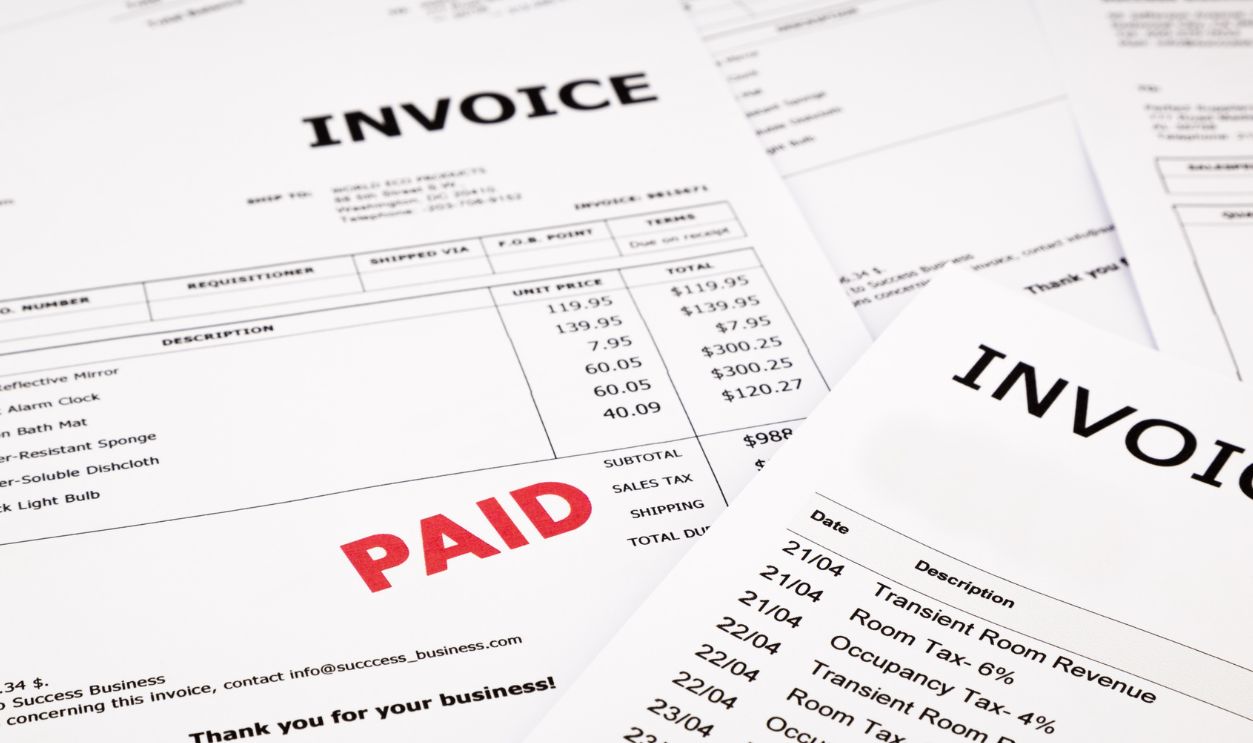
If your friend runs a business and takes cash, he still has to keep records. The IRS expects businesses to maintain records that clearly show income and expenses, whether the money comes in by card, check, app, or cash. Cash-heavy businesses often get extra attention because underreporting is easier when records are messy. Using cash can be legal, but keeping accurate books is still part of the job.

Employees Cannot Just Skip Reporting Cash Tips
Cash tips are another place where people get confused. Employees usually must report tip income to their employer if it reaches the reporting threshold, and tip income is taxable. The fact that a customer handed over bills instead of tapping a screen does not change that. Cash may feel informal, but the tax rules still apply.

Big Cash Payments Can Trigger Reporting Rules
Large cash transactions can create legal reporting duties even when the money comes from a legal source. For example, businesses generally must file IRS and FinCEN Form 8300 when they receive more than $10,000 in cash in one transaction or related transactions. That rule is meant to help detect money laundering and other financial crimes. So no, paying in cash does not automatically keep the government out of it.

Banks Report Certain Cash Activity Too
Banks and credit unions have their own reporting duties under federal anti-money-laundering laws. They generally must file a Currency Transaction Report for cash transactions over $10,000, and they may also file Suspicious Activity Reports in some cases. That means large cash deposits and withdrawals can be visible to regulators. Cash is not a legal blind spot once it goes through the banking system.
 Harrison Keely, Wikimedia Commons
Breaking Up Transactions Can Be Its Own Crime
This is where people can get into real trouble: splitting cash transactions on purpose to avoid reporting rules can be illegal. That practice is often called structuring. For example, making several smaller deposits just to stay under the $10,000 reporting threshold can lead to civil or criminal penalties. Even if the money itself came from legal work, trying to dodge the reporting rules can still be against the law.

Buying Big-Ticket Items With Cash Can Raise Questions
Paying cash for a car, expensive jewelry, luxury goods, or major equipment is not automatically illegal. But large cash purchases can attract attention from dealers, financial institutions, and law enforcement because they can look like money-laundering patterns. Sellers may have reporting duties, and investigators may ask where the money came from if something seems off. That does not mean cash buyers are criminals, only that the purchase may not stay as private as they expect.

Landlords, Contractors, And Freelancers Still Owe Taxes
Cash is common in some kinds of work, like home repair, babysitting, landscaping, bartending, and informal gig work. But if someone is collecting rent or getting paid in cash for services, that money still usually has to be reported. The same goes for self-employment taxes when they apply. Living mostly in cash does not create a special exception from normal tax rules.

Cash Can Make Audits Harder, Not Impossible
Some people assume that if they use cash, the IRS or another agency has no real way to piece together what happened. In reality, investigators can look at bank records, receipts, invoices, surveillance, messages, ledgers, inventory, lifestyle evidence, and statements from customers or employees. Audits and criminal cases often rely on patterns, not just card statements. Cash may make things harder to trace, but it does not shut the door.

There Is No General Federal Rule Requiring Retailers To Accept Cash
A lot of people have heard that cash is legal tender, so every business must take it. That is not generally true for ordinary retail sales under federal law. The Federal Reserve says there is no federal statute requiring a private business to accept cash as payment, unless a state or local law says otherwise. So your friend may prefer cash, but a business can often still say cards only.
 Helgi Halldórsson from Reykjavík, Iceland, Wikimedia Commons
Legal Tender Does Mean Something More Limited
Legal tender means U.S. currency is valid for paying debts, public charges, taxes, and dues. It does not mean every seller has to agree to a sale on cash terms. A business can usually set payment policies before the sale happens, like card-only, exact cash only, or no large bills. That is a business policy issue, not proof that the government has banned cash.
State And Local Cash-Acceptance Laws Can Change The Picture
Some states and cities have passed laws requiring certain businesses to accept cash in at least some situations. Those rules vary by place and may include exceptions for online sales, membership models, or unattended retail. So whether a store can refuse cash may depend on where you are. That is a good reminder that cash laws are not all packed into one simple federal rule.

Money Laundering Laws Matter More Than The Payment Method
If cash is being used to hide the source, ownership, or nature of criminal proceeds, that raises money laundering issues. The key legal question is not just that the transaction used currency, but whether it was designed to hide dirty money or move it through the financial system. Lawful cash spending is one thing. Hiding criminal proceeds is another. Intent and source matter a lot.

Trying To Hide Assets Can Also Create Legal Problems
Cash can be used in schemes that have nothing to do with normal shopping, such as hiding assets from a spouse, creditor, bankruptcy court, or tax authority. That is where saying “I only use cash” can become legally risky very quickly. Courts and agencies care about whether someone is hiding assets or making false statements, not just about the bills in a drawer. Cash is a tool, and the legal problem depends on how it is used.

There Are Also Practical Downsides To A Cash-Only Life
Even when it is legal, paying for everything in cash can create problems. It can make it harder to prove purchases, return items, build credit, fight billing disputes, or document deductible business expenses. Carrying a lot of currency also creates theft and loss risks, and unlike a stolen credit card, lost cash is often gone for good. Privacy matters, but records and protections matter too.
 LIGHTFIELD STUDIOS, Adobe Stock
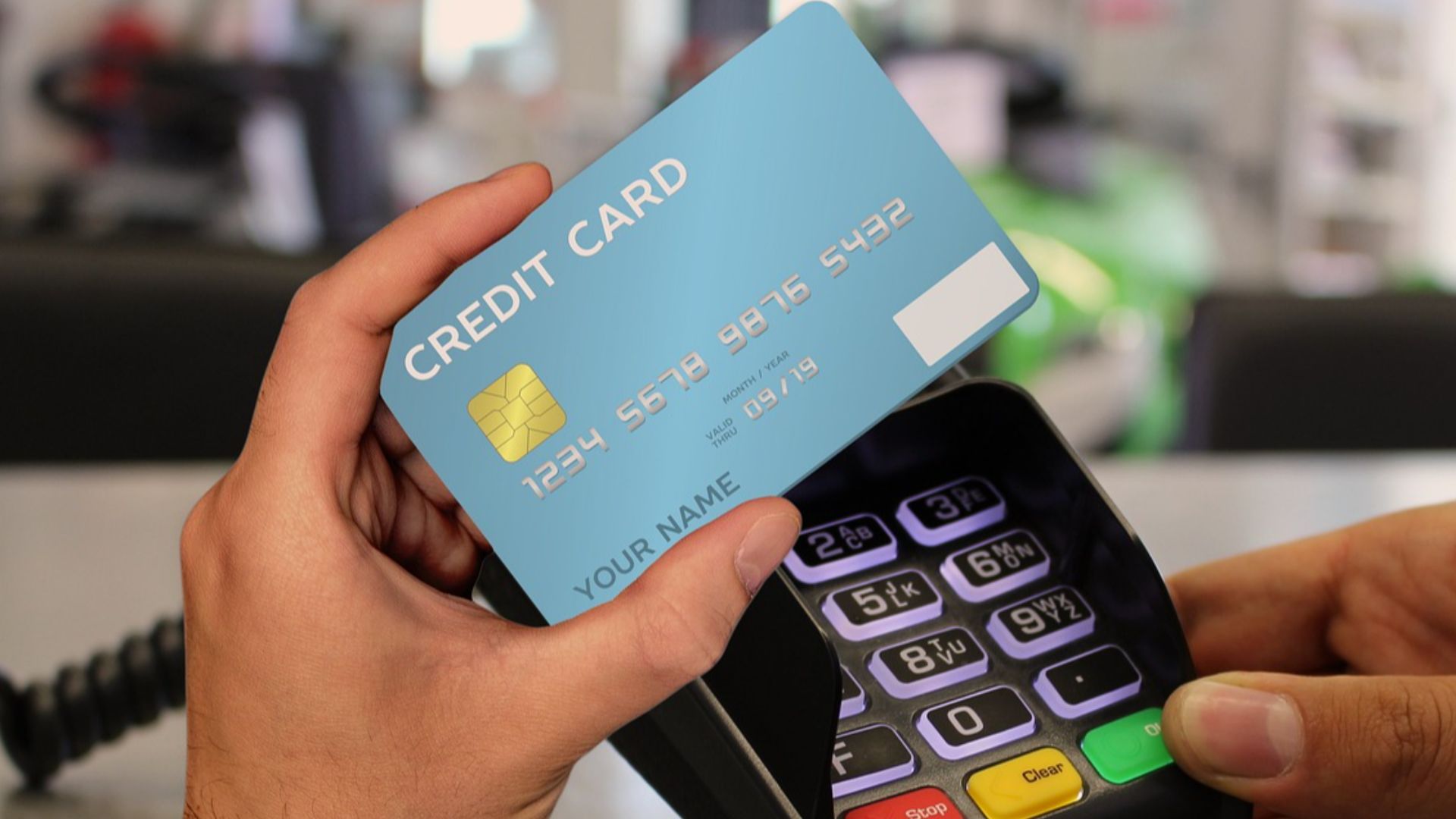
Digital Payments Create Trails, But Cash Leaves Clues Too
People often talk like the choice is simple: cards leave records and cash leaves none. Real life is messier. Cameras, store receipts, toll records, phone location data, text messages, delivery logs, and witness accounts can all connect a cash transaction to a person. Cash reduces one kind of trail, but not every kind.
If The Goal Is Lawful Privacy, There Are Better Ways To Think About It
If someone wants more financial privacy without breaking rules, the smartest move is not to hide everything in cash. A better approach is to separate privacy from evasion: use solid budgeting habits, protect account security, limit unnecessary data sharing, and keep accurate tax records. Paying cash for small everyday purchases can be completely fine as part of that. The trouble starts when privacy becomes an excuse for not following the law.

So Is Your Friend Actually In The Clear
Maybe, but not for the reason he thinks. Paying in cash is generally legal, and wanting privacy is not a crime. What is illegal is using cash to evade taxes, avoid reporting rules, structure transactions, launder money, or hide assets. The honest answer is this: cash can make some transactions less visible, but it does not put anyone outside the law or beyond the government’s reach.