
The Claim Sounds Clever
You have probably heard the line before. Inflation makes dollars worth less over time, so debt supposedly gets cheaper to repay later. There is some truth in that, but wealthy people usually think about debt in a much more careful way than that slogan suggests.

Inflation Really Can Shrink Debt In Real Terms
If you owe a fixed amount at a fixed interest rate, future payments may feel easier if your income rises with inflation. Economists describe this as inflation reducing the real burden of nominal debt. The key word is real, because your loan statement still shows the same number of dollars owed.

But The Loan Balance Does Not Magically Melt Away
Your lender still expects every payment on time. Inflation does not erase principal, late fees, or penalty rates. If your paycheck does not keep up, debt can actually feel harder to manage, not easier, even during inflation.

The Federal Reserve Has Been Clear On What Inflation Is
The Federal Reserve describes inflation as a broad rise in prices over time that lowers purchasing power. That is the basic reason people say old debt can become easier to carry. But the Fed also makes clear that inflation hits households differently, and not everyone benefits in the same way.
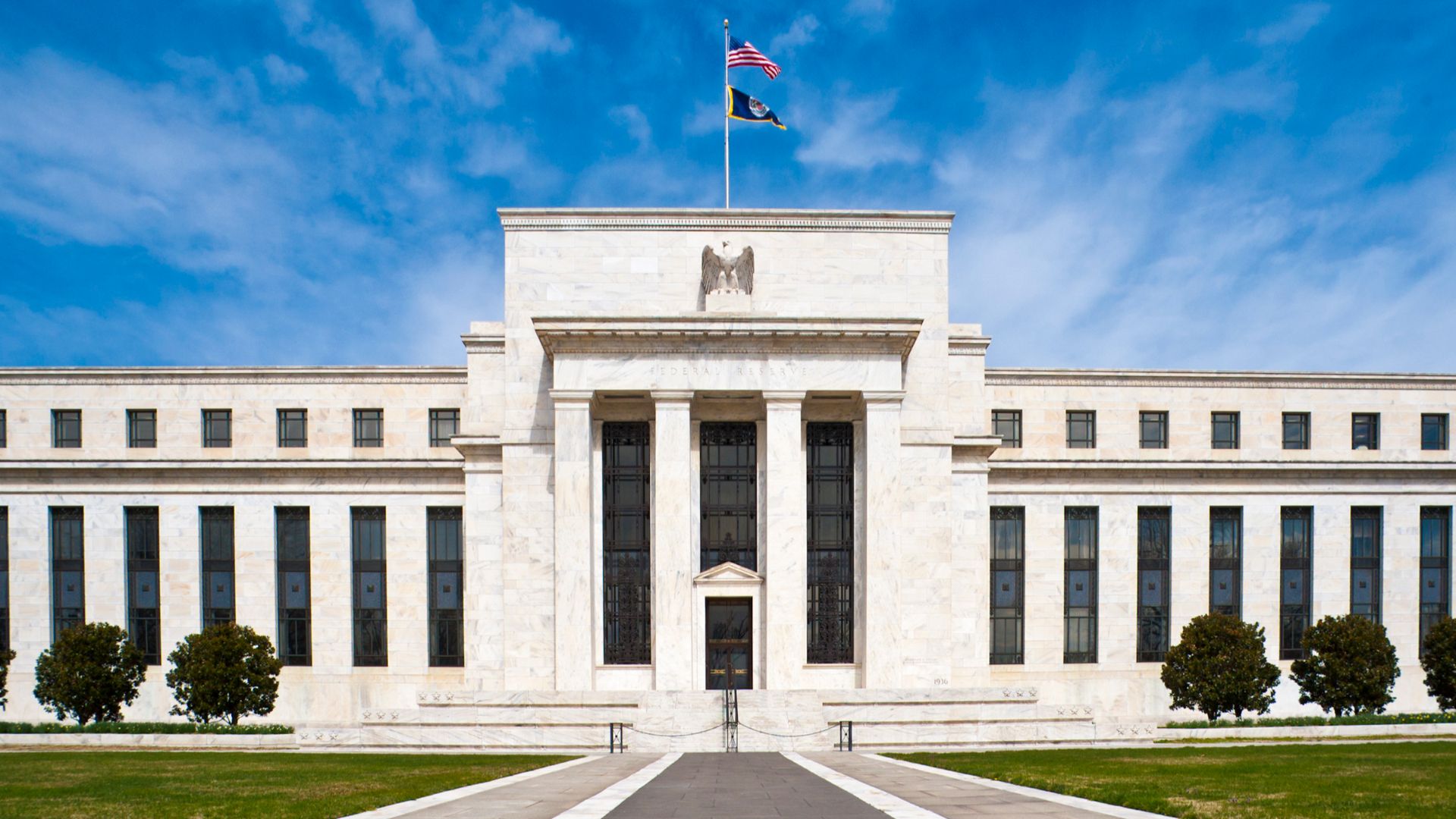 Federalreserve, Wikimedia Commons
Fixed Rate Debt And Variable Rate Debt Live In Different Worlds
This is where the simple version usually falls apart. A fixed rate mortgage from a few years ago is nothing like a credit card balance that can reset fast. Wealthy borrowers know the structure of the debt matters just as much as the amount.

Credit Cards Usually Blow Up The Theory
Credit card interest rates are often so high that inflation does not come close to offsetting the cost. Federal Reserve consumer credit data and CFPB research have both shown how expensive revolving debt can be. Carrying a 20 percent-plus balance and hoping inflation will bail you out is usually not a strategy. It is a mistake.

Mortgages Are The Classic Example People Mean
A long-term fixed mortgage is the cleanest example behind the inflation argument. If you locked in a low fixed rate and your wages and assets rise over time, the payment can become easier to handle. That is one reason homeowners with low-rate mortgages often hesitate to pay them off early.

The Wealthy Usually Borrow Against Assets, Not Groceries
Affluent households are more likely to use debt to buy appreciating assets, fund businesses, or create liquidity without selling investments. The IRS has long allowed mortgage interest deductions in limited cases, and business borrowing can have its own tax treatment. That does not make all debt good, but it does show that the rich are often playing a different game than a household carrying card debt from month to month.

Good Debt Is Not A Magical Category
You will often hear people talk about good debt and bad debt. In real life, debt only helps if the expected return after taxes and risk beats the borrowing cost. Wealthy people are usually much less romantic about debt than social media makes it sound.

Real Estate Investors Have Used Leverage For Decades
Leverage has been central to real estate investing for generations because property can generate rent, tax benefits, and long-term appreciation. If the financing is fixed and the asset produces cash flow, inflation can help by pushing rents up while the loan payment stays the same. But when rents drop or vacancies rise, leverage cuts the other way just as quickly.

Businesses Borrow Because Timing Matters
A business might borrow to expand inventory, open a new location, or buy equipment that lifts revenue. In that case, debt is a tool tied to a forecast and a timeline. Wealthy owners and executives are usually not borrowing because inflation sounds clever. They borrow because they believe the capital will earn more than it costs.

Warren Buffett Has Warned About Inflation In His Own Way
Warren Buffett has written for decades about inflation's ability to eat away at purchasing power and distort returns. His broader point matters here. What counts is not just nominal gains or nominal debt, but what happens after inflation and taxes.

The Tax Angle Is One Reason Rich Borrowers Think Differently
If a borrower can deduct some interest, borrow at a lower rate, and keep money invested in assets with higher expected returns, carrying debt may make sense. But that depends on the exact asset, tax rules, and risk. It is not a blanket excuse to keep expensive consumer debt forever.

Low Fixed Rates Created A Generation Of Inflation Winners
After years of very low interest rates, many homeowners refinanced into fixed mortgages that later looked brilliant when inflation surged in 2021 and 2022. Their monthly housing payment stayed put while rents and new borrowing costs climbed. That experience helped spread the idea that debt is smart, but it was specific to the type of debt and the timing.

Then Rates Jumped And The Mood Changed
Starting in 2022, the Federal Reserve raised rates rapidly to fight inflation. Suddenly new borrowers faced much higher costs, and variable-rate balances became more painful. That shift is a reminder that the inflation story is only half the picture. Interest rates matter just as much.

Wealthy People Obsess Over The Spread
A useful way to think about this is the spread between what your debt costs and what your money can earn somewhere else. If your mortgage costs 3 percent and your cash can earn around 5 percent in safe instruments, carrying the mortgage may make sense. If your credit card costs 24 percent, there is no attractive spread to talk about.

Liquidity Is A Huge Part Of The Rich Person Playbook
Many wealthy households keep debt because they value liquidity. Selling stocks, businesses, or real estate can trigger taxes, fees, or bad timing. Borrowing can preserve flexibility, but only if the borrower has strong cash flow and substantial reserves.
 PeopleImages.com, Yuri A., Shutterstock
That Last Part Gets Ignored A Lot
The rich can carry debt because they usually have a big margin of safety. They may have diversified investments, access to credit, and enough income to survive market swings. Copying the debt part without copying the liquidity and asset base is where ordinary households get into trouble.

Student Loans Show Why Generalizations Fail
Some federal student loans have fixed rates and flexible repayment options, which makes them very different from private loans or credit cards. Inflation may reduce the real burden over time if earnings grow. But for borrowers whose wages stall, that theoretical benefit can feel meaningless.

Auto Loans Usually Do Not Make Wealthy People Smile
Cars usually lose value, which means the borrowed money is tied to an asset that tends to depreciate. Even if inflation chips away at the real burden of the payments, the economics are often weak compared with investing in productive assets. That is why auto debt rarely shows up in glamorous talk about how rich people use leverage.

Private Banks Offer A Different World Of Borrowing
At the top end, wealthy clients may use securities-backed lines of credit or other lending setups that most households never see. These products can offer lower rates than credit cards and can help avoid selling appreciated assets. They also come with serious risks, including margin calls or forced sales if asset values fall.

What Wealthy Borrowers Actually Ask First
They tend to ask boring questions, which is a good thing. Is the rate fixed or floating. What is the after-tax cost. What happens if income drops, markets fall, or refinancing dries up. Those are not flashy questions, but they are the ones that keep debt from turning dangerous.

Behavior Matters More Than Theory
Even when debt makes sense on paper, human behavior can wreck the plan. Easy access to credit can lead to overspending, overconfidence, and poor risk management. The CFPB and other consumer watchdogs have repeatedly warned that revolving debt becomes especially harmful when households use it to cover chronic budget gaps.

Inflation Is Unpredictable, But Loan Terms Are Real
No one gets to choose future inflation with precision. You can, however, choose whether to take a fixed or variable rate loan, how much leverage to use, and whether to keep an emergency cushion. Wealthy people usually spend more time controlling those parts.

So Is Carrying Debt Smart
Sometimes. It can be smart when the debt is low-cost, fixed, tied to an asset or opportunity with strong expected returns, and backed by ample cash flow. It is usually not smart when the debt is high-interest, unsecured, and used to pay for everyday spending.

What To Do If You Want The Practical Version
List every debt by balance, rate, fixed or variable status, and minimum payment. Get rid of toxic debt first, especially high-rate credit cards. Then compare any low-rate debt against your savings rate, investment opportunities, taxes, and need for liquidity before deciding whether to pay it down early.

The Bottom Line Your Friend Left Out
Inflation can make some fixed-rate debt cheaper in real terms over time. That part is true, and wealthy people absolutely understand it. But they do not usually carry debt just because inflation exists. They carry carefully chosen debt when the math, taxes, cash flow, and risk all line up.