
The Weekly Inspection Demand Is A Red Flag
If your landlord wants to enter your apartment every single week for “inspections,” that is a pretty serious warning sign. In many cases, landlords do have a right to enter a rental unit, but that right is usually limited by state law, lease terms, and the reason for entry. A weekly, open-ended inspection schedule can cross the line from normal property management into harassment or a violation of your right to quiet enjoyment.
Landlords Are Not Free To Drop By Whenever They Want
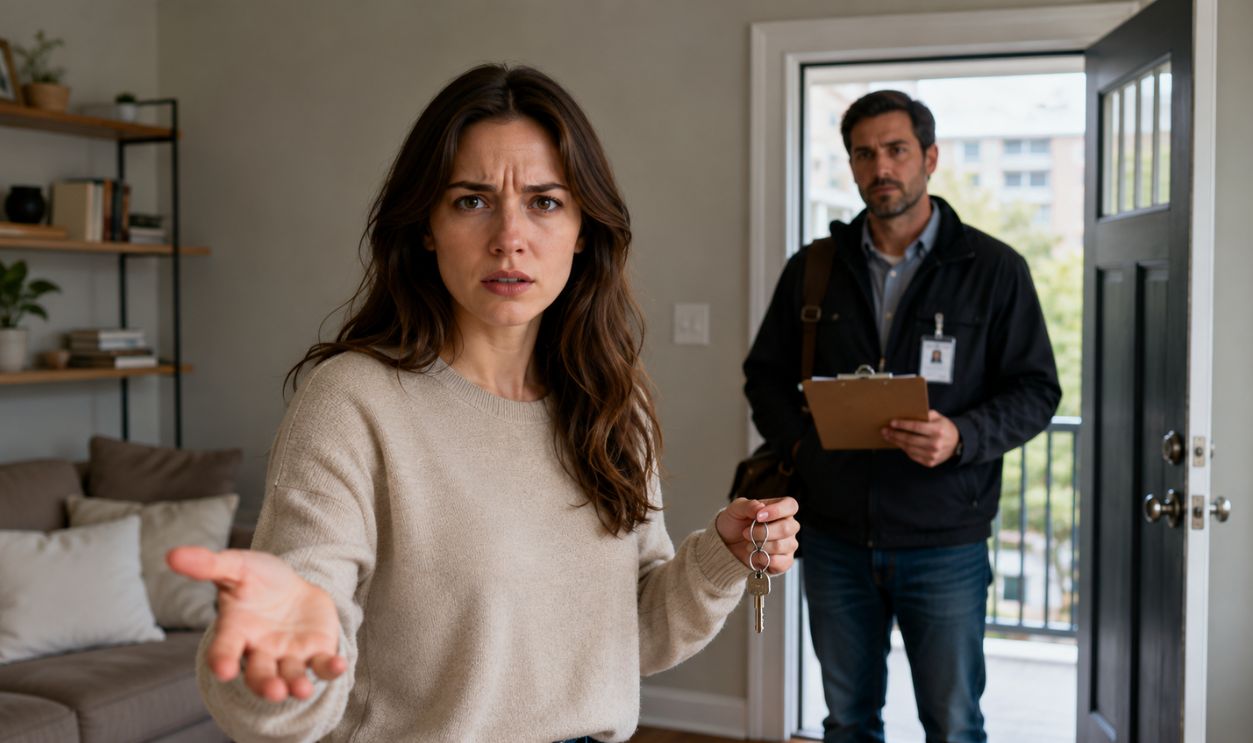
A rental home may belong to the landlord, but once you move in, it is your home too. State laws across the country generally require notice before entry, except in emergencies like a fire, burst pipe, or active water leak. So a landlord usually cannot just let themselves in because they feel like checking on the place.
The Big Rule Is Reasonableness
One of the main ideas in landlord-tenant law is reasonableness. Courts and state statutes often allow entry for specific purposes, such as repairs, maintenance, showing the unit to buyers or future tenants, or handling emergencies. Repeated inspections with no clear reason may be hard for a landlord to justify.

State Law Makes A Huge Difference
This is where things get specific fast. In California, Civil Code Section 1954 lays out the legal reasons a landlord may enter and generally requires reasonable notice, usually understood as 24 hours in writing for many non-emergency entries. In Florida, state law says landlords generally must give at least 12 hours’ notice and may enter at reasonable times, which the law presumes to be between 7:30 a.m. and 8:00 p.m.

California Spells Out The Limits Clearly
California’s Civil Code Section 1954 is one of the clearest examples tenants can point to. It allows entry in emergencies, for necessary or agreed repairs, to show the unit, to conduct a pre-move-out inspection, or under a court order, among other limited reasons. It does not give landlords a blank check to carry out frequent inspections just because they want to keep tabs on a tenant.

Florida Uses A Similar Notice Framework
Florida Statutes Section 83.53 also gives landlords access rights, but not unlimited access rights. The law says the landlord may enter to inspect the premises, make repairs, supply agreed services, or show the property, but generally only after giving reasonable notice of at least 12 hours and entering at a reasonable time. The same law also says the landlord shall not abuse the right of access or use it to harass the tenant.

Texas Tenants Need To Check The Lease Closely
Texas is a little different because state law does not set one broad notice rule for landlord entry in the same way some other states do. The Texas Attorney General’s tenant guide says a landlord’s right to enter is often controlled by the lease, except in situations where repairs are requested or there is an emergency. That makes the lease language especially important if a landlord starts demanding frequent inspections.

New York Also Ties Rights To Reason And Notice
New York does not have one single statewide rule that looks exactly like California’s or Florida’s, but tenants still have meaningful protections. The New York Attorney General’s tenant guidance says landlords may enter in emergencies, and for inspections or repairs, generally with reasonable advance notice and at reasonable times. If a landlord is coming every week without a strong reason, tenants may have grounds to object.

HUD Says Tenants Have A Right To Quiet Enjoyment
The federal government also recognizes that renters are entitled to peaceful use of their home. HUD guidance for tenants explains that residents generally have the right to quiet enjoyment of their rental unit. While landlord access for valid reasons is allowed, behavior that becomes excessive or intrusive may clash with that basic principle.

What Quiet Enjoyment Actually Means
“Quiet enjoyment” does not just mean protection from loud neighbors. In landlord-tenant law, it usually means your right to use your home without major interference from the landlord or someone acting on the landlord’s behalf. If a landlord’s constant entries disrupt your life, stress you out, or make the apartment feel like it is no longer your private space, that can become legally important.

Legitimate Inspections Do Exist
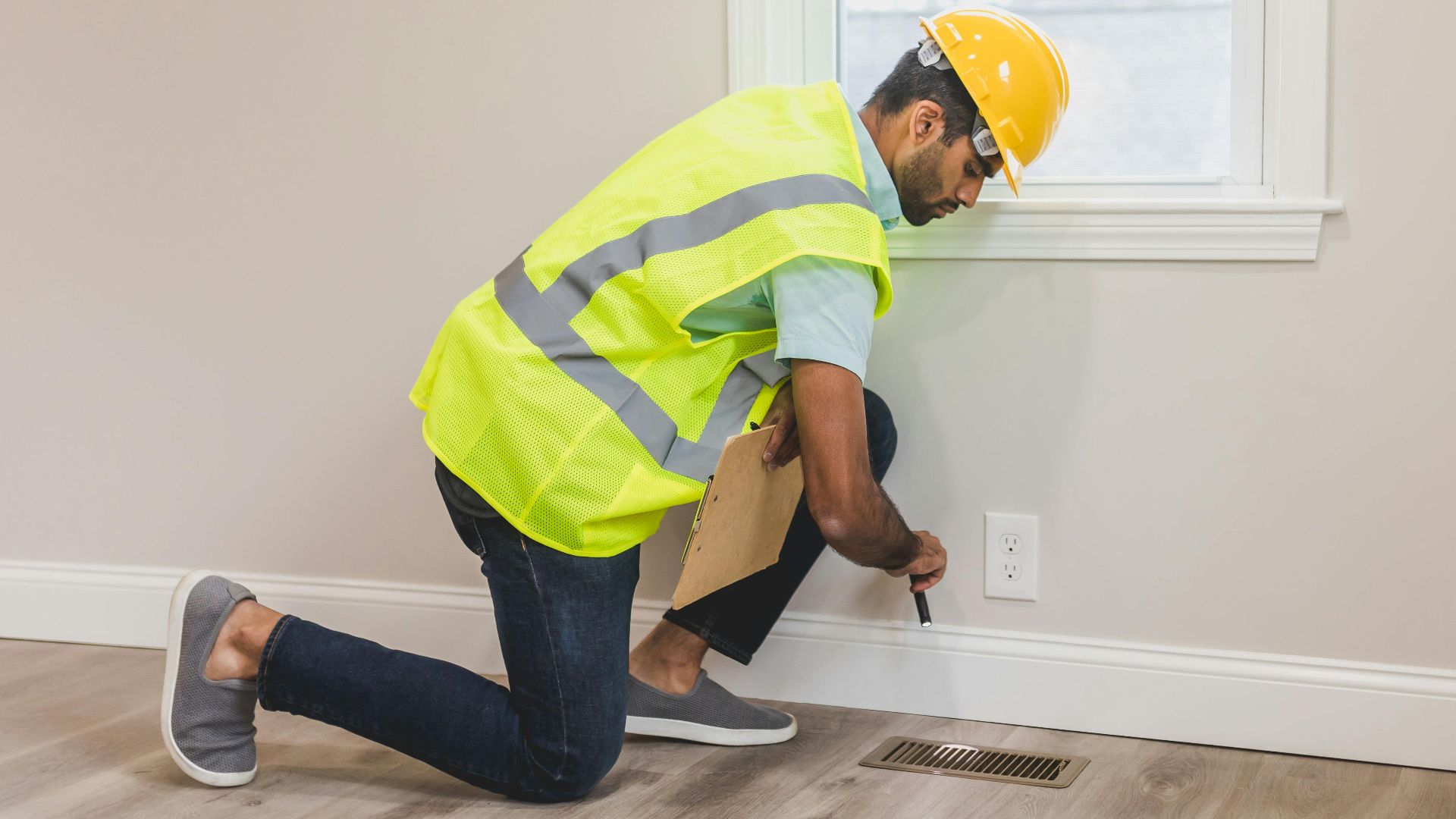
To be fair, some inspections are completely normal. A landlord may need to check smoke detectors, look for maintenance issues, comply with insurance requirements, investigate suspected lease violations, or prepare for city code inspections. The key question is whether the visits are for a real purpose and carried out in a reasonable way.
Weekly Inspections Start To Look Excessive Fast
An inspection every few months or once or twice a year is one thing. An inspection every week is something else, especially if the landlord cannot explain what problem they are trying to address. If there is no active repair issue, no emergency, and no lease provision supporting that schedule, a tenant would have good reason to push back.

The Lease Matters More Than Many Renters Realize
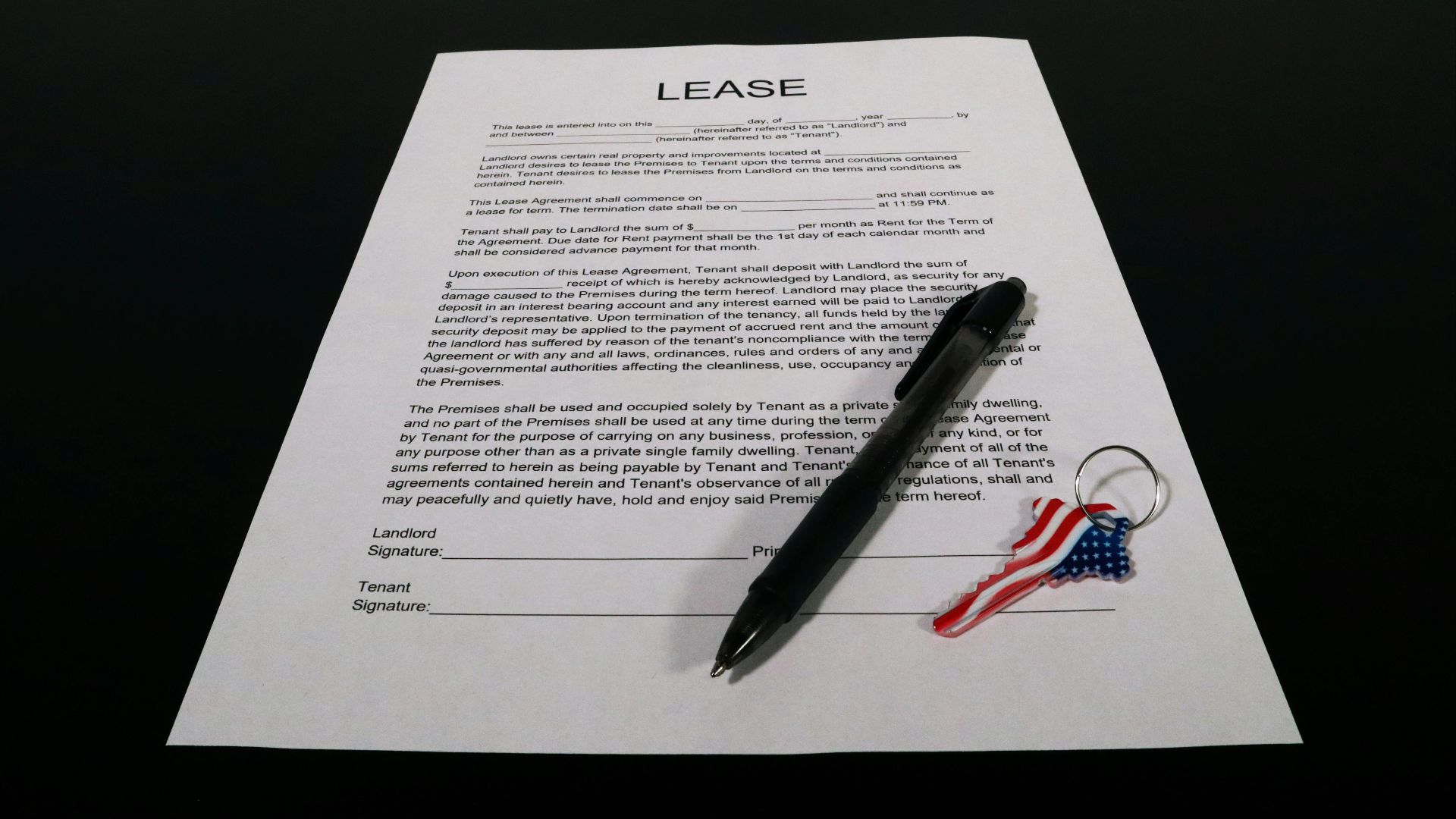
Your lease is one of the first places to look before responding. Some leases include routine inspection clauses, but even then, those clauses usually have to work alongside state law and cannot allow harassment or unlawful entry. A lease term that tries to let a landlord enter anytime for any reason may not hold up if it conflicts with tenant protections in your state.
Notice Is Not Just A Courtesy
Advance notice is often a legal requirement, not just polite behavior. California generally treats 24 hours’ written notice as reasonable for many entries, while Florida law expressly sets 12 hours as the usual minimum for non-emergency access. Even in places where the law is less specific, surprise entry can create serious problems for landlords.

Emergencies Are The Main Exception
If there is smoke, flooding, a suspected gas leak, or another immediate threat, landlords usually can enter without advance notice. That emergency exception is broad enough to protect life and property, but it is not supposed to become a loophole for routine weekly visits. A landlord should not call ordinary curiosity an emergency.

Harassment Is Where Landlords Can Get Into Trouble
Some states directly warn that access rights cannot be abused. Florida’s statute is especially clear on this point, stating that a landlord shall not abuse the right of access or use it to harass the tenant. If weekly inspections feel less like maintenance and more like pressure, intimidation, or surveillance, that language matters.

Retaliation Is Another Concern
The timing of these inspections matters. If the landlord started showing up constantly after you requested repairs, complained about habitability, or reported a code issue, that pattern could raise retaliation concerns. Many state laws protect tenants from landlord actions meant to punish them for asserting legal rights.

Documentation Can Be Your Best Friend
If this is happening to you, start a paper trail right away. Save texts, emails, and notices, and write down the date, time, and stated reason for every attempted entry or actual visit. If things escalate, that record may help a tenant lawyer, legal aid office, housing agency, or judge see the full pattern clearly.

Start By Asking A Simple Question
Before the dispute gets worse, ask the landlord to explain the purpose of the inspections in writing. A calm message can go a long way: ask what issue is being monitored, how long the inspections are expected to continue, and what lease or legal basis supports them. That request alone can sometimes show whether the demand is legitimate or shaky.

Put Your Objection In Writing
If the visits seem excessive, respond in writing and keep the tone professional. You can say that you are willing to cooperate with lawful entry for repairs, emergencies, and other valid reasons, but that weekly inspections appear unreasonable and interfere with your quiet enjoyment. Written communication often works better than a heated phone call because it creates a record.

Do Not Ignore The Possibility Of A Real Issue
There are situations where a landlord may have a stronger argument for repeated access. If there is a recurring leak, mold concern, structural issue, pest problem, or damage tied to an insurance claim, multiple visits over a short period may be justified. That is why asking for specifics matters before assuming the landlord is automatically in the wrong.
You May Be Able To Suggest A Less Intrusive Schedule
Sometimes the smartest move is not a flat refusal but a narrower compromise. If the landlord wants frequent access for a temporary issue, ask whether inspections can be grouped into one scheduled visit every few weeks or tied to actual repair appointments. A reasonable alternative can protect your privacy while still addressing genuine property concerns.

Illegal Lockouts And Self-Help Are Separate Problems
Even if a landlord believes you are being difficult, they generally cannot punish you by changing the locks, shutting off utilities, or removing doors. Those “self-help” tactics are heavily restricted or illegal in many states. If a landlord starts combining repeated entry demands with threats like that, the situation becomes more serious.
Local Rules Can Be Even Stronger Than State Law
Do not stop at state statutes. Some cities and counties have stronger tenant protections, rent ordinances, or anti-harassment rules that go beyond statewide minimums. If you live in a large metro area with active tenant enforcement, local housing agencies may have practical guidance that is more useful than a general internet search.

Legal Aid And Tenant Groups Exist For Exactly This Kind Of Mess
You do not need to figure out landlord-tenant law alone. Legal aid offices, tenant unions, local bar referral programs, and state or city housing agencies often deal with access disputes all the time. If the inspections continue after you object, outside help can clarify whether the conduct is merely annoying or legally actionable.

What Tenants Should Do Right Now
Check your lease, look up your state and local rules, and gather every written notice the landlord has sent. Ask for the reason for weekly inspections in writing and respond calmly if you believe the demand is excessive. If the landlord keeps pushing or enters without proper notice, contact a local tenant attorney or housing agency before the pattern gets worse.

The Bottom Line On Weekly Inspections
Can a landlord really demand access every week for inspections? Sometimes, but only in limited situations and usually with notice, a valid reason, and a schedule that is actually reasonable. In many cases, a standing weekly inspection demand is a warning sign that the landlord may be overstepping, and tenants are not powerless when that happens.