The Discount That Can Cost You More
A landlord offering lower rent if you pay cash and get no receipt might sound like a win/win, especially when housing costs are high. But deals like that often come with a serious catch. But you should realize that this could leave you with no proof you paid, fewer legal protections, and a much bigger problem if the landlord later changes the story.
 Pavel Danilyuk, Pexels, Modified
Why This Offer Sounds So Good
When rent takes a huge bite out of your paycheck, even a small discount can feel worth it. A landlord may frame it as easier, faster, or simpler for everyone. The trouble is that what feels convenient in the moment can leave you exposed later if there is no record of the payment.

The Biggest Problem Is The Missing Paper Trail
If there is no receipt, you may have no clear way to prove you paid rent at all. That can become a real problem if the landlord later says you missed a payment or tries to keep your security deposit over supposed unpaid rent. In housing disputes, paperwork often matters more than memory.

Receipts Are Not Just A Bonus
The U.S. Department of Housing and Urban Development says tenants should keep solid records, including rent payment documents, leases, inspection records, and repair communications. HUD also advises renters to get receipts for any cash they pay. That advice is practical. Once a dispute starts, memories get fuzzy, but documents can speak for themselves.

Cash Is Not Automatically The Issue
Paying in cash is not always illegal. The bigger issue is a landlord asking for cash while refusing to give a receipt. If someone wants an untraceable payment and also refuses basic documentation, that is when the setup starts to look especially risky.

What The IRS Cares About
Rental income is generally taxable, and the IRS says landlords must include rent payments in gross income. That means a landlord pushing for off-the-books cash may be trying to hide income from tax authorities. You are not responsible for policing their taxes, but a request for secret cash can be a sign that the deal is built to protect them, not you.

Why A Landlord Might Want Cash With No Receipt
There are a few possible reasons, and none of them really help the tenant. They may want to avoid taxes, hide occupancy from a lender, get around local registration rules, or keep a spouse, business partner, or agency from seeing the real rent stream. Whatever the reason, you are the one standing there with cash and no backup.
 olia danilevich, Pexels, Modified
Your Risk Goes Beyond Taxes
The immediate danger is usually not getting dragged into a tax case because your landlord took cash. The bigger risk is much more basic. Without receipts, bank transfers, canceled checks, or payment app records, proving payment in an eviction case or deposit dispute can be a lot harder.
Eviction Cases Often Come Down To Proof
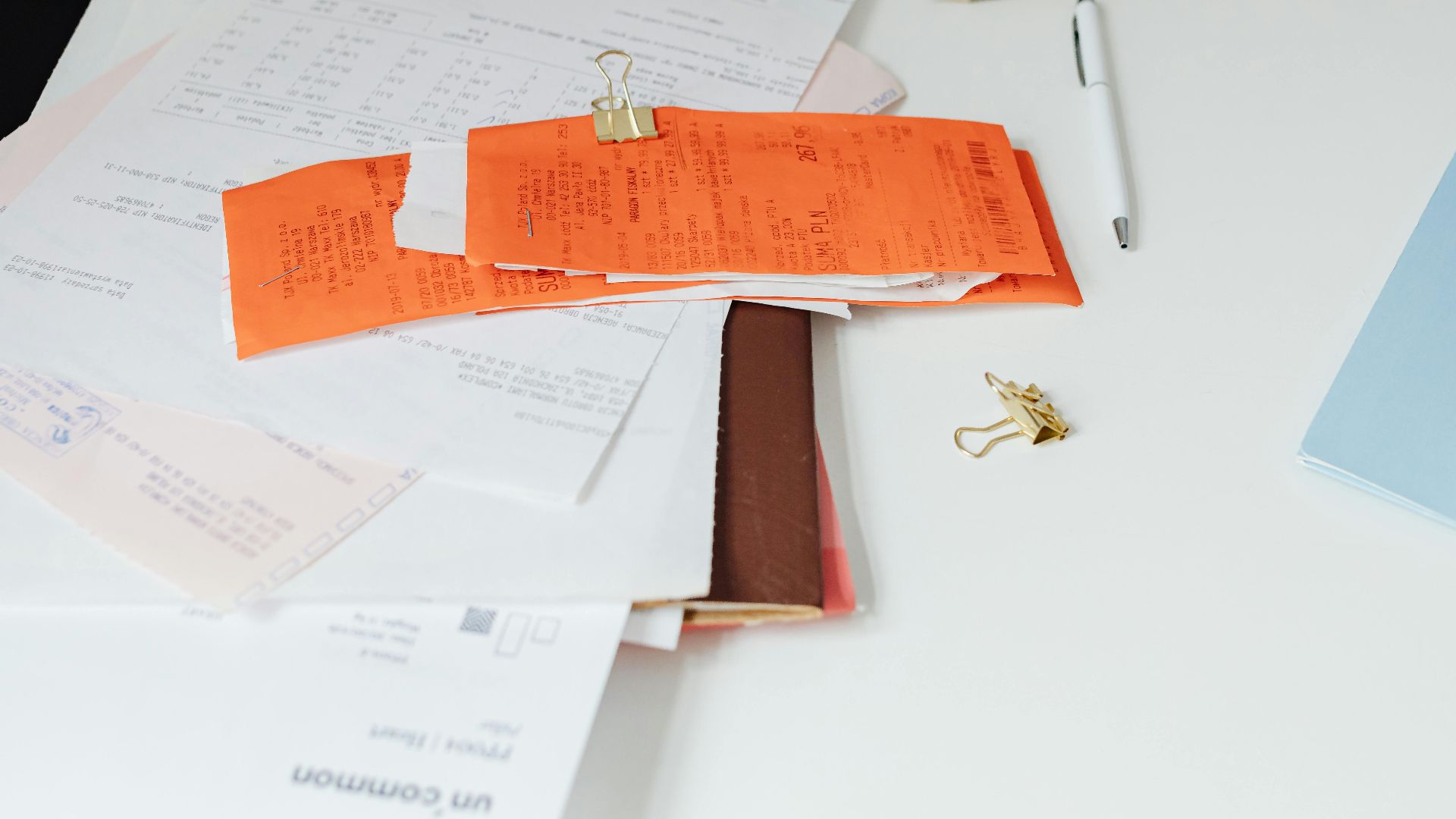
The Legal Services Corporation advises tenants facing eviction to gather records such as rent receipts, lease documents, payment ledgers, bank statements, and texts or emails with the landlord. That tells you how important documentation becomes when a housing fight gets serious. If the landlord has the records and you do not, the balance shifts fast.

What If The Landlord Says A Receipt Is Not Needed
That is another red flag. Honest landlords usually understand that clear records protect both sides. If they brush off your request for a written receipt, they are asking you to trust them completely while offering nothing solid in return.

Your Lease Still Matters
If you already have a written lease, check what it says about rent amount, due date, late fees, and allowed payment methods. A side deal that clashes with the lease can create confusion and could be used against you later. If the landlord wants to change the arrangement, the safer move is to put the new terms in writing and have both sides sign.
Month-To-Month Renters Need Records Too
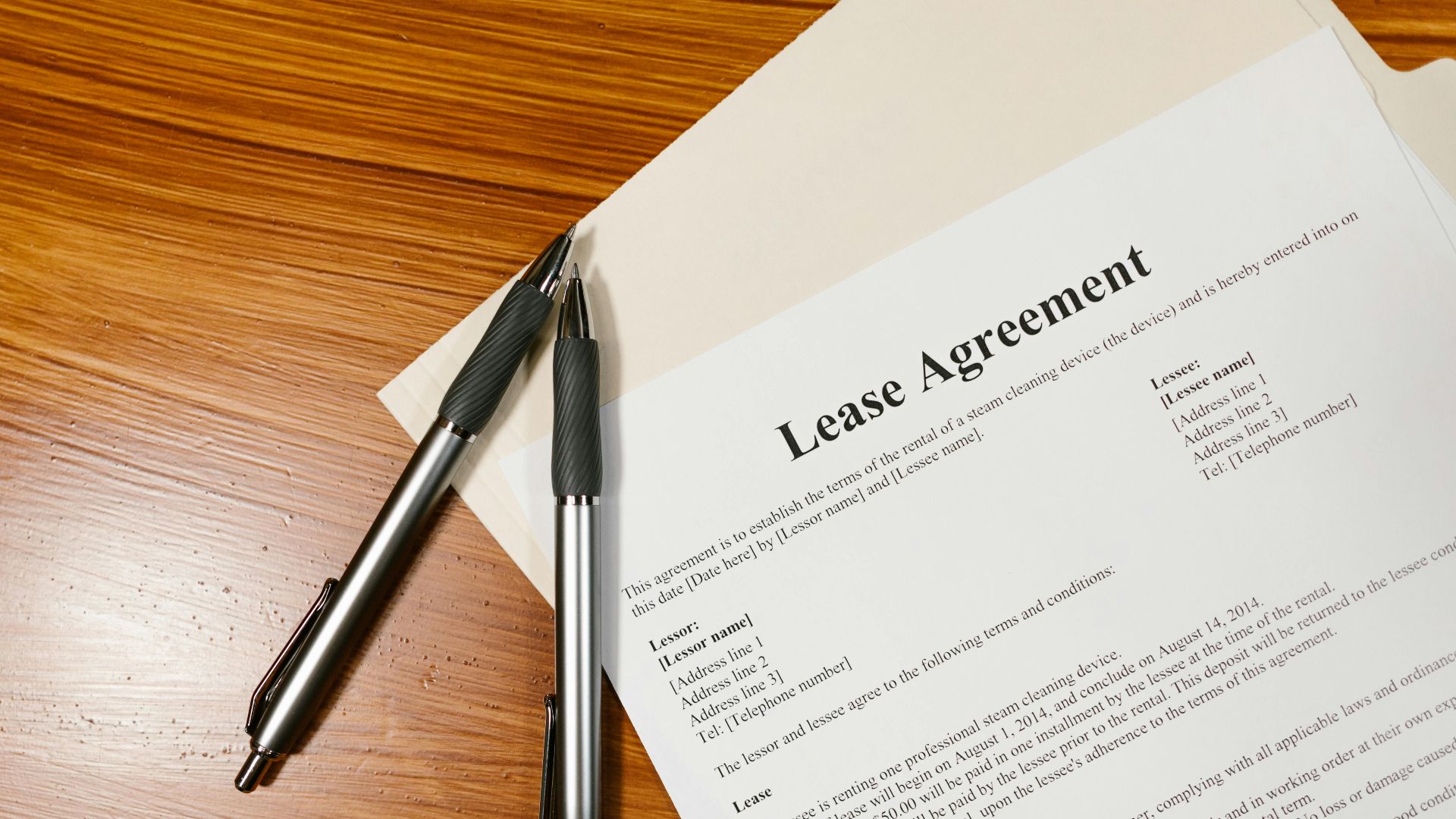
Even without a long-term lease, you still need proof of payment. Verbal agreements are easier to deny and harder to enforce. A receipt, text confirmation, ledger entry, or electronic payment record can make the difference between a small disagreement and a major legal mess.

State Laws Can Add More Protection
Rules about rent receipts and payment records vary by state and city. Some places specifically require landlords to give receipts for cash payments, and some spell out exactly what those receipts must include. So a no-receipt cash request may not just feel shady. Depending on where you live, it could also break the rules.

California Is A Good Example
California Civil Code Section 1499 says a landlord must provide a written receipt if rent is paid in cash or by money order, and the receipt must include specific details. California's Department of Consumer Affairs also tells tenants to pay by check, money order, or another method that can be traced, and if paying cash, to get a receipt and keep it. The message is clear: traceable payments are safer.
 Coolcaesar at English Wikipedia, Wikimedia Commons
New York City Has Its Own Rules
New York City's housing rules require landlords to provide a written receipt for cash rent payments. The receipt generally must include the date, amount, apartment number, and the period covered, among other details. In a place with rules like that, a landlord who refuses receipts is not just asking for trust. They may be ignoring the law.

A Cheap Rent Deal Can Turn Expensive Fast
Picture saving $100 a month by paying cash. Six months later, the landlord claims you missed two payments and starts eviction proceedings. Without receipts, that discount can disappear in a hurry through legal costs, moving expenses, missed work, and the stress of trying to prove what really happened.

There Is Also A Habitability Issue
Tenants often need records when asking for repairs, disputing charges, or filing complaints with housing agencies. If the whole rental arrangement is off the books, some landlords may feel freer to ignore maintenance problems, safety issues, or notice requirements. A landlord who wants no record of rent may also prefer no record of complaints.

It Can Hurt Your Rental History Too
Future landlords sometimes want proof that you paid rent on time. Receipts, bank records, or a ledger can help show that you were reliable. If you have been paying cash without documentation, proving your own track record later can be much tougher.
 LinkedIn Sales Solutions, Unsplash
The Security Deposit Problem
Security deposit disputes are common, and missing payment records can make them worse. If a landlord claims they used your deposit to cover unpaid rent, you will want clear proof of what you already paid. Good records make it easier to separate legitimate deductions from made-up ones.

If You Are In Subsidized Housing, Be Extra Careful
If your housing is tied to a subsidy program or a regulated rent system, side cash deals can create even more trouble. Unauthorized arrangements can interfere with required reporting and official rent calculations. In those cases, a landlord's quiet offer can put your housing stability at even greater risk.

What A Safer Response Looks Like
You do not need to accuse the landlord of anything on the spot. A calm response works fine. Say you are happy to pay rent, but you need a written receipt every time, or you prefer a traceable payment method like a check, bank transfer, or payment portal.
 Centre for Ageing Better, Unsplash
If They Want To Lower The Rent, Put It In Writing
A real rent reduction should not require secrecy. Ask for an updated lease, a lease addendum, or at least a dated written agreement that states the new amount and when it starts. If the landlord refuses to document the discount, that tells you plenty.

Best Payment Methods For Tenants
Checks, online portals, ACH transfers, and money orders all create a record. If you do pay cash, insist on a signed and dated receipt that lists the amount, the rental period covered, the property address, and the landlord's name. Then keep your own copies in more than one place, including photos or scans.

Save More Than Just Receipts
Keep your lease, renewal notices, texts, emails, repair requests, move-in photos, and any ledger the landlord gives you. The Legal Services Corporation specifically recommends gathering these kinds of records when eviction is a possibility. Documentation seems boring right up until the moment it saves you.

When To Get Help
If the landlord pressures you, threatens you, or refuses to follow local receipt rules, consider reaching out to a local tenant union, legal aid office, housing agency, or consumer protection office. HUD's tenant resources and local fair housing groups can also help point renters in the right direction. The sooner you get advice, the better.

So Is It A Huge Red Flag
In most cases, yes. A landlord asking for cash with no receipt is asking you to hand over money while giving up proof, leverage, and peace of mind. Even if the discount is real, the risk is real too. The smarter move is to insist on documentation or walk away from the arrangement.