The Question That Should Raise Eyebrows
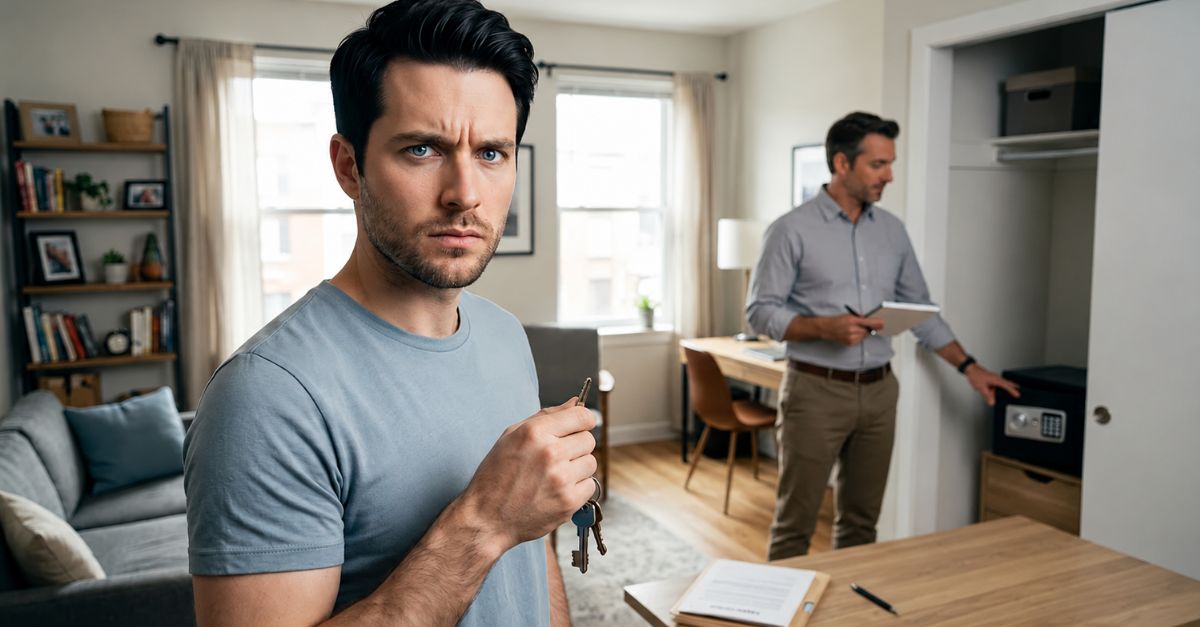
If your landlord asks for a key or code to your in-home safe because it is “part of the unit,” your instincts are probably right. In most cases, that request goes well beyond what landlords normally need to manage a rental. A landlord may have limited rights to enter the unit itself, but that is very different from demanding access to a tenant’s locked personal safe.
What A Landlord Can Usually Access
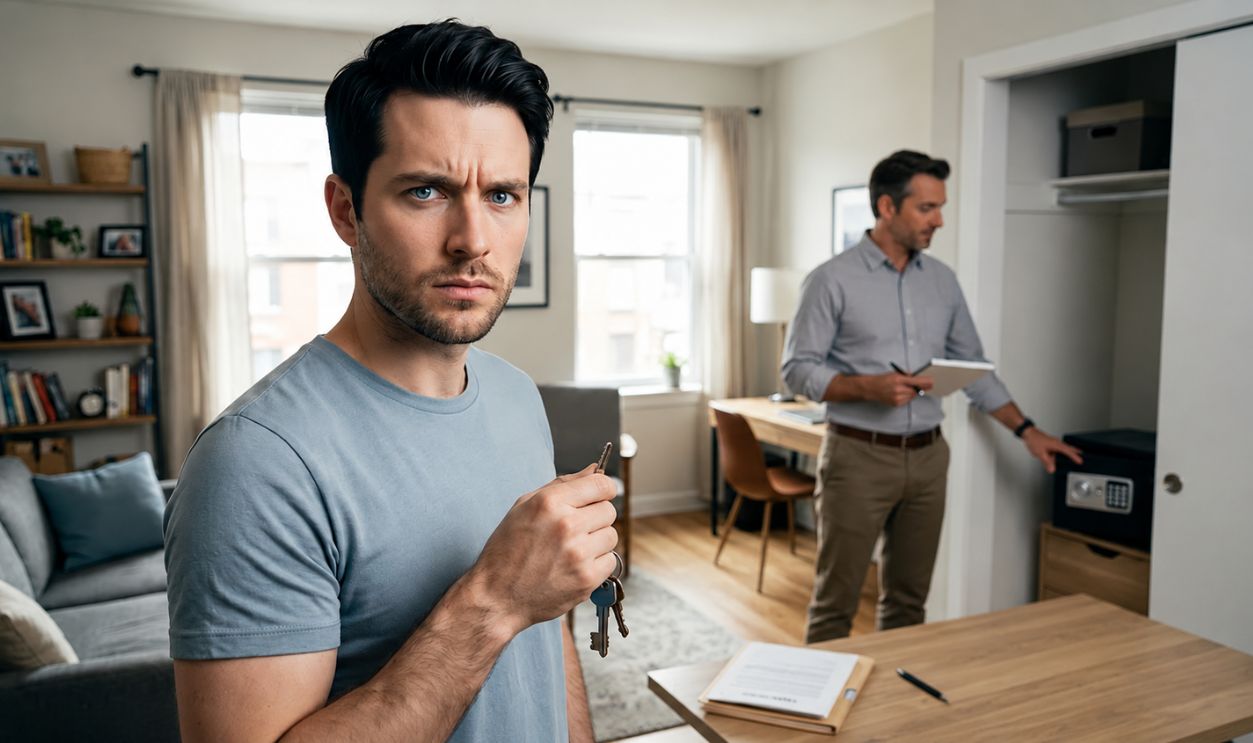
Landlord access rules are usually about entering the home for repairs, inspections, showings, or emergencies. State laws often require notice, and many say entry must happen at reasonable times unless there is an emergency. Those rules deal with the rental unit itself, not with digging into a tenant’s private belongings.
Your Safe Is Not The Same Thing As The Apartment
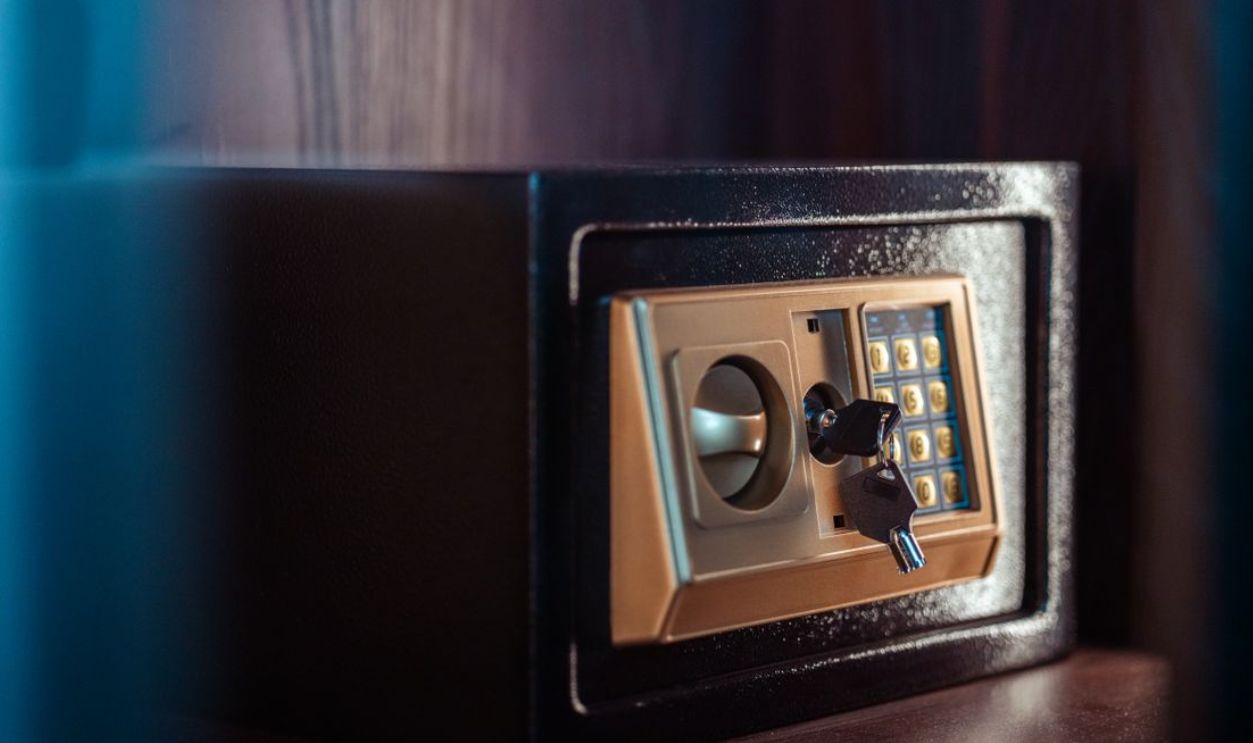
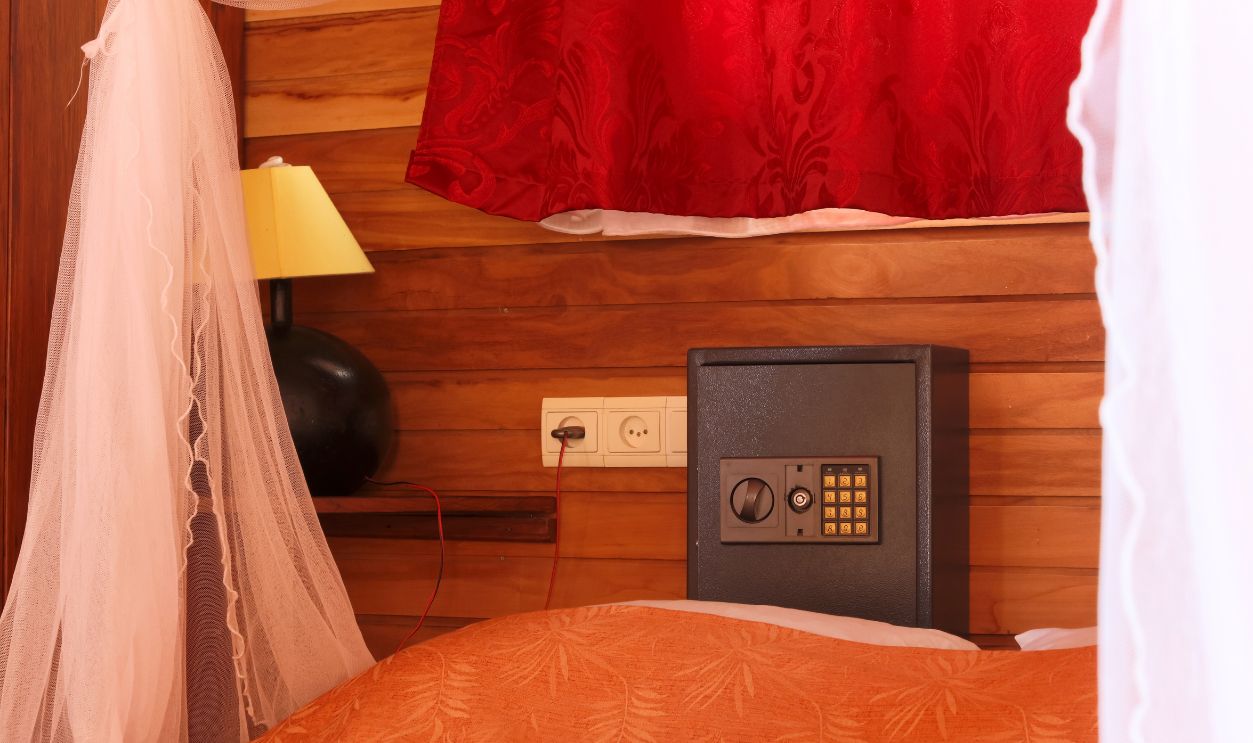
A built-in safe may be attached to a wall, closet, or cabinet, but that does not wipe out your privacy rights. If you rent the unit, the property you keep inside that safe is still yours. A landlord may own the building, but that usually does not give them the right to inspect the contents of a safe while you are still living there.
The Lease Is Where This Fight Starts
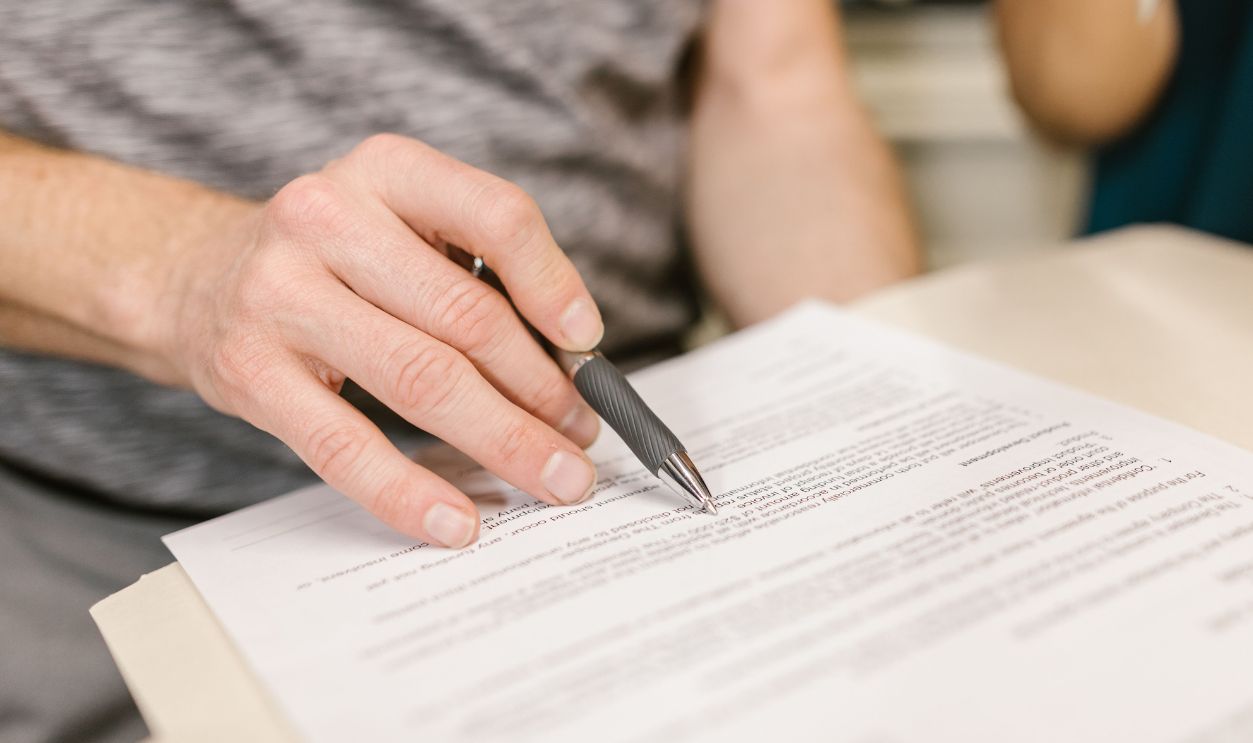
The first thing to check is the lease. If it says the safe is excluded from the tenancy, controlled by the landlord, or must stay accessible for some building-related reason, that changes things. If the lease says nothing about giving up a key or code, the landlord’s demand looks a lot weaker.
Why The Request Feels So Invasive
There is a big difference between giving a landlord access to a utility closet and giving them access to a safe that may hold passports, cash, legal papers, jewelry, or medication. A safe exists for privacy and security. Asking for the key can sound less like routine property management and more like crossing a line.

What Tenant Privacy Usually Covers
Renters do not give up all privacy rights just because they do not own the place. Legal aid guides and state landlord-tenant resources regularly explain that landlords cannot enter whenever they want or use repeated access demands to pressure tenants. A request for a safe key can raise the same concerns, especially if there is no repair issue or emergency behind it.

California Shows How Narrow Entry Rights Can Be
California Civil Code section 1954 spells out when a landlord may enter a dwelling. The law allows entry for reasons like necessary or agreed repairs, emergencies, inspections, and showings, usually with reasonable notice. It does not give landlords a general right to demand the key to a tenant’s safe just because the safe is inside the apartment.
Texas Also Draws Limits
Texas law gives landlords some ability to enter depending on the lease, but tenant protections still matter. The Texas Property Code includes rules about landlord duties and tenant security rights, and those rules focus on the premises and safety devices. They do not suggest that a landlord gets routine access to a tenant’s private safe or whatever is inside it.

New York City Treats Harassment As A Real Issue
New York City housing rules and tenant guidance take unlawful entry and harassment seriously. Repeated demands for access without a valid reason can become part of a harassment claim in some situations. If a landlord keeps pushing for a safe key without a clear lease term or emergency need, that may be a warning sign.

Built-In Does Not Mean Fair Game
Some landlords may argue that a wall safe or closet safe is a fixture, so they control it completely. That skips over an important point. During the tenancy, renters generally have the right to exclusive use and quiet enjoyment of the space they are paying for, and that usually includes protection from needless intrusion into private storage.
Maintenance Is Not The Same As Full Access
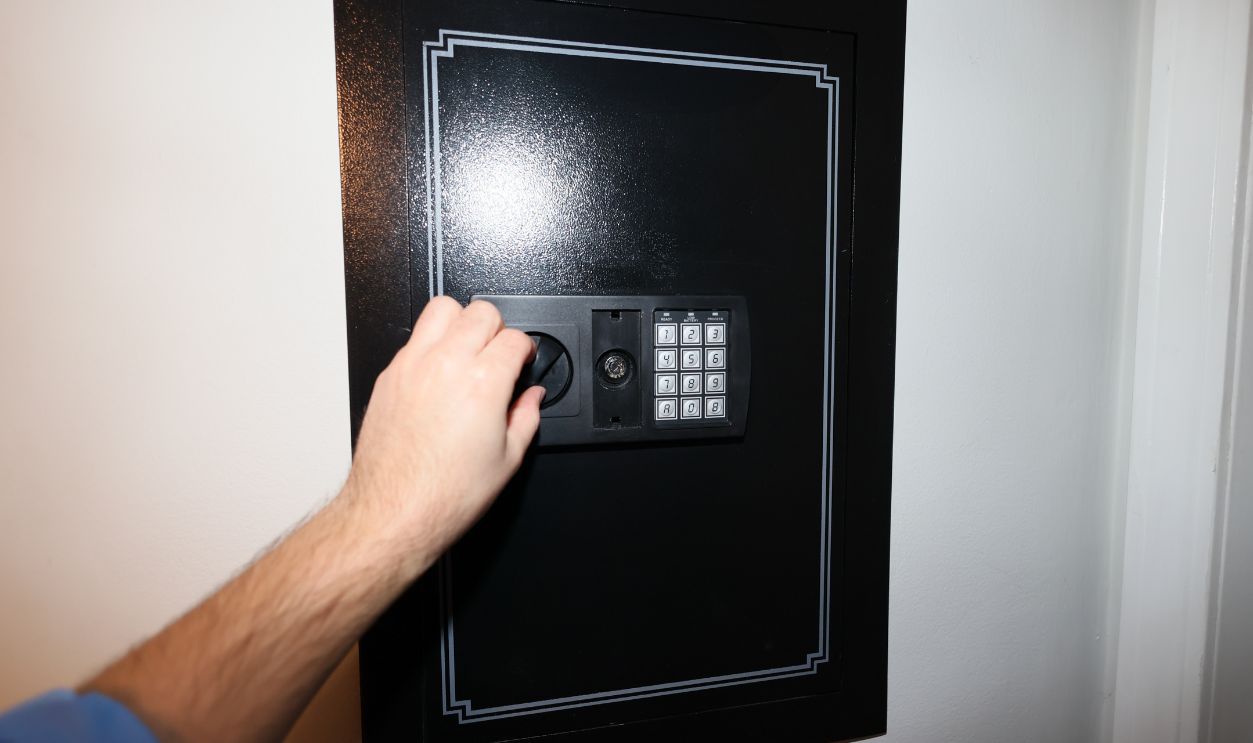
If the safe is broken, jammed, or causing damage to the property, the landlord may have a real reason to talk about repairs. Even then, that does not automatically mean they need your code or permanent possession of the key. A one-time supervised opening for repair is very different from an open-ended demand for ongoing access.

Emergencies Are The Main Exception
If there is a true emergency, like a fire, flooding, an active leak, or an urgent threat to life or property, landlords can usually enter without notice. But a safe-related emergency would be unusual. The mere fact that emergencies exist does not justify a standing request for your safe key “just in case.”

If The Safe Came With The Unit
If the safe was already there when you moved in, the landlord may reasonably want it kept in working order and returned with the unit when you leave. Still, unless the lease clearly says the landlord keeps access, the safer assumption is usually that the tenant controls the safe during the lease term.
 MyImages - Micha, Shutterstock
If You Installed The Safe Yourself
If you bought and installed the safe, the landlord’s case is even thinner. The safe would generally be treated as your personal property unless the installation broke the lease or damaged the premises. In that situation, the dispute would usually be about an unauthorized alteration, not about any right to your key or code.
Quiet Enjoyment Carries Real Weight
Almost every state recognizes some version of a tenant’s right to quiet enjoyment. That means you are entitled to use and possess the rental without unreasonable interference. A landlord pressing for access to your private safe can clash with that right, especially if the demand has no clear legal or contractual basis.
Security Deposit Rules Do Not Back Up This Demand
Some landlords try to frame these requests as protection against damage or abandonment. That is not usually how security deposits or move-out procedures work. If damage happens, landlords generally deal with it during inspection or after they get possession of the unit back, not by demanding access to locked personal storage during the tenancy.

Can A Lease Really Require A Safe Key?
A lease can include many terms, but not every term will hold up everywhere. If a lease says the landlord must have a copy of every key to every lock, that may apply to apartment doors or approved security devices. Whether that reaches a private safe is less obvious, and courts may look hard at a term that cuts too deeply into tenant privacy.

Why You Should Not Ignore The Request
Even if the demand sounds ridiculous, do not just ignore it and hope it goes away. Landlord-tenant disputes usually get worse when nothing is documented. A calm written response asking for the legal basis, the lease provision, and the exact reason for the request can quickly show whether the landlord actually has support for what they are asking.

How To Push Back Without Making It Worse
Keep your response polite and in writing. Ask whether the landlord is claiming a right under the lease, a building policy, or a specific law. If there is no emergency and no lease term, say you are not comfortable giving out a safe key or code because it protects private property and personal documents.

Documentation Can Make Or Break The Dispute
Save emails, texts, notices, and screenshots tied to the request. Write down dates, times, and the exact words used. If the situation later turns into a formal complaint, lease dispute, or legal claim, a clean paper trail can matter a lot more than memory.

Think Twice Before Sharing A Code
A physical key can sometimes be returned, but a safe code is harder to take back once someone knows it. If you ever feel forced to share it for a narrow and legitimate reason, consider changing it right away if the safe allows that. In most routine disputes, though, there is no clear reason to hand over either one.

A Simple Script Often Works Best
Tenant advocates often suggest a short, neutral reply. You can say that you are willing to cooperate with lawful entry to the unit under state law and the lease, but you do not consent to sharing access to a private safe unless there is an emergency or a clear contract term requiring it. That keeps the focus on your rights instead of turning the dispute personal.

When To Get Legal Help
If the landlord threatens eviction, fines, lock changes, repeated entry, or retaliation because you refused to provide the key, get help quickly. Local legal aid offices, tenant groups, and bar association referral services can explain how your state handles access disputes. Acting early matters, because some defenses are strongest when raised right away.

Retaliation May Be The Bigger Problem
In many states, landlords cannot retaliate against tenants for asserting legal rights or objecting to unlawful conduct. If a demand for a safe key is followed by sudden notices, service cutoffs, or pressure tactics, that pattern may matter. What starts as a strange request can turn into a much more serious issue.
One Important Exception
If the “safe” is really a locked utility compartment, electrical panel cover, communications box, or another enclosure that serves the building, then this may not be a privacy issue at all. In that case, the landlord may truly need access for maintenance or safety. The details matter, so it is worth confirming exactly what kind of locked space is involved before taking a hard position.
The Bottom Line For Most Renters
Yes, a landlord can ask for almost anything. That does not mean they have the right to get it. In most ordinary rental situations, a landlord’s right to enter the unit does not also mean a right to keep the key or code to your private in-home safe, unless a lease term, a real emergency, or some unusual building function clearly supports that demand.

Your Next Step Should Be Practical
Check your lease, review your state’s entry rules, and respond in writing. If the landlord cannot point to a clear rule, do not feel pressured to hand over access to your private safe. And if the request starts to look like intimidation, get tenant-side legal advice before this odd dispute becomes an expensive one.