
The Breakup Was Over, But The Bills Kept Coming
This might sound like a conundrum straight out of a sitcom, but it really happens to many Americans. After a breakup, some people find out utility accounts were opened in their name without them knowing, and they never realize it until a debt collector calling. The worst part is that utilities can sometimes be started with basic personal details, especially when fraud checks are weak.

Yes, Someone Can Open Utilities In Your Name
Identity thieves do not just go after credit cards and loans. The Federal Trade Commission says identity theft can also mean using your information to get services like phone, electricity, gas, or water. If an ex knows your full name, date of birth, Social Security number, or old addresses, they may have enough to try it.
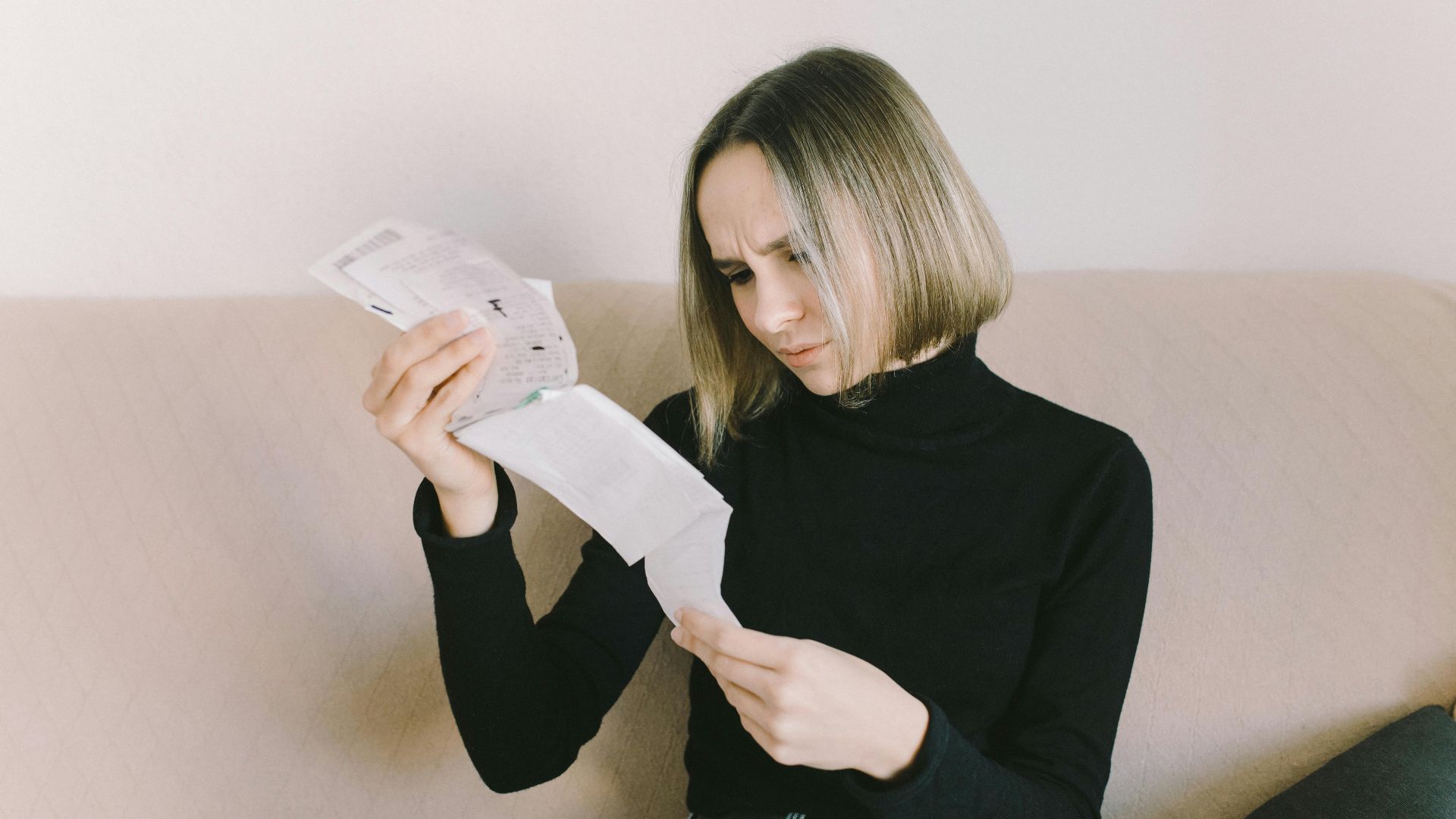
Why An Ex Is In A Unique Position To Pull This Off
An ex often knows the exact details companies use to verify identity. That can include your Social Security number, past addresses, email, and even answers to security questions. In real life, that can make a former partner more dangerous than a random scammer.

Utilities Do Not Always Check Credit The Same Way Lenders Do
A utility account is not always opened the way a mortgage or credit card is. The Consumer Financial Protection Bureau explains that debt collectors can go after unpaid utility bills, which means the account can become a serious problem for the victim even if it started as fraud. Some providers use light identity checks, ask for a deposit, or rely on specialty consumer reports instead of a standard hard credit pull.

The First Sign Is Often A Collection Notice
Many victims do not know about the account when it is opened. They find out later, after service is shut off and the unpaid balance is sent to collections. By then, the damage can include collection calls, negative reporting, and a long fight to prove the account was never yours.

Your Credit Reports May Not Tell The Whole Story
One frustrating detail is that utility accounts do not always show up right away on your regular credit reports. The CFPB notes that unpaid utility bills can be reported by debt collectors or by specialty consumer reporting companies. So your credit may look fine until a collector suddenly appears.

There Is A Lesser-Known Reporting System Behind Utility Applications
The National Consumer Telecom and Utilities Exchange, or NCTUE, is a consumer reporting agency that collects account history tied to telecom and utility services. Equifax explains that NCTUE data may be used by service providers when they review new applications. That means a fake utility account can leave a trail outside the three major credit bureaus.
 ANTONI SHKRABA production, Pexels
You Have A Right To See That Utility Report
If you suspect fraud, one smart move is to request your NCTUE disclosure report. NCTUE says consumers can request a free report and dispute wrong information. That can help you spot accounts that never appeared on your standard credit files.

The FTC Has A Very Clear Name For This
If someone used your personal information to open an account, the FTC treats that as identity theft. Its IdentityTheft.gov system was built to help victims report fraud and get a recovery plan. That matters because you may need documentation when you challenge the utility and any debt collector.

Start By Freezing Your Credit Anyway
Even though utilities may use other systems, freezing your main credit files is still a strong first move. The FTC recommends placing a fraud alert or credit freeze with the major credit bureaus if your information was misused. That can help stop more accounts from being opened while you sort out the damage.

Then Create An Identity Theft Report
IdentityTheft.gov lets you file an FTC identity theft report and gives you a custom checklist. This report can help when you deal with utilities, debt collectors, and credit bureaus. It also helps lock in the timeline, which can matter even more when the person behind it may be someone you know.

Report The Fraud To The Utility Company Fast
Contact the utility's fraud department or customer service team as soon as you find out. Tell them the account was opened without your permission and ask for the application details, service address, opening date, charges, and any recordings or identification used. Be ready to send a copy of your FTC identity theft report and proof of your real address history.

Ask A Very Specific Question About Verification
Do not stop at saying the account is fake. Ask exactly how it was opened and what information was used to verify identity. If your ex opened it online, by phone, or in person, those details can help show that you were not the applicant.

Debt Collectors Have Rules They Must Follow
If collectors are already calling, you have rights under the Fair Debt Collection Practices Act. The CFPB says you can ask for validation of the debt and dispute it. Once you do, the collector must investigate and cannot just keep demanding payment without addressing your dispute.

Send The Dispute In Writing
Verbal complaints are easy to lose track of. The CFPB recommends disputing a debt in writing and keeping copies of everything you send. Include your identity theft report, a clear statement that the utility account was opened through fraud, and any proof showing you did not live at the service address.

Do Not Accidentally Claim The Debt
When you are stressed and on the phone with a collector, it is easy to say too much. Stick to the facts and avoid saying anything that sounds like you accept responsibility. Say the debt is the result of identity theft and that you are requesting validation and an investigation.

Police Reports Can Help, Even If They Feel Awkward
When the suspected fraudster is an ex, people often hesitate to involve law enforcement. But some companies and collectors may ask for a police report along with your FTC report. Filing one can strengthen your case and create another official record of what happened and when you discovered it.
 Kosovo Police, Wikimedia Commons
Keep The Timeline Tight And Organized
Write down the date you first learned about the account, the dates of collection calls, and every contact with the utility and collector. Save letters, screenshots, voicemails, emails, and account statements. If the case drags on, that paper trail can make all the difference.

Check All Three Major Credit Reports
The FTC advises reviewing your reports from Equifax, Experian, and TransUnion for any other suspicious activity. Even if the utility itself did not appear, the collection account might. You may also spot address changes or other clues that point to wider identity theft.

Then Check Specialty Reports Too
This is the part many people miss. Along with your regular reports, request your NCTUE report because utility and telecom data may show up there. If your ex opened more than one service account, that specialty file may reveal more than your standard bureau reports.

If The Utility Refuses To Fix It, Escalate
Ask for the company's fraud team or executive resolution team. If that gets nowhere, you can submit a complaint to the CFPB about debt collection issues and also contact your state attorney general or state utility regulator, depending on the company. Escalation is often the only thing that gets results.

Collection Accounts Can Hurt Even If The Original Utility Bill Was Small
A fairly small unpaid power or water bill can turn into a major headache once it reaches collections. Collection activity can hurt your credit profile and make future services harder to set up. That is why it is important to deal with the fraud quickly, no matter how small the original amount looks.

Victims Often Feel Embarrassed, But This Is A Security Failure Too
People blame themselves because the fraud came from someone they trusted. But if a company let an account be opened using weak verification, that is not just your problem. It is also a breakdown in identity screening and fraud prevention.

What To Ask For When The Account Is Removed
Do not settle for a vague promise. Ask the utility and collector to confirm in writing that you are not responsible for the debt, that the account was marked as fraudulent, and that any collection reporting will be deleted or corrected. Written proof can protect you if the account pops back up later.

Protect Yourself Against A Repeat
Change passwords tied to your email, banking, and mobile accounts. Update security questions an ex could guess and turn on multifactor authentication where you can. If your Social Security number was exposed, keep monitoring your reports and consider stronger fraud protections if more misuse appears.

When Legal Help Makes Sense
If the balance is large, the collector keeps pushing, or the account is not being removed despite strong proof, it may be time to call a consumer law attorney. Lawyers who handle Fair Credit Reporting Act or debt collection cases can explain your options. Many offer a first consultation, and some take strong cases with little or no upfront cost.

The Bottom Line On How This Was Even Possible
It was possible because utilities and related service providers do not always verify identity the way banks do, and an ex may already know the exact information needed to get past basic checks. Once the bill goes unpaid, the problem often shows up through collections rather than through any dramatic warning. The good news is that federal agencies, consumer reporting rules, and dispute rights give you a path to fight back and clear your name.