The Vacation Fund Disappeared
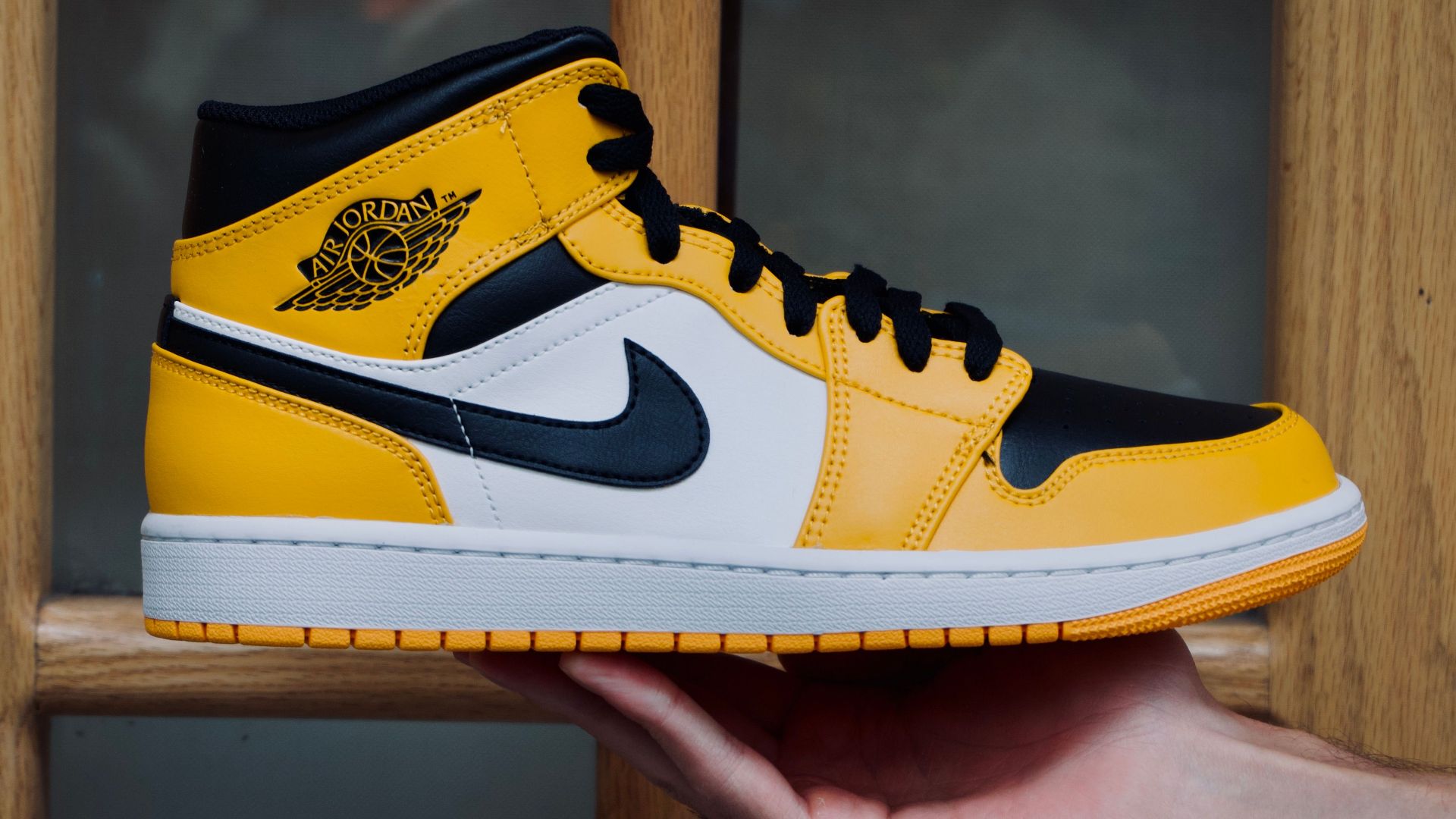
You and your husband have a savings account for travel, but he just impulsively spent it all on a stack of limited-edition sneakers. He's trying to tell you that these specific shoes are an investment that appreciate in value “better than stocks.” High-end, limited edition sneakers can indeed fetch a big price tag, but the real question here about money, risk, and whether your husband's hobby has turned into a real problem for your relationship and your future.

Sneakers Really Did Get Sold As Investments
This is not just a household fight with extra shoeboxes. In the late 2010s and early 2020s, sneakers were pushed as alternative assets, with resale platforms, price trackers, and even fractional investing startups helping spread that idea. The hype got big enough that major business outlets and market data firms started treating sneakers like a new asset class.

The Pandemic Pushed The Hype Even Higher
During the pandemic, collectibles of all kinds took off as people stayed home, traded online, and chased quick profits. Sneakers joined trading cards, watches, and luxury handbags in the speculative rush. That made it easier for people to mistake a hot streak for a solid long-term plan.

StockX Helped Make Shoes Look Like Stocks
StockX, founded in 2015, became one of the biggest names in sneaker resale by showing products with live bid and ask pricing. That stock-market-style setup helped sell the idea that shoes could be traded like securities. It was smart branding, but a trading screen does not turn a pair of Jordans into a retirement strategy.
GOAT And Other Platforms Opened The Floodgates
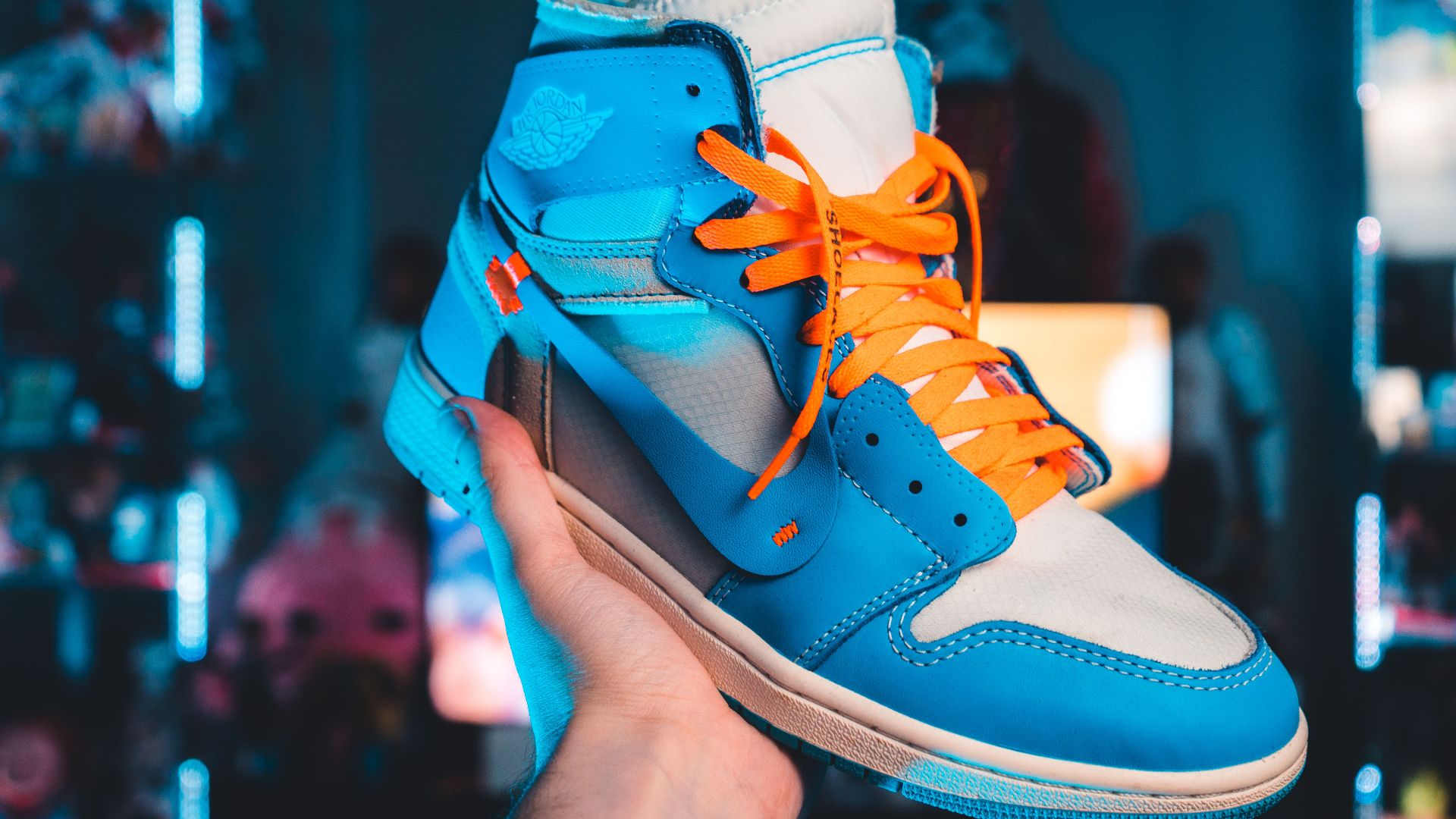
GOAT, also launched in 2015, helped grow sneaker resale by connecting buyers and sellers and adding authentication services. Platforms like these made the market easier to enter and easier to trade in than the old in-person resale scene. But easy access is not the same thing as safety, and liquidity can vanish when demand cools off.

Nike’s SNKRS App Fueled The Frenzy
Nike’s SNKRS app became a main gateway for limited releases, drops, and collaborations that could resell for more on the secondary market. Scarcity was a big part of the appeal, and scarcity often creates the illusion of guaranteed value. But limited supply does not mean prices always go up.
The Numbers Looked Tempting
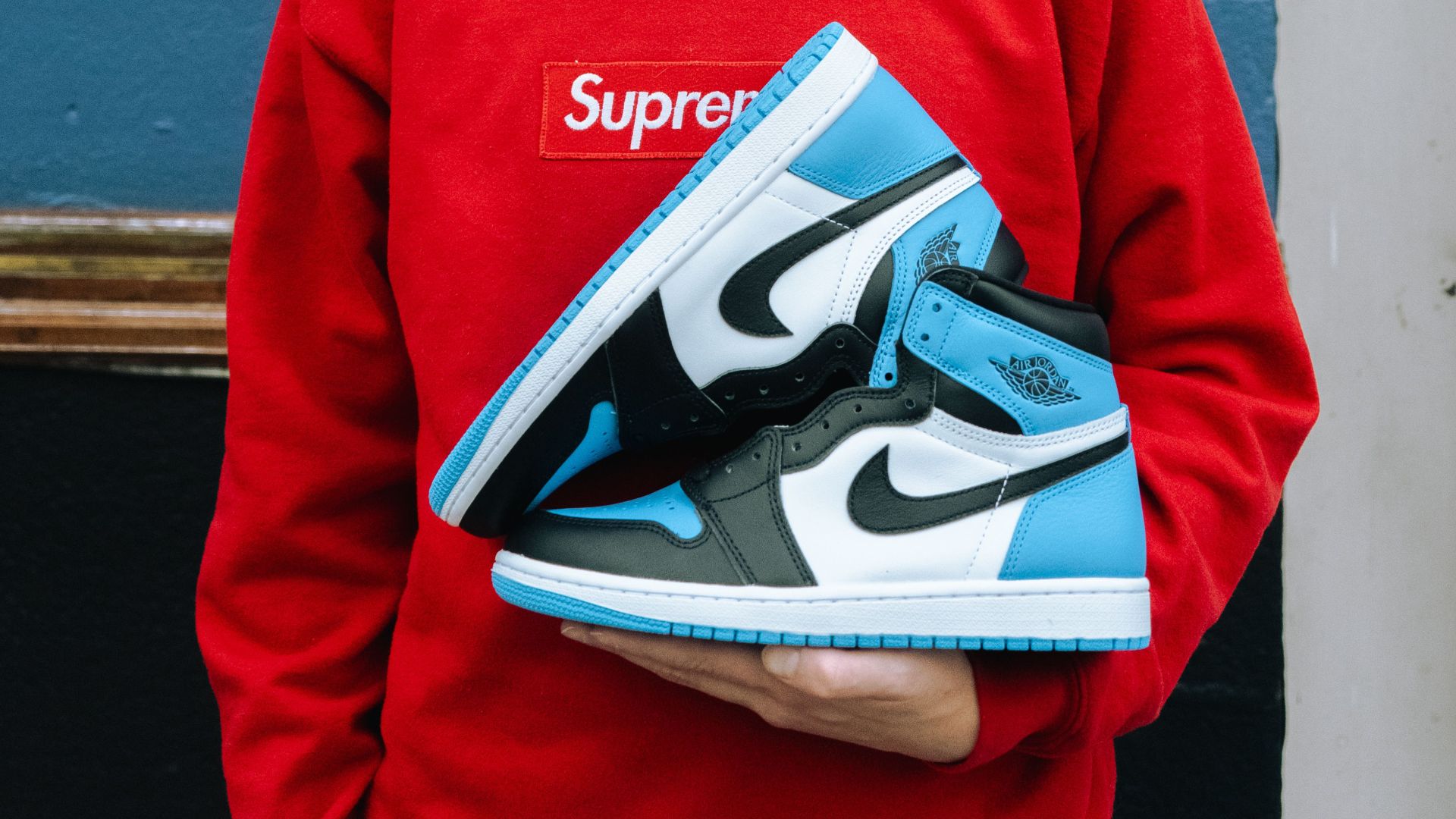
Some sneaker indexes and market reports showed flashy returns for certain releases. That made sneaker investing sound smarter and more reliable than it often was in real life. The problem is that the big winners can hide a lot of pairs that barely go up at all once fees, shipping, storage, and mistakes are factored in.

One Startup Even Sold Sneaker Shares
Rares, a startup launched in 2021, offered fractional ownership in sneakers and pitched the category as an investment opportunity. That made the idea even more direct by letting people buy shares in sought-after pairs instead of buying whole shoes. When a market gets sliced into fractions, speculation can start to look safer than it really is.

Regulators Have Had Concerns
Fractionalized collectibles have drawn legal and regulatory attention because selling pieces of assets can raise securities questions. That matters because the more an item is sold on the promise of profit, the bigger the consumer protection issues become. And if someone drained a family vacation fund to get in on it, that is already a serious warning sign.
Sneaker Prices Do Not Only Go Up
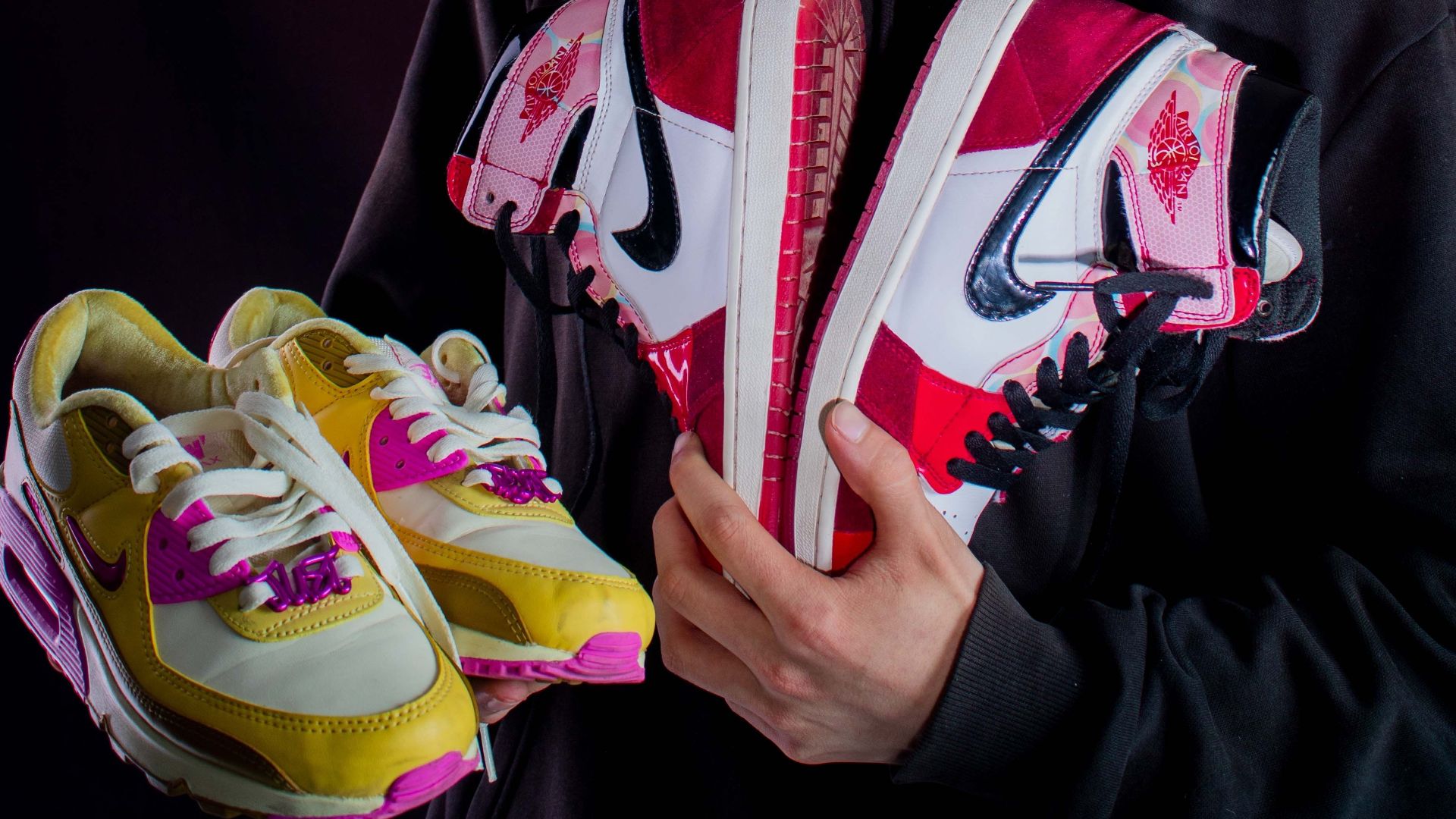
The resale market has had boom times, but it has also had pullbacks. Analysts and marketplace reports have pointed to cooling demand in parts of the resale world after the peak hype years. That is what makes the “better than stocks” claim so weak, because a real comparison needs more than a few viral wins.
Stocks And Sneakers Are Different Things
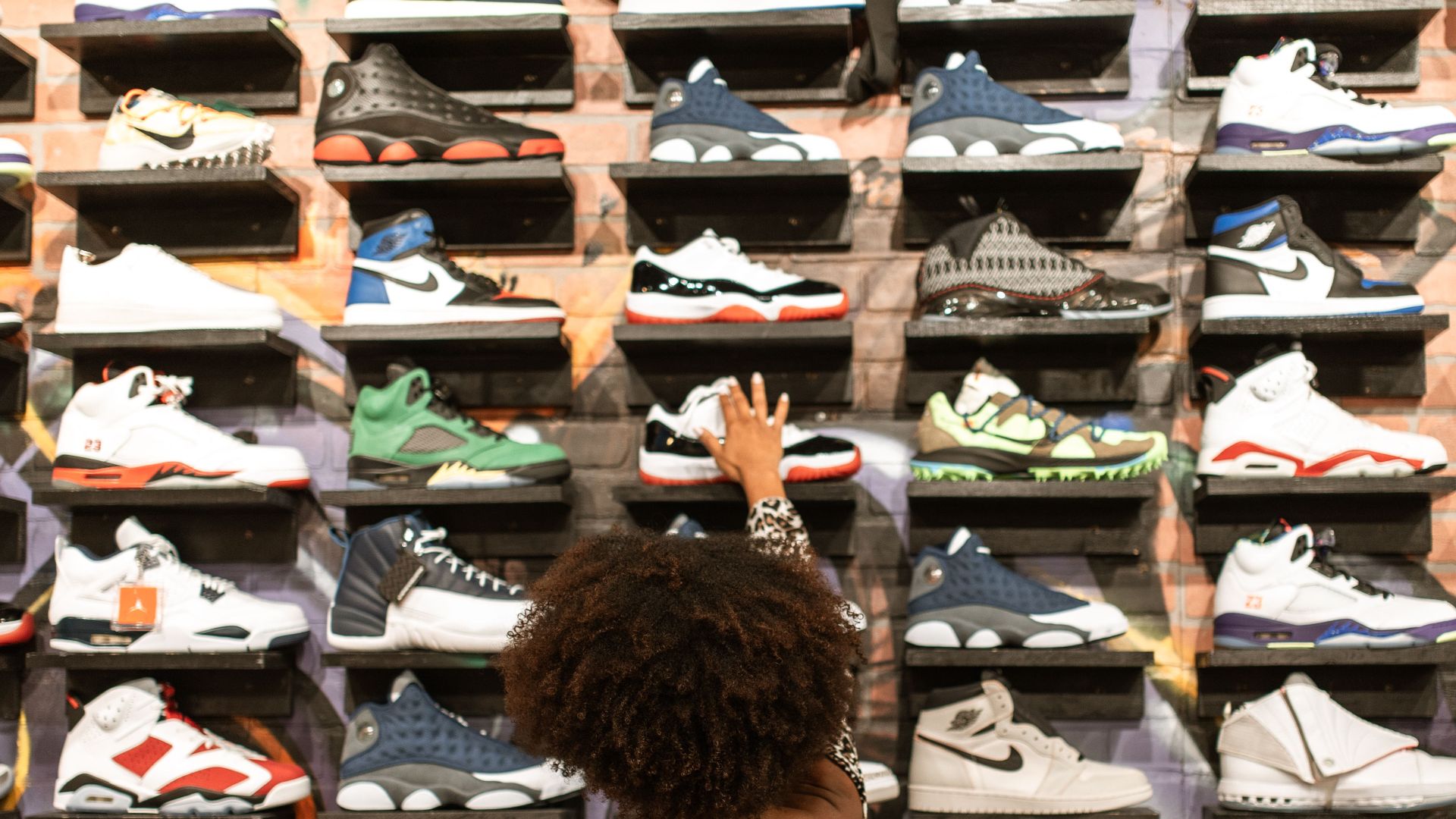
Stocks represent ownership in businesses that can earn profits, pay dividends, and grow over time. Sneakers are consumer products whose resale value depends on brand buzz, cultural trends, condition, and authenticity. One might be exciting to flip, but the other is backed by an actual business and decades of financial research.
Mainstream Investing Favors Diversification
Traditional investing advice is boring for a reason. Diversified stock and bond portfolios have a long history behind them, while sneaker markets are niche, volatile, and expensive to trade in. When someone says shoes are “better than stocks,” they are usually talking about a handful of winners, not a disciplined strategy backed by broad evidence.

Fees Can Wreck The Story
Resale platforms charge fees, payment processors take a cut, and shipping and insurance add even more friction. Then there is the risk of returns, disputes, or damage during transit. That means a sneaker has to rise more than many buyers realize before it actually beats a simple index fund.

Counterfeit Risk Never Goes Away
The resale market has poured money into authentication because fake sneakers are a real problem. Buyers and sellers can still get pulled into fights over condition, packaging, and legitimacy. An investment that can get derailed by stitching questions, glue smell, or a damaged box is not exactly a stable place for your vacation savings.
Storage Matters More Than People Think
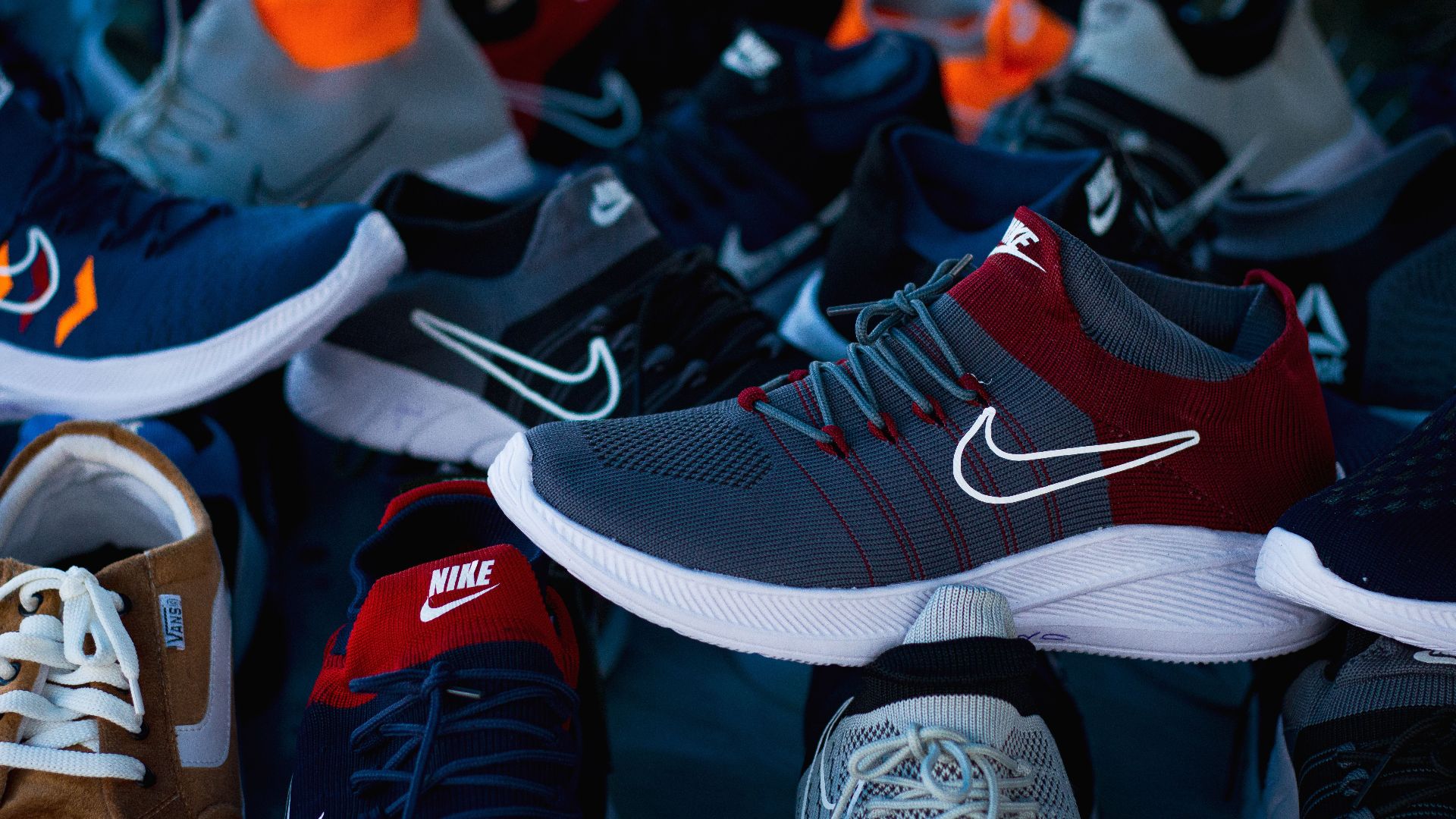
Sneakers are physical goods, and physical goods need room and care. Heat, humidity, crumbling midsoles, yellowing soles, and damaged packaging can all hurt resale value. That means the owner is taking on maintenance risk that does not exist with a low-cost index fund sitting quietly in a brokerage account.

Liquidity Can Dry Up Quickly
Yes, some limited pairs sell fast when demand is strong. But in weaker markets, sellers often have to cut prices or wait much longer than expected. If you need cash for a real-life goal like a vacation, rent, or an emergency, a sneaker collection may not turn into money when you need it.

Concentration Risk Is The Real Problem
Draining one shared fund to buy one type of speculative asset is concentration risk in its purest form. It does not matter whether the asset is crypto, comic books, or sneakers. Putting too much money into one narrow bet can turn a short thrill into a long financial headache.
The Behavior May Matter More Than The Sneakers
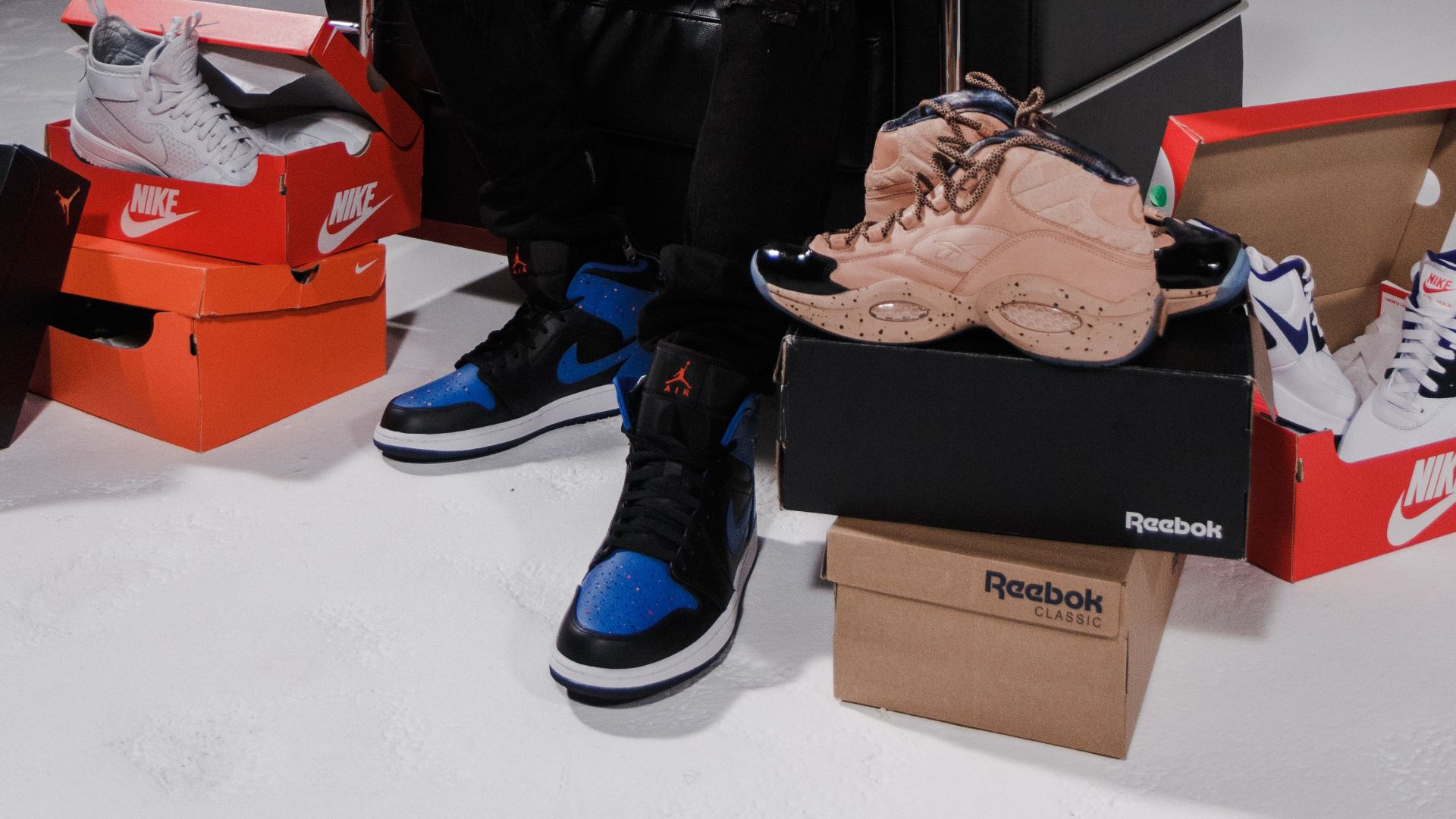
The bigger issue may not be whether sneakers can ever make money. It may be whether your husband is showing signs of compulsive financial behavior. Emptying a vacation fund without agreement points to secrecy, impulse, or overconfidence, and none of those belong in healthy investing.

When Investing Starts Looking Like Addiction
Addiction is a serious clinical term, so it should not be used loosely. Still, experts often look for patterns like hiding purchases, chasing losses, neglecting obligations, feeling unable to stop, and putting the activity ahead of relationships or goals. If the sneaker buying came with deception and repeated boundary crossing, the issue may be bigger than a market debate.
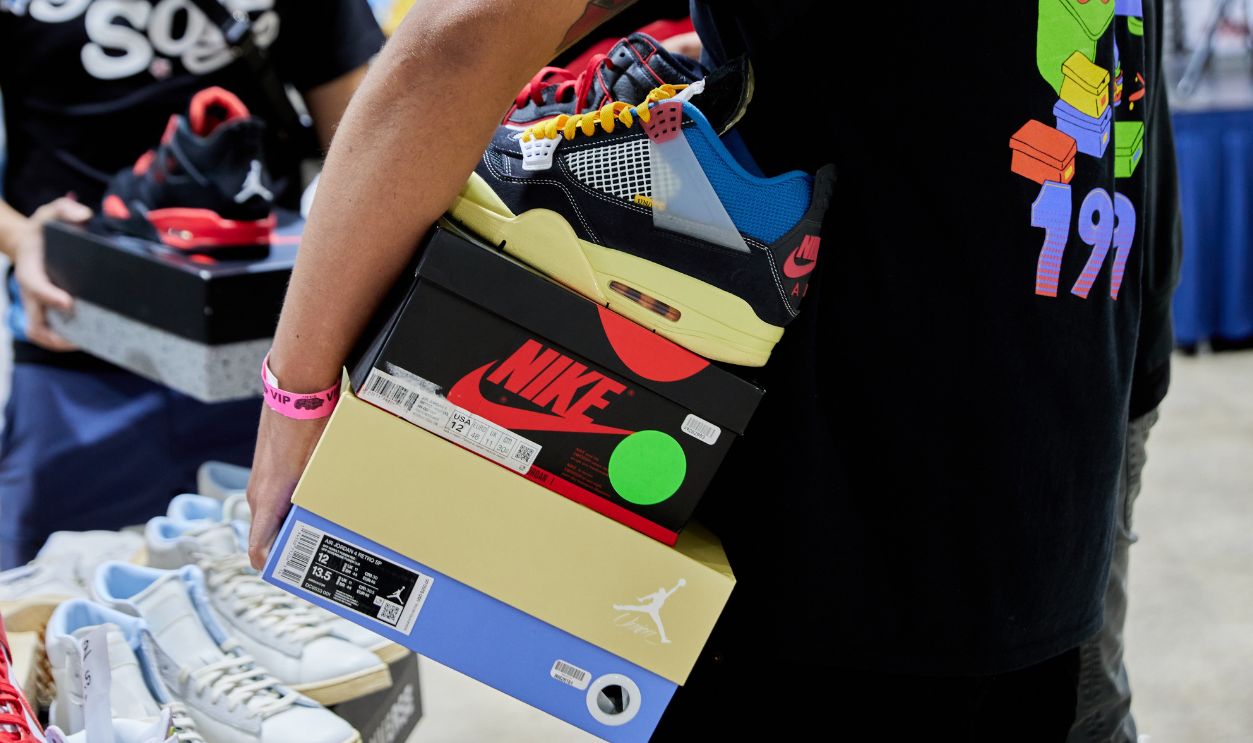 YES Market Media, Shutterstock
The Secrecy Test Says A Lot
One simple question cuts through all the noise. If this were truly a smart investment move, why did it require taking shared money without a shared decision? Secret financial decisions are usually a trust problem first and an investing problem second.

There Is A Name For That: Financial Infidelity
Therapists and financial counselors often use the term “financial infidelity” for hidden spending, hidden debt, or secret accounts inside a relationship. The phrase fits because trust and transparency matter just as much in money as they do anywhere else in a marriage. A closet full of hyped sneakers bought with family funds can land squarely in that category.

What He May Be Telling Himself
He may honestly believe he is being smart, especially if he has seen online stories about huge flips on rare collaborations. Social media can make every successful resale look easy and every bad buy look temporary. That is how speculation often gets dressed up as disciplined investing.

What The Success Stories Leave Out
People remember the big hit and forget the pairs that sat unsold. They remember one lucky flip and ignore the cash tied up in inventory, fees, and dead stock. Real investing means looking at the full results, not just the best story from the pile.
How To Respond Without Making It Worse
Start with questions about the money, not attacks on his character. Ask exactly how much was spent, which pairs were bought, what fees were paid, what the current resale values are, and how quickly they could actually be sold. Putting the situation into a spreadsheet can cool the fantasy and show the real risk.

Set A New Household Rule Right Away
Couples need a clear limit for solo purchases from shared funds. For example, any nonessential spending over a set amount should require both partners to agree first. That will not fix the current problem on its own, but it can stop the next surprise.

Rebuild The Vacation Fund First
If the trip mattered to both of you, replacing that money should be the first priority. That may mean pausing all speculative buying and setting up an automatic transfer into a dedicated savings account. A shared goal should not stay buried under stacks of unworn shoes.

Put Sneakers In The Hobby Bucket
If he truly loves the market, give it a lane that matches the risk. A capped hobby budget is very different from raiding shared savings. That approach leaves room for collecting while protecting the bills, the emergency fund, and the goals you both agreed on.
Know When To Bring In Help
If he cannot stop buying, keeps hiding transactions, or gets defensive when basic questions come up, it may be time for a financial therapist or couples counselor. If debt is involved, a nonprofit credit counselor can help lay out the damage. At that point, the issue is no longer whether sneakers can appreciate. It is whether the behavior is harming the household.

So Is It Investing Or Addiction
For some people, sneakers can be a speculative investment. But draining a shared vacation fund without consent is not smart portfolio management. It looks much more like risky, compulsive behavior than a disciplined investing strategy. In plain English, the sneakers are not the biggest problem. The secrecy, concentration, and disregard for shared goals are.