
When A Secret Account Feels Like A Big Deal
Money is the number one stress in any adult relationship, so finding out your partner opened a savings account without telling you is definitely a big deal. It doesn't automatically mean something bad is going on, but it does point to a communication problem worth taking seriously. If your husband also will not say how much is in the account, it makes perfect sense to feel uneasy and want answers.

Why This Can Hit So Hard
Money secrets often feel different from other secrets because finances affect everyday life and long-term stability. A hidden account can make you worry about debt, cheating, exit plans, or just being shut out of big decisions. Relationship experts have long said money conflict is a major source of stress for couples. So if this feels personal, your reaction makes sense.

What Counts As Financial Infidelity
Experts often use the term financial infidelity to describe hiding money information or money behavior from a partner. That can mean secret bank accounts, hidden debt, concealed purchases, or lying about income. The main issue is not only the account itself but the choice to keep it hidden in a relationship where money is supposed to be shared or openly discussed. Put simply, the secrecy is the warning sign, even if the money was earned and saved in a normal way.

Not Every Secret Account Means Trouble
There are cases where a separate account is not automatically a bad sign. Some couples keep individual accounts along with shared ones, and that can work well when both people know about it and agree on the setup. A secret account might also come from old money habits, privacy concerns, or anxiety rather than betrayal. Even so, once secrecy is part of the picture, an honest conversation is usually the best next step.

Sometimes People Hide Money Out Of Fear
A partner may keep savings private because they grew up in a home where money felt unstable or controlling. Some people feel safer when they have a personal emergency cushion only they can access. Others may worry about being judged for how much they earn, spend, or save. The reason matters, because fear-based secrecy calls for a different response than secrecy meant to mislead or control.

A Safety Fund Can Be A Real Thing
There is an important detail here: in abusive or controlling relationships, experts often advise people to build a private emergency fund if it is safe to do so. Financial abuse is real, and survivors may need money a controlling partner cannot reach. That does not mean every secret account points to danger, but it does mean context matters. If there is fear, intimidation, or control in the relationship, the issue may be much bigger than the account.

Your Relationship Setup Changes The Answer
Whether you should be worried depends in part on how your finances work as a couple. If you have always kept some money separate and both of you have privacy around personal savings, this may be less alarming. If you combine finances, share goals, and agreed to disclose accounts, then a hidden fund is a more serious break in trust. The bigger the gap between your shared expectations and your partner's actions, the more reason there is for concern.

Married Couples Have Extra Legal And Practical Stakes
For married couples, secret savings can have legal effects, especially during divorce, estate planning, or major financial choices. In many states, assets gained during marriage may be treated as marital property, though the rules vary by state and situation. Hidden accounts can also affect taxes, budgeting, and debt management. If you are married and your partner refuses to share basic financial information, it is smart to take that seriously.

Look At The Pattern, Not Just The Account
One secret account is concerning, but the bigger pattern matters even more. Ask yourself whether your partner has also been vague about spending, debt, credit cards, loans, or income. Repeated secrecy points to a larger trust issue rather than a one-time mistake. Patterns usually tell you more than one discovery on its own.

Signs The Situation May Be More Serious
Some clues suggest the problem may go beyond a simple wish for privacy. Watch for defensiveness, unexplained withdrawals, missing statements, sudden behavior changes, or pressure to avoid money talks altogether. Another warning sign is when household bills are being ignored while money is quietly being moved elsewhere. If the secret account is affecting shared responsibilities, your concern is especially reasonable.

Privacy And Secrecy Are Not The Same Thing
Healthy relationships can include financial independence without financial deception. Privacy might mean each person has some freedom to spend or a personal account that both partners know exists. Secrecy is different because it involves hiding information that affects informed choices. That difference can help you talk about the issue without turning it into a fight about independence.

Start With Questions, Not Accusations
If you want a useful conversation, start with curiosity instead of an attack. Try asking why the account was opened, what it is for, and why they do not want to share the balance. It is okay to say the secrecy makes you uncomfortable and that you need more openness to feel secure. Staying calm does not mean the issue is small. It just gives you a better chance of getting a real answer.

Pick The Right Moment To Talk
Timing matters when talking about money. Bring it up when neither of you is rushed, angry, or distracted, not in the middle of another fight. A private, low-pressure setting can help both people stay grounded. If these talks tend to go badly, it may help to set a specific time so nobody feels caught off guard.

Be Clear About What You Need To Know
You do not have to demand every tiny detail to ask for real transparency. Focus on the information that affects your shared life, like whether the account includes marital funds, whether bills are being paid, and whether there are hidden debts or transfers connected to it. If you are planning for a home, kids, retirement, or debt payoff, undisclosed savings can directly affect those goals. Clarity is not about snooping. It is about making informed choices together.

Discuss Boundaries Around Separate Money
Many money experts support a setup where couples share core responsibilities while still keeping some personal money. If that approach works for both of you, talk through how much goes into joint accounts versus individual ones and what always needs to be disclosed. Agree on rules for emergencies, large purchases, and savings goals. A clear system can lower the chance of future misunderstandings and help both people feel respected.

If They Still Refuse To Share Anything
Refusing to talk about the account at all is often a bigger problem than the account itself. Shutting down can point to shame, mistrust, control, or a deeper effort to hide important money issues. You cannot build trust by pretending your discomfort does not matter. If your partner will not have a basic conversation about money that affects the household, concern is justified.

Protect Yourself Without Escalating
If you feel uneasy, start by getting organized. Review your joint accounts, monitor your credit reports, keep copies of key financial records, and make sure you understand your household cash flow. This is not about payback. It is about staying informed and protecting your own financial well-being. If you suspect hidden debt, moved assets, or fraud, good records matter.
 LIGHTFIELD STUDIOS, Adobe Stock
Know Your Credit And Your Rights
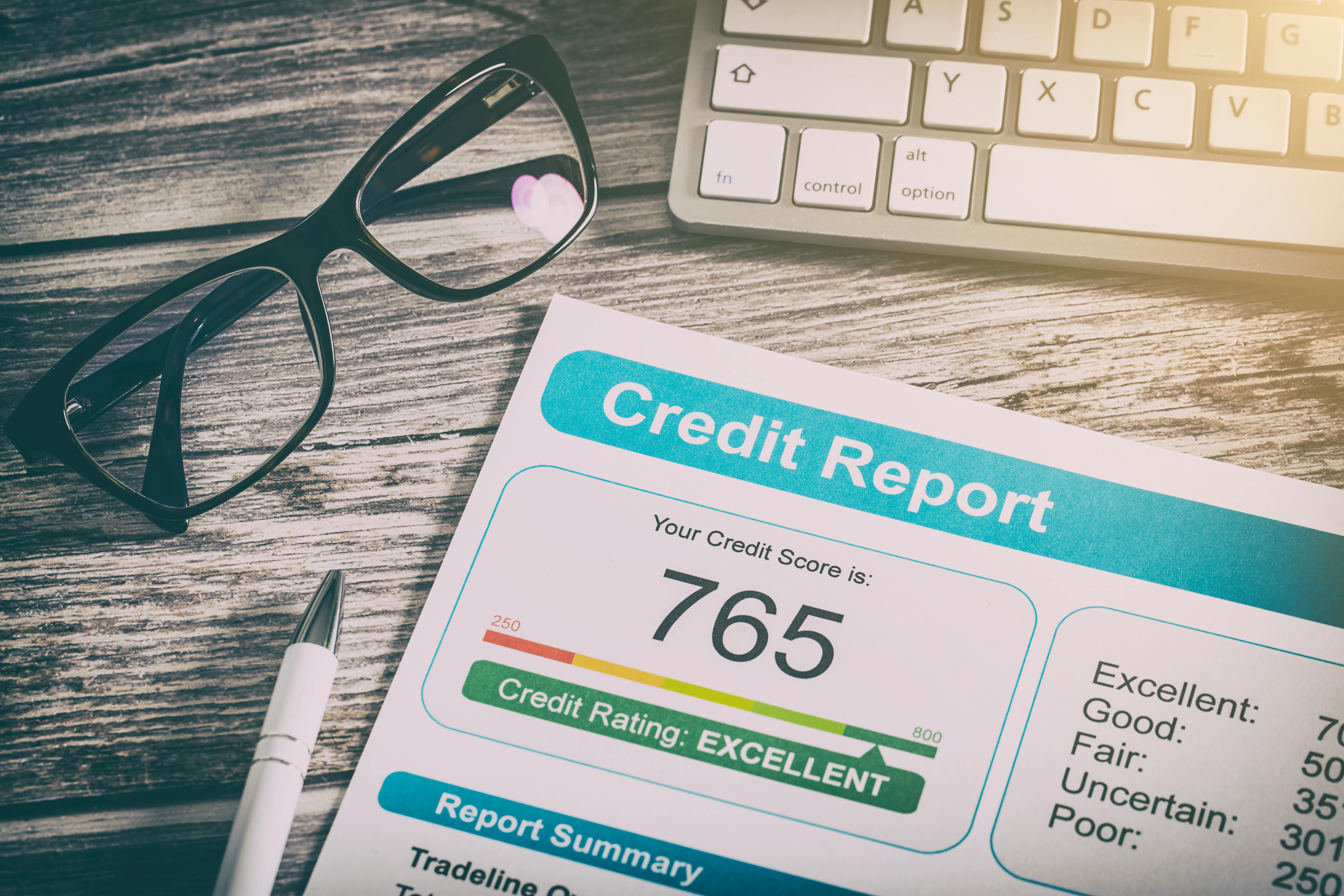
Checking your credit reports can help you spot accounts or debts you did not know about. Federal law gives consumers access to free credit reports through the official site authorized by federal law. If you are married, it may also help to learn how property and debt are handled in your state. Knowing the rules can help you stay calm and respond based on facts instead of fear.
Consider A Financial Therapist Or Couples Counselor
When money talks keep turning into fights, a neutral third party can help a lot. Financial therapists, accredited financial counselors, and couples therapists can help with both the practical side and the emotional side of the problem. That can be especially useful if the account is tied to old trauma, power struggles, or very different money habits. Outside help can turn a stuck argument into a plan.

When Legal Advice Makes Sense
If you are married, thinking about separation, worried about hidden marital assets, or concerned about financial abuse, it may be worth talking to a family law attorney. A lawyer can explain what disclosure rules may apply in your state and what steps you can legally take. You do not have to assume the worst, but getting solid information can protect you. Sometimes peace of mind starts with knowing your options.

It May Help To Ask One Simple Question
If the conversation keeps going in circles, try asking this: what would transparency look like for both of us? That shifts the focus away from one secret account and toward the bigger standard you want in the relationship. Maybe the answer is full disclosure, or maybe it is a shared system with some personal freedom built in. Either way, the goal is not just to fix this one issue but to avoid the next one.

So, Should You Be Concerned?
Yes, you should be concerned enough to address it, but not necessarily enough to assume the worst right away. A secret savings account can come from fear, self-protection, or poor communication, but it can also be part of a larger pattern of money dishonesty. Your next step is to look at the context, have a direct conversation, and protect your own financial footing while you gather facts. In healthy relationships, money does not have to be fully combined, but it does need to be honest.