The Secret Bill That Is Getting Harder To Ignore
One spouse thinks the household budget is under control, then finds several buy now, pay later balances quietly stacking up in the background. That kind of surprise is getting more common as these apps make borrowing feel less like debt and more like just another checkout button. But Americans should be extremely careful when it comes to these services, today more than ever.

Why This Question Hits A Nerve
“Are these services becoming dangerous?” is a fair question. Regulators, consumer advocates, and credit bureaus have spent the past few years trying to pin down the risks tied to buy now, pay later, or BNPL. The short version: these products are convenient, but they can become risky when people pile up multiple loans, lose track of due dates, or use them to pay for basics they cannot really afford.

What Buy Now, Pay Later Actually Is
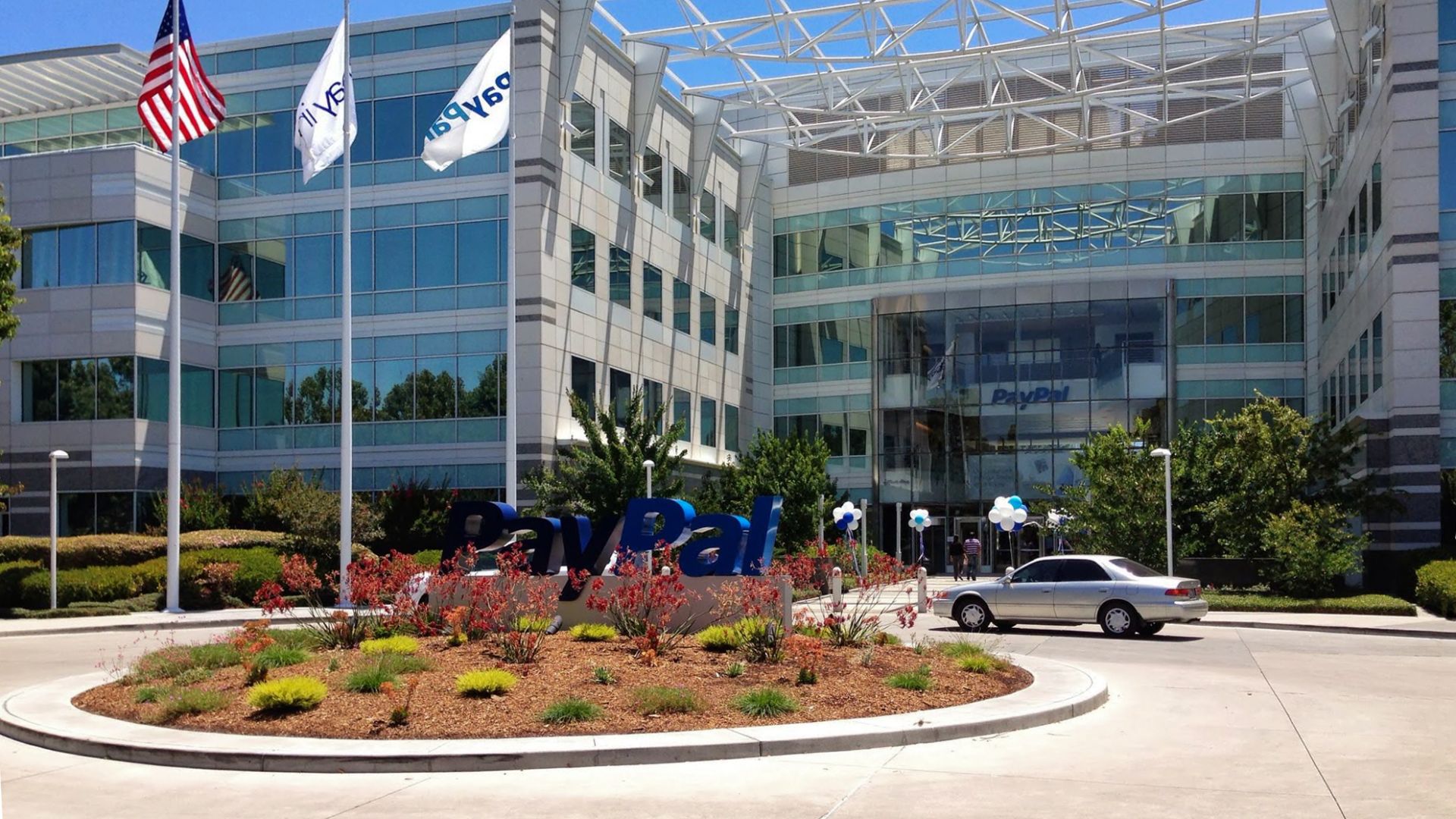
BNPL lets shoppers split a purchase into smaller payments, often four installments over six weeks. Companies like Klarna, Afterpay, Affirm, and PayPal helped push the model into the U.S. mainstream in the late 2010s and early 2020s. Many plans advertise zero interest, which can make them seem safer than a credit card, but missed payments can still lead to late fees or other problems depending on the provider.
 Sagar Savla, Wikimedia Commons
The Pandemic Supercharged Its Growth
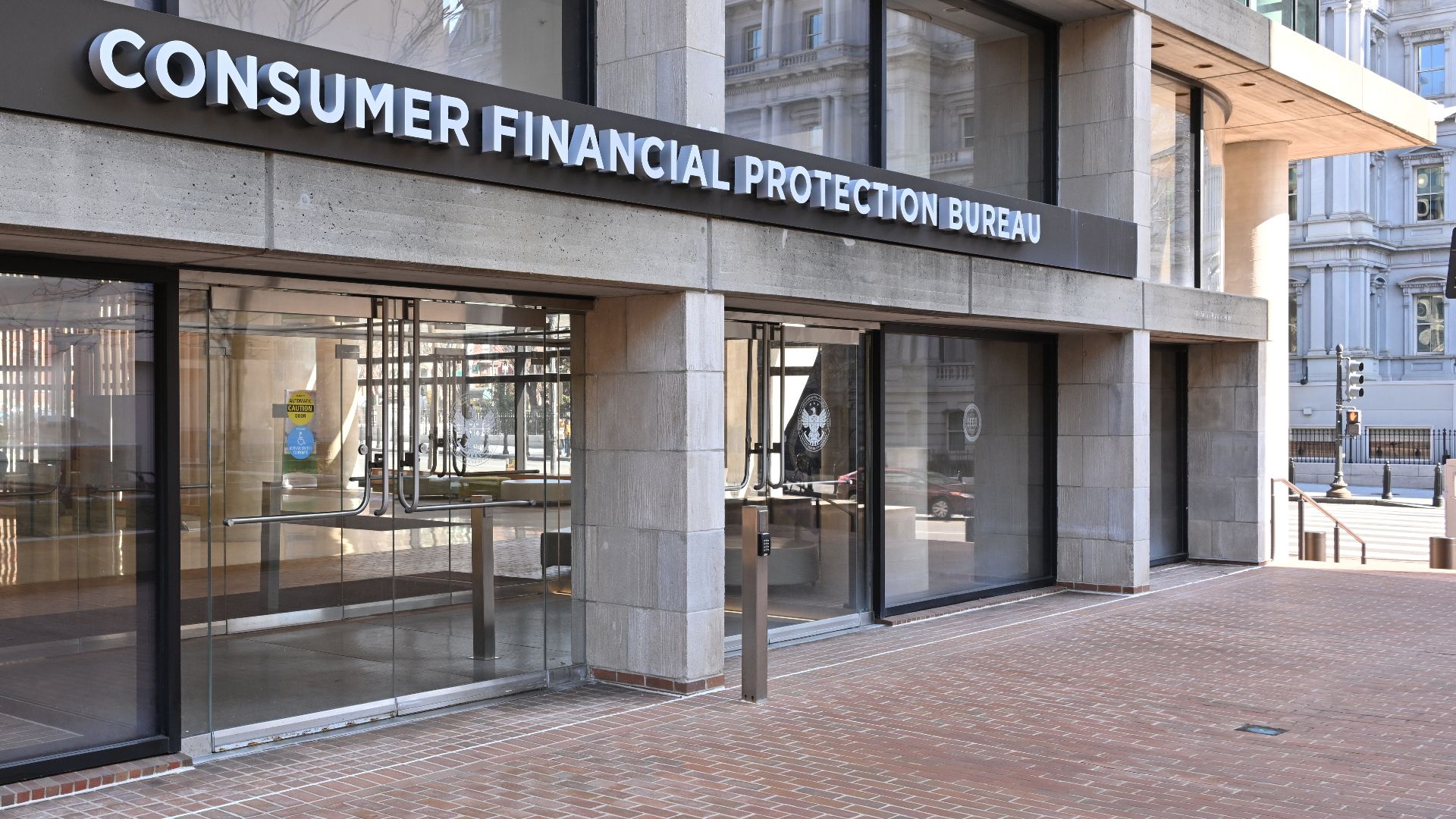
The Consumer Financial Protection Bureau, or CFPB, said in a September 2022 report that BNPL use jumped as online shopping surged during the pandemic. The agency looked at data from Affirm, Afterpay, Klarna, PayPal, and Zip. It found that the number of BNPL loans from those lenders rose from 16.8 million in 2019 to 180 million in 2021, which helps explain why so many households suddenly ran into these products.
 G. Edward Johnson, Wikimedia Commons
Researchers Found A Repeat Borrowing Pattern
That same CFPB report found that many borrowers were not using BNPL just once for a bigger purchase. They kept coming back. The agency reported that more than three-fifths of borrowers took out multiple loans in 2021, and a meaningful share had loans from more than one provider at the same time.

Multiple Apps Can Hide The Full Picture
This is where the danger can start creeping in. If someone uses Klarna for clothes, Afterpay for cosmetics, and Affirm for electronics, each purchase may seem small on its own. But the total monthly obligation can get big fast, especially if those payments are scattered across different apps and never discussed at home.

The CFPB Raised A Red Flag In 2022
When the CFPB published its report in September 2022, it pointed to several concerns. The agency warned about loan stacking, uneven consumer protections, and the way BNPL can push people to overextend themselves. In plain terms, regulators were saying these products can make it too easy to borrow again before the last purchase is paid off.

Consumer Watchdogs Say The Design Matters
Part of the problem is how the product feels. BNPL turns one larger price into smaller numbers that seem easier to handle, which can dull the sting of spending. The Federal Reserve Bank of Boston noted in a 2024 analysis that BNPL can help consumers manage cash flow, but it also flagged concerns about overspending, especially when people juggle several installment plans at once.

It Is Not Just For Luxury Splurges
One of the more worrying findings is that BNPL is not just being used for treats or big-ticket wants. Surveys and research have shown that some consumers use it for everyday purchases like groceries, personal care items, and other basics. That matters because borrowing for essentials can be a sign that a household budget is already under pressure.

A 2025 LendingTree Survey Added More Context
LendingTree reported in April 2025 that 41% of BNPL users said they had made a late payment, up from 34% a year earlier. The survey also found that some users were relying on BNPL for groceries, which is the kind of detail that makes personal finance experts nervous. Surveys are not the same thing as regulator data, but they can still show how habits are changing in real time.

Missed Payments Are Not Rare
Late payments are one of the clearest signs that convenience can turn into trouble. Depending on the lender, a missed payment may mean late fees, account restrictions, or collections activity. Some providers do not charge standard interest on pay-in-four plans, but that does not mean the debt comes without consequences.

Credit Reporting Has Been A Murky Area
For years, one odd thing about BNPL was that it often did not show up the same way as other debt on traditional credit reports. That made it easier for borrowers to take out several loans without lenders seeing the whole picture. It also meant on-time payments often did little to help build credit, while missed payments could still create stress and confusion.

That Is Starting To Change
In June 2024, FICO announced plans to launch credit scores that include BNPL data, with the first scores expected in fall 2025. The company said the move reflects the growing use of these loans and the need for credit models to track them more accurately. Over time, that could make hidden borrowing less invisible, though the shift will not happen overnight.
The CFPB Took Another Big Step In 2024
In May 2024, the CFPB issued an interpretive rule saying that BNPL lenders offering pay-in-four products are credit card providers under the Truth in Lending Act for certain legal purposes. That means consumers must get some key rights tied to traditional credit cards, including the right to dispute charges and seek refunds from lenders after returning products. The rule did not turn BNPL into credit cards in every way, but it was still a major regulatory shift.

Why That Rule Mattered To Families
If someone in a household is quietly making lots of BNPL purchases, billing disputes can become one more source of chaos. The CFPB’s 2024 action was meant to bring more consistency to consumer protections. That matters because a system that looks simple at checkout can get messy fast when a return, refund, or canceled order does not line up cleanly with installment payments.

The Danger Is Often Behavioral, Not Just Mathematical
A four-payment plan for one purchase is not automatically reckless. The real risk shows up when people get used to borrowing for lots of small purchases and stop thinking of it as debt. Once that happens, it becomes much easier to underestimate how much of next month’s paycheck is already spoken for.

Household Secrecy Makes The Risk Worse
When one spouse runs up thousands in BNPL balances without telling the other, the financial issue is only part of the problem. Hidden debt can throw off bill paying, emergency savings, and trust. Because BNPL charges are broken into smaller chunks, they can also be easier to hide than one large credit card balance.

These Loans Can Slip Past Budgeting Systems
Traditional budgets usually capture rent, utilities, groceries, and one or two credit card bills. BNPL adds several mini-bills with different due dates, often spread across separate apps and autopay settings. That can create a messy payment calendar that is much easier to lose track of than one monthly statement.

Autopay Helps, But It Can Also Mask The Problem
Automatic payments lower the odds of missing a due date, which helps. But autopay can also make a spending habit seem harmless until a checking account suddenly drops. If purchases are frequent, the withdrawals can fade into the background until the total is too big to ignore.
Young Adults Have Been Especially Active Users
Research from the Federal Reserve Bank of Boston in 2024 found that BNPL users tend to skew younger and are more likely to have lower credit scores or thinner credit files than nonusers. That does not mean every user is financially vulnerable. It does mean these products have often been marketed to people who may already have fewer borrowing options or less room for error.

Convenience Is Real, And So Is The Tradeoff
It is important not to overstate the case. BNPL can be a useful tool for someone with steady income who understands the payment schedule and uses it for a planned purchase they could otherwise afford. The trouble starts when the apps stop being an occasional financing tool and become part of everyday life.

Watch For A Few Clear Warning Signs
If BNPL is being used for groceries, bills, or other basic needs, that is a warning sign. If there are multiple loans across several apps, that is another. If one partner is hiding purchases or brushing off the balances because each payment sounds small, the household probably needs a serious money conversation.

How To Get A Full Picture Fast
Start by checking bank and credit card statements for names like Klarna, Afterpay, Affirm, Zip, and PayPal Pay in 4. Then log into each app and list the remaining balances, due dates, and linked payment methods. A simple spreadsheet can quickly show whether the problem is manageable or already snowballing.

What To Do If The Total Is Already In The Thousands
First, stop adding new BNPL purchases. Next, line up all current installment plans by due date and focus on avoiding missed payments and overdrafts. If cash flow is too tight, it may make more sense to cut discretionary spending, redirect savings for a while, or speak with a nonprofit credit counselor than to keep covering the problem with new debt.
 Cast of Thousands, Shutterstock
Couples Need A Visibility Rule
One practical fix is to agree that any new debt, including BNPL, gets disclosed right away. Another is to review all recurring and installment obligations together once a month. This is not about policing each other. It is about making sure a slick checkout tool does not quietly turn into a shared financial mess.

So, Are These Services Becoming Dangerous?
They are becoming more serious, and for some households, yes, more dangerous. The growth documented by the CFPB in 2022, the protections added by the CFPB in 2024, and the credit reporting changes announced by FICO in 2024 all point to the same reality. BNPL is no longer a tiny side feature of online shopping, and families should treat it with the same caution as any other form of debt.

The Bottom Line For Worried Spouses
If your wife or husband quietly built up thousands in BNPL balances, the problem is real, but it is also fixable if you deal with it early. Gather the facts, total the balances, stop the bleeding, and build a repayment plan that fits your cash flow. The bigger lesson is simple: when debt is designed to feel painless, that is exactly when you need to pay the most attention.