
Brand Names Used To Be Normal. Now They Feel Like a Tiny Flex
There was a time when buying the name-brand cereal, soda, cookies, or detergent didn’t feel like a financial personality test. You just grabbed the box your family always bought and moved on. Now, that same grocery cart can feel like it needs a co-signer. America hasn’t lost its love for brand names—it just started checking the unit price like a detective.
How many of these products do you still break the bank for?
#25. Campbell’s Condensed Tomato Soup
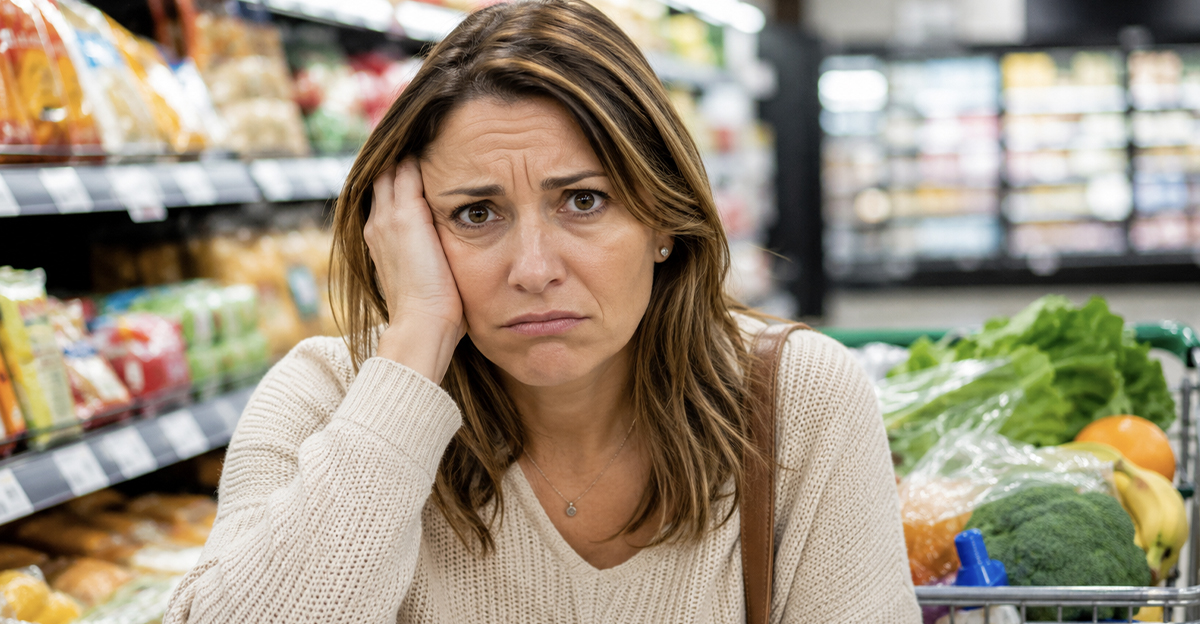
Campbell’s tomato soup used to be the emergency dinner hero, especially when paired with grilled cheese. In the 1990s and early 2000s, a can often landed around $0.50 to $0.80 on sale. Today, it’s commonly around $1.50 to $2.00.
Shoppers now grab Walmart Great Value, Kroger, Aldi, or store-brand condensed soup. Same cozy idea, less “why is soup expensive now?” energy.
 Mike Mozart, Wikimedia Commons
#24. Kraft Mac & Cheese
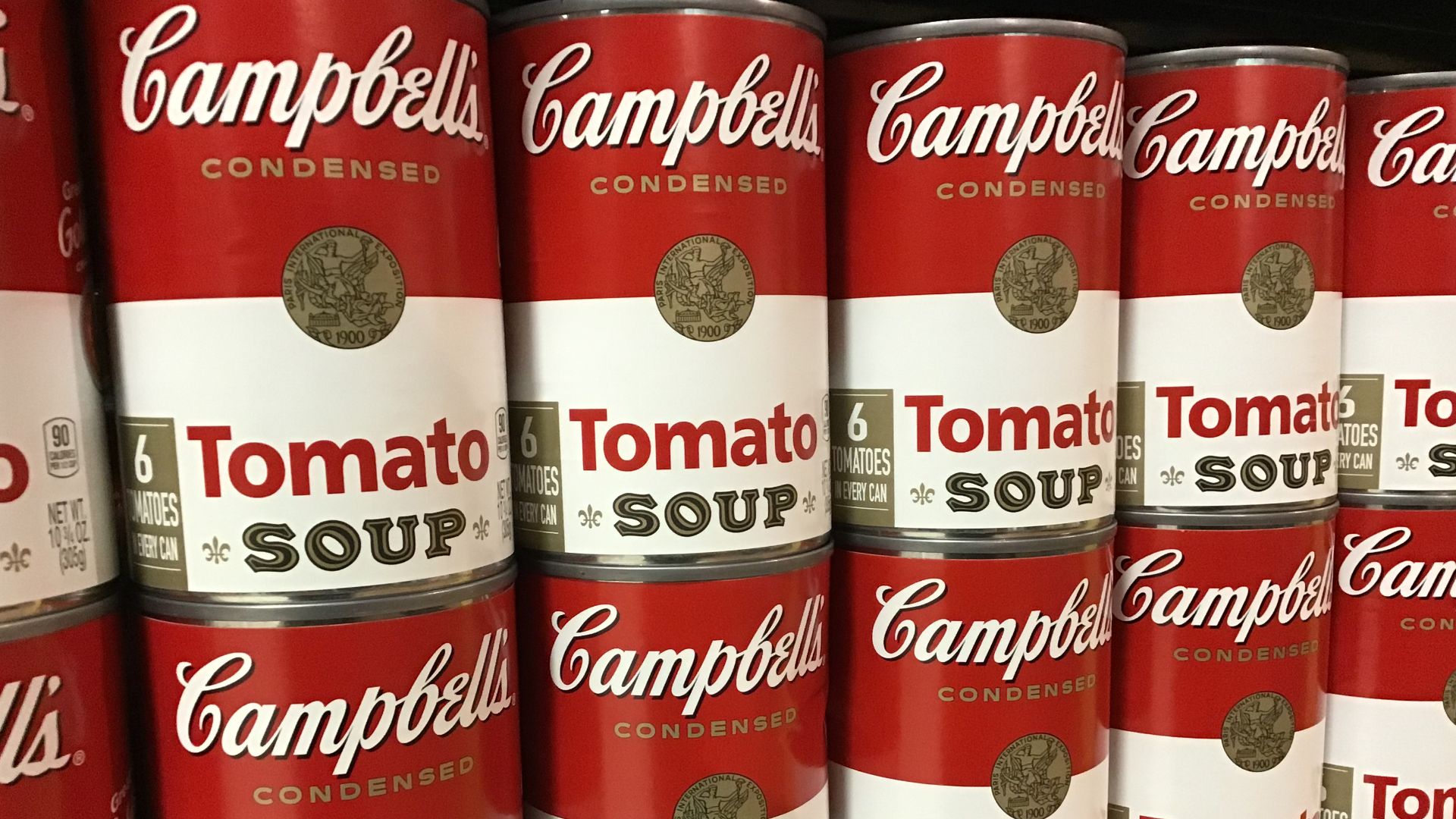
Kraft Mac & Cheese was once the cheap dinner that saved tired parents and hungry kids. A box could often be found for around $0.50 to $0.75 on sale. Today, it’s closer to $1.25 to $1.75 in many stores.
Families still love the blue box, but store brands from Great Value, Kroger, Aldi, and Target Good & Gather are now doing the orange-powder heavy lifting.
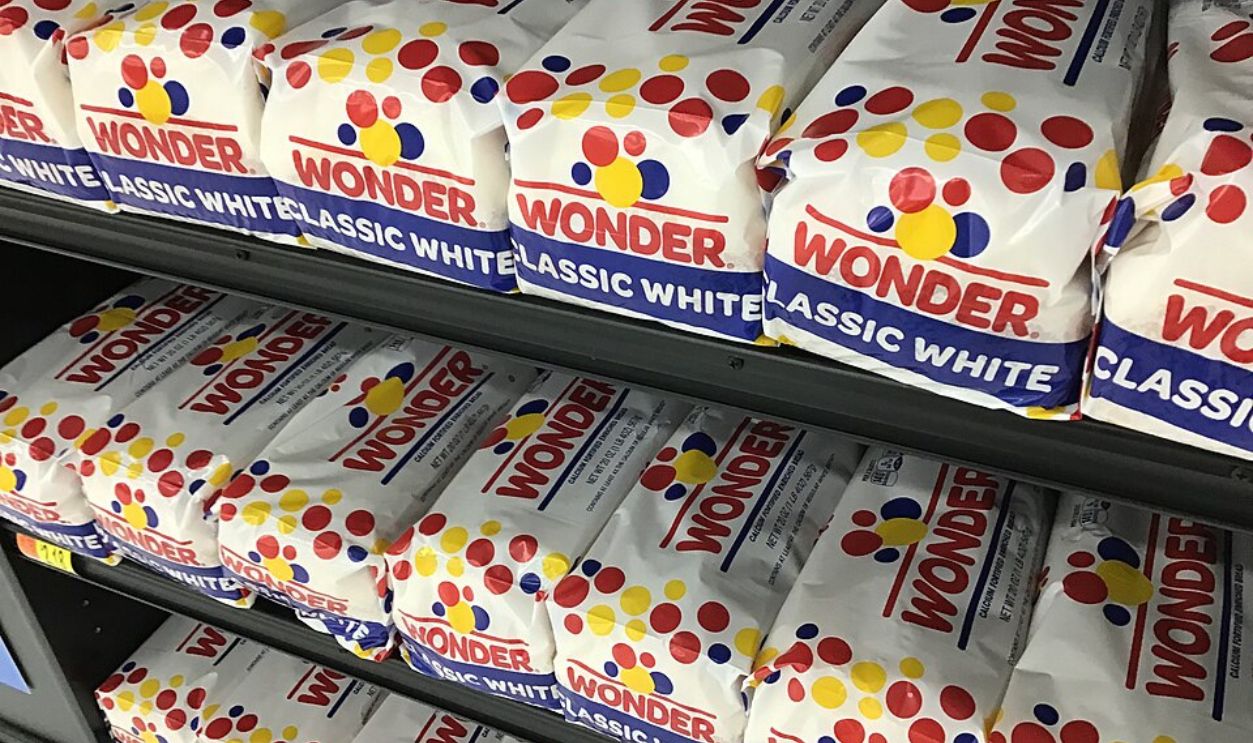
#23. Wonder Bread
Wonder Bread was once the soft white sandwich loaf sitting in kitchens across America. It often cost around $1.00 to $1.50 in the 1990s. Today, a branded loaf can run roughly $3.00 to $4.50, depending on the store.
People are swapping in store-brand sandwich bread, Aldi loaves, Costco multipacks, or whatever bread is on sale. Nostalgia is nice, but so is not paying steak money for toast.
 Mike Mozart from Funny YouTube, USA, CC BY 2.0, Wikimedia Commons
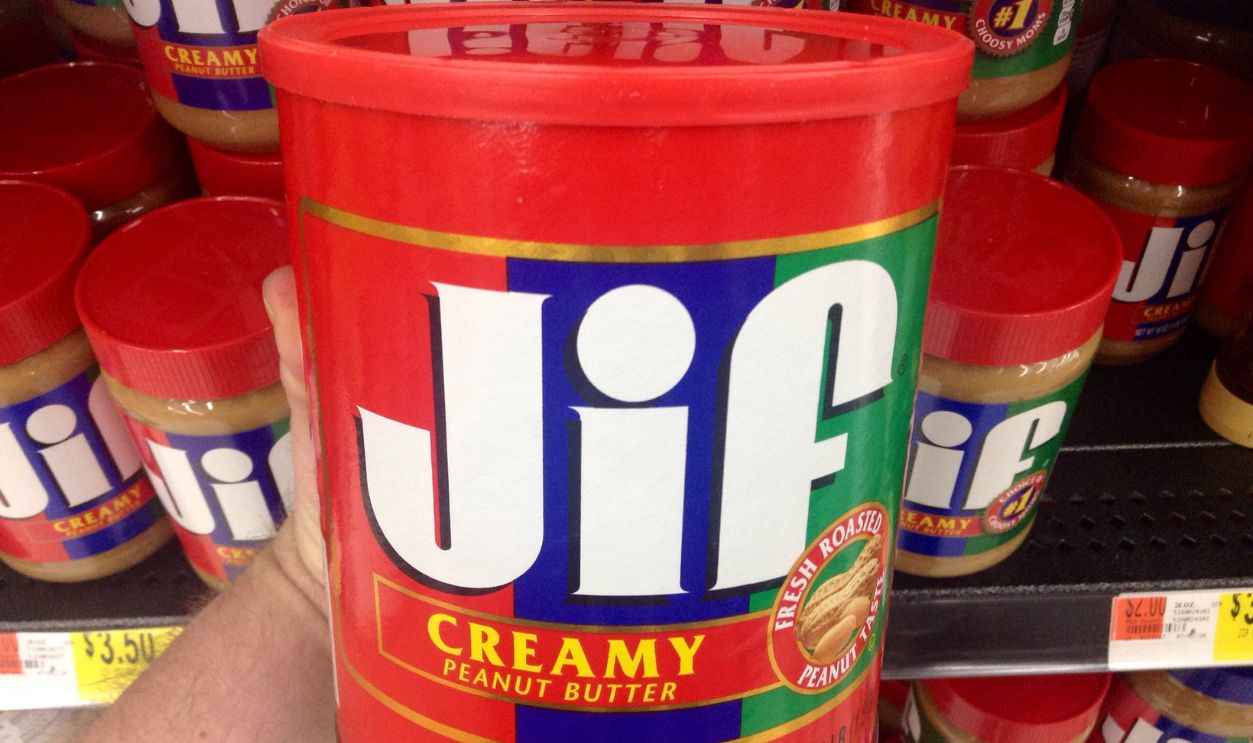
#22. Jif Peanut Butter
Jif was the peanut butter of lunchboxes, after-school snacks, and emergency spoonfuls eaten over the sink. A big jar once felt like a budget staple at around $2.50 to $3.50. Today, a 40-ounce jar can land near $7.00 or more.
Many families now choose Great Value, Kroger, Aldi’s Peanut Delight, or warehouse-club peanut butter. Peanut butter is still essential; the label just got less glamorous.
#21. Smucker’s Grape Jelly
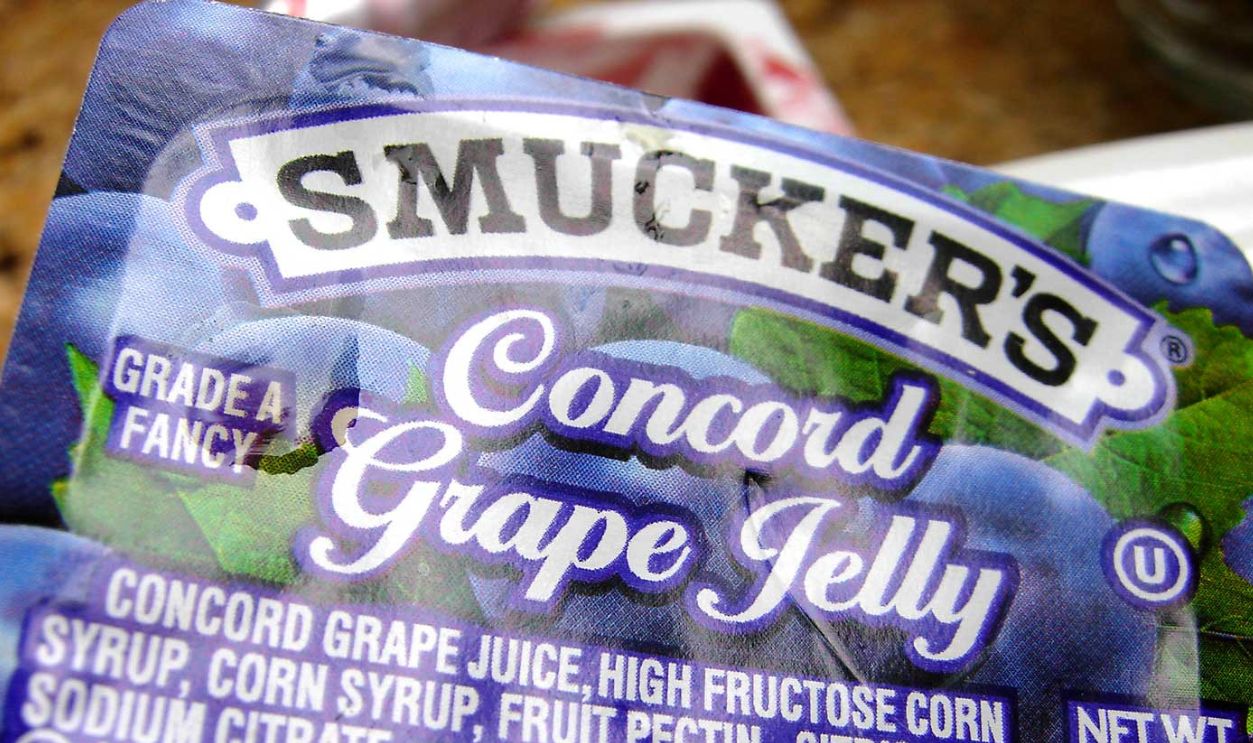
Smucker’s grape jelly was practically peanut butter’s official roommate. A jar used to feel painless at around $1.50 to $2.00. Today, it’s often closer to $3.50 to $5.00, especially for larger jars.
Shoppers are replacing it with store-brand grape jelly, Aldi spreads, Kroger jelly, or whatever fruit spread is cheapest. The sandwich survives. The fancy red-and-white label may not.
#20. Heinz Ketchup
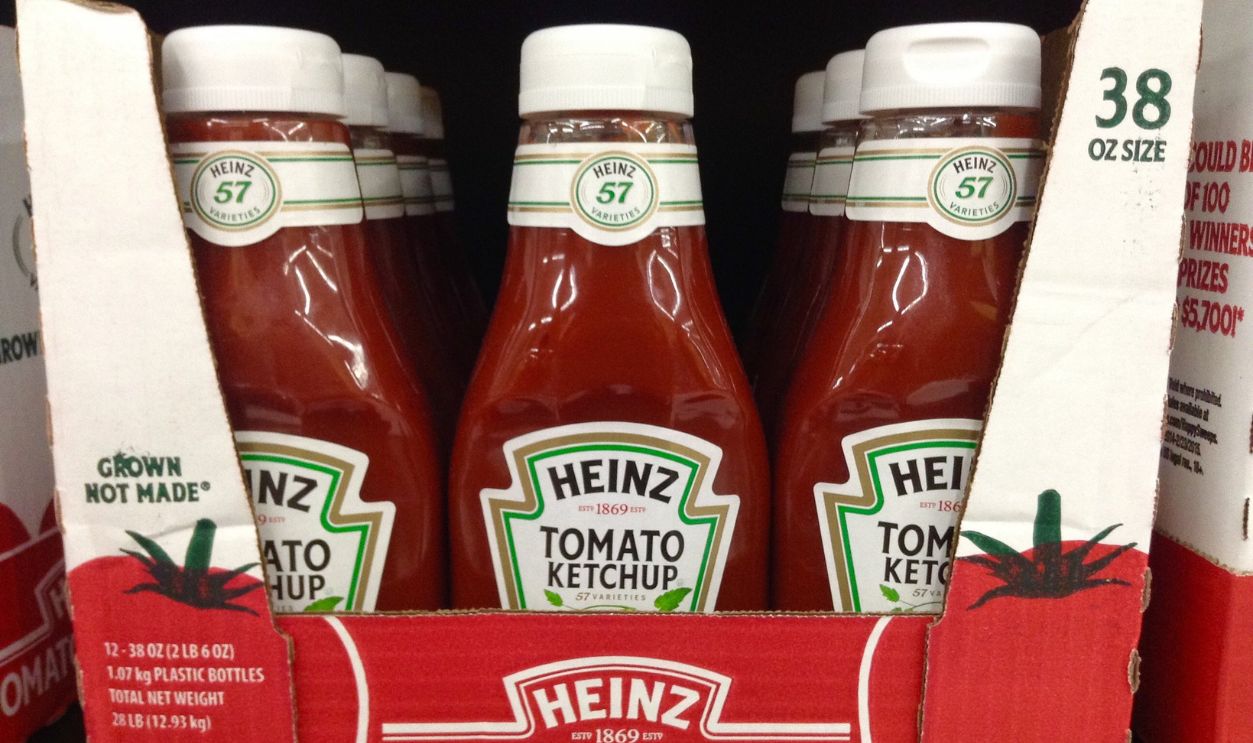
Heinz was the ketchup bottle that sat in almost every fridge door, sometimes upside down, sometimes making everyone wait forever. It used to cost around $1.50 to $2.50. Today, larger bottles can easily run $4.00 to $6.00.
People now buy Hunt’s, Great Value, Kroger, Aldi Burman’s, or warehouse-size store brands. At this point, kids dipping fries are not checking brand loyalty.
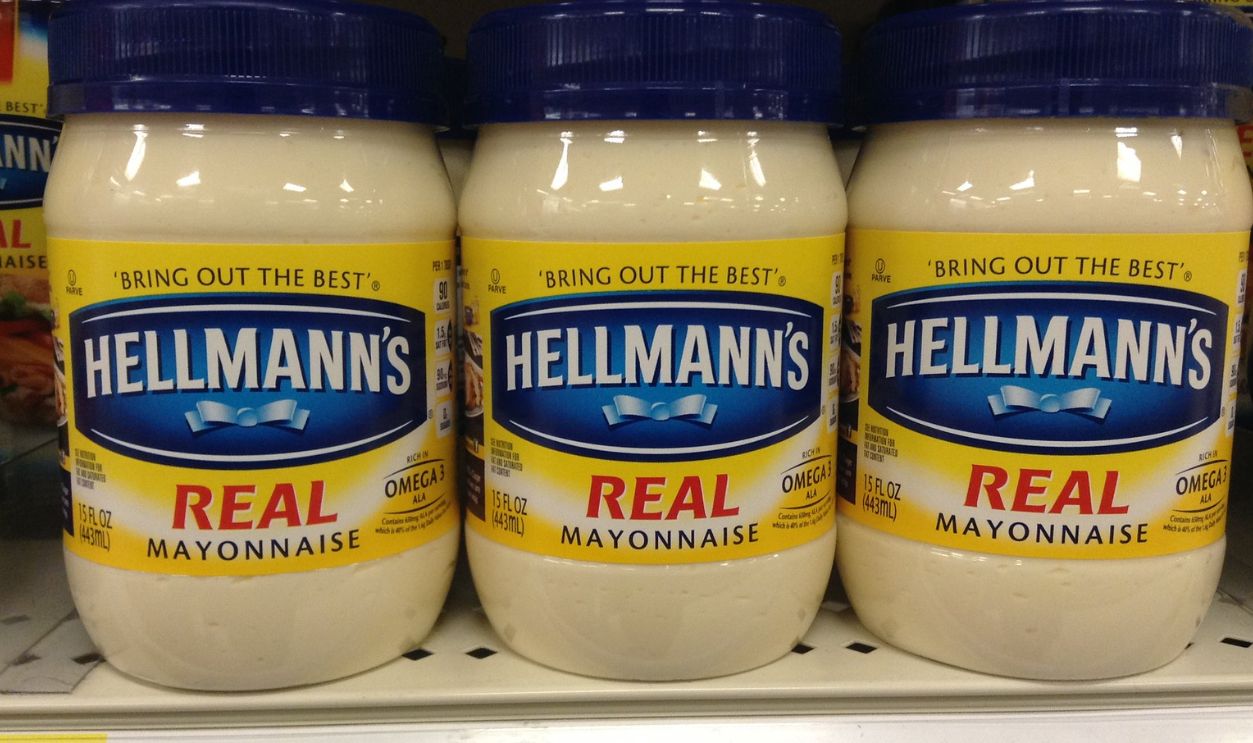
#19. Hellmann’s Mayonnaise
Hellmann’s was once the default mayo for sandwiches, salads, and every picnic dish that needed refrigeration immediately. A jar often cost around $2.00 to $3.00. Today, a 30-ounce jar can run roughly $6.00 to $8.00.
Families are turning to Duke’s when on sale, Great Value, Kroger, Aldi, or Costco’s Kirkland option. Potato salad still happens—it just has a budget committee now.
#18. Philadelphia Cream Cheese
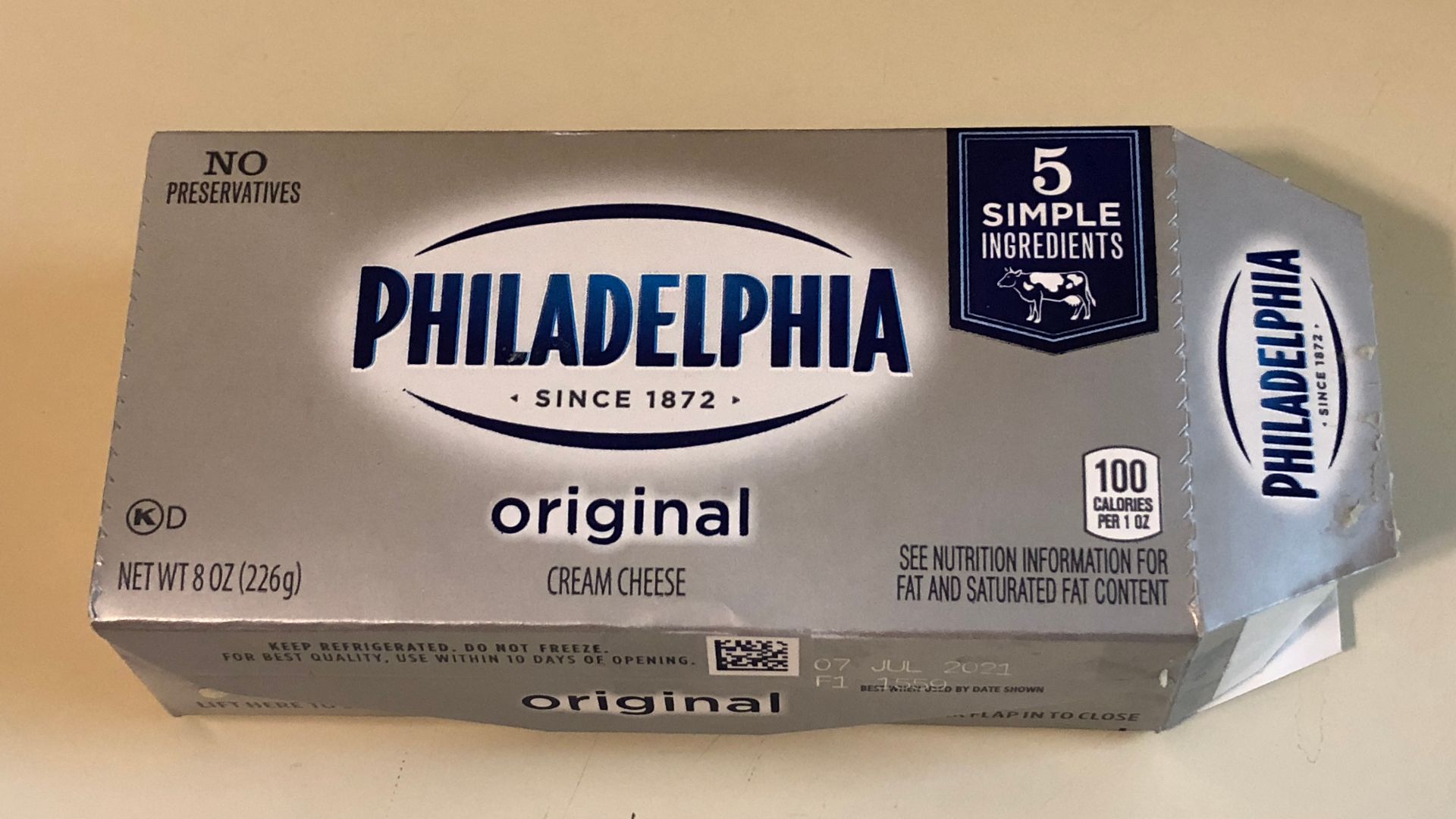
Philadelphia Cream Cheese used to feel like a basic fridge item, not a brunch investment. An 8-ounce brick often cost around $1.00 to $1.50 on sale. Today, it’s commonly around $3.00 to $4.50.
Shoppers now reach for store-brand cream cheese from Walmart, Aldi, Kroger, or Target. Bagels still need support, but apparently that support now requires price comparison.
#17. Kraft Singles
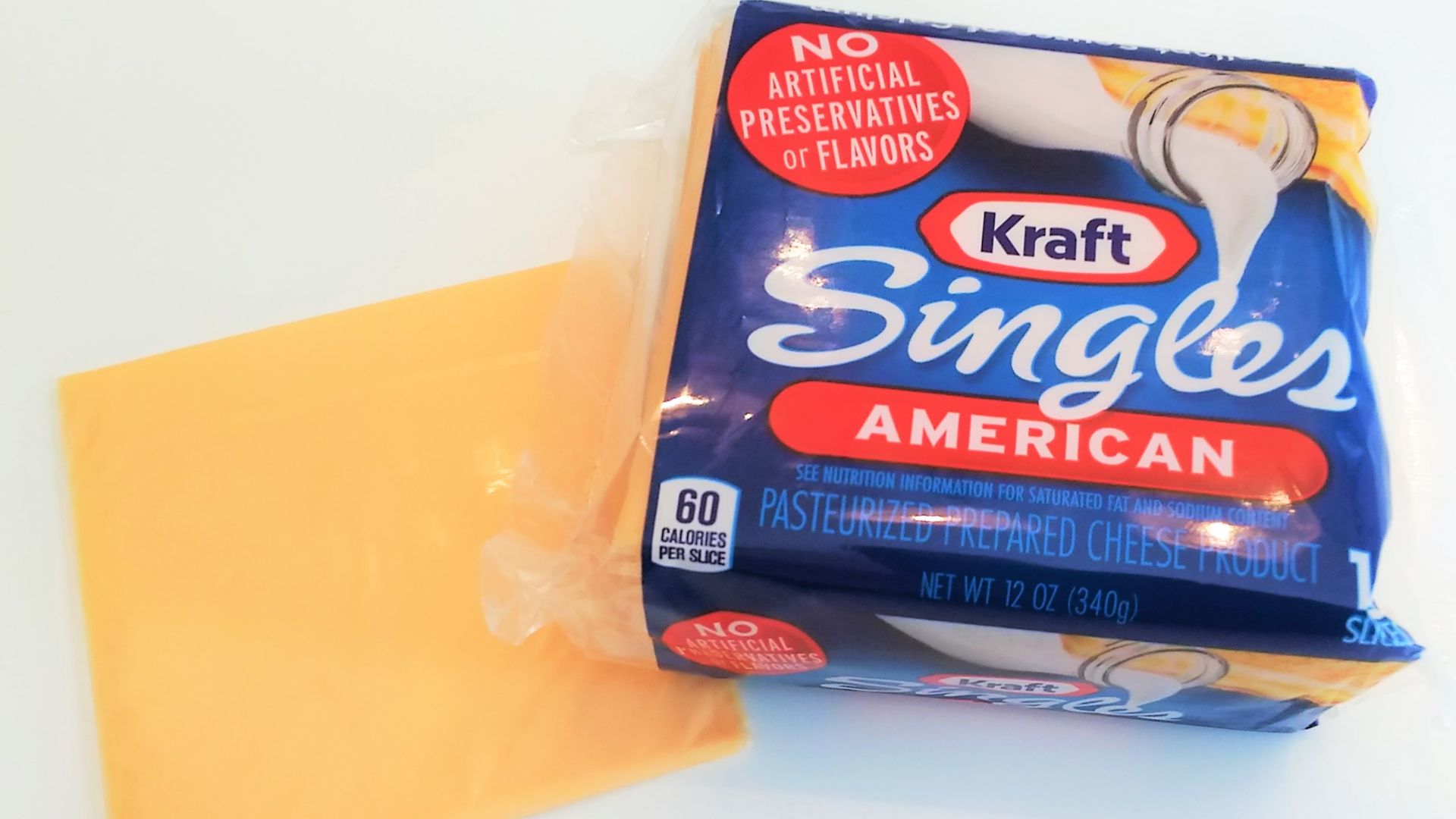
Kraft Singles were the official cheese of grilled cheese, burgers, and after-school snacks that were mostly plastic wrap gymnastics. A pack once felt affordable at around $2.00. Today, larger packs can run roughly $4.00 to $6.00.
Families are switching to store-brand American slices, Aldi cheese singles, or bulk warehouse packs. The melt is still important. The logo is becoming optional.
 Martylunsford, Wikimedia Commons
#16. Oscar Mayer Bologna
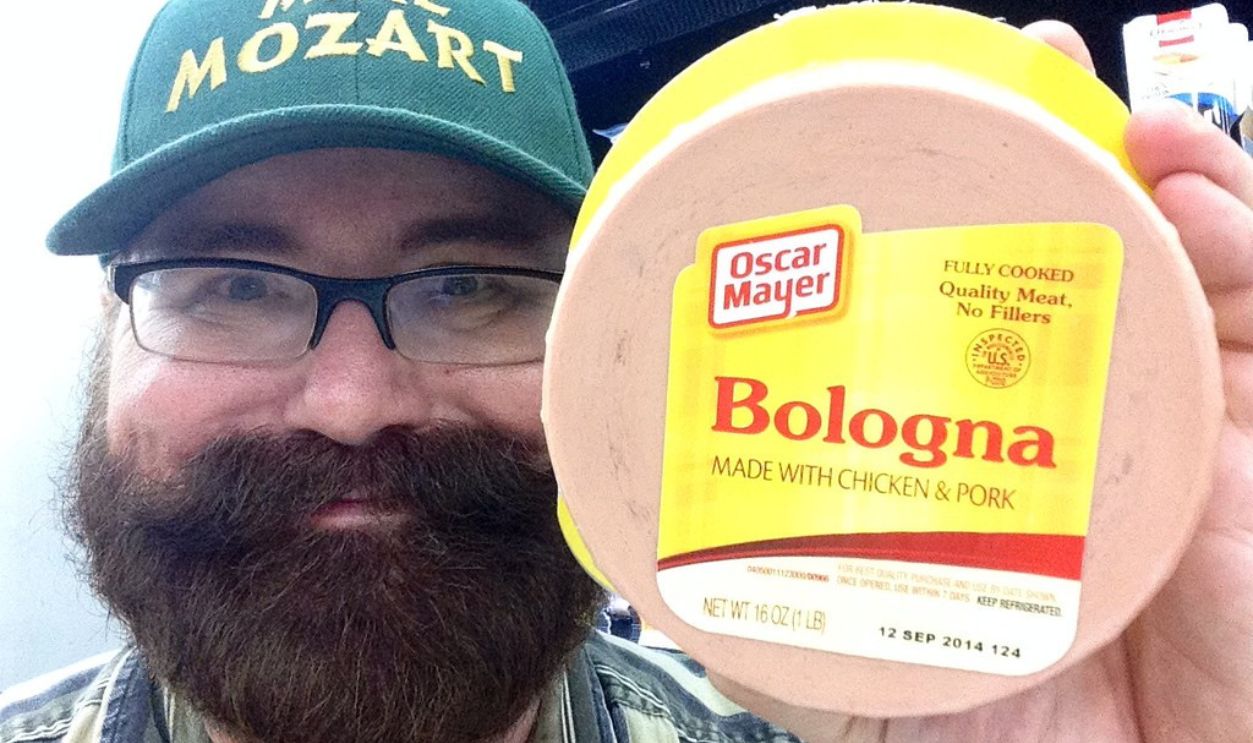
Oscar Mayer bologna was a lunchbox classic, whether kids loved it or quietly traded it for cookies. A pack used to sit around $1.50 to $2.50. Today, it can run closer to $4.00 to $6.00, depending on size.
Shoppers now choose Bar-S, store-brand lunch meat, Aldi deli slices, or bulk packs. The bologna song remains free, thankfully.
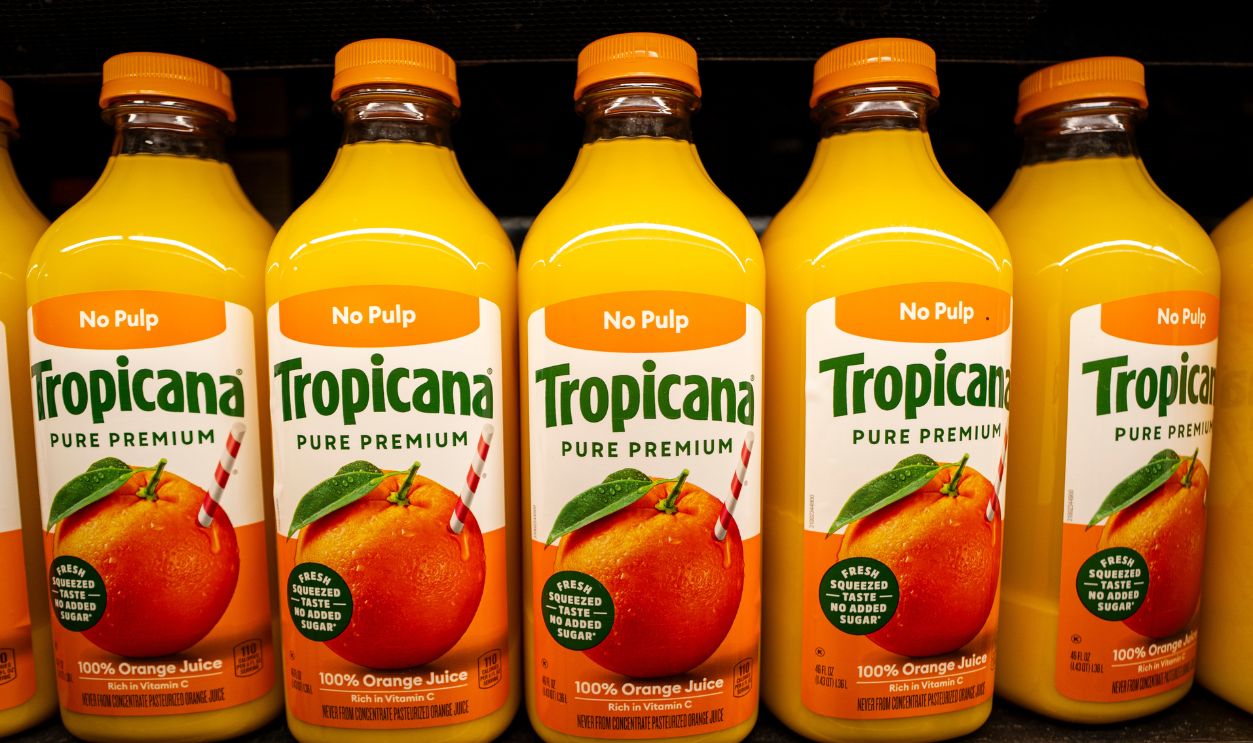
#15. Tropicana Orange Juice
Tropicana orange juice used to be a breakfast staple, especially in houses where “from concentrate” sounded like a scandal. A carton often cost around $2.50 to $3.50. Today, it can run roughly $5.00 to $7.00.
Families are trading down to store-brand orange juice, frozen concentrate, or skipping juice entirely. Breakfast now says, “Have water and be grateful.”
#14. Coca-Cola 12-Packs
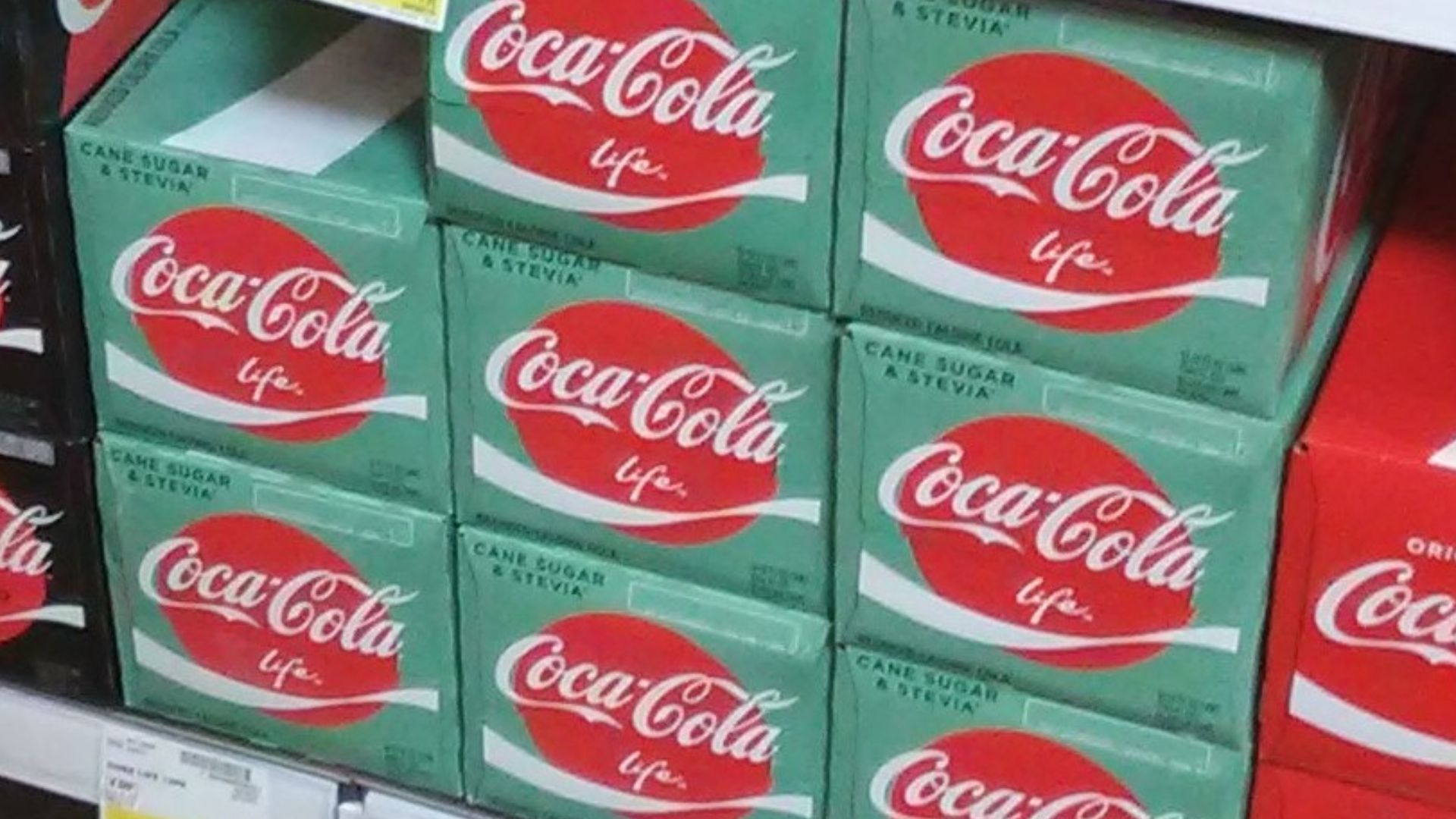
A 12-pack of Coke used to be the reliable party, barbecue, and garage-fridge purchase. In the 1990s, sale prices around $2.00 to $3.00 were common in many places. Today, 12-packs often run $7.00 to $10.00 or more.
Shoppers now buy store-brand cola, 2-liter bottles, Aldi soda, or wait for holiday sales. Soda has somehow become a luxury beverage with bubbles.
#13. Lay’s Potato Chips
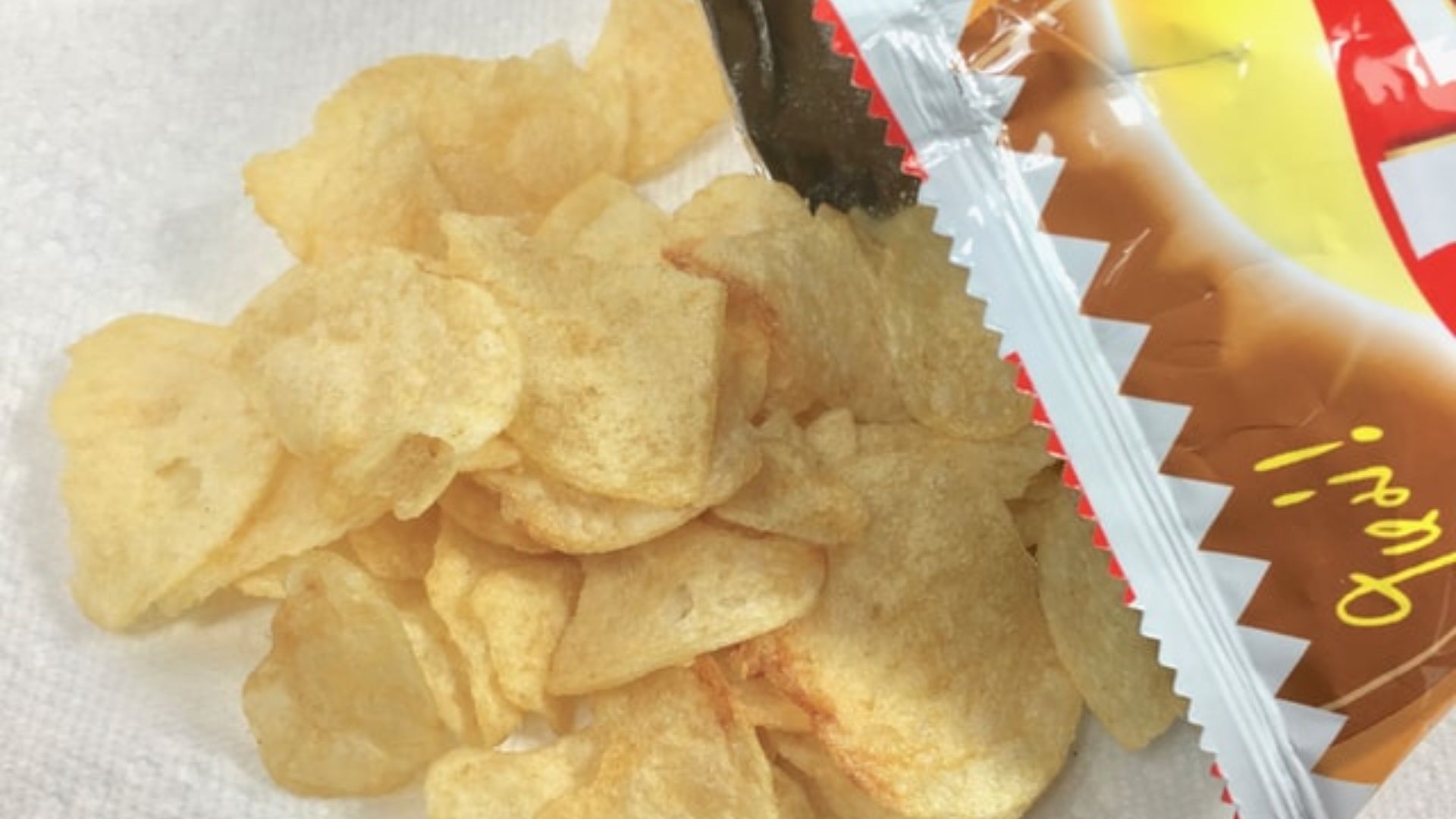
Lay’s chips used to be the family-size snack that disappeared during one sitcom episode. A bag often cost around $2.00. Today, many large bags run roughly $5.00 to $6.50, and somehow still contain mostly air and emotional damage.
People are replacing them with store-brand chips, Aldi Clancy’s, Costco Kirkland chips, or popcorn. Crunch is non-negotiable; the yellow bag is negotiable.
 theimpulsivebuy, Wikimedia Commons
#12. Doritos Nacho Cheese
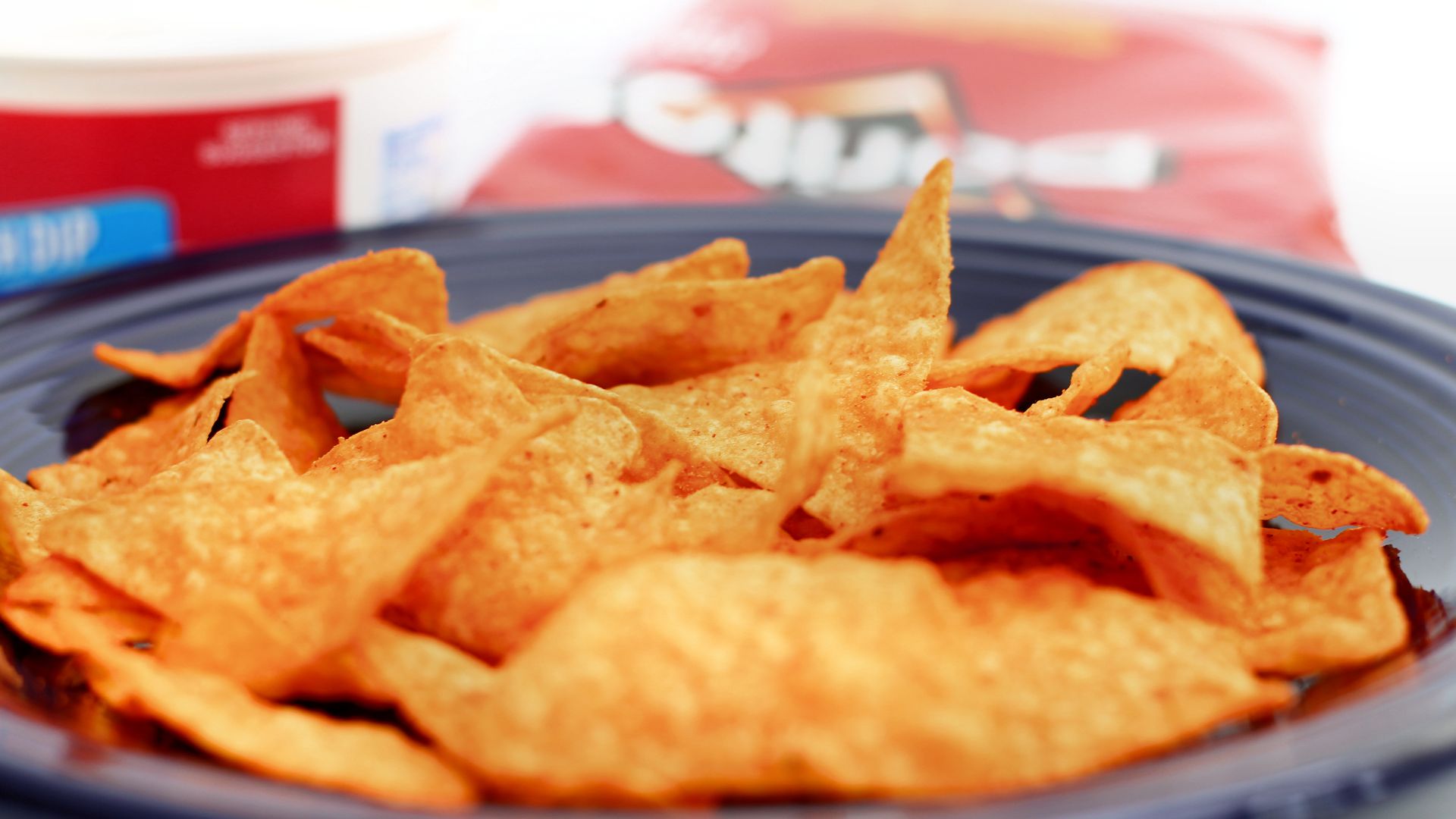
Doritos were once the premium snack you could still toss into the cart without holding a family meeting. A bag often cost around $2.50 to $3.00. Today, party-size bags can hit roughly $5.50 to $7.00.
Shoppers now buy Aldi nacho chips, Kroger brand tortilla chips, Great Value, or whatever is on sale. The orange dust remains important, but not that important.
 Larry D. Moore, Wikimedia Commons
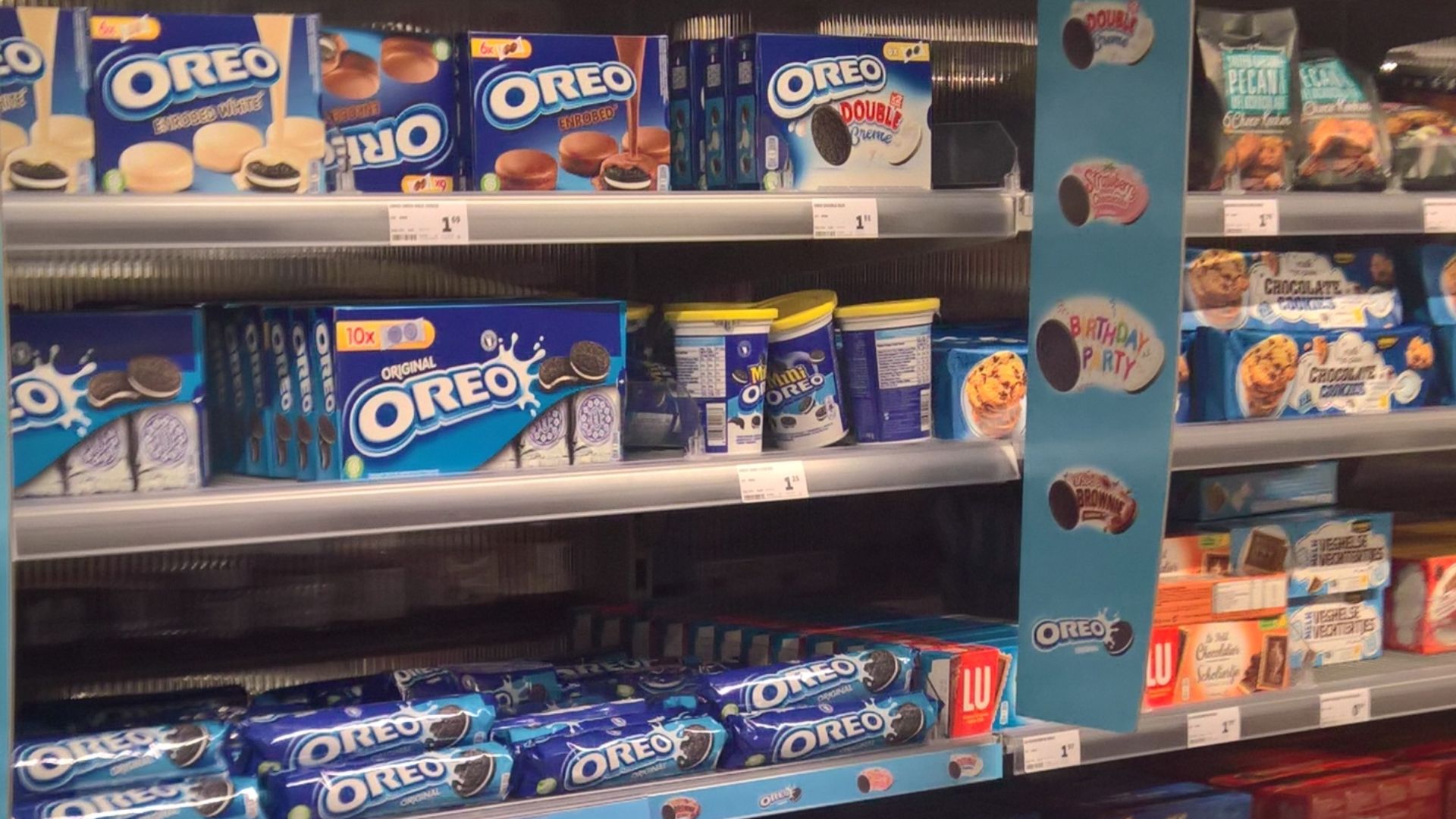
#11. Oreo Cookies
Oreos used to feel like a normal cookie purchase, not a tiny mortgage with filling. A pack often cost around $2.50 to $3.00 on sale. Today, family-size packs can run roughly $4.50 to $6.50.
Families now grab store-brand sandwich cookies from Walmart, Aldi, Kroger, or Trader Joe’s. The dunking continues. The cookie aisle loyalty has weakened under financial pressure.
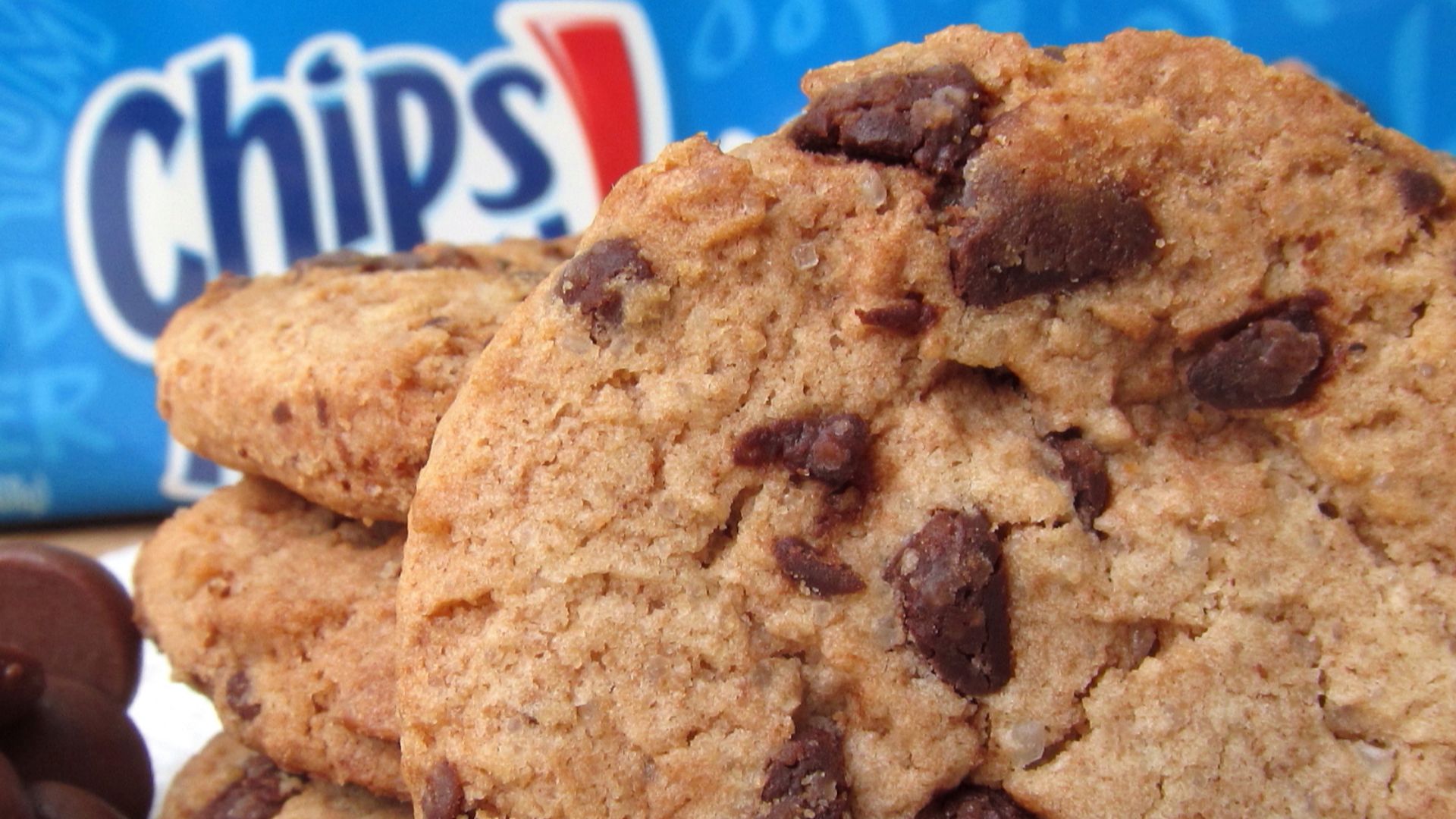
#10. Chips Ahoy!
Chips Ahoy! were once the dependable cookie that lived in the pantry until someone left the package open. They used to cost around $2.50 to $3.00 on sale. Today, many family-size packs are around $4.50 to $6.50.
Shoppers are switching to store-brand chocolate chip cookies, Aldi Benton’s, Great Value, or baking mixes. When cookies cost too much, suddenly everyone “knows a recipe.”
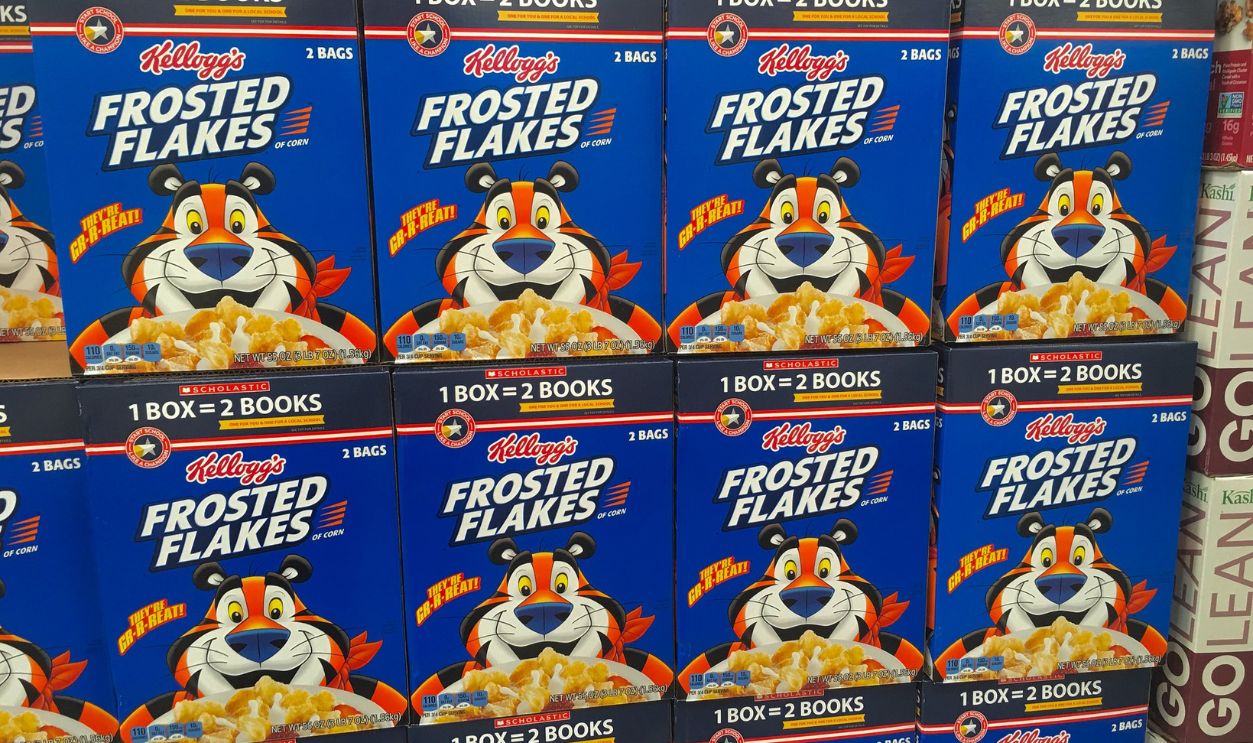
#9. Kellogg’s Frosted Flakes
Frosted Flakes were a Saturday morning cereal icon, powered by cartoons and questionable sugar levels. A regular box in the 1990s could often cost around $2.00 to $3.00. Today, family-size boxes commonly run around $5.00 to $7.00.
Families now choose Malt-O-Meal bags, Great Value Frosted Flakes, Aldi Millville, or bulk cereal. Tony the Tiger is still great. The receipt is less enthusiastic.
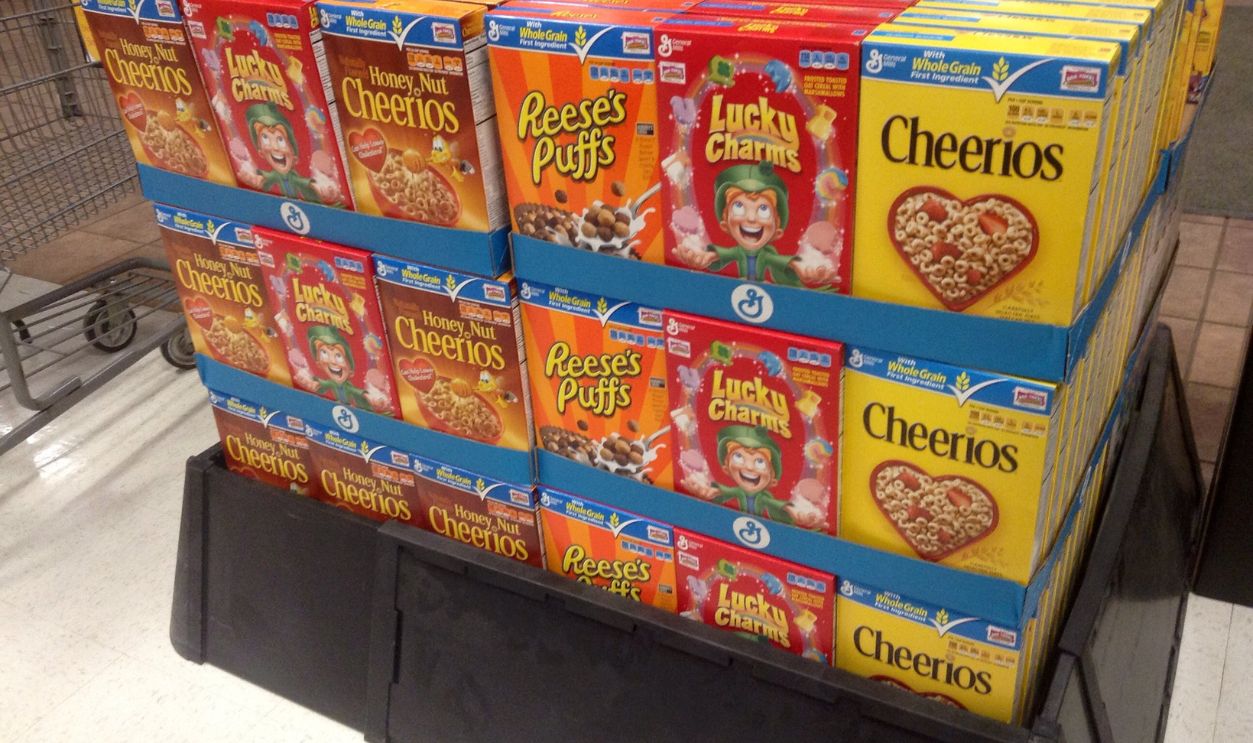
#8. General Mills Cheerios
Cheerios were once the safe family cereal: toddlers ate them, adults pretended they were being healthy, and everyone moved on. A box often cost around $2.00 to $3.00. Today, larger boxes can run roughly $5.00 to $7.00.
Shoppers are swapping in Great Value Toasted Oats, Aldi Millville, Kroger Toasted Oats, or warehouse-club cereal. The little oat circles are still circles; the savings are the point.
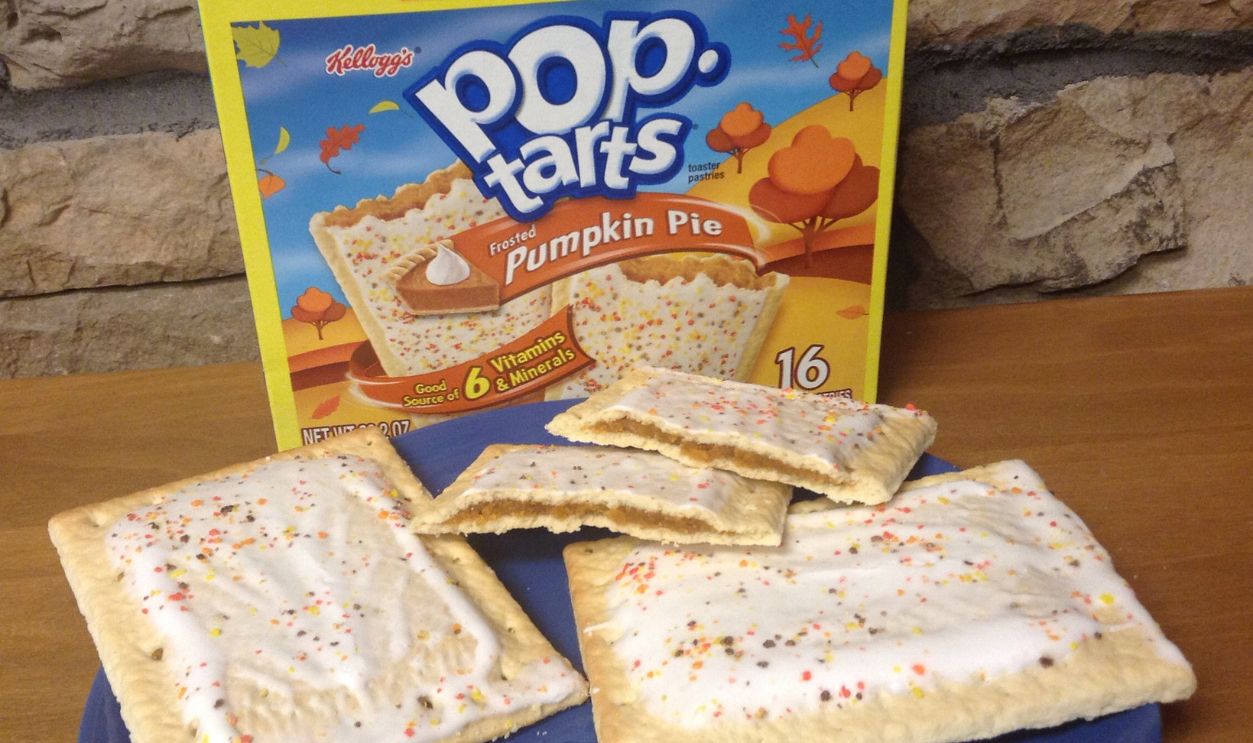
#7. Pop-Tarts
Pop-Tarts used to be breakfast, snack, dessert, and emergency purse food all in one foil wrapper. A box often cost around $2.00. Today, larger boxes can run roughly $4.00 to $6.00.
Families now buy store-brand toaster pastries from Walmart, Aldi, Kroger, or Target. Nobody is pretending these are health food, but apparently frosting rectangles now need a budget line.
#6. Quaker Instant Oatmeal Packets
Quaker instant oatmeal packets were once a quick, affordable breakfast that required only hot water and optimism. A box often cost around $2.00 to $3.00. Today, multipacks can run roughly $4.00 to $6.00.
Shoppers now buy store-brand oatmeal packets or old-fashioned oats in big tubs. The maple-brown-sugar packet still tastes like childhood, but the plain oats are cheaper and less dramatic.
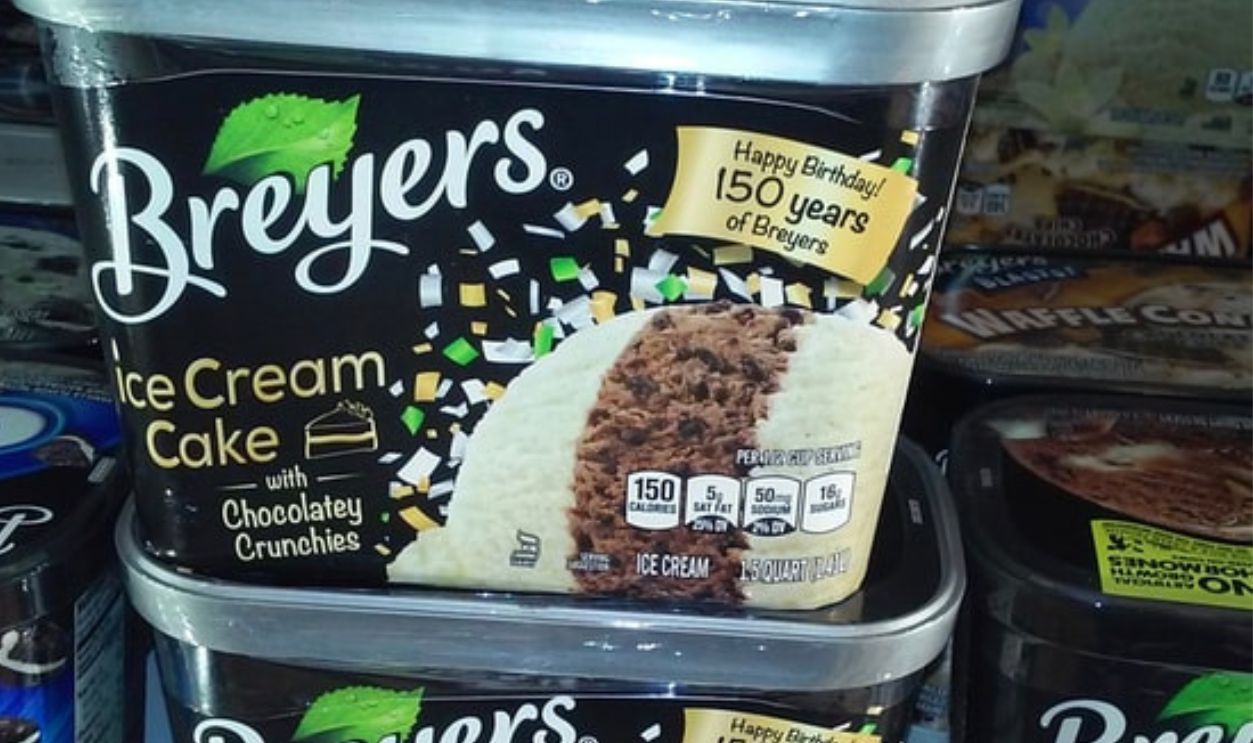
#5. Breyers Ice Cream
Breyers used to be the “nice” ice cream families could still afford. A carton often cost around $3.00 on sale. Today, it commonly runs roughly $5.00 to $7.00, and many containers are smaller than the old half-gallon size.
Families now buy store-brand ice cream, Aldi Sundae Shoppe, Walmart Great Value, or warehouse tubs. Dessert still happens, but everyone is watching the scoop size.
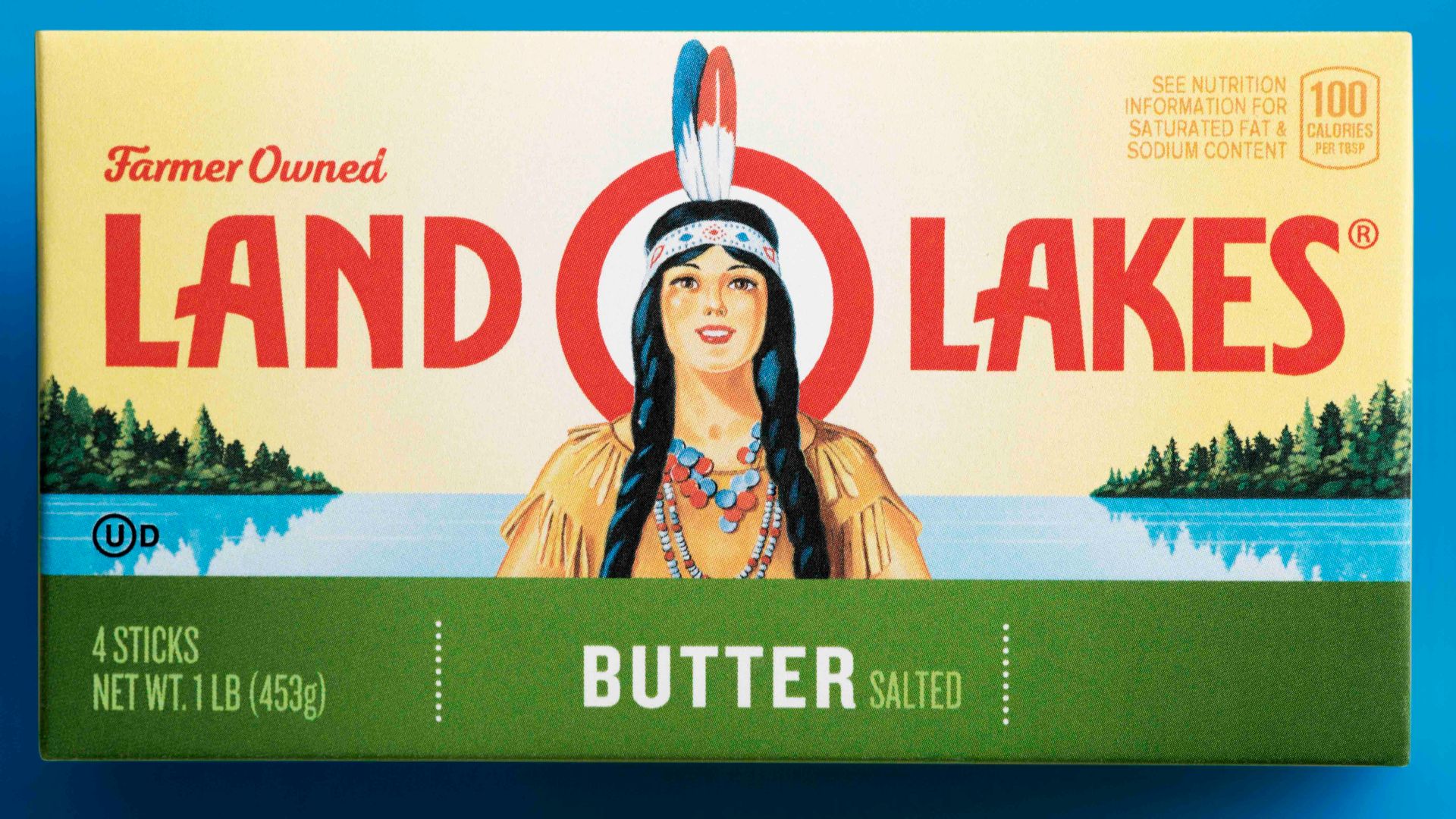
#4. Land O’Lakes Butter
Land O’Lakes butter used to be the trusted box in the fridge for toast, baking, and holiday cooking. A pound often cost around $2.00 to $3.00. Today, it can run roughly $5.00 to $7.00.
Shoppers now choose store-brand butter, Aldi butter, Costco Kirkland, or margarine when things get serious. Grandma’s cookie recipe remains sacred; the butter brand may not.
 Dustinlongstreth4real, Wikimedia Commons
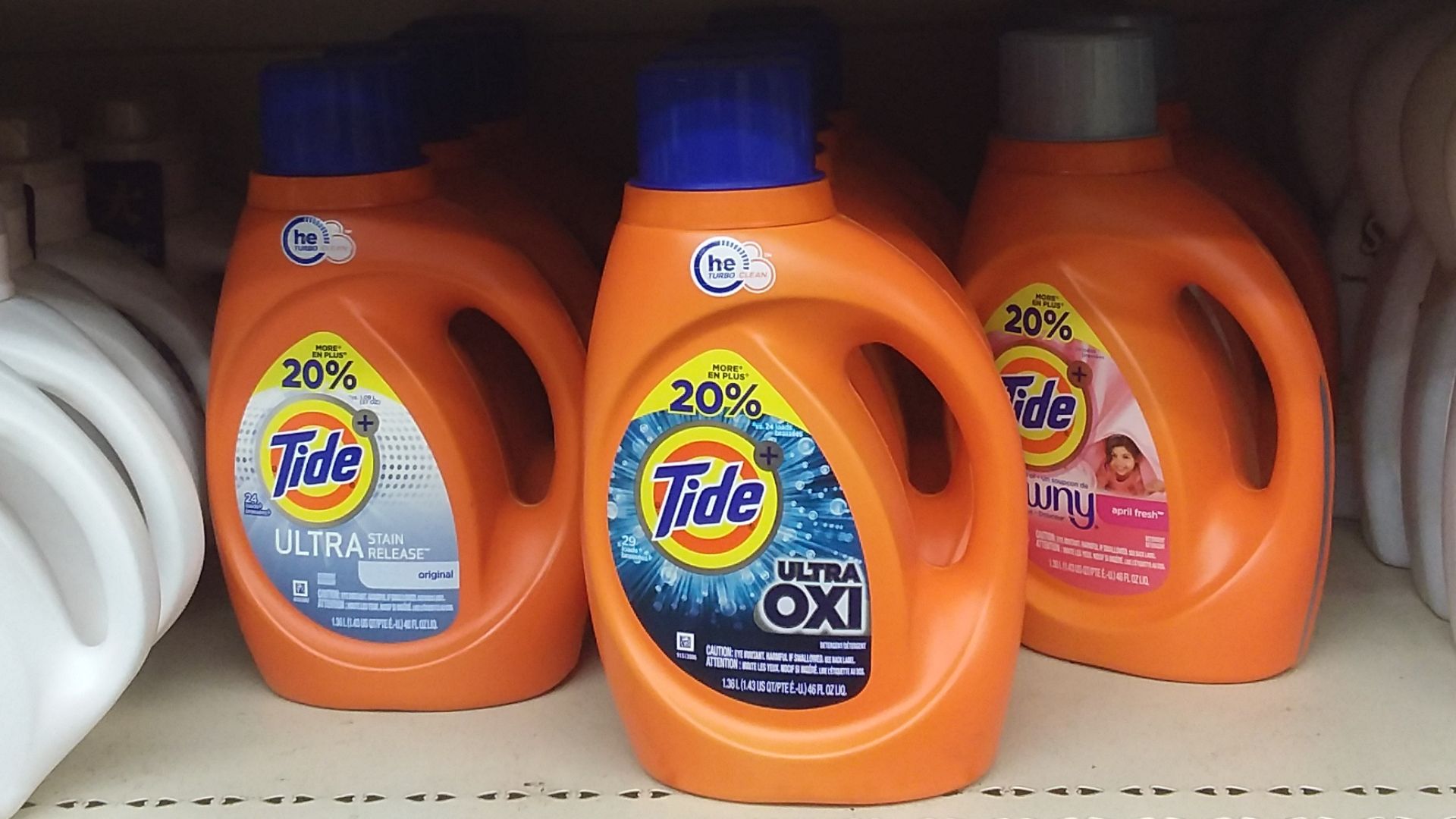
#3. Tide Laundry Detergent
Tide was the laundry detergent families trusted for school clothes, towels, and mysterious stains nobody wanted to discuss. A big bottle once felt manageable around $5.00 to $7.00. Today, larger bottles often run $13.00 to $18.00.
Families now buy Arm & Hammer, Purex, Xtra, Great Value, Aldi Tandil, or Costco/Kirkland detergent. Clean clothes are still required. Brand-name bubbles are optional.
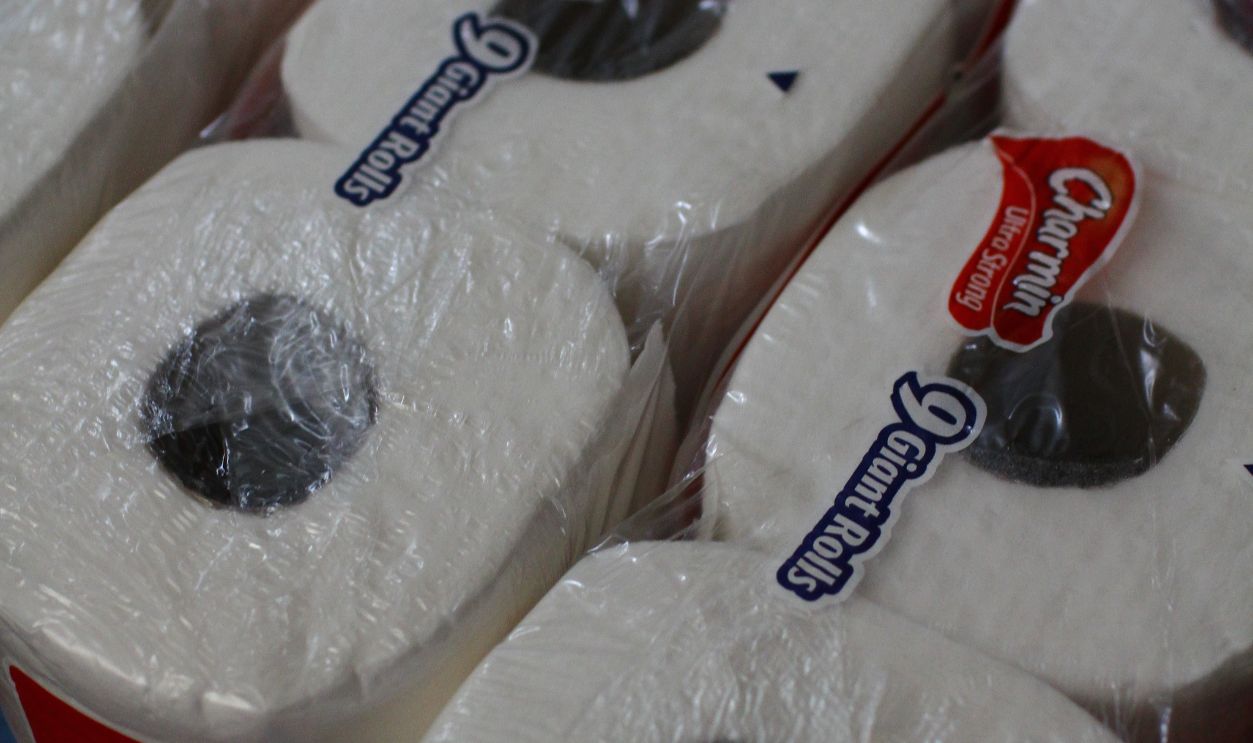
#2. Charmin Toilet Paper
Charmin was once the soft bathroom luxury that still felt normal. A big pack used to feel like a regular household purchase around $5.00 to $8.00. Today, large packs can easily run $15.00 to $25.00 or more.
Shoppers now buy store brands, Costco Kirkland, Sam’s Club Member’s Mark, or whatever is on sale. This is one category where “trading down” becomes a deeply personal decision.
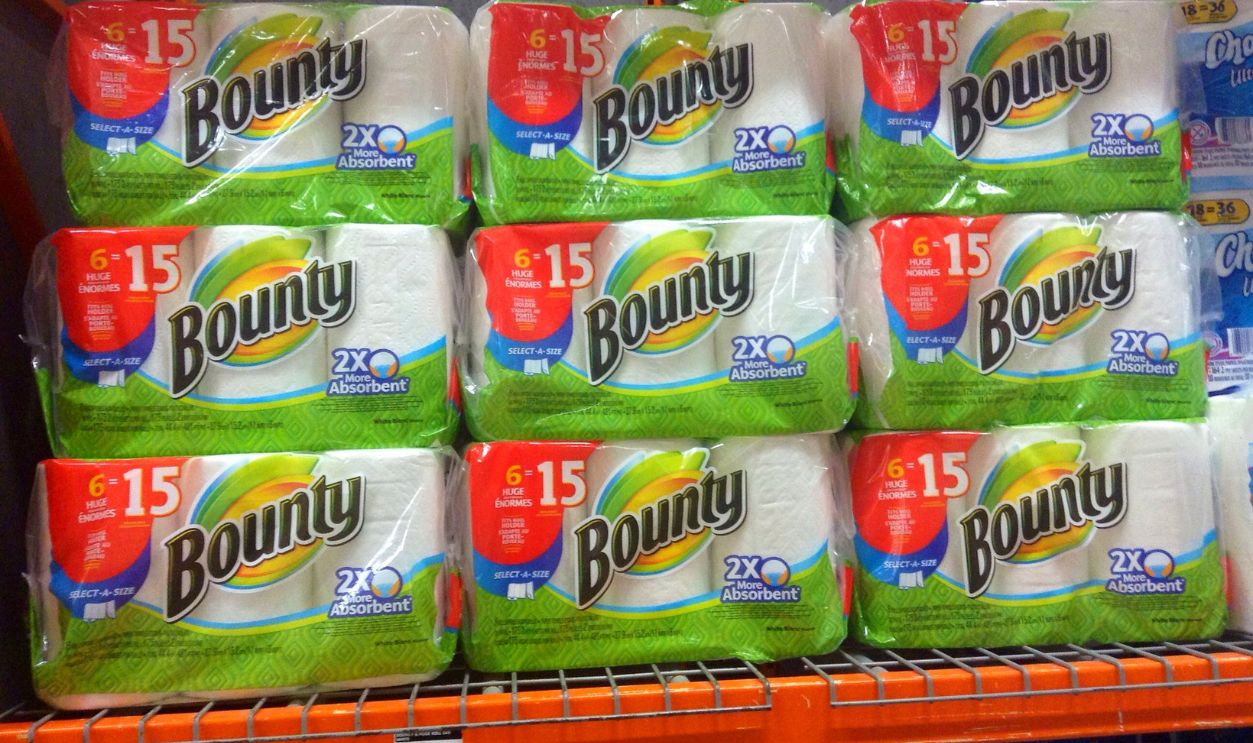
#1. Bounty Paper Towels
Bounty was the “quicker picker upper” that made spills feel like a commercial instead of a crisis. Big packs once felt affordable around $6.00 to $9.00. Today, large multipacks can run $18.00 to $30.00, depending on roll count.
Families now buy store-brand paper towels, Kirkland, Member’s Mark, reusable cloths, or simply become very intense about rationing sheets. Somewhere, a parent is yelling, “That was half a roll!”
You May Also Like:
Are Canadians Saving More Than Americans? Latest Studies Reveal A Surprising Gap





.jpg)