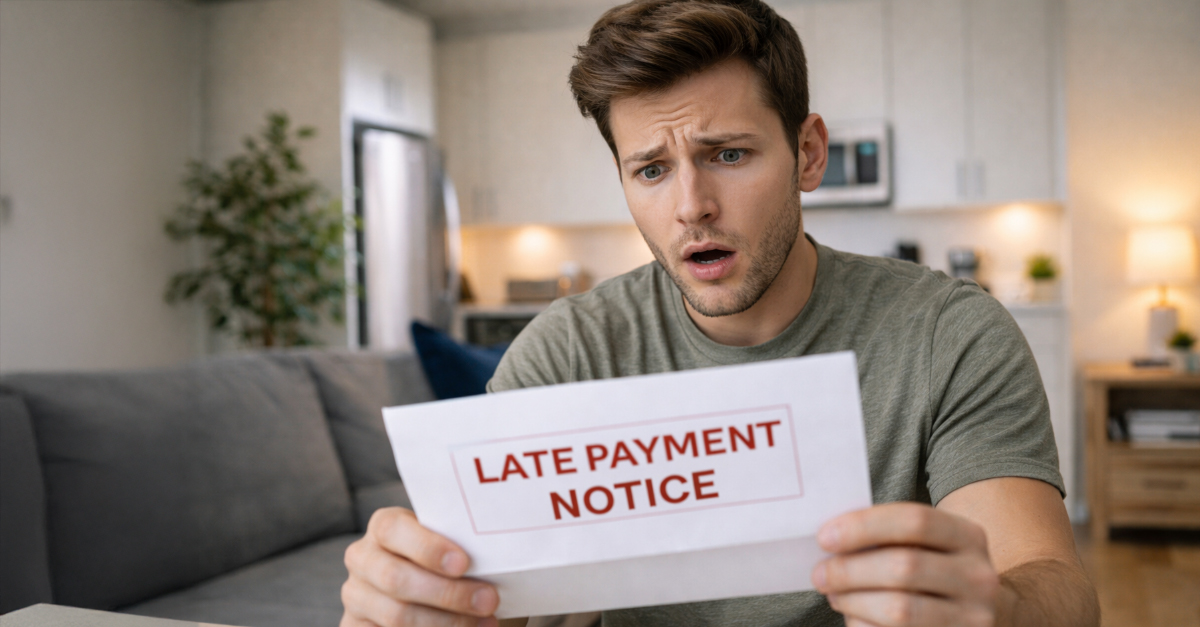
A Utility Shutoff Notice Comes As A Shock
You signed a lease that clearly states that your rent includes utilities. Now you’ve been blindsided by a notice from the power company warning of unpaid bills and possible shutoff. Your new landlord is ignoring your calls and emails. That leaves you anxious about losing electricity even though you’ve paid your rent on time.

Review Your Lease Agreement Carefully
Start by reviewing your lease. If it explicitly states that rent includes electricity or utilities, that’s the key language to focus on. A written lease outlining the landlord’s responsibility strengthens your position in any dispute, and will be impossible to dispute. Keep a copy on hand for communication with both the landlord and the utility provider.

Find Out Who Holds The Utility Account
Find out whose name is on the utility account. If the account remains in the landlord’s name, the unpaid bill is likely their responsibility. If it was mistakenly placed in your name, then the situation gets more complex and may require some negotiation or legal assistance.

Notify The Utility Company Immediately
Contact the power company and tell them that your lease includes utilities and that the landlord controls payment. Provide documentation if they request it. Many utility providers have protocols for landlord-tenant disputes and may temporarily pause any scheduled disconnection while the matter is reviewed.

Tenant Protections Against Utility Shutoffs
Some states have laws protecting tenants from shutoffs caused by landlord nonpayment. Utility companies in those states may be required to offer tenants the chance to pay to keep services on and then seek reimbursement later. But you’ll have to research your state’s specific protections.

Send A Formal Written Notice To The Landlord
If your calls go unanswered, send a certified letter documenting clearly what’s going on. Clearly state the shutoff notice date and request an immediate correction. Written communication generates a paper trail that may be necessary if legal escalation is unavoidable.

Document Rent Payments Consistently
Gather proof that you’ve paid all your rent checks in full and on time. Bank records, receipts, or online payment confirmations help to prove that you’ve held up your end of the lease agreement. This documentation protects you if the dispute should end up in mediation or court.

Understand Constructive Eviction Concepts
In some situations, failure to provide essential utilities can amount to constructive eviction. If a landlord allows the utilities to be shut off, it may legally affect the apartment’s livability, especially if it’s winter and you’re in a cold weather climate. However, this is a serious legal step and requires careful guidance before you try to withhold rent or move out.

Don’t Withhold Rent Prematurely
Though frustration may tempt you to stop paying rent, doing so without legal guidance can damage your position. In many states, tenants have to adhere to strict procedures before they can withhold rent for habitability issues. Act too fast and you can expose yourself to eviction proceedings.

Local Housing Authority Or Code Enforcement
Municipal housing authorities or code enforcement offices may step in and intervene when landlords fail to provide essential services. Filing a complaint can sometimes bring faster action. This is especially true if multiple tenants are affected in the same building.

Consider Paying To Prevent Immediate Shutoff
In emergency situations, you might want to choose to pay the utility bill temporarily just to avoid having your power shut off. If you do end up paying, make sure you keep detailed records and written confirmation of payment. You may later seek reimbursement through small claims court or rent offset procedures where permitted.

Small Claims Court As A Recovery Option
If you cover unpaid utility bills that were actually the landlord’s obligation under your signed lease agreement, you may recover those funds in small claims court. Clear documentation of your lease terms and payments strengthens your case considerably.

Escalate To A Tenant Attorney
If the landlord remains unresponsive, it would be a good idea to talk to a tenant rights attorney. Many cities offer legal aid services for renters. An attorney can clarify your rights and outline safe steps you can take that avoid jeopardizing your housing stability.

Check State Utility Transfer Rights
Some states let tenants request that utilities be transferred directly into their name to prevent shutoff. This option may ease your situation while longer-term disputes are getting worked out. Ask your utility provider about hardship or dispute policies.

Security Deposit Concerns
You also need to make sure that the landlord doesn’t attempt to deduct unpaid utilities from your security deposit without justification. Review the deposit laws in your state to understand what deductions are allowed and how disputes are handled.

Communicate Calmly And Persistently
Even if the landlord is unresponsive or even hostile, maintain professional communication. Clear, calm documentation increases your credibility if third parties start getting involved. Avoid hostile messages that could complicate later proceedings.

Keep Copies Of All Shutoff Notices
Maintain complete and organized records of every utility communication, including dates and amounts owed. Accurate timelines will make a massive difference if you need to demonstrate neglect or seek damages for interruption of service.
Time Is Critical
Utility shutoff deadlines often move quickly. Act as soon as you can upon receiving notice rather than waiting for the landlord to respond. Leap off your couch and into action, and make sure you establish early communication with the power company. Don’t assume that anyone else is going to look out for your best interests. This proactive attitude gives you the best chance to prevent disconnection.

Protect Yourself For Future Leases
In the future, clarify exactly how utilities are billed and request proof that accounts are current before you sign or renew a lease. Confirm whose name shows up on each service agreement to avoid similar disputes.

Protect Your Housing And Your Rights
If your lease includes utilities, the landlord is generally responsible for payment. Contact the utility company promptly, document everything, and escalate through housing authorities or legal channels if necessary. Acting quickly and keeping records protects your housing and financial stability.

You May Also Like:
Utility Bills 101: How They Work and Ways to Get Financial Help