
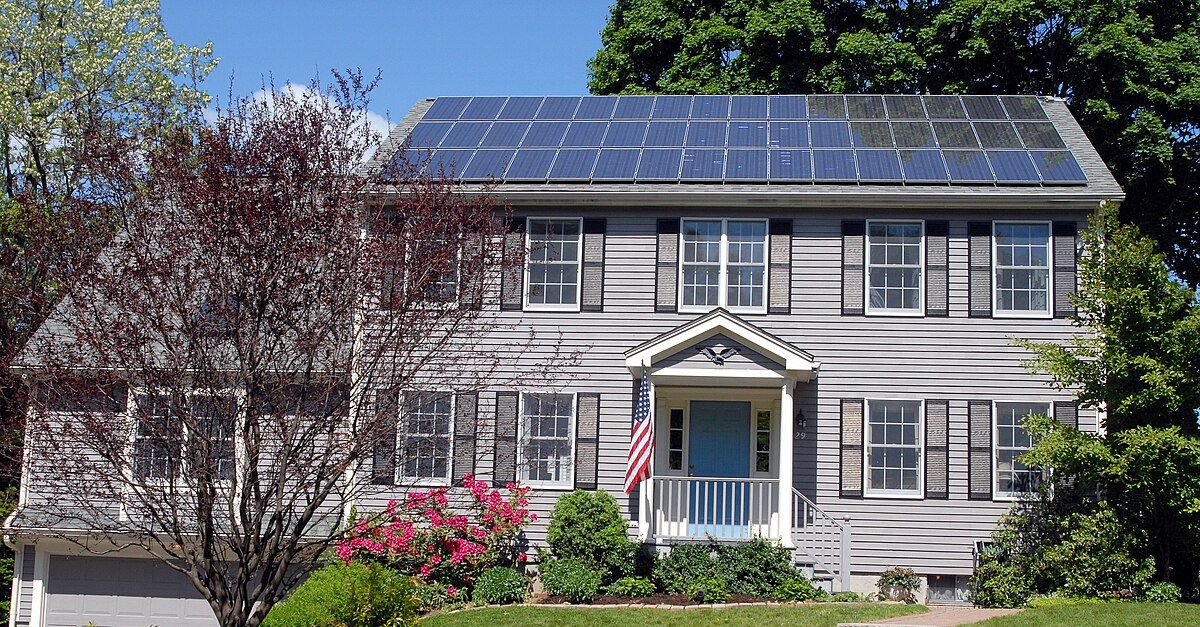
More Comfort At A Lower Cost
Utility costs have surged for millions of U.S. households over the last decade. Surprisingly, much of the increase stems from neglecting simple energy-saving practices and poor planning—issues that are easy to fix with a little effort.

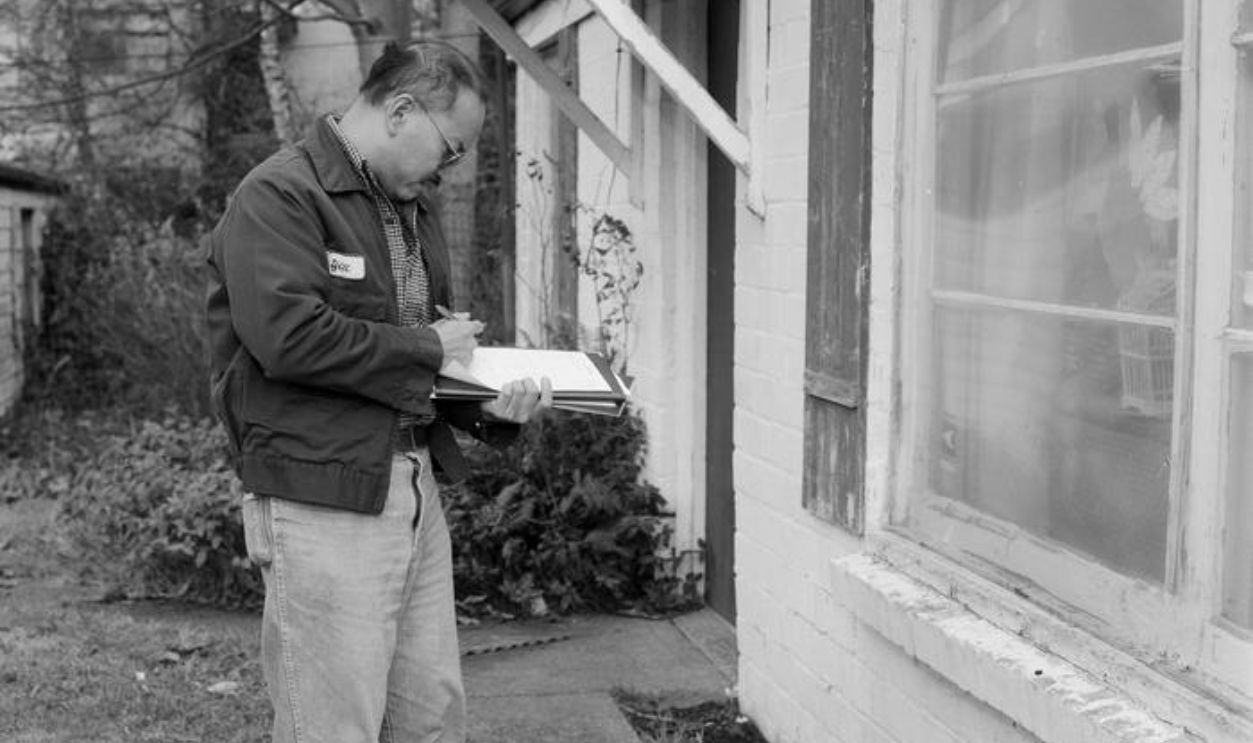
Get Regular Home Energy Audits
An energy audit aims to identify areas where your home is wasting energy. By taking steps to address these problematic areas, you plan how to get started with improvements around the house and even to your lifestyle. Hire a reliable, certified professional for the audit.
 Seattle Municipal Archives, CC BY 2.0, Wikimedia Commons
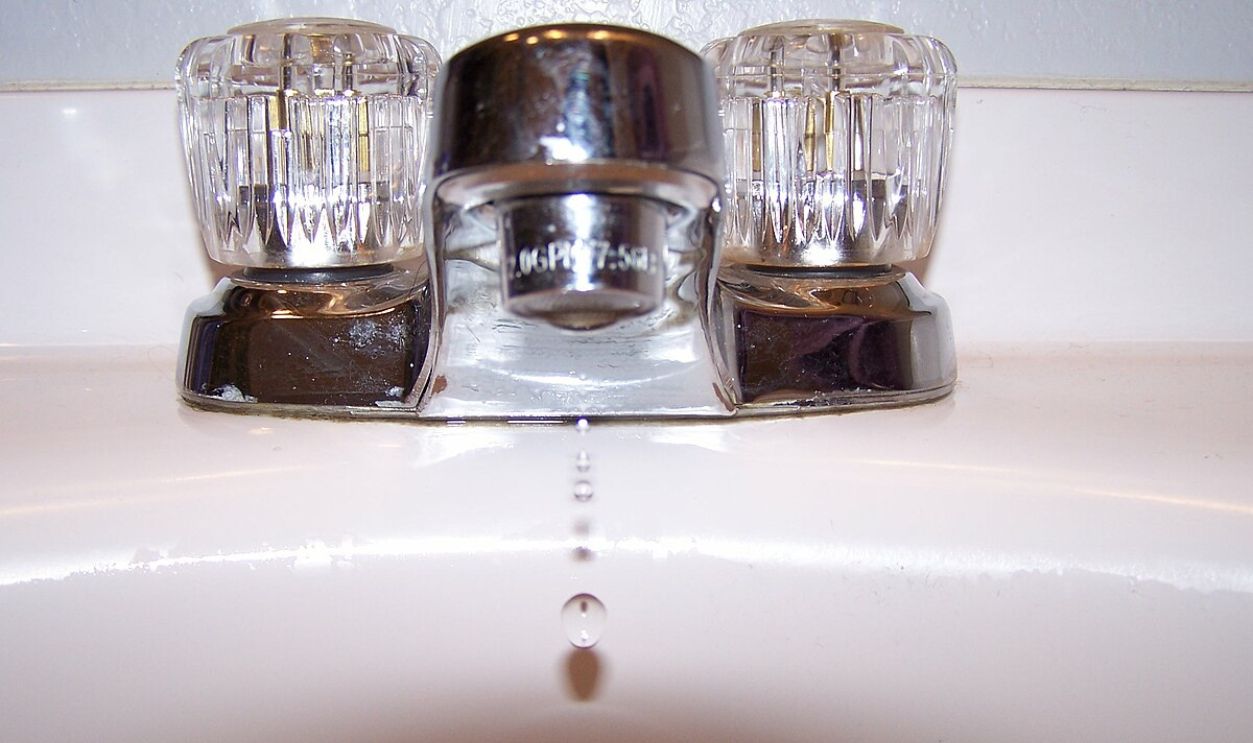
Fix Leaky Faucets
A slow drip from a leaky faucet might not seem like a big deal, but it can add up. Leaky faucets waste both water and energy, especially if it's hot water. So, fix these leaks timely. These are small tasks that can save you noticeable money on your water bill.
 Angelsharum, CC BY-SA 3.0, Wikimedia Commons
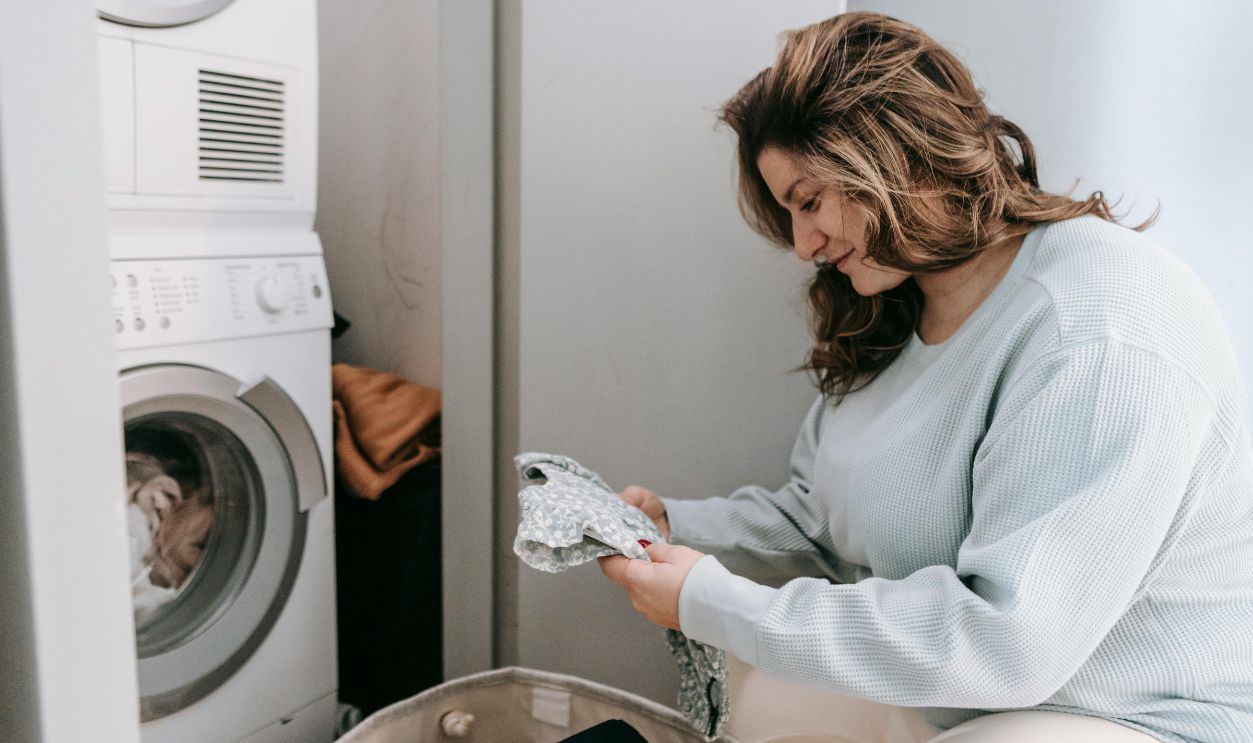
Wash Clothes In Cold Water
Washing clothes in cold water uses significantly less energy since you're not heating the water. This trick works well for most laundry loads. However, fabrics of towels, bedding, and even some tough stains may still require warm or hot water for proper cleaning.
Harvest Rainwater For Outdoor Use
Rainwater harvesting systems can collect hundreds of gallons during a single rainfall, depending on your roof size and local precipitation levels. You can store this water in barrels or cisterns to use it for watering plants, washing vehicles, or other outdoor tasks—a high reduction in municipal water usage.
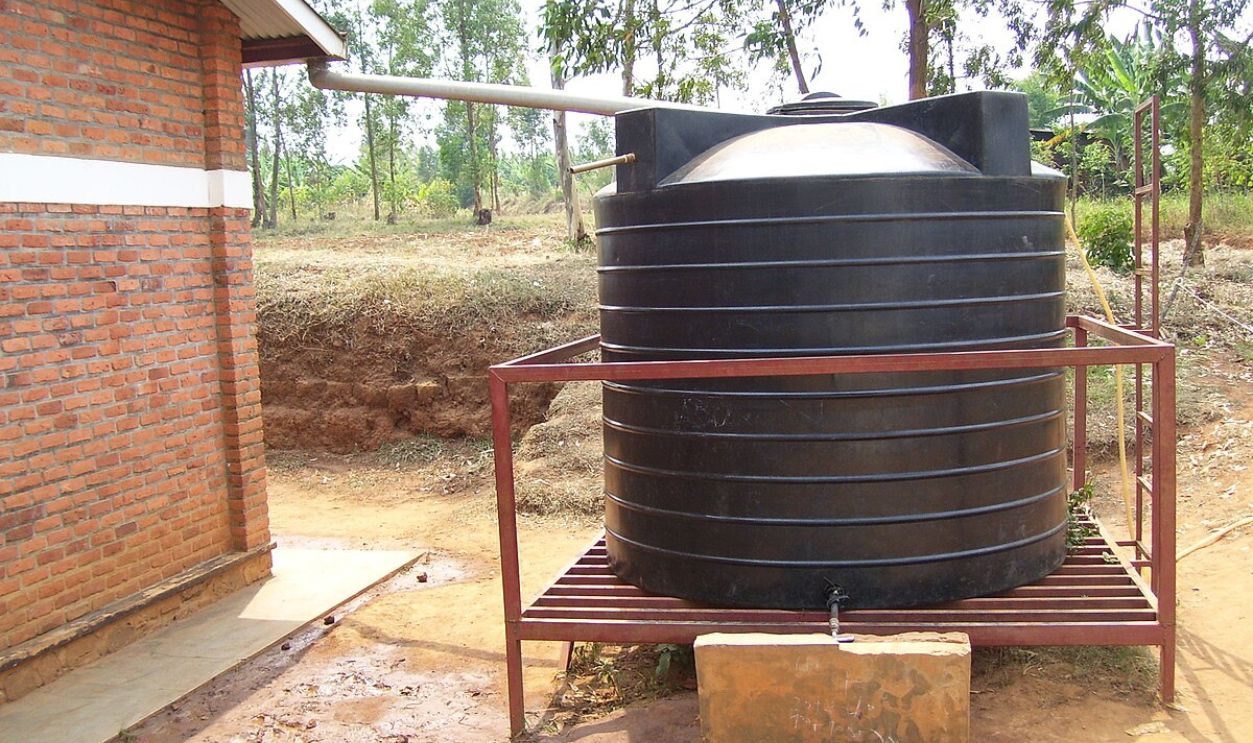 SuSanA Secretariat, Wikimedia Commons
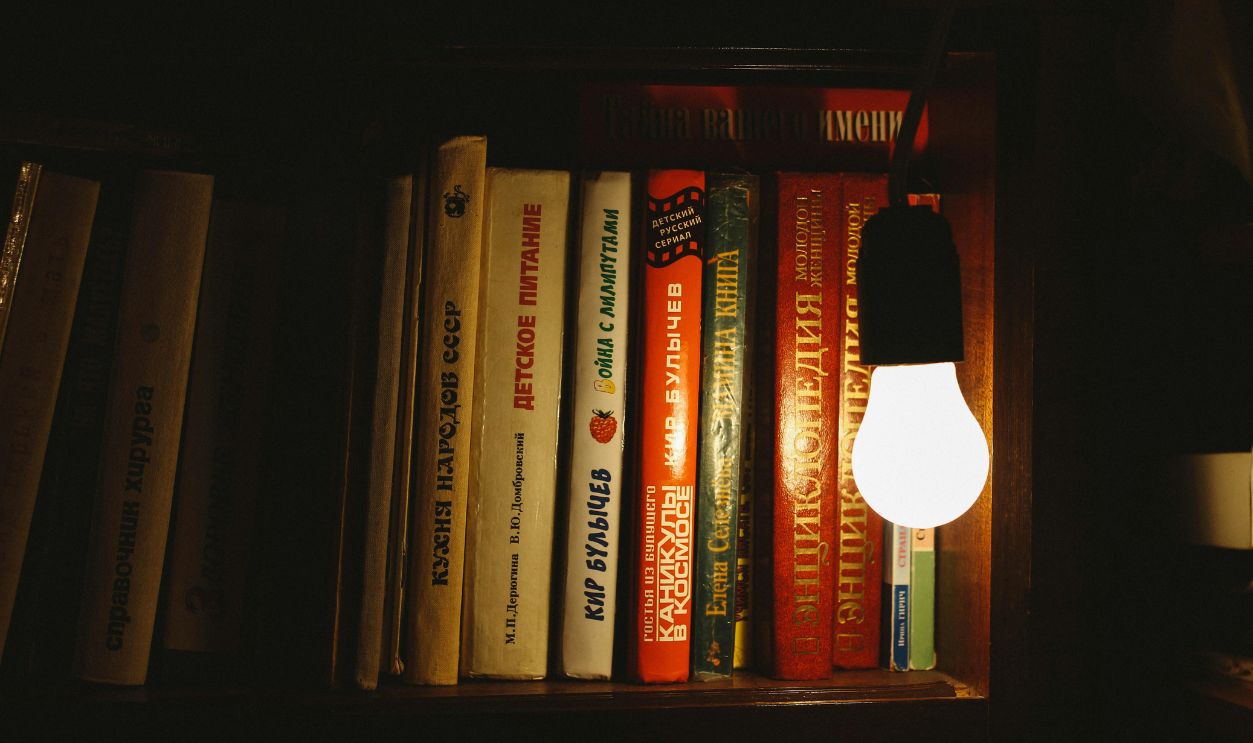
Use Energy-Efficient Bulbs
LED bulbs consume less power and last much longer than traditional incandescent bulbs and tube lights. Although the initial cost might be higher, they pay for themselves over time by reducing electricity consumption. Plus, your house will shine brighter for longer!
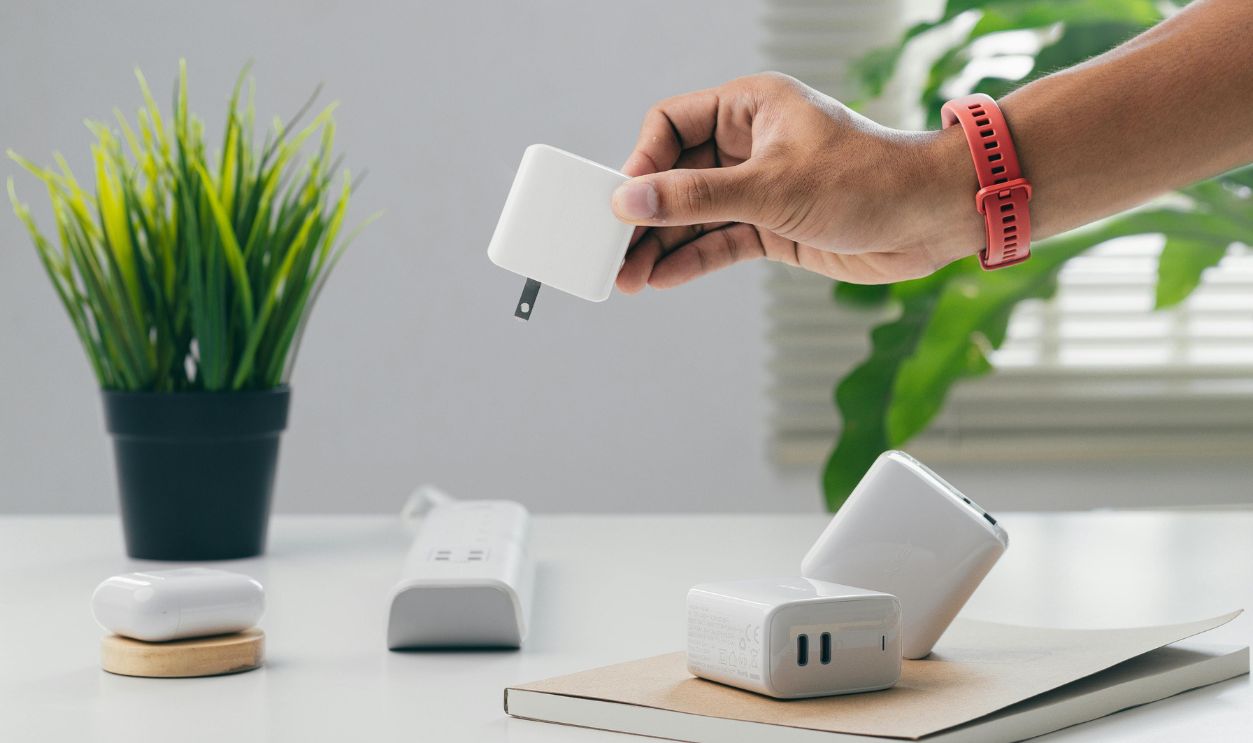
Unplug Devices When Not In Use
Even when your devices are turned off, they can still consume energy. Unplug gadgets when you're not using them, or try using power strips to cut off electricity when not in use. Such simple habits can help you avoid unnecessary energy drain that adds up over time.
Use Smart Power Strips
There are power strips that automatically turn off power to devices that go into standby mode. They're perfect for entertainment systems or office spaces where people often let the devices stay plugged in or even switched on. It can make a big difference over time.
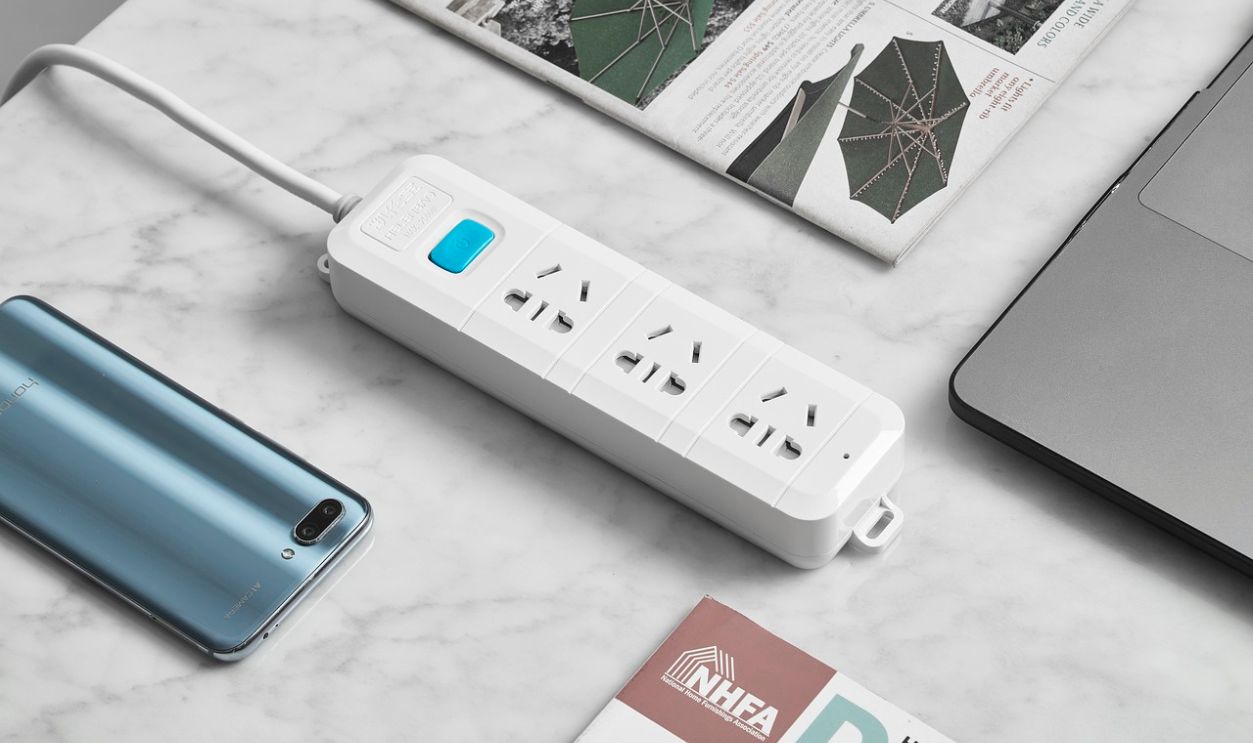 We-o_rd35qlqp7yqyp0thf, Pixabay
Take Shorter Showers
It's not about eliminating your relaxing shower time but shaving a few minutes off can save some water and energy. If everyone in your household shortens their showers by just a few minutes, you might notice a decrease in water and heating costs over the month.
Seal The Doors And Windows
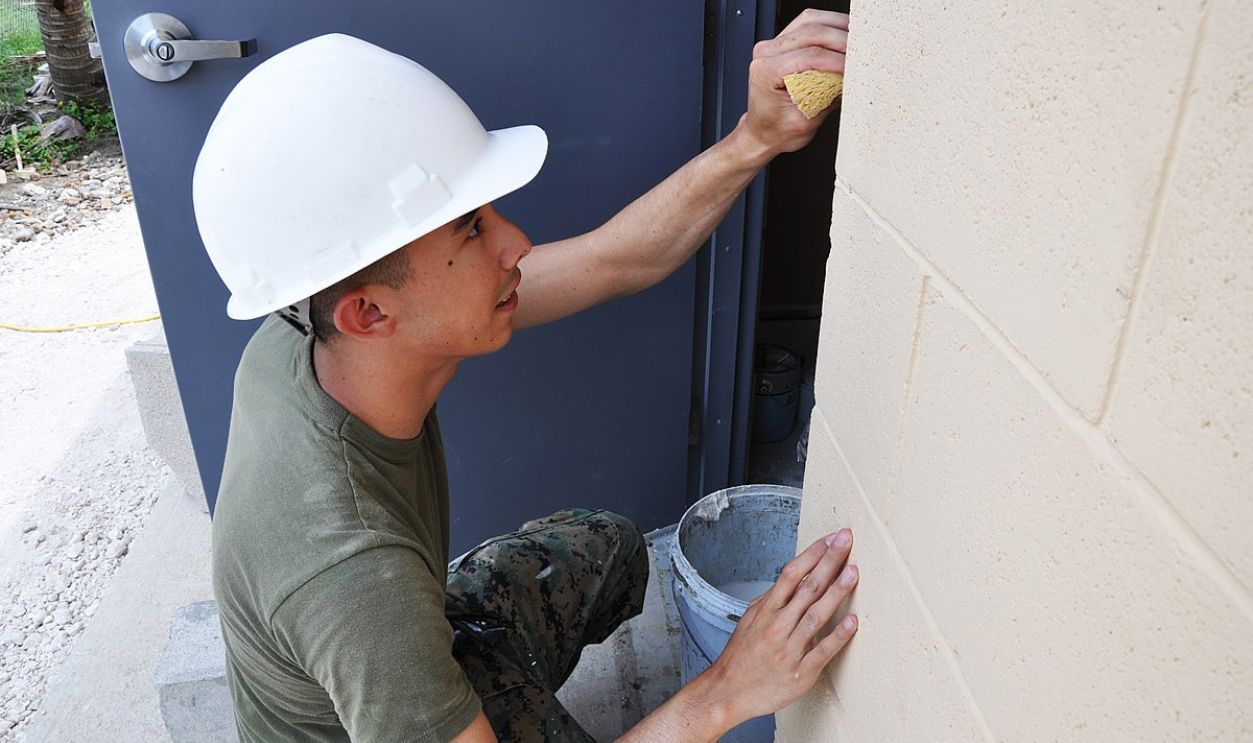
Those drafty windows and doors let cold air in and warm air out, which makes your heating and cooling systems work harder—but not when you fill those gaps with weatherstripping or caulk. It's a quick fix with long-term savings, especially in climates with extreme temperatures.
 Capt Holly Hess, Wikimedia Commons
Use Natural Light Whenever Possible
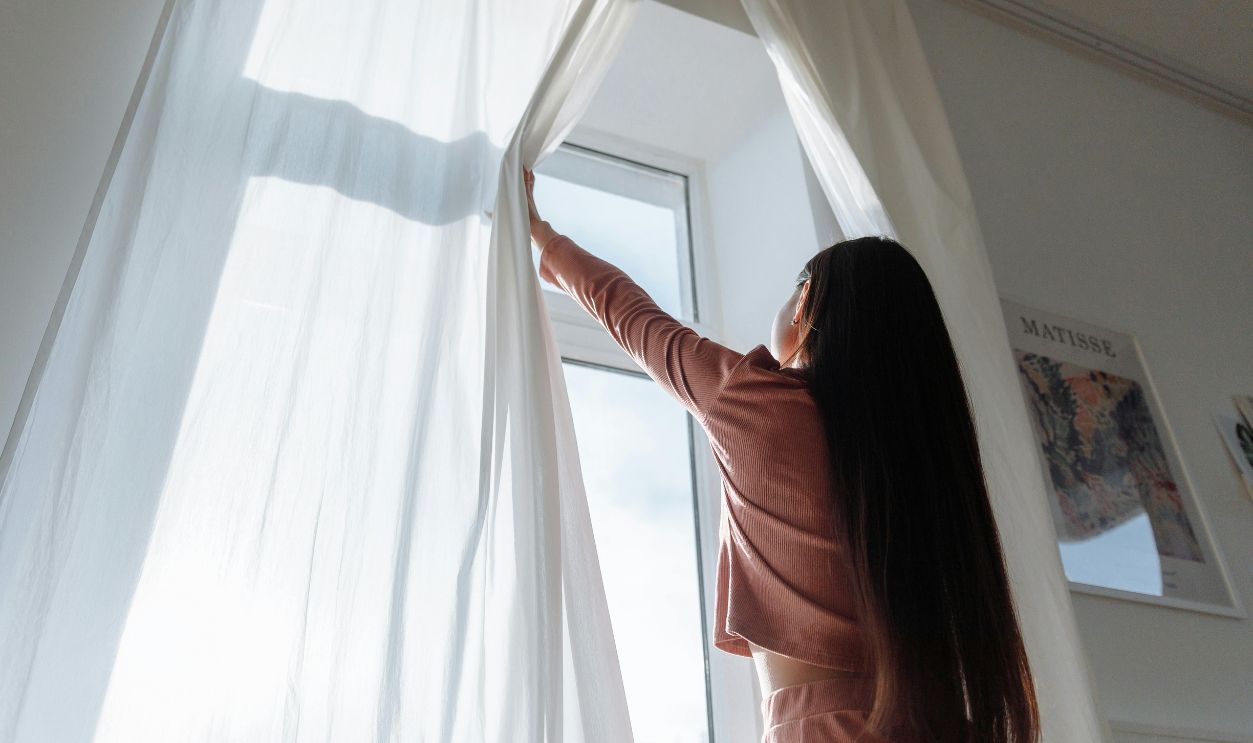
Open your curtains or blinds during the day to enjoy some natural light and fresh air. This will not only curb the need for artificial lighting but will also lift your mood—the simplest and cheapest way to make your home more energy-efficient.
Air-Dry Laundry
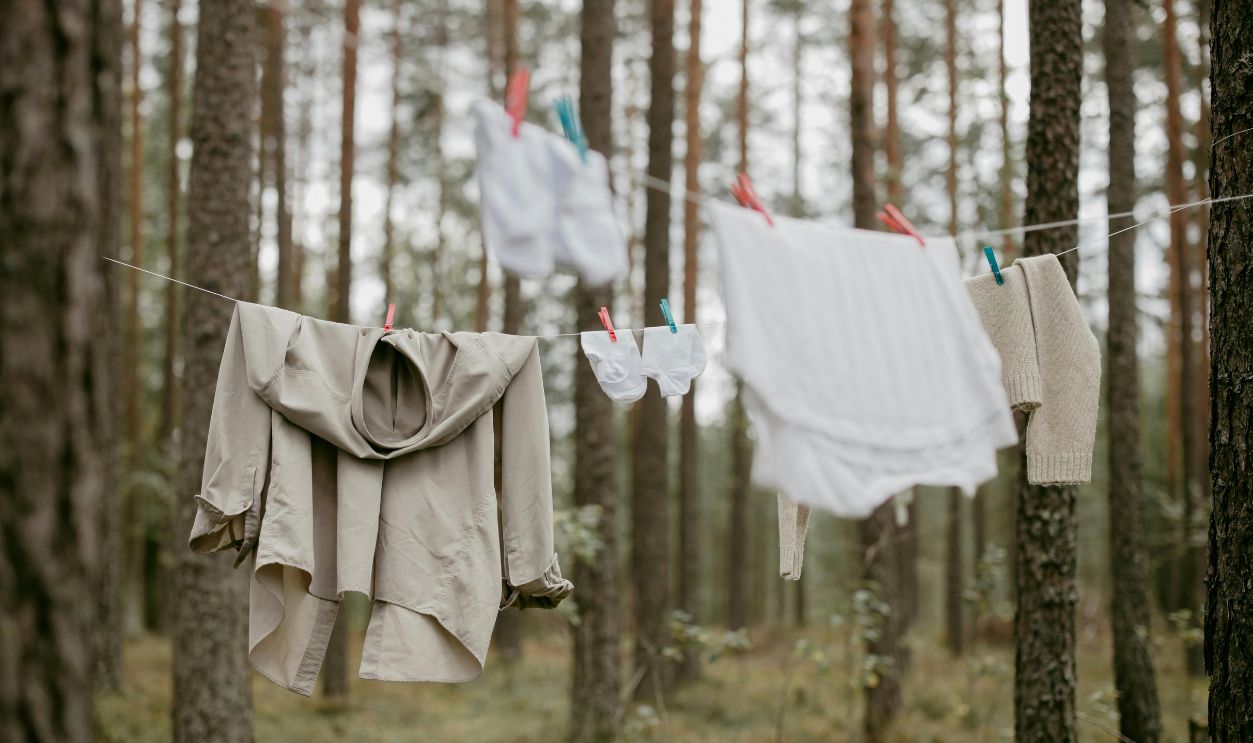
Let your clothes soak in the sun. Air-drying laundry is eco-friendly and free. You can save a good chunk of your electricity bill. Of course, if it's monsoon season or you don't have space, this might not be an option. But when you can, give it a try.
Cook Efficiently
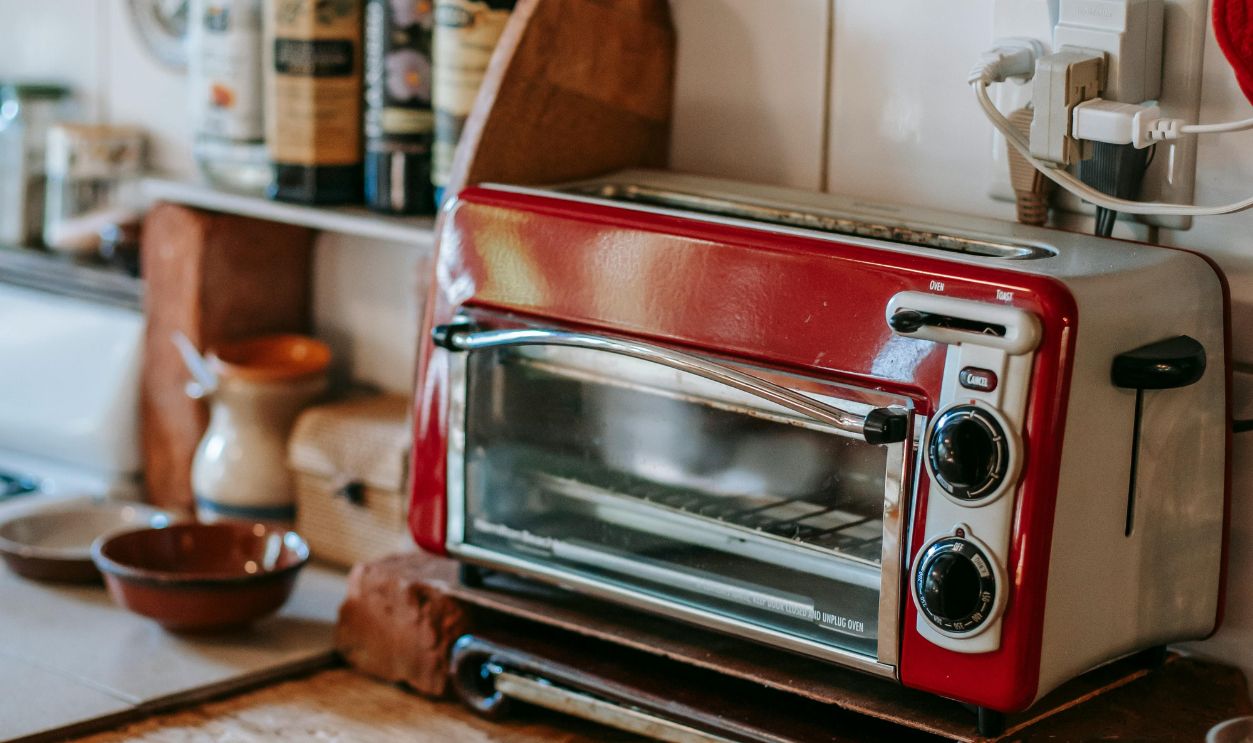
Using smaller appliances, like a toaster oven or microwave, can be more energy-efficient than heating a large oven. Therefore, cook in batches or use a slow cooker to minimize energy use. Plus, it's less time spent waiting for your meal to be ready.
Be Mindful Of Your Cooking Habits
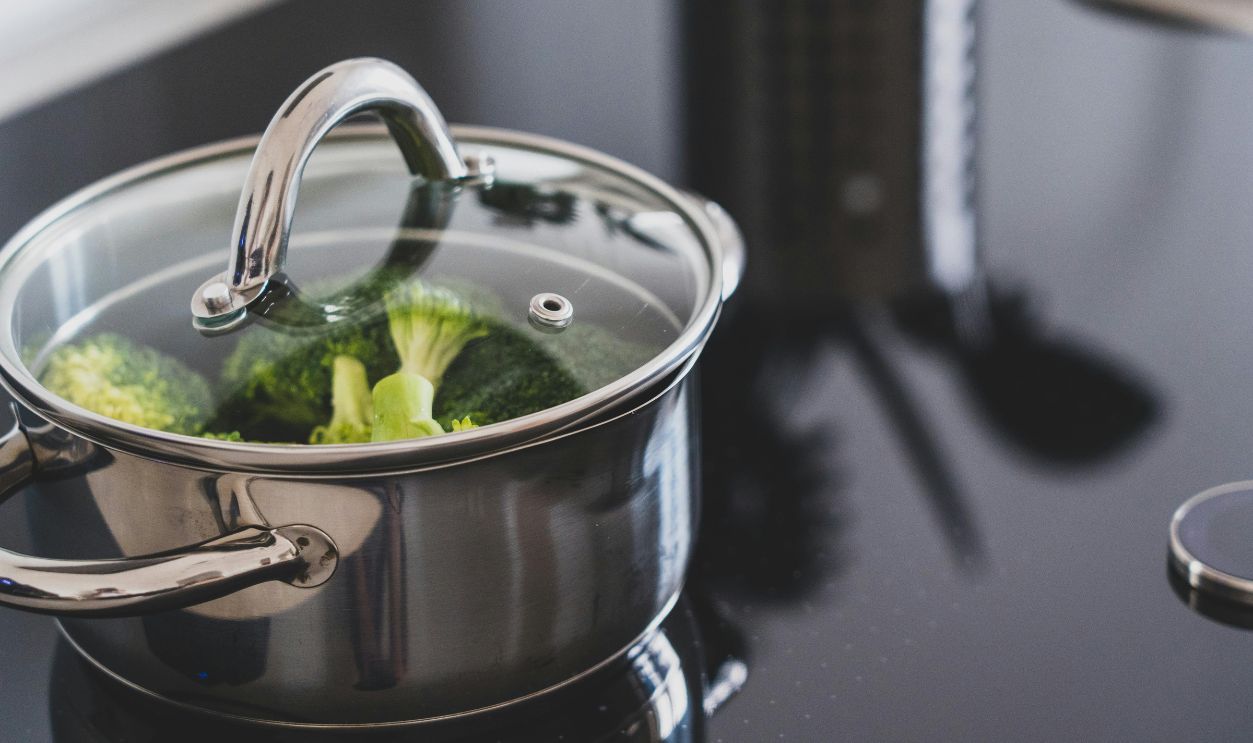
Here are a few more kitchen tips: Put lids on pots, cook with flat-bottomed cookware, and avoid unnecessary preheating. If you follow little meal prep adjustments like these, they add up and help cut your energy usage in the kitchen.
Set Your Thermostat To An Optimal Temperature
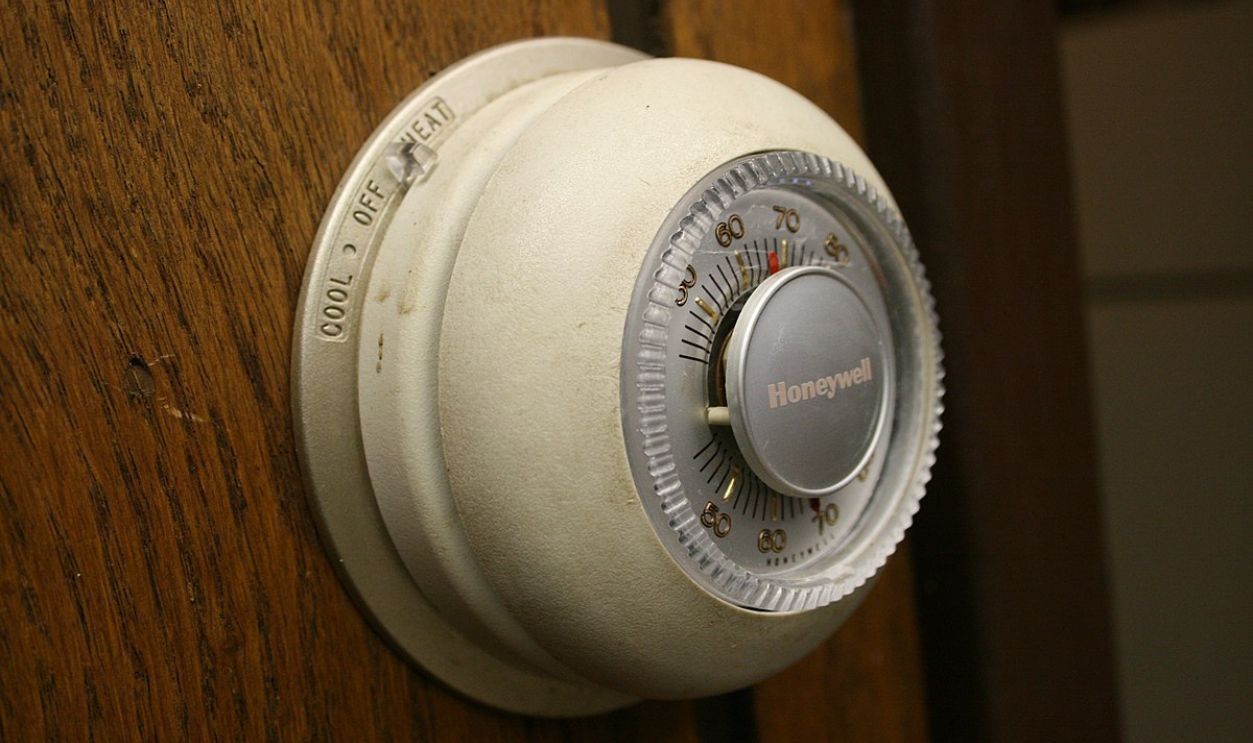
Set your thermostat to a moderate temperature (around 68°F in winter and 78°F in summer). It's another strategic move to control the costs without compromising comfort. You don't have to constantly adjust it, but keep it at a balanced level.
 midnightcomm, CC BY 2.0, Wikimedia Commons
Alternatively, Get A Smart Thermostat
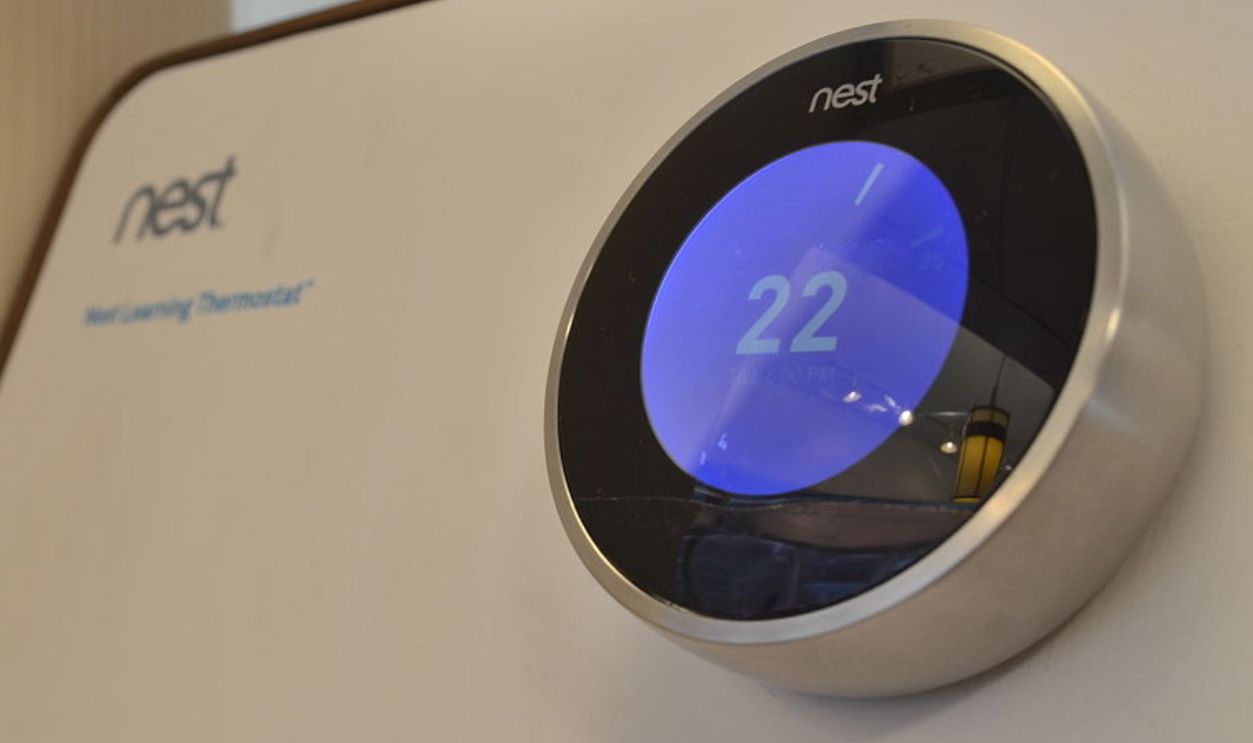
What's even better is if you switch to a thermostat that can adjust the temperature while you're away or asleep—you can save energy without even thinking about it! Since the savings depend on proper setup, make sure to program it based on your routine.
 Raysonho @ Open Grid Scheduler, CC0, Wikimedia Commons
Use Ceiling Fans
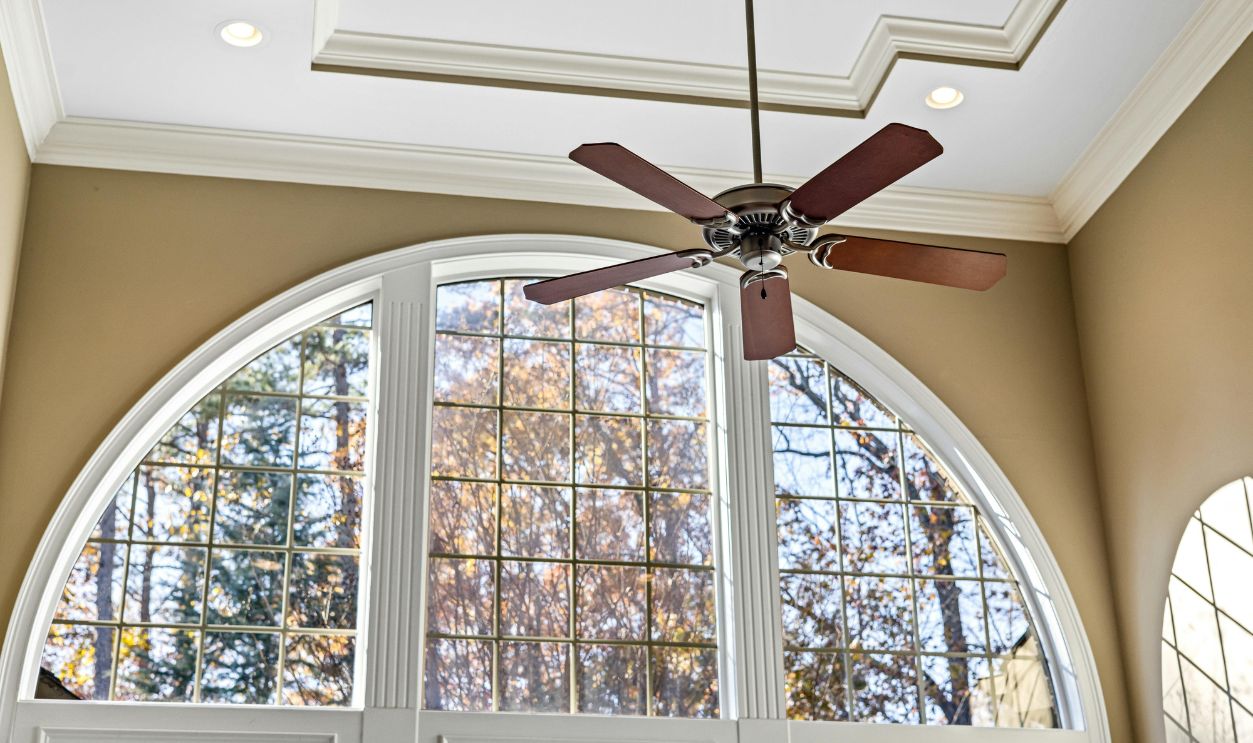
Ceiling fans don't just keep you cool in the summer—they can also distribute warm air in the winter. Reverse the direction of the fan's rotation to push warm air down. Keep your home cozy without cranking up the thermostat. Another simple, low-cost fix.
Clean HVAC Air Filters Regularly
Dirty air filters mean an uncomfortable interior, even with the right settings. HVAC systems will work harder by using more energy when this happens. That's why you need to replace their filters regularly to keep your system running smoothly and your utility bills down.
 Janwikifoto, CC BY-SA 3.0, Wikimedia Commons
Insulate Your Attic And Walls
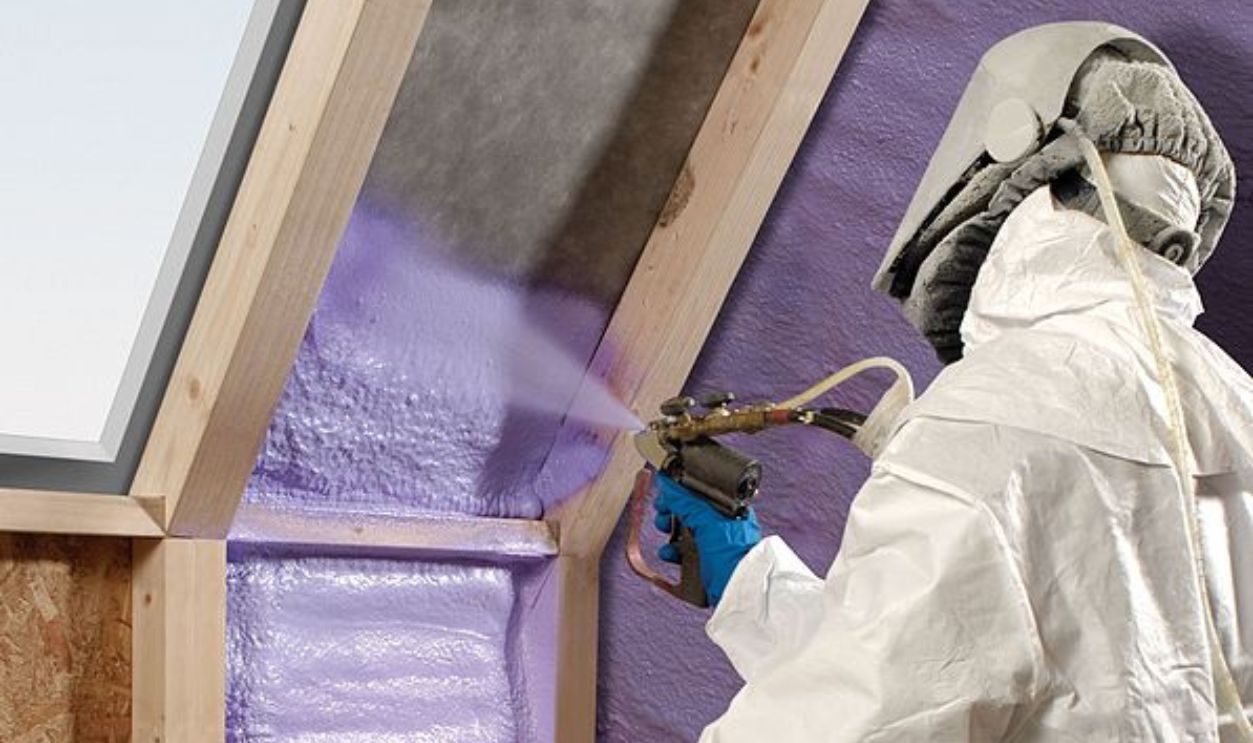
Insulate your attic and walls properly so that air doesn't come in or go out without your permission. This is especially important if you live in an area with temperature extremes. Though insulation might require some upfront investment, it'll pay off as future savings.
 Cdpweb161, CC BY-SA 3.0, Wikimedia Commons
Upgrade To Energy-Efficient Windows
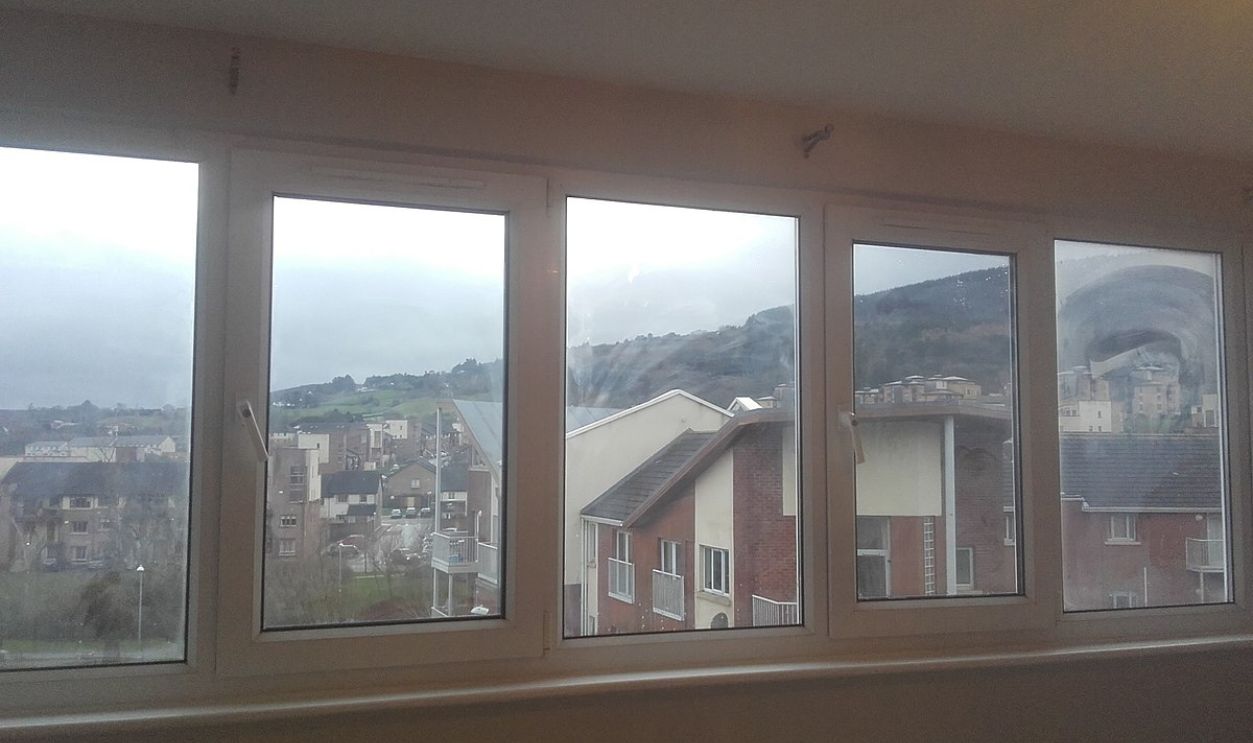
Windows with low-E coatings or triple glazing are best for homes in extreme climates. Through these windows, outside heat, cold, or moisture cannot affect the interior. The payback might be slow, but it's more feasible than other bigger home renovations.
 Rory Connolly QS, CC BY-SA 4.0, Wikimedia Commons
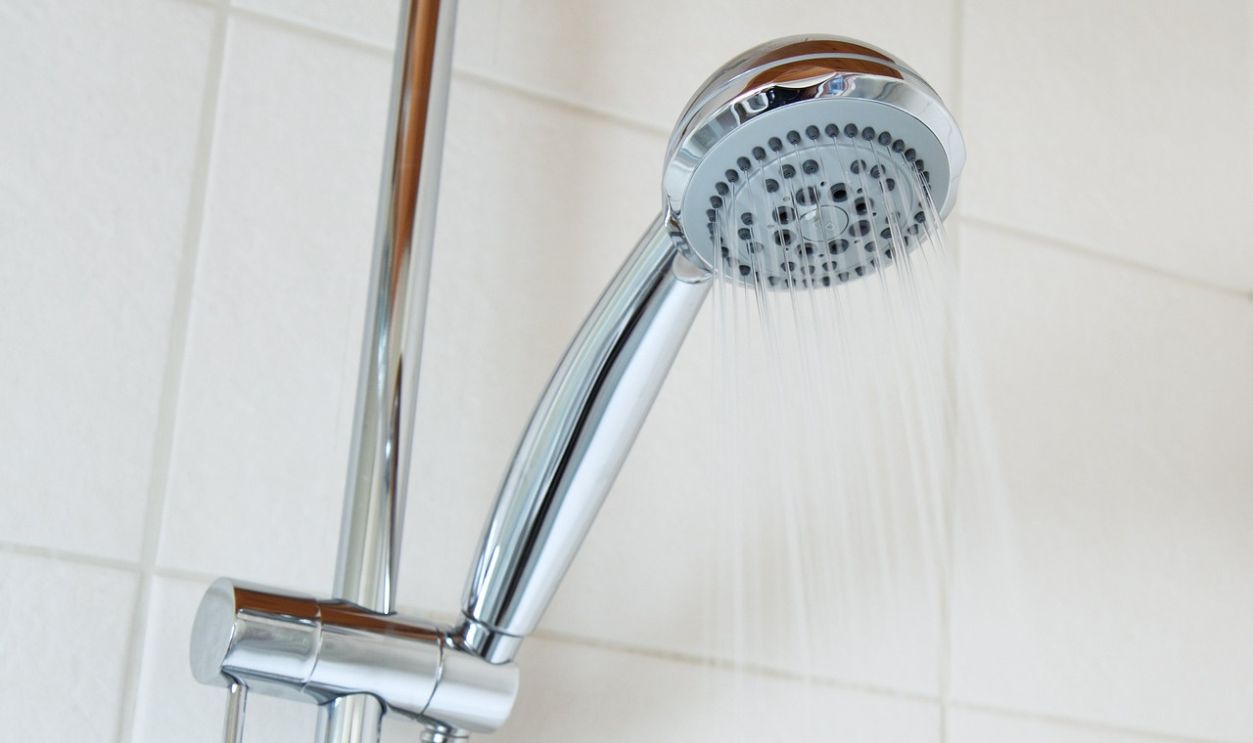
Install Low-Flow Showerheads And Faucets
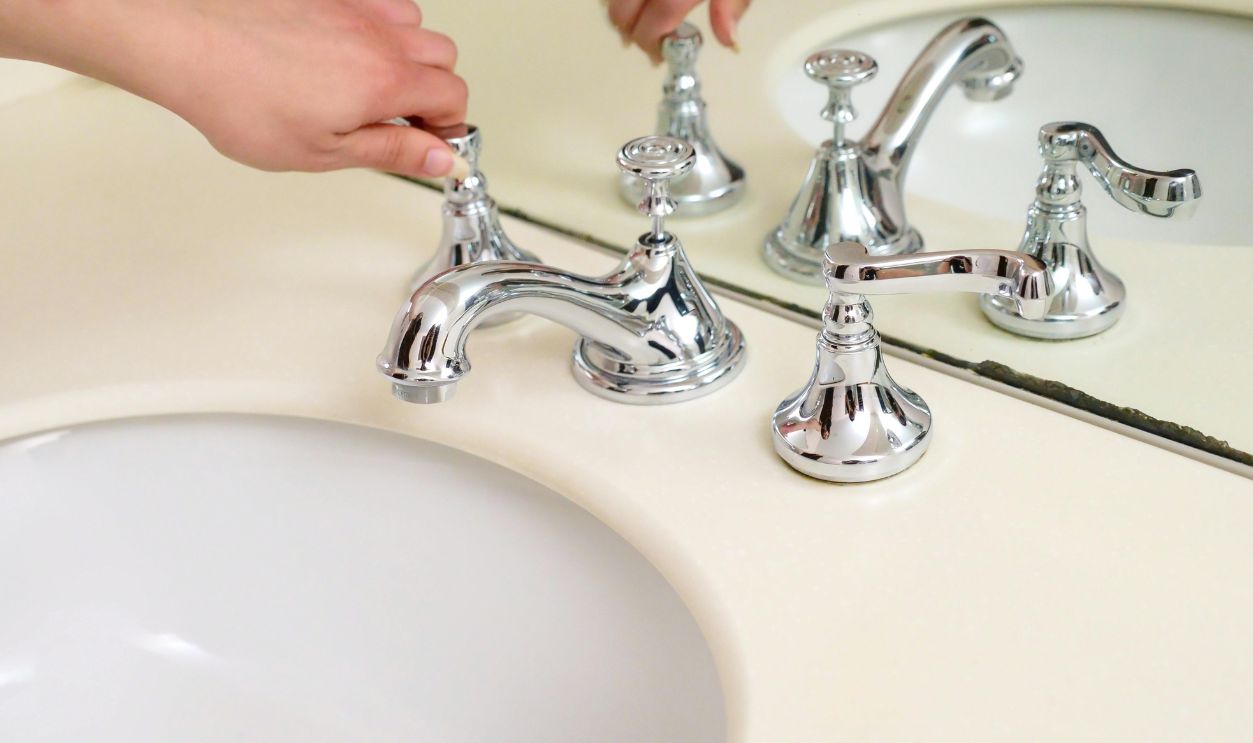
Want to reduce water consumption by around 20-40%? Low-flow showerheads and faucets can make it possible. Also, there are many models on the market that feel just as powerful as regular ones, so you don't have to sacrifice comfort to save money.
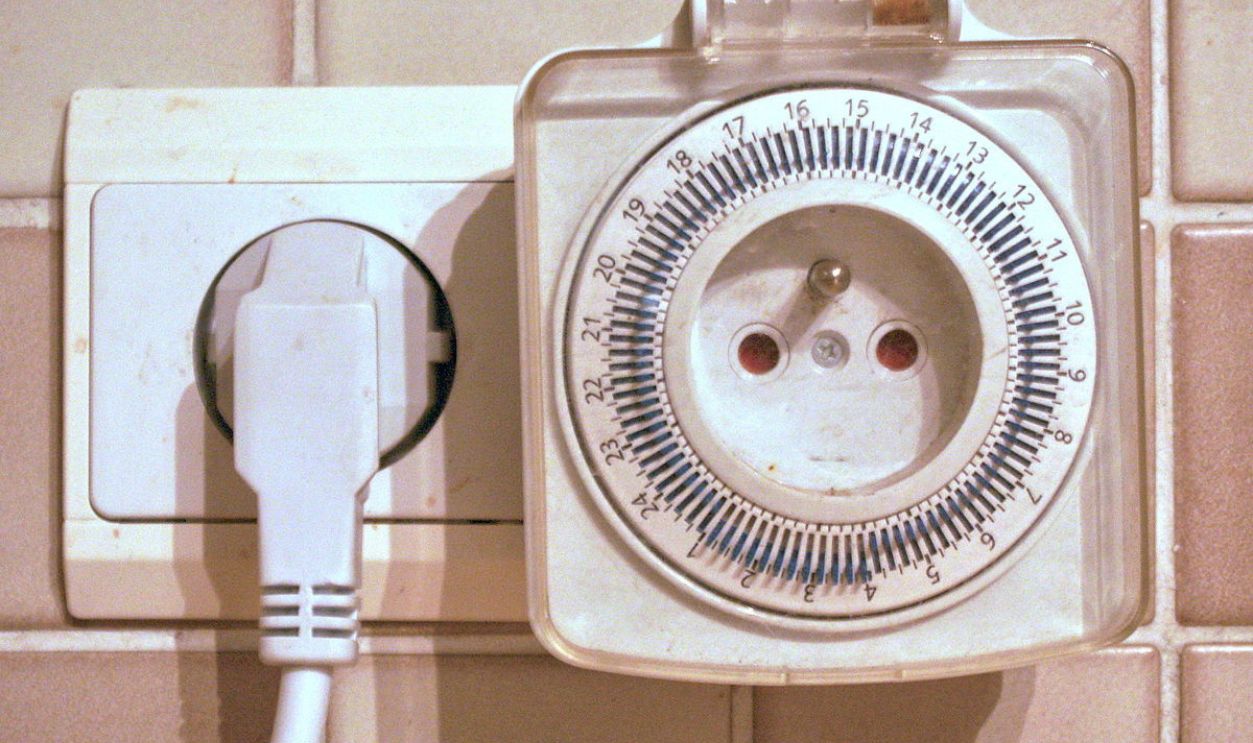
Use A Programmable Timer For Water Heating
You don't need hot water all day, so use a timer to heat it only when you need it. Many water heaters have timers built in, or you can purchase a separate one. This ensures that your water is always hot when needed without wasting energy.
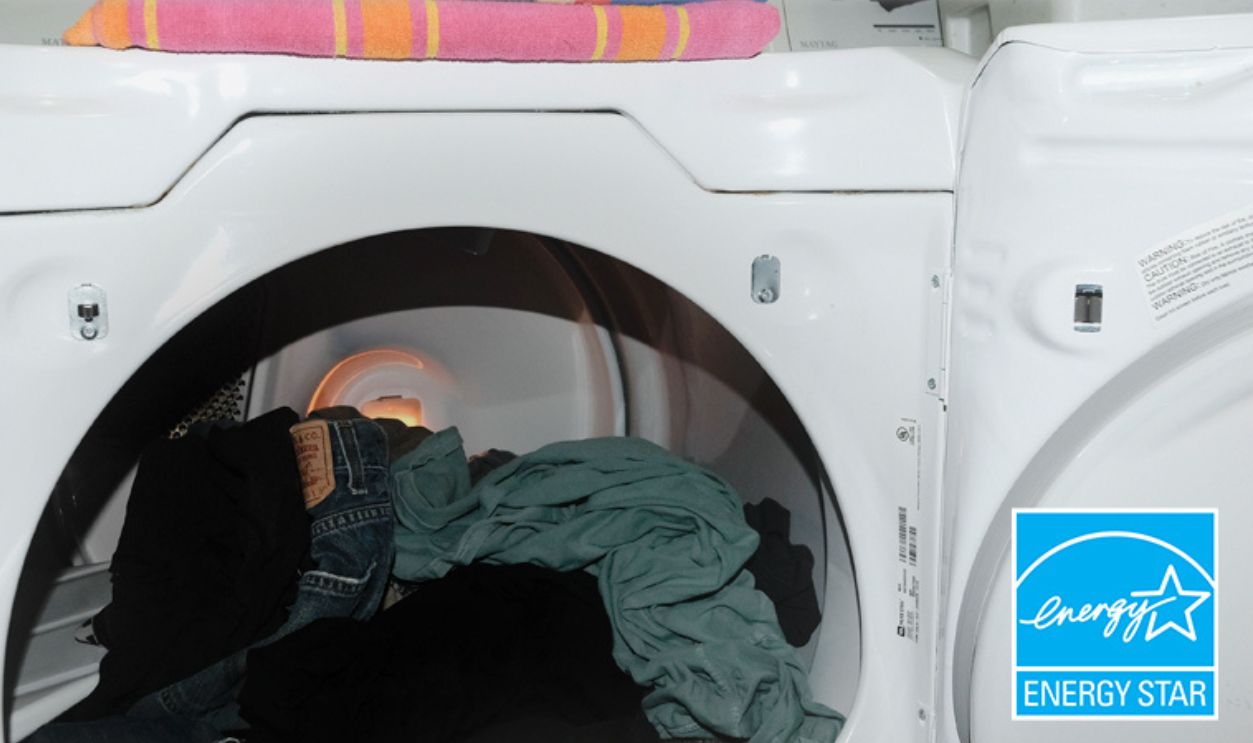
Opt For Energy-Efficient Appliances
When you replace an old appliance, always choose a new, energy-efficient model. Look for labels like ENERGY STAR, which indicate that the appliance uses less energy and water to perform its task. Over time, these smart appliances will reduce your overall electricity and water charges.
 USEPA Environmental-Protection-Agency, Wikimedia Commons
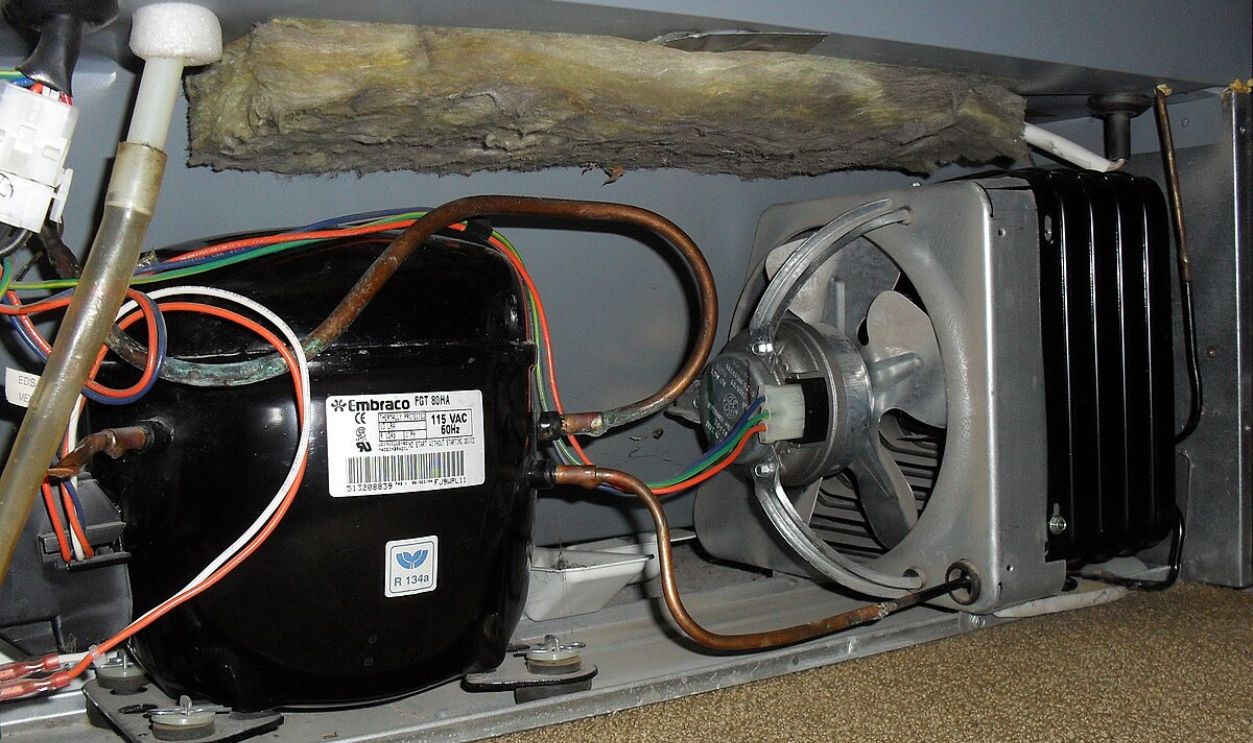
Clean Your Refrigerator Coils
Did you know that dusty coils can cause your fridge to overheat, and it uses more energy to stay cool? Overheating issues in refrigerators can be costly and unsafe. So, clean the coils at least once a year to keep your fridge cooler and more efficient.
 Kristoferb, CC BY-SA 3.0, Wikimedia Commons
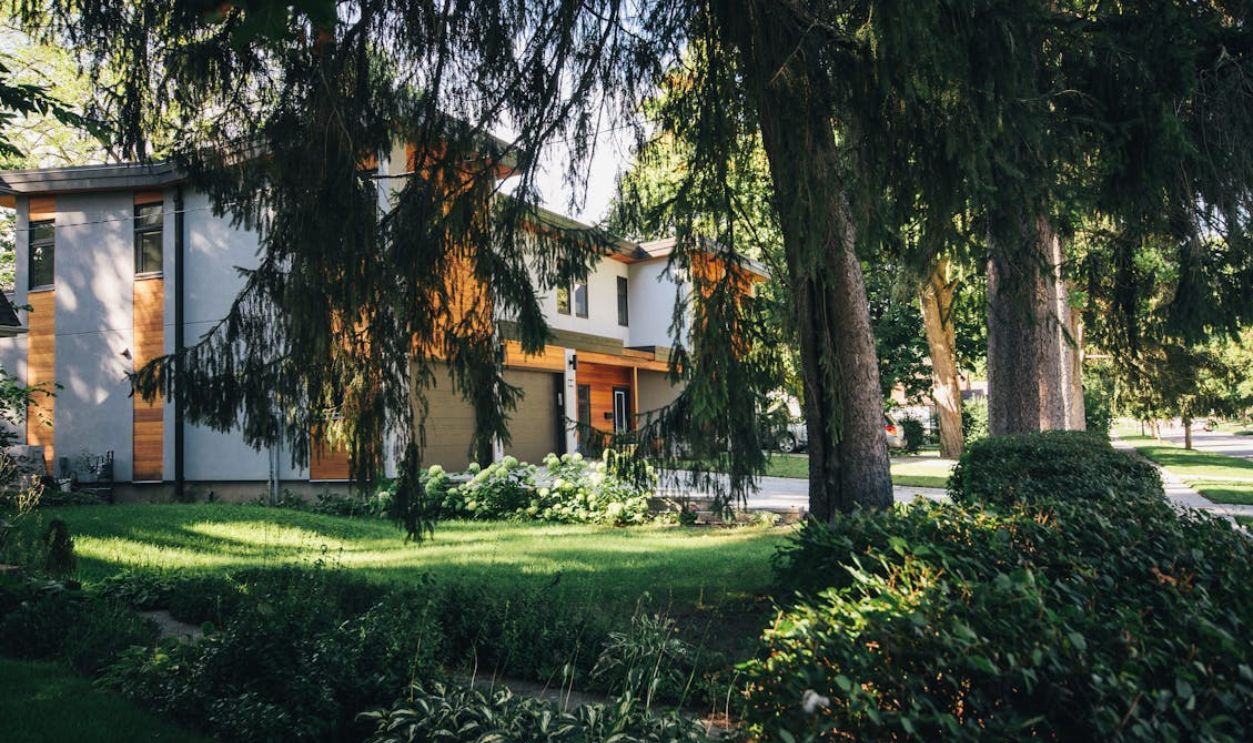
Design Your Outdoors For Better Shade
Plant trees and shrubs around your home. They will provide shade during summer and block cold winds in winter. Such smart landscaping efforts are a clean and green way to maintain a comfortable atmosphere inside your home while protecting the exterior paint and siding from damage.
Install Solar Panels
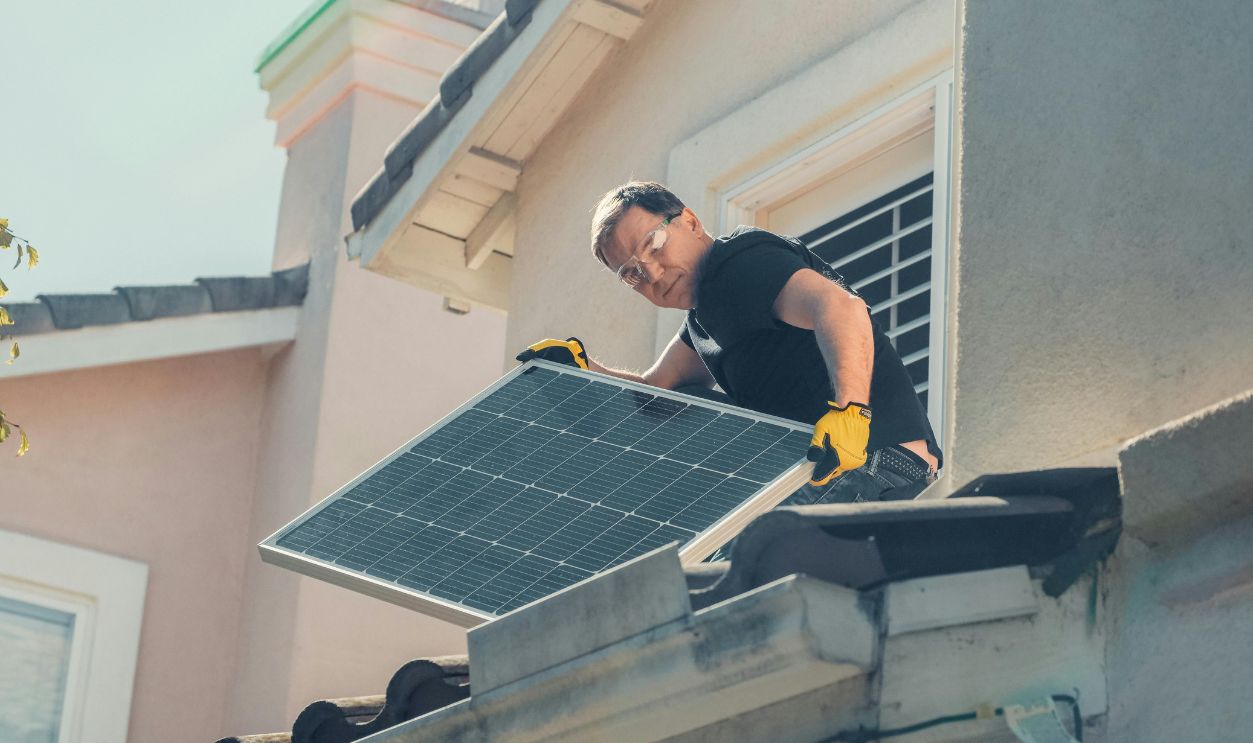
Solar panels convert sunlight into electricity. You depend less on the grid, which lowers your electricity bills. While the installation can seem expensive, there are incentives and tax credits that often offset this expense; the long-term savings make it a worthwhile investment for homeowners.






.jpg)


_472,_cleans_excess_caulk_from_a_door_frame_at_Ladyville_Technical_High_School_in_Ladyville,_Belize,_May_31,_2013_130531-F-FO324-003.jpg)


.jpg)
