
A Past Relationship And A Current Crisis
Foreclosure is a stressful situation, but it gets especially confusing when an ex-spouse is involved. If your name is still on the deed but not on the mortgage, you may feel blindsided by notices, legal threats, or credit concerns. The situation raises serious questions about ownership, liability, and how to protect your own financial future from your personal and financial past.
 Strelciuc, AdobeStock; Factinate
The Difference Between Deed And Mortgage
The deed determines who legally owns the property, while the mortgage determines who owes the debt. Being on the deed means you are an owner. Not being listed on the mortgage means that you’re not personally responsible for loan payments. Unfortunately, foreclosure law doesn’t place much emphasis on fairness and focuses strictly on these legal distinctions.

Why Foreclosure Can Still Affect You
Even if you never signed the mortgage, foreclosure affects the property itself. Because you are a legal owner, your ownership interest is now at risk. If the home is foreclosed on, whatever interest you had in the property could be wiped out, even though you were never responsible for the loan.

Your Credit May Or May Not Be Impacted
Generally, foreclosure impacts the credit of the person on the mortgage first and foremost, not everyone on the deed. If your name is not on the loan, the foreclosure shouldn’t appear on your credit report. But errors happen, so it's essential to monitor your credit closely.

Divorce Decrees Don’t Stop Foreclosure
Many people assume a divorce decree assigning the house to one spouse protects the other. Unfortunately, divorce orders don’t bind lenders. If your ex-husband stopped paying and the loan is in default, foreclosure can proceed regardless of what the divorce agreement says.

Why Being On The Deed Creates Legal Exposure
As a deed holder, you can still receive foreclosure notices, legal filings, or tax documentation. You could also face complications if the property generates HOA fees, code violations, or unpaid property taxes. Ownership has legal consequences even when the mortgage isn’t yours.

You May Have The Right To Intervene
In some cases, deed holders have the right to cure the default, negotiate with the lender, or request loss mitigation options. This can include paying arrears, seeking a short sale, or negotiating timelines. Exercising these rights requires that you have a thorough understanding of your state’s foreclosure procedures.
 LIGHTFIELD STUDIOS, Adobe Stock
Selling The Property Before Foreclosure
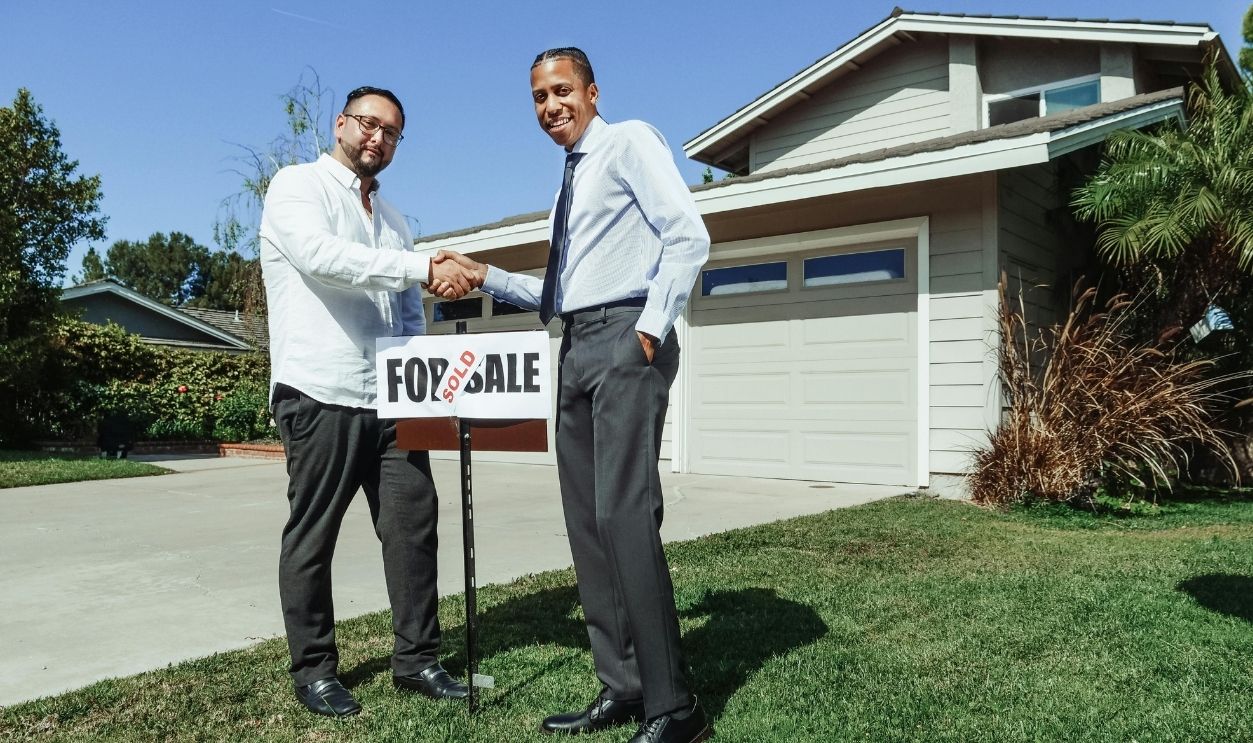
If there is any equity left in the home, selling it before foreclosure may be the best way to protect your interest. A sale can satisfy the loan and prevent foreclosure damage altogether. Coordinating a sale with an uncooperative ex-spouse may be a challenge but could still be worth pursuing.

If The Home Is Sold At Auction
If foreclosure proceeds to auction, the home will be sold to satisfy the mortgage debt. Once sold, your ownership interest is pretty much gone. If the sale price exceeds the mortgage balance, there may be surplus funds, but those will often go to lienholders first.
Deficiency Judgments And Your Risk
Because you’re not on the mortgage, you typically can’t be pursued for a deficiency judgment if the sale doesn’t cover the loan. Deficiency risk usually applies only to borrowers on the loan. Still, verifying state law is crucial, as foreclosure rules can vary by a lot.

Property Taxes And Municipal Liens
Unpaid property taxes or municipal liens can follow owners, not borrowers. If taxes or fines are still outstanding, local governments may pursue collection from anyone on the deed. This is an often-overlooked risk that can take on a life of its own after the foreclosure itself.

Communication Still Matters
Even if your relationship with your ex-husband is strained, communication can minimize the damage. Understanding what step your ex is at in the foreclosure may help you decide whether intervention, sale, or legal action is worth the effort before your ownership interest is extinguished.

Consider A Quitclaim Deed Carefully
Some people think signing a quitclaim deed will solve their problem. While this does remove your ownership interest, it doesn’t undo any past liability you may have for taxes or violations. It also permanently eliminates any claim to the home’s equity, making it a decision that requires caution.

Legal Advice Is Often Necessary
This situation combines family law, real estate law, and foreclosure law. Consulting a real estate or foreclosure attorney can go a long way toward clarifying your rights, timelines, and options. Early legal guidance can prevent mistakes that lock in financial losses.

Time Is Against Passive Owners
Foreclosure processes move along strict timelines. Ignoring notices or assuming that the issue will resolve itself on its own usually leads to the worst outcome. Acting as early as possible gives you more options to protect your credit, equity, and legal position.

Emotional Detachment Helps Financial Decisions
It’s easy to let anger or frustration toward an ex-spouse drive your decision-making process. But the problem is, foreclosure law is unemotional. Approaching the problem calmly and strategically will produce better financial outcomes than making decisions based on past relationship wounds.

Documentation Protects You
Keep copies of the divorce decree, deed, mortgage statements, and all foreclosure notices. Clear documentation helps your attorney or lender understand your position quickly and mitigate the risk of improper claims or credit reporting mistakes.

Accept The Possibility Of Loss
In some cases, there is no realistic way for you to save your equity or stop foreclosure. Preparing yourself emotionally and financially for that possibility allows you to focus on protecting what matters most, especially maintaining your credit and future housing stability.

Planning For Life After Foreclosure
If the foreclosure continues to go forward, ensure your name is properly removed from future tax records and that no lingering obligations remain. Follow up with credit bureaus and local authorities to close this chapter cleanly and avoid any unexpected issues later.

Know Your Real Priorities
The key question isn’t just about what is legally possible, but what outcome best protects your finances and peace of mind. Whether that means intervening, selling, or signing a quitclaim and walking away, informed decisions help you regain control in a situation you didn’t create.

You May Also Like:
The HOA keeps raising fees, and now I can't afford my mortgage. What are my options?