Grandma’s Grocery Playbook Is Back
The bargain-hunting habits that once seemed old-fashioned are suddenly useful again. The Associated Press reported in July 2026 that Americans are increasingly couponing, comparison shopping, switching brands, and cutting back on favorite foods as grocery costs remain elevated. After years of convenience-first shopping, more households are treating the weekly grocery run like a budgeting exercise again.
Grocery Prices Explain The Revival
Food bought for home consumption was 2.7% more expensive in June 2026 than a year earlier, according to the USDA. Grocery prices have also climbed sharply compared with the pre-pandemic period, so slowing inflation has not restored the old price tags. That helps explain why small savings techniques suddenly feel worth the effort.
The Weekly Circular Matters Again
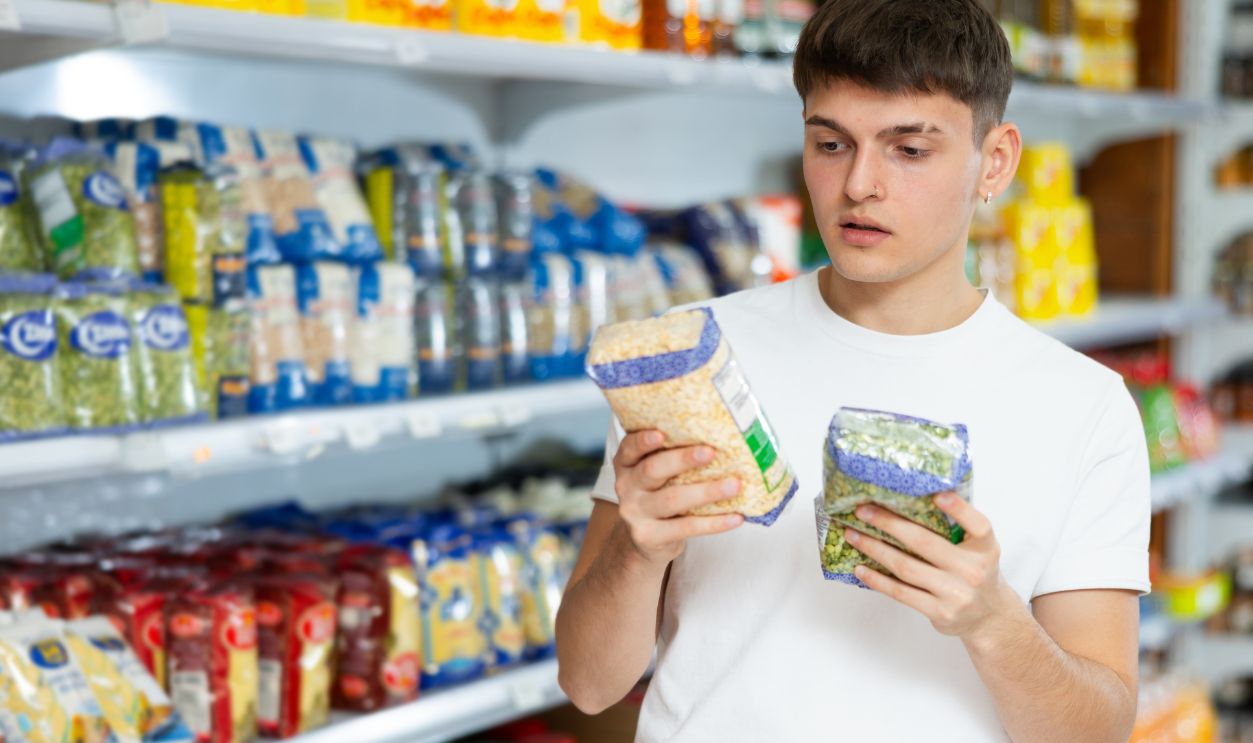
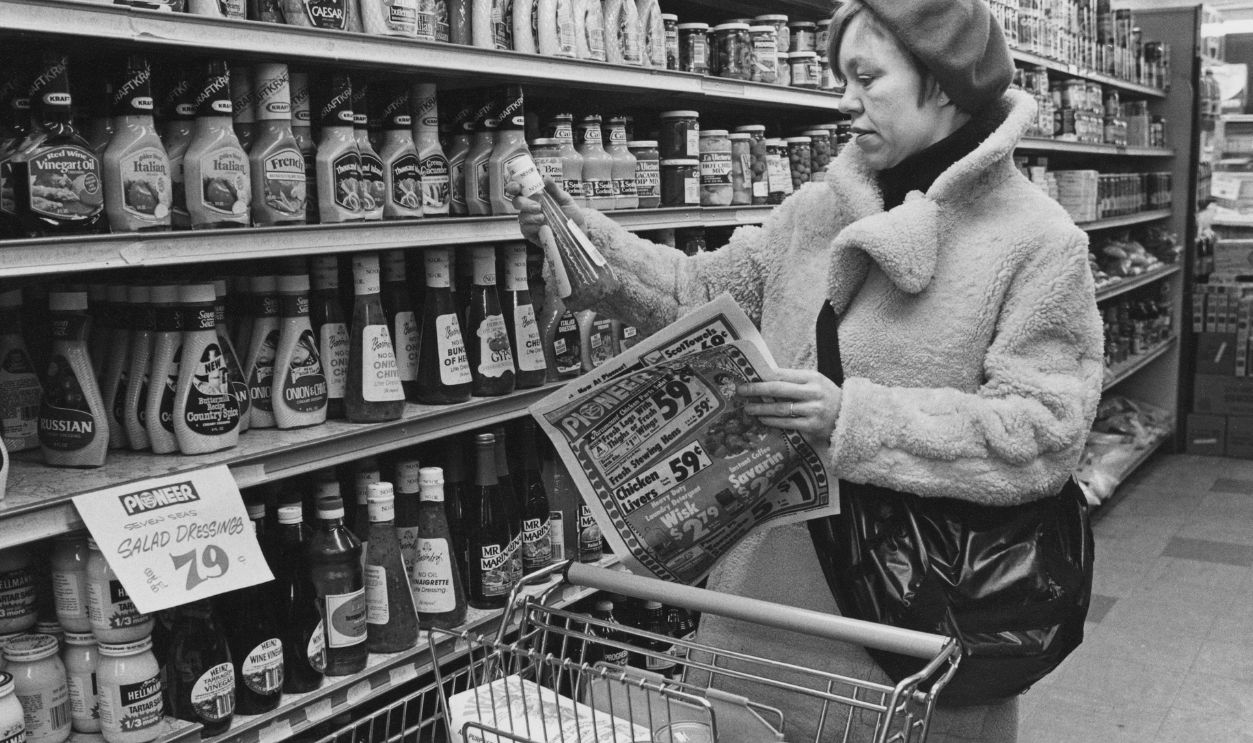
Remember planning dinner around whatever the supermarket advertised that week? USDA’s MyPlate budget guidance specifically recommends reading sales flyers before shopping and using good buys when planning meals. Modern flyers may live inside an app instead of the Sunday newspaper, but the basic strategy is unchanged.
Coupon Clipping Got A Digital Upgrade
Coupons never disappeared, but high prices are making shoppers pay closer attention to them again. The Associated Press recently profiled shoppers checking supermarket apps and physical circulars for coupons before filling their carts. Digital offers may have replaced scissors for many households, but the goal is still the same.
Shopping Lists Are Cool Again
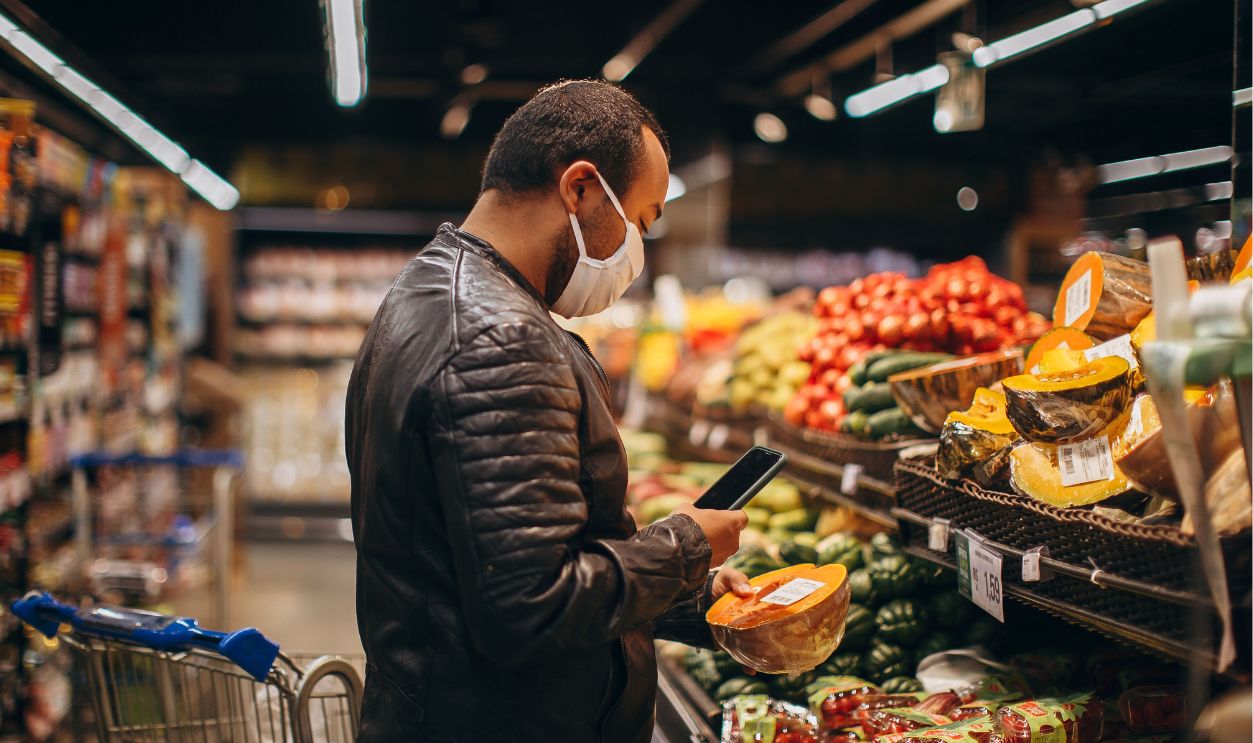
Walking into the supermarket without a plan makes it easier to buy things you do not actually need. USDA MyPlate recommends writing down weekly meals and building a grocery list around them. A simple list also makes it easier to ignore tempting items that were never part of the budget.
Check The Pantry Before Leaving
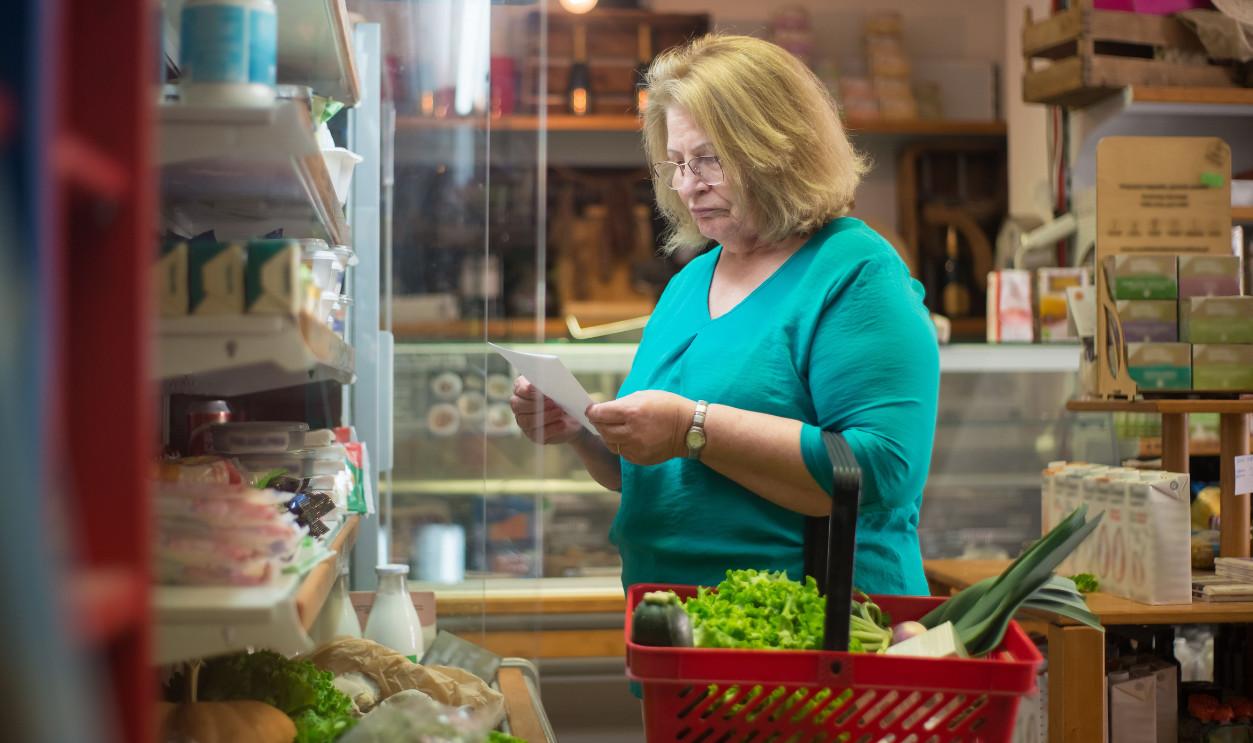
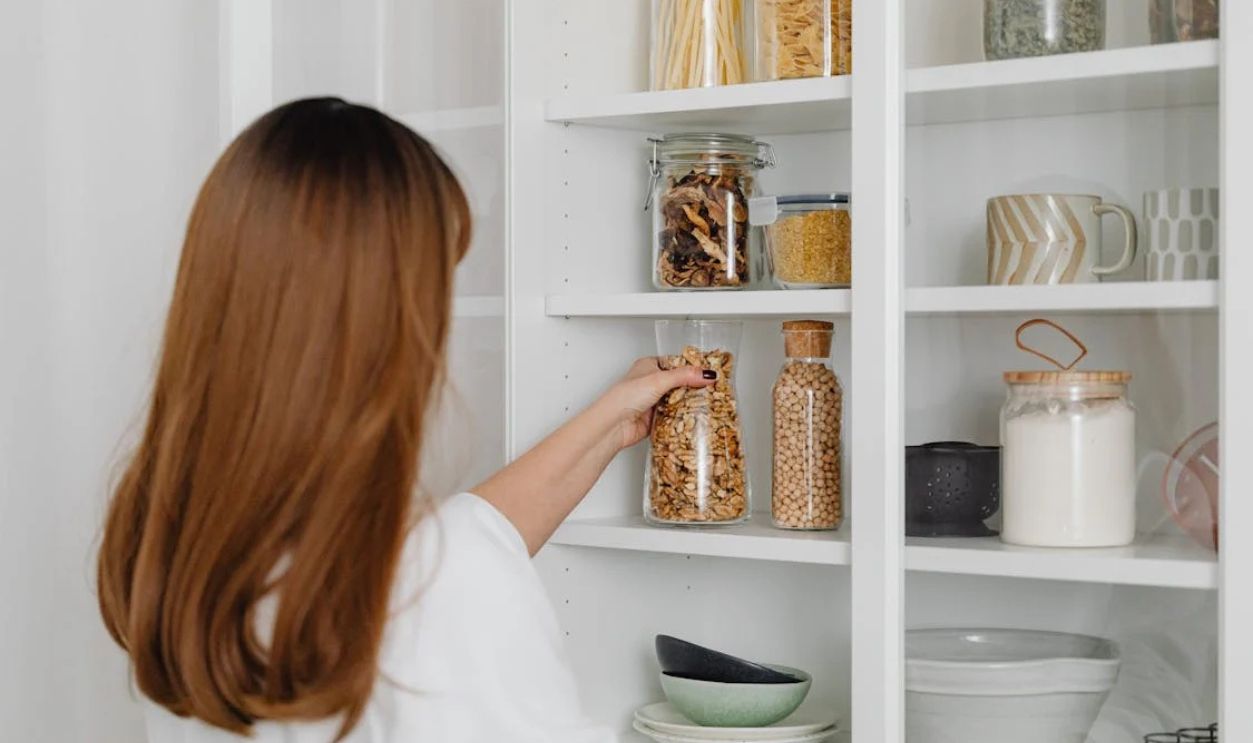
Older generations often knew exactly what was hiding in the cupboard because wasting food meant wasting money. The EPA now gives essentially the same advice, telling households to check the refrigerator, freezer, and pantry before shopping. Buying another jar or bag you already own does not become a bargain just because it was on sale.
Build Dinner Around The Deals
Instead of deciding on Tuesday that dinner must be steak and then paying whatever steak costs, start with the sale. USDA recommends finding budget-friendly meals based partly on foods that are currently good buys. With beef and veal prices 11.8% higher in June 2026 than a year earlier, flexibility can matter.
Comparison Shopping Is Back
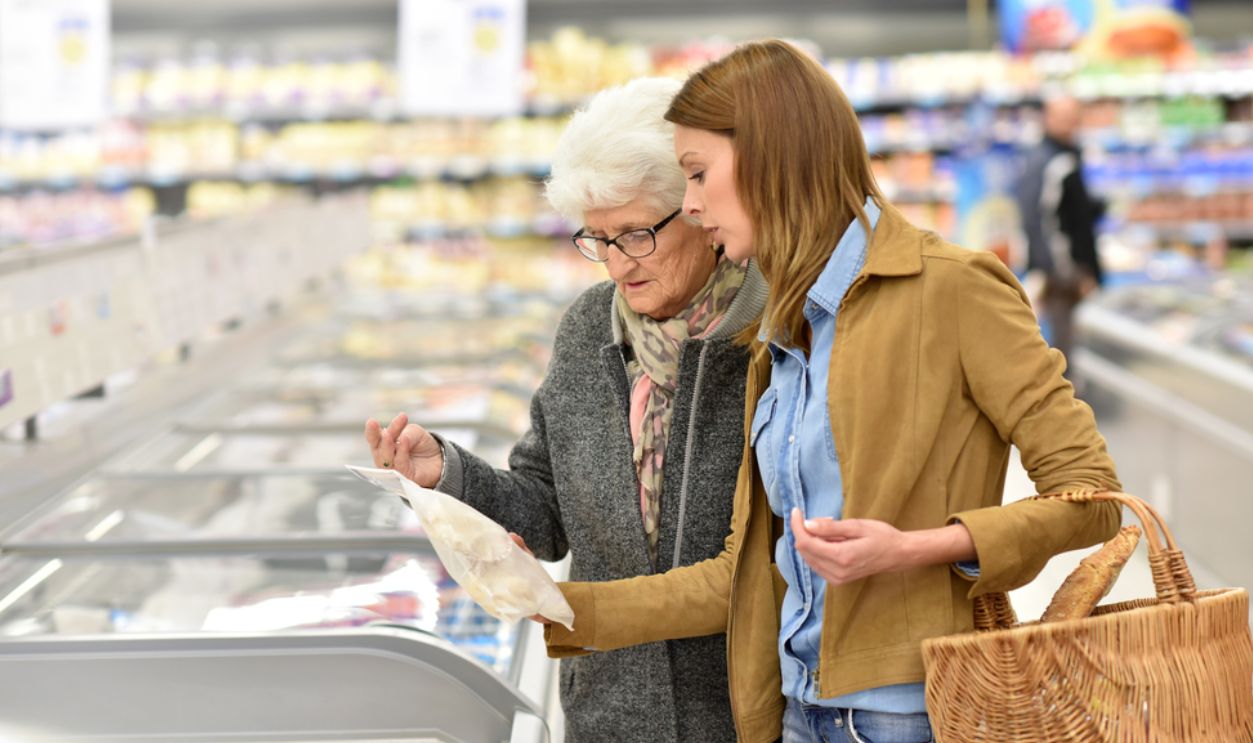
Many shoppers once knew which store had the cheapest milk, meat, or canned goods almost from memory. The Associated Press reports that high grocery costs are once again pushing Americans to compare prices and change stores when an item gets too expensive. A few minutes of research can matter more when the same basket is purchased every week.
One Store No Longer Gets Everything
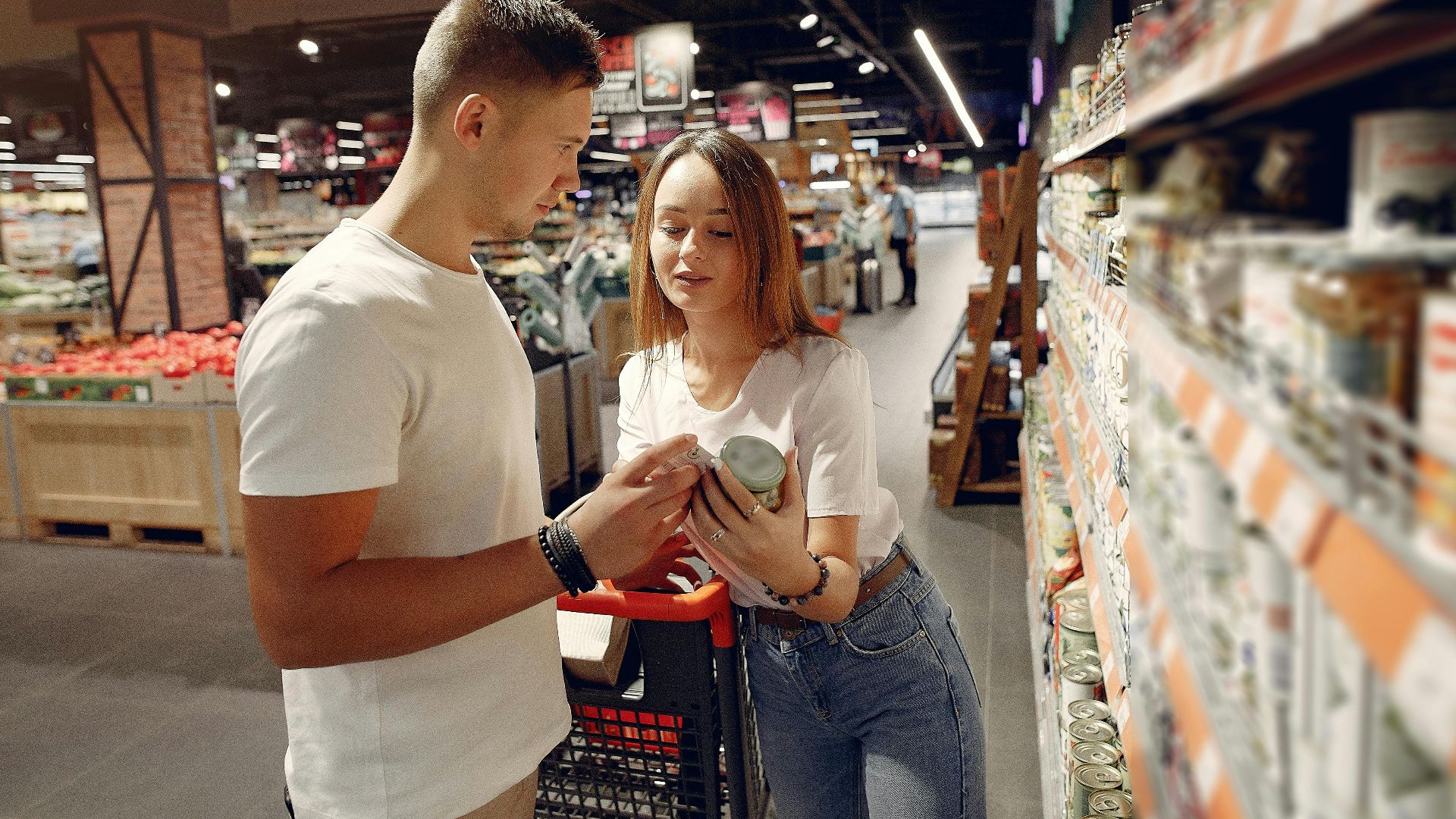
Convenience encouraged shoppers to buy the whole list under one roof. Now some consumers are splitting purchases among supermarkets, warehouse clubs, and discount chains when the savings justify the trip. USDA budget guidance even suggests comparing grocery stores, supercenters, wholesale clubs, dollar stores, farm stands, and other outlets for bargains.
Unit Prices Beat Sticker Prices
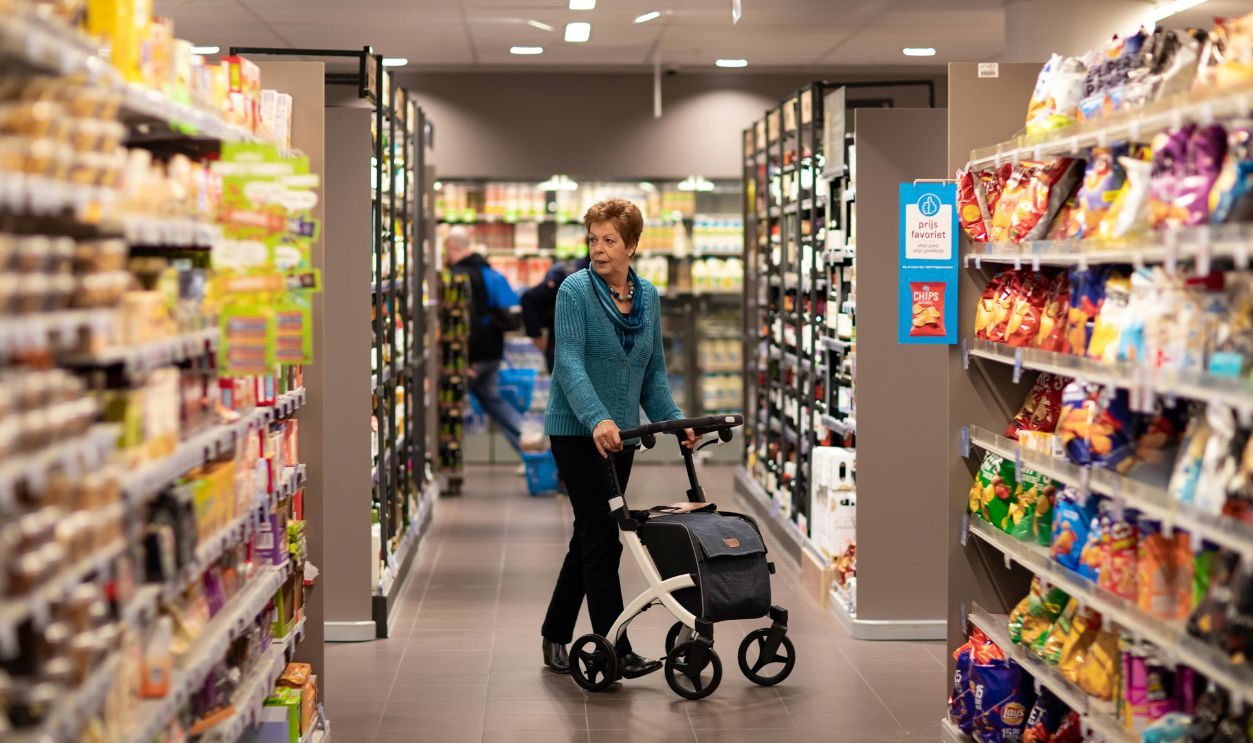
This is one old habit worth relearning immediately. The FTC advises checking the unit price, usually expressed per ounce, pound, or count, because package sizes can change even when the container looks familiar. That makes unit pricing especially useful in an era of shrinkflation.
Store Brands Have Gone Mainstream
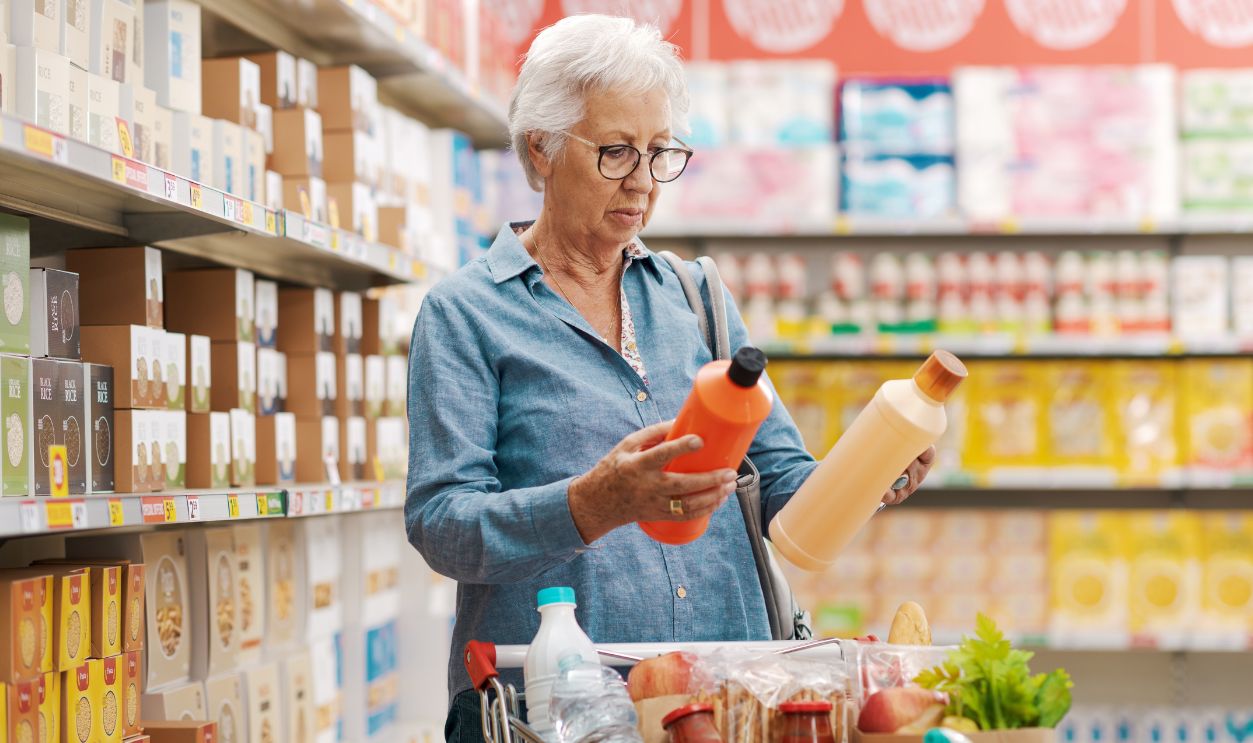
Choosing the plain supermarket label used to carry a penny-pinching reputation. Now 92% of U.S. grocery shoppers have private-brand products at home, according to FMI’s 2026 consumer research, and nearly half reported increasing their store-brand purchases over the previous year. Store brands are no longer just the emergency budget option.
Private Labels Keep Breaking Records
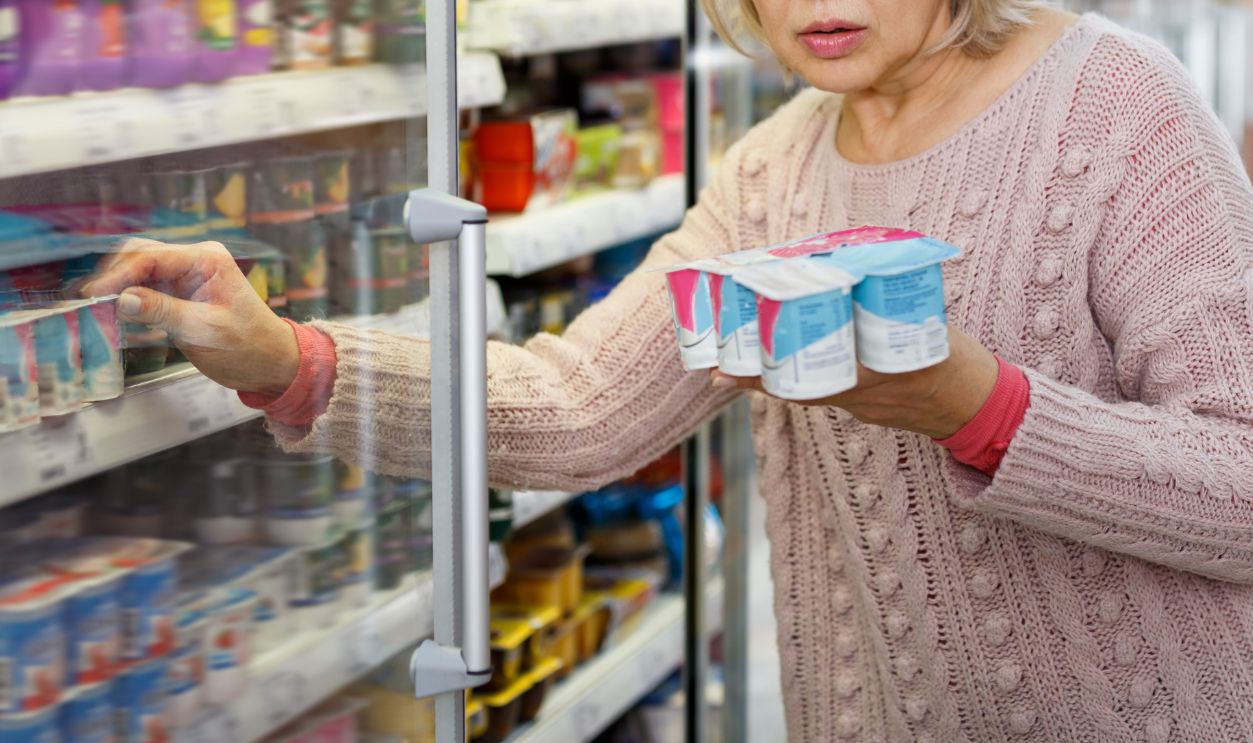
Store-brand sales reached a record $282.8 billion in 2025, according to data reported by the Private Label Manufacturers Association. Dollar sales grew 3.3%, nearly three times the growth rate of national brands. That suggests the return to value shopping has become a major retail trend rather than a short-lived reaction.
Discount Grocers Are Winning Converts
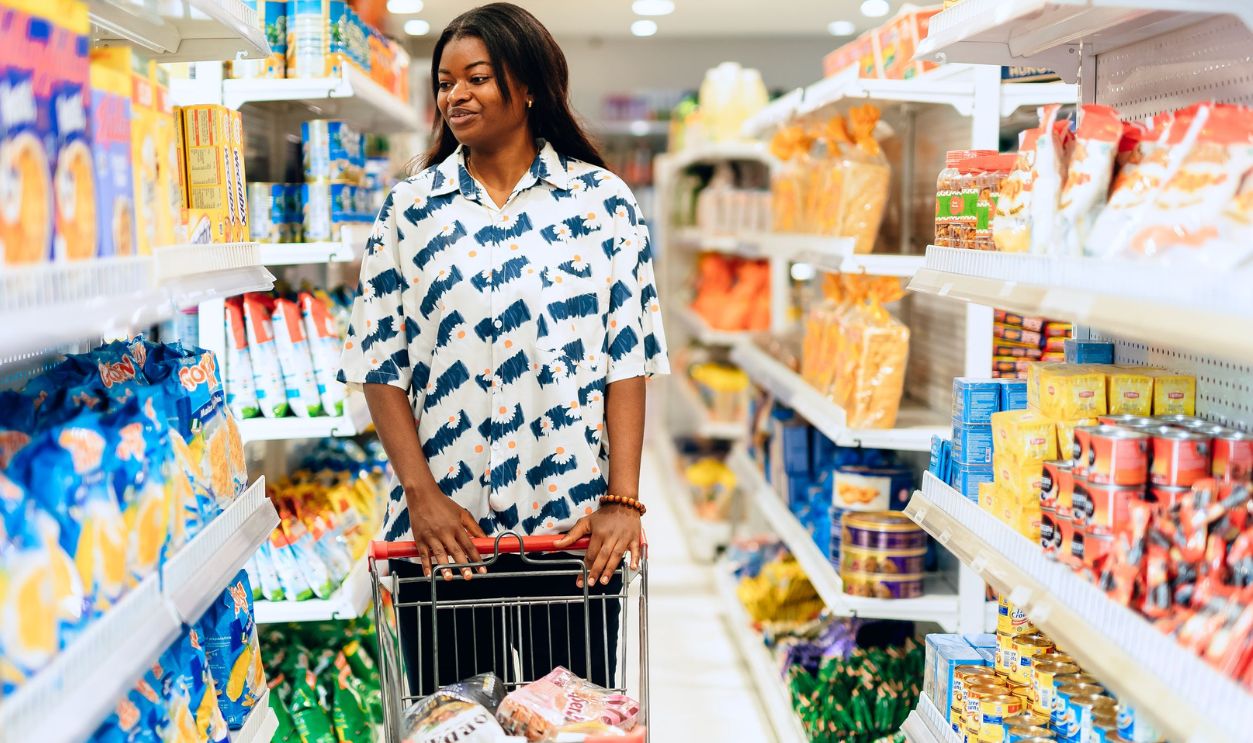
Shopping at the no-frills market is another habit crossing income lines. The Wall Street Journal reported that 27.5% of high-income households shopped at discount retailers in 2025, up from 19.8% in 2021. Aldi is also rapidly expanding in the U.S. as shoppers seek cheaper grocery options.
 JMUAIANWNC 3366688, Wikimedia Commons
Buying In Bulk Needs Discipline
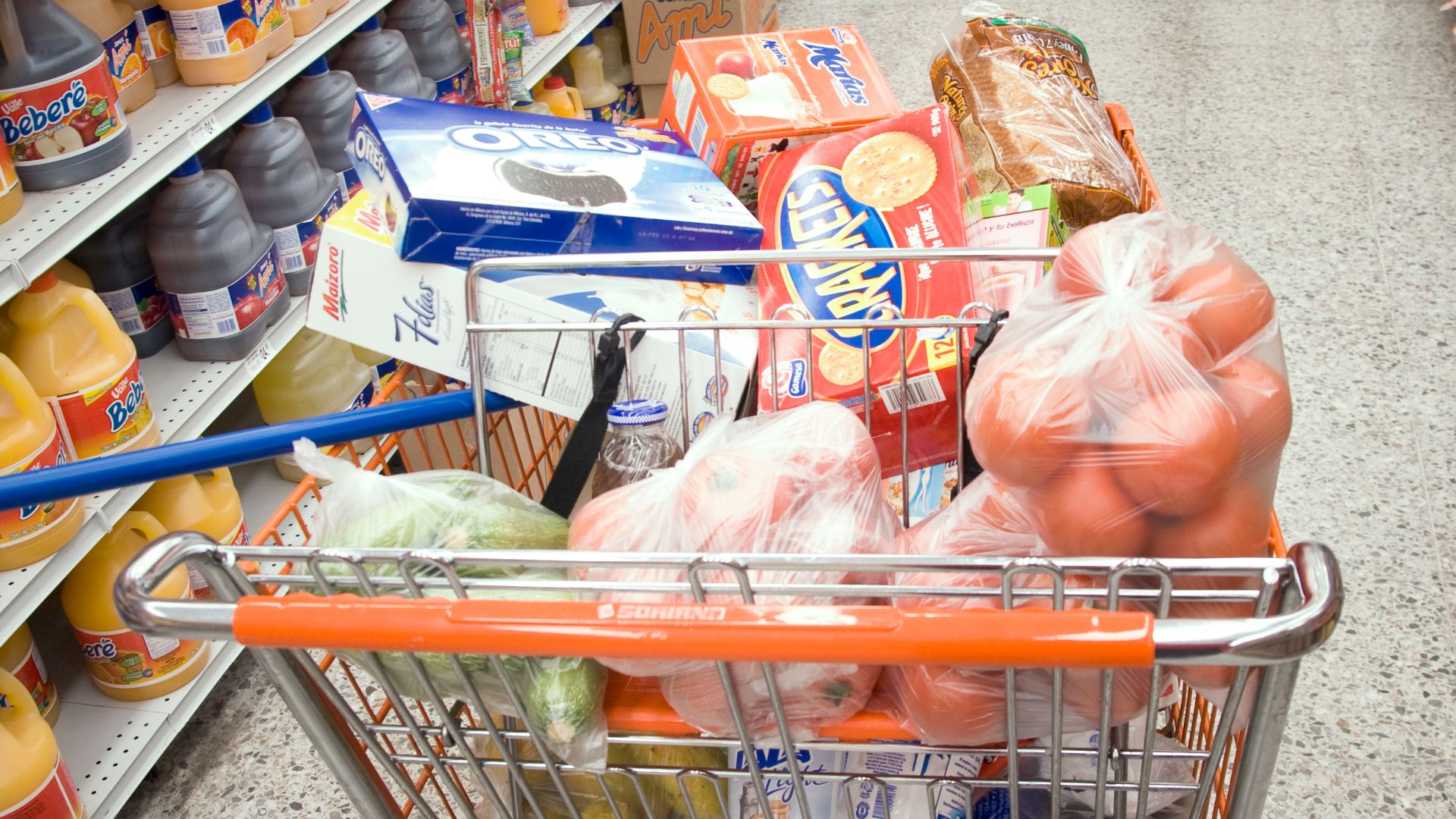
Stocking the basement with sale-priced staples is classic household thrift, but bigger is not automatically cheaper. The EPA warns that large quantities and buy-one-get-one promotions save money only when the household actually consumes the food before it spoils. Bulk buying works best for products you already use consistently.
 sari dennise from Mexico, D.F., Mexico, Wikimedia Commons
The Freezer Is A Savings Tool
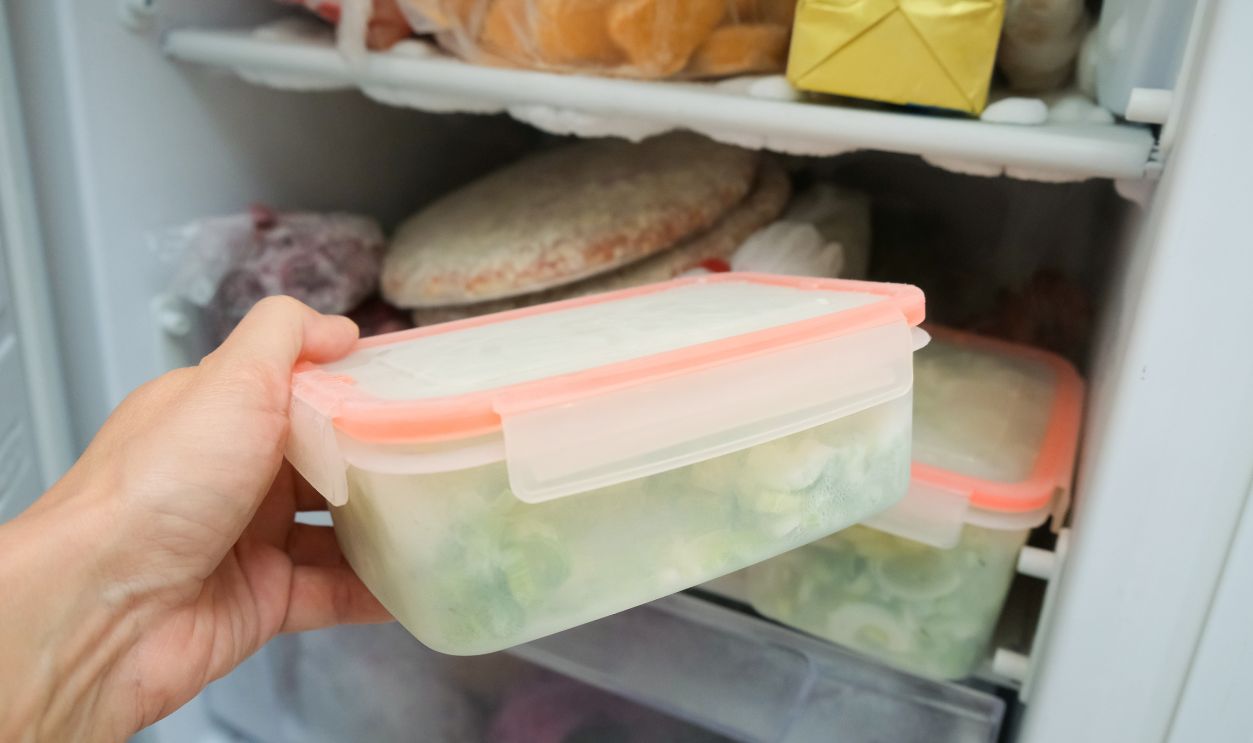
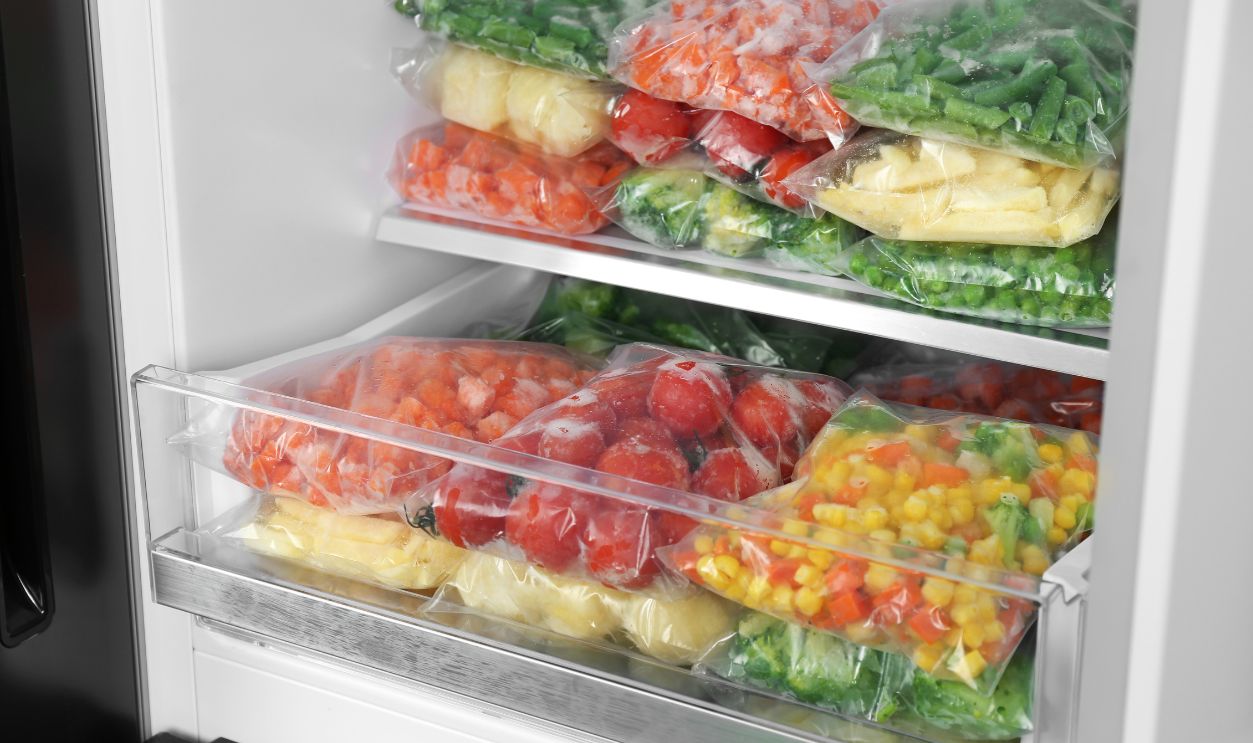
A freezer lets shoppers preserve sale purchases and portions that otherwise might spoil. USDA says almost any food can be frozen, and food continuously stored at 0 degrees Fahrenheit remains safe, although quality can decline over time. That makes freezing especially useful when a good deal produces more food than you can eat immediately.
Batch Cooking Saves Future Dinners
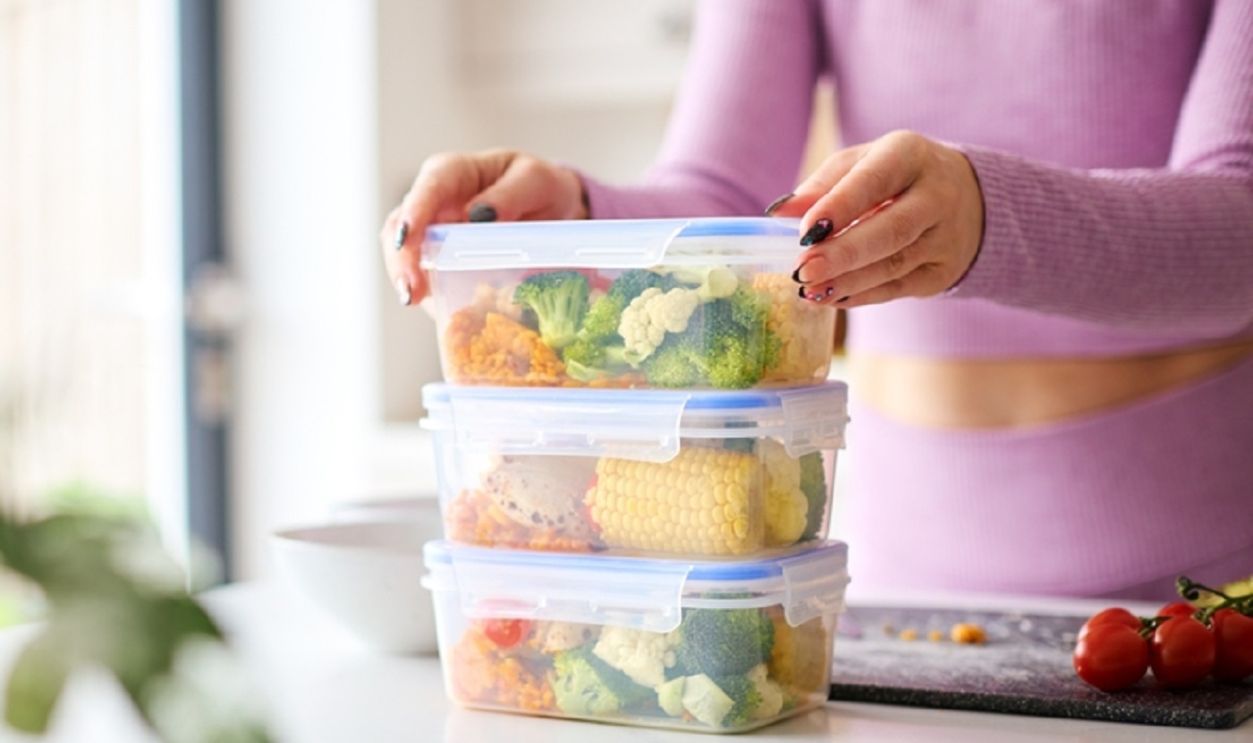
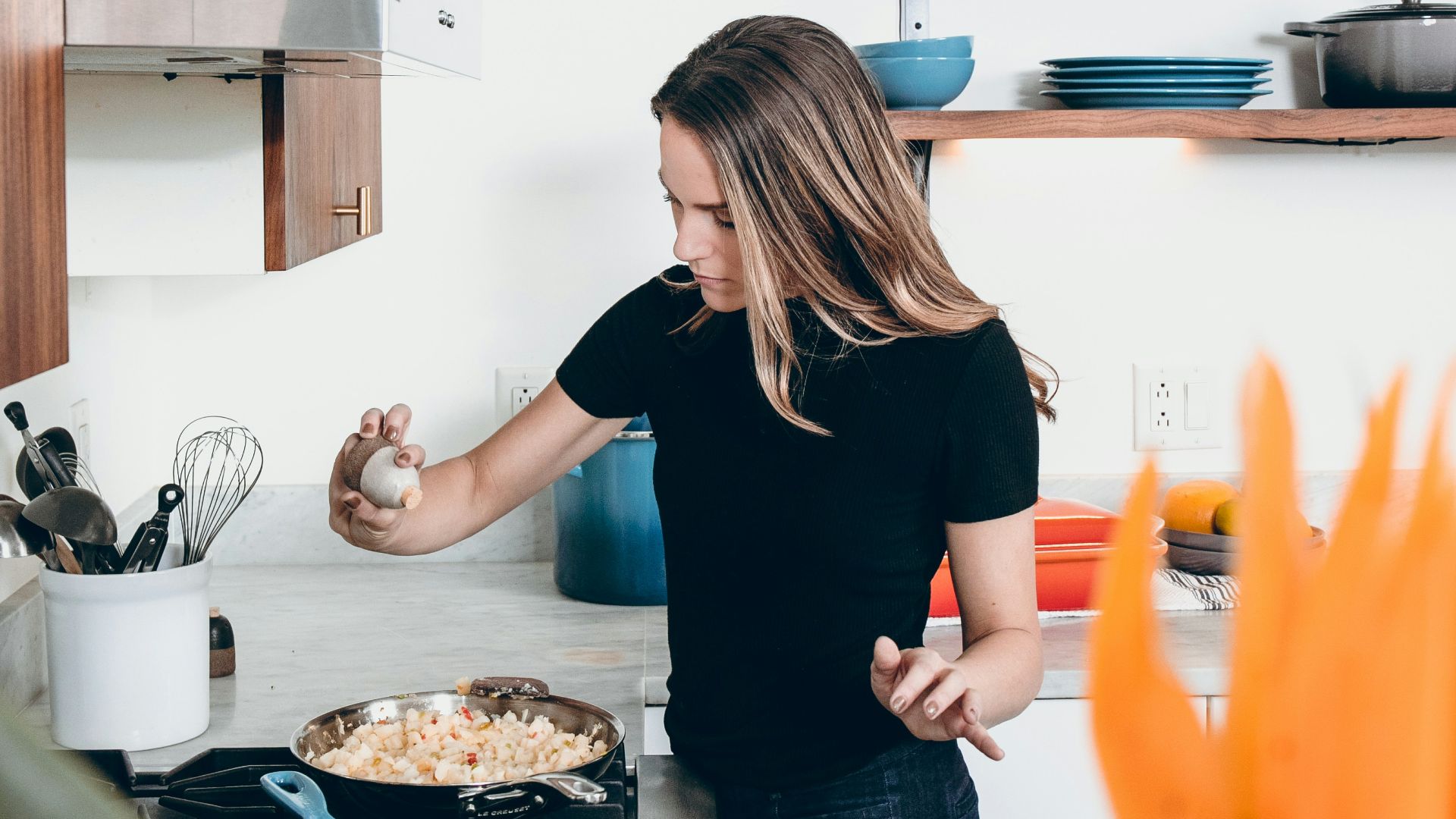
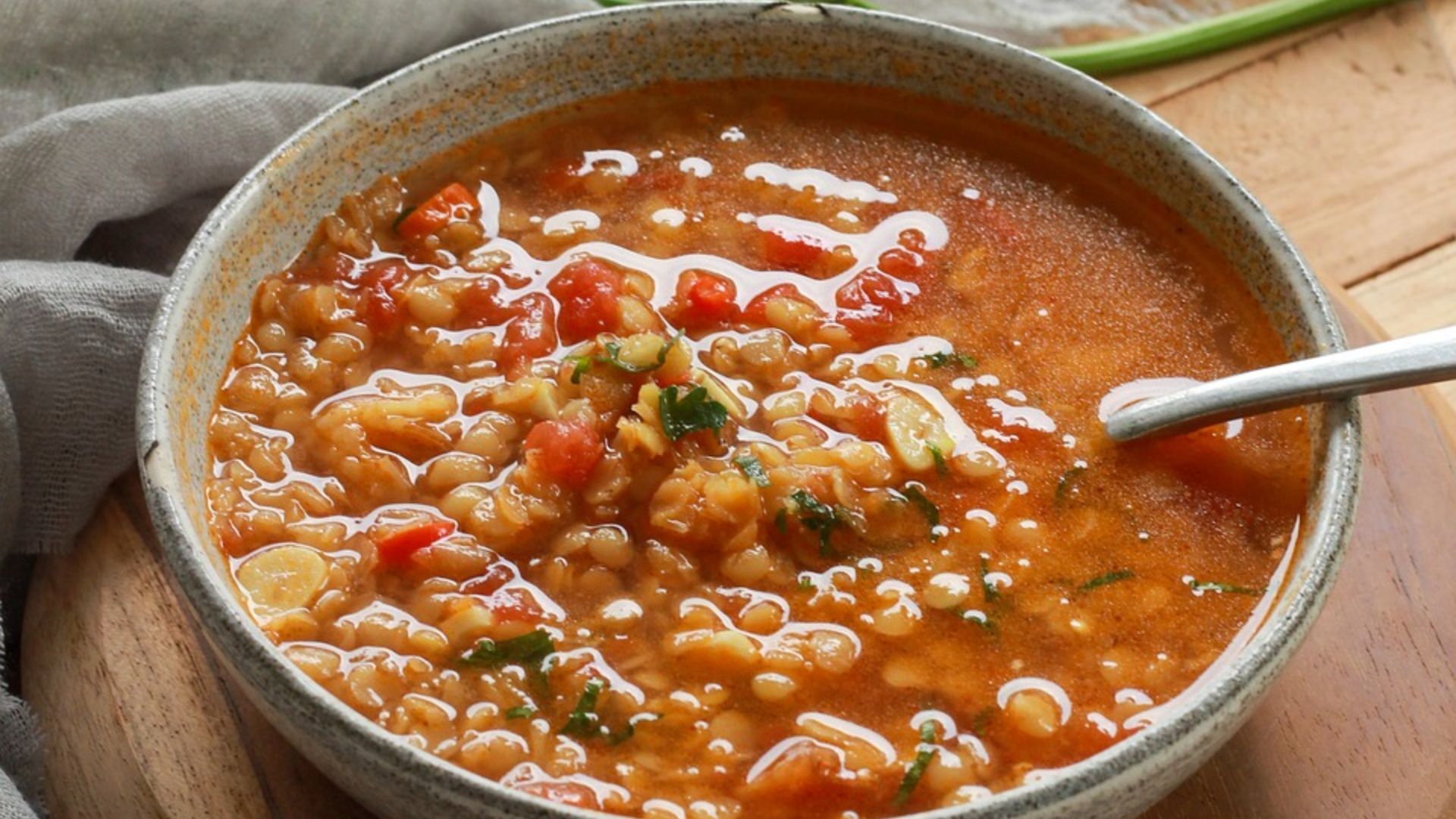
Cooking a large pot of soup, rice, pasta, or another staple is hardly a new idea. USDA’s MyPlate savings guidance recommends preparing larger batches and setting aside portions for future meals. When dinner is already waiting in the refrigerator or freezer, an expensive last-minute food purchase becomes easier to avoid.
 Monkey Business Images, Shutterstock
Leftovers Are Having A Moment
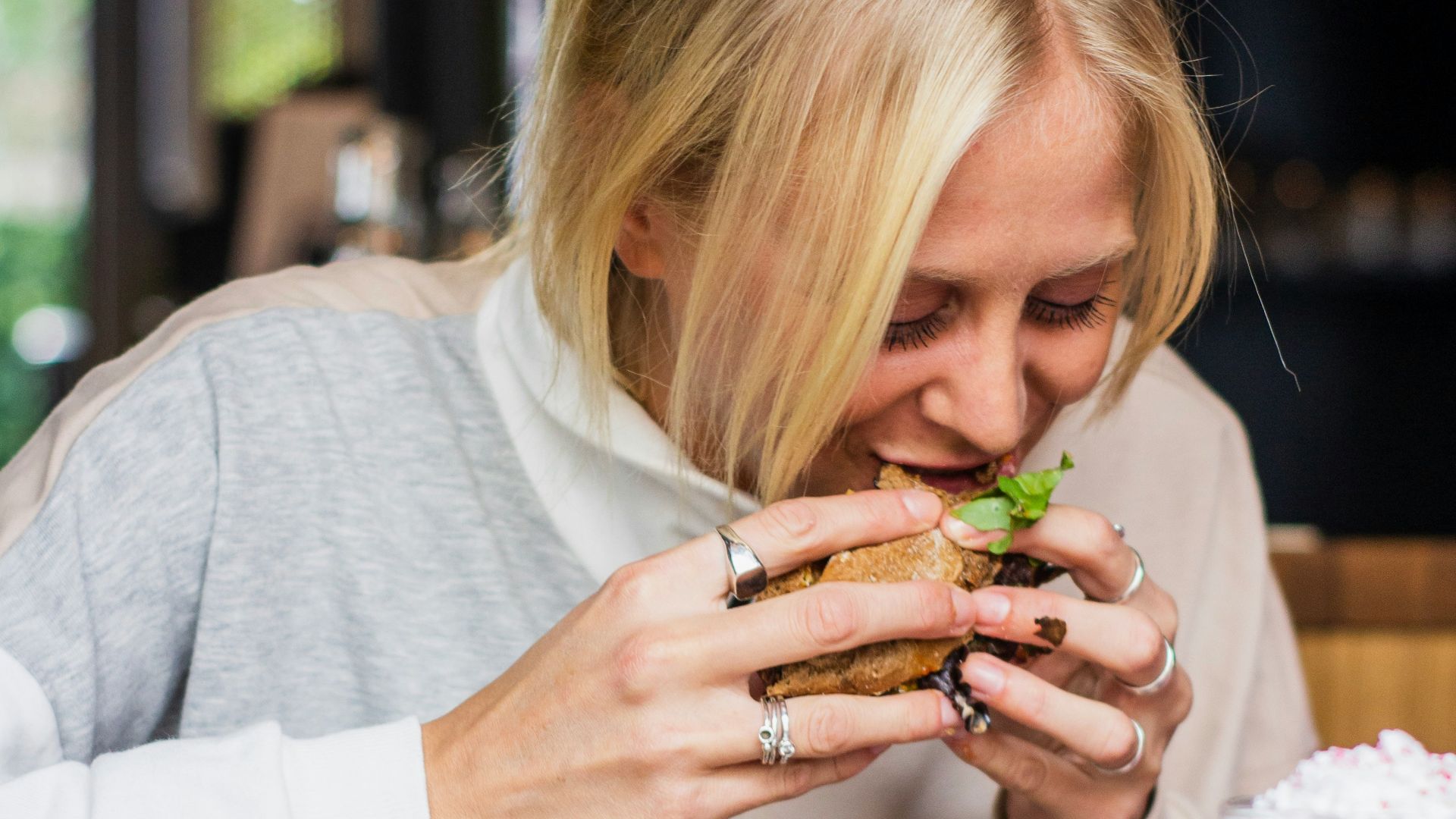
Perhaps no old-fashioned habit has returned more dramatically than eating yesterday’s dinner. A 2025 consumer survey cited by The Wall Street Journal found that 49% of respondents said they were eating more leftovers than six months earlier, a record for the survey. Persistent grocery costs were one of the forces driving the shift.
Turn Leftovers Into Something New
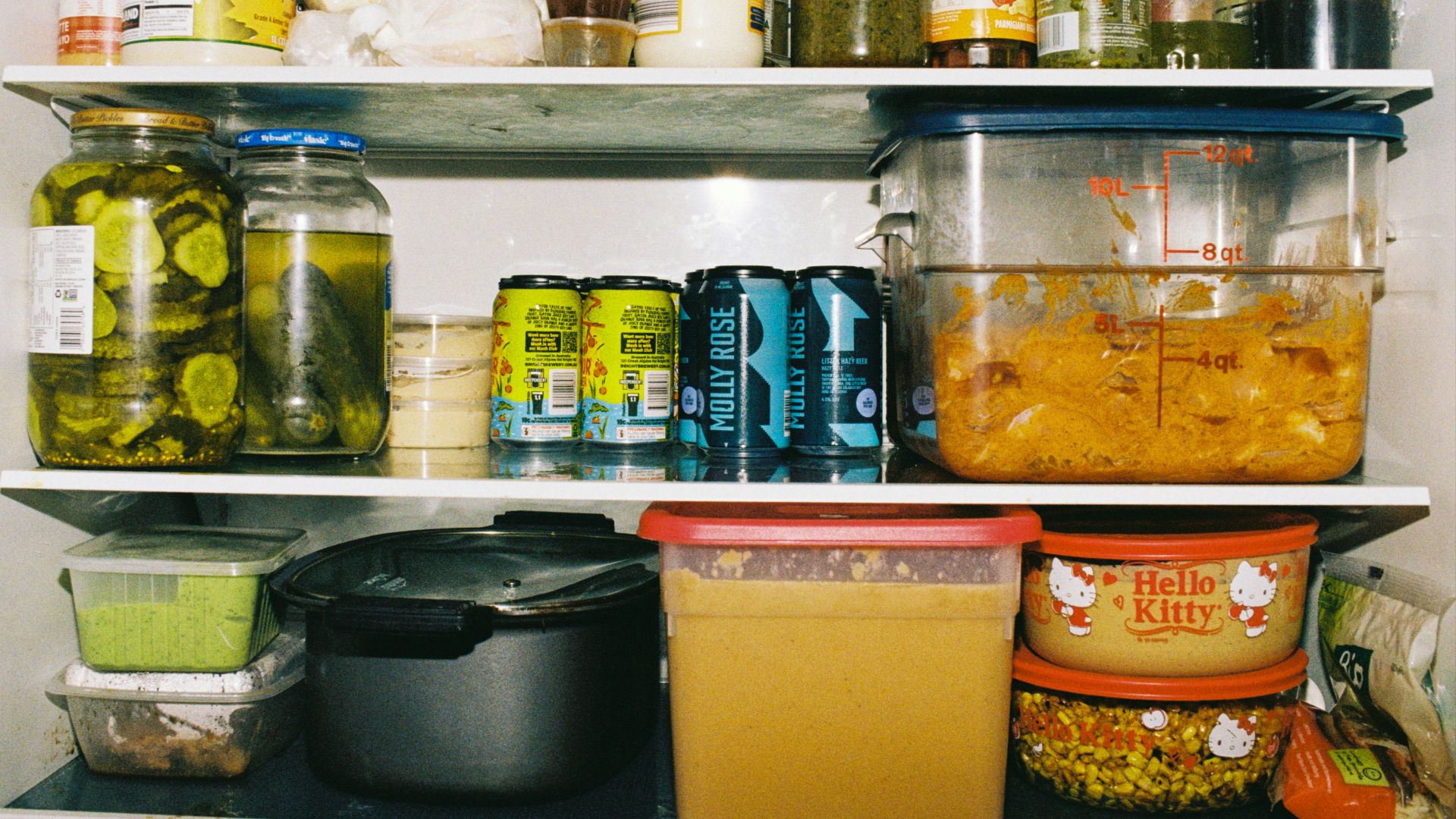
Eating leftovers does not have to mean serving the exact same plate three nights in a row. USDA suggests deliberately planning to reuse leftovers and transforming core ingredients into different meals throughout the week. The financial logic is simple because food you already paid for is cheaper than replacing it.
Keep Leftovers Safe
Frugality should never come at the expense of food safety. USDA advises refrigerating cooked leftovers promptly and generally using refrigerated leftovers within three to four days. Leftovers can also be frozen when you know you will not finish them quickly enough.
Cooking From Scratch Is Returning
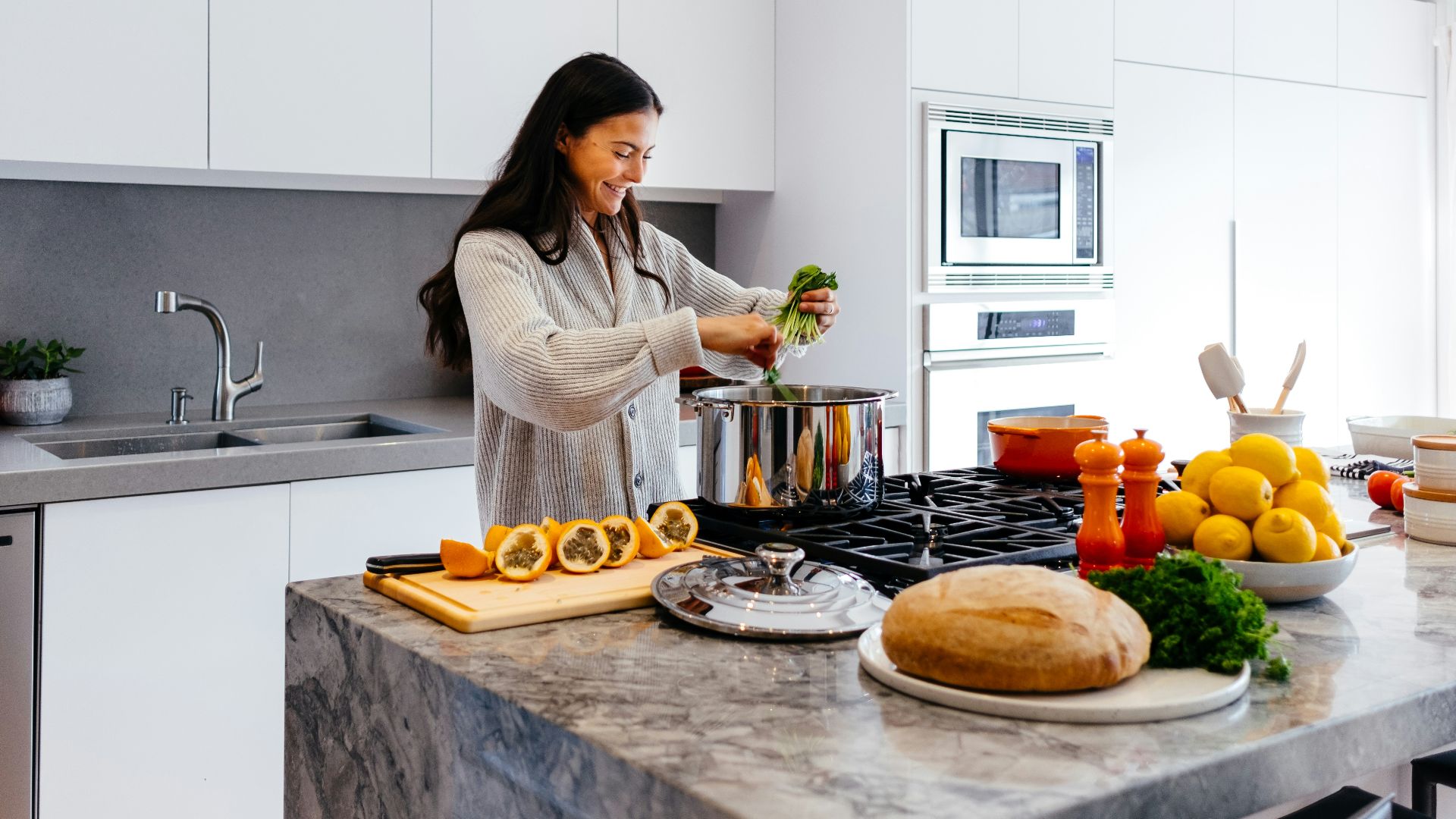
Prepared foods won generations of shoppers with speed and convenience, but high prices are nudging some households back toward basic ingredients. The Wall Street Journal reported that major food companies have observed more consumers cooking from scratch as economic pressure persists. Even seasoning companies have reported stronger interest connected with home cooking.
Pantry Staples Stretch The Budget
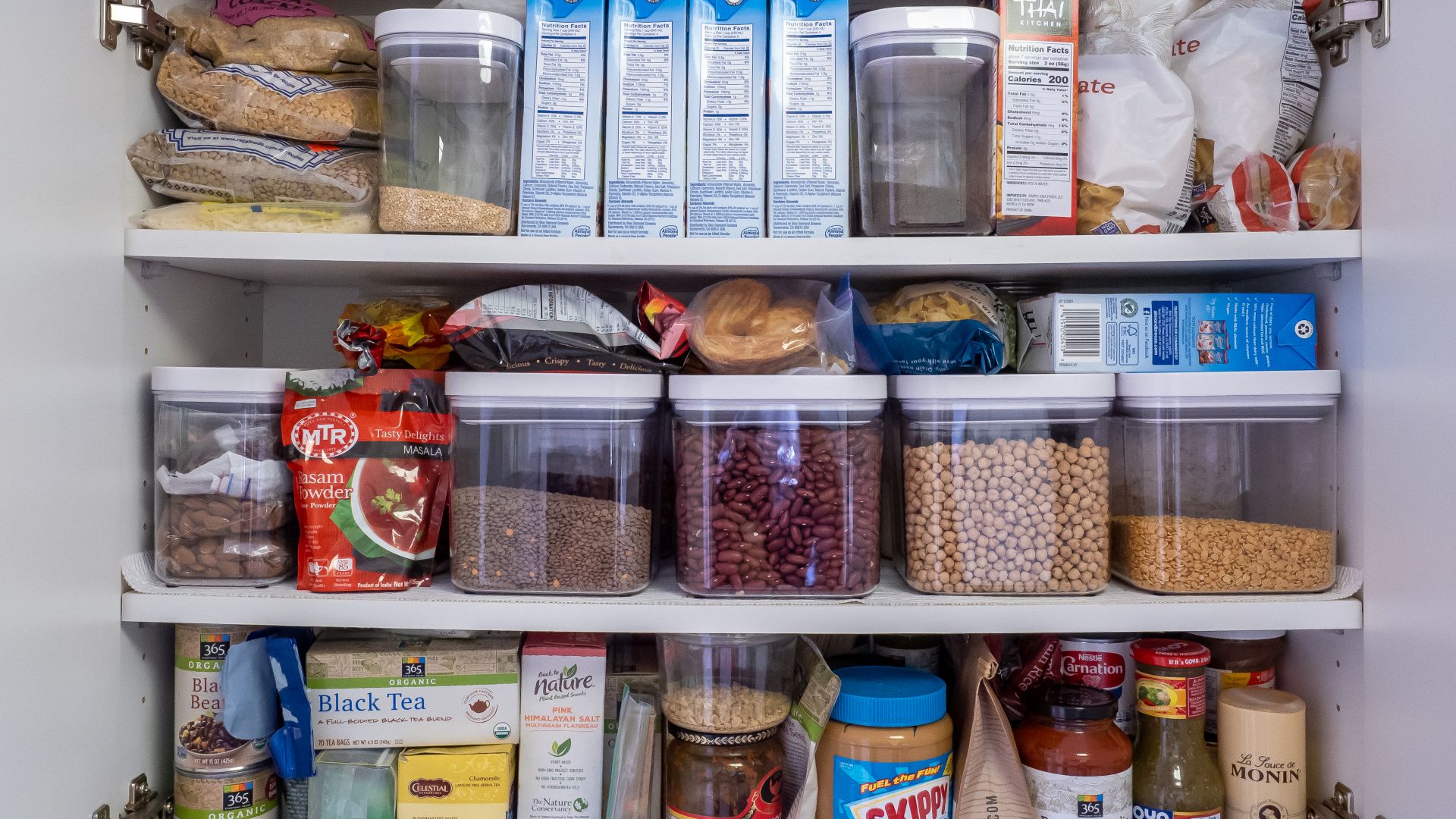
Rice, pasta, oatmeal, canned fish, peanut butter, beans, potatoes, and similar basics have long anchored inexpensive home meals. USDA’s MyPlate savings materials identify several of these foods as lower-cost choices or useful pantry staples. Keeping versatile ingredients around also makes it easier to turn leftover vegetables or proteins into another meal.
 Ajay Suresh from New York, NY, USA, Wikimedia Commons
Beans Can Replace Some Meat
Beans, peas, and lentils belong to USDA’s Protein Foods Group along with meat, poultry, seafood, eggs, nuts, and soy products. MyPlate also lists beans among lower-cost foods and useful shelf-stable staples. With beef prices remaining particularly elevated in 2026, rotating other protein sources into the menu can give the grocery budget more flexibility.
Fresh Is Not The Only Option
Old pantries relied heavily on canned and frozen foods because they lasted. USDA recommends planning a mixture of fresh, frozen, and shelf-stable foods, using fresh products first and keeping longer-lasting items for later meals. This approach can reduce the number of expensive ingredients that spoil before anyone eats them.
Loyalty Programs Replace The Punch Card
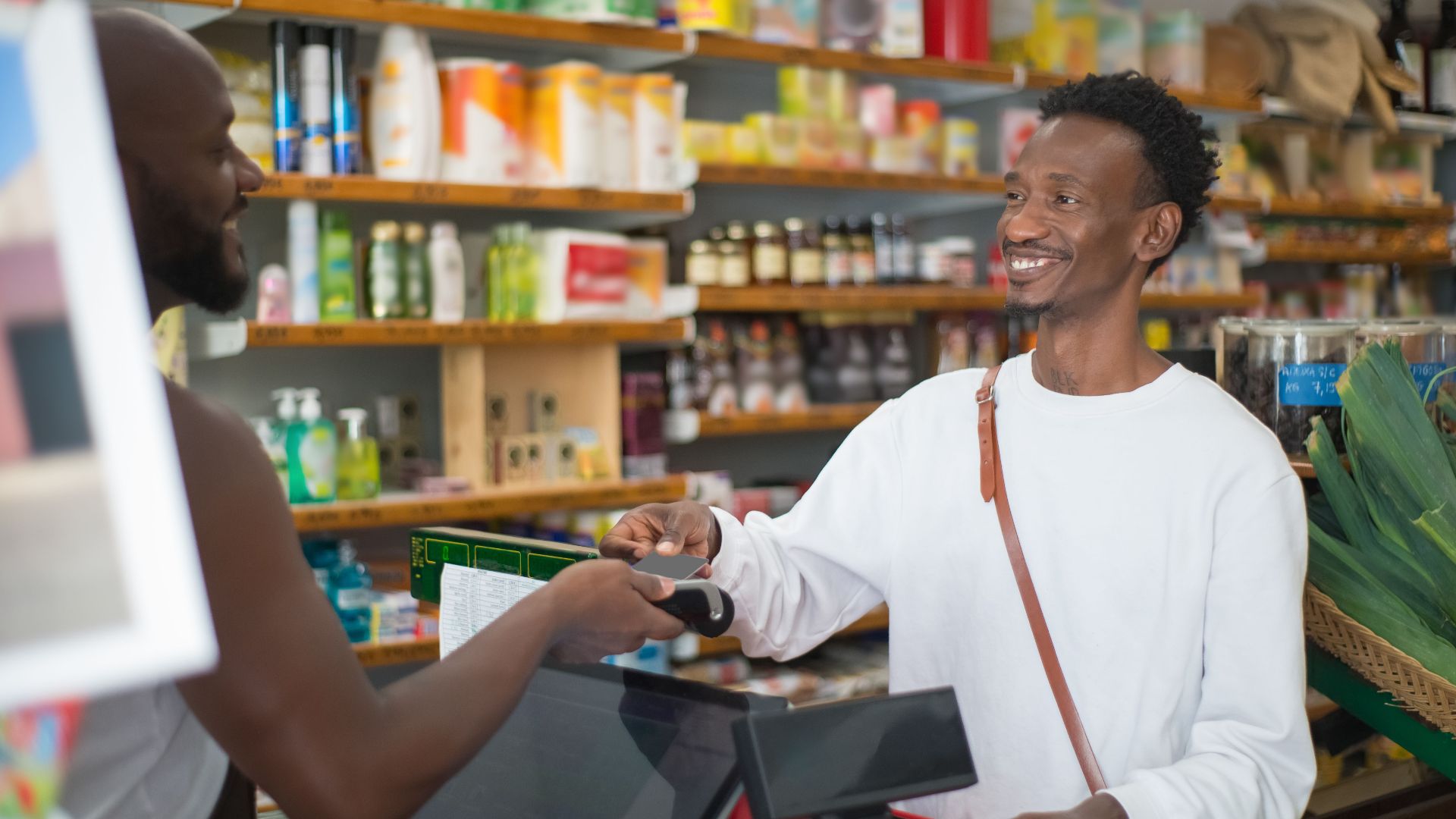
The tools have changed, but rewarding repeat shoppers is hardly a new concept. USDA advises joining free grocery loyalty programs to access special offers, coupons, and discounts. The important part is using the program to discount things you already planned to buy rather than treating every promotion as permission to spend.
Stop Shopping Hungry
This might be the oldest grocery advice of all. USDA MyPlate specifically recommends eating before shopping because hunger can encourage impulse purchases and make it harder to stick to the plan. Grandma may not have called it behavioral economics, but she probably understood the effect.

Old-School Frugality Still Works
No single habit can undo years of higher grocery prices, especially when food-at-home costs are still rising. The useful comeback is the combination of planning, coupons, comparison shopping, private labels, leftovers, freezing, and deliberate cooking. Those habits require more attention than tossing whatever looks good into the cart, but that extra attention is exactly why they can help.

You May Also Like:
Most people make these mistakes with their money.
10 Ways To Save Money With Your Old Phone