I Cut Meat, But The Total Barely Changed
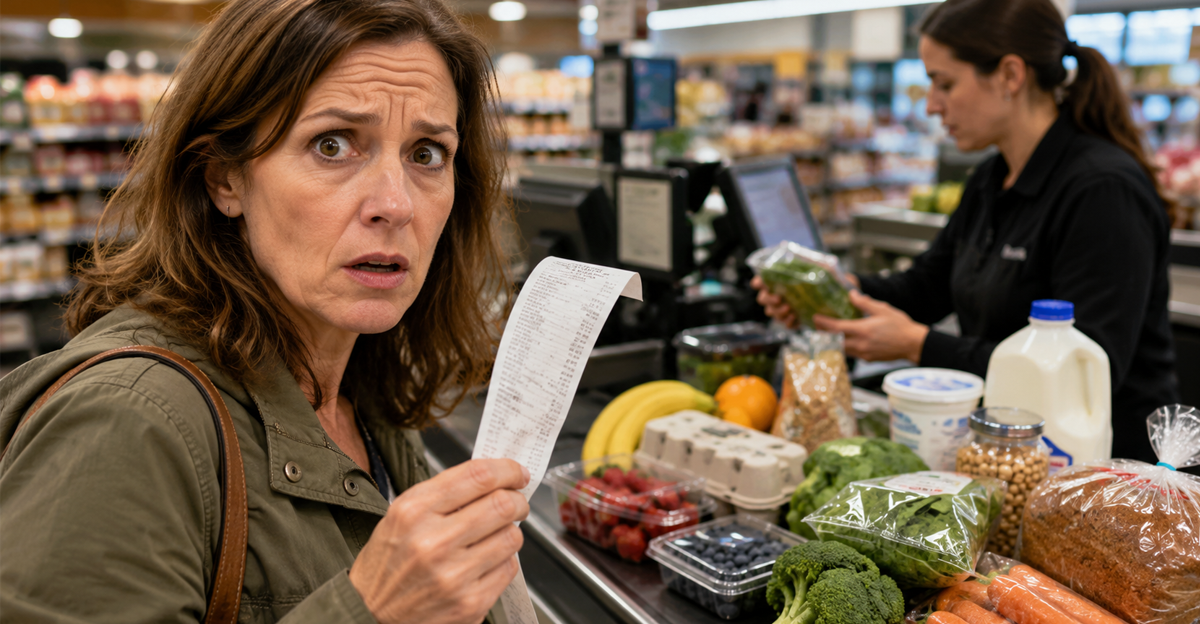
I thought cutting meat out of my grocery cart would finally make a noticeable dent in my food bill. Instead, I stared at the checkout total wondering how it was still so high. I assumed I knew what was driving the increase, but after digging deeper, I realized I had been looking in the wrong place. The biggest reasons my grocery bill kept climbing turned out to be far different from what I expected.
Grocery Prices Are Still Rising
The broader problem is that food-at-home prices have not stopped increasing. USDA’s July 2026 outlook predicts that grocery prices will rise an average of 2.7 percent during 2026, although individual categories can move much more sharply. Slower inflation does not mean prices are returning to where they were several years ago.
Inflation Builds On Earlier Inflation
When economists say grocery inflation has cooled, they are describing how quickly prices are rising now. They are not saying that the increases accumulated during previous years have disappeared. Even modest new increases are being added to an already elevated starting point, which explains why the same cart can still feel unusually expensive.

Fresh Vegetables Have Become A Major Culprit
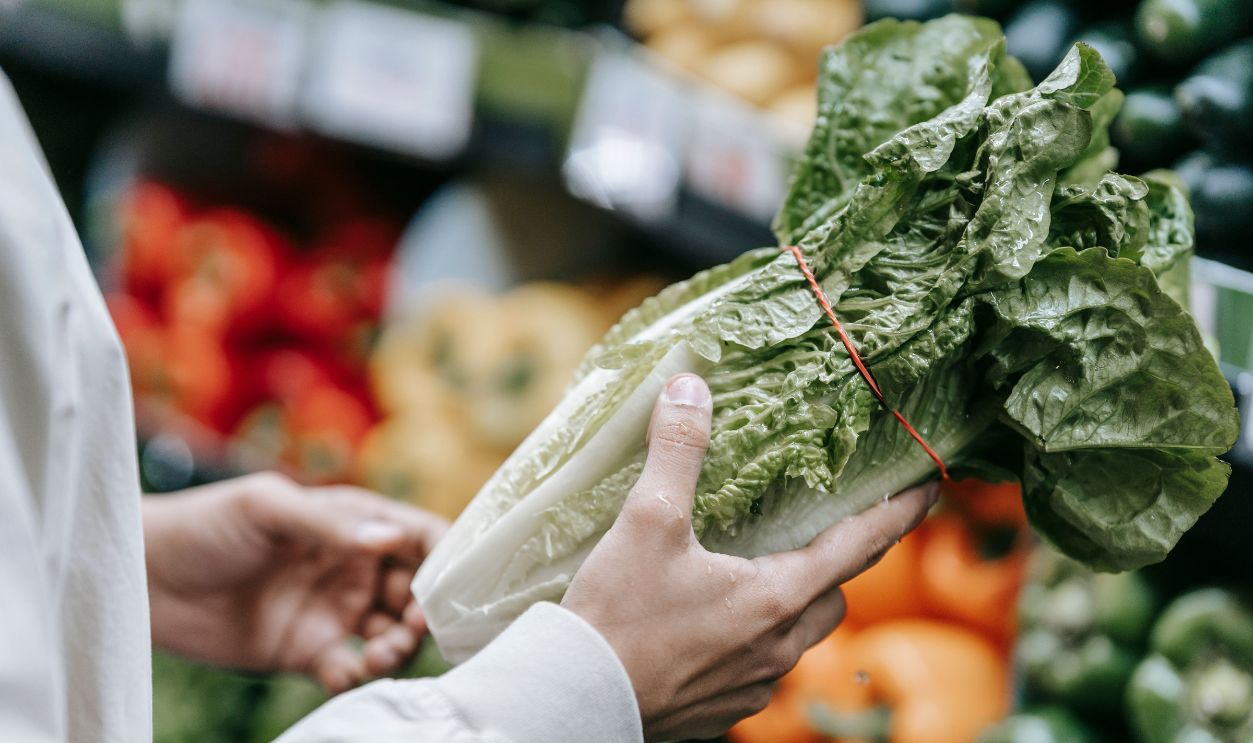
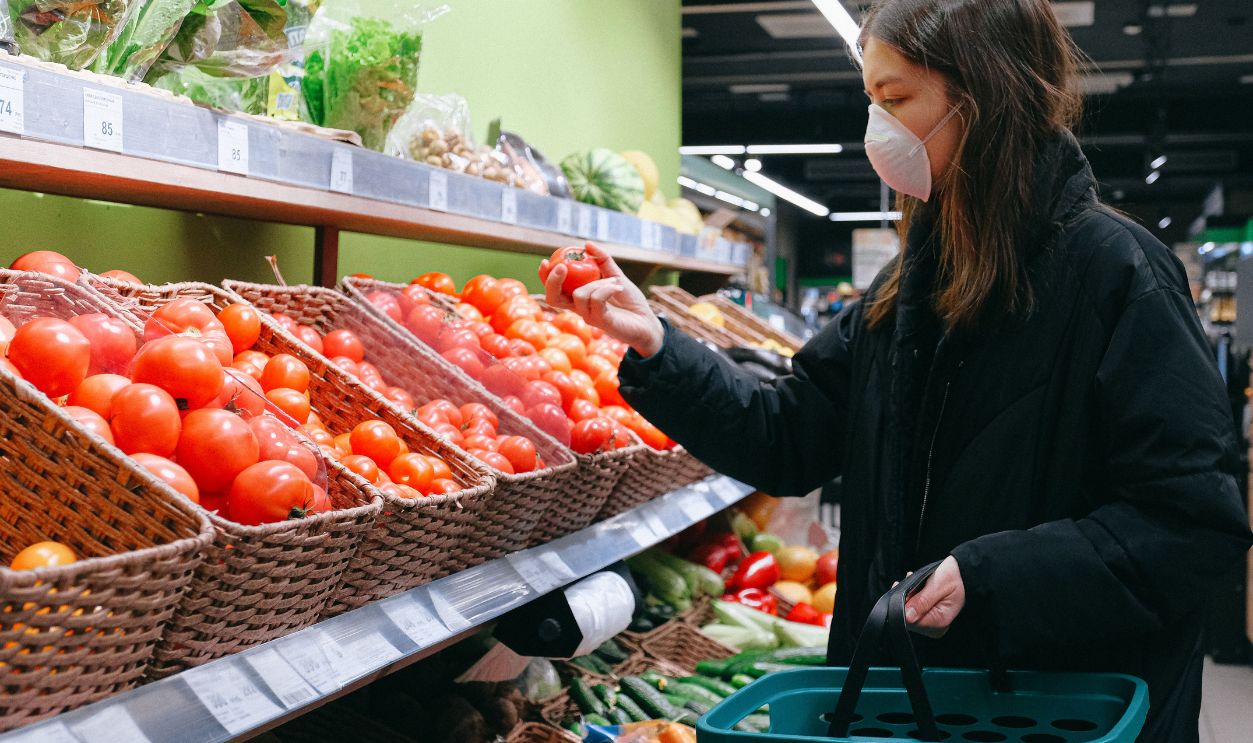
Giving up meat often means buying more vegetables, but that substitution does not guarantee savings. Fresh vegetable prices in June 2026 were 9.9 percent higher than a year earlier, according to USDA. The agency expects the category to rise an average of 6.8 percent during 2026.
Some Produce Prices Are Surging
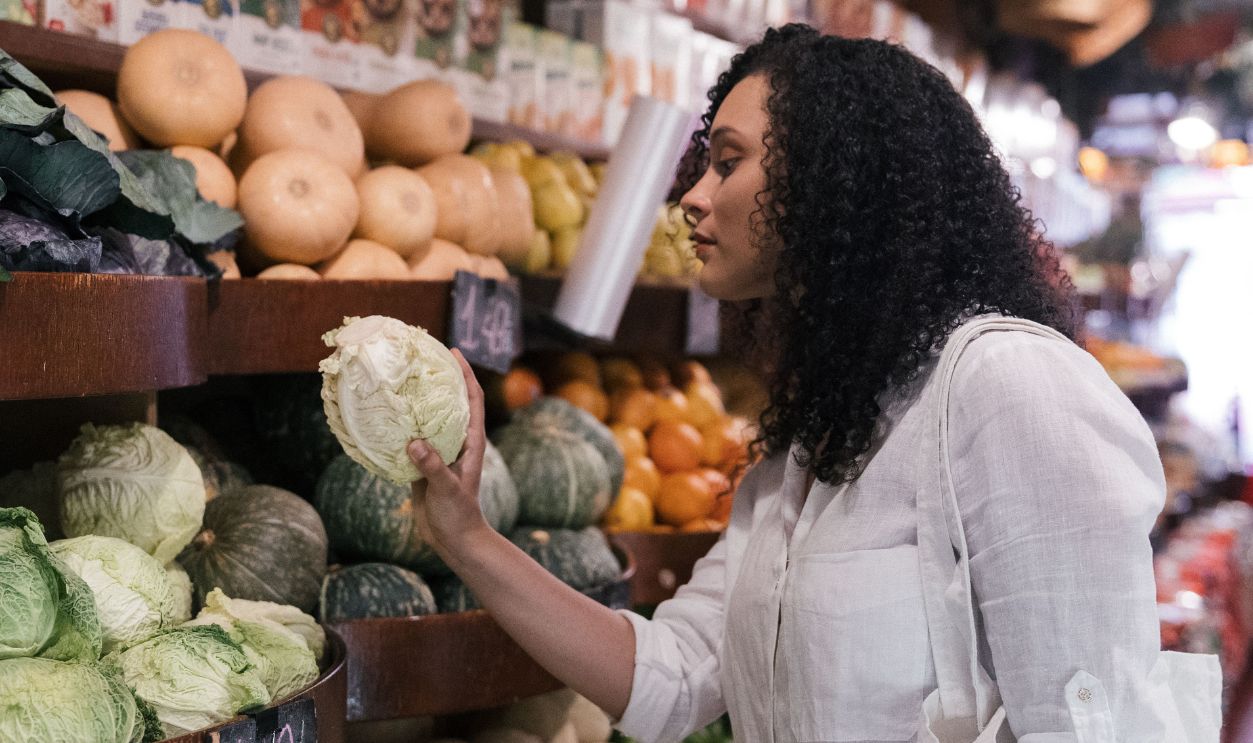
The overall vegetable number hides enormous differences between products. In June 2026, retail lettuce prices were 32.1 percent higher than one year earlier, while tomatoes were up 19.5 percent. Potatoes, by comparison, had risen just 1.4 percent, showing why the specific vegetables you choose can radically change your total.
Weather Can Rewrite Produce Prices
Fruit and vegetable supplies are especially vulnerable to heat, freezes, drought, flooding, pests, and storms. A poor harvest in one major growing region can quickly reduce the amount available to supermarkets. Because fresh produce cannot always be stored for long periods, those disruptions can reach shoppers relatively quickly.
Your Salad May Cost More Than Dinner
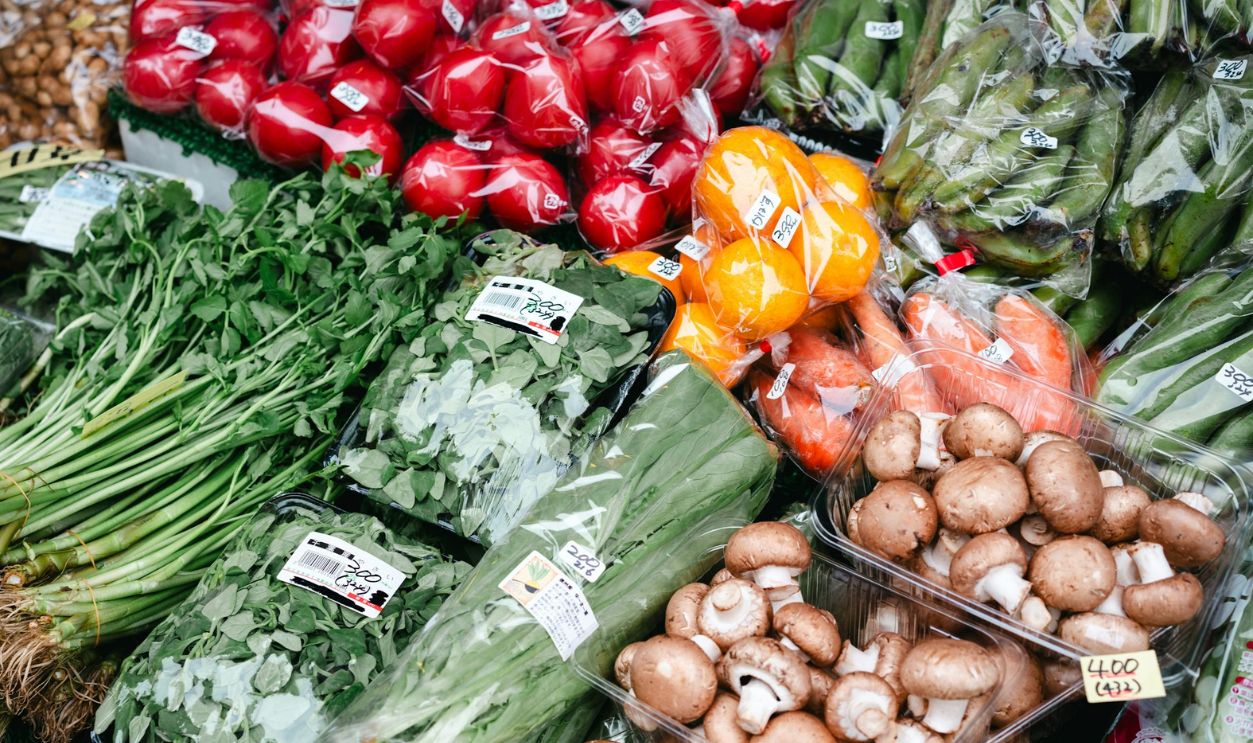
A cart filled with lettuce, tomatoes, berries, herbs, avocados, and precut vegetables may look frugal and healthy. However, those products can carry high prices per pound and may spoil before the household finishes them. A planned meatless meal can therefore become surprisingly expensive when it depends on several delicate ingredients.
Dairy May Be Replacing The Meat
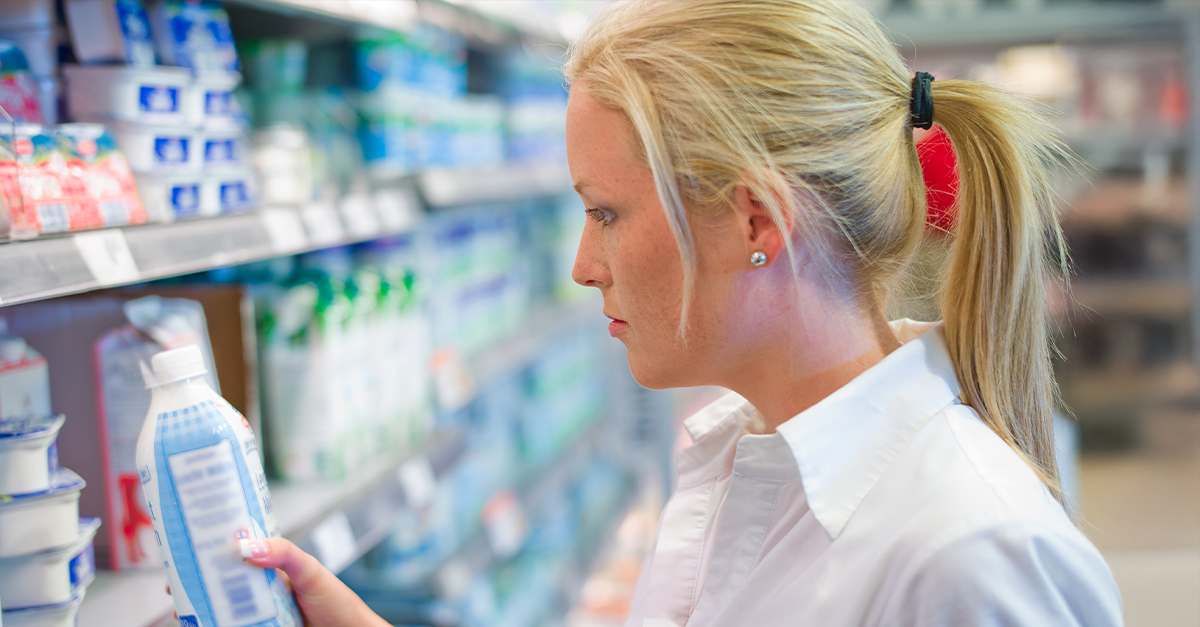
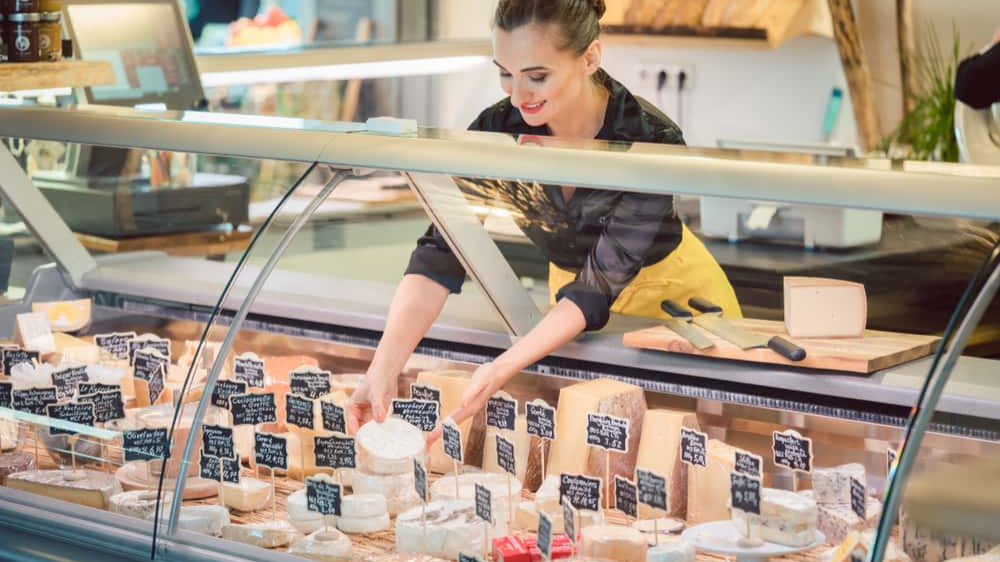
Many people cut meat but compensate with more cheese, milk, yogurt, butter, or cream. That can preserve protein and make vegetarian meals feel satisfying, but dairy is not automatically inexpensive. In June 2026, milk prices were 6.6 percent higher than one year earlier, while cheese and related products were up 5.5 percent.
Cheese Adds Up Quietly
A package of shredded cheese may not appear outrageous on its own. The expense grows when cheese goes into tacos, pasta, sandwiches, salads, casseroles, and snacks throughout the week. Premium cheeses, individually wrapped portions, and pre-shredded products can push that cost even higher.
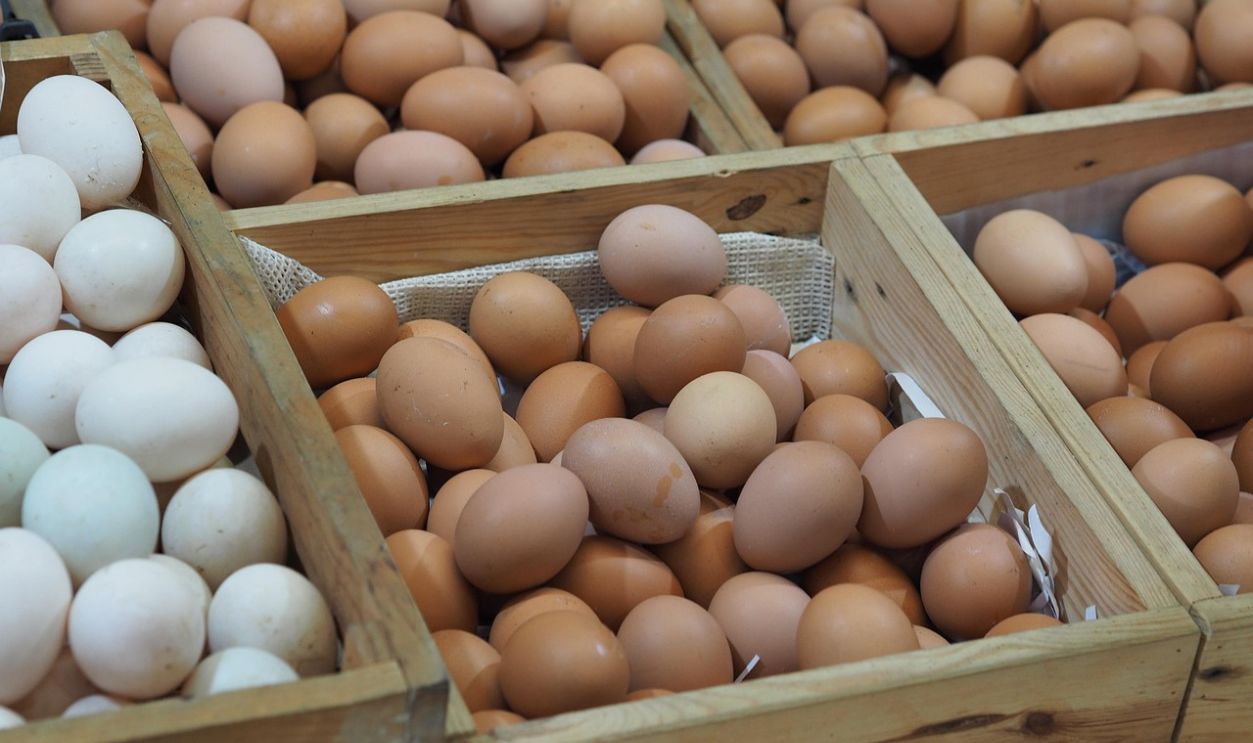
Eggs Are A Volatile Substitute
Eggs are often suggested as an affordable alternative to meat, but their prices can move dramatically when disease affects laying flocks. Prices were substantially lower in June 2026 than one year earlier, and USDA predicts a major annual decline for 2026. Even so, recent volatility shows why building an entire budget around one protein source can backfire.
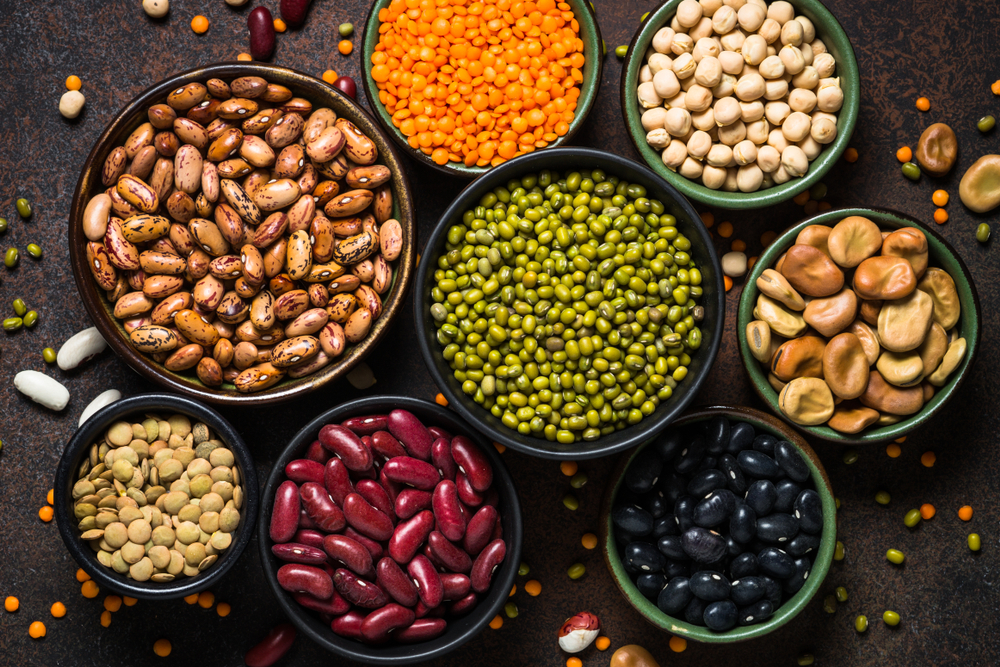
Plant-Based Does Not Always Mean Cheap
Beans, lentils, peas, and tofu can be economical meat substitutes. Packaged meatless burgers, imitation chicken, frozen entrées, and specialty vegan products are a different matter. Those foods involve manufacturing, branding, packaging, refrigeration, and retail costs that can make them comparable to meat or even more expensive.
Convenience Has A Price
Prewashed greens, chopped onions, spiralized vegetables, microwaveable grains, and single-serving snacks save time. They also require extra labor, processing, and packaging before reaching the shelf. Removing even a few convenience products can produce a larger saving than eliminating one additional meat-based meal.
Packaging Is Part Of The Bill
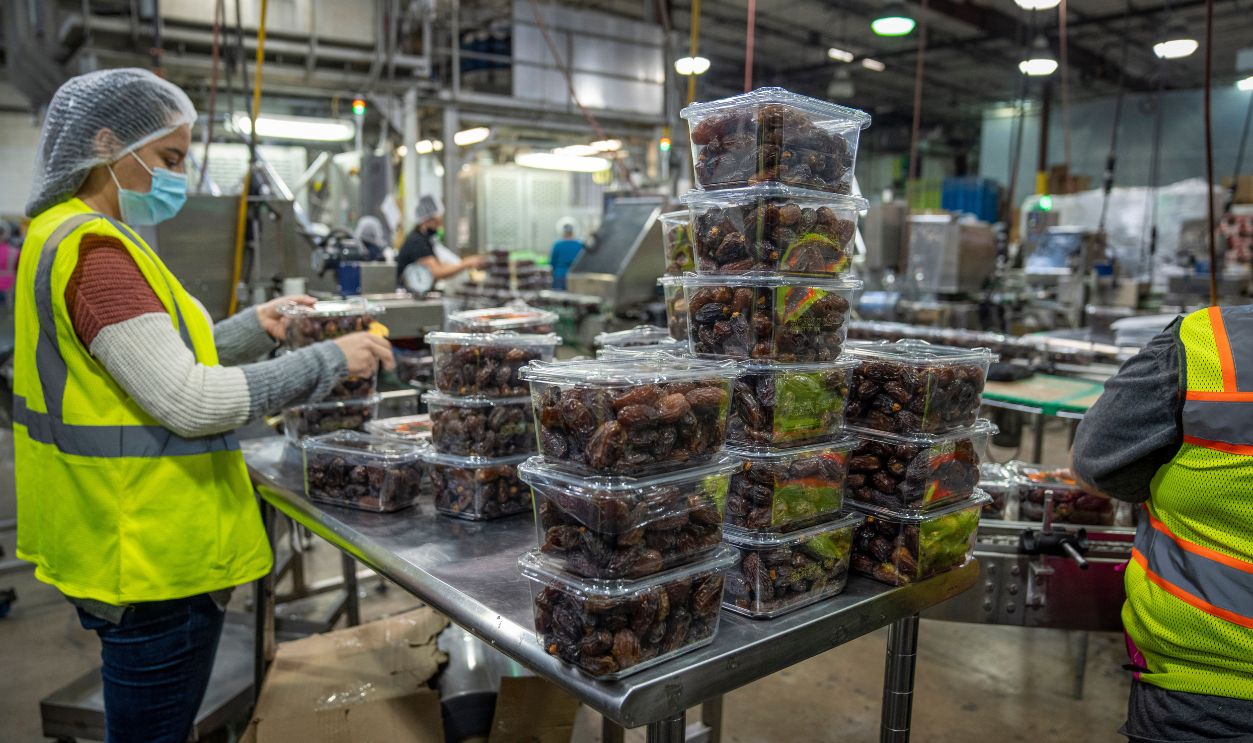
The price of food reflects much more than the crop or ingredient inside the container. USDA’s Food Dollar research tracks costs associated with processing, transportation, wholesale activity, retailing, labor, imported inputs, and other stages of the supply chain. That means a cheap agricultural ingredient can still become an expensive finished product.
The Farmer Receives Only One Share
Shoppers sometimes assume that retail prices closely follow what farmers receive for crops. In reality, the supermarket price also supports the businesses that clean, process, package, ship, display, and sell the product. The more steps between the farm and your plate, the less useful the raw ingredient cost becomes for predicting the final price.
Transportation Costs Reach Every Aisle
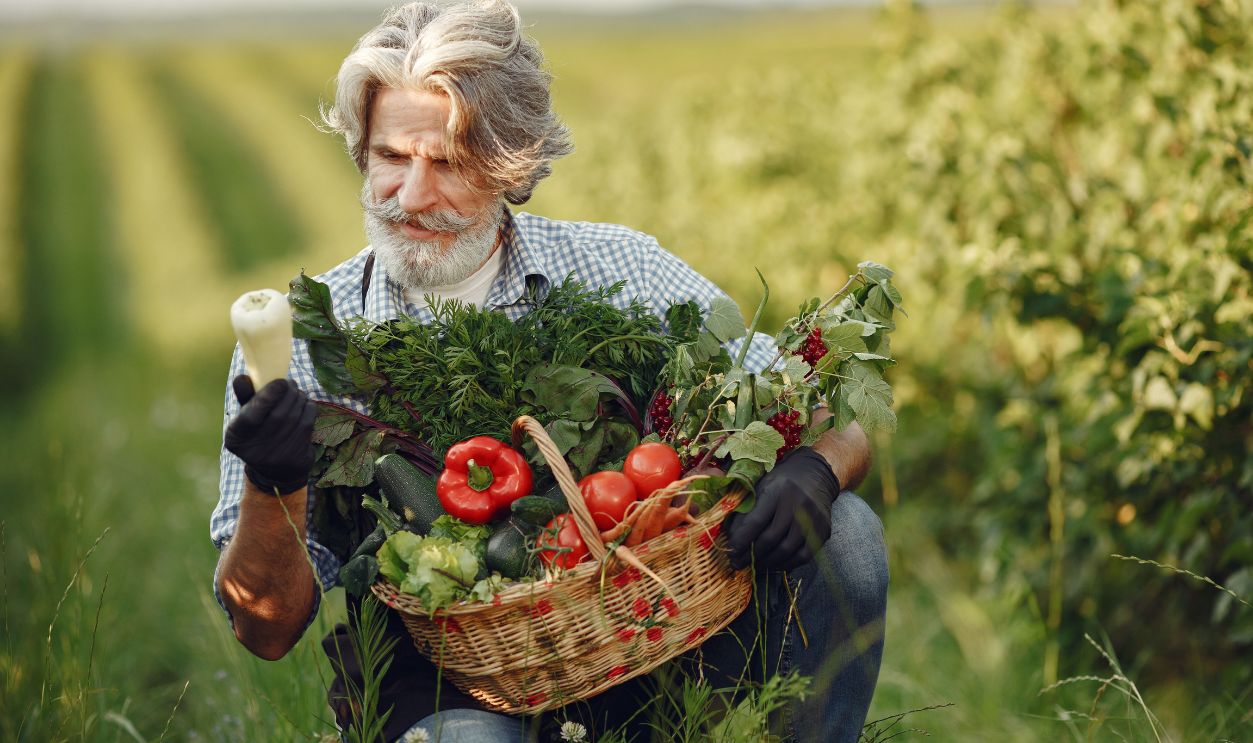
Food must move between farms, factories, warehouses, distribution centers, and stores. Higher fuel and energy costs can affect refrigeration, processing, delivery, and store operations. Even products that contain no meat still rely on trucks, electricity, cooling equipment, and workers throughout that journey.
Labor Costs Matter Too
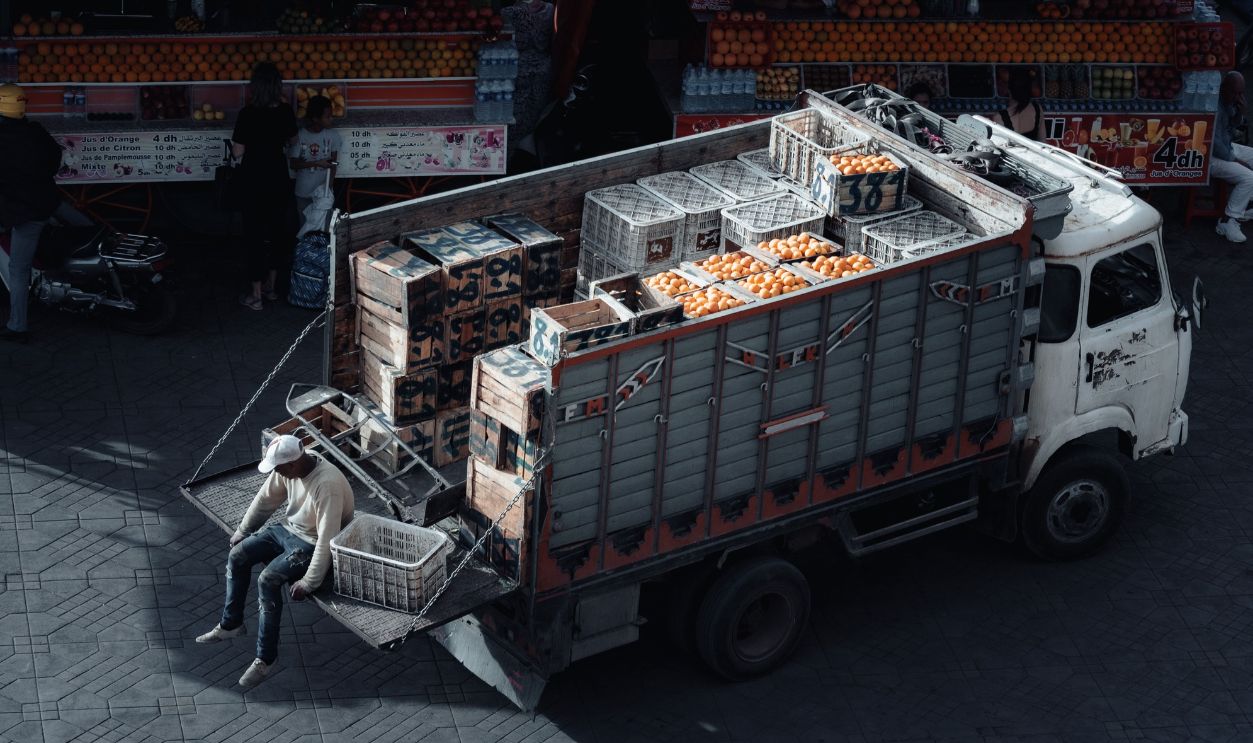
Someone has to harvest the produce, operate the processing plant, load the truck, stock the shelf, and run the checkout. Wages and employee benefits form part of the value added throughout the food system. Those costs are built into everything from a bag of rice to a refrigerated vegetarian entrée.
Imported Ingredients Bring Added Exposure
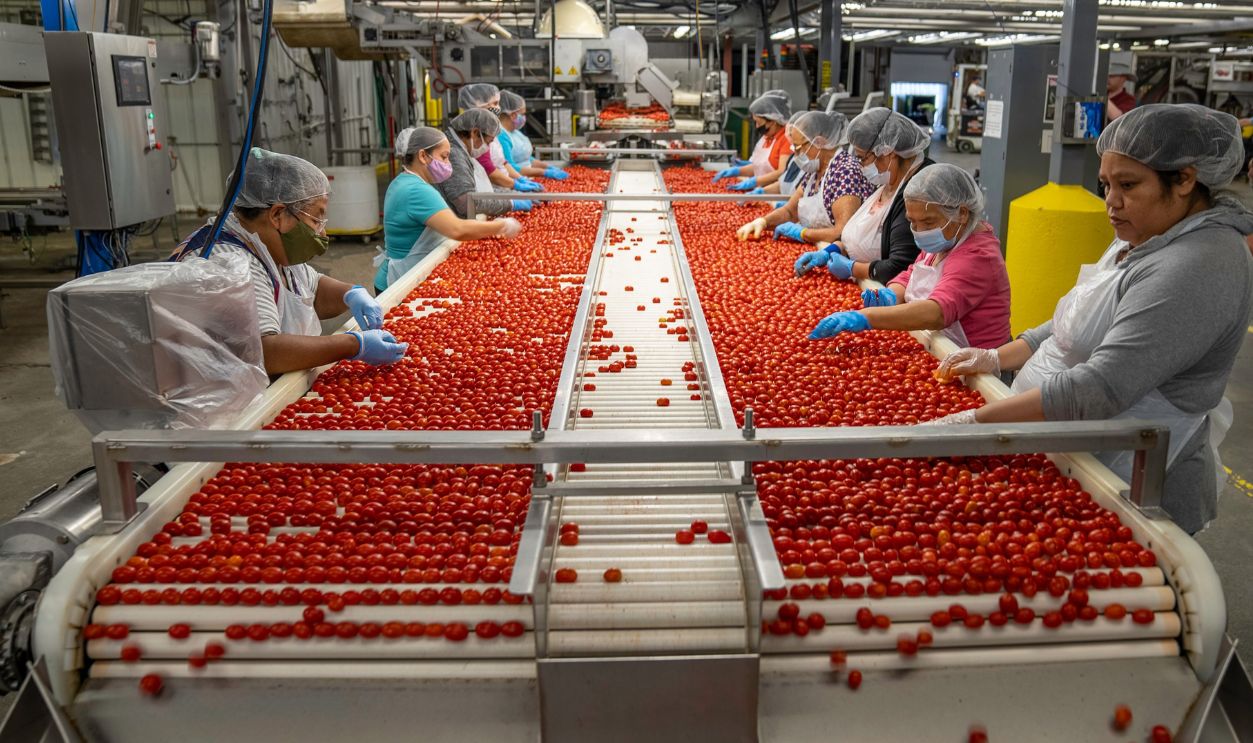
Many foods and packaging materials rely partly on imported products or inputs. Currency movements, shipping disruptions, trade policies, and tariffs can raise costs before an item reaches the supermarket. The Federal Reserve has concluded that tariff increases contributed to higher consumer goods prices during 2025, although the precise effect cannot be isolated directly in official inflation statistics.
Snack Foods Can Swallow The Savings
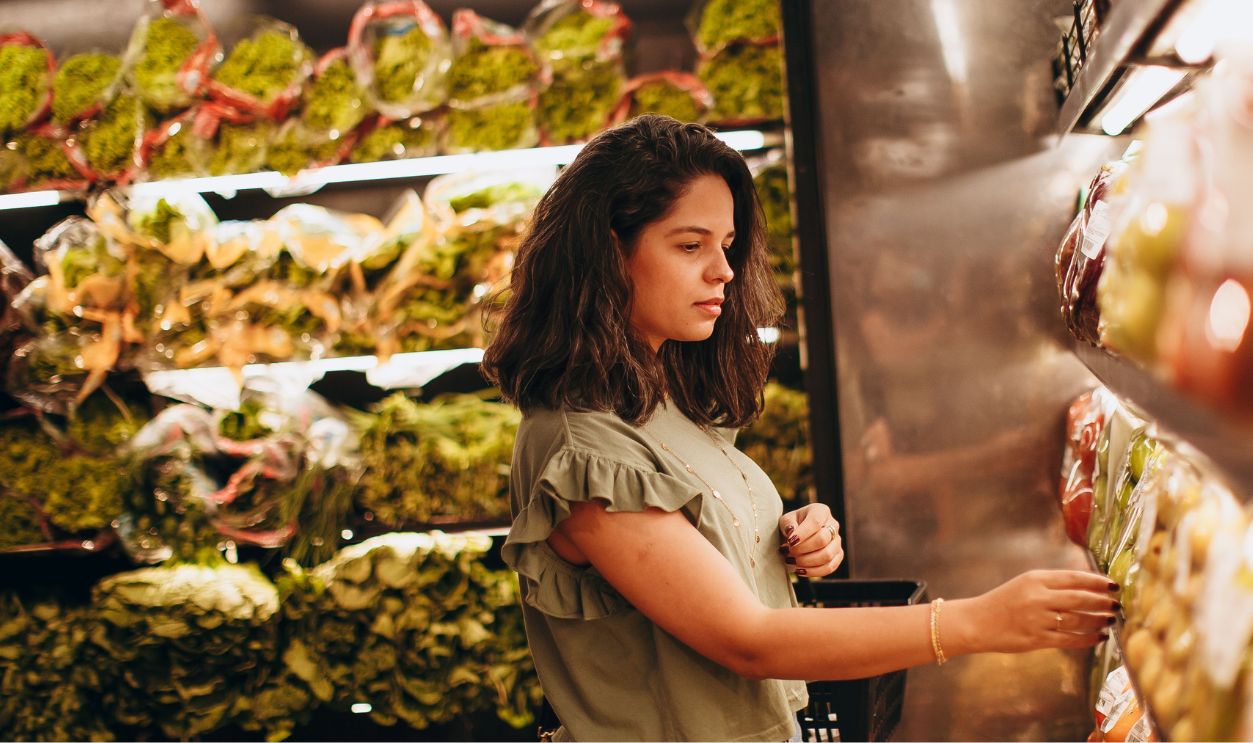
It is easy to focus on dinner while overlooking everything eaten between meals. Chips, granola bars, crackers, cookies, bottled drinks, and individually packaged snacks can account for a substantial share of a weekly cart. Because they are purchased repeatedly and disappear quickly, their cumulative cost can be harder to notice.

Drinks May Be Inflating The Total
Coffee, juice, soda, sparkling water, energy drinks, and plant-based milks can quietly transform a grocery budget. They may not feel like food purchases, especially when bought in separate sections of the store. Tracking them as their own category can reveal whether beverages are consuming the savings created elsewhere.

Meatless Meals Can Become Ingredient Heavy
A simple meat dinner might require a protein, a vegetable, and one starch. A new vegetarian recipe may call for nuts, fresh herbs, multiple vegetables, specialty sauces, cheese, and spices. The meal can still be worthwhile, but buying several ingredients for one recipe may cost more than expected.

Specialty Ingredients Create Pantry Creep
Tahini, nutritional yeast, coconut aminos, premium oils, meat substitutes, and uncommon spices can broaden your cooking options. They can also produce an expensive pantry full of products that are used only once or twice. Before buying one, check whether a less specialized ingredient already in the kitchen can do the same job.
Bulk Buying Can Backfire
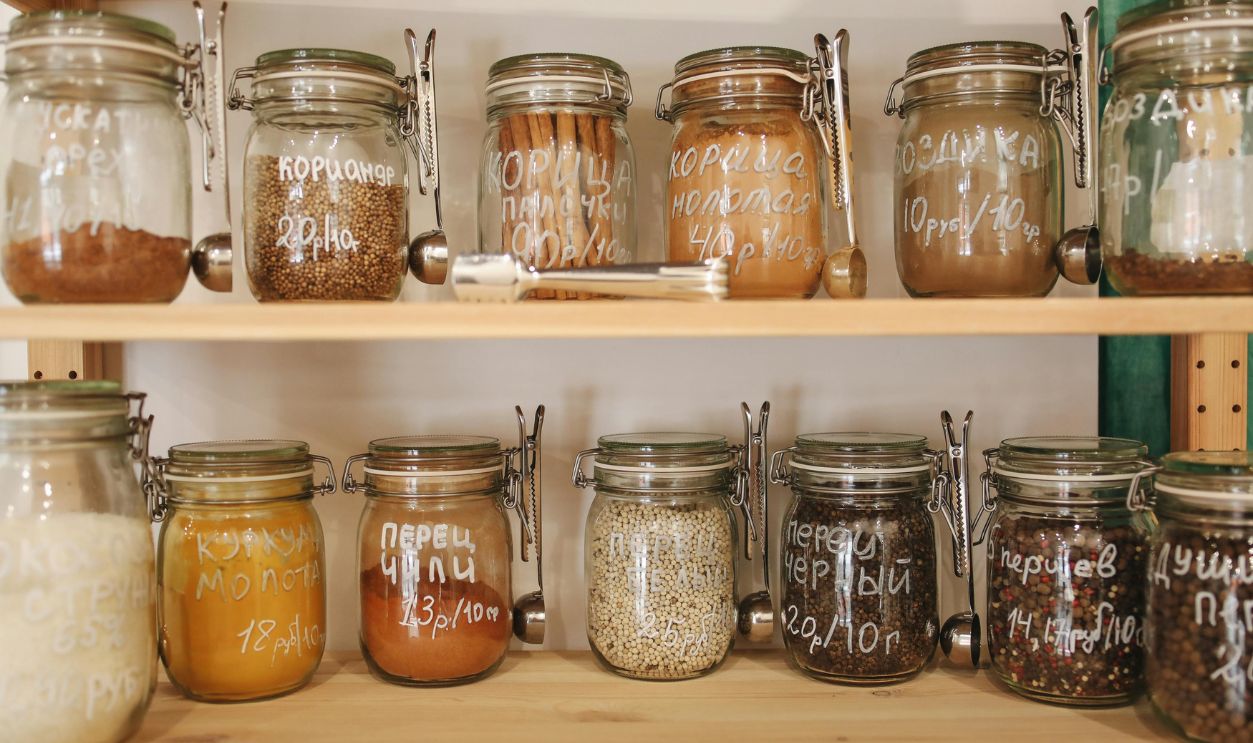
The largest package often has the lowest price per ounce, but it only saves money when the food is actually eaten. A warehouse-sized bag of spinach, nuts, or fruit becomes expensive when part of it spoils. Unit price matters, but expected waste matters too.
Food Waste May Be The Biggest Leak
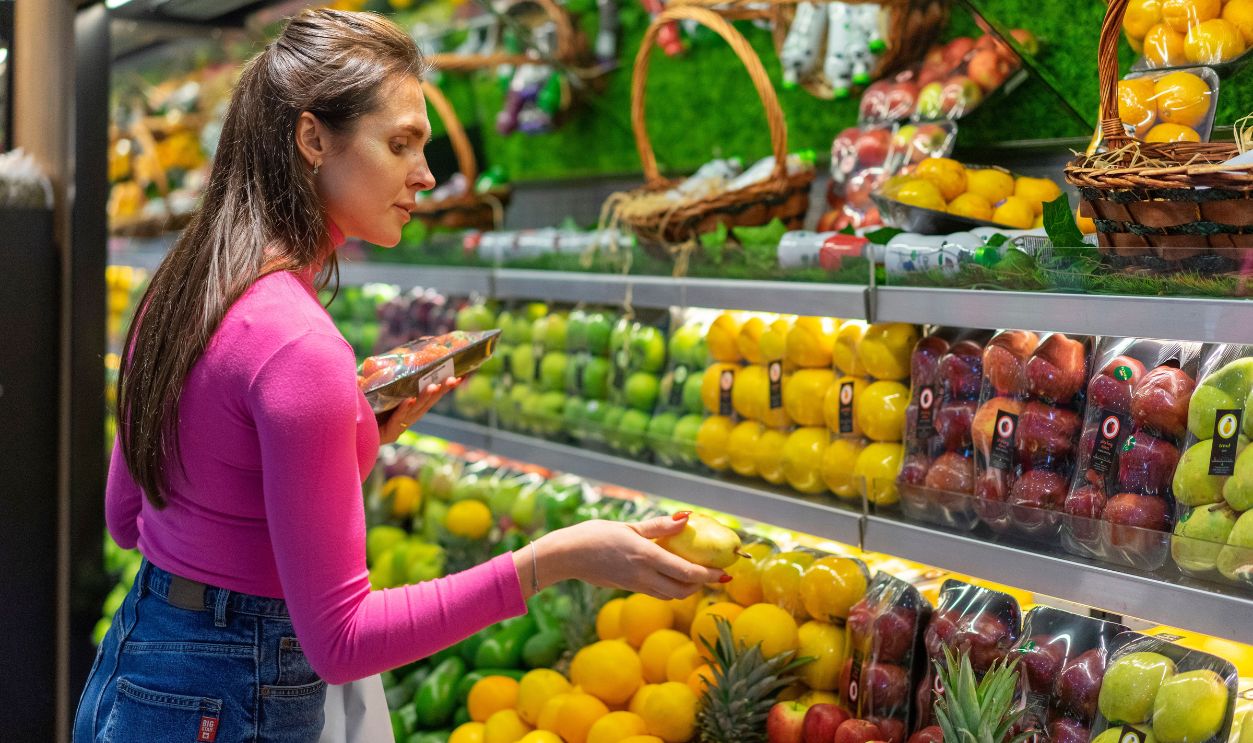
The Environmental Protection Agency estimates that uneaten food costs the average U.S. consumer about $728 per year. For a four-person household, the estimate reaches $2,913 annually, or approximately $56 each week. Fresh vegetables, fruit, dairy, grains, and other meat-free foods all contribute to that loss.
Produce Waste Is Especially Costly
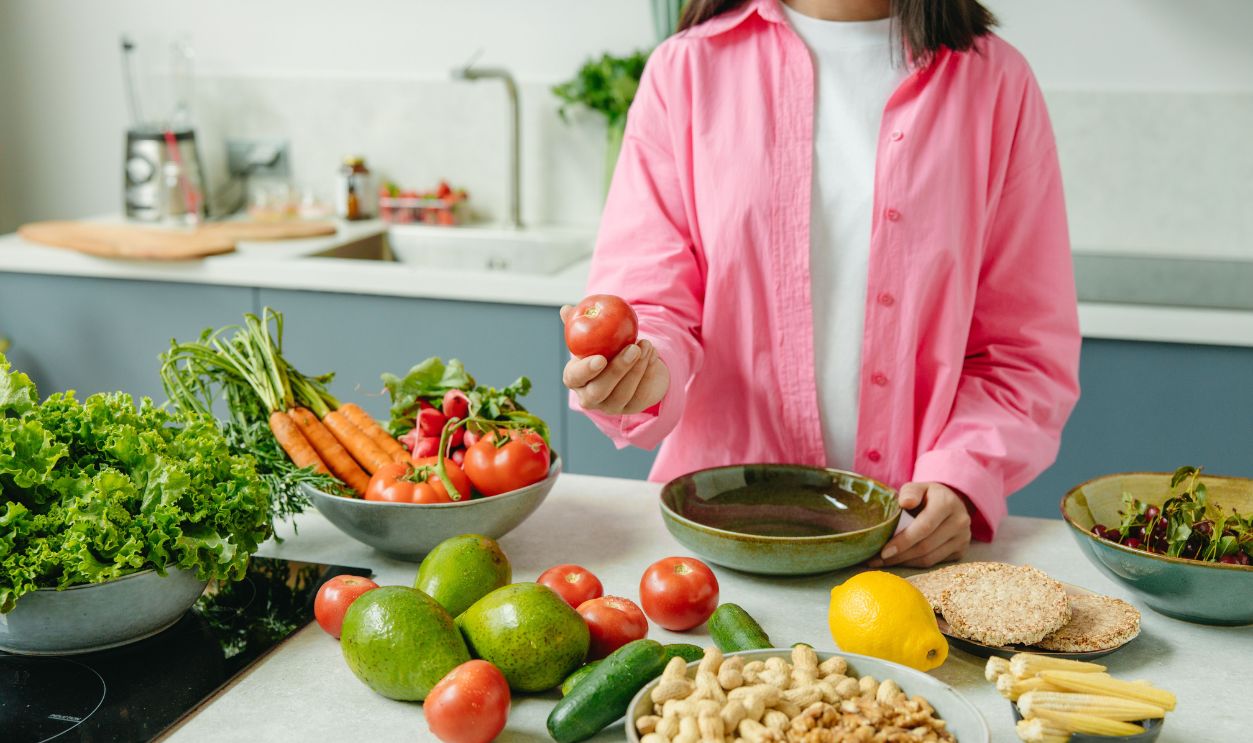
EPA estimates indicate that an average consumer wastes about 31 pounds of fresh vegetables and nearly 23 pounds of fresh fruit annually. The financial loss is not limited to the food itself because shoppers also paid for its processing, packaging, transportation, and sale. Buying smaller amounts more frequently may beat buying an ambitious haul that wilts in the refrigerator.
Date Labels Can Cause Needless Waste
Many shoppers throw out food as soon as a printed date passes. USDA explains that, except for infant formula, these dates generally indicate quality rather than safety and are not federally required. Food that has been stored properly may remain usable beyond a “Best if Used By” date if it shows no signs of spoilage.

Build Meals Around Cheaper Staples
The most dependable savings often come from foods that are inexpensive, versatile, and easy to store. Dried or canned beans, lentils, rice, oats, pasta, potatoes, and frozen vegetables can form the base of many meals. USDA’s MyPlate recipes regularly combine beans, canned tomatoes, frozen corn, and other shelf-stable ingredients into filling meatless dishes.

Frozen And Canned Can Beat Fresh
Fresh is not always the best financial choice, particularly when produce prices are volatile or spoilage is common. Frozen vegetables can be portioned out and returned to the freezer, while canned beans and tomatoes can remain available for months. Comparing forms lets you buy the version that offers the best combination of price, nutrition, and likely usage.

Shop By Unit Price, Not Package Price
Two packages can appear similarly priced while containing very different amounts. The unit price on the shelf label shows the cost per ounce, pound, or other standard measure. Use it to compare package sizes, store brands, and competing products, but avoid buying more than your household can finish.
Start With Your Receipt, Not A Ban
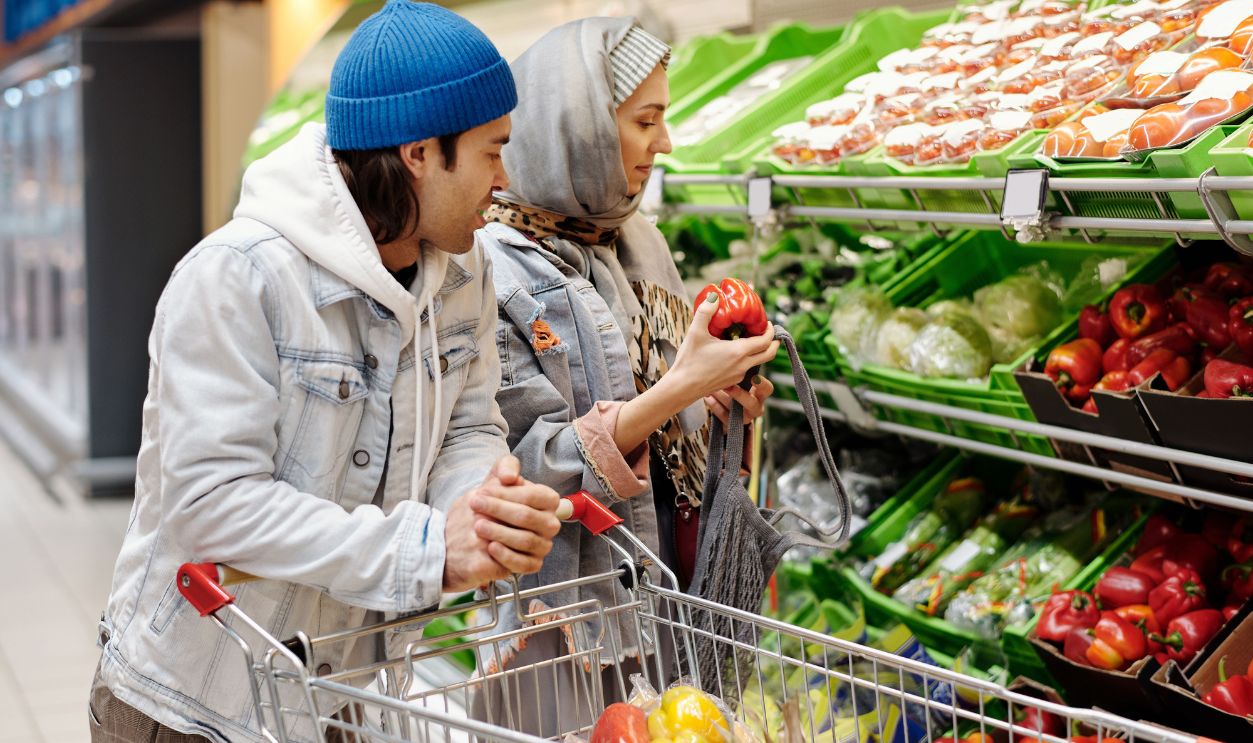
Cutting meat may still be saving you money, even if the checkout total remains frustrating. The next step is to examine several recent receipts and group spending into produce, dairy, convenience foods, snacks, drinks, staples, and wasted purchases. Once you identify which categories are actually driving your bill, you can make targeted cuts without stripping every enjoyable food from your kitchen.
 https://kaboompics.com/, Pexels
You May Also Like:
Trader Joe’s Products People Are Completely Obsessed With
Stretching Your Grocery Budget: Smart Finds at the Dollar Store