
Bigger Bills
Joining a warehouse club often feels like a smart financial move. Lower unit prices, giant packages, and member-only deals promise savings, yet your grocery budget somehow keeps climbing. If every shopping trip ends with a surprisingly large receipt, you may have fallen into a common bulk-buying trap rather than a money-saving strategy.
Understand Unit Pricing
The biggest package is not automatically the best bargain. Compare the price per ounce, pound, or item instead of the shelf price alone. Sometimes your local grocery store offers a better value during sales, especially when coupons or loyalty discounts are factored in.

Buying More Than Needed
Warehouse clubs encourage you to purchase quantities you would never normally buy. Saving twenty percent on a product is meaningless if you only needed half as much. Spending more money upfront can quietly erase the benefit of the lower per-unit cost.
 sari dennise from México, D.F., México, Wikimedia Commons
Food Waste Hurts
Bulk shopping only saves money if you actually use what you buy. Fresh produce, bakery items, dairy products, and prepared foods often spoil before smaller households can finish them. Throwing away expired food means you paid for groceries that never fed anyone.

Beware Impulse Purchases
Warehouse stores are designed to encourage browsing. You may arrive intending to buy eggs and paper towels but leave with patio furniture, clothing, gourmet snacks, or electronics that were never on your list. Those unexpected purchases quickly overwhelm any grocery savings.

Stick To A List
One of the simplest ways to control spending is to create a shopping list before leaving home and commit to following it. Treat anything not on the list as requiring a second thought rather than an automatic addition to your cart.

Shop After Eating
Shopping while hungry makes almost every display look appealing. Warehouse clubs know this, which is why prepared foods, baked goods, and free samples can be so tempting. Eating beforehand helps you make decisions based on need instead of appetite.

The Membership Cost
Remember that your annual membership fee is part of your grocery budget. To justify keeping the membership, your savings should comfortably exceed that annual cost. Otherwise, buying from traditional supermarkets may leave you financially ahead despite slightly higher shelf prices.
 JJBers from Willimantic, Connecticut, USA, Wikimedia Commons
Some Products Shine
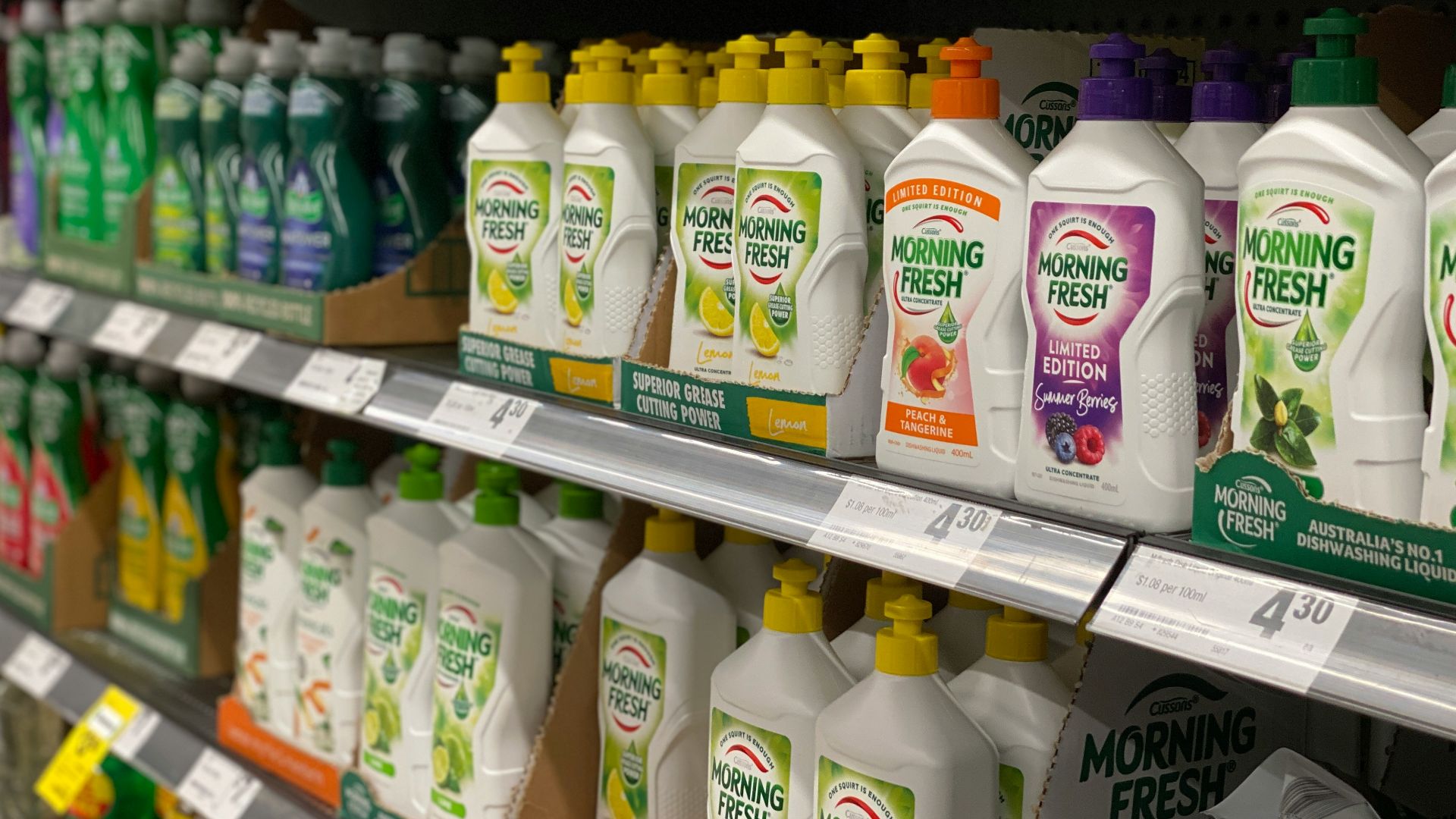
Warehouse clubs often provide excellent value on toilet paper, paper towels, cleaning products, batteries, over-the-counter medications, and other shelf-stable household necessities. These items store well, rarely spoil, and are typically used consistently throughout the year.
Others Rarely Do
Fresh produce, oversized condiment bottles, giant bakery packages, and specialty snacks are much riskier purchases. Unless your household reliably consumes large quantities before expiration, these items often generate more waste than savings.

Avoid The Treasure Hunt
Warehouse clubs deliberately rotate seasonal merchandise and limited-time products to create urgency. Seeing something "while it's here" can trigger unnecessary purchases because you worry it will disappear before your next visit. Recognizing that tactic makes resisting it much easier.

Storage Matters
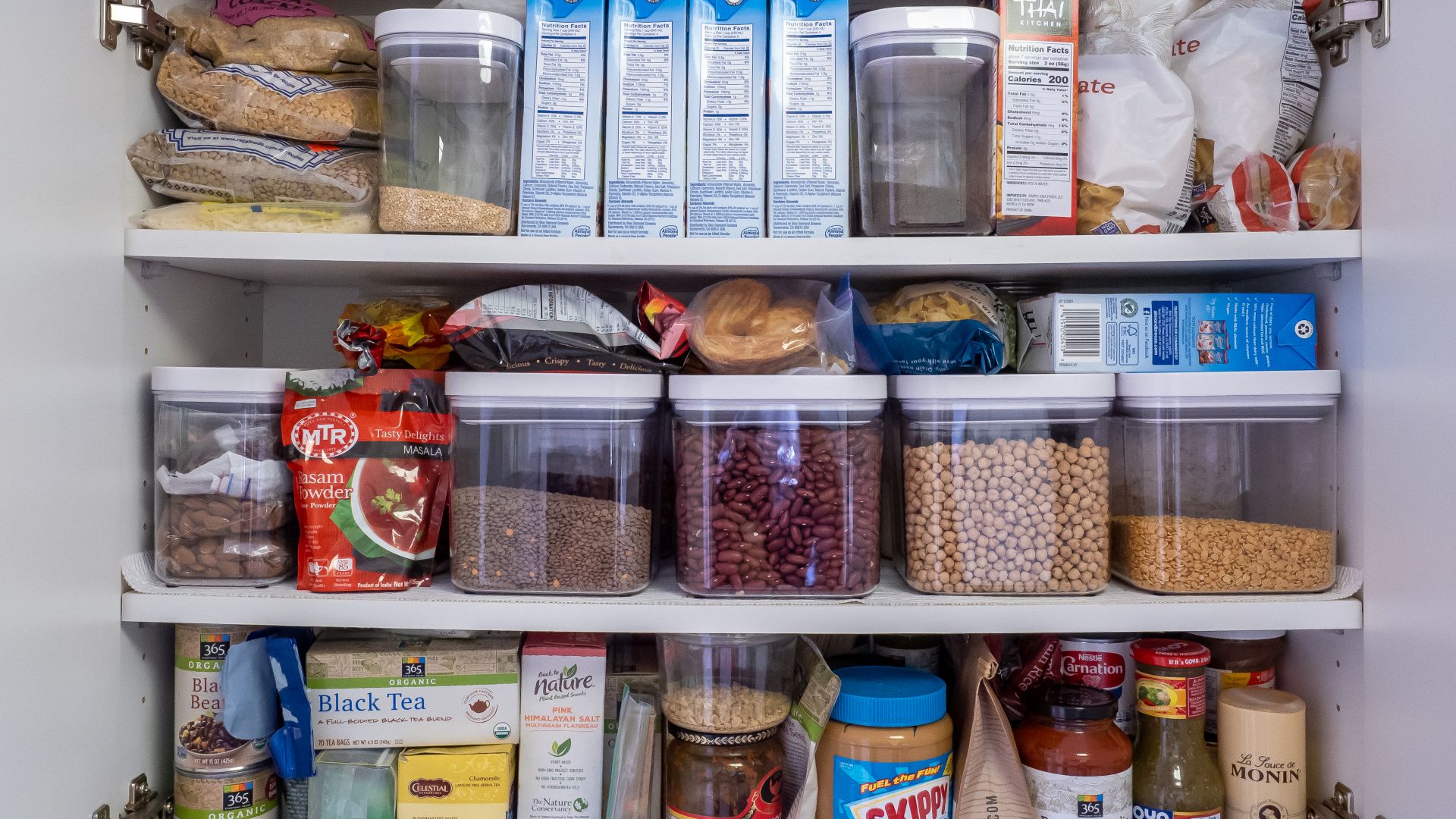
Buying in bulk only works if you have room to store everything properly. Crowded pantries, overloaded freezers, and cluttered garages make it easier to forget what you already own, increasing duplicate purchases and unnecessary waste.
 Ajay Suresh from New York, NY, USA, Wikimedia Commons
Freeze What You Can
Many warehouse purchases become better values if you divide them into meal-sized portions and freeze them immediately. Meat, bread, cheese, and certain prepared foods can last much longer this way, reducing spoilage and making bulk purchases more practical.

Know Your Household
A family of six has very different shopping needs than a single person or retired couple. Bulk buying generally works best when multiple people regularly consume the same staples. Smaller households often struggle to use oversized packages efficiently.

Compare Every Trip
Keep a simple record of what you spend during each warehouse visit. Compare those totals with what you would have spent buying only the same items elsewhere. Seeing actual numbers often reveals whether your membership is producing genuine savings or simply encouraging larger shopping trips.

Gas Can Help
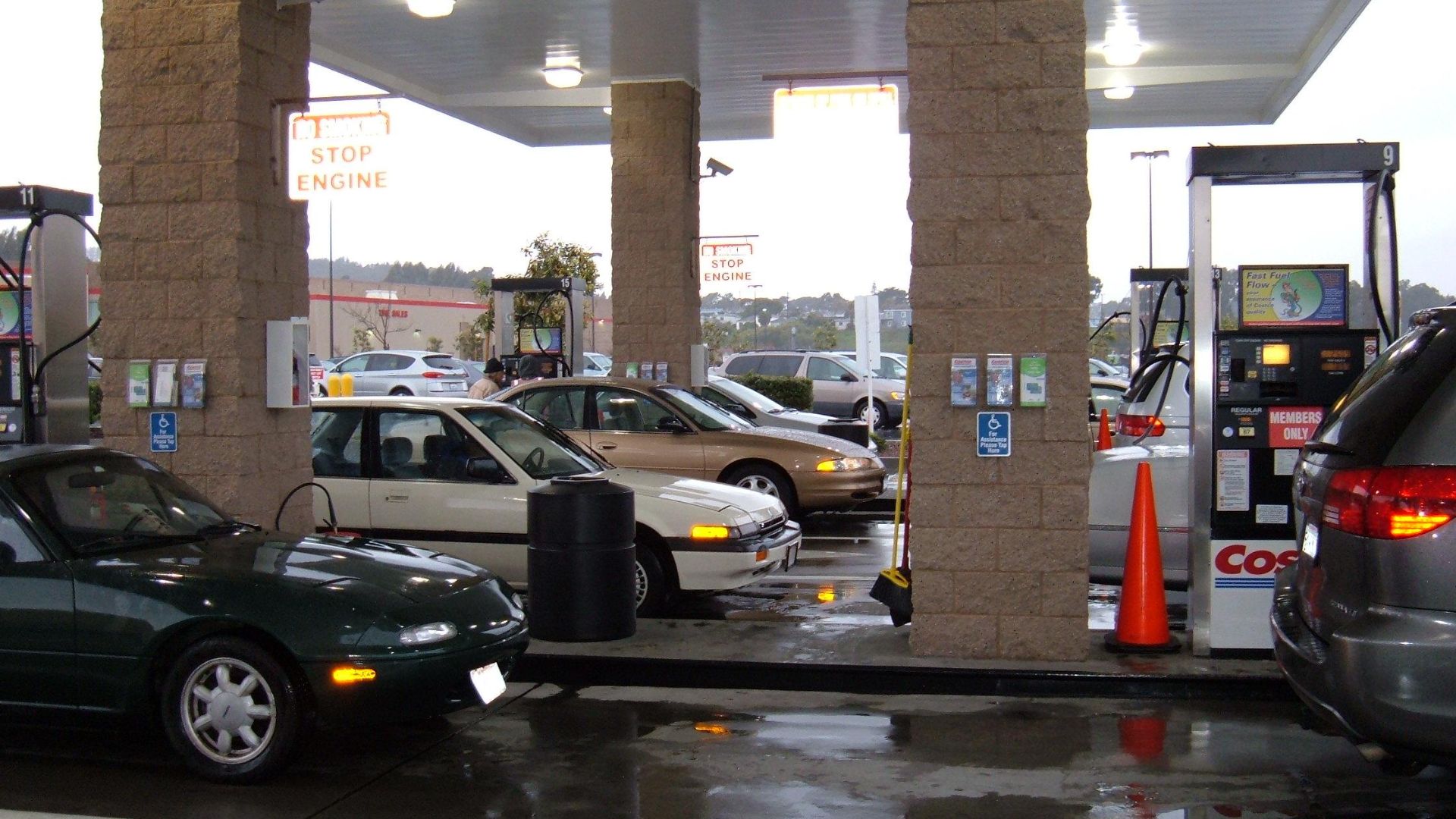
For many members, discounted gasoline provides a meaningful portion of the annual savings. If you regularly fill up at the warehouse and the price difference is substantial, fuel savings alone may offset much of the membership fee.
 BrokenSphere, Wikimedia Commons
Share Bulk Purchases
If you have relatives, neighbors, or friends who enjoy the same products, splitting large packages can provide warehouse pricing without forcing one household to store or consume everything before it expires.

Shop More Frequently
Some shoppers actually spend less by making smaller, targeted warehouse trips instead of infrequent stock-up excursions. Visiting only for specific necessities can reduce the temptation to fill an oversized cart with unplanned purchases.
Leave Extra Time
Rushing encourages impulse decisions because it feels easier to toss items into the cart than carefully compare prices. Giving yourself enough time allows you to read unit prices, evaluate quantities, and decide whether each purchase truly belongs.

Calculate Real Savings
A ten-dollar discount is not really a savings if it caused you to spend one hundred dollars more than you intended. Always compare your final receipt with your original shopping plan rather than focusing on individual discounts.

Watch The Cart Size
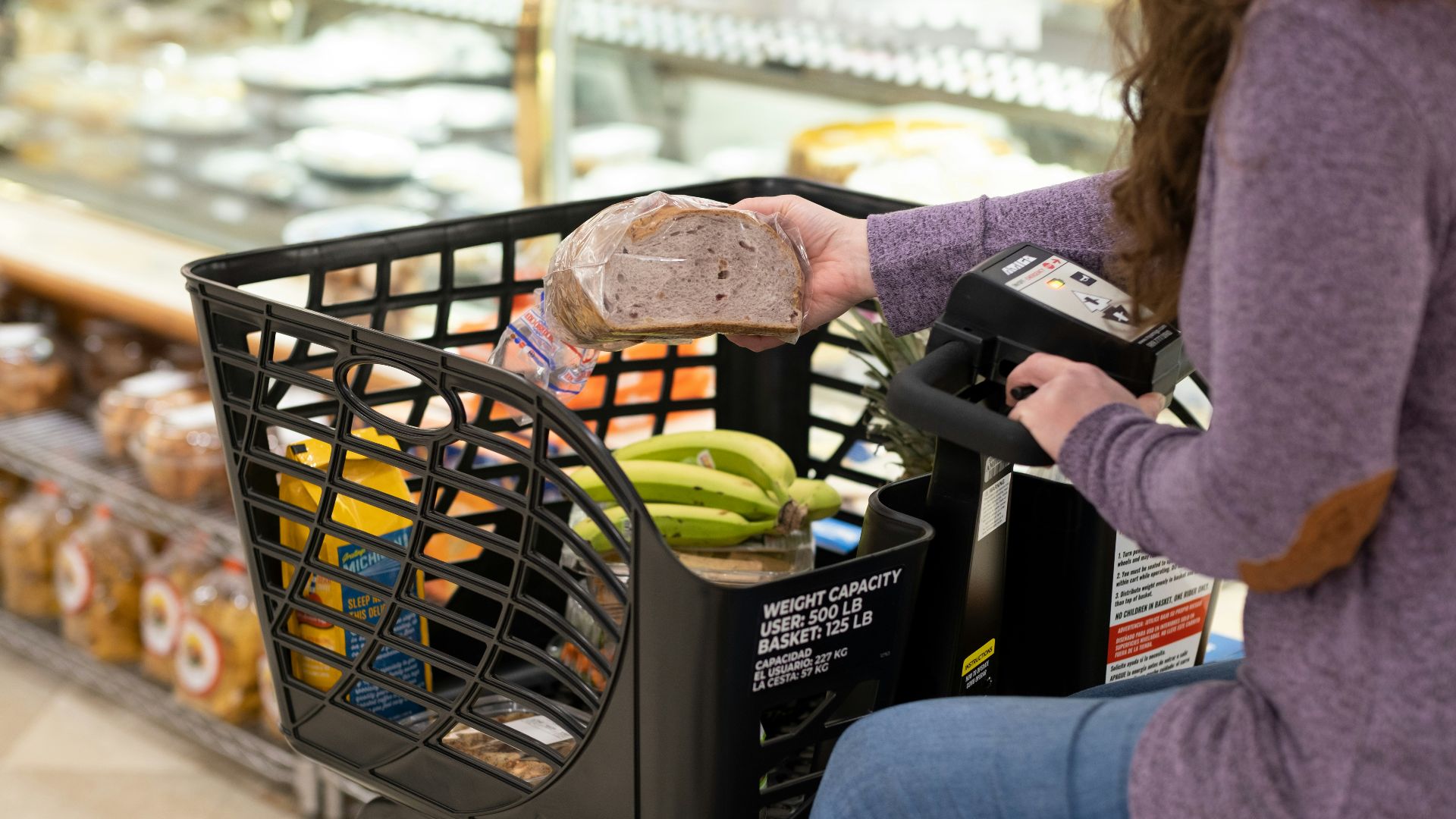
Large warehouse carts create a subtle psychological pressure to keep adding merchandise. If you only need a handful of items, consider carrying them by hand or using a smaller cart whenever one is available.

Skip False Bargains
Not every item in a warehouse club is cheaper than elsewhere. Electronics, clothing, books, and specialty foods sometimes cost less during promotions at competing retailers. Smart shoppers compare prices instead of assuming every warehouse item is automatically a bargain.

Review Your Habits
Take a close look at your receipts over several months. You may discover that a handful of impulse purchases account for most of your overspending. Identifying those habits is often more valuable than chasing another discount.

Memberships Are Tools
A warehouse membership is neither inherently good nor bad. It is simply a shopping tool. Used thoughtfully, it can reduce your household expenses. Used carelessly, it can encourage overspending that outweighs every advertised bargain.

Spend With Purpose
If warehouse shopping consistently leaves you with fuller pantries but emptier bank accounts, the solution is not necessarily canceling your membership. It is approaching every visit with a plan, buying only what fits your household's actual needs, and remembering that the cheapest product is often the one you never needed to buy in the first place.

You May Also Like:
Mastering The Art Of Price Comparison For Smart Shopping
Tips For Saving Money When Shopping For Groceries Online
The cost of living squeeze isn’t one thing. It’s all these things at once.