Paradise Has Limits
Sometimes the grass isn't greener on the other side. Trading city energy for coastal calm sounds fantastic in theory. Then you discover what you actually gave up as the peaceful beach lifestyle comes with surprises.

Housing Costs
Ocean City's median single-family home costs around $550,000, while Annapolis reaches $650,000, more than the national median of $240,000. The dream of escaping Manhattan's sky-high rents quickly evaporates when reality hits. Waterfront properties exceeding $1 million become commonplace.
Seasonal Employment
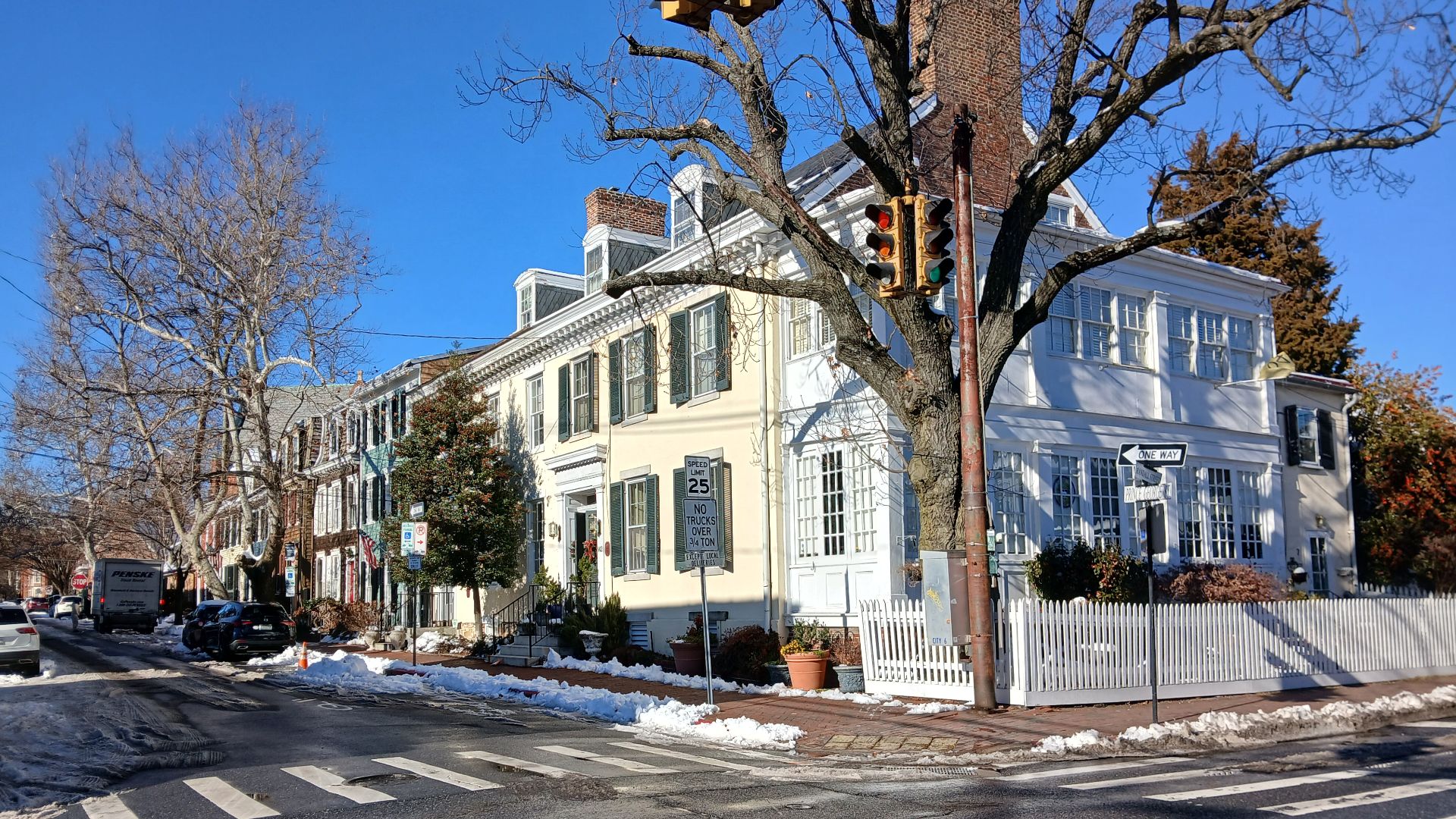
Maryland beach towns rely heavily on seasonal work, with most employment opportunities available only between April and October. Marketing backgrounds mean nothing when the only winter jobs involve cleaning vacation rentals. This seasonal cycle creates a challenging job market outside peak months.

Transportation Loss
Gone are the days of hopping on the subway for a $2.90 ride anywhere in the city. Annapolis Transit buses are limited, with some circulator routes being free but covering only a minimal area. However, most destinations require driving.
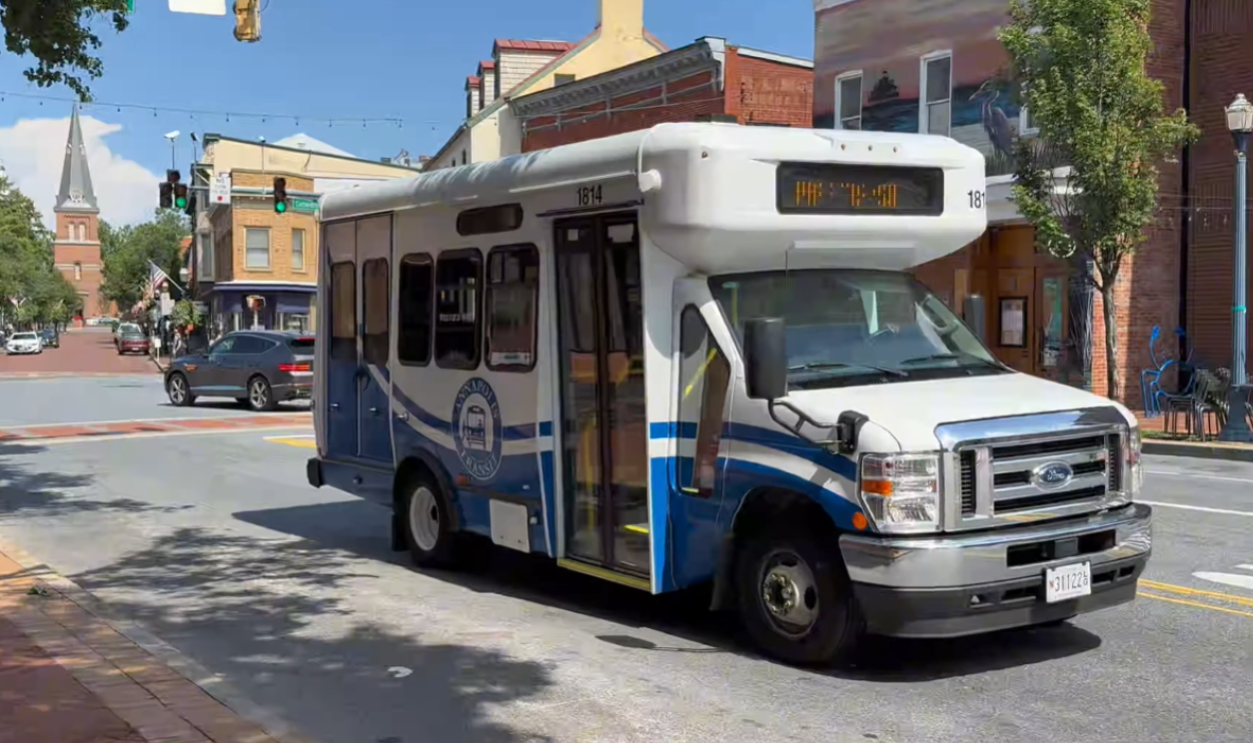 The Small Bus System in Annapolis Maryland by Your Average Railfan
Social Isolation
Working from home in the suburbs is isolating compared to NYC's energy.The revelation occurs during the third week of not speaking to another human being. People in urban settings see and interact with many others daily, whereas suburban remote workers may go weeks without significant human interaction.

Entertainment Void
Broadway shows, world-class museums, comedy clubs, and cultural events—all replaced by mini golf and seasonal festivals. There's nothing like NYC when it comes to having things to do with families, such as kids' museums, Central Park, and amazing playgrounds. Weekend entertainment now requires hour-long drives.
Shopping Desert
Small towns tend to have much more limited services and amenities than big cities, with even hiring qualified professionals proving problematic. Need specialty ingredients? Drive 45 minutes. Want electronics beyond basic items? Another hour to find a decent store. Delivery delays and shipping costs add up quickly.
Healthcare Distance
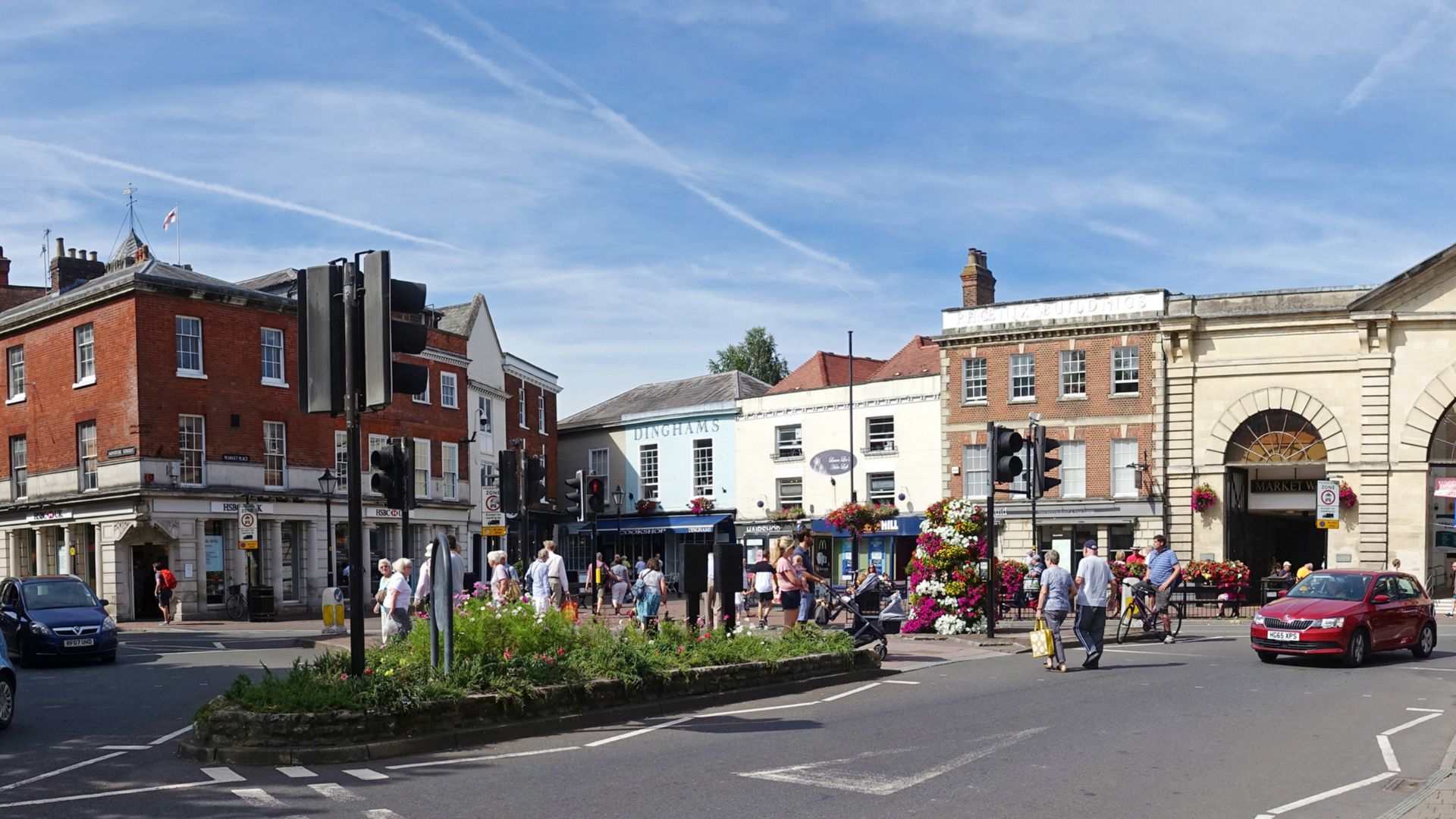
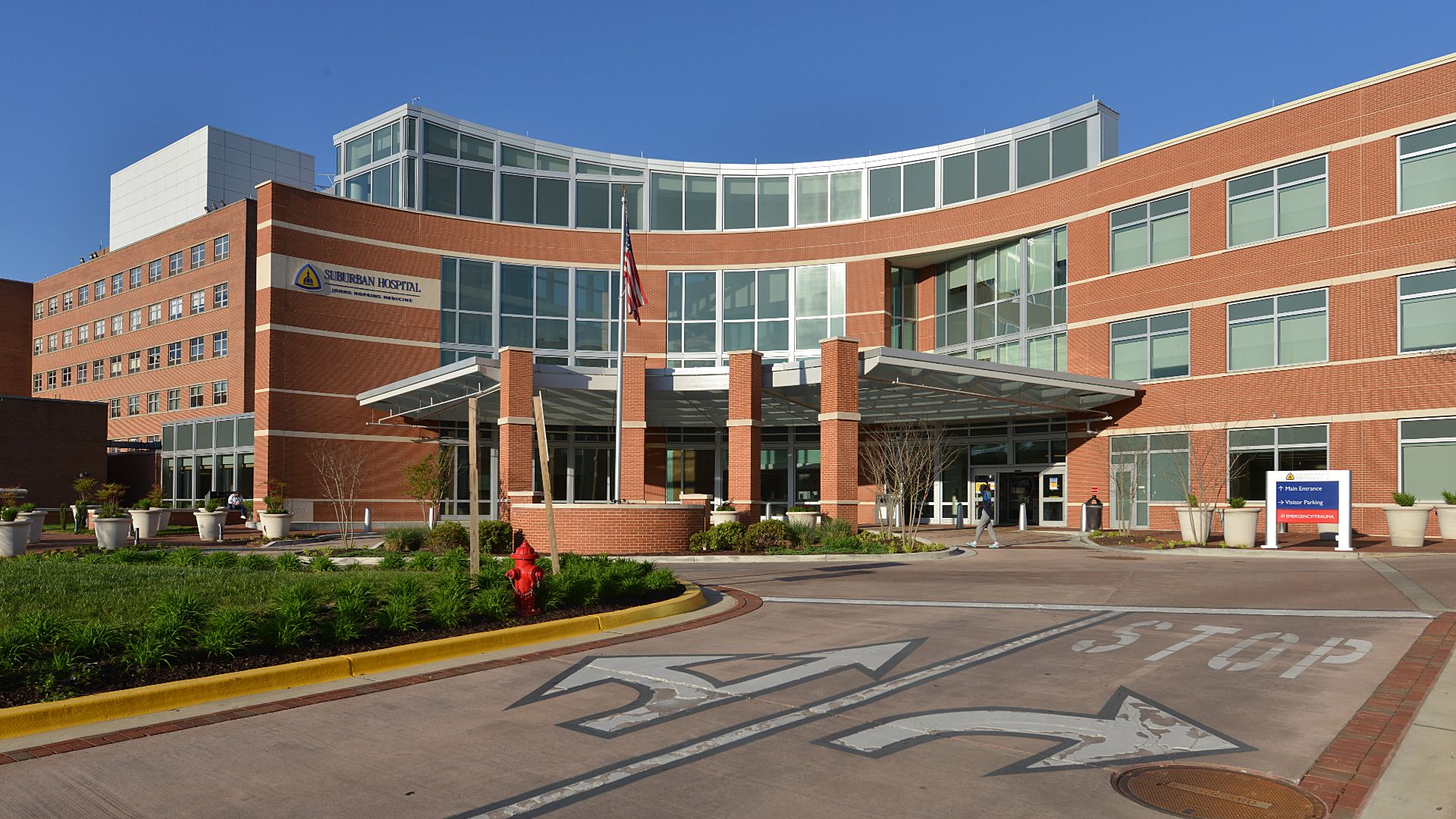
The dermatologist is two hours away; the nearest cardiologist, even farther. Smaller towns may experience occasional power cuts or water supply issues, especially during summer storms, and have much-limited services compared to big cities. Emergency rooms mean long drives, and specialist appointments require full-day commitments.
 G. Edward Johnson, Wikimedia Commons
School Limitations
Ocean City Elementary School and Stephen Decatur Middle School are known for their commitment to academic excellence, but proximity to universities like Salisbury University provides higher education options. However, advanced placement courses, diverse extracurriculars, and specialized programs common in NYC schools are scarce.

Tourist Crowds
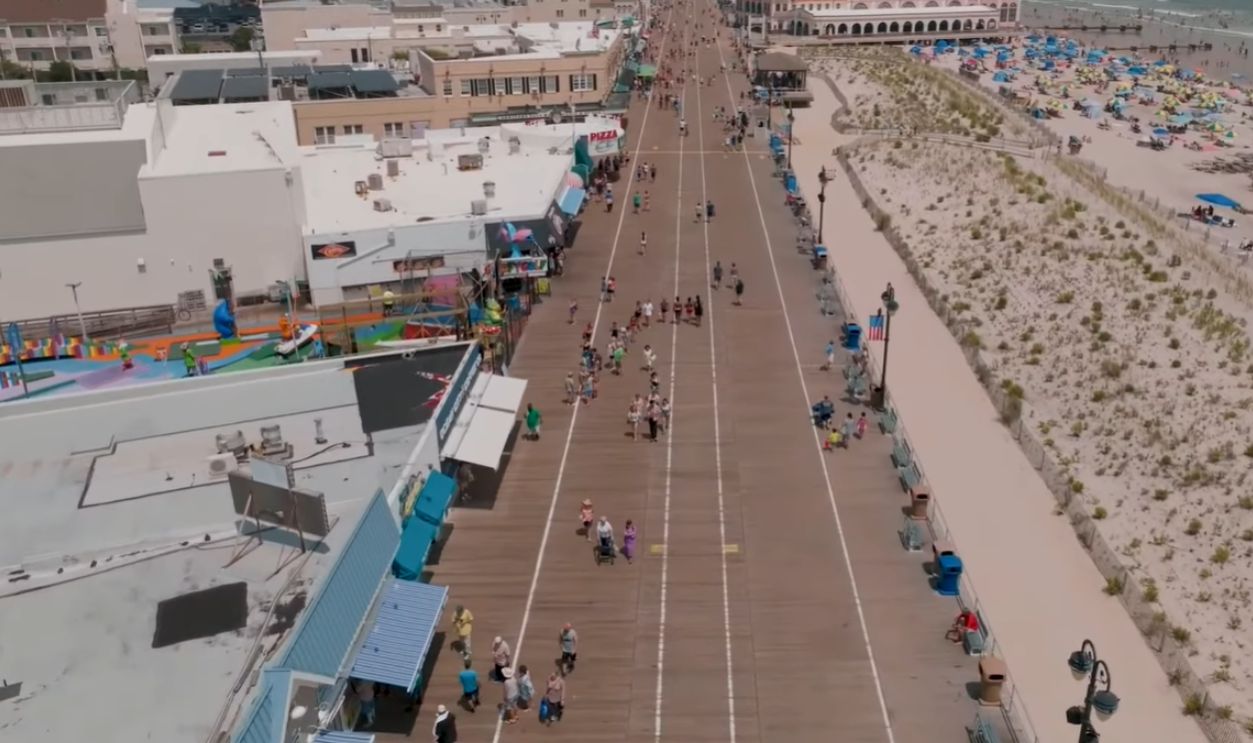
Ocean City turns into Maryland's second-largest city during the summer months, hosting between 320,000 and 345,000 vacationers on weekends. Imagine trying to grocery shop when the quiet town suddenly swells to nearly half a million people. The peaceful coastal life exists only during off-season months.
 Top 10 Best Things to Do in Ocean City, Maryland - Travel Guide 2025 by DoTravel
Continued Turmoil
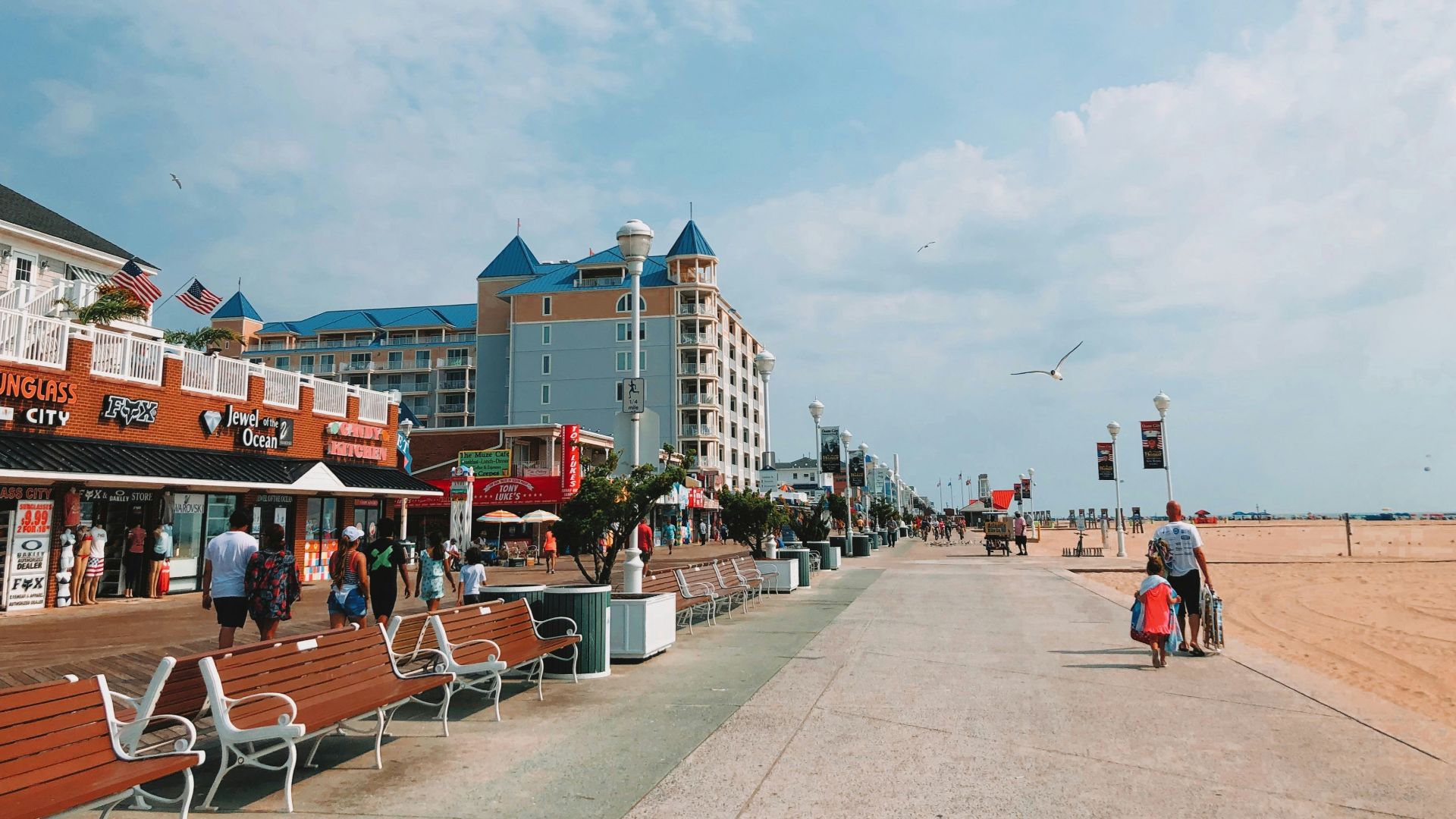
Some parts of this place along the boardwalk can have a rowdy or "trashy" reputation, especially related to nightlife and alcohol-fueled disturbances. Traffic congestion and limited parking during peak summer months cause frustration. The influx of thousands of tourists leads to crowded roads.
Infrastructure Failures
Power outages during storms last days, not hours. Smaller towns can experience occasional power cuts or water supply issues, especially during summer storms or winter blizzards. Internet connectivity is unreliable, cell service is spotty, and road maintenance is inadequate for seasonal traffic surges.

Utility Bills
Electricity costs in Ocean City range from $120–180 monthly, while gas runs $50–90, and water/sewage adds another $50–100. The environment demands constant air conditioning during humid summers and heating during harsh winters. Salt air corrodes HVAC systems faster, requiring frequent replacements and repairs.

Emergency Response
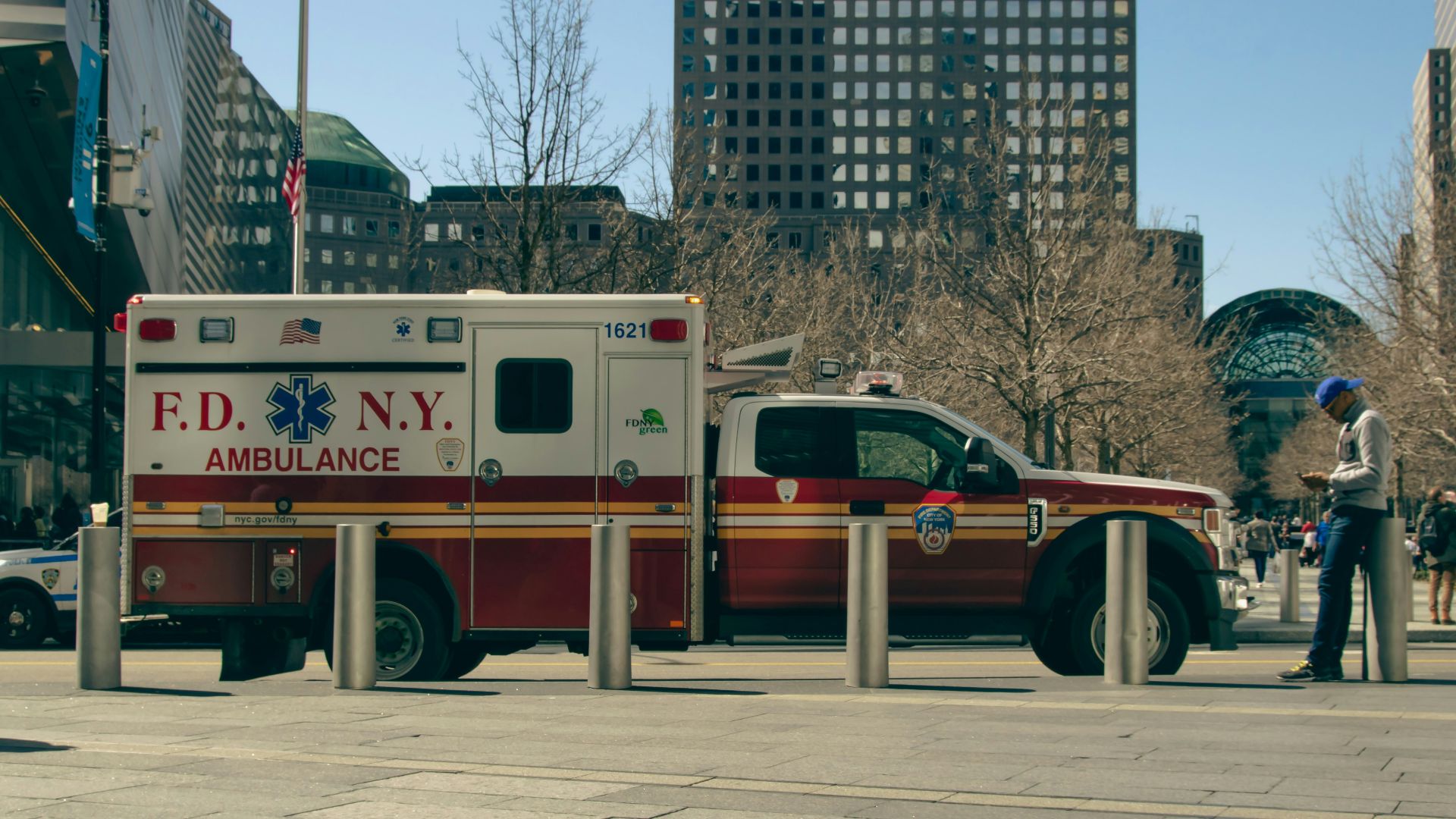
Besides, ambulance response times stretch to 15–20 minutes compared to NYC's 6–8 minute average. Fire departments rely heavily on volunteers who may not be immediately available during weekday emergencies. Police coverage thins drastically during certain months when departments reduce staff by 60%.
Crime Spikes
Police note troubling trends of rental property burglaries targeting unattended beach houses, with thieves specifically focusing on seasonal homes. Ocean City experiences significant crime increases during the summer months. Maryland has been ranked as the state with the fourth-highest rate of car theft.

Cultural Homogeneity
The incredible diversity that defines NYC neighborhoods gives way to predominantly white, middle-class communities. For instance, the Hispanic or Latino population comprises approximately 8.5% of the total population. Cultural festivals consist of crab feasts and maritime heritage celebrations.
 Maryland GovPics, Wikimedia Commons
Cultural Homogeneity (Cont.)
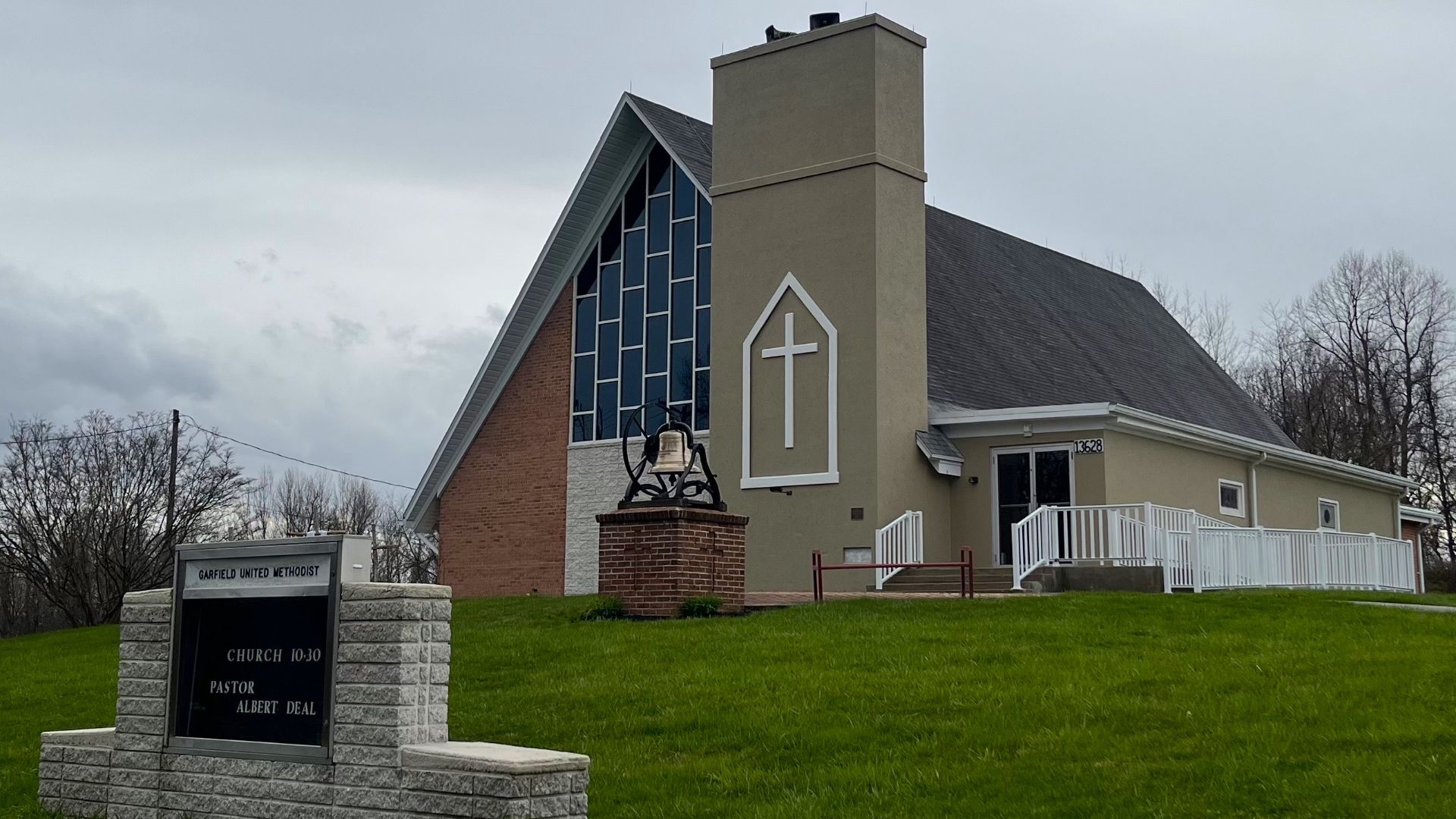
Religious diversity shrinks to a handful of Christian denominations. Accoridng to PRRI Studies, around 58% of adults in Maryland identify as Christian, with Protestantism making up the largest share (about 52%) followed by Catholics (around 15%). Other religious groups include Judaism, Islam, Buddhism, and Hinduism.
Environmental Threats
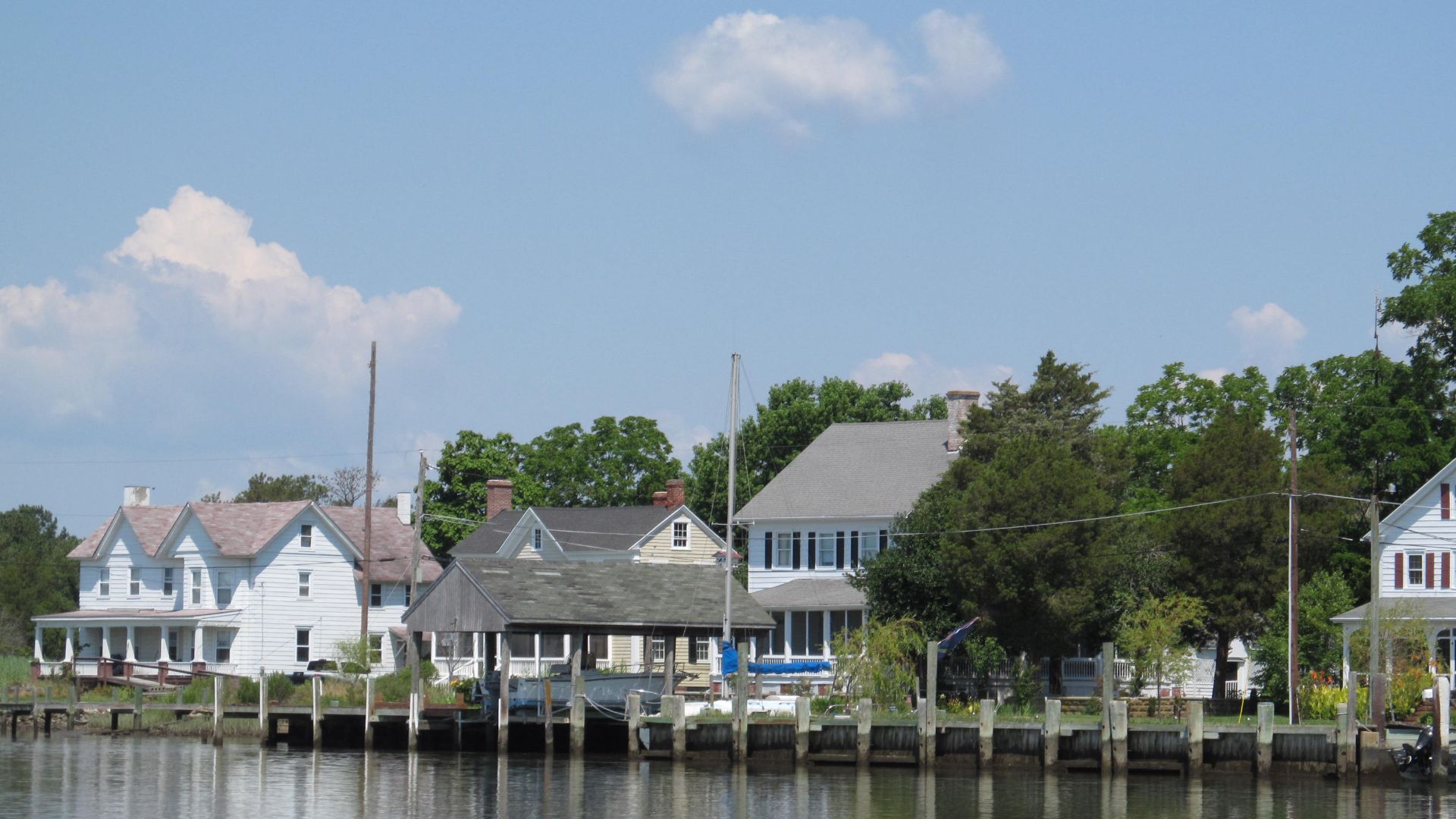
Coastal erosion poses a significant threat to property values and home foundations, with some areas losing 3–4 feet of shoreline annually. Hurricane and nor'easter damage requires expensive storm preparations and frequent repairs. Rising sea levels increase flood risks despite federal flood maps. Besides, Algae blooms periodically close beaches.
 Doug Kerr (Dougtone), Wikimedia Commons
Zoning Restrictions
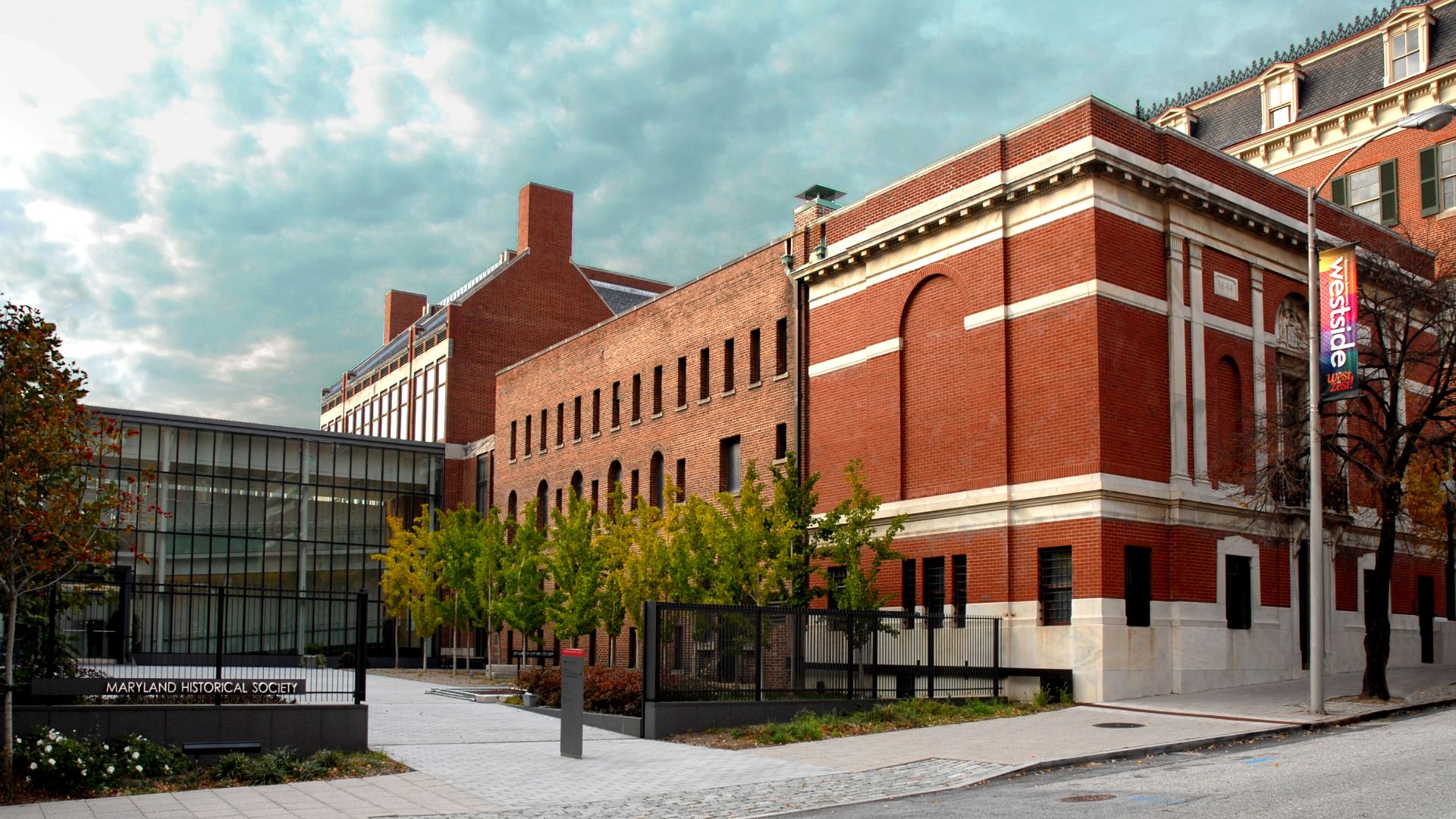
Did you know that local ordinances limit property modifications, home-based businesses, and rental income opportunities? Historic district designations prevent exterior changes without lengthy approval processes, which can cost thousands in architectural fees. Coastal construction codes require expensive elevation and flood-proofing measures.
 Unknown authorUnknown author or not provided, Wikimedia Commons
Commute Expenses
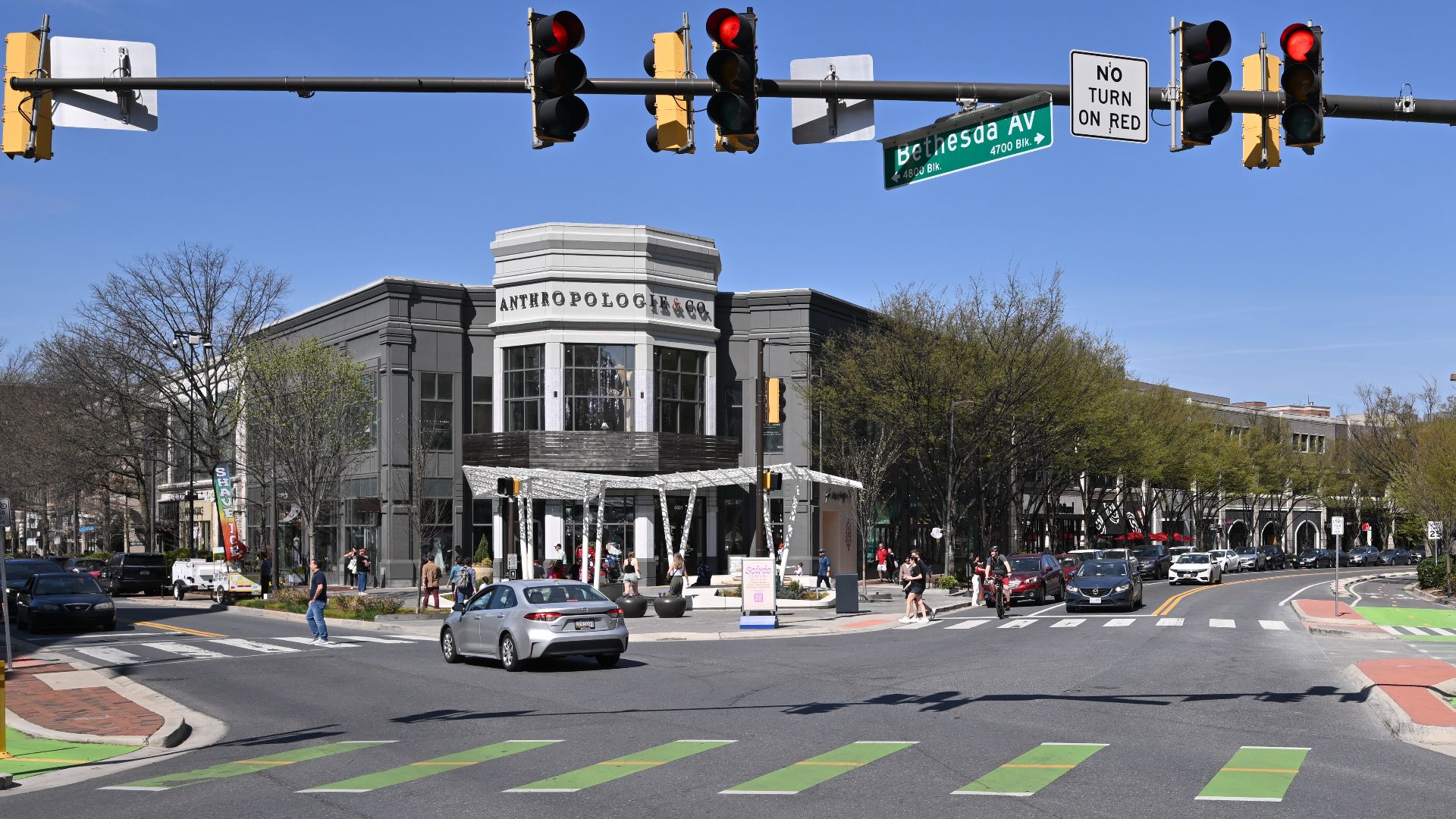
Vehicles in coastal areas tend to face accelerated maintenance challenges due to salt air corrosion. The salty, humid environment causes rust and corrosion in critical vehicle components such as the undercarriage, brake lines, muffler systems, and bodywork.
 G. Edward Johnson, Wikimedia Commons
Mental Resources
Licensed therapists and psychiatrists are apparently scarce. Here, Waiting lists extend 3–6 months for new patients. Most mental health professionals operate part-time practices while maintaining primary offices in larger cities. Specialized treatment for eating disorders, addiction, or trauma requires travel to Baltimore or Philadelphia.

Flood Insurance
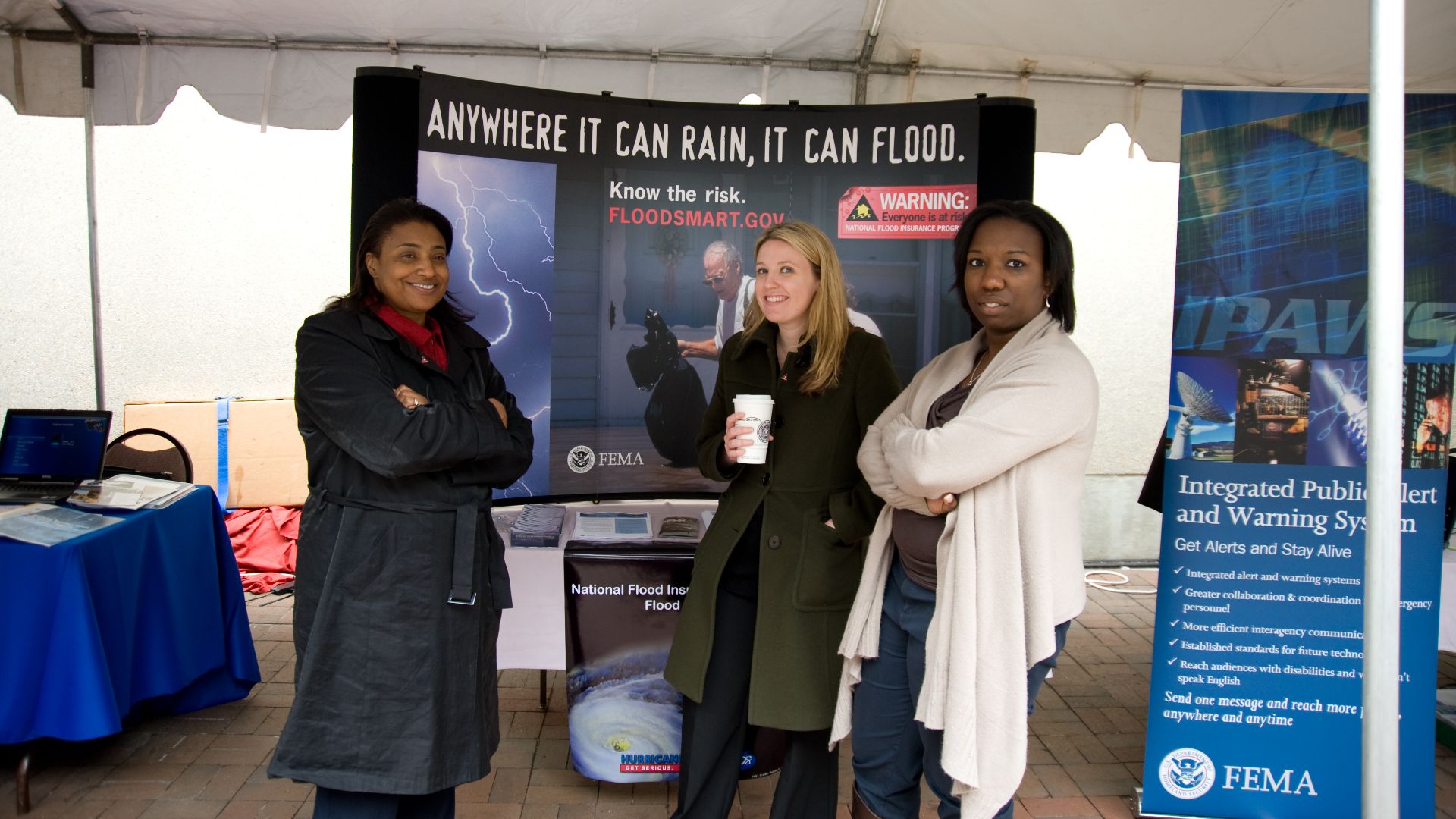
FEMA flood insurance premiums range from $1,200 to $5,000 annually, depending on elevation and flood zone designation. Properties in high-risk areas often face insurance costs that cross their monthly mortgage payments. Recent flood map updates reclassify previously safe zones, forcing expensive policy upgrades mid-ownership.
 Bill Koplitz, Wikimedia Commons
Food Deserts
Fresh produce selection shrinks to basic supermarket offerings with limited organic or international options. Specialty dietary needs need driving to distant health food stores or expensive online ordering. Ethnic groceries are nonexistent. This makes authentic cooking ingredients impossible to find locally.

Banking Limitations
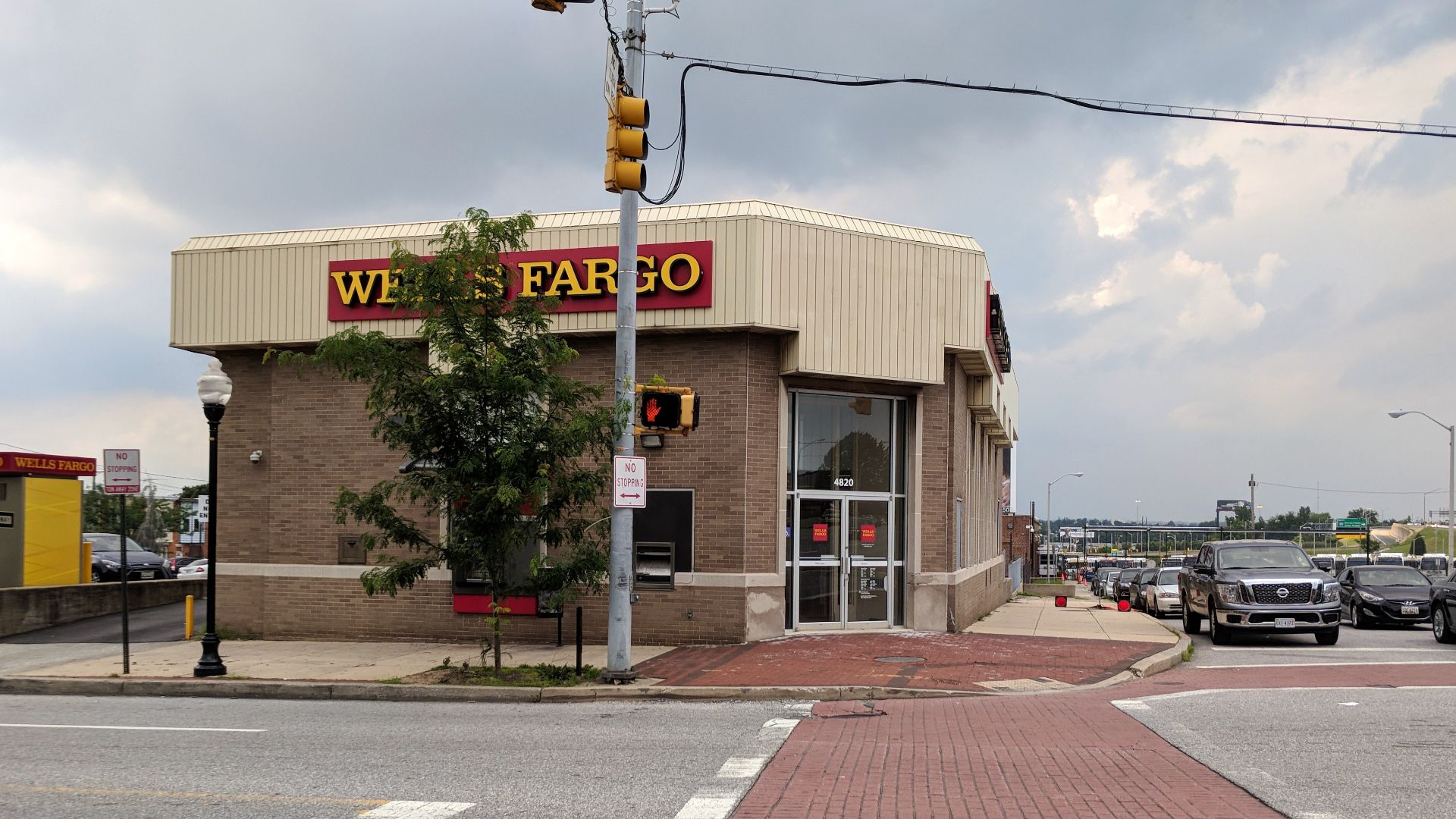
Local bank branches operate reduced hours and close entirely on weekends, forcing financial tasks into narrow weekday windows. ATM networks are sparse, often charging $3–5 fees for basic transactions. Mortgage specialists and financial advisors also demand appointments weeks in advance due to limited staff.
 Bohemian Baltimore, Wikimedia Commons
Legal Services
Finding qualified attorneys becomes a major challenge, with most practitioners handling general cases rather than specialized law. Real estate closings take longer due to limited title companies and fewer experienced lawyers. Estate planning, business incorporation, and complex legal matters require travel to larger cities.