A Freezer Can Save Money, But Only If You Use It
Buying a freezer does not automatically turn bulk groceries into savings. The math works only when the discounts you capture exceed the freezer’s operating cost and you actually eat the food you store. With grocery prices still 2.7% higher in June 2026 than a year earlier, according to USDA data, there are still plenty of reasons to make a freezer strategy work.
Electricity Is A Real Cost
ENERGY STAR says a certified chest freezer uses about 215 kilowatt-hours of electricity a year, while a certified upright uses about 395 kilowatt-hours. It estimates annual operating costs of roughly $30 and $60 respectively, although your actual bill depends on local electricity prices. That expense is relatively modest if the freezer consistently helps you avoid higher grocery costs.

Power Prices Are Rising Too
Electricity has become more expensive, which makes efficiency increasingly important. The U.S. Energy Information Administration reported an average residential electricity price of 18.11 cents per kilowatt-hour for January through May 2026, up 7.9% from the same period of 2025. Someone in a high-cost state can pay considerably more than the national average.

Find Your Freezer’s Actual Cost
Look at the yellow EnergyGuide label or the appliance specifications for its estimated annual electricity consumption. Multiply the annual kilowatt-hours by the price per kilowatt-hour shown on your electric bill. Once you know that number, you know how much grocery savings the freezer must generate just to break even.
Chest Freezers Have An Efficiency Edge
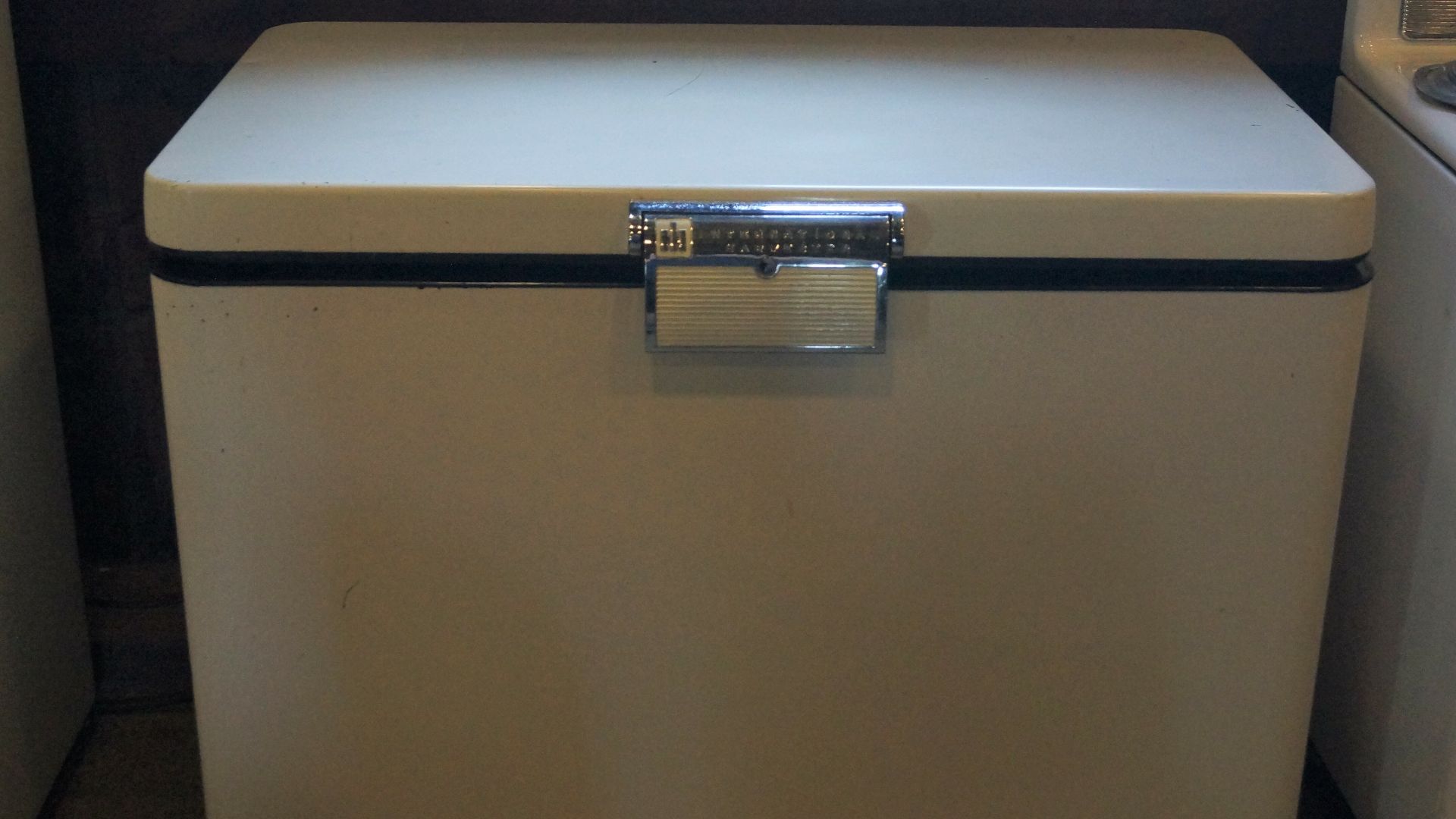
ENERGY STAR says chest freezers are usually more efficient than upright models because opening the lid allows less cold air to escape. They can be harder to organize, however, because food tends to pile up. An efficient freezer full of forgotten groceries is still an expensive storage closet.
 Greg Gjerdingen from Willmar, USA, Wikimedia Commons
Bigger Is Not Always Better
ENERGY STAR notes that larger freezers generally consume more electricity. Extra capacity only produces value when you regularly use enough frozen food to justify it. If half of a giant freezer stays empty year-round, you may have purchased more appliance than your household needs.
Keep It At Zero Degrees
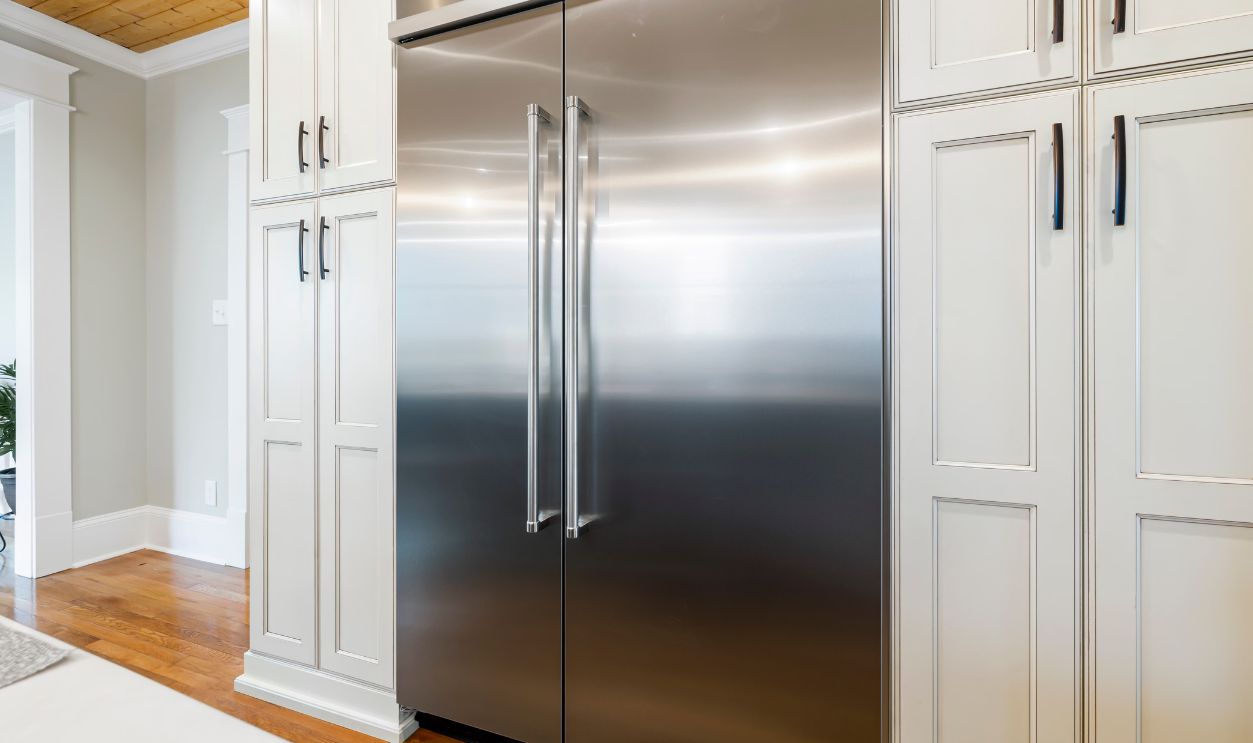
USDA recommends maintaining a stand-alone freezer at 0 degrees Fahrenheit or below for long-term frozen-food storage. Setting it dramatically colder than necessary does not make frozen food meaningfully safer. Use the correct temperature instead of making the compressor work harder than your food requires.
Buy A Cheap Freezer Thermometer
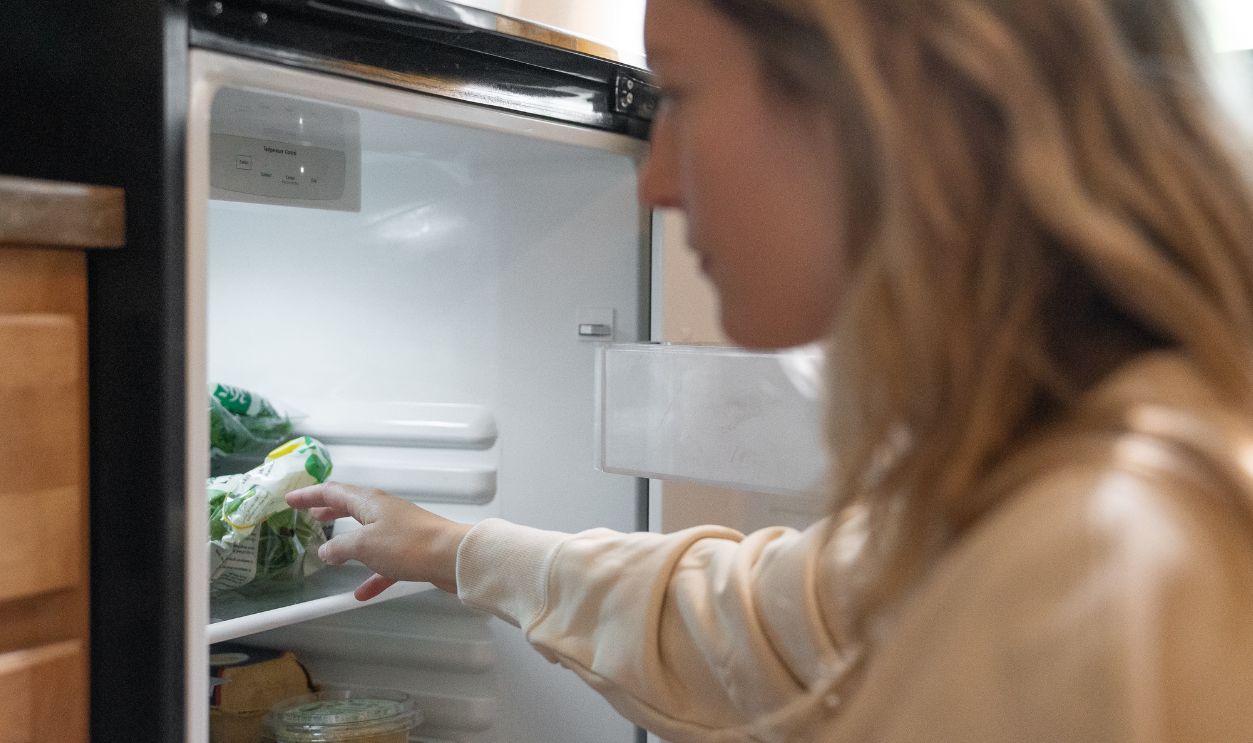
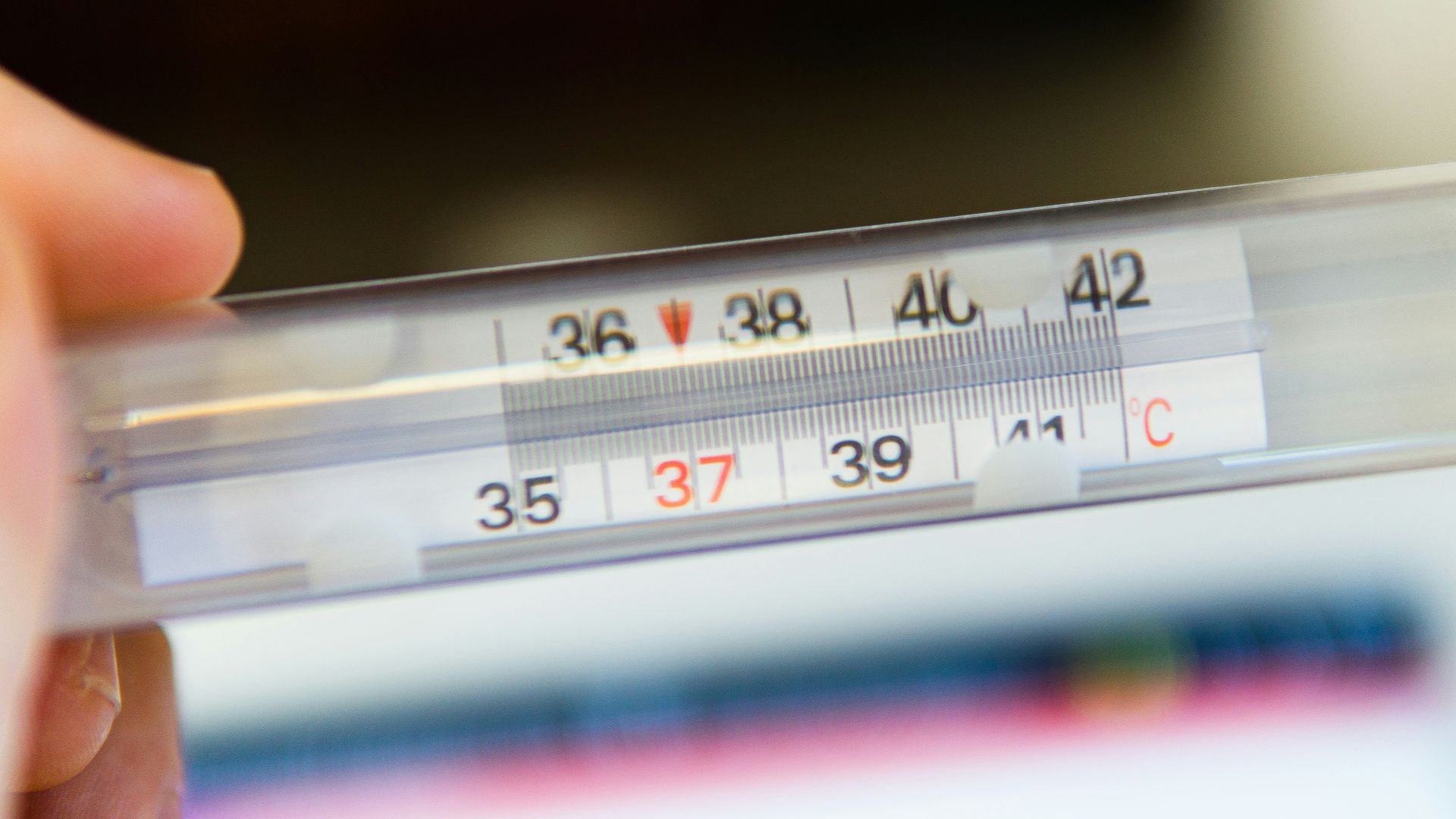
Do not rely entirely on the appliance dial. USDA recommends keeping an appliance thermometer inside the freezer so you can verify that it is maintaining the proper temperature. A thermometer is especially useful after a power outage or when you suspect the appliance is malfunctioning.
Food Waste Is The Bigger Threat
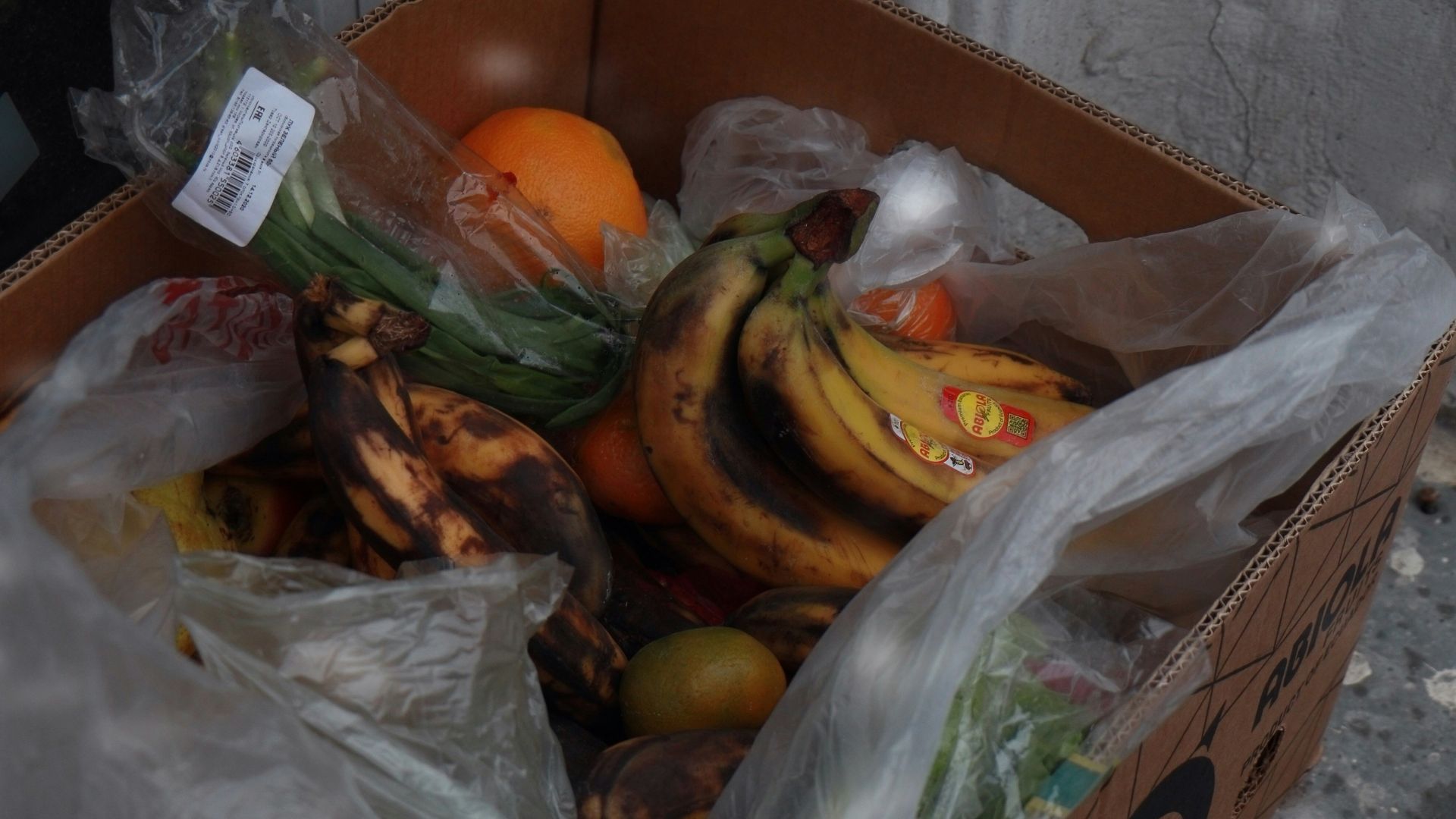
The electricity bill may not be what destroys your freezer economics. EPA estimates that food waste costs the average U.S. consumer $728 a year, or $2,913 for a household of four. Throwing away a few expensive packages of forgotten meat can wipe out months of electricity savings.
Stop Treating It Like A Black Hole
A freezer only works as a money-saving tool when you know what is inside it. Keep a simple inventory on the door, in your phone, or on a kitchen whiteboard. Cross an item off when you use it so buried packages do not quietly disappear for two years.
Put Older Food Within Reach
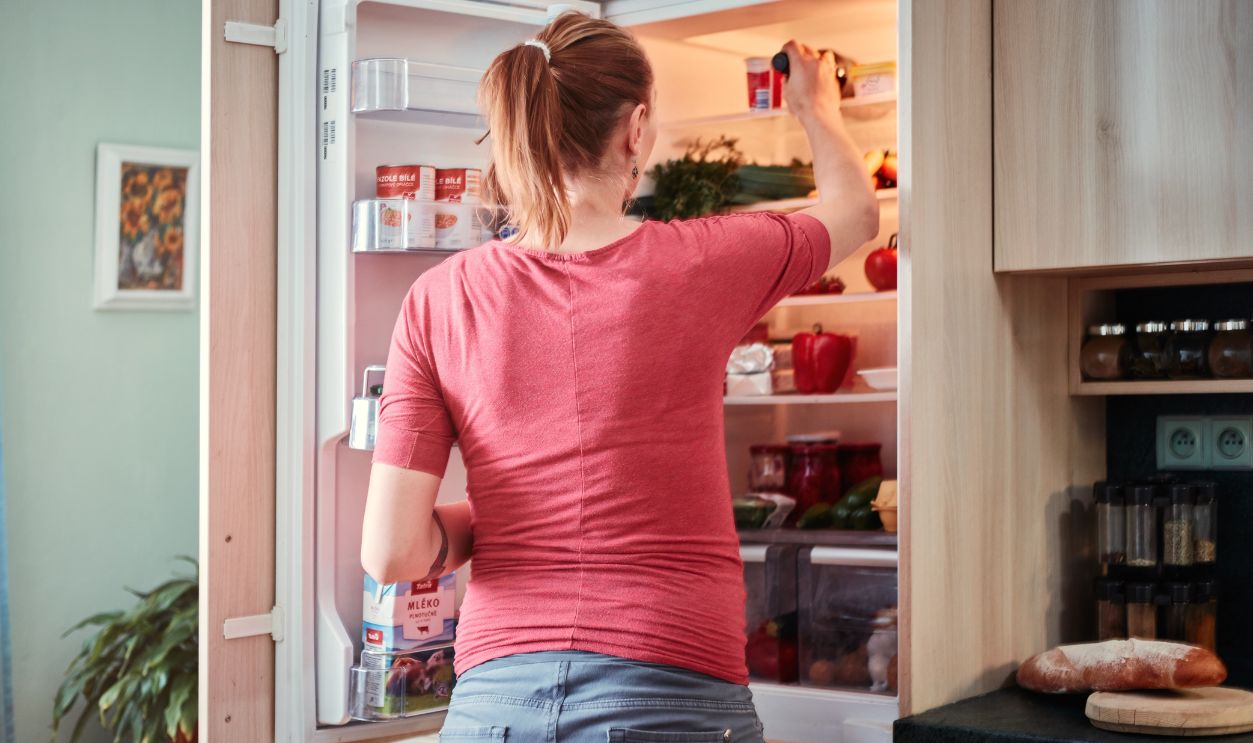
Organize groceries so older purchases are easiest to grab. Group meat, vegetables, prepared meals, bread, and other categories in separate baskets or sections. The goal is to eat the food you already paid for before adding another bargain on top of it.
Label Everything Before It Freezes
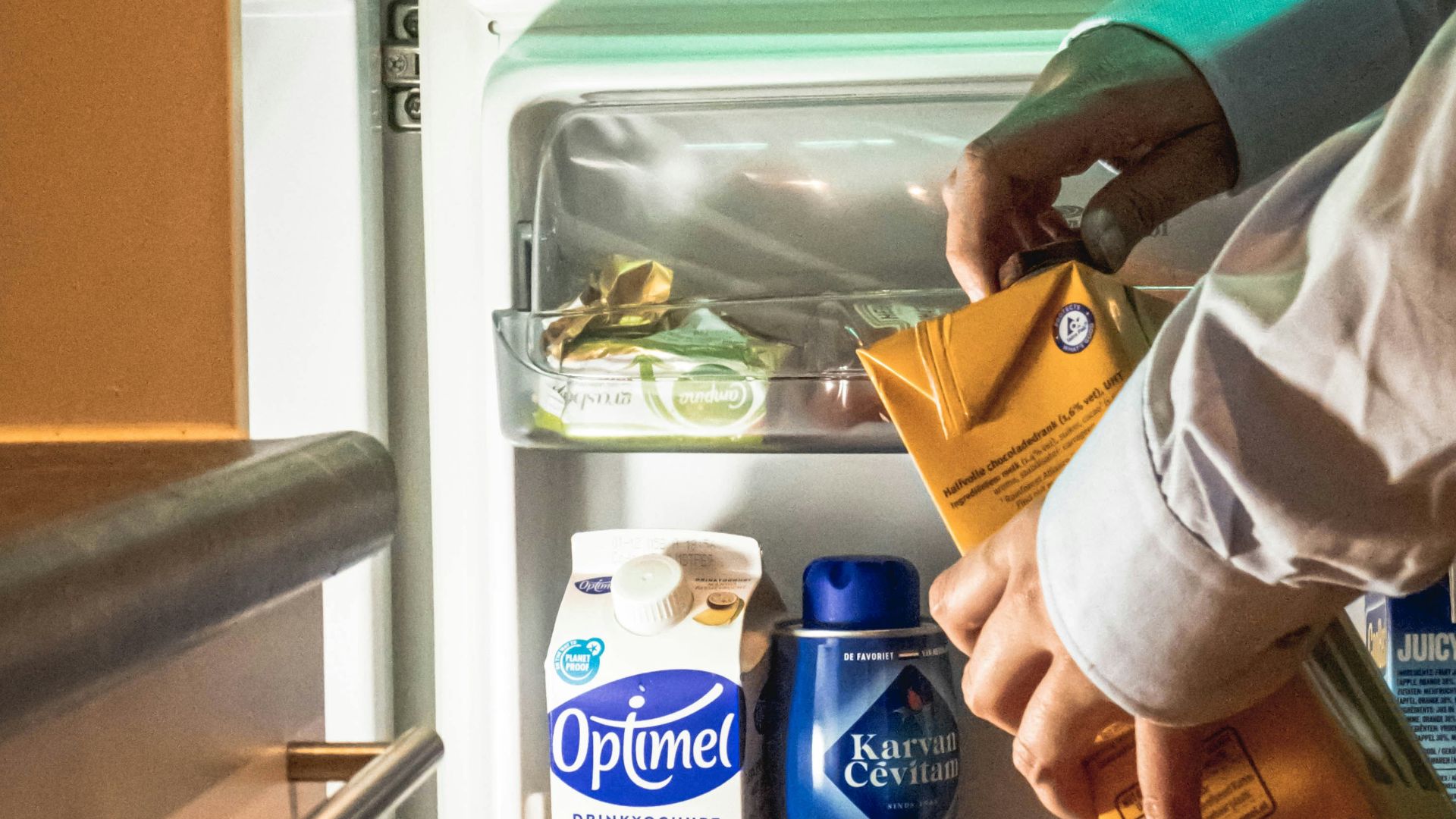
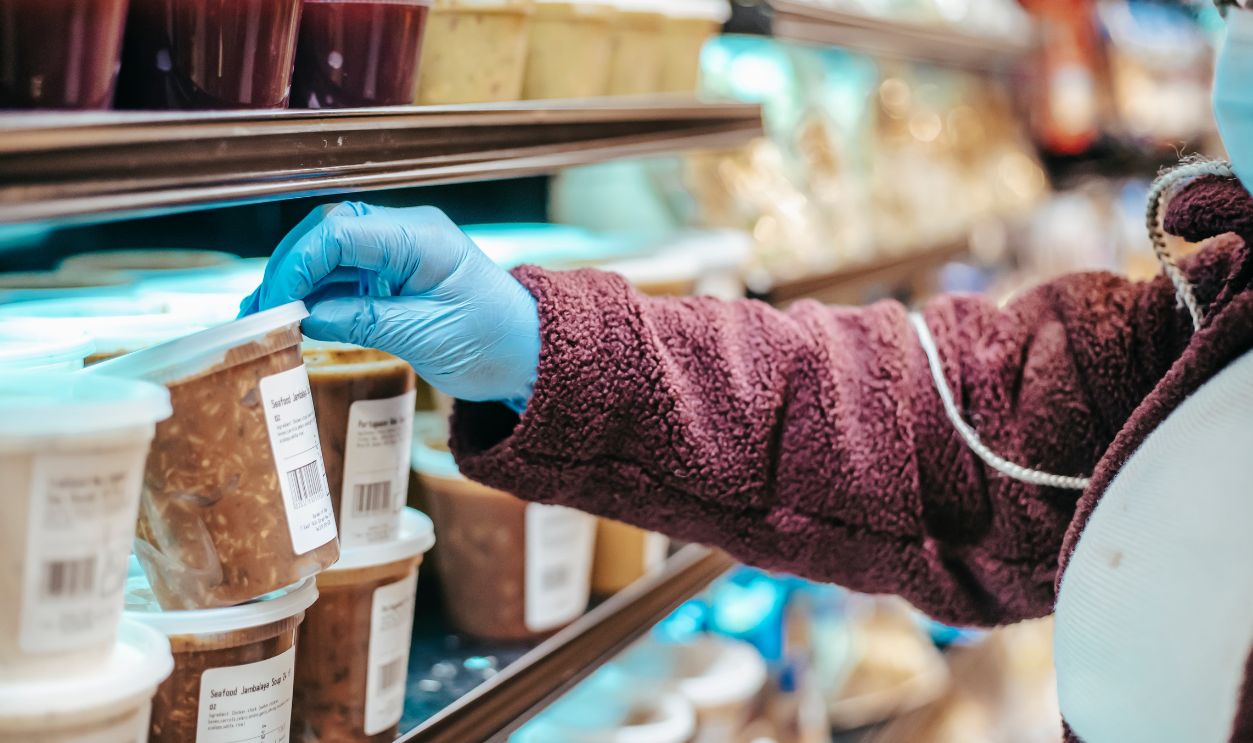
Once soup, ground beef, and leftovers are covered in frost, they can become surprisingly difficult to identify. Label packages with the food name and freezing date before placing them inside. Clear labels also make it easier to use USDA quality-storage recommendations rather than guessing how long something has been there.
Freeze Food While It Is Still Good
Do not wait until food is almost spoiled before deciding to freeze it. USDA says food frozen at peak quality generally tastes better after thawing than food frozen near the end of its useful life. If you realize you will not eat something soon, freezing it earlier usually gives you a better result.
Portion Before You Freeze
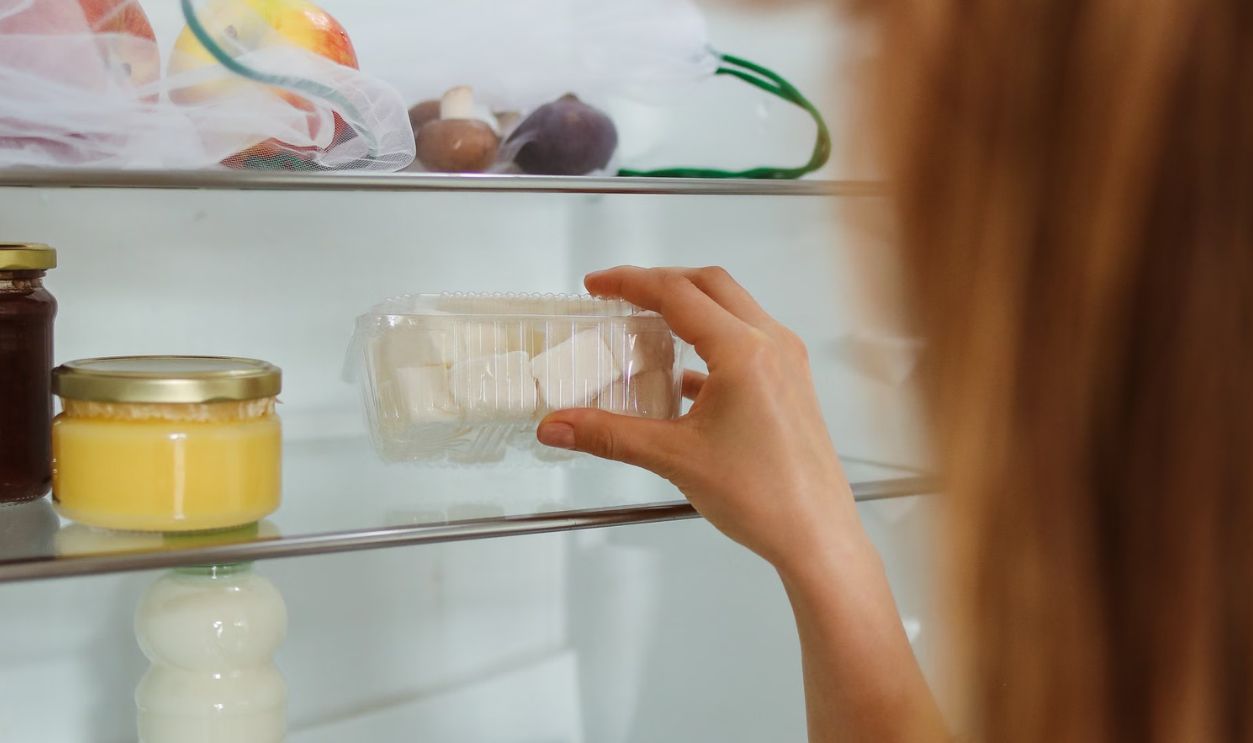
Divide large purchases into portions your household will actually cook. A giant frozen block of chicken or ground beef is inconvenient when dinner requires only enough for two people. Smaller portions also let you thaw only what you need instead of creating another round of leftovers.

Better Packaging Prevents Bad Food
Air exposure can cause freezer burn and reduce food quality. USDA recommends appropriate packaging and says store wrapping on meat and poultry may need additional protection for longer storage. Freezer bags, airtight containers, or suitable wrapping can help protect the bargain you worked to find.
Freezer Burn Is Not Automatically Dangerous
That dry gray or brown patch does not necessarily mean dinner belongs in the trash. USDA says freezer burn is a quality problem rather than a food-safety problem. You can trim freezer-burned areas, although heavily affected food may taste poor enough that you choose not to use it.
Learn Which Foods Age Well
Food held continuously at 0 degrees Fahrenheit remains safe indefinitely, but quality declines over time. USDA recommends about three to four months for raw ground meat, four to twelve months for raw steaks and chops, and up to twelve months for a whole uncooked poultry bird for best quality. Those guidelines help prevent your freezer from becoming a museum of technically safe but unappealing food.
Stock Up On Food You Actually Eat
A 40% discount is not a bargain if nobody in your house likes the product. Use the freezer primarily for foods that already appear regularly in your meals. Experiment with one package before purchasing ten just because the warehouse-store price looks irresistible.
Chase Discounts, Not Volume
The purpose of extra freezer space is to let you buy when prices are favorable rather than whenever you run out. This can be particularly valuable in categories with volatile prices, such as meat. USDA reported that beef and veal prices in June 2026 were 11.8% higher than a year earlier, illustrating why timing purchases can matter.
Check The Unit Price Before Stocking Up
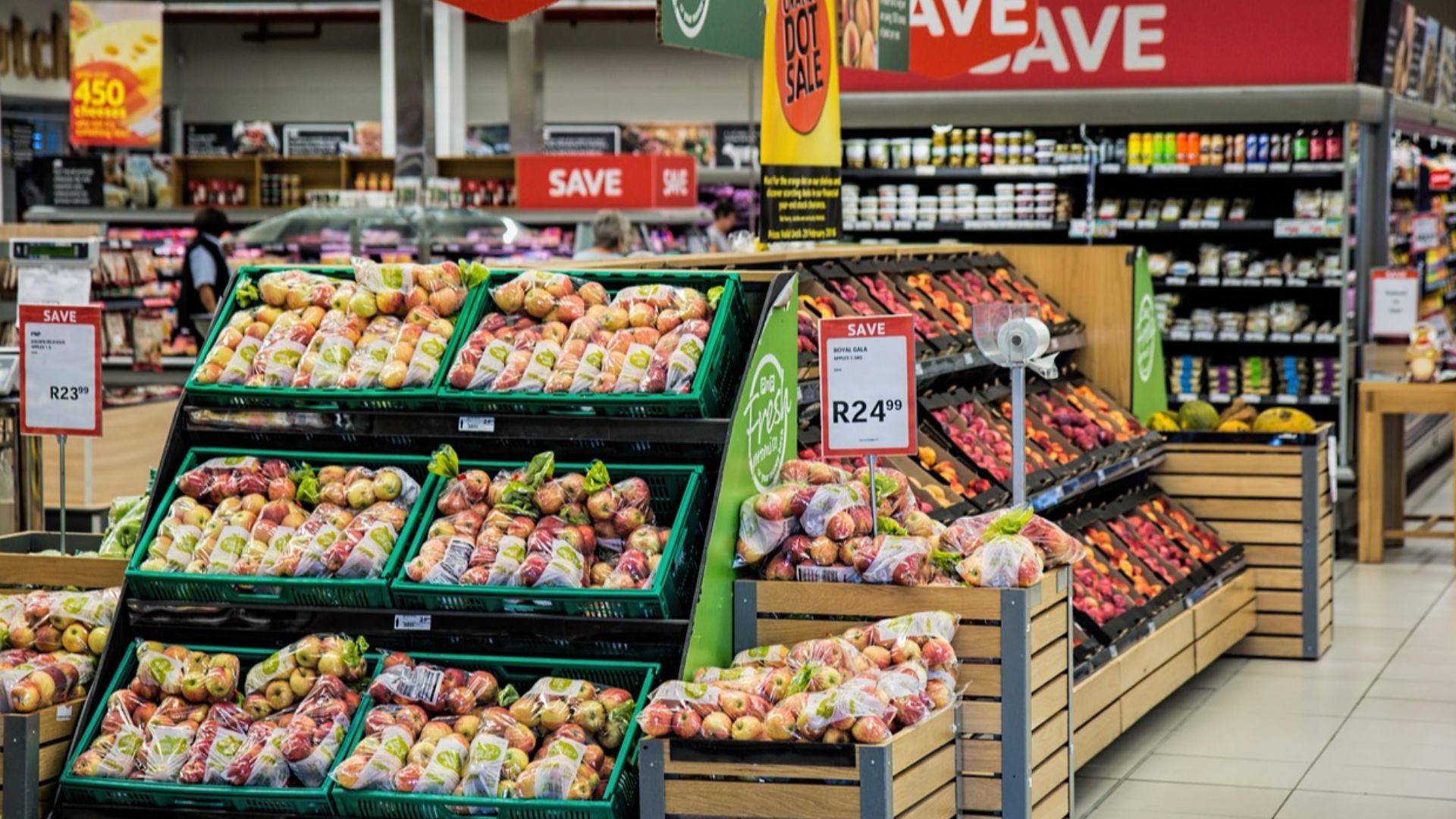
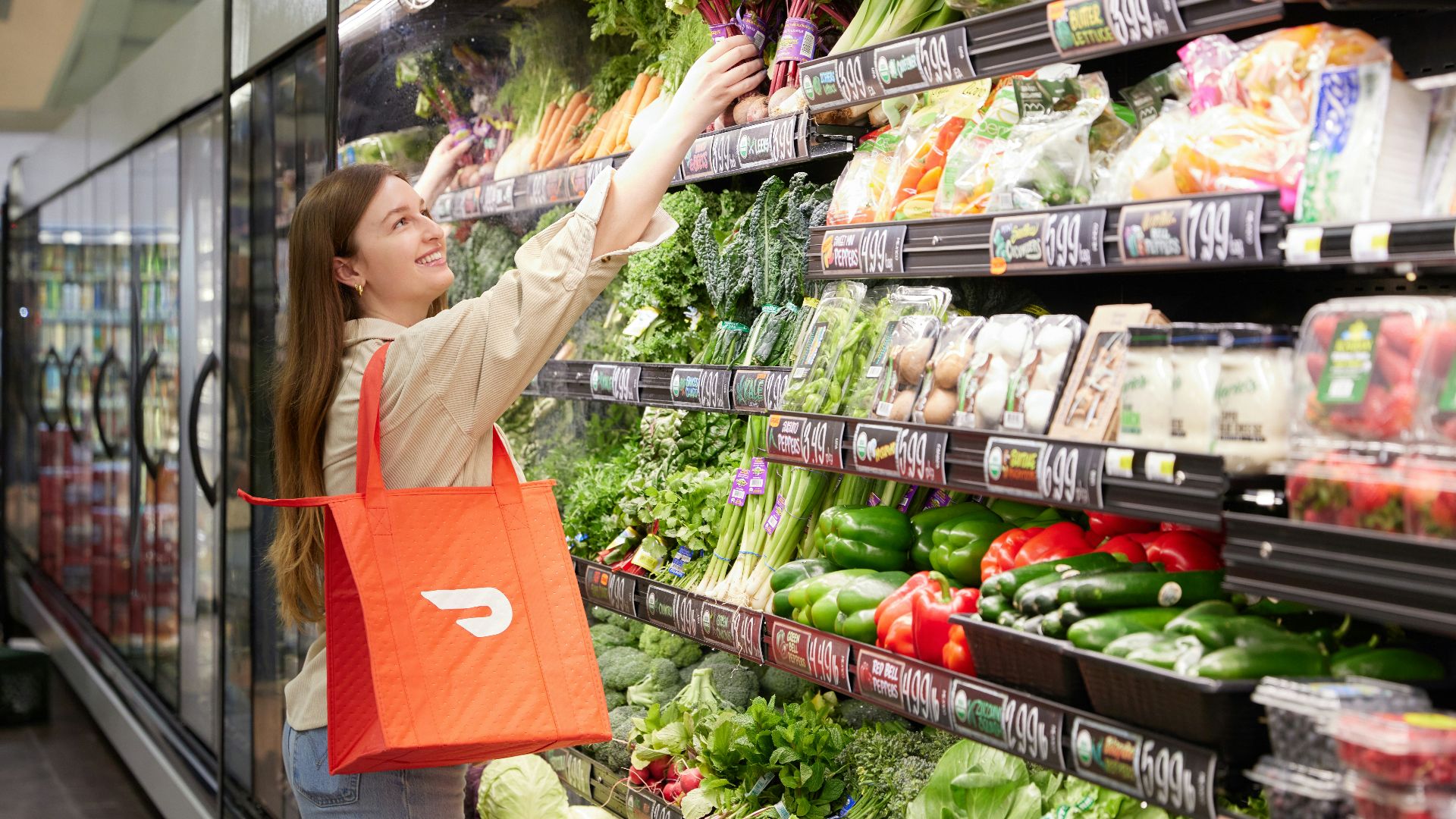
A large package is not automatically the cheapest package. Compare the price per pound, ounce, or serving before committing valuable freezer space. The best stock-up purchase combines a genuinely low unit price with a product you were already going to consume.
Turn The Freezer Into A Meal Bank
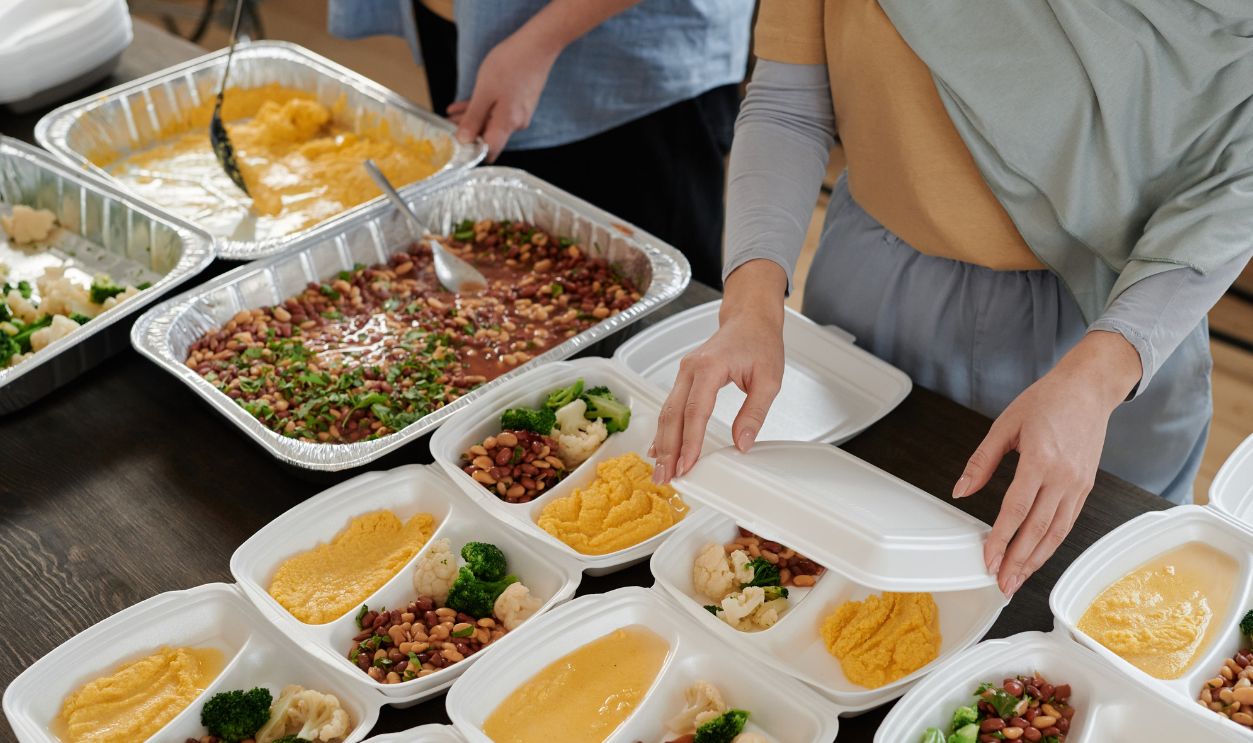
Bulk cooking can produce savings beyond supermarket discounts. Make double batches of dishes your household likes and freeze individual or family-sized portions. Having a ready-made dinner available can reduce the temptation to buy takeout or let fresh ingredients spoil.
Rescue Leftovers Before They Become Trash
If you know tonight’s leftovers will not be eaten within the next few days, freeze them promptly. FDA and USDA guidance says properly handled frozen food remains safe at 0 degrees Fahrenheit, although its quality eventually declines. Turning extra portions into future meals is one of the simplest ways to make freezer ownership pay.

Prepare For A Power Outage
A freezer full of food is also a concentration of financial risk. USDA says a full freezer generally keeps food cold for about two days during an outage if the door remains closed, while a half-full freezer lasts about one day. Avoid repeatedly opening the door when the electricity is out.
Do A Monthly Freezer Audit
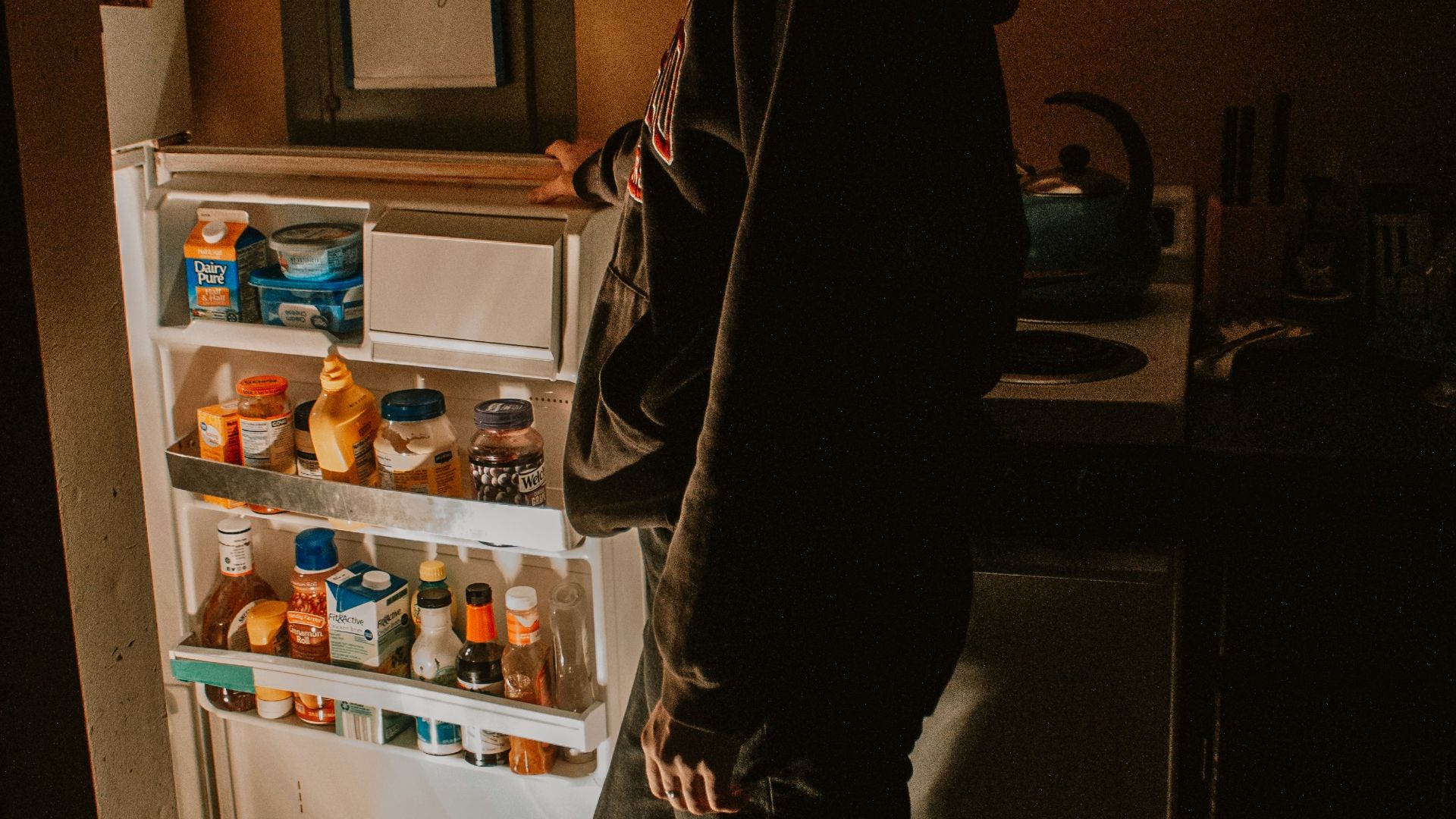
Once a month, inspect what you have before buying more. Build several meals around the oldest or most expensive items and note which foods consistently go unused. If you keep throwing away the same bargain purchase, stop buying it regardless of how impressive the sale price looks.
Make Every Cubic Foot Earn Its Keep
Your freezer works financially when it helps you buy genuine bargains, preserve food you would otherwise waste, and keep convenient meals ready for later. ENERGY STAR data suggest the electricity cost of an efficient freezer can be relatively modest compared with the nearly $3,000 in annual food waste EPA estimates for a family of four. Keep the freezer organized, buy selectively, track what you use, and the appliance can become a savings tool instead of an expensive holding tank.
You May Also Like:
A Guide To Building Your Emergency Fund
How To Save Money Without Sacrificing Your Social Life