
Meal Planning Should Save Money, So Why Is It Costing More
Meal planning is supposed to make grocery shopping cheaper, so it can be frustrating when a carefully written list produces a shockingly high total. The problem is usually not meal planning itself, but the way recipes, package sizes, food waste, and shopping habits interact. A few practical changes can turn an expensive weekly menu into a plan that actually reduces spending.

Your First Grocery Bill Can Be Misleading
Starting a meal plan often requires buying basics such as oil, flour, rice, spices, sauces, and condiments. You may spend far more during the first week because each recipe uses only a small portion of those purchases. Judge the plan over several weeks, not by the cost of stocking an empty kitchen once.
You Are Comparing Different Numbers
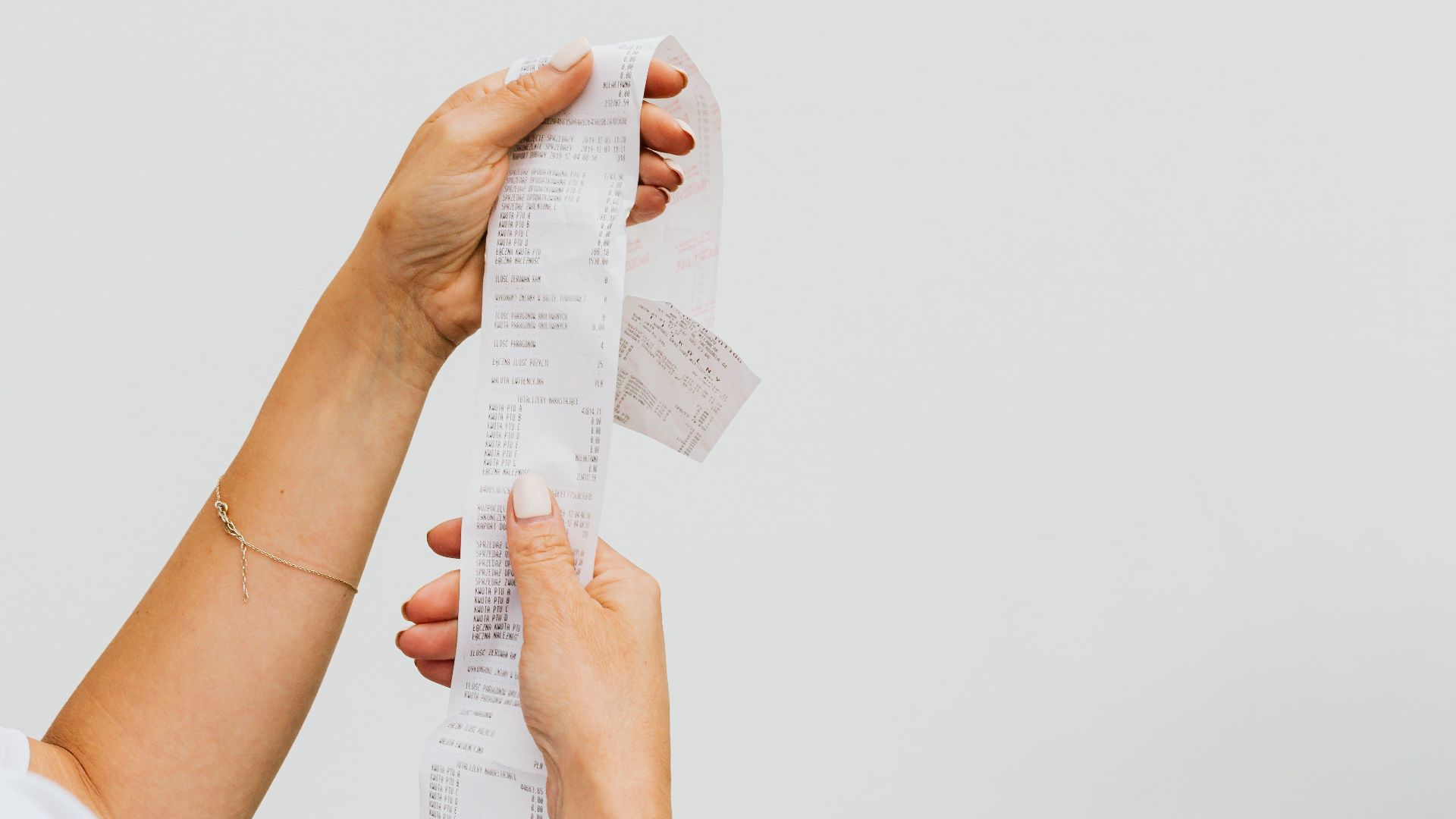
The price of a homemade meal and the total at the checkout are not directly comparable. A recipe might use one cup of rice, but the store sells rice by the bag, leaving enough for several future meals. Calculate the cost of the amount actually used instead of assigning the entire package price to one dinner.

Trendy Recipes Can Destroy A Budget
Many online recipes are designed to look exciting rather than minimize grocery costs. A single dish may require fresh herbs, specialty cheese, several vegetables, and a sauce you do not already own. Budget meal planning works better when you start with affordable ingredients and choose recipes around them.

Too Many Recipes Create Too Many Purchases
Planning seven completely different dinners can produce a list containing dozens of unrelated ingredients. Some will be used once, while the remaining portions slowly spoil in the refrigerator. Repeating ingredients across several meals lowers the number of products you need to buy.
Start With The Food You Already Own
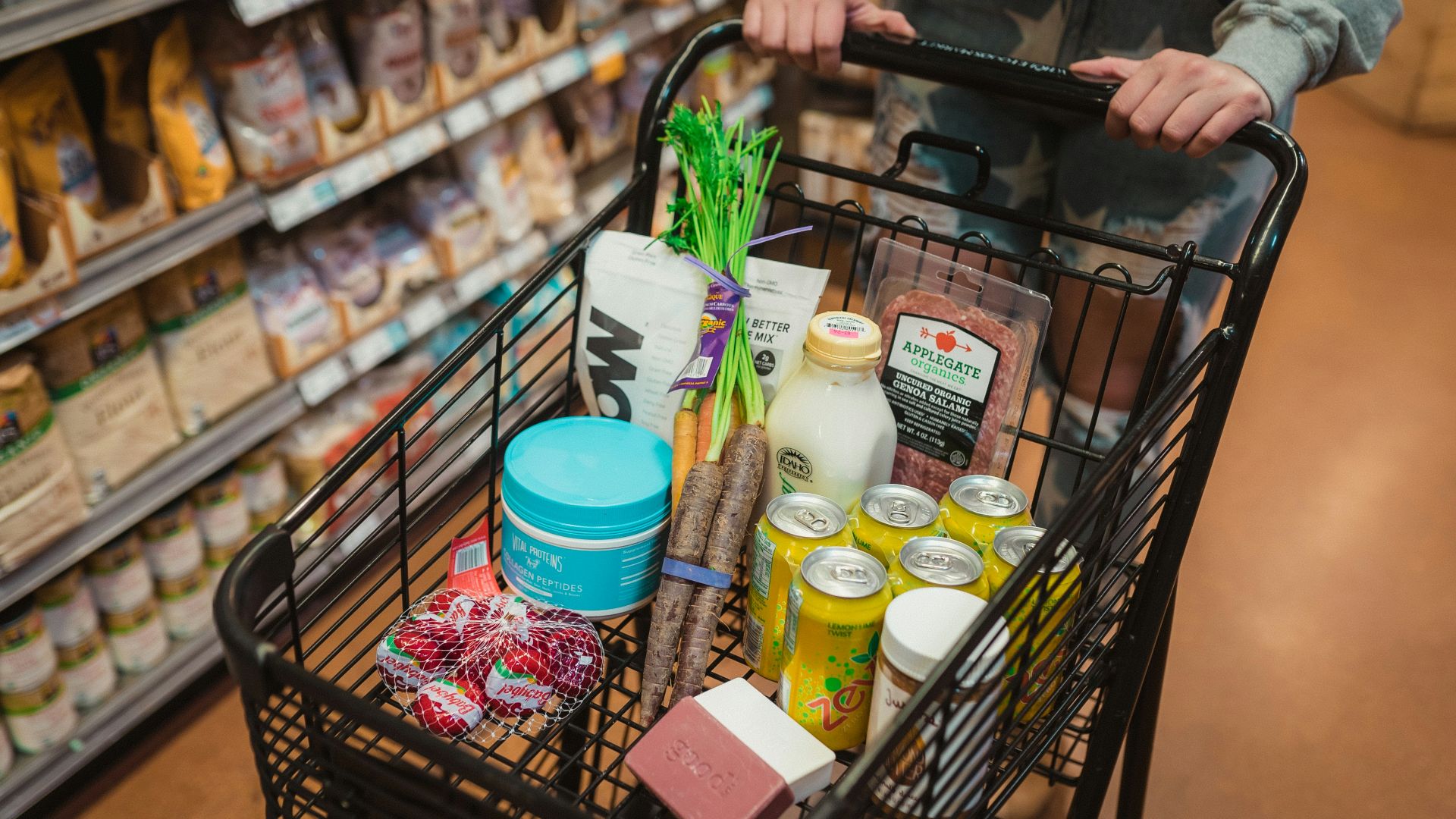
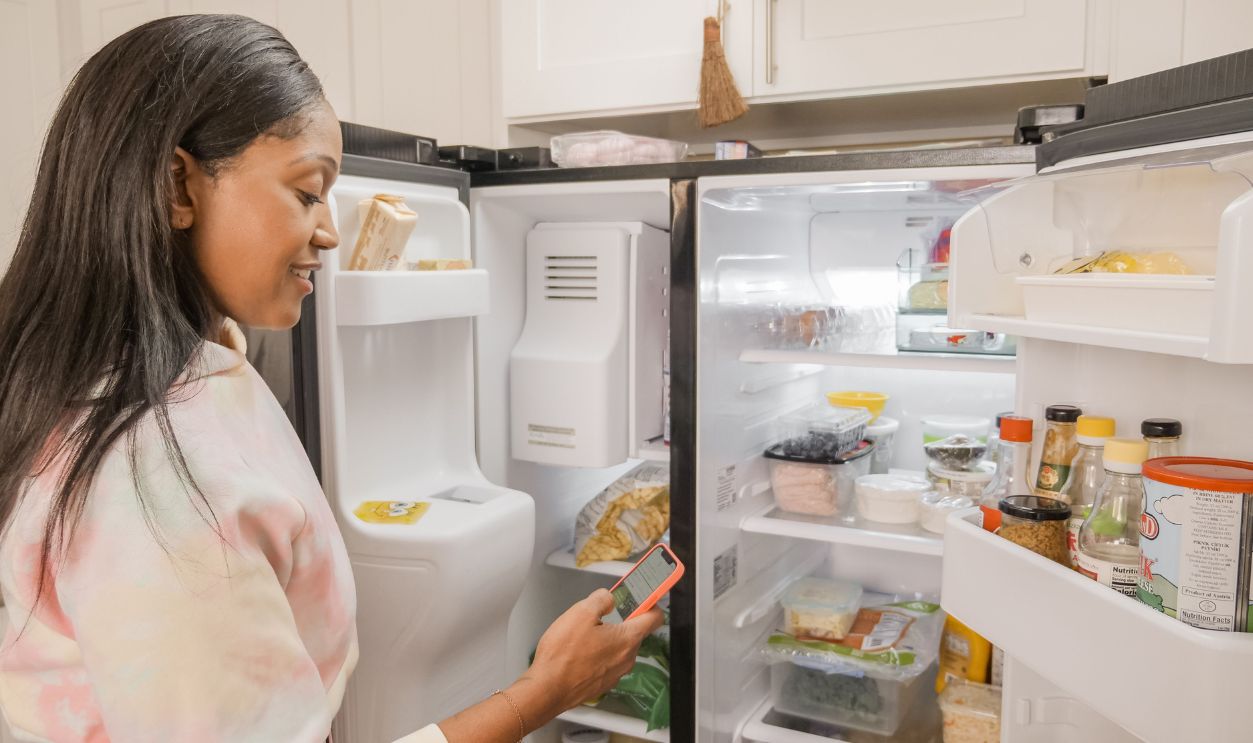
Checking the refrigerator, freezer, and cupboards should come before choosing recipes. Utah State University Extension recommends looking at what is on hand, reviewing store sales, considering your schedule, and planning for leftovers. Building meals around existing food prevents duplicate purchases and turns forgotten ingredients into usable inventory.

Let Store Sales Shape The Menu
A rigid meal plan can force you to buy chicken, peppers, or berries during an expensive week. University of Minnesota Extension advises planning around discounts and promotions rather than selecting every meal before checking prices. A flexible menu lets the best available deals determine which dishes you prepare.
Compare Prices By The Unit
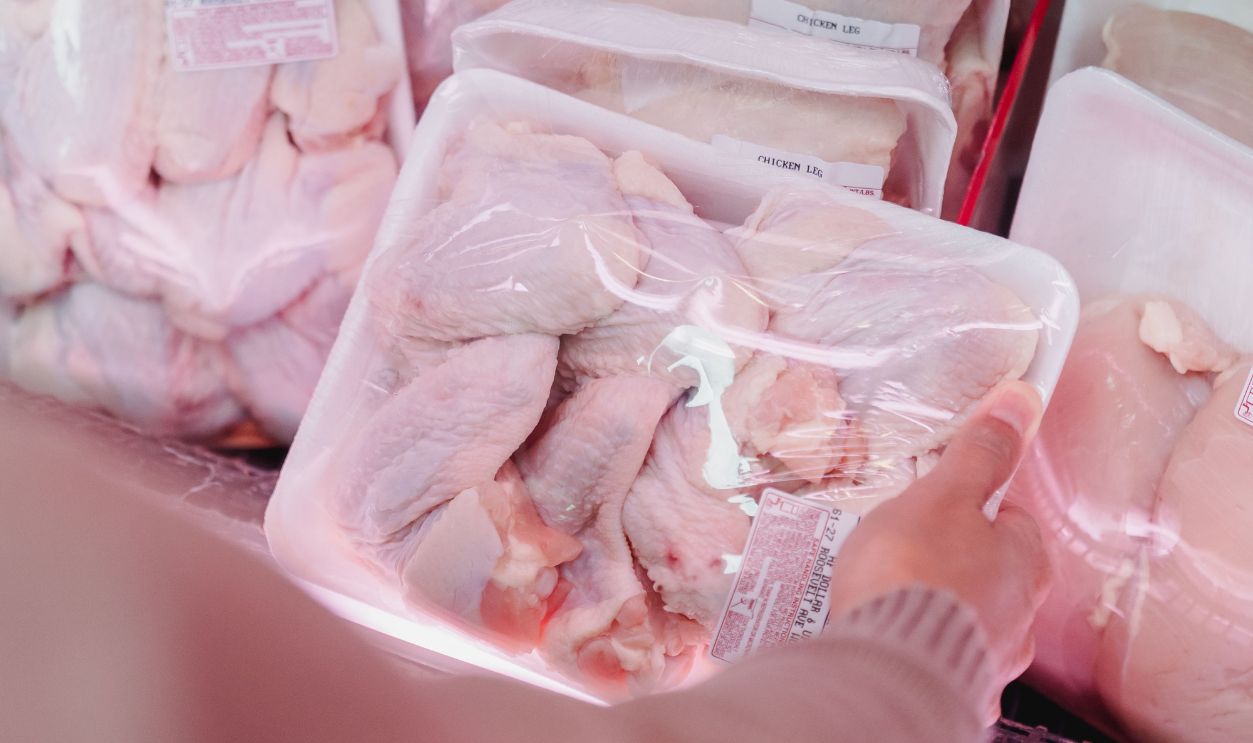
A lower package price does not always mean a better bargain. Penn State Extension recommends checking unit prices, such as the cost per ounce or pound, when comparing products and package sizes. This reveals whether the larger container, sale item, or store brand actually provides more food for the money.

Bulk Buying Is Not Automatically Frugal
A family-sized package usually costs more upfront, even when its unit price is lower. It only saves money when you can afford the purchase and use or freeze the food before it spoils. Penn State Extension specifically recommends considering both the unit price and whether the larger quantity will be used in time.

Food Waste May Be The Real Expense
The Environmental Protection Agency estimates that wasted food costs the average American consumer hundreds of dollars per year. For a household of four, its updated estimate exceeds $2,900 annually. Meal planning cannot save money when much of the purchased food is eventually discarded.
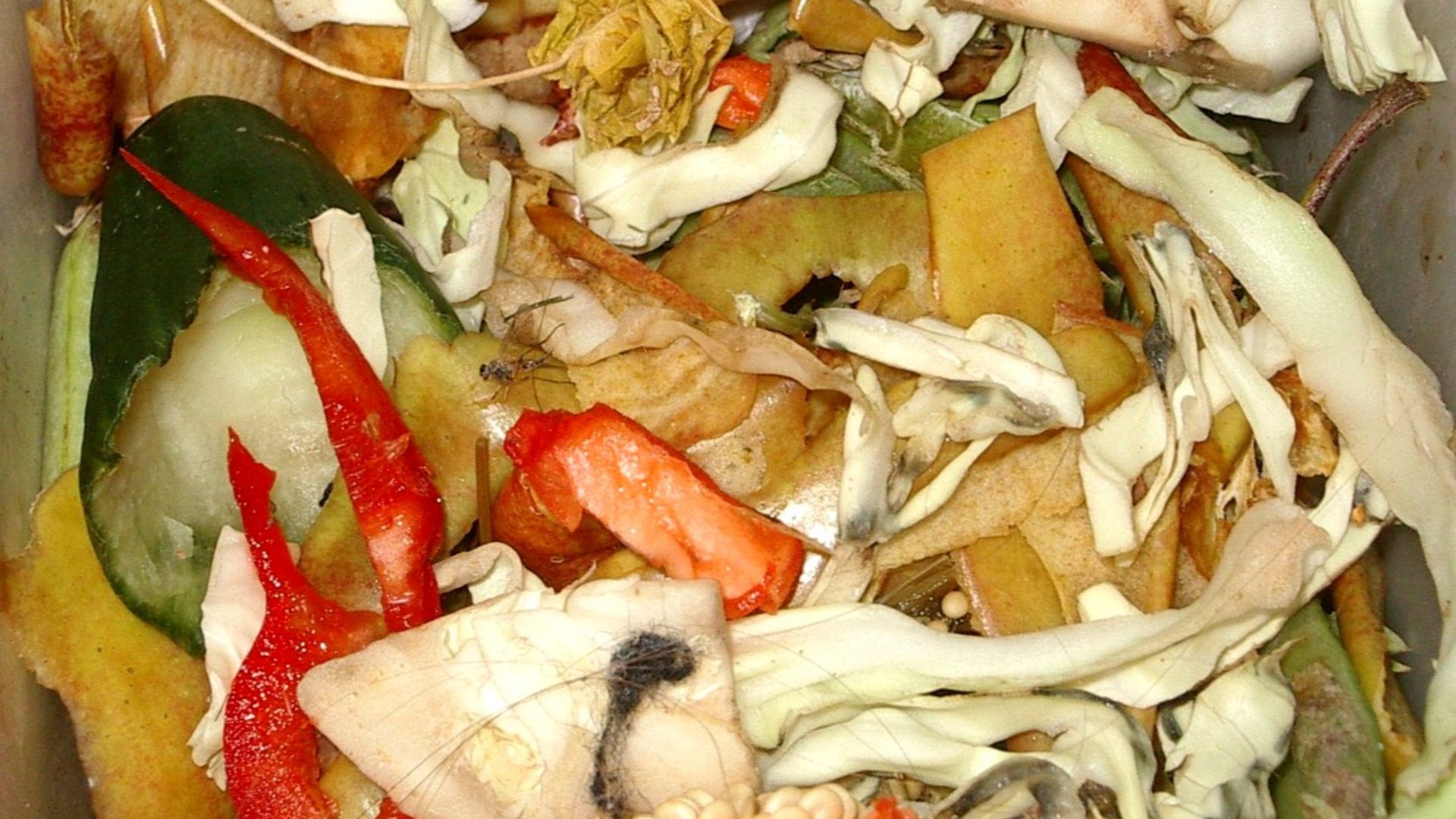 Photo taken by Muu-karhu, Wikimedia Commons
Fresh Produce Can Become Expensive Trash
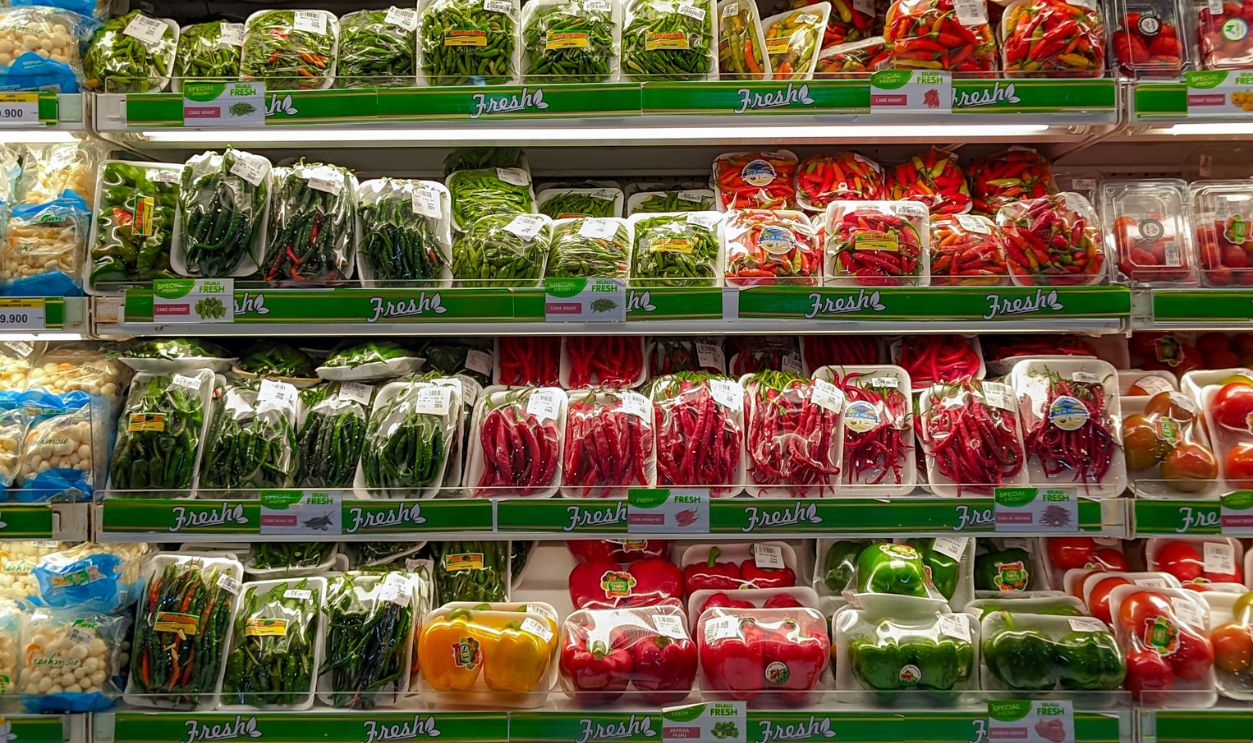
Buying fresh spinach, herbs, berries, and salad ingredients feels responsible until half of them spoil. Frozen and canned produce lasts longer and can reduce waste when fresh versions regularly go unused. Harvard’s Nutrition Source notes that frozen vegetables, canned beans, and other shelf-stable foods can be nutritious budget staples.

Convenience Ingredients Carry A Premium
Precut vegetables, individual snack packs, bottled sauces, and prepared grains can save valuable time. They also tend to cost more than less processed versions of the same foods. Harvard materials note that washed and precut produce is convenient but usually more expensive than preparing it yourself.
Cooking Everything From Scratch Can Backfire
The cheapest theoretical option is not always the cheapest realistic option. Someone with limited time may buy raw ingredients, postpone cooking, and order takeout while the groceries spoil. A few carefully chosen convenience products can cost less than wasting food and purchasing an additional meal.
Plan For Your Actual Schedule
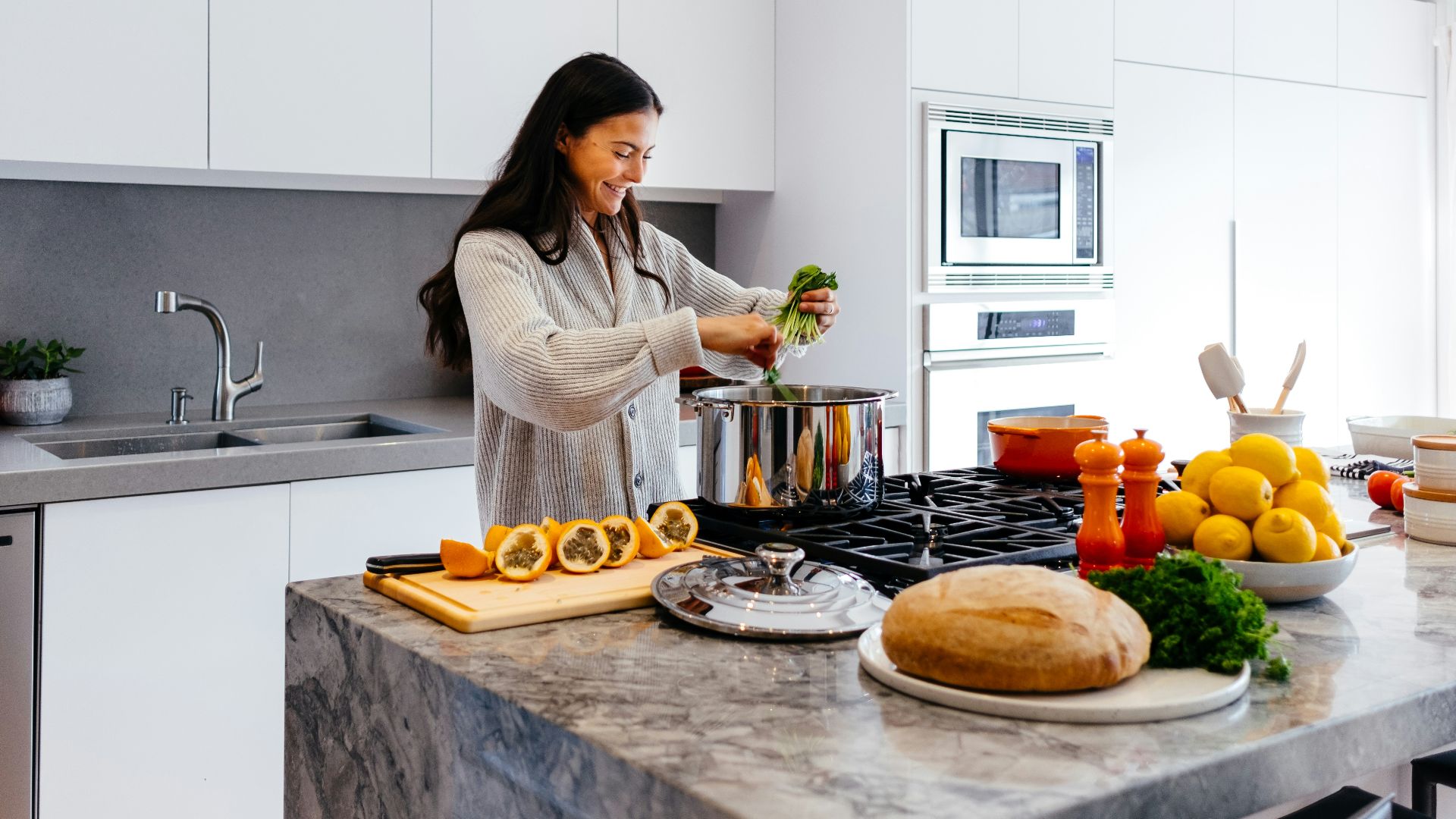
A complicated dinner is unlikely to happen on a night filled with work, errands, or family commitments. Utah State University Extension recommends considering the household schedule when creating a weekly menu. Reserve time-consuming recipes for quieter days and keep fast meals available for busy evenings.

Keep An Emergency Meal Available
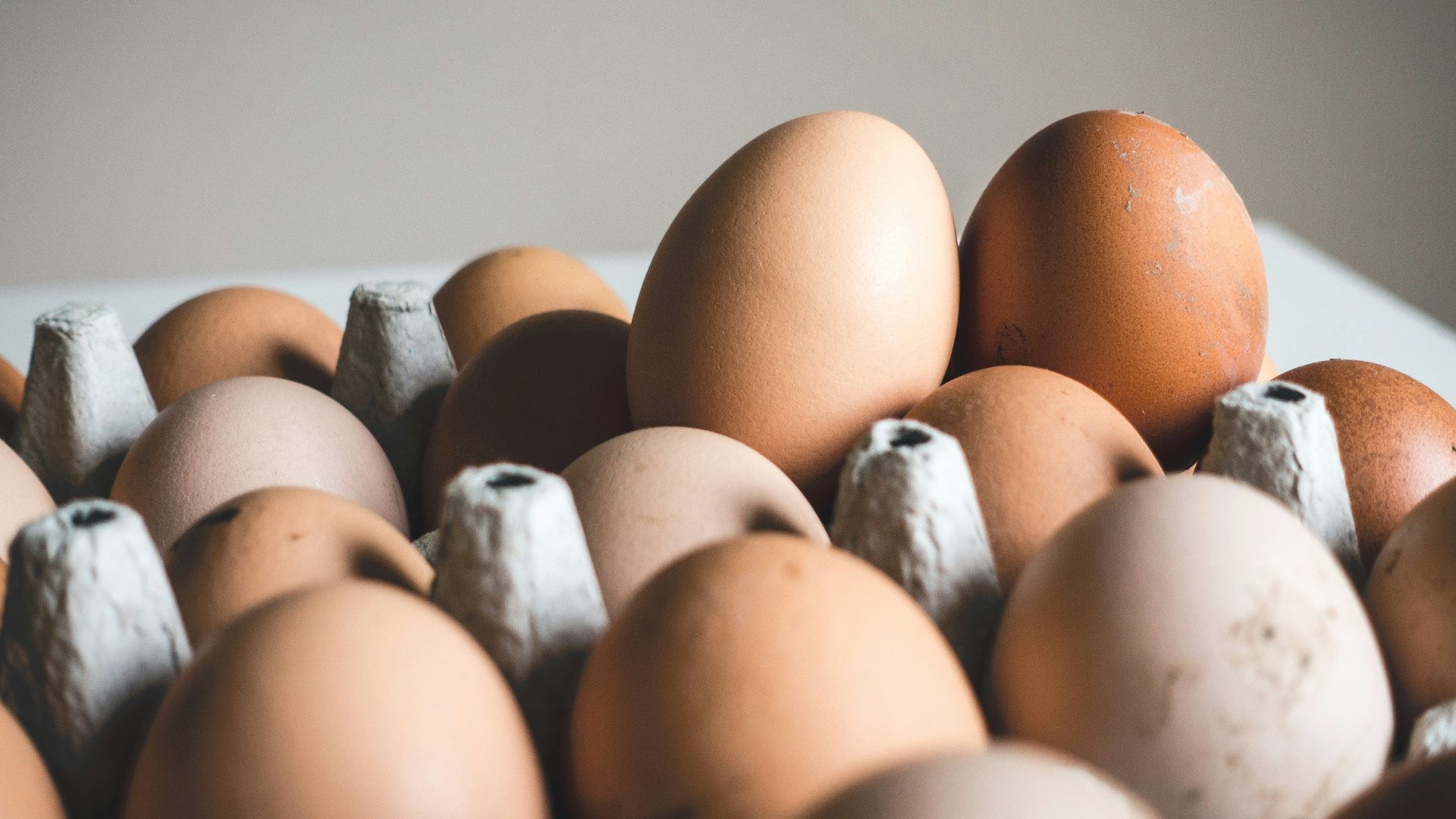
Unexpected overtime or fatigue can derail even a thoughtful plan. Store a few easy options such as pasta and sauce, eggs and toast, frozen soup, or beans and rice. These meals provide a cheaper backup when the alternative would be restaurant delivery.
Use A Small Group Of Reliable Staples
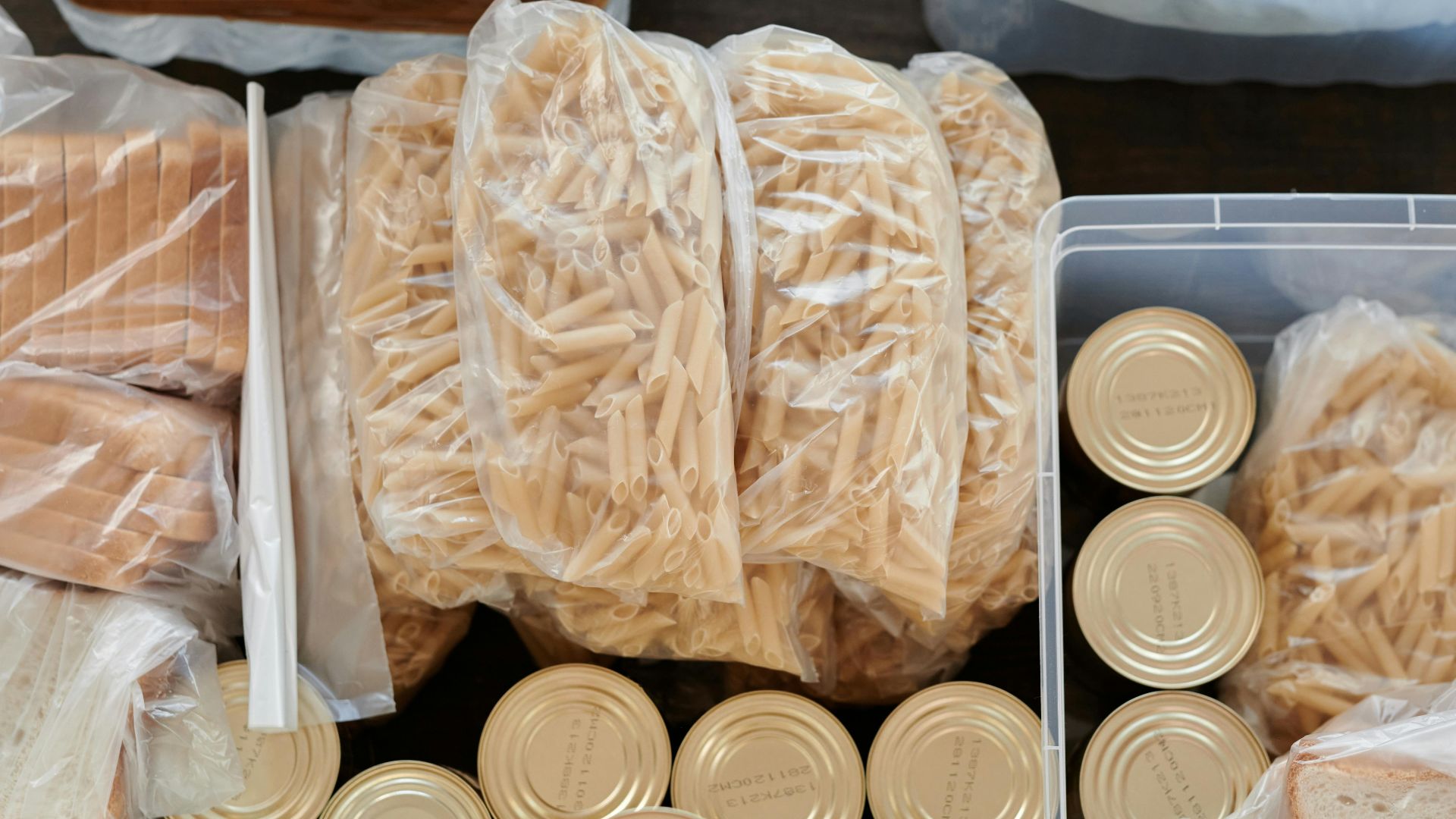
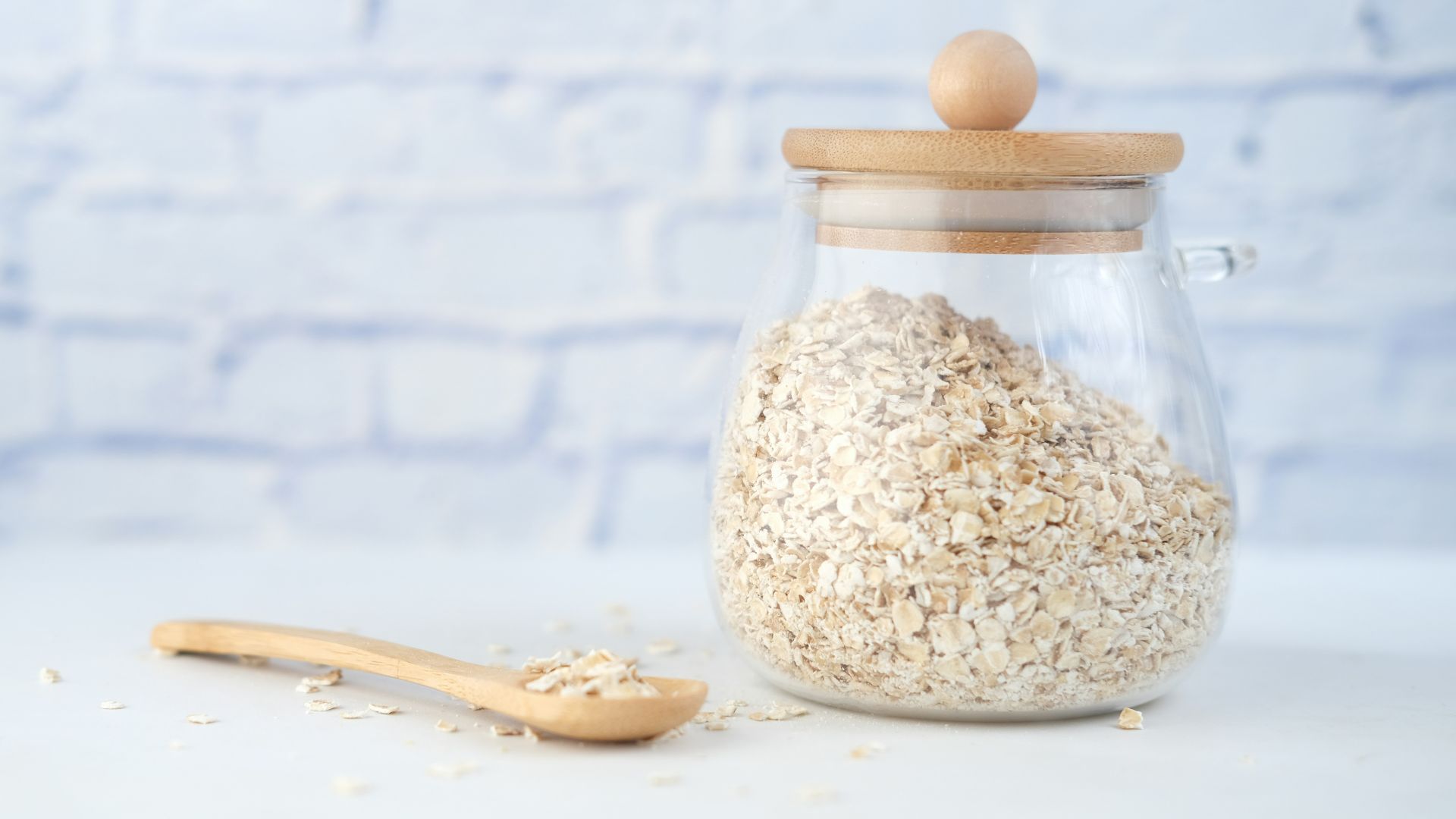
Affordable meal planning usually depends on ingredients that can appear in many forms. Rice, oats, pasta, potatoes, eggs, beans, lentils, canned tomatoes, and frozen vegetables can support a wide range of meals. Harvard identifies foods such as whole grains, legumes, frozen produce, canned beans, and tinned fish as useful budget-friendly staples.
Give Every Ingredient More Than One Job
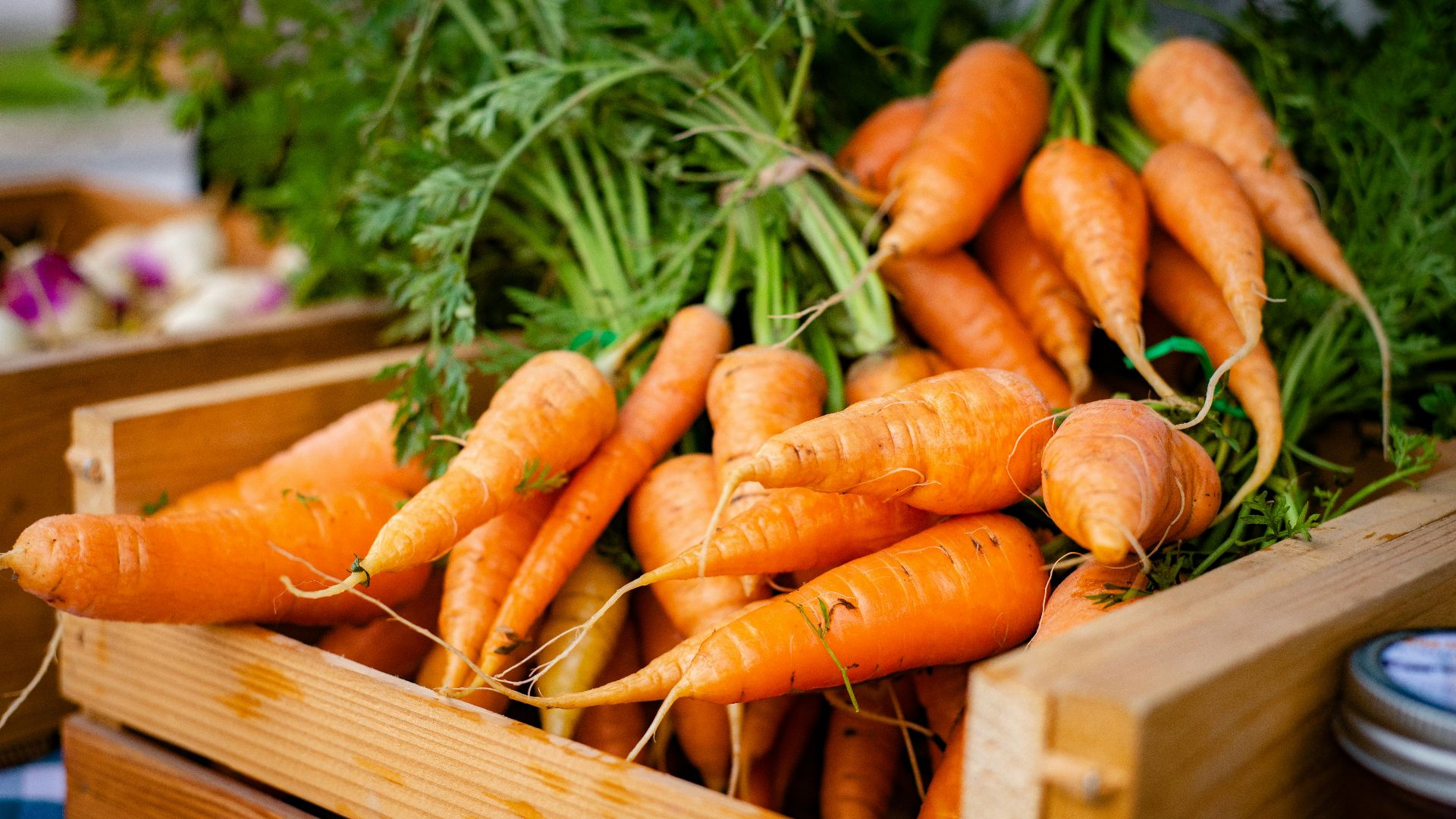
A bunch of carrots can become a side dish, soup ingredient, snack, or addition to a stir-fry. Cooked chicken can appear in sandwiches, grain bowls, tacos, or pasta. Choosing adaptable ingredients reduces the risk of buying an item for one recipe and abandoning the remainder.
Build Meals Around A Common Base
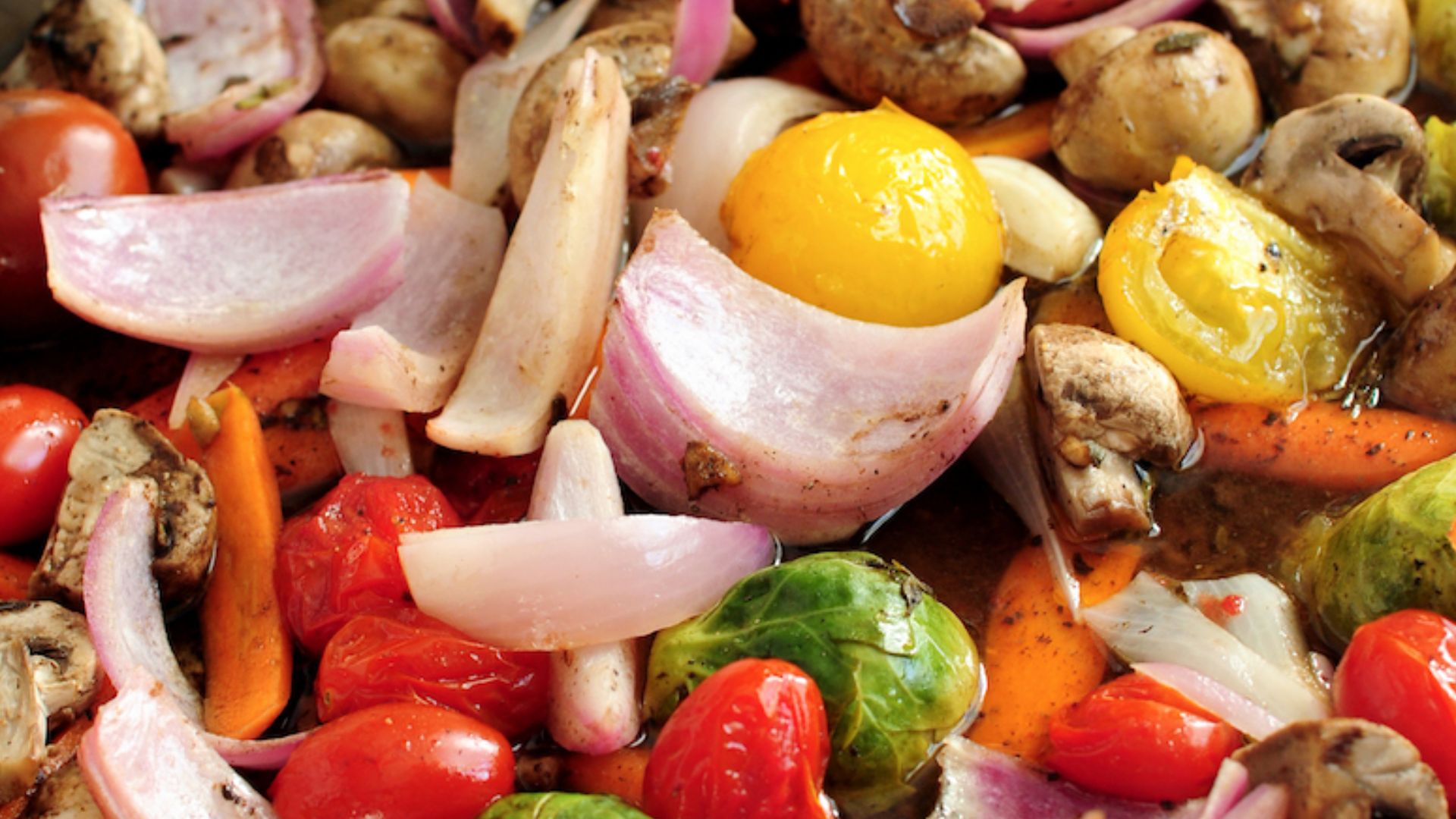
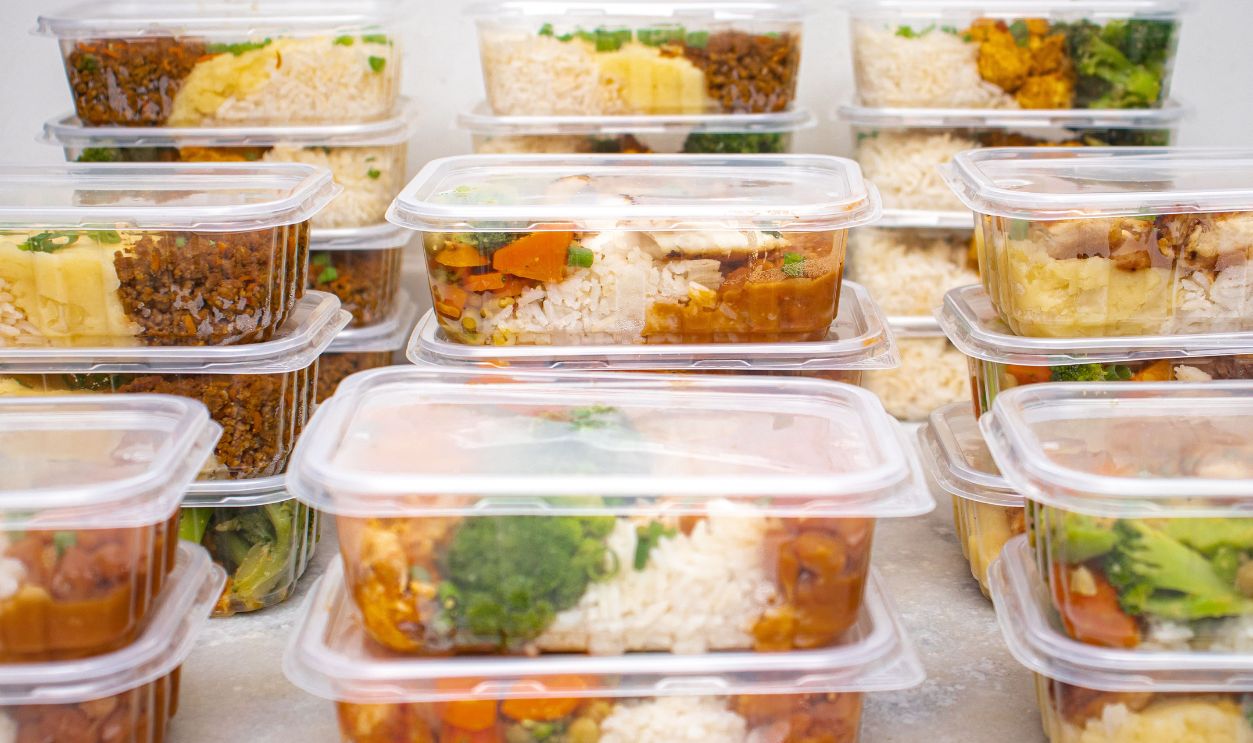
Several meals can share one pot of rice, a tray of roasted vegetables, or a batch of cooked beans. Changing the seasonings and toppings keeps those meals from feeling identical. This approach also shortens preparation time and makes it easier to use every ingredient.
 Sharon Chen from Austin, United States, Wikimedia Commons
Schedule Leftovers Instead Of Hoping
Leftovers often disappear into the refrigerator because no one has decided when to eat them. Utah State University Extension recommends planning for leftovers and using them intentionally to reduce food waste. Mark a specific lunch or dinner as a leftover meal before the week begins.
Freeze Extra Portions Early
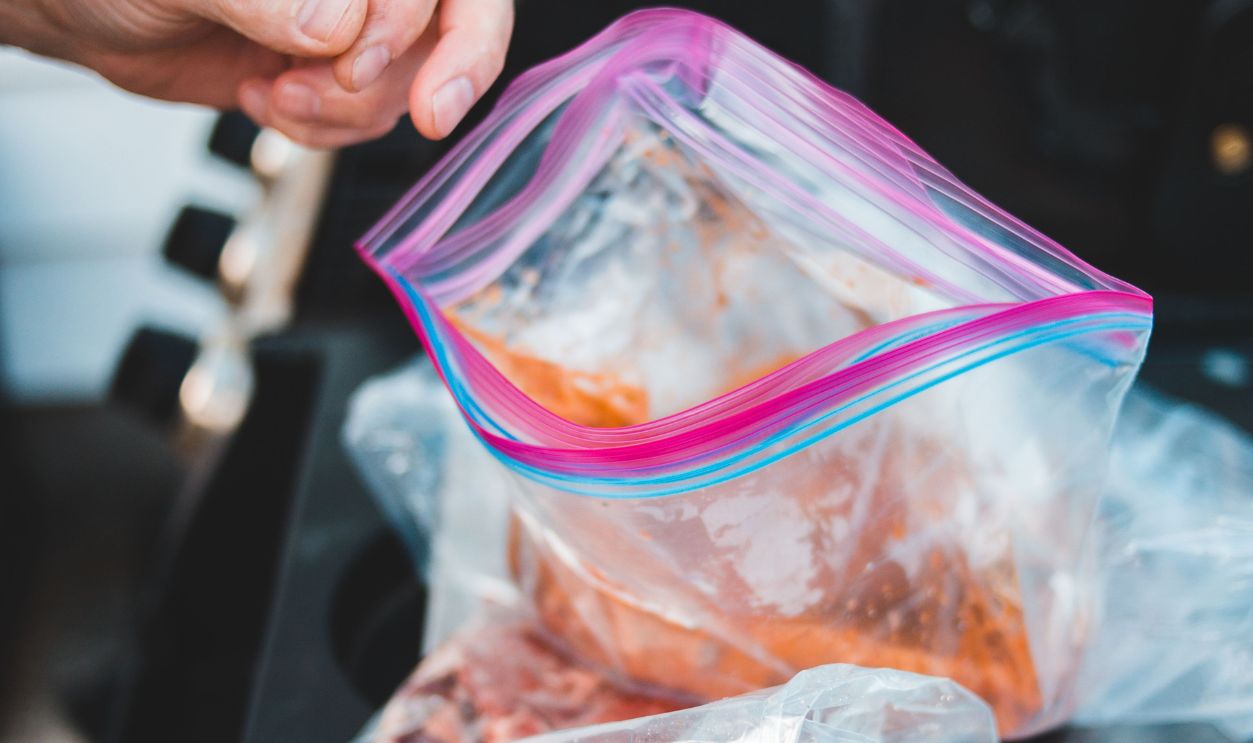
Waiting until food is nearly forgotten makes it less likely that anyone will eat it. Freeze surplus servings soon after cooking when you know they will not be used during the next few days. Harvard’s meal preparation guidance notes that frozen foods can later be used in soups, stews, and other cooked dishes when their texture changes.
Store Leftovers Safely
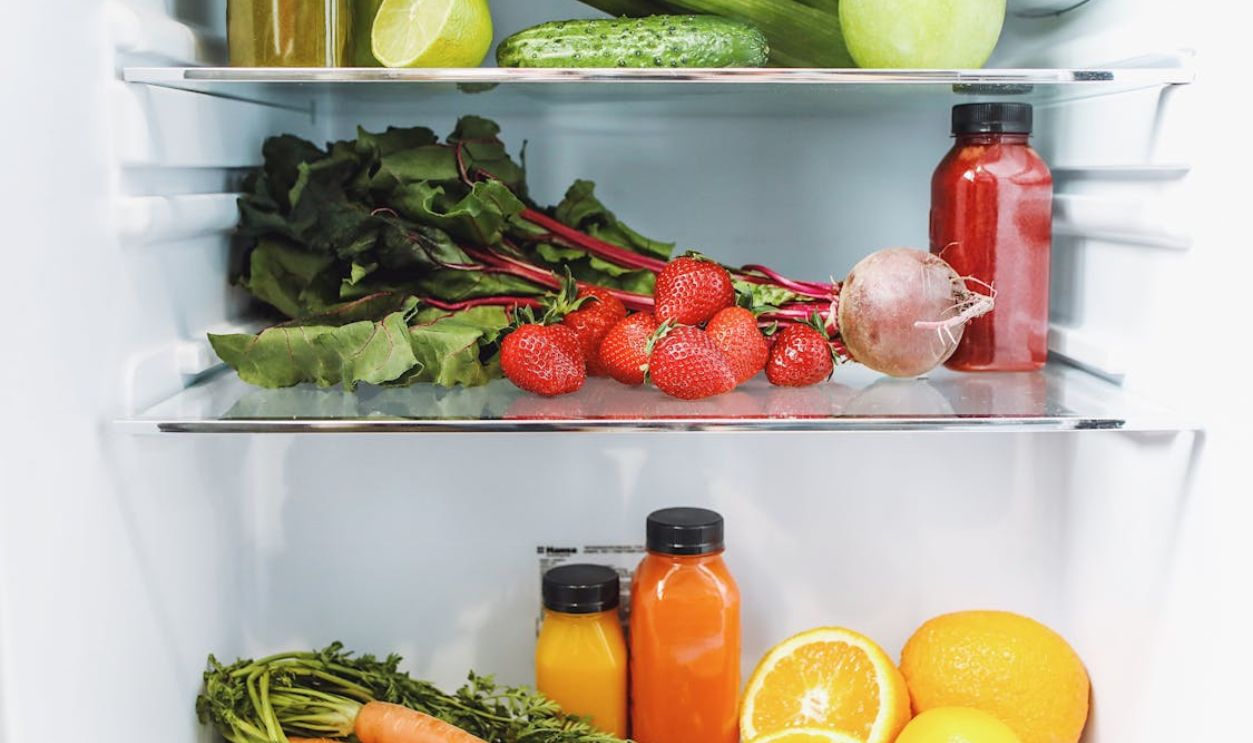
Saving money is not worth taking chances with improperly stored food. The FDA advises refrigerating perishable food promptly and keeping refrigerators at 40 degrees Fahrenheit, or about 4 degrees Celsius, or below. Labeling containers with the date also makes it easier to use older meals first.
Try Planning Fewer Meals At First
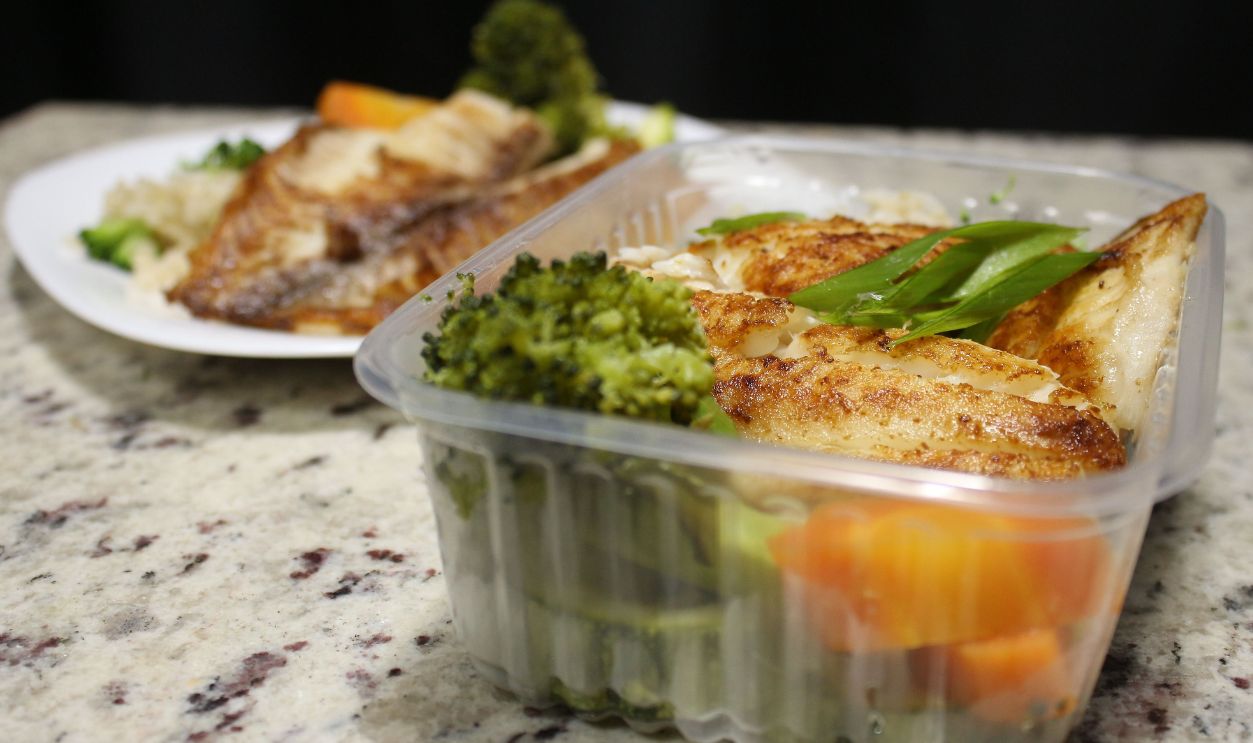
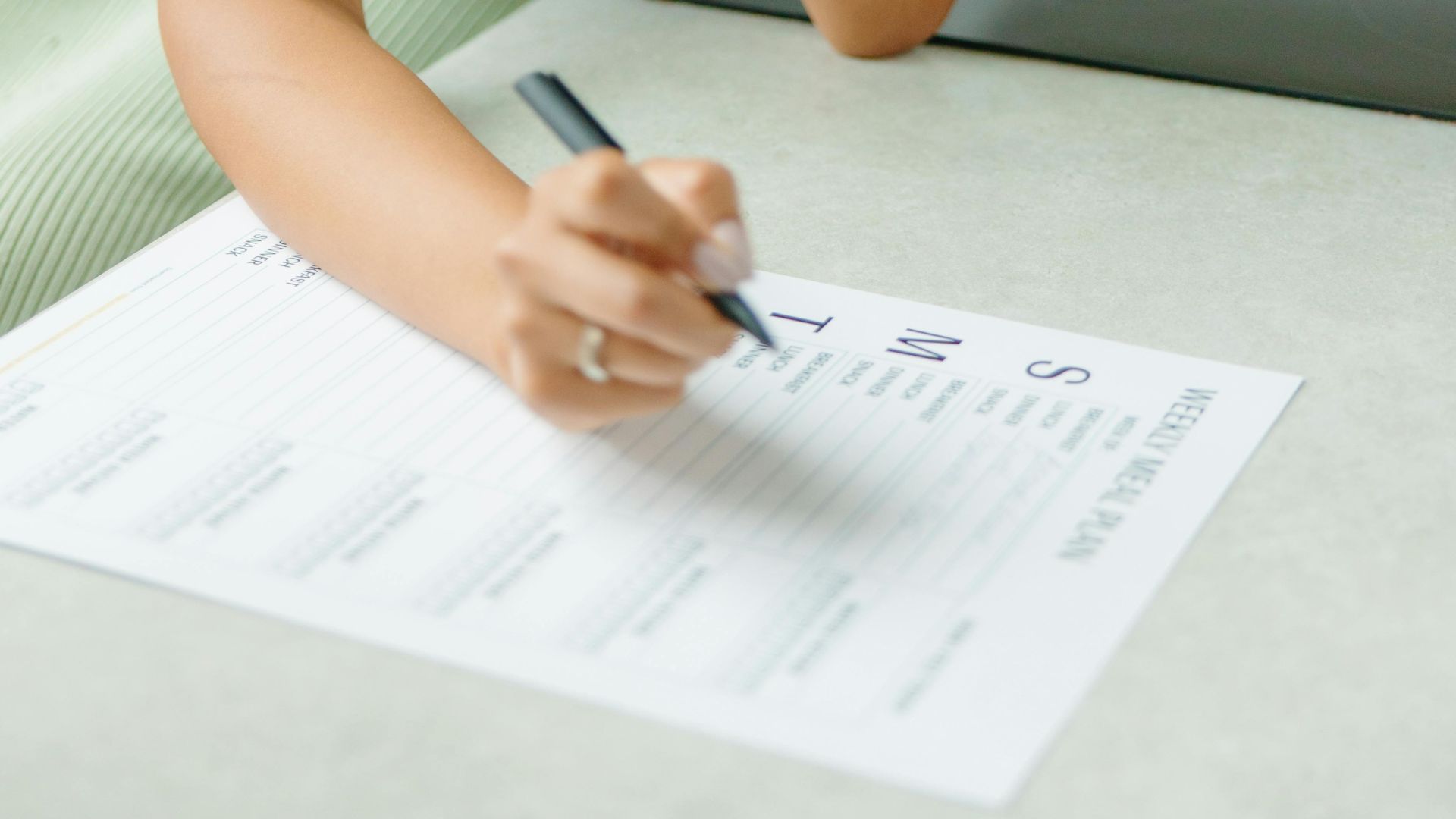
A full week of breakfasts, lunches, dinners, and snacks can overwhelm a new meal planner. Utah State University Extension suggests that beginners may start by planning only lunches or dinners. A smaller plan is easier to follow and leaves room for leftovers, invitations, and schedule changes.
Stop Treating Variety As A Daily Requirement
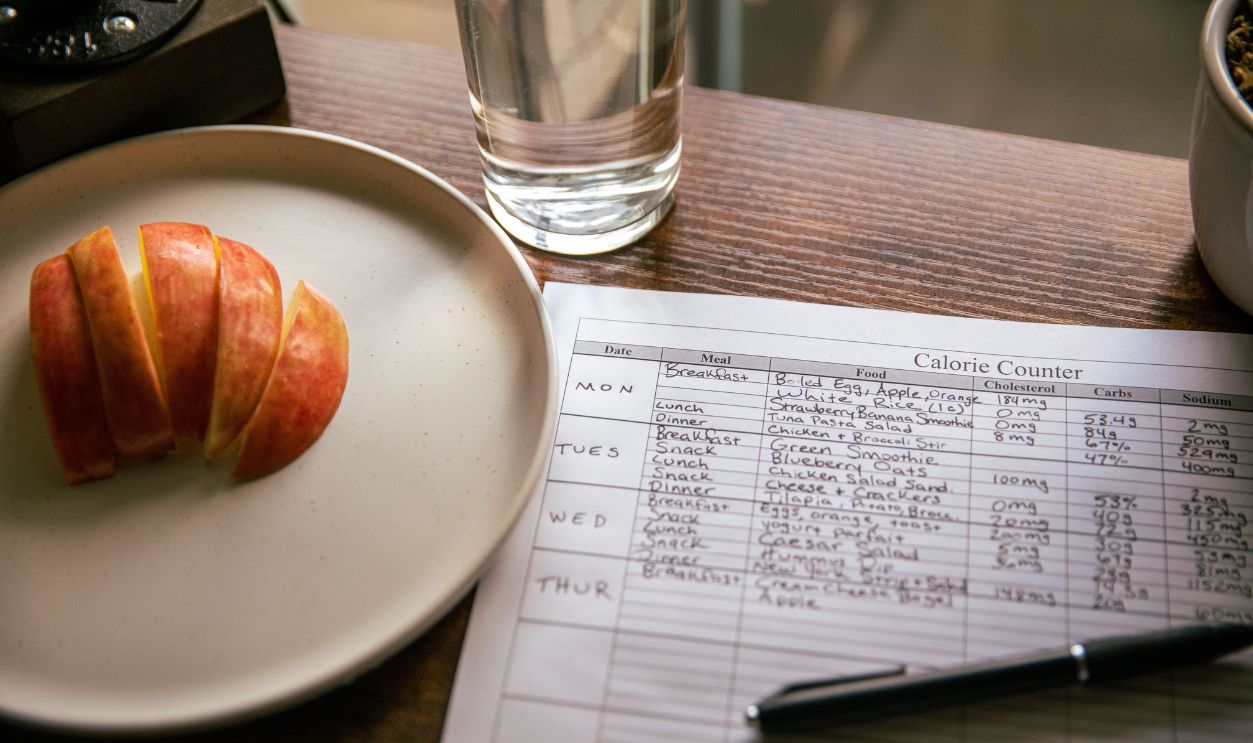
You do not need a completely different breakfast every morning or a unique lunch every afternoon. Repeating a few meals reduces the number of ingredients you must purchase and prepare. Variety can happen across the month instead of within every seven-day period.
Give Yourself A Leftover Night
Leaving one dinner unplanned may sound like poor organization, but it can prevent unnecessary shopping. That evening can be used for leftovers, a freezer meal, or a simple pantry dinner. It also creates flexibility when another meal produces more food than expected.
Use Store Brands Strategically
Store-brand rice, canned vegetables, pasta, oats, and basic dairy products often cost less than national brands. Penn State Extension and University of Minnesota Extension both recommend considering store brands when trying to stretch a food budget. Compare unit prices and ingredients rather than assuming the familiar label is the better value.
Keep The Shopping List Connected To The Plan
A meal plan does not control spending when the shopping cart contains unrelated snacks, drinks, and impulse purchases. Utah State University Extension describes a list based on the meal plan as one of the most important tools for avoiding food waste while shopping. Add only genuine household needs, then stick closely to the finished list.

Track The Cost Per Serving
The total price of a recipe can appear high when it produces six or eight portions. Divide the cost of the ingredients used by the number of servings you actually obtain. This makes it easier to compare a homemade meal with takeout, a frozen entrée, or another recipe.

Measure Savings Over A Month
One expensive shopping trip does not prove that meal planning has failed. USDA food plans are presented as monthly cost estimates because food purchases and consumption do not fall neatly into identical weeks. Track grocery spending, restaurant spending, and wasted food for at least a month before drawing conclusions.
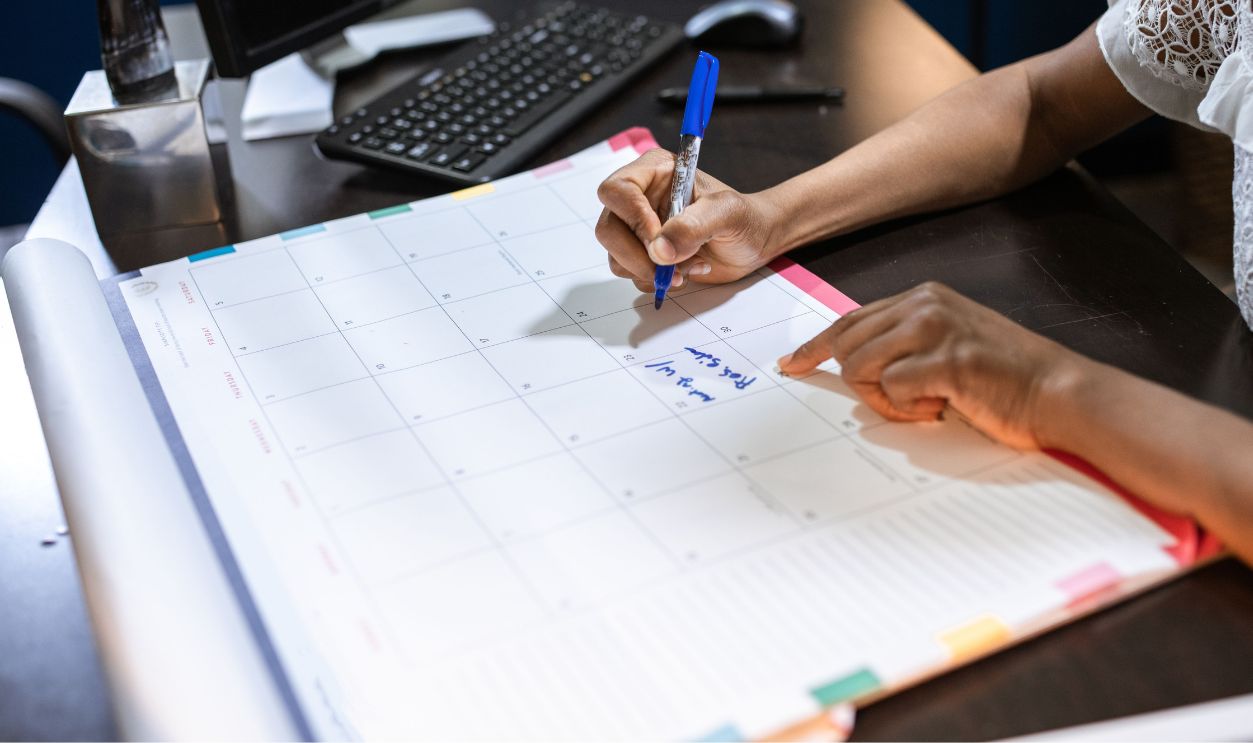
Your Plan Should Fit Your Life
A successful budget menu is not necessarily the one with the lowest possible ingredient cost. It is the one you can cook, enjoy, store, and repeat without regularly abandoning it for takeout. The best plan balances price, nutrition, convenience, schedule, and the eating habits of the people in the household.

Meal Planning Is A Skill, Not A Shopping List
Meal planning saves money only when it controls waste, uses existing food, responds to sales, and produces meals you will actually eat. Start with a few familiar dishes, reuse ingredients, schedule leftovers, and record what goes unused. Each week will provide information that makes the next plan cheaper and more realistic.
You May Also Like: