A Sudden $1,200 Surprise
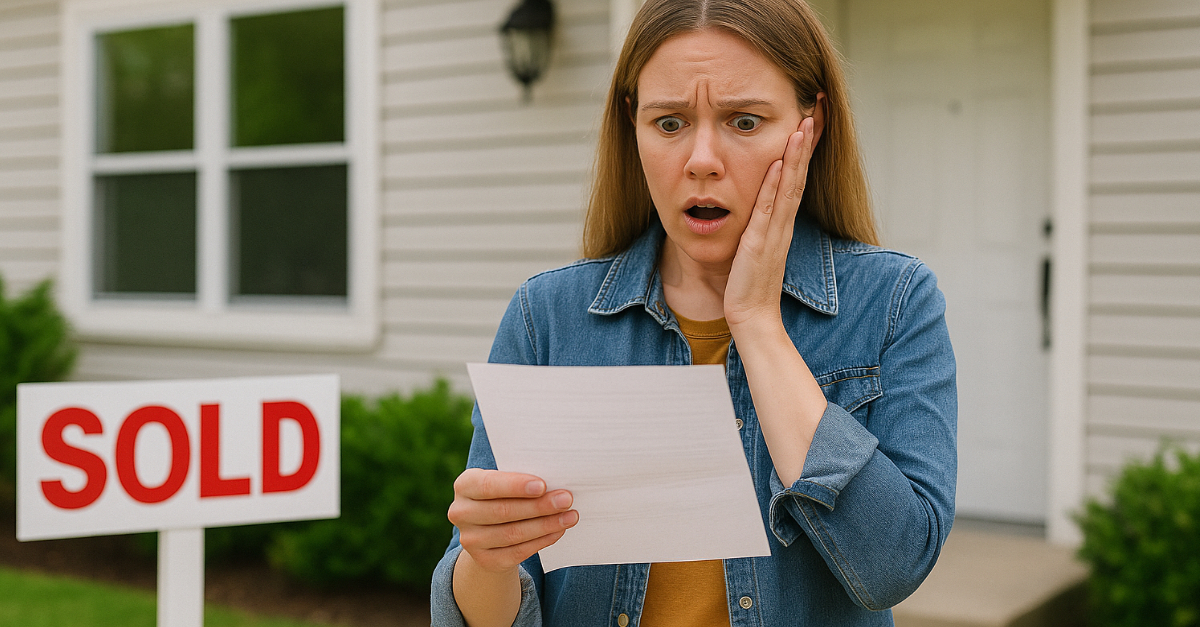
Finding a surprise bill right after buying a home is enough to make any new homeowner panic—especially when the HOA is claiming you owe $1,200 in fees you had nothing to do with. Here’s what homeowners need to know, and why you shouldn’t panic just yet.
HOA Fees Don’t Usually Follow the Person—they Follow the Property
Most homeowners don’t realize that HOA fees and assessments often attach to the property, not the previous owner. That’s why the HOA comes straight to you, even though you didn’t live there when the late fees piled up. It feels unfair, but this is how their system is structured.

You’re Still Not Personally Responsible
Legally, the person who owned the home when the fees were created is the one responsible. So even if the HOA is contacting you directly, that doesn’t mean the debt actually belongs to you. But here's the twist...

HOAs Can Put a Lien on the Property—Not You
Even if the unpaid HOA fees aren’t technically your debt, the HOA can still attach a lien to the property. That lien blocks sales, refinancing, and even simple title updates. It’s frustrating, but it’s how they pressure someone—anyone—to pay.

A Lien Can Snowball Quickly
If a lien goes unresolved, HOAs can add late fees, interest charges, and administrative penalties that grow the balance even more. In some states, they can even pursue foreclosure over unpaid dues. So the debt may not be yours—but the house gets stuck until someone pays.

Why HOAs Aim at the New Homeowner
HOAs know the previous owner is already gone, and new buyers are eager to start off on the right foot. They’ll often pressure you first, hoping you’ll cover the tab just to avoid confrontation. But you have far more leverage than they expect.

Your Title Company Should Have Caught This
Before closing, the title company is supposed to verify whether the previous owner had unpaid HOA dues. If they missed a $1,200 overdue balance, that’s an oversight on their end. And your title insurance exists specifically for problems like this.

Call the Title Company Immediately
Your first move is simple: notify the title company and explain that the HOA is billing you for fees from before your ownership. They’ll review your file and often resolve the balance using your owner’s title insurance policy—meaning the bill doesn’t come out of your pocket.

Ask the HOA for a Detailed Ledger
HOAs sometimes misapply dates or fees, so request a full accounting. Ask for every charge, when it was billed, when it was considered late, and what remains unpaid. If everything predates your closing date, that’s powerful proof the debt doesn’t belong to you.

Confirm Whether a Lien Was Filed
If the HOA has recorded a lien, the title company is almost guaranteed to take action. If no lien was filed, the HOA may simply be trying to collect from the easiest person to reach—you. Either way, the lien status determines how quickly the issue gets resolved.

Review Your Purchase Contract
Most real estate contracts require the seller to bring all HOA dues current before closing. If that clause is in your agreement, the seller is legally responsible for the $1,200. This gives you a strong basis to demand that the seller or their agent handle the debt.

Loop In the Seller’s Agent
Listing agents hate unresolved financial issues after a sale. They may pressure the former owner to pay the outstanding fees or even cover them themselves to avoid any liability or complaint. Sometimes, this route resolves things faster than dealing with the HOA directly.

Check If Escrow Still Holds Funds
Some closings leave a small escrow reserve open for exactly these types of issues. If your sale included one, the unpaid dues can be paid from those funds with zero hassle. Escrow officers handle this quietly and efficiently.

This Is What Title Insurance Is Designed For
Homeowners often think they’ll never use title insurance, but hidden HOA debts are one of the most common reasons for claims. If the title search failed to catch unpaid fees, the insurance typically covers the amount and resolves the issue on your behalf.

Ask the HOA to Confirm All Fee Dates in Writing
Request written confirmation of when each fee was assessed. If anything was added after your closing date, the HOA might try to argue that a portion belongs to you. Having the dates documented shuts down that argument quickly and protects you from future surprises.
Don’t Let “You Own It Now” Scare You
HOAs often use this line to intimidate new owners into paying. The correct response is simple: “These fees were assessed before my ownership. Please direct all documentation to the title company.” Once they know you understand the rules, the tone usually changes.

Request a Corrected Settlement Statement
If the fees should have been charged to the seller at closing, the title company can update the settlement statement and pursue reimbursement from the seller. You don’t need to negotiate, argue, or chase anyone—the professionals handle the entire process.

Don’t Pay Just to Keep the Peace
New homeowners often want to avoid conflict, but paying the HOA yourself can cause more problems. It can be interpreted as accepting responsibility for the debt, potentially leading to confusion over who owes what in the future. Let the proper channels handle it.

Rare Cases Where You Might Owe Something
You’d only be responsible if you signed a document agreeing to assume past dues—something extremely rare—or if the HOA added new special assessments after you moved in. Typical late fees and overdue balances from before your ownership are not your responsibility.
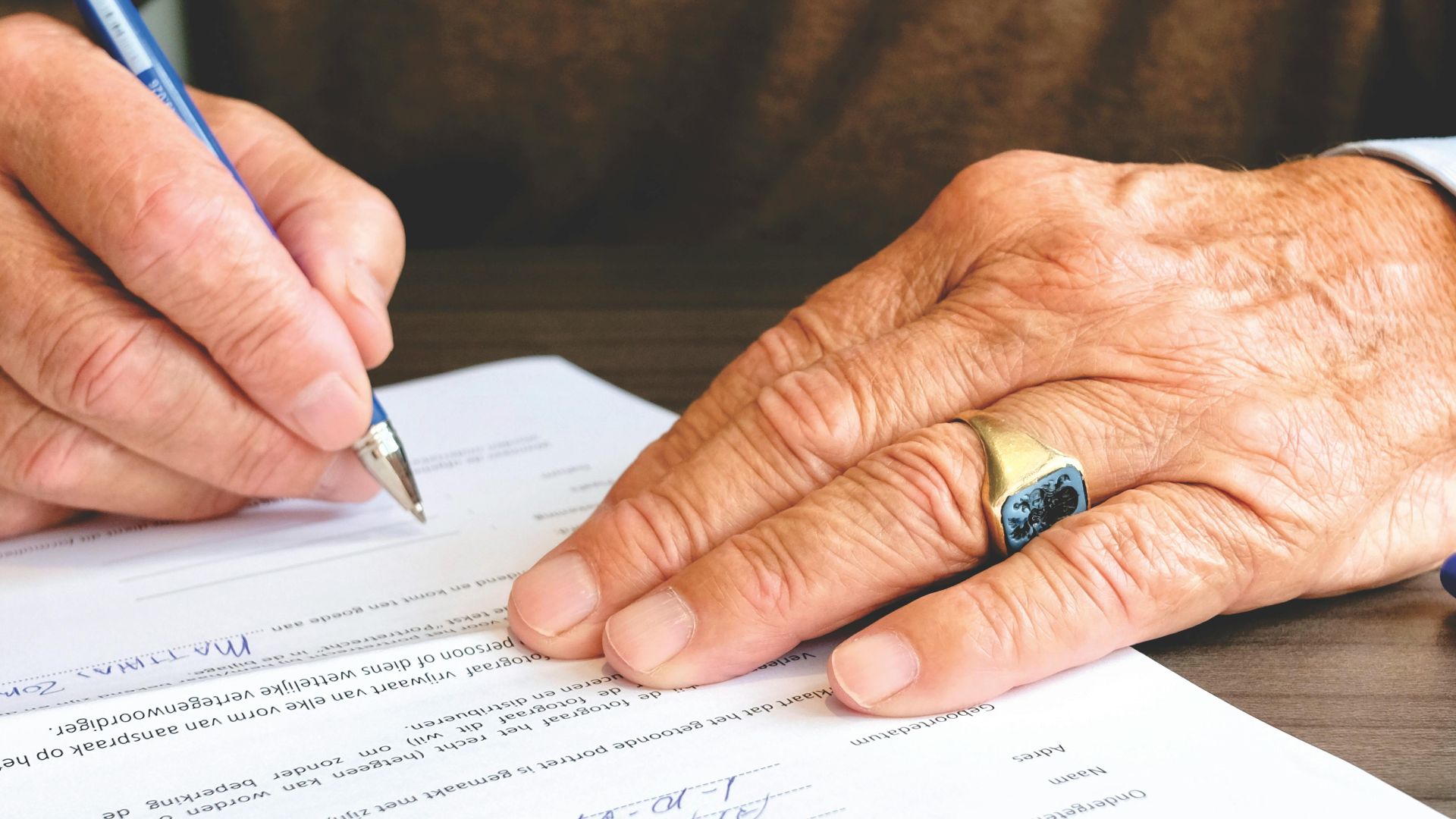
Many States Give Buyers Extra Protections
Some states require HOAs to disclose all outstanding balances before a property sells. If they failed to provide accurate disclosures, you might have grounds to dispute the debt entirely. This can put added pressure on the HOA to correct the mistake.

Get a Zero-Balance Statement Once It's Resolved
After the title company, seller, or escrow pays the balance, ask the HOA for written confirmation of a zero balance. This protects you from future billing errors, clerical mistakes, or attempts to re-collect the same charges down the road.

Send a Formal Dispute Letter if Needed
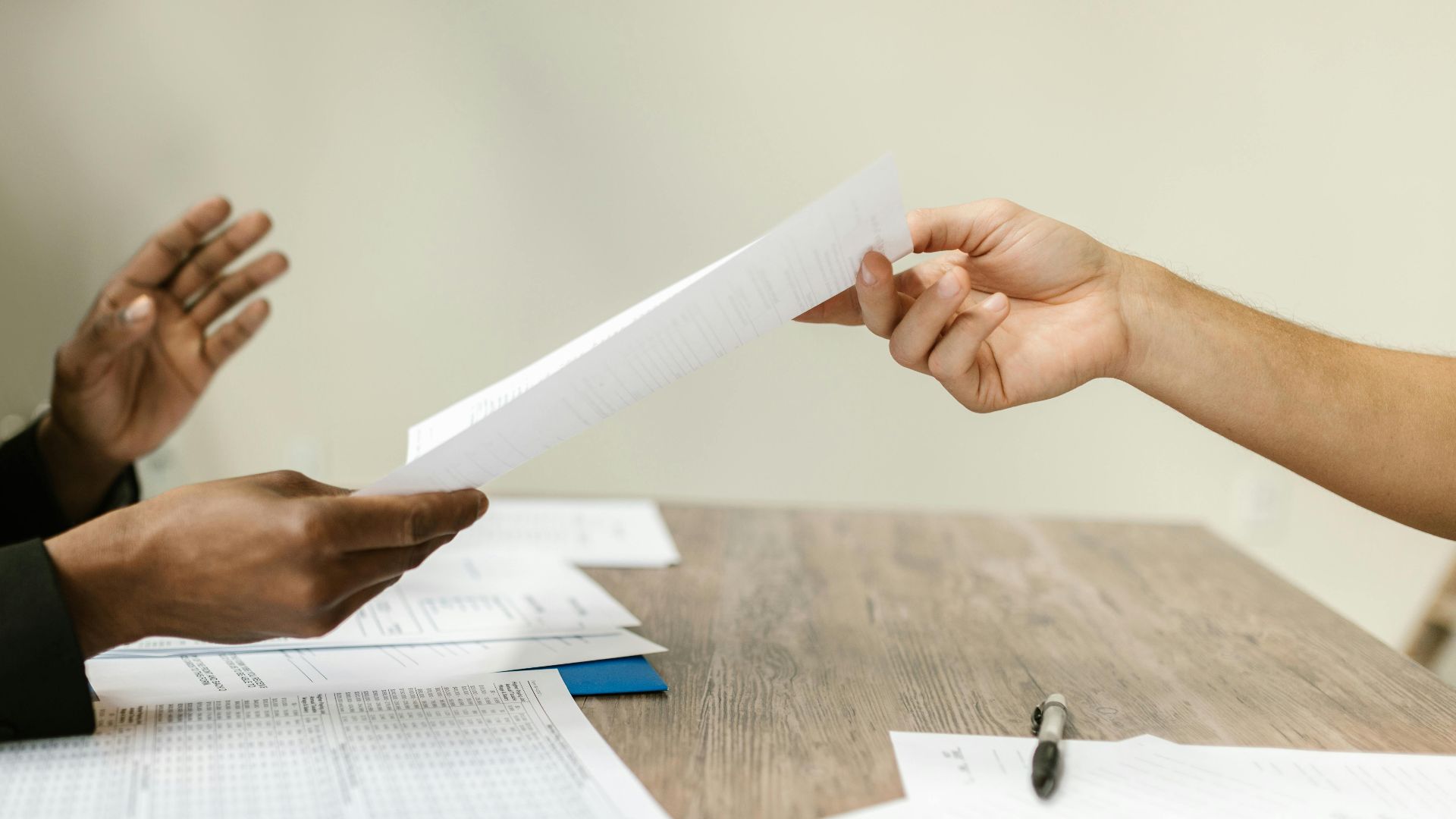
If the HOA continues pressuring you, a written dispute letter forces them to respond and document their position. Once everything is on paper—and copied to your title company—they often back off, realizing they’re unlikely to collect from the wrong owner.

A Simple Script That Works Every Time
Keep your communication short: “These fees were assessed before my ownership. I’ve contacted the title company to resolve the balance. Please send all supporting documents directly to them.” It’s polite, firm, and places responsibility exactly where it belongs.
 Henri Mathieu-Saint-Laurent, Pexels
The Bottom Line
In almost every situation like this, you should not be paying the previous owner’s unpaid HOA dues. Whether it’s the seller, escrow, or your title insurance, someone else is responsible for the debt—not you. Stay calm, know your rights, and let the system work in your favor.

You Might Also Like: