
My landlord suddenly switched our rent payment to a phone app with extra fees. Can he require me to do that?

My landlord suddenly switched our rent payment to a phone app with extra fees. Can he require me to do that?


March 16, 2026 | Jane O'Shea

My landlord suddenly switched our rent payment to a phone app with extra fees. Can he require me to do that?


The Sudden Switch

Your landlord recently told you that all rent has to now be paid through a phone app. The problem is that the app adds service fees to every transaction you make. Instead of paying only your monthly rent, you are now paying several extra dollars each time. You’re naturally wondering if landlords can really legally require tenants to use a payment platform that costs more.

ApprentmsnFactinate

Advertisement

Why Some Landlords Are Switching To Apps

Many landlords have started using digital payment platforms to simplify rent collection. These apps automatically track payments, send reminders, and reduce paperwork. For landlords managing multiple properties, this can be a big time-saver. However, the convenience for property owners can generate new costs for tenants when service or processing fees are added.

PexelsPexels, Pixabay

Advertisement

Understand The Fees That Apps Charge

Most rent payment apps charge a processing fee for credit card or digital transactions. Some also charge a flat convenience fee or percentage of the payment. These charges can add up over a year. Even a small monthly fee can cost tenants dozens of extra dollars annually, which is why many renters question the fairness of the requirement.

rupixenrupixen, Pixabay

Advertisement

What Your Lease Agreement Actually Says

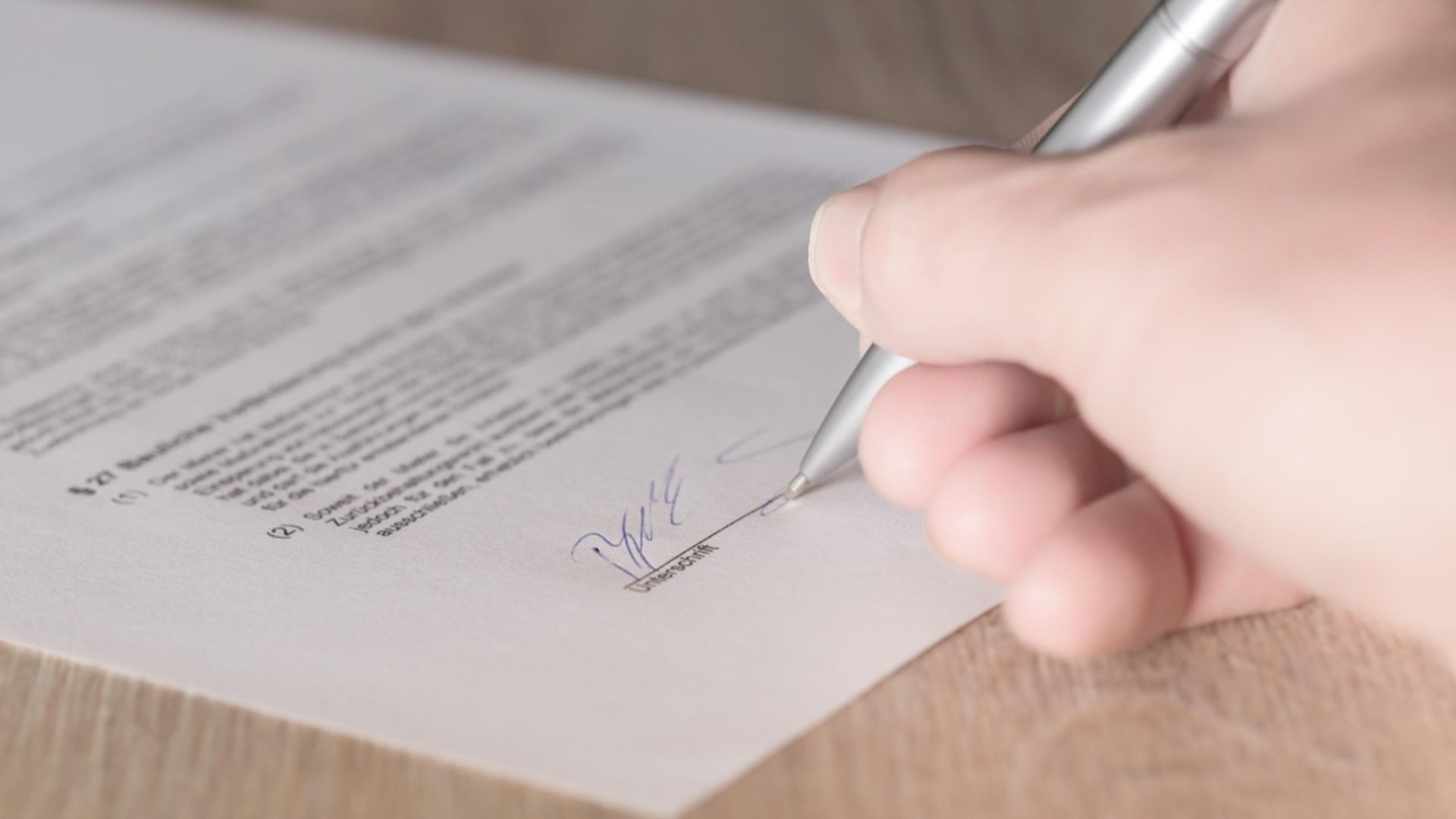
The first place you need to look is your lease. Many leases specify acceptable forms of rent payment such as checks, bank transfers, or online portals. If your lease clearly states a payment method, the landlord may not be able to change it mid-lease without your agreement. Lease language often defines your strongest legal position.
andibreitandibreit, Pixabay

Advertisement

Mid-Lease Rule Changes Can Be Problematic

The switch in payment methods may be considered a modification of the lease terms. In many places, landlords can’t unilaterally change lease conditions while the agreement is still active. If the lease doesn’t mention app payments, you may have grounds to object.
OleksandrPidvalnyiOleksandrPidvalnyi, Pixabay

Advertisement

The Difference Between Suggesting And Requiring

A landlord can usually suggest a convenient payment method. Requiring one specific method is another matter. Some jurisdictions require landlords to provide at least one payment option that doesn’t involve extra fees. If the only available option costs extra money, tenants may be able to challenge the policy.

Two people talkingVitaly Gariev, Pexels

Advertisement

Fees Can Become A Legal Issue

Rent payment fees, even if they’re relatively inexpensive, can raise consumer protection concerns. If tenants have to pay additional charges just to pay rent, those costs can effectively increase the rent itself. In some places, laws prevent landlords from forcing tenants to pay mandatory convenience fees unless a free payment option is also available.
anncapicturesanncapictures, Pixabay

Advertisement

Check Your Local Tenant Laws

Landlord-tenant rules vary a great deal depending on where you live. Some states and cities regulate rent payment methods more closely than others. Local tenant protection laws may force landlords to accept traditional forms of payment like checks or bank transfers without additional charges.

Photo Of Man Writing On DocumentVanessa Garcia, Pexels

Advertisement

Digital Payment Policies Are Still Evolving

Rent payment apps are still pretty new in comparison with traditional methods. Because of this, regulators are still catching up with the technology. Some areas have started to introduce rules about transaction fees and digital rent collection, especially when tenants are left without a no-fee option.

PexelsPexels, Pixabay

Advertisement

When App Payments Are Allowed

In some cases, landlords can require app-based rent payments if the lease allows electronic payment systems. If you agreed to that language when signing the lease, the landlord may have more flexibility. But even here, unexpected processing fees still raise questions about fairness or disclosure.

MaximilianovichMaximilianovich, Pixabay

Advertisement

Credit Card Fee Trap

Many rent apps allow tenants to pay by credit card, but these payments often carry the highest fees. Credit card processing costs can be as high as several percent of the payment. On a large rent payment, this can be a significant extra expense that tenants have no reason to expect.

StockSnapStockSnap, Pixabay

Advertisement

Tenants Often Prefer Traditional Methods

Traditional rent payment methods such as checks or bank transfers provide a clear paper record of payment without any extra costs. Many tenants prefer these options because they avoid transaction fees and potential technical problems. Landlords sometimes push apps for their own convenience, but tenants often put priority on reliability and cost control.

Woman using laptopTima Miroshnichenko, Pexels

Advertisement

What To Do Before You Refuse The App

Before you refuse to use the new payment system, go over your lease and the landlord’s written notice carefully. If the change appears inconsistent with your lease terms, it may be worth raising the issue politely with the landlord first. Misunderstandings about payment policies can sometimes be settled with a simple conversation.

Review And Reduce Monthly Subscriptionscottonbro studio, Pexels

Advertisement

Ask Whether A Free Option Exists

One useful question you can ask the landlord is if they offer a fee free payment method through the same platform. Some apps allow free payments through bank transfers but charge for credit cards or expedited processing. If a “no-fee” option exists, the landlord may be counting on tenants using that method instead.

Insurance Sales Agent Holding DocumentsMikhail Nilov, Pexels

Advertisement

Document Every Communication

If you believe this policy may violate your lease or local law, keep records of all communication with your landlord. Save emails, messages, and written notices about the new payment requirement. Documentation becomes all-important if you need to escalate the issue or seek legal advice later.

Professional man in formal wear reviewing documents while sitting on a park bench outdoors.Vanessa Garcia, Pexels

Advertisement

Talk To A Local Tenant Organization

Tenant advocacy groups can often explain the rules that apply in your area. These organizations are constantly dealing with rent payment disputes and may already be familiar with similar situations involving payment apps. They can help you clarify your rights and possible next steps.

Three business people sitting at a table talkingVitaly Gariev, Pexels

Advertisement

When Legal Advice Might Help

If the fees are significant or the landlord insists on enforcing the policy despite objections, a visit with a tenant lawyer may be worthwhile. A lawyer can review your lease and local housing regulations to determine whether or not the landlord’s requirement is legally enforceable.

Lawyers discussing with a client in a professional office environment. Business meeting concept.RDNE Stock project, Pexels

Advertisement

Don’t Withhold Rent Without Guidance

Even if you think the requirement is unfair, withholding rent can create serious legal risks. Nonpayment of rent cold trigger eviction proceedings in some areas. It’s usually safer to seek clarification, negotiate alternatives, or get reliable legal advice before refusing to comply.

a man sitting at a desk with a laptop and papersVitaly Gariev, Unsplash

Advertisement

The Future Of Rent Payments

Digital rent collection will become more common as property management technology evolves. Many landlords appreciate the efficiency of automated systems. At the same time, tenant protections will also develop as regulators respond to concerns about hidden fees and mandatory payment platforms.

person holding white Android smartphone in white shirtNordWood Themes, Unsplash

Advertisement

Understand Your Rights As A Tenant

If your landlord suddenly requires an app with extra fees, you aren’t powerless. Review your lease, understand local tenant laws, and ask about fee free options. All of these options will clarify your rights. With the right information, you can decide whether the new payment system is acceptable or worth challenging.

man holding a smartphone near the windowThom Holmes, Unsplash

You May Also Like:

I finally broke up with my boyfriend, but my landlord refuses to remove me from our lease. Now I can’t rent anywhere else. Is that legal? What do I do?

I got a notice for unpaid electric bills even though my rent has always included utilities. My new landlord doesn’t return my calls. What can I do?

 I'm about to renew my lease, but my landlord is suddenly demanding that I pay my rent in an envelope of cash. Is that legal?

Sources: 1, 2, 3, 4, 5


READ MORE

Worried tired freelance businessman

I've been running a successful business out of my home for three years. My HOA suddenly won't allow home-based businesses. Can they really do this?

Can an HOA really ban your home-based business after years of operation? Learn your rights, possible exceptions, and smart ways to protect your income if your HOA suddenly cracks down.
March 10, 2026 Jack Hawkins
Internal - Hoa Fee Payment

My HOA fees are due, but their direct deposit account isn't accepting my transaction. Is it petty to pay them with a bag of cash?

HOA payment portal not working? Discover whether paying your HOA fees in cash is petty or practical, plus smarter ways to handle failed transactions and avoid late fees.
March 10, 2026 Jack Hawkins
AI-generated image of a man standing in front a neglected HOA common area.

My HOA increased fees for maintenance, but the property still looks neglected. Can I demand a refund if services aren’t improving?

Your HOA board announces a fee increase for maintenance and landscaping, but when you walk around the neighborhood, the grass still looks overgrown, common areas seem neglected, and maintenance issues linger for months. It leaves many homeowners wondering the same thing: if the HOA isn’t delivering better service, do you still have to pay the higher dues?
March 10, 2026 Alex Summers
A concerned mother with her son.

My ex used our son’s Social Security number to open credit accounts, but we only found out when he was denied a student loan. What do we do?

You expect a few bumps when your child starts applying for financial aid, but being denied a student loan because they already have bad credit is not one of them. Then the truth comes out: someone opened credit cards using your child’s Social Security number years ago. Even worse, the person responsible might be your ex-spouse.
March 10, 2026 Penelope Singh
Budget Intfbog

​​Does the 50/30/20 Budget Rule Still Work For The Average American In 2026?

For years, the 50/30/20 rule has been one of the most popular ways to budget. The concept is simple: spend 50% of your income on needs, 30% on wants, and put the remaining 20% toward savings or paying down debt. But the economy in 2026 looks very different from when this rule first gained traction.
March 9, 2026 J. Clarke
Hiding cash under the mattress

My uncle literally keeps all his money under his mattress and tells me I should do the same. Is that a bad idea?

Everyone has that one relative with strong financial opinions. Maybe it’s an aunt who insists credit cards are evil—or an uncle who swears the safest place for money is under the mattress. His reasoning might be simple: banks fail, systems crash, and cash you can physically see always feels secure. But before you start turning your bed into a savings account, it’s worth asking whether that strategy actually holds up.
March 9, 2026 Jesse Singer


Disclaimer

The information on MoneyMade.com is intended to support financial literacy and should not be considered tax or legal advice. It is not meant to serve as a forecast, research report, or investment recommendation, nor should it be taken as an offer or solicitation to buy or sell any securities or adopt any particular investment strategy. All financial, tax, and legal decisions should be made with the help of a qualified professional. We do not guarantee the accuracy, timeliness, or outcomes associated with the use of this content.


Dear reader,


It’s true what they say: money makes the world go round. In order to succeed in this life, you need to have a good grasp of key financial concepts. That’s where Moneymade comes in. Our mission is to provide you with the best financial advice and information to help you navigate this ever-changing world. Sometimes, generating wealth just requires common sense. Don’t max out your credit card if you can’t afford the interest payments. Don’t overspend on Christmas shopping. When ordering gifts on Amazon, make sure you factor in taxes and shipping costs. If you need a new car, consider a model that’s easy to repair instead of an expensive BMW or Mercedes. Sometimes you dream vacation to Hawaii or the Bahamas just isn’t in the budget, but there may be more affordable all-inclusive hotels if you know where to look.


Looking for a new home? Make sure you get a mortgage rate that works for you. That means understanding the difference between fixed and variable interest rates. Whether you’re looking to learn how to make money, save money, or invest your money, our well-researched and insightful content will set you on the path to financial success. Passionate about mortgage rates, real estate, investing, saving, or anything money-related? Looking to learn how to generate wealth? Improve your life today with Moneymade. If you have any feedback for the MoneyMade team, please reach out to [email protected]. Thanks for your help!


Warmest regards,

The Moneymade team