Are We Just Used To Being Overcharged?
Not that long ago, plenty of life’s little essentials were cheap—or gloriously free. Now they show up with a price tag that feels like a punchline, except the joke’s on us. We’re shelling out more, getting less, and somehow acting like this is perfectly fine. At this rate, should we start budgeting for oxygen?

Bottled Water In Places With Clean Tap Water
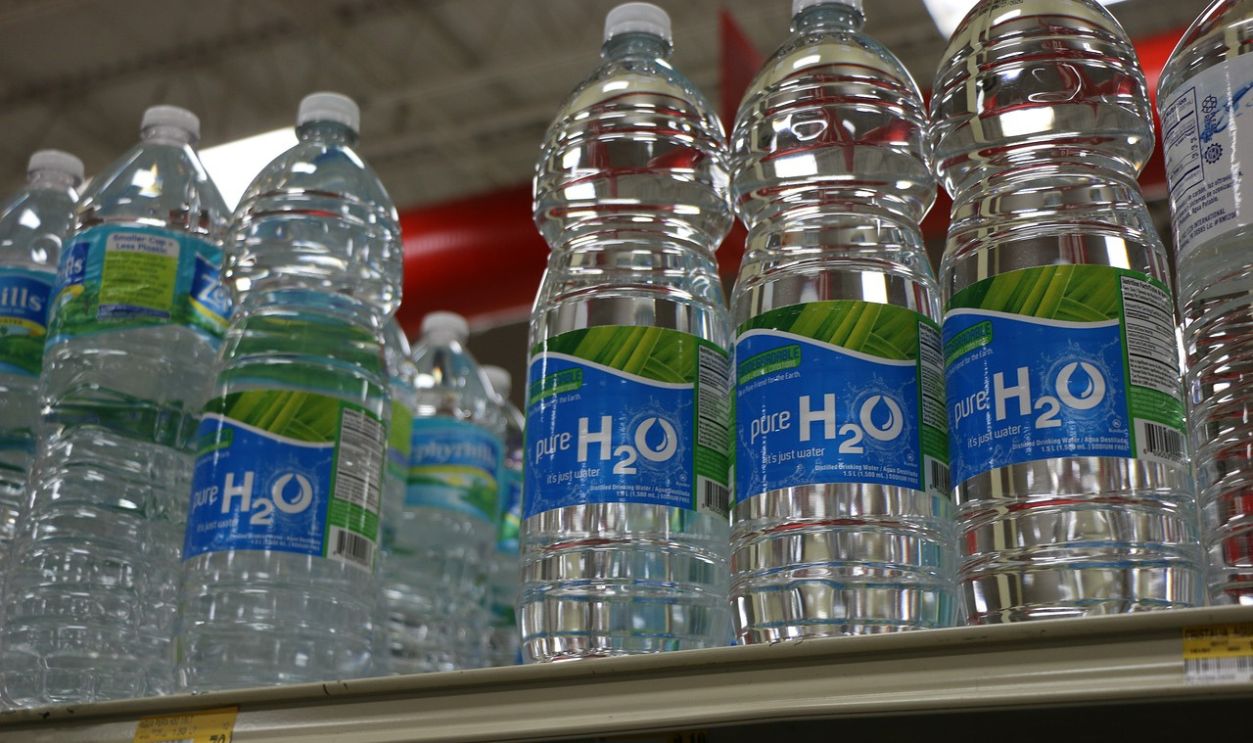
Why pay for something that flows freely from the tap? In the US, most cities provide safe drinking water. Marketing makes it seem healthier, but studies show tap water often meets stricter safety standards. Unless stranded in a desert, this one's a ripoff.
Convenience Fees For Paying Bills Online
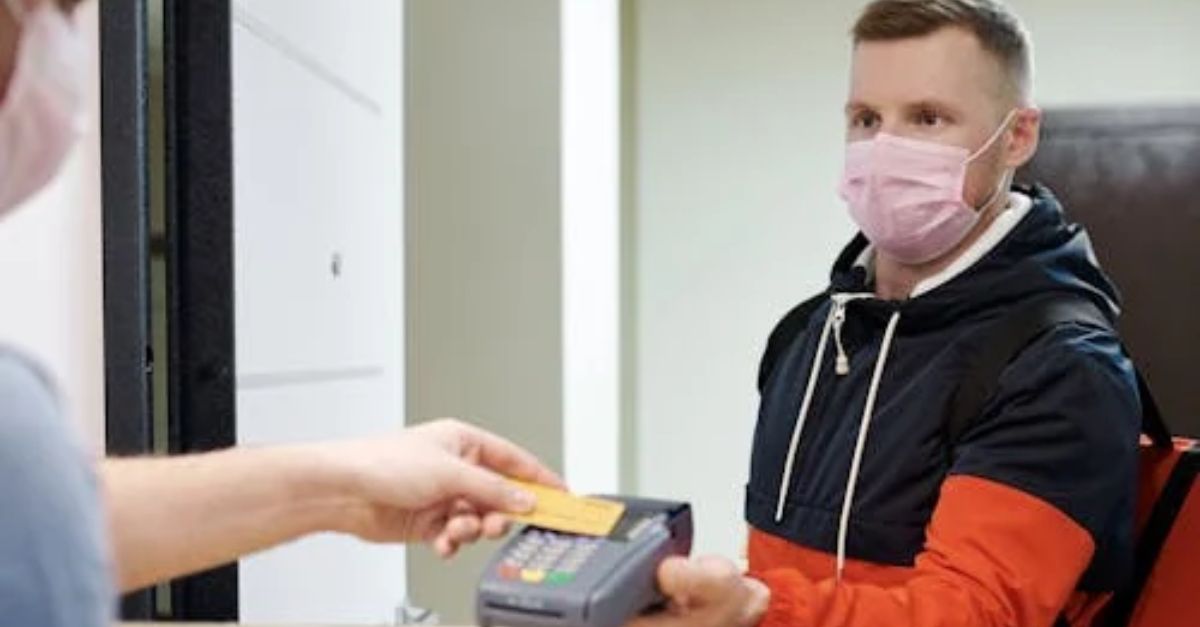
Banks love making money off digital transactions, but why should you pay a $3.95 fee just to pay a bill online? It costs companies less to process online payments than paper checks, yet they pass imaginary costs onto consumers for basically doing their job.
Subscription Services That Keep Increasing In Price
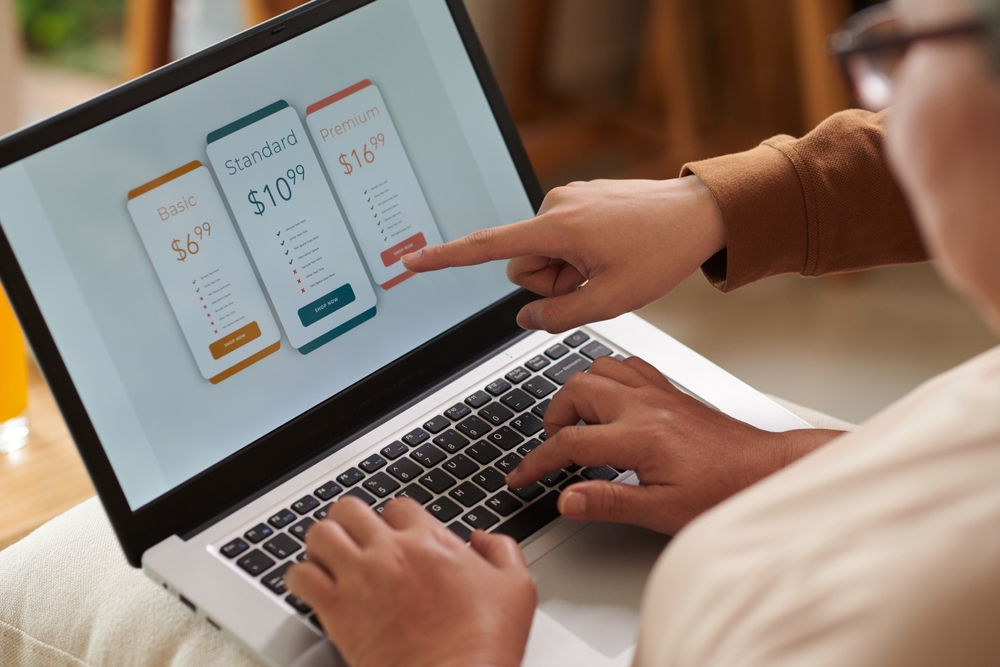
Netflix, Spotify, Amazon, and Adobe all started cheap, then slowly crept up in price. A $9.99 plan from 2015 is now $15.99 or more. The worst part? They remove features, lock content behind more paywalls, and make it impossible to downgrade.
Car Dealership Add-Ons That Are Overpriced And Unnecessary
"Would you like fabric protection for $300?" No, because Scotchgard exists for $10. Dealerships pressure buyers into paying for useless add-ons, from nitrogen-filled tires to paint sealants, all at outrageous markups. These services cost them pennies, but they pad your final bill by hundreds.
Airport Prices For Basic Necessities
Ever paid $6 for a bottle of water or $18 for a sandwich at an airport? You're not alone. Airports hike prices by up to 200%, knowing you're stuck with limited options. It's like a high-stakes survival game—pay ridiculous prices or risk starvation. Either way, they win. You have to be smart to have a chance.

Service Fees On Event Tickets
Concert tickets used to be straightforward, but now buying one online comes with mystery fees that add $20 or more to the final price. Platforms like Ticketmaster defend these charges as "processing fees," but what exactly are they processing? A single mouse click?
Fast Fashion Clothing That Falls Apart Quickly
That $10 T-shirt feels like a win—until it twists in the dryer and unravels by its second spin cycle. Suddenly that “bargain” looks a lot less heroic. Fast fashion giants like Shein and Zara churn out runway-inspired pieces at lightning speed, but the trade-off is obvious: trendy now, threadbare tomorrow.
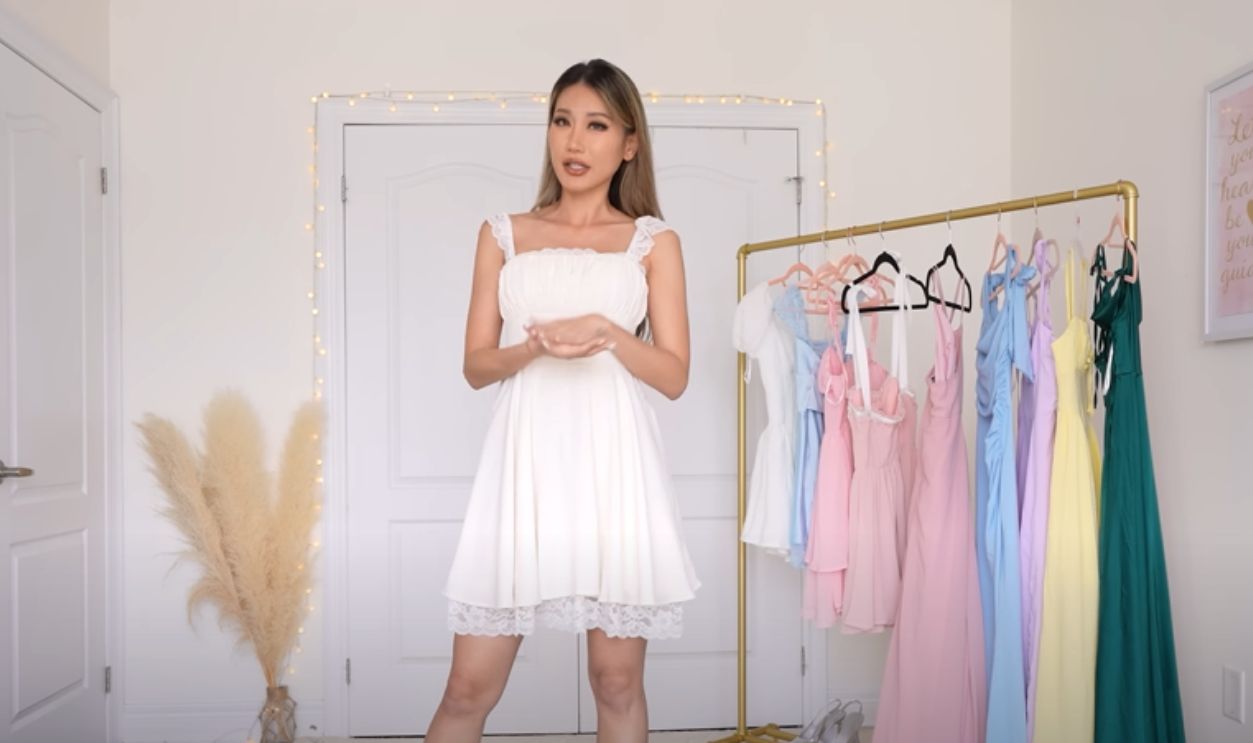 SHEIN DRESSES TRY ON HAUL | prom, weddings, date night ❤️ by Kerina Wang
Designer Logo Merchandise That Costs More Than The Quality Justifies
Luxury brands slap a logo on a plain t-shirt, charge $500, and people buy it. The kicker is that many of these high-end items are made in the same factories as cheaper alternatives. You're not paying for quality—you're paying to be a walking billboard.

Weddings That Cost As Much As A House Down Payment
The average US wedding now costs $30,000. That's literally the price of a decent car or a down payment on a house. Dresses, venues, catering, and flowers all come with inflated "wedding pricing". Yet, people justify it as a "once-in-a-lifetime" event, ignoring the financial hangover that follows.

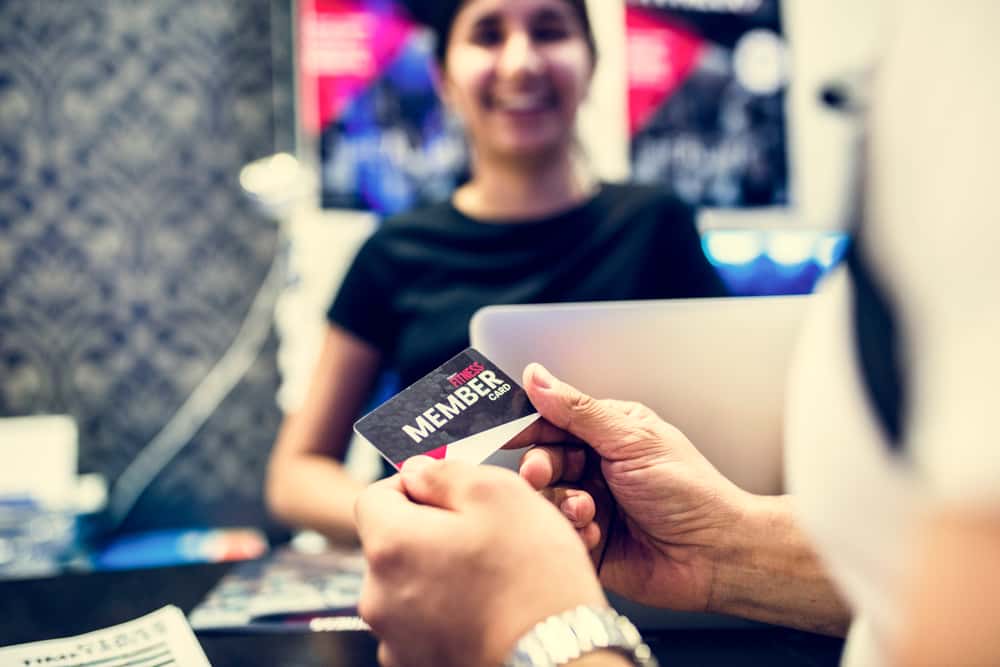
Gym Memberships That Are Impossible To Cancel
Ever tried canceling a gym membership? It's like breaking up with a toxic ex—calls ignored, paperwork "lost," surprise fees, and whatnot. Some gyms even require in-person cancellations just to make it harder. They know that half of the members barely use their memberships but keep paying.
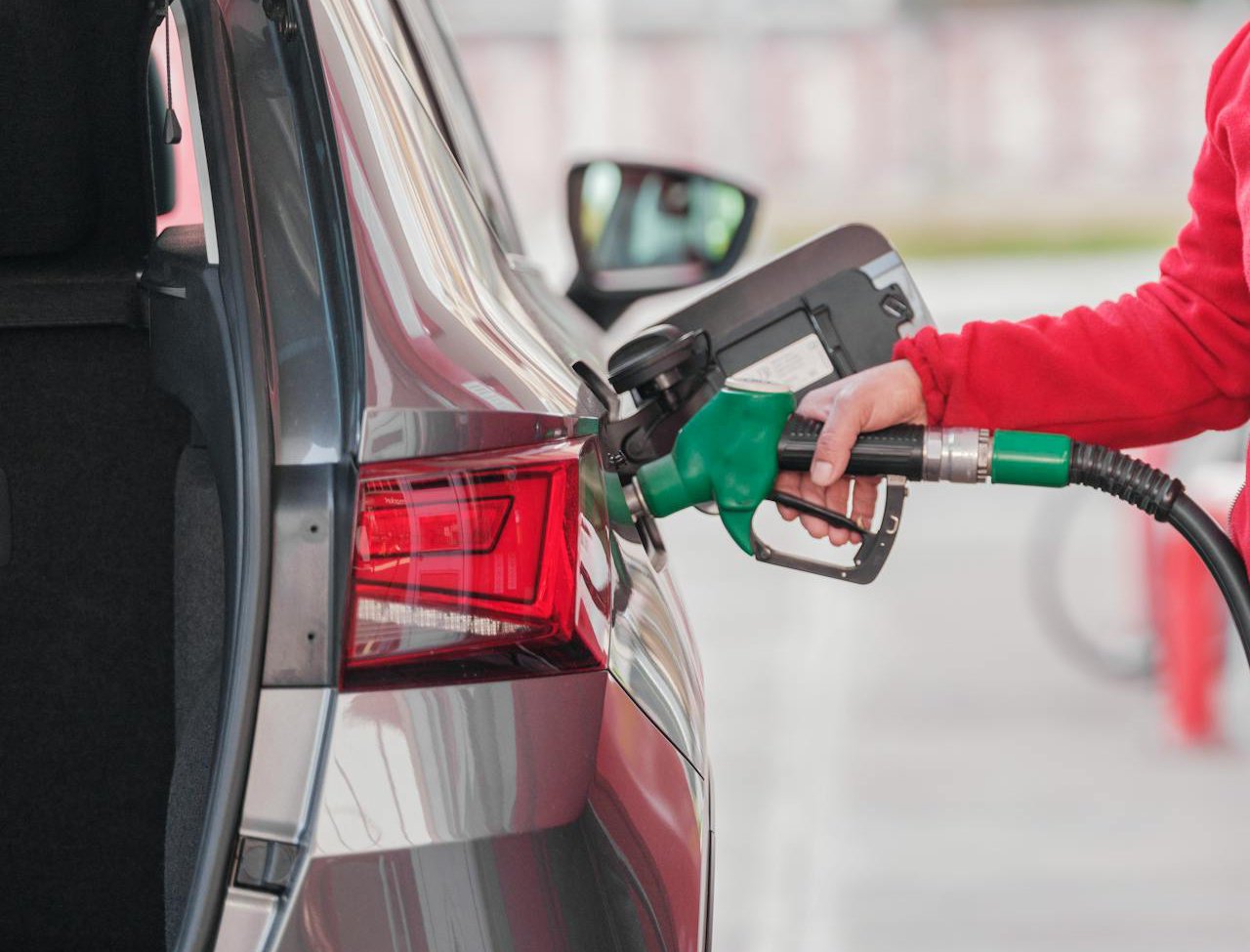
Premium Gas For Cars That Do Not Need It
Premium gas costs 50 cents more per gallon, yet only 16% of cars actually require it. For most vehicles, it offers zero benefits, but gas stations bank on drivers thinking "premium" equals "better". Unless your car manual demands it, you're just fueling oil company profits.
High-End Coffee Drinks That Cost As Much As A Meal
A $7 oat milk caramel macchiato? That's a full meal in some places. Coffee chains know people prioritize convenience over cost, so they charge sky-high prices for frothed milk and syrup. It's simply a daily tax on caffeine addiction. And people keep paying.
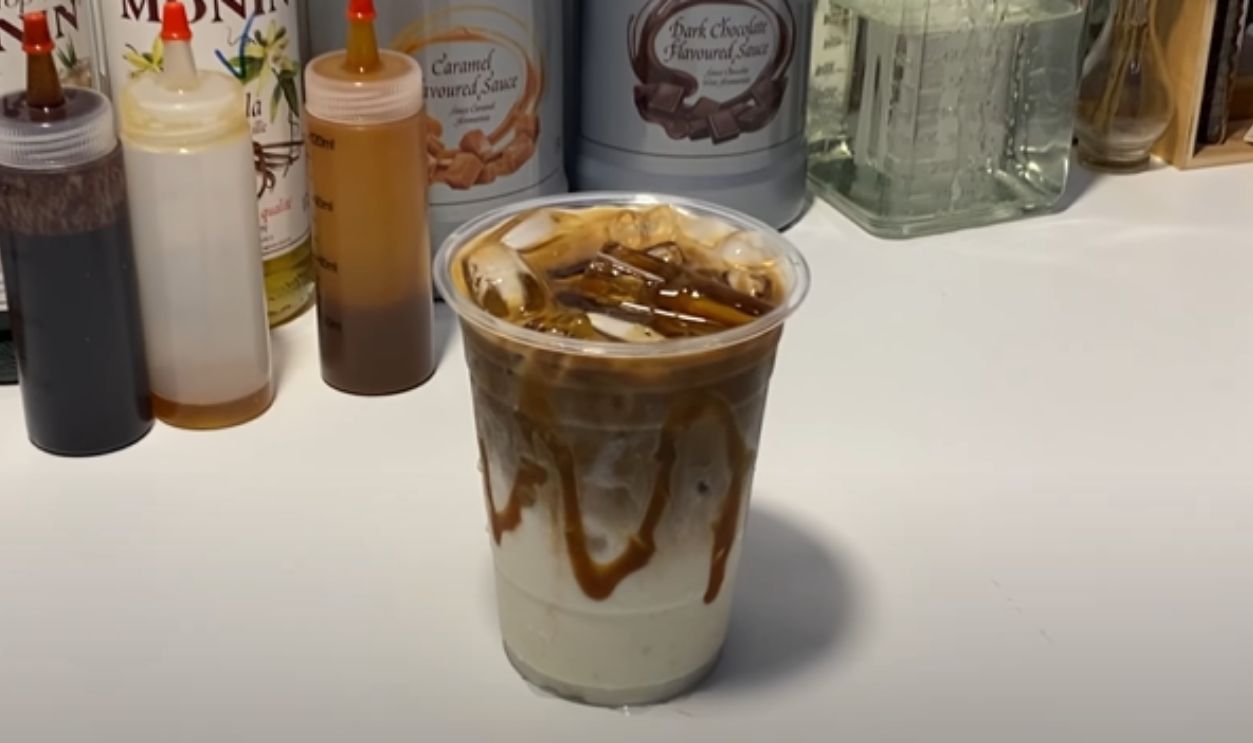 Cafe Vlog EP.1485 | Caramel Macchiato | Coffee recipe | Medium size by Taste Coffee
Fancy Pet Accessories That Are More Expensive Than Human Items
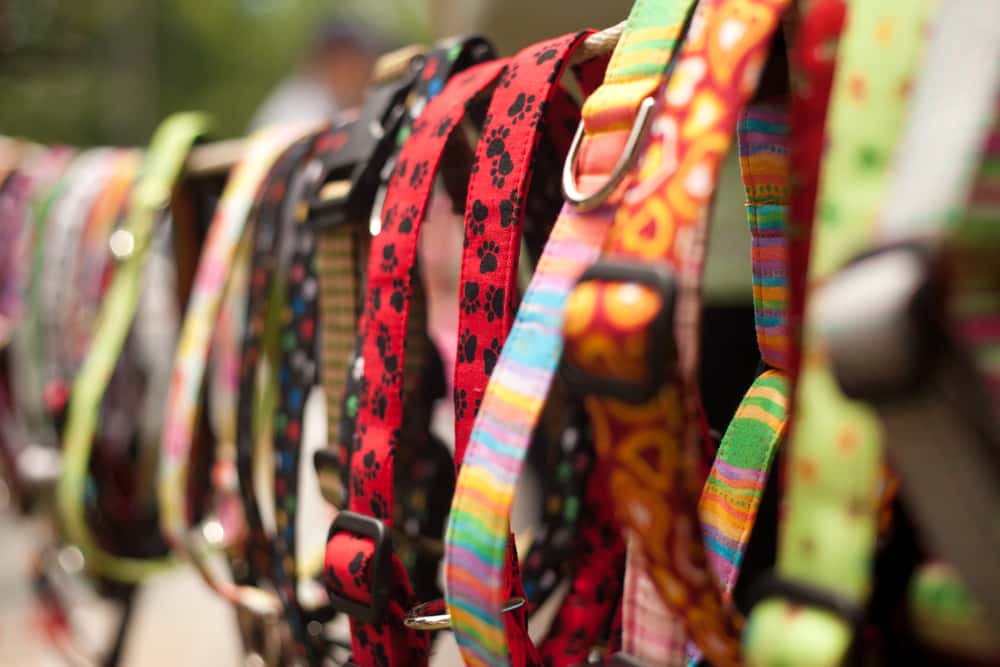
A designer dog collar can cost more than an Apple Watch band. Luxury pet brands have convinced owners that their furry friends need cashmere sweaters and diamond-studded leashes. Meanwhile, your dog couldn't care less—it just wants belly rubs and leftovers.
Designer Baby Gear That Outprices Adult Versions
A high-end baby stroller can run you $2,000—which is wild, considering some used cars cost less and at least come with an engine. The pitch is all about giving your child “the very best,” as if smoother wheels and designer stitching are crucial to nap quality. Meanwhile, babies outgrow the thing in a blink, but your credit card statement lingers like a proud, very expensive souvenir.

Pre-Cut Fruits And Vegetables That Cost Triple The Price
A whole pineapple: $3. A container of pre-cut pineapple chunks: $9. Convenience costs, but at what point does it become robbery? Grocery stores markup pre-cut produce by up to 300%, preying on busy shoppers who just don't want to deal with a knife.

Streaming Services That Keep Removing Content While Raising Prices
Remember when streaming meant unlimited access to movies and shows? Now, services delete content overnight while hiking prices. HBO Max, for example, removed nearly 100 titles in 2022. The worst part? Many of these shows never resurface elsewhere. You pay more but get less.
Buying The Latest Smartphone Every Year
Tech companies release "new" phones annually with minor changes, yet people line up like it's a life necessity. The simple truth is that most upgrades are software-based, meaning older models could easily last years longer. The smartphone cycle isn't about innovation these days; it's about profit.
Paying Extra For Seat Selection On Flights
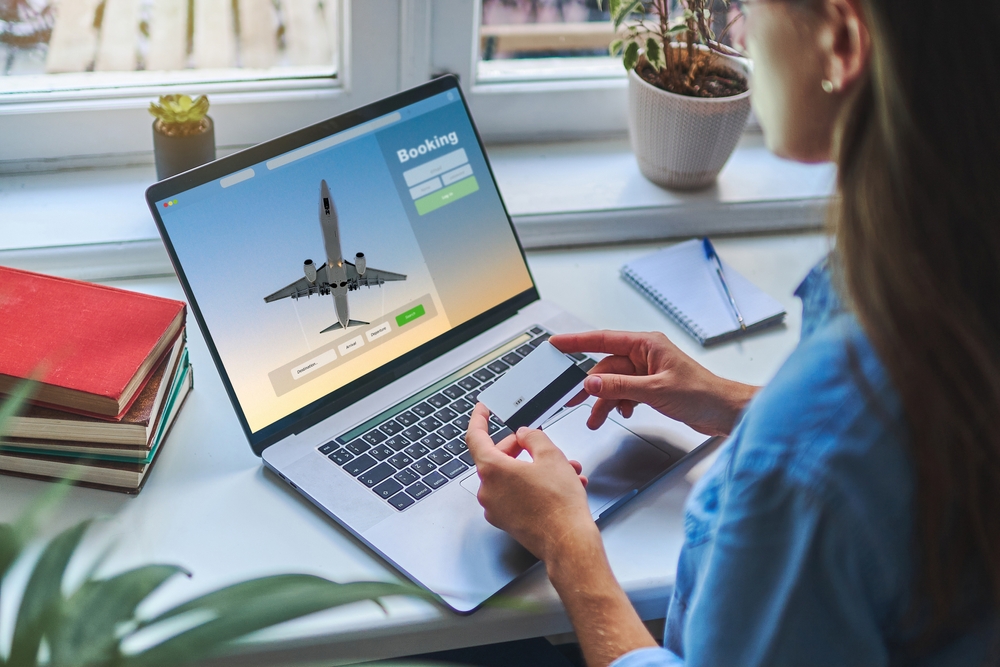
Once included in the ticket price, choosing a seat now costs up to $50—for a regular economy seat. Airlines realized they could turn basic human comfort into a profit center. And if no one pays, they randomly assign decent seats for free.
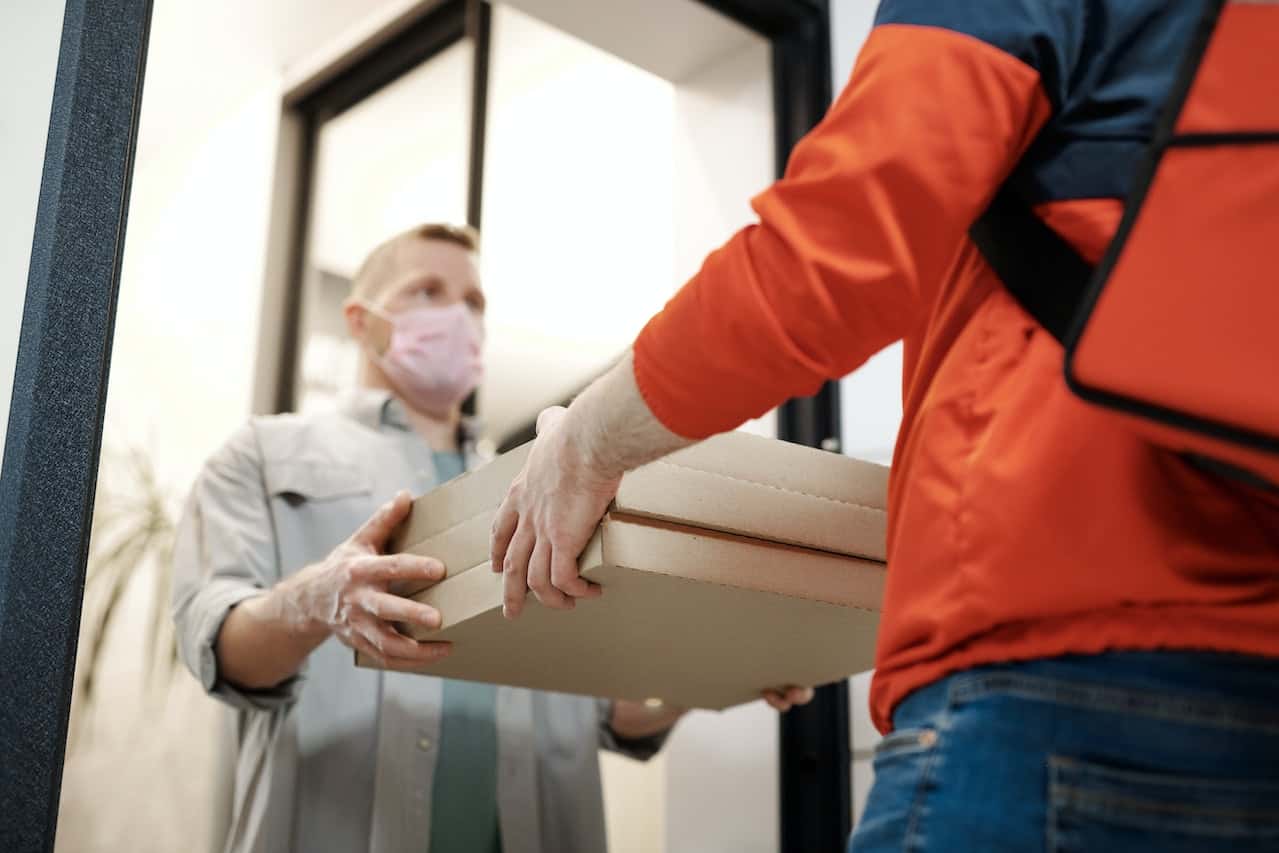
Delivery Fees That Do Not Include Tips
Ordering food online? The $5.99 delivery fee might seem like it covers everything, but no, it doesn't include the driver's tip. So, that $5.99 goes right into corporate pockets. Restaurants shift costs to customers while paying delivery drivers less than minimum wage.
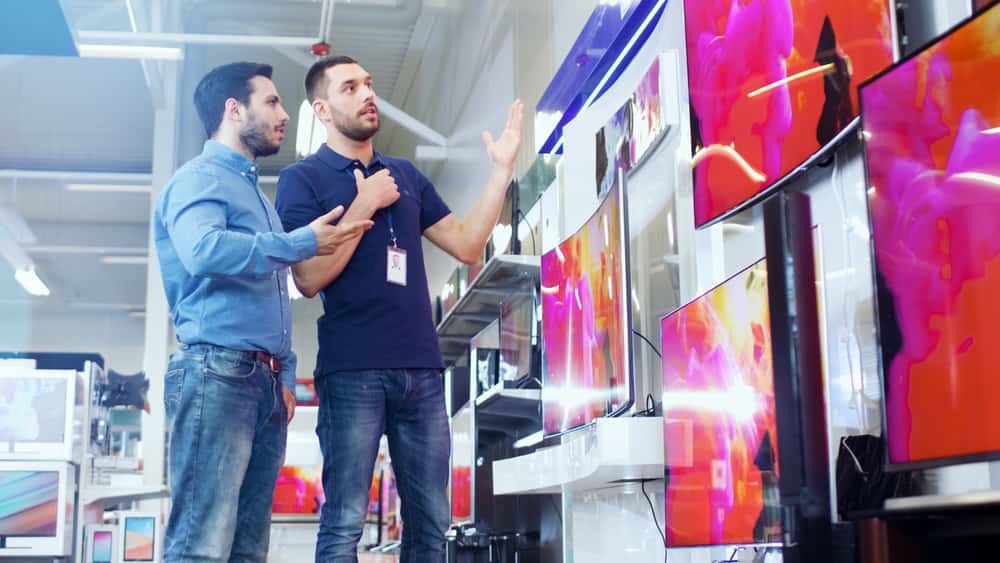
Extended Warranties That Rarely Cover Anything Useful
Stores push extended warranties as if they're a lifesaver, but the fine print excludes the most common problems. Electronics? The battery isn't covered. Appliances? Water damage isn't covered. Plus, most warranties expire right before things actually break, which just makes them a safety net with holes.
Renting A Graduation Cap And Gown For One Day
Graduation is supposed to be a victory lap—so why does it come with a rental fee? Schools charge eye-watering prices for caps and gowns that are essentially glorified polyester sheets, likely costing a fraction of what students pay. You drop $100 or more to wear it for a few hours, snap some photos, and hand it right back. And if the diploma has an Ivy League logo on it? Expect the robe to come with an equally elite price tag.
 PeopleImages.com - Yuri A, Shutterstock
Paying For Extra Storage On Your Phone's Cloud Service
"Your iCloud is full". Those dreaded words push millions to pay $2.99 a month just to store photos they already own. Companies like Apple and Google limit free storage, knowing people won't delete memories.

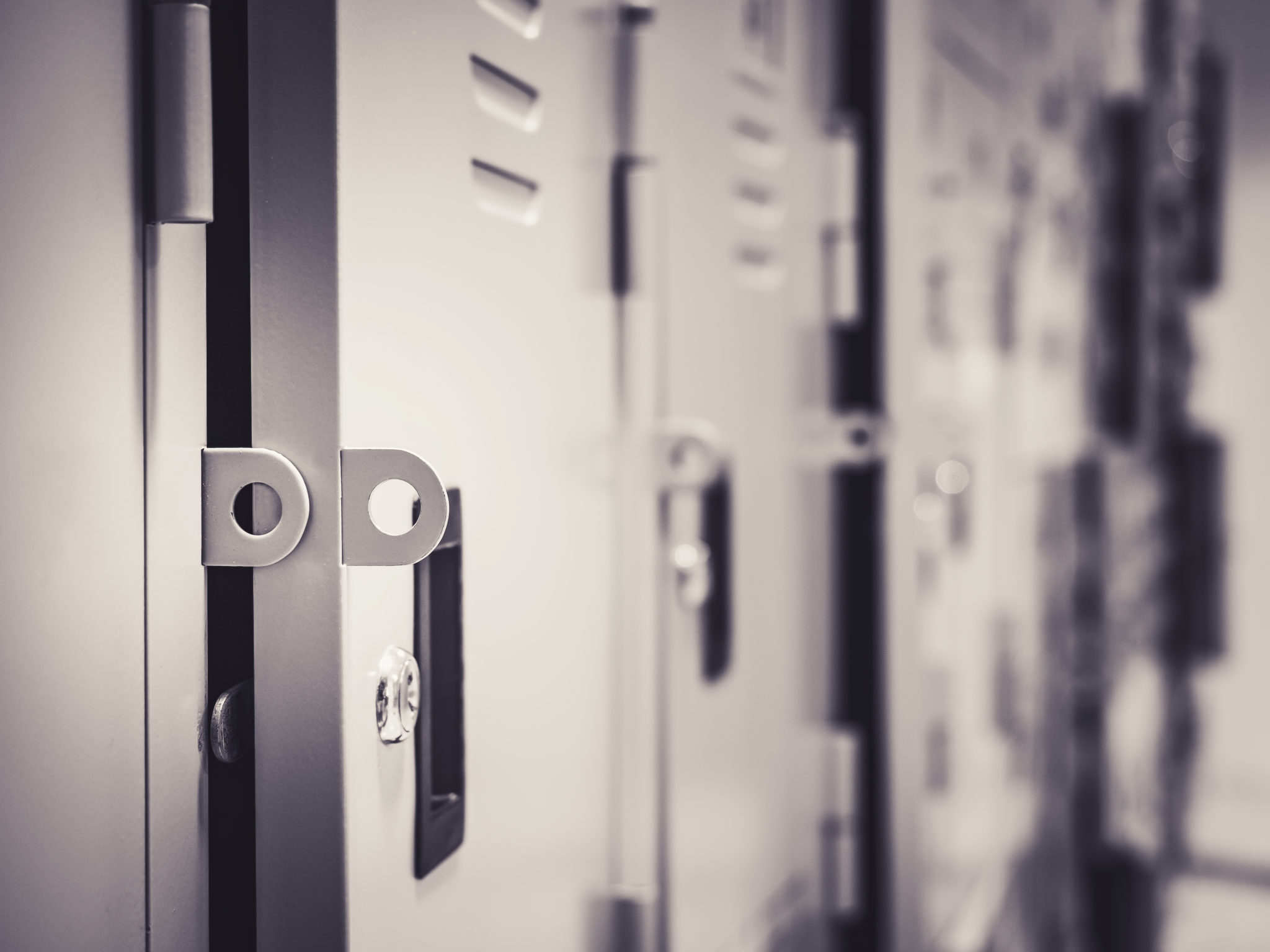
Water Parks That Charge For Locker Rentals
Water parks already charge $60+ for entry, yet still make you pay for a locker to protect your stuff. And if you don't want to pay, risk leaving your phone and wallet unattended or pay $15 for a tiny metal box. They've turned security into a profit stream.
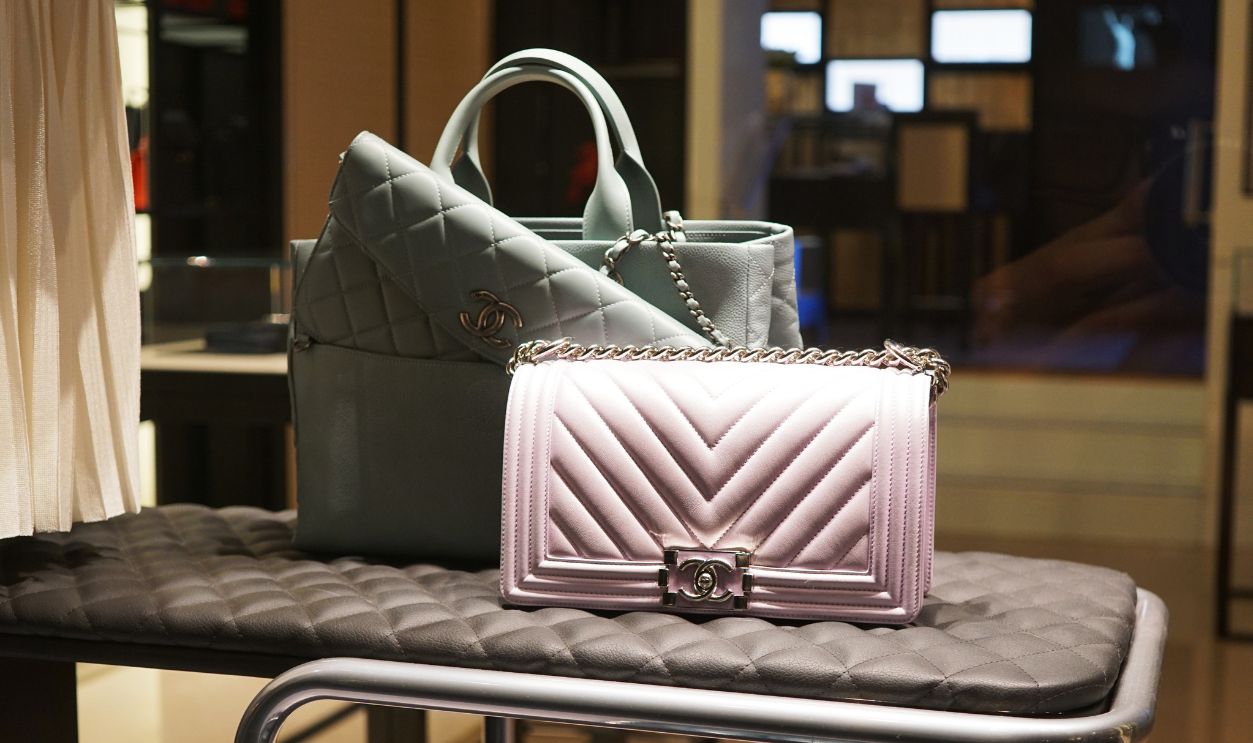
Designer Handbags That Cost More Than A Month's Rent
A Chanel bag can cost $10,000, but it still holds keys and lip balm just like a $50 bag from TJ Maxx. Luxury brands justify these prices by limiting supply and creating hype. The irony is that the resale market shows these bags lose value over time.
High-End Sneakers That Are Never Meant To Be Worn
Sneakers used to be for running, but now some cost $5,000 and sit in glass cases. Brands artificially limit stock, fueling resale markets where people pay mortgage-level prices for shoes they'll never wear. It has become an investing bubble with shoelaces.
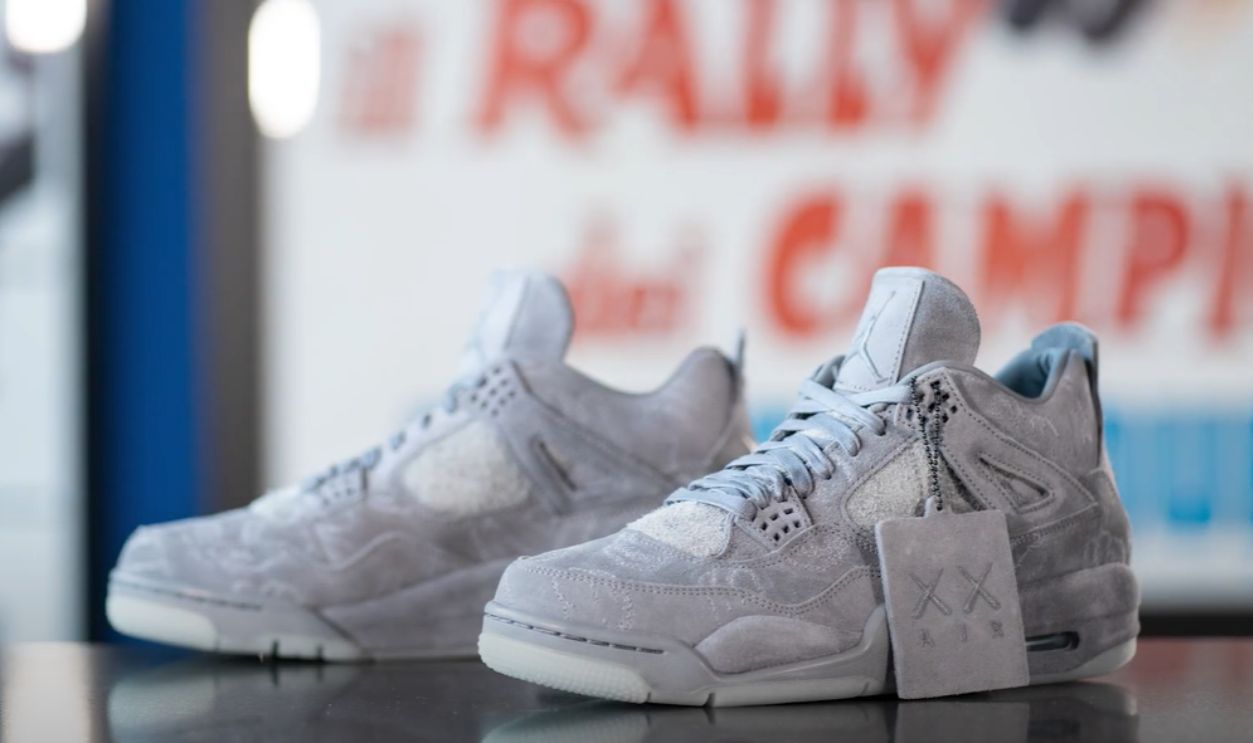 Kaws x Air Jordan 4 Retro Cool Grey: Closer Look by Sean Go
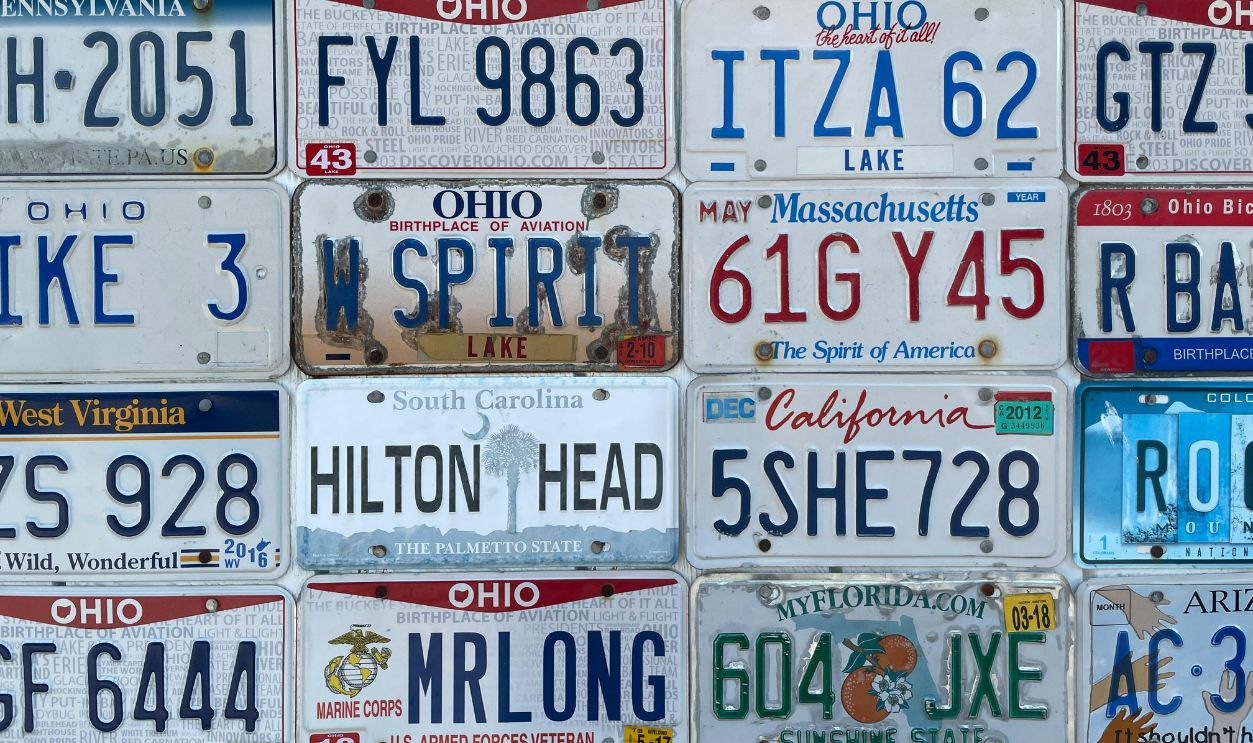
Personalized License Plates That Cost A Fortune
A vanity plate can cost $200+ per year, yet all it does is make your car easier to track. Some people spend thousands just for a joke or their initials on a plate. States make millions off these fees, but potholes still never get fixed.
Self-Assembly Furniture That Comes With An Extra Assembly Fee
Flat-pack furniture was created to save money, yet stores now charge for assembly—sometimes as much as the furniture itself. IKEA, the king of DIY, offers an assembly service that turns a $100 bookshelf into a $200 investment. Pay up, or break out that Allen wrench.
 Monkey Business Images, Shutterstock
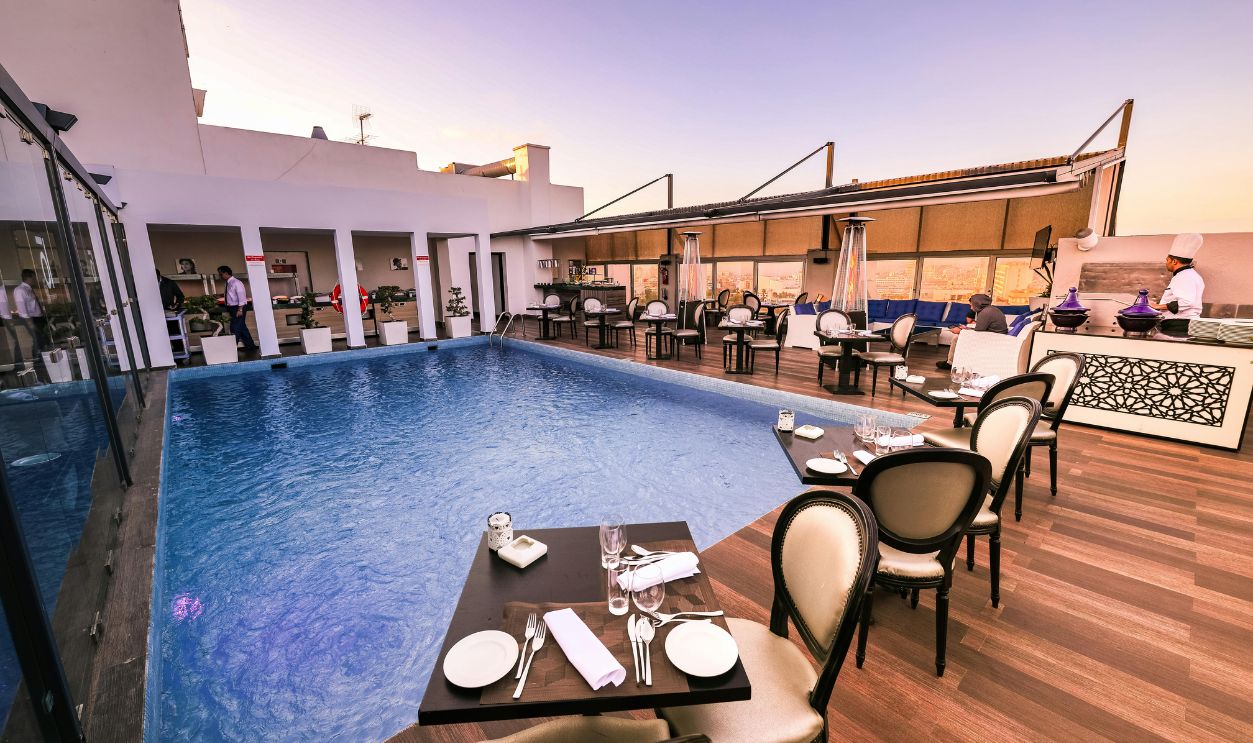
Tourist Trap Restaurants That Charge Extra For The View
Put a restaurant on a rooftop or park it beside the ocean, and suddenly the menu thinks it’s starring in a luxury film. The view does most of the heavy lifting—even when the pasta tastes suspiciously average and the cocktails are mostly ice. You’re not just paying for dinner, you’re covering admission to the scenery. At that point, it’s less a meal and more a scenic seat rental that happens to come with fries.
Paying For Name-Brand Medications Instead Of Generic Equivalents
The same medicine, different price tag. The FDA regulates both, so the generics are just as effective, yet name-brands cost up to 85% more. Pharmaceutical companies spend millions convincing people that "brand-name" means better. Unless you can't find the generic versions, buying name-brands is a waste of money.

Paying Extra For "Organic" Labels That Are Not Well-Regulated
Organic food is marketed as healthier, but regulations vary by country. Some "organic" labels allow pesticides, while others don't require significant differences from regular produce. Yet, organic products cost 20–50% more. The real difference? Often just the price tag.

Fancy Fitness Classes That Charge As Much As A Gym Membership
A single SoulCycle or Barry's Bootcamp class can cost over 40 bucks. That's more than a month of Planet Fitness. The curated vibes don't make it any less of a scam. You're paying a luxury tax on sweat, while a jog outside is still 100% free.

Cars That Come With A Monthly Subscription For Features
BMW started charging $18 per month for heated seats—a feature that already exists in the car. Welcome to the world of subscription-based vehicles, where automakers lock basic functions behind paywalls. Next up: paying extra for working windshield wipers. What a joke!

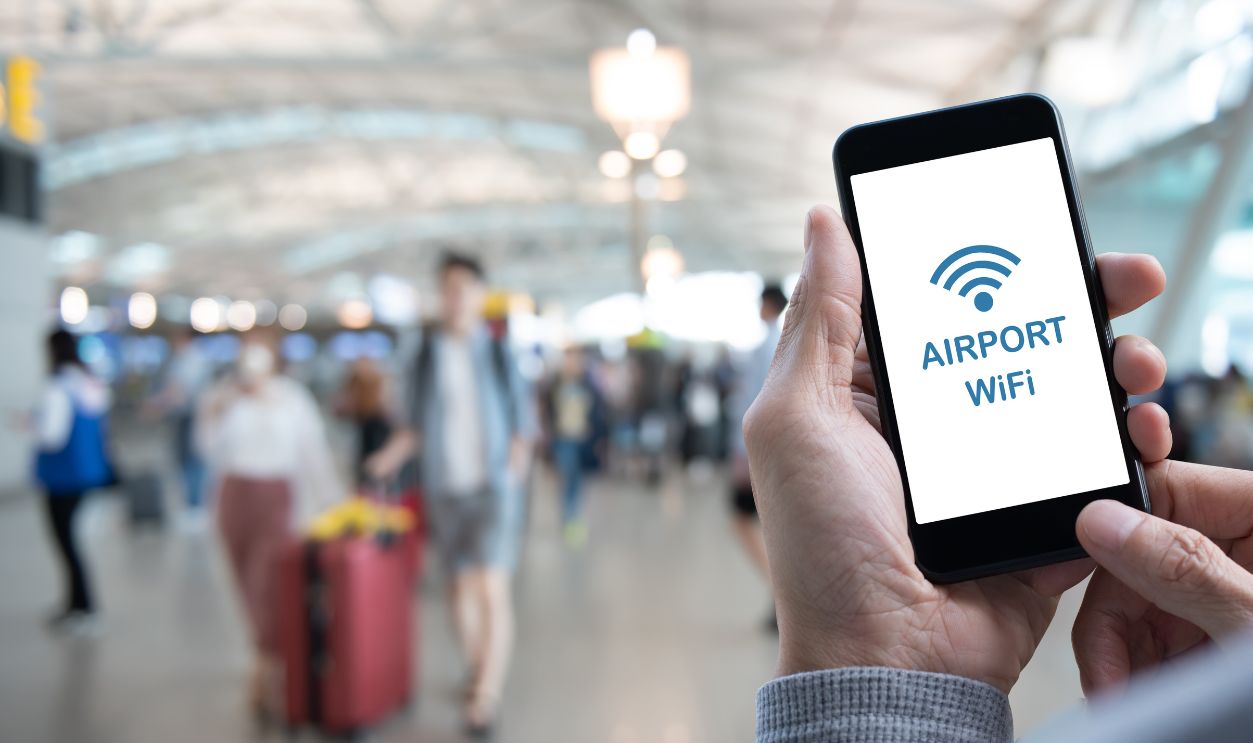
Expensive Airport Wi-Fi That Is Slow And Unreliable
Charging $15 for Wi-Fi that barely loads a webpage is runway robbery (pun intended). Airports know travelers need Wi-Fi and charge insane rates for something that should be free. Meanwhile, even McDonald's offers faster internet for the price of a burger.
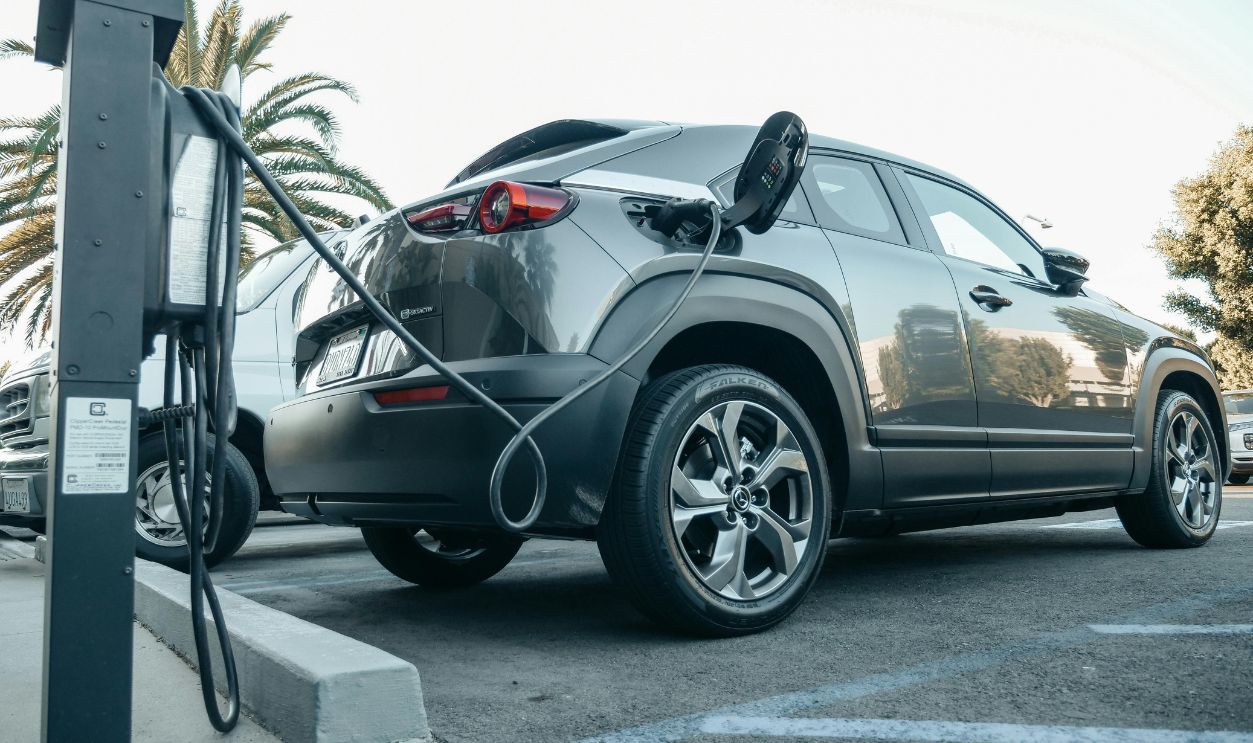
Charging Stations That Cost More Than Gasoline
Owning an electric car was supposed to be cheaper, but public charging stations charge up to $0.69 per kWh. Tesla owners once enjoyed free Supercharging, but now, fees keep rising. At this point, home charging is the only way to dodge the surge pricing trap.
Fast Food Chains That Now Charge Extra For Dipping Sauces
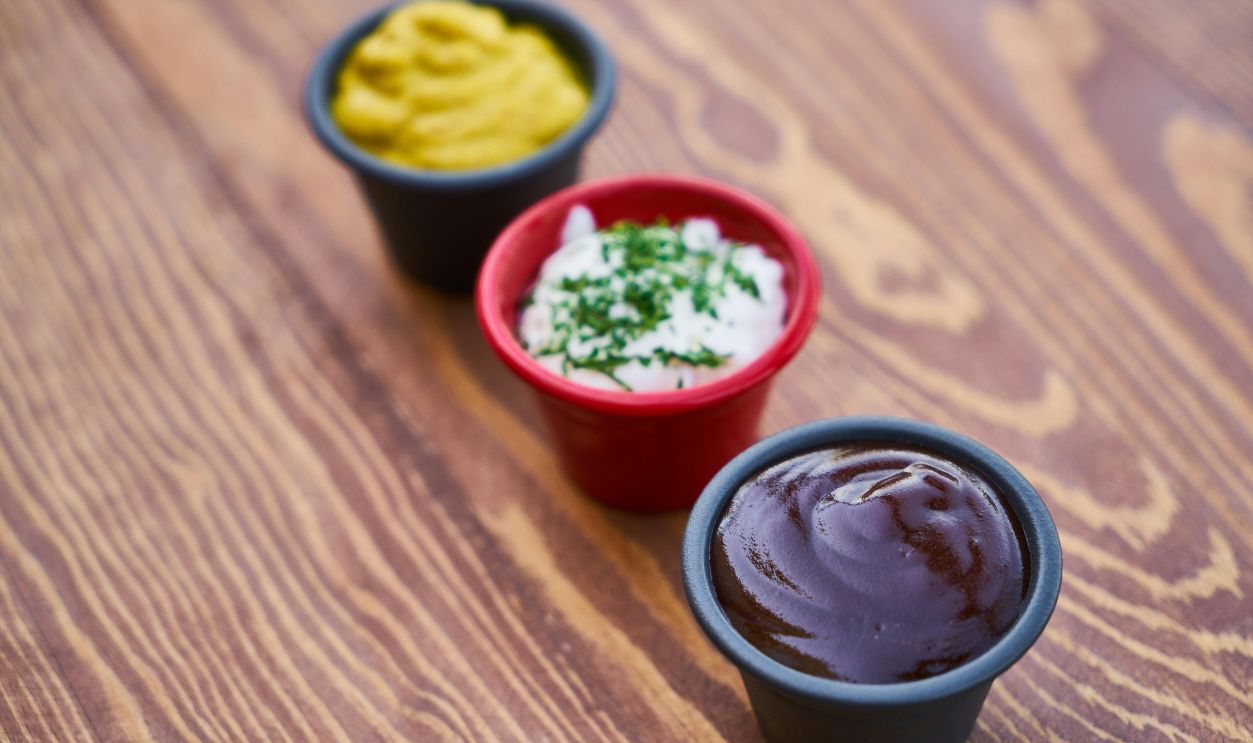
There was a time when ketchup and ranch flowed freely, no questions asked. Now? Ask for an extra sauce and you might get hit with a 50-cent surcharge like you’re requesting a rare vintage. Some chains even ration packets per order, as if barbecue sauce is a controlled substance. At this rate, don’t be surprised if “premium dipping memberships” roll out soon—because apparently even nuggets need a cover charge now.
VIP Parking Spots That Are Barely Closer
Some event venues charge $50+ for "VIP" parking, but when you get there, it's just 30 feet closer to the entrance. Worse, at big concerts and games, VIP parkers often get trapped in traffic longer because they're near the exit. Taking the bus or walking is the best option.
Premium Airline Boarding That Saves You Only A Few Minutes
Airlines charge up to $50 for priority boarding, making it sound like a VIP perk. In reality, you just sit on the plane longer while everyone else boards. The only real perk is getting overhead bin space first—but at what cost?

Influencer-Branded Products That Are Just Generic Items with A Markup
A celebrity slaps their name on a basic water bottle, makeup brush, or hoodie, and suddenly it's worth three times more. Most influencer brands don't even make their own products, by the way. They just white-label existing items from the same factories as budget brands.
Paying Extra For Early Check-In At Hotels
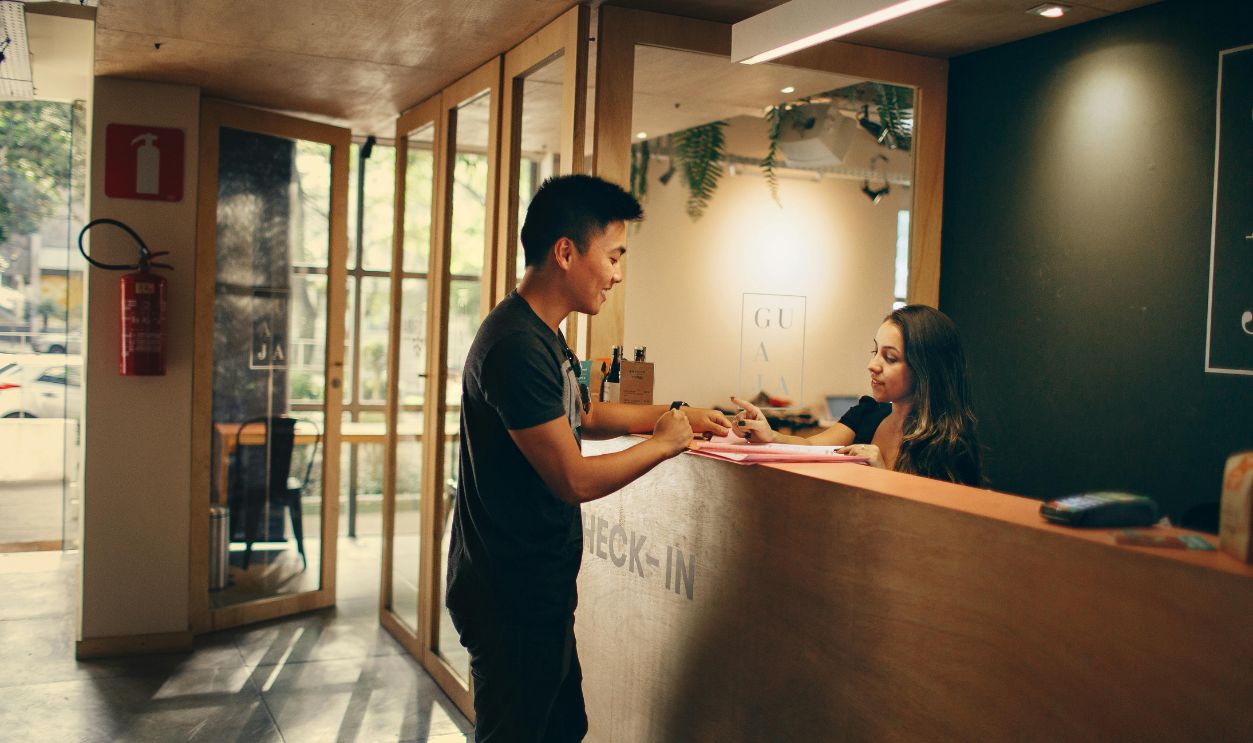
Some hotels will gladly charge $25–$50 just to check in before the official time—even if the room is already clean and available. It's all about squeezing extra money out of travelers who are tired from long flights. Meanwhile, checking out late? That'll cost you too.
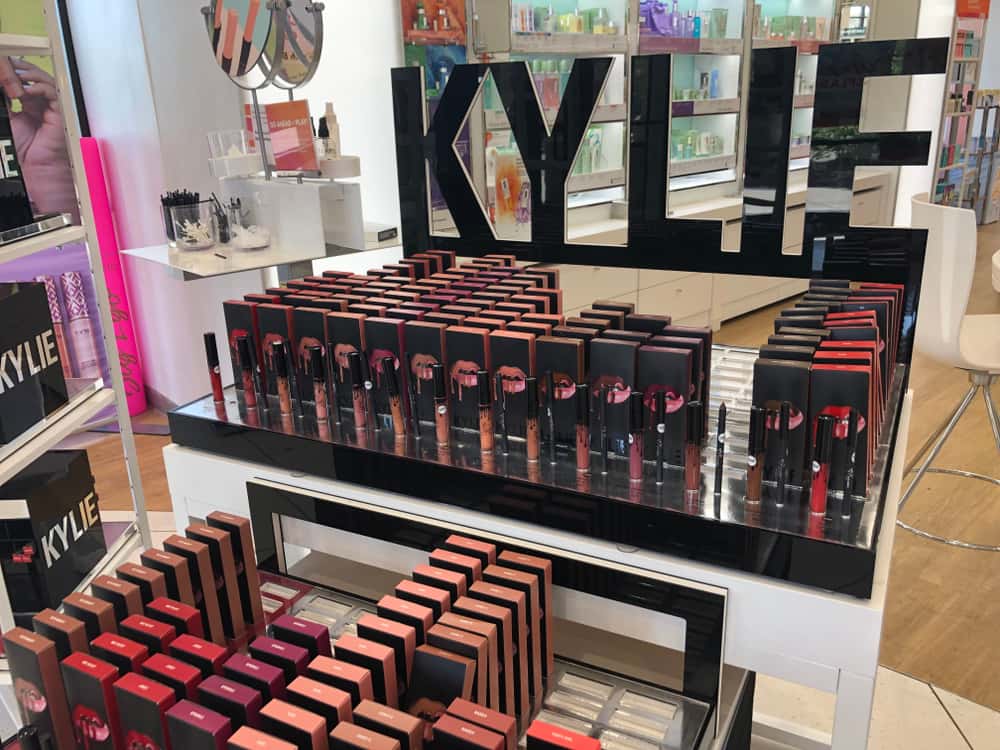
Luxury Brand Makeup That Costs Triple For The Same Formula
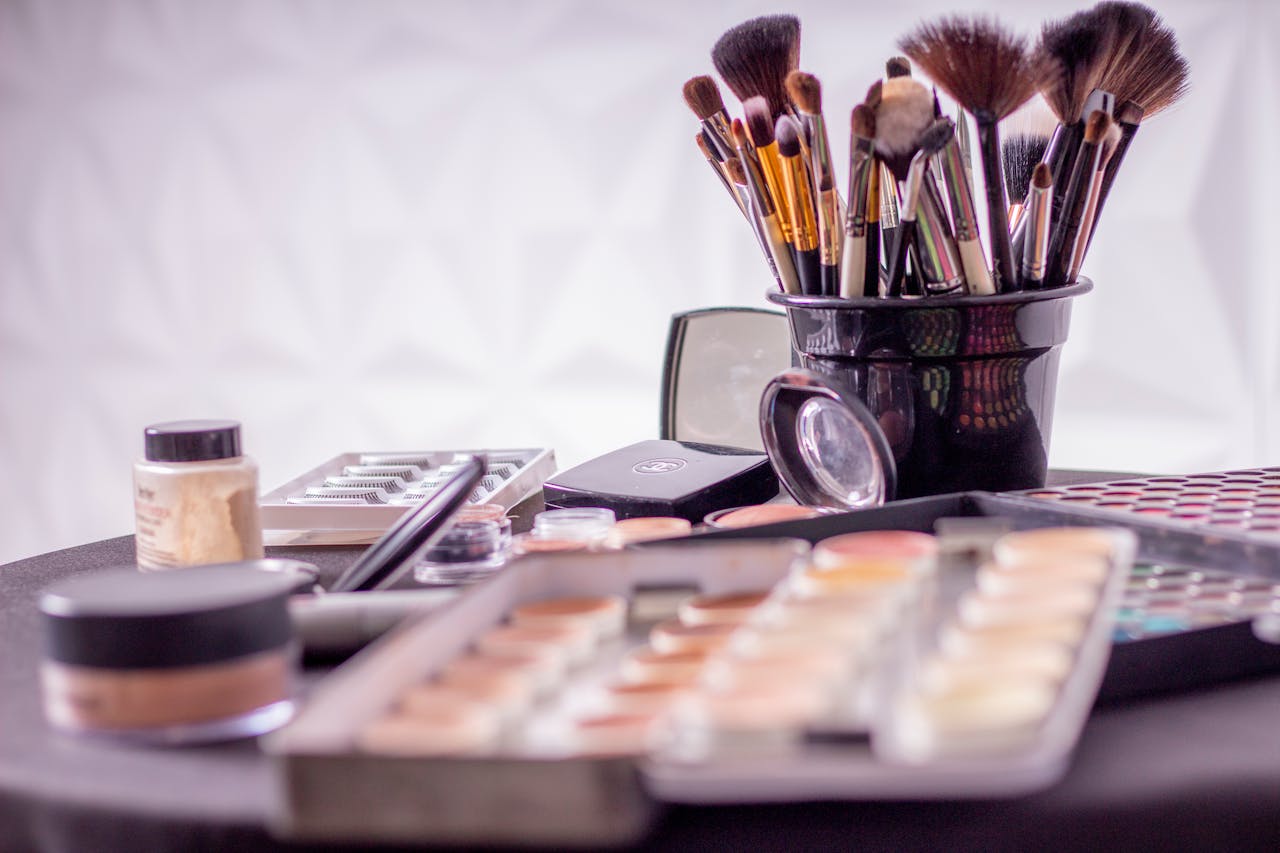
A $50 foundation might seem high-end, but a 2024 Ranker article found some luxury products containing the same formulas as drugstore versions. The only difference is the packaging, branding, and marketing. But hey, that shiny gold tube sure makes it feel more expensive.
Theme Parks Charging For Front-Of-The-Line Passes
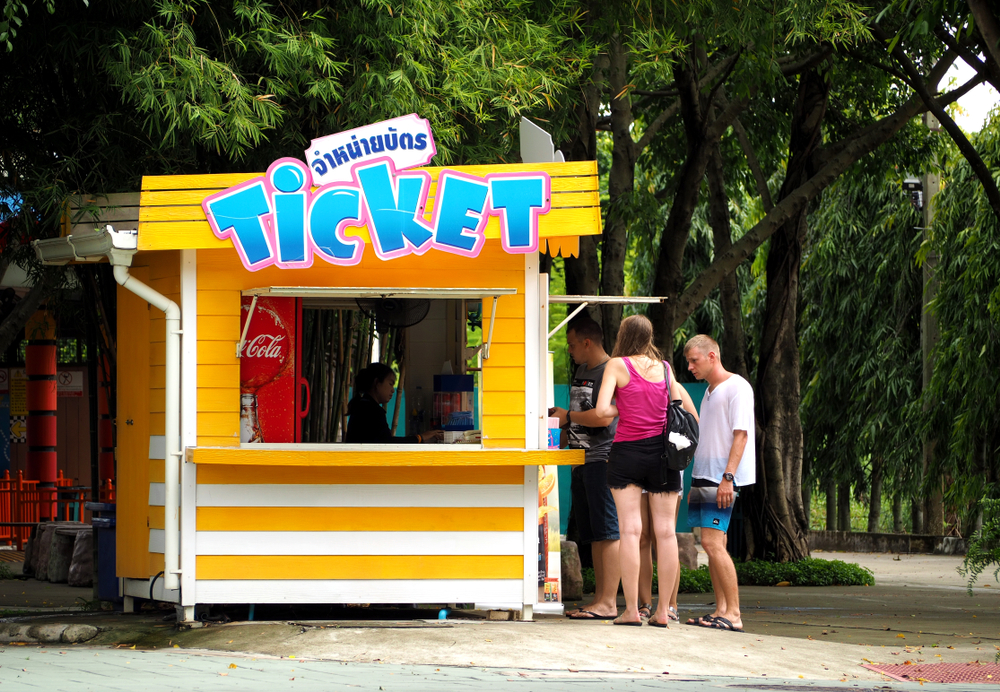
Buying a $120+ theme park ticket should grant access to rides, right? Wrong. If you don't want to wait in 3-hour lines, you'll need a FastPass, Lightning Lane, or VIP Skip-the-Line upgrade for another $50–$200. Pay up, or spend half your day melting in the sun, waiting for a roller coaster.
Paying To Unlock Features In Video Games You Already Bought
Remember when video games came fully finished? Now, many games lock basic features behind paywalls, forcing players to buy "DLCs" or "microtransactions" for things that should be included. Even worse? Some games ship unfinished, knowing they can charge later for "fixes".

Furniture Stores Charging Separate Delivery Fees For Each Item
Bought a sofa and a coffee table? Some furniture stores will charge separate delivery fees for each piece, even if they arrive on the same truck. Make it make sense? They just want to make money off logistics that cost them nothing extra. At this point, just strap it to the roof yourself.