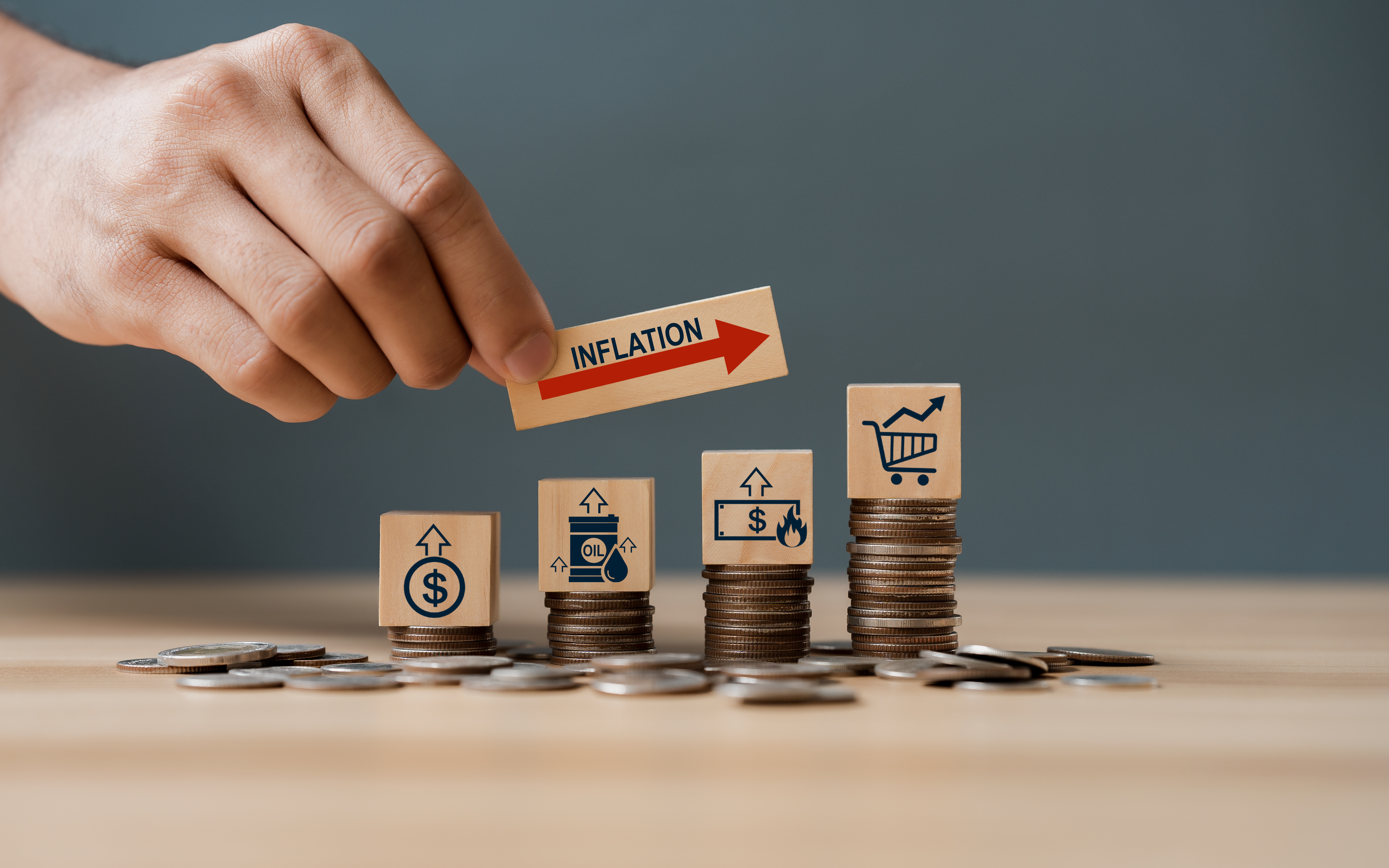
The Inflation Scare That Starts Fights At Dinner
Your brother is right about one thing: inflation can quietly shrink what your savings can buy. But it does not automatically mean savings are “a mistake,” or that you should invest every dollar you have. The real question is what that money is for, and how soon you might need it.

What “Inflation Guarantees You Lose” Really Means
Inflation is a rise in prices over time, which means each dollar buys less in the future. The Bureau of Labor Statistics tracks this through the Consumer Price Index, or CPI. The headline CPI is widely used as a yardstick for how fast everyday costs are changing.
A Concrete Example Makes This Feel Real
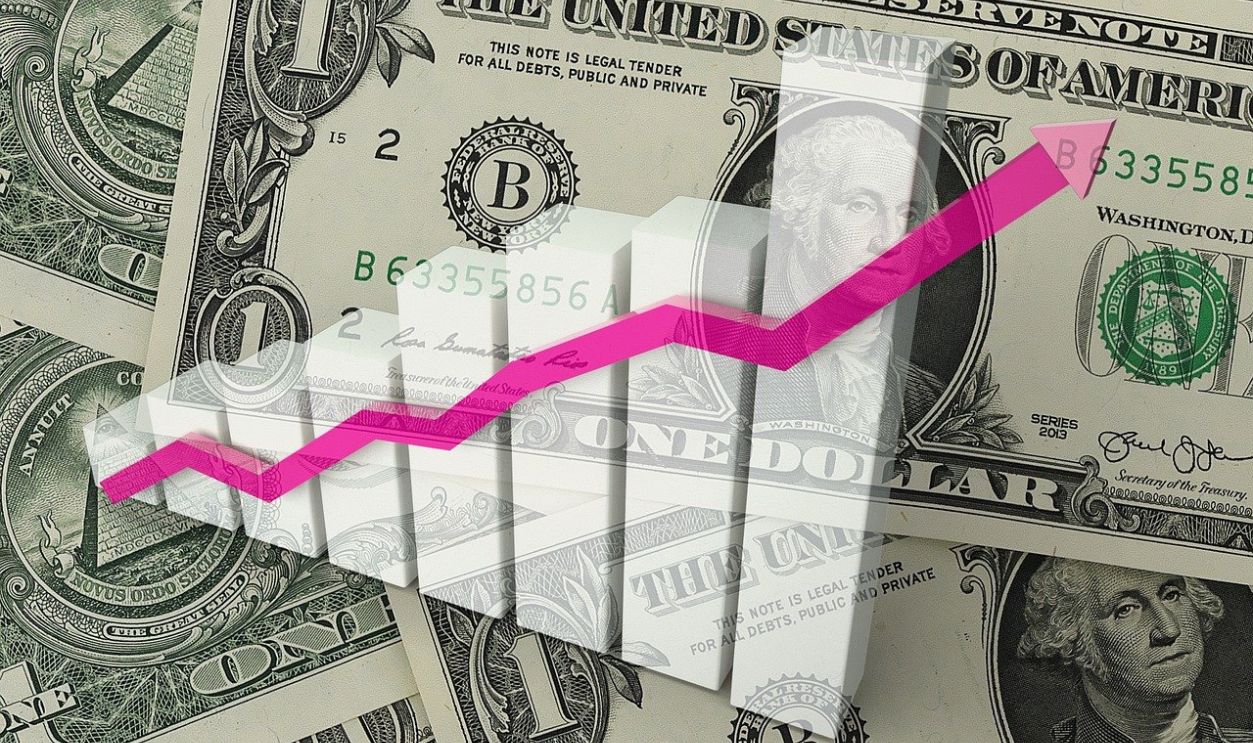
If inflation runs at 3% for a year, something that costs $100 could cost about $103 later. If your savings account earns 1% interest, your balance rises, but your buying power can still fall. That gap is why people say “cash loses to inflation.”

But Cash Has A Job Investing Cannot Do
Cash is there for bills, surprise repairs, job gaps, and emergencies. If you invest money you might need soon, you could be forced to sell at a bad time. That risk is not hypothetical, because markets can fall quickly.

The History Lesson Your Brother Might Skip
The S&P 500 dropped about 57% from its October 2007 peak to its March 2009 low during the financial crisis. That drawdown is documented in the S&P 500’s own index history. If you needed the money in early 2009, inflation would not have been your main problem.

Inflation Spiked Recently For A Reason
Inflation became a household word again after the pandemic-era disruptions. The CPI rose sharply in 2021 and hit a 12-month change of 9.1% in June 2022, according to BLS CPI data. That moment made a lot of savers feel like they were falling behind.

Why Savings Rates Suddenly Started Looking Better
When inflation surged, the Federal Reserve responded with aggressive rate hikes. The Fed raised its federal funds rate target range multiple times in 2022, and by December 2022 it reached 4.25% to 4.50%. Higher rates pushed up yields on things like savings accounts and money market funds, although not always immediately.
 JJonahJackalope, Wikimedia Commons
“Real Return” Is The Phrase You Want
What matters is not just your interest rate, but your real return, which is return after inflation. If a savings account pays 4% and inflation is 3%, your real return is roughly 1% before taxes. If inflation is 6%, that same 4% rate is a real loss.
There Is No Rule That Says “Invest Everything”
Personal finance is about matching money to goals and timelines. Some money is for next month, some is for next year, and some is for decades from now. The longer your timeline, the more you can usually afford market ups and downs.

The Classic Split: Short Term Versus Long Term
Money you need in the next few years is usually better in cash or cash-like options. Money you will not touch for a long time can often be invested in diversified portfolios. This is less about being brave and more about avoiding forced sales.

The Emergency Fund Is Not “Lazy Money”
Many financial planners suggest keeping an emergency fund, often measured in months of expenses. The Consumer Financial Protection Bureau discusses emergency funds as a way to handle surprise costs and income shocks. This money is like insurance, and insurance is not judged by its return.
 Dustin Moore, Wikimedia Commons
Start With A Simple Number: Monthly Essentials
Add up rent or mortgage, utilities, groceries, transportation, minimum debt payments, and basic insurance. Multiply that by a number of months that fits your job stability and household needs. For many people, that is three to six months, but the right number can be higher.
 Michael Zheng from New York, United States, Wikimedia Commons
If You Have High-Interest Debt, That Changes The Math
Paying off high-interest credit card debt can be a guaranteed win, because the interest cost is usually far higher than what savings pays. Before you “invest everything,” compare your expected returns with the rate you are paying. A 20% APR debt is a tough hurdle for any investment portfolio to beat reliably.

When Cash Loses, It Usually Loses Slowly
Inflation typically chips away over time, not overnight. Market losses can be sudden and steep. That is why a cash buffer can be worth more than its “return,” especially if it keeps you from selling investments in a downturn.

What Counts As “Savings” Is Broader Than A Bank Account
Cash does not have to mean a checking account paying almost nothing. High-yield savings accounts, money market deposit accounts, and Treasury bills can sometimes offer meaningfully higher yields. Some of these options are also backed by strong protections, depending on the product.
 Karolina Grabowska www.kaboompics.com, Pexels
Know Your Safety Nets: FDIC And NCUA
Bank deposits are generally insured by the FDIC up to $250,000 per depositor, per insured bank, for each account ownership category. Credit union deposits are generally insured by the NCUA with the same standard limit. That protection matters when you are deciding where to park emergency cash.
 ajay_suresh, Wikimedia Commons
Investing Has Its Own “Guaranteed” Reality
Stocks do not guarantee you win in any specific year. Over long periods, diversified stock investing has historically offered higher returns than cash, but the path is bumpy. Your brother’s certainty belongs more to long timelines than to real life month-to-month needs.
Why People Cite The Stock Market’s Long-Term Track Record
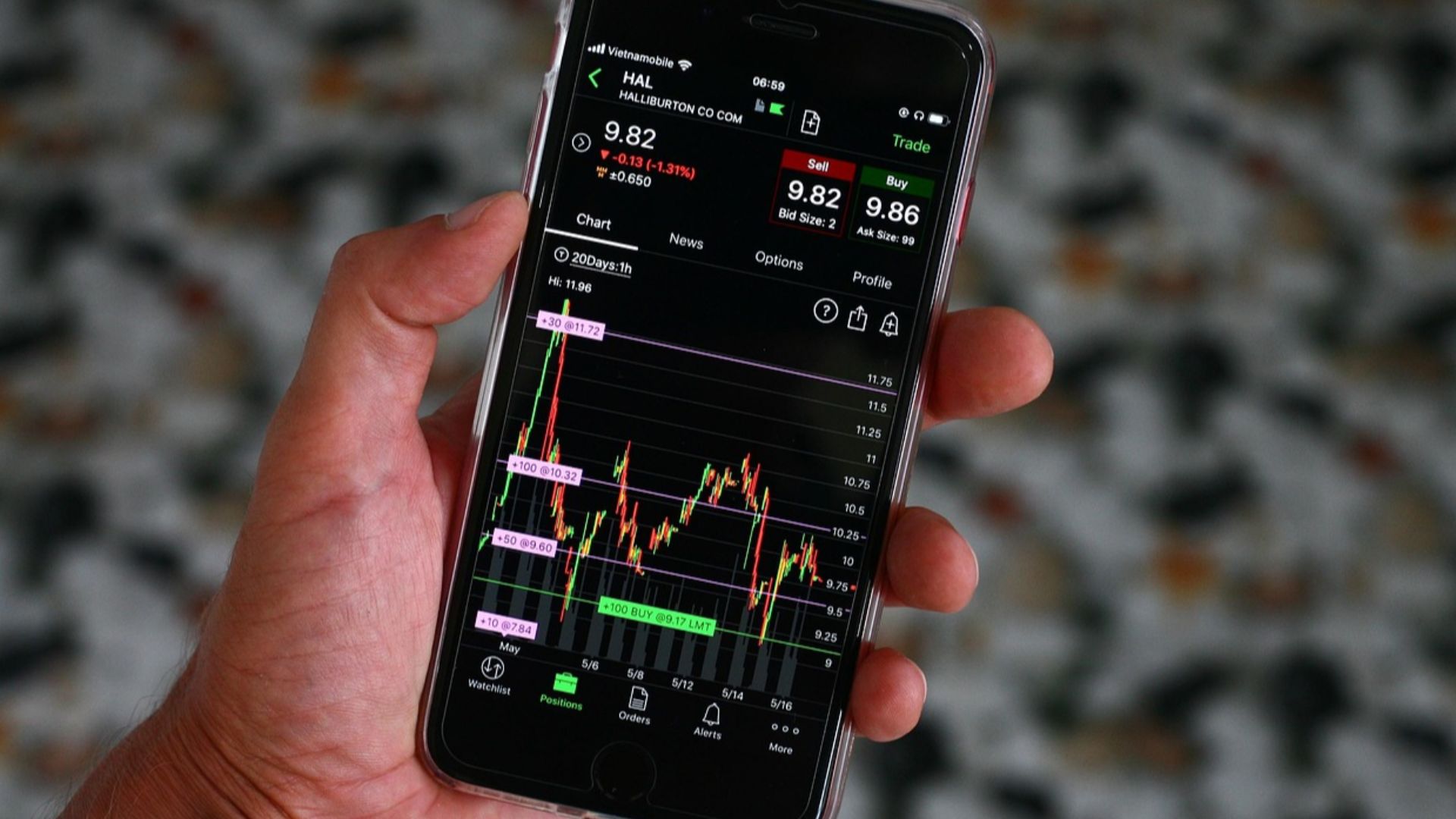
One reason is that U.S. stocks have historically delivered positive returns over many long holding periods. That history is often summarized using broad indexes like the S&P 500. The catch is that the same history includes long stretches of losses and years where bonds beat stocks.

Timing Risk Is The Silent Threat For Regular People
If you invest money and then lose your job, you might need to sell when prices are down. That is called sequence-of-returns risk, and it hits hardest when withdrawals happen during a slump. A cash reserve helps you avoid turning a temporary dip into a permanent loss.
 ANTONI SHKRABA production, Pexels
A Practical “Bucket” Approach That Calms The Debate
Many people find it helpful to use buckets: cash for now, safer assets for soon, and stocks for later. The “now” bucket covers your bills and emergency fund. The “later” bucket is where you can take more risk because time is on your side.

If You Want A Simple Default, Try This Framework
First, build a starter emergency fund. Next, get any employer match in a workplace retirement plan if you have access, because that match is part of your compensation. Then decide how much extra cash you want for near-term goals before increasing long-term investing.

Inflation-Protected Bonds Exist, But They Are Not Magic
The U.S. Treasury issues inflation-protected securities, including TIPS, which adjust with inflation. The Treasury also offers Series I savings bonds, which earn an inflation-linked rate that resets twice a year. These can help protect purchasing power, but they still have rules and tradeoffs.
 AgnosticPreachersKid, Wikimedia Commons
What The Treasury Actually Says About I Bonds
The U.S. Treasury explains that I bond interest is made of a fixed rate and an inflation rate, and that the inflation component resets every six months. It also spells out restrictions, like the one-year minimum holding period and early redemption penalties if cashed before five years. Those details matter before you treat I bonds like a perfect savings substitute.
 G. Edward Johnson, Wikimedia Commons
The Biggest Mistake Is Going “All In” On Any One Thing
All cash can leave you vulnerable to inflation over the long run. All stocks can leave you vulnerable to panic selling, layoffs, and bad timing. A mix is boring, but boring often wins.

How To Answer Your Brother In One Sentence
You can say: “I’m investing for long-term goals, but I’m keeping cash for emergencies and near-term needs so I do not have to sell at a loss.” That response is financially literate and hard to argue with. It also keeps the peace at family gatherings.

A Simple Checklist Before You Move Money Out Of Savings
Ask when you will need the money, what would happen if your investment dropped 30% right before you needed it, and whether you have high-interest debt. Then check your cash protections and your interest rate, because not all “savings” pays the same. Finally, automate whatever plan you choose so it does not rely on perfect self-control.

The Bottom Line: Inflation Is Real, But So Is Life
Inflation can erode buying power, and investing is one of the best tools to outpace it over time. But “invest everything” is usually a slogan, not a plan. A solid plan keeps some money safe, puts long-term dollars to work, and lets you sleep at night.