
A Dispute That Feels Personal And Legal
You are dealing with the sudden loss of your mother and a fast-moving dispute over her will. Your sister is the executor of your mother's estate, and her husband, a lawyer, is challenging your understanding of what you’re set to inherit. The situation feels unfair, especially when legal authority and family loyalty seem to overlap.
 Asier Romero, Shutterstock; Factinate
Two Conflicting Interpretations Of The Estate
You believe a trust that your mother set up that gives you the entire house and its contents. Your sister’s husband, on the other hand, insists that the will controls what happens; the will divides the house evenly between all the siblings. Meanwhile your brother-in-law is pushing an agenda to sell the house and divide the proceeds evenly. This disagreement over which document governs is at the center of your conflict.
 Centre for Ageing Better, Unsplash
Why Wills And Trusts Can Clash
It’s not uncommon for a will and a trust to contain overlapping or inconsistent instructions. A properly funded trust typically governs assets placed into it, while a will covers remaining assets. Determining which applies requires careful review of both documents.

The Role Of The Executor
As executor, your sister has a fiduciary duty to act in the best interests of all beneficiaries, not just herself and her husband. She must follow the governing documents, keep a neutral attitude, and avoid actions that benefit herself or others unfairly at your expense.

When A Spouse Gets Involved
Your sister’s husband may have legal expertise, but his involvement raises concerns. If he is advising her informally or influencing decisions, it can blur the line between professional counsel and family bias, especially when he stands to benefit indirectly.

Is This A Conflict Of Interest?
A lawyer representing a spouse against that spouse’s sibling in an estate dispute may face ethical concerns. Even if he is not formally retained, his guidance could create a perceived or actual conflict, especially if objectivity is compromised.

The Difference Between Formal And Informal Advice
If your sister’s husband is not officially representing the estate, he may claim he is simply offering personal advice. However, his legal background can still sway decisions in a way that puts other beneficiaries at a disadvantage.

Fiduciary Duties Can’t Be Delegated Improperly
Your sister can’t rely on her husband’s advice if it leads her to breach her fiduciary duties. Executors must seek independent, impartial legal counsel when disputes arise, rather than relying on someone with a personal stake in the outcome.

The Importance Of Neutral Legal Counsel
In contested estates, a neutral estate attorney can provide guidance that protects all parties. This helps ensure decisions are based on the law and the documents, not on personal relationships or competing interests within the family.

Missing Paperwork Raises Red Flags
You have noticed that your sister and her husband removed documents from your mother’s home and are not sharing them. This lack of transparency is concerning and may suggest that important information is being withheld.

Your Right To Estate Information
As a beneficiary, you are typically entitled to receive relevant estate documents, including the will and any trust agreements. You should not be left in the dark about decisions that directly affect your inheritance.

How Trust Ownership Affects The House
If the house was placed into a trust before your mother passed, the trust terms usually control its distribution. This could support your claim to full ownership, depending on the exact wording and how the trust was structured.

When The Will Still Matters
If the house was never transferred into the trust, the will may govern its distribution. This is why verifying ownership and title is essential before accepting either side’s interpretation of the estate plan.
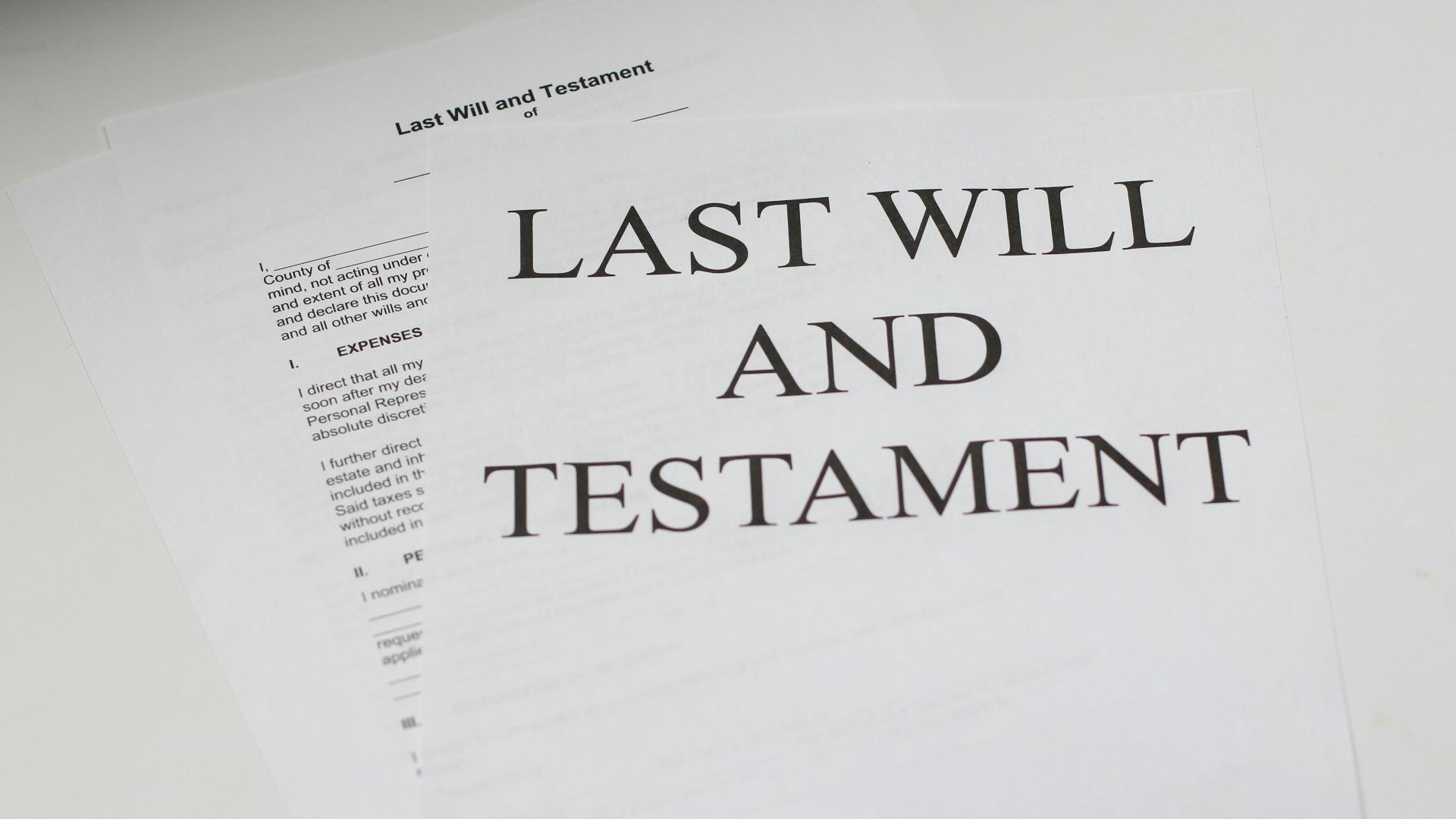
The Role Of Probate
Assets governed by the will typically go through probate, while trust assets often bypass it. Understanding whether the house is part of the probate estate or the trust can clarify which document takes precedence.

Signs Of Executor Misconduct
Withholding documents, acting without transparency, or favoring certain beneficiaries can signal potential misconduct. These actions may justify closer scrutiny or even legal intervention to protect your rights.
Centre for Ageing Better, Unsplash
Steps To Request Documentation
You can formally request copies of the will, trust, and any related records. Putting your request in writing creates a record and may encourage compliance if your sister has been reluctant to share information.

When To Seek Legal Advice
Given the complexity of your situation, consulting an attorney of your own would be a smart move. An independent lawyer can review the documents and help you understand your rights without the influence of family dynamics.

Challenging Executor Decisions
If your sister isn’t fulfilling her duties properly, you may be able to challenge her actions in court. This can include requesting oversight, compelling disclosure, or even going so far as to seek her removal as executor.

The Ethics Of Legal Representation
Lawyers are bound by ethical rules that require them to avoid conflicts of interest. If your sister’s husband is acting in a way that violates these standards, it could raise serious professional concerns.

Documenting Everything Carefully
Keep detailed records of all communications and actions taken by your sister and her husband. This documentation can be crucial if the dispute escalates and you need to demonstrate patterns of behavior.

Avoid Escalating Too Quickly
While the situation is frustrating, try to avoid immediate confrontation. Taking a measured approach allows you to gather information and build a stronger position before making formal challenges.
 LinkedIn Sales Solutions, Unsplash
Understand The Emotional Stakes
Family inheritance disputes often carry emotional baggage that weigh you down far beyond the mere dollars-and-cents financial aspect of things. Recognizing this can help you approach the situation more strategically and avoid decisions driven purely by frustration.

Protect Your Share Of The Estate
Your goal is to ensure that the estate is administered according to the correct documents and the law. Staying informed and proactive can help you safeguard what you believe you are entitled to receive.

Find The Path To A Resolution
Some disputes can be resolved through mediation, which offers a less adversarial path than court. This approach can preserve relationships while still addressing disagreements over the estate.
 Centre for Ageing Better, Unsplash
Turn Uncertainty Into Clarity
This situation may feel overwhelming, but you have options. By seeking independent advice, requesting transparency, and understanding your rights, you can move from confusion to a clearer and more confident position.

You May Also Like: