
Riding Through Time
A few scooters don’t just roll, they whisper stories. You can almost hear the echoes of city streets, youth, and the start of something timeless. That’s what makes these classics so irresistible to collectors.

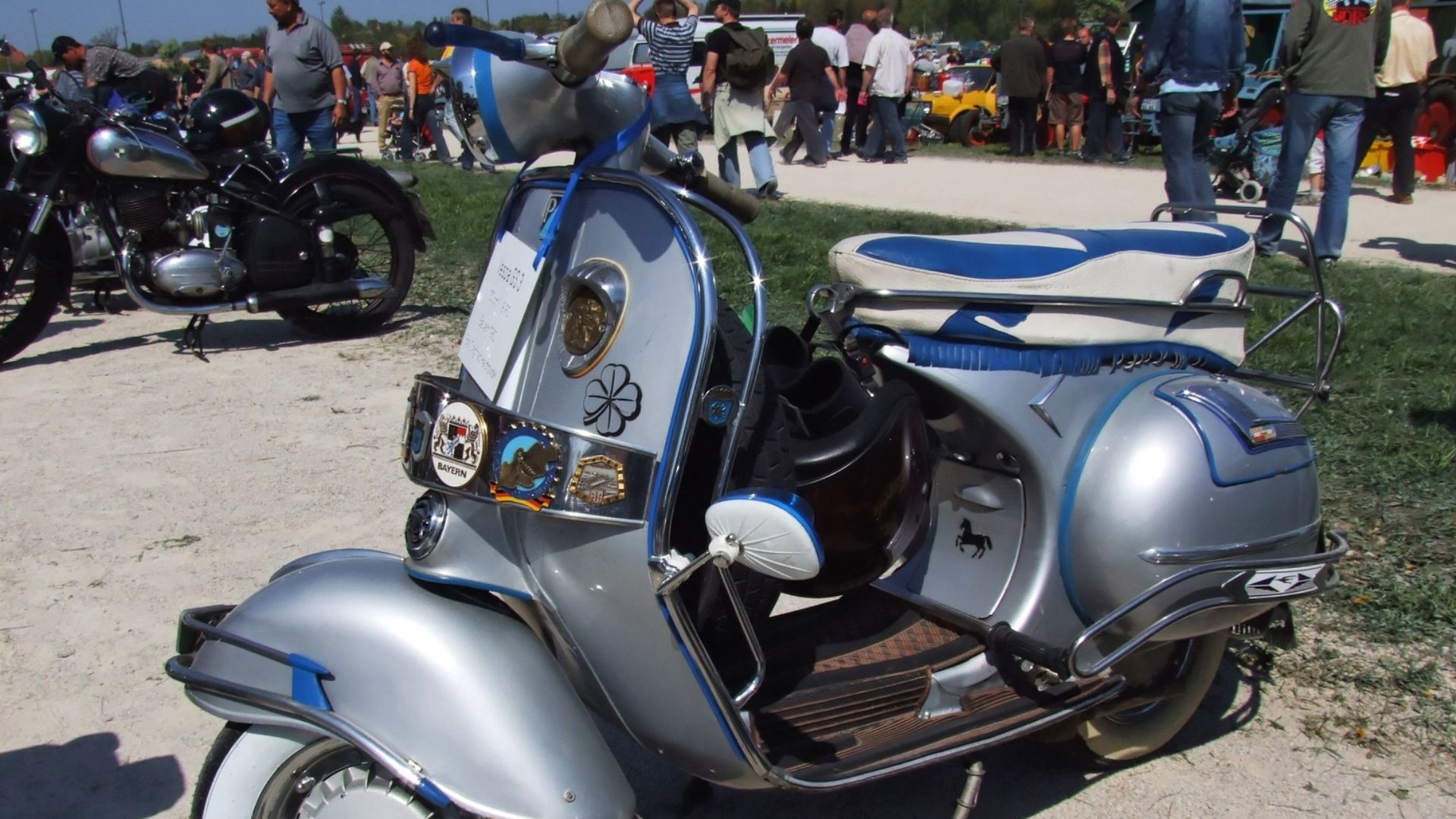
Vespa GS150
Can you imagine what happens when aircraft engineers design a scooter? The answer is the Vespa GS150, produced from 1955 to 1961. Featuring a zippy 150cc two-stroke engine paired with a 4-speed gearbox, this Italian beauty was the first mass-produced sports Vespa, setting new performance standards.
Lambretta TV175 Series 2
The British Mod subculture of the 1960s wasn't just about sharp suits and The Who—the roar of a Lambretta TV175 Series 2 also defined it. This rare Italian masterpiece could reach speeds beyond 60 mph, making it one of the fastest scooters of its time and a prized possession for collectors.
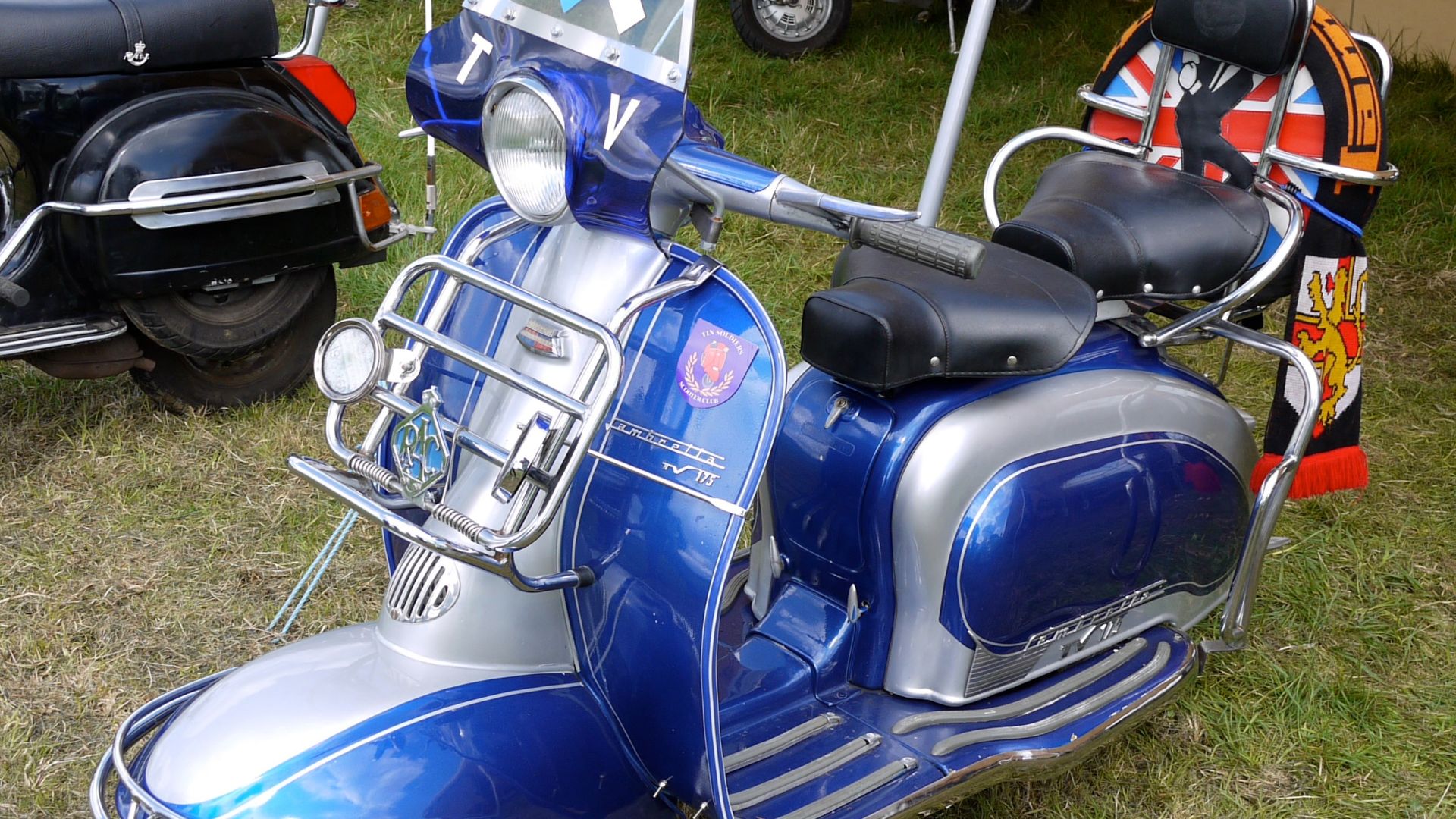 Mick from Northamptonshire, England, Wikimedia Commons
Lambretta TV175 Series 2 (Cont.)
Produced by Innocenti from 1959 to 1961, the TV175 Series 2 had a powerful 175cc engine that delivered thrilling performance. Its revised frame and styling represented a transition in Lambretta design, though the truly squared-off look would become more pronounced with the later Series 3 models.
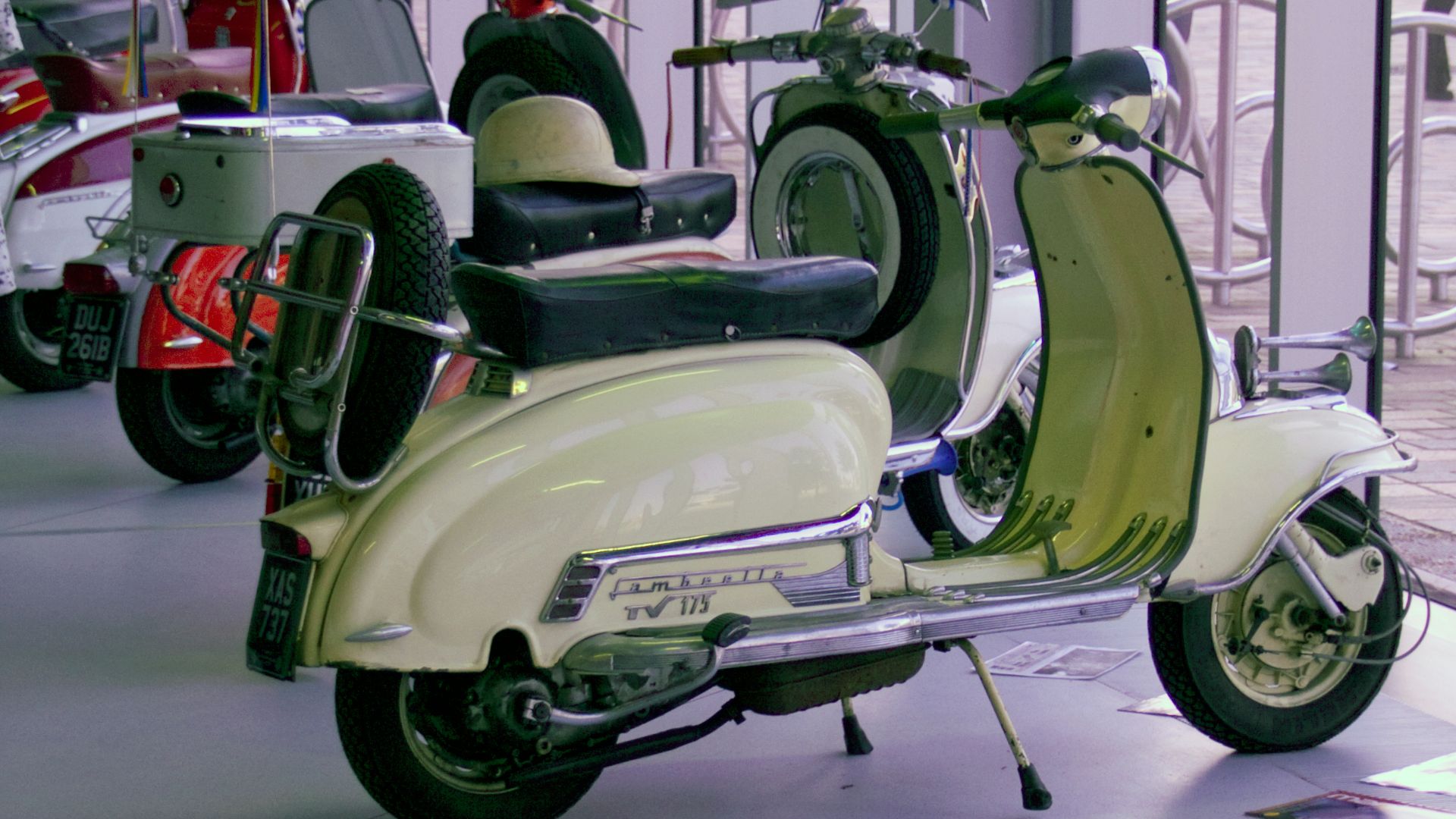 Tony Hisgett from Birmingham, UK, Wikimedia Commons
Cushman Eagle
The story of American scooters cannot be told without mentioning the Cushman Eagle. Produced in the United States from the late 1940s to the 1960s, this American motorcycle displayed a step-through frame and was powered by a single-cylinder engine, typically 318cc or eight horsepower.
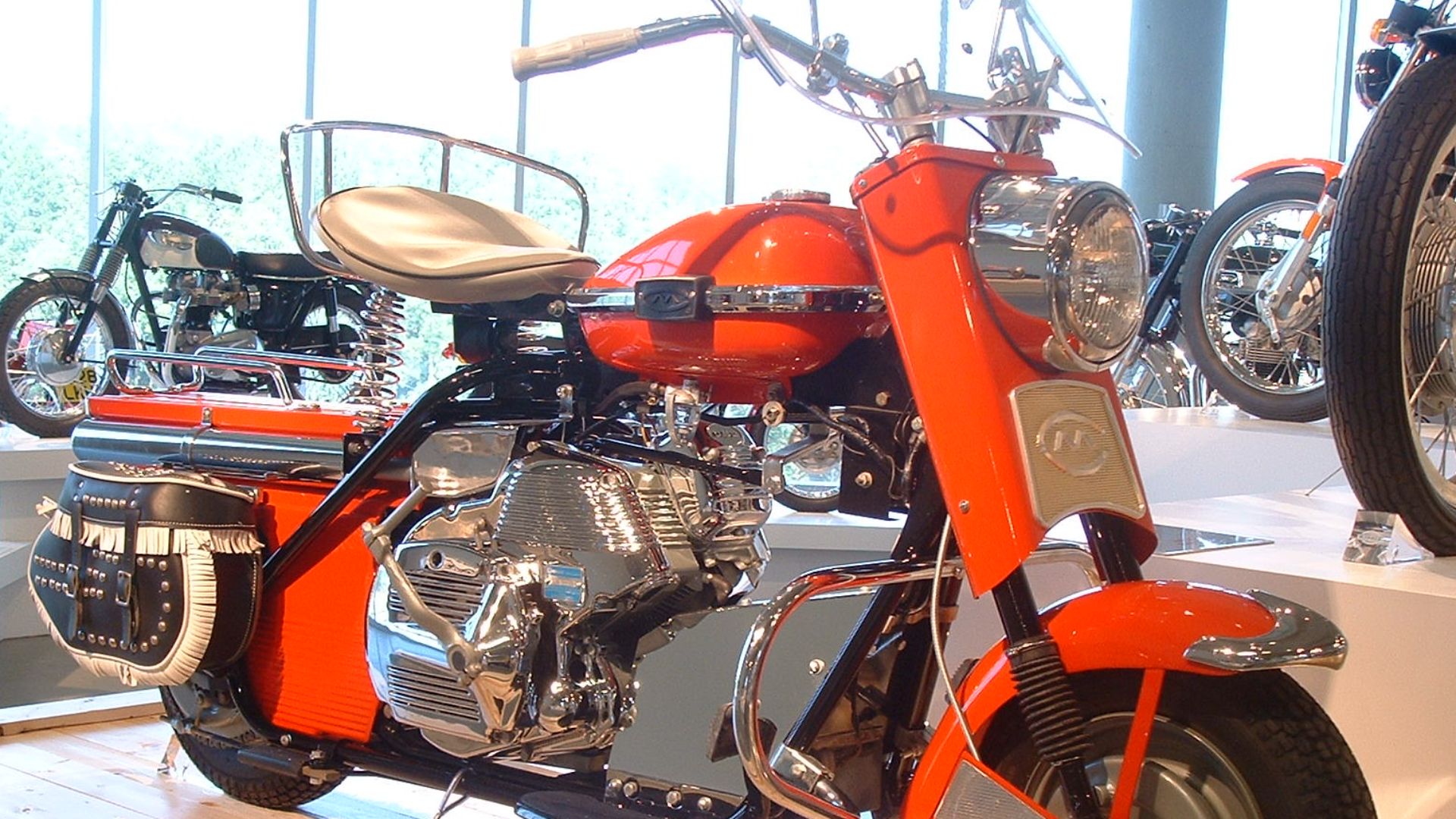 Chuck Schultz, Wikimedia Commons
Heinkel Tourist 103 A-2
Weather protection was a central feature. As one of the few scooters to have a fully enclosed body, the Tourist kept riders dry and comfortable in conditions that would leave other scooter riders soaked and miserable. The same was manufactured in Germany from 1960 to 1965.
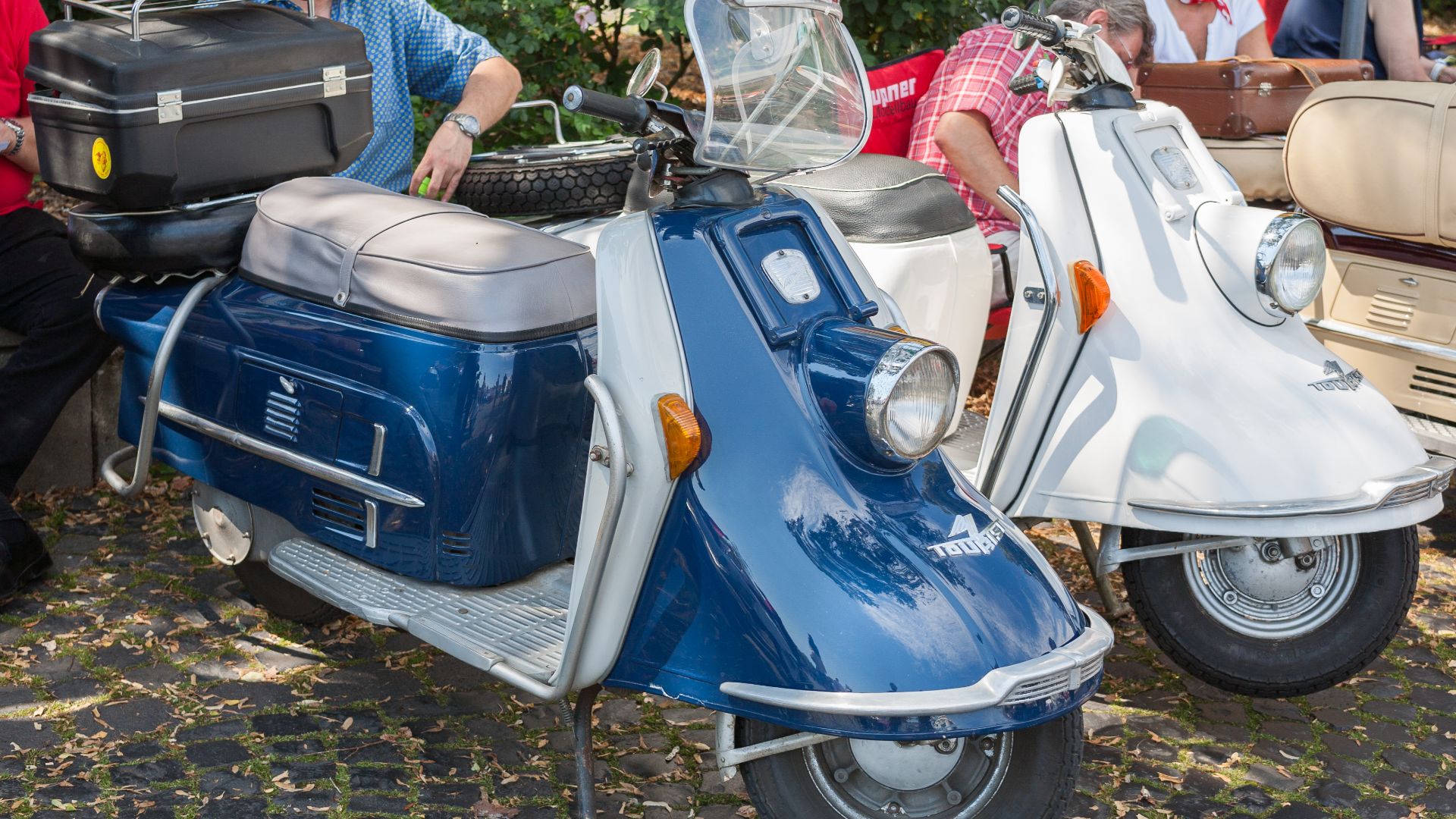 Eckhard Henkel, Wikimedia Commons
Heinkel Tourist 103 A-2 (Cont.)
This ride was powered by a 174cc four-stroke engine, housed under its protective shell. It came with advanced engineering features that were ahead of their time, including an electric starter and a four-speed gearbox.
 Eckhard Henkel, Wikimedia Commons
Fuji Rabbit S-202
The jet age influenced everything in the early 1960s, even scooter design. The Fuji Rabbit S-202 mirrored this aesthetic with a streamlined design that distinguished it from other scooters of its era. Technical innovation was at the heart of what made the Rabbit special.
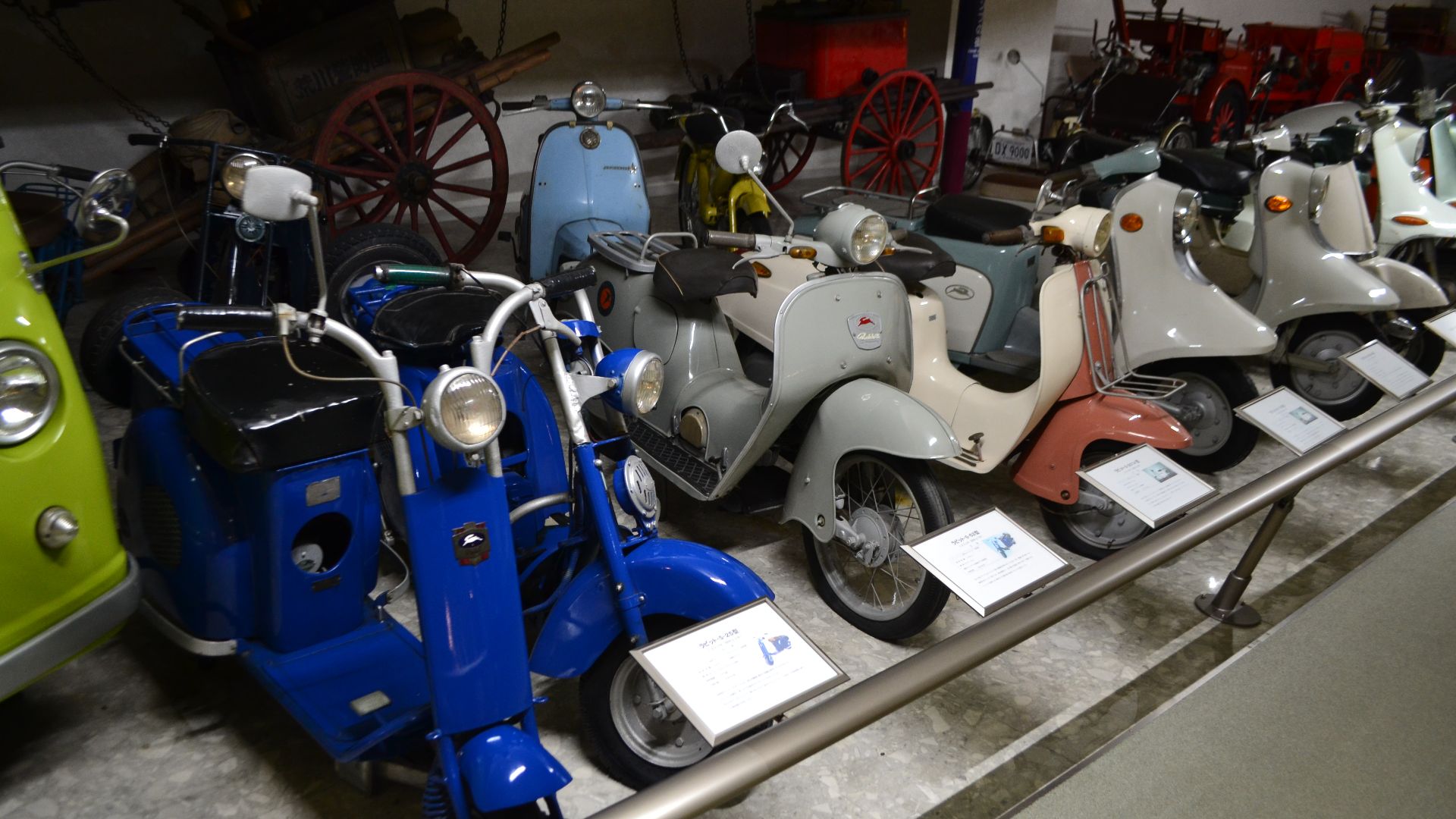 Follow the beginning of the past, Wikimedia Commons
Fuji Rabbit S-202 (Cont.)
Launched in the early 1960s, the S-202 was among the first Japanese scooters to possess both electric start and automatic transmission, making it a technological pioneer in the industry. This ride was also equipped with a 175cc engine.
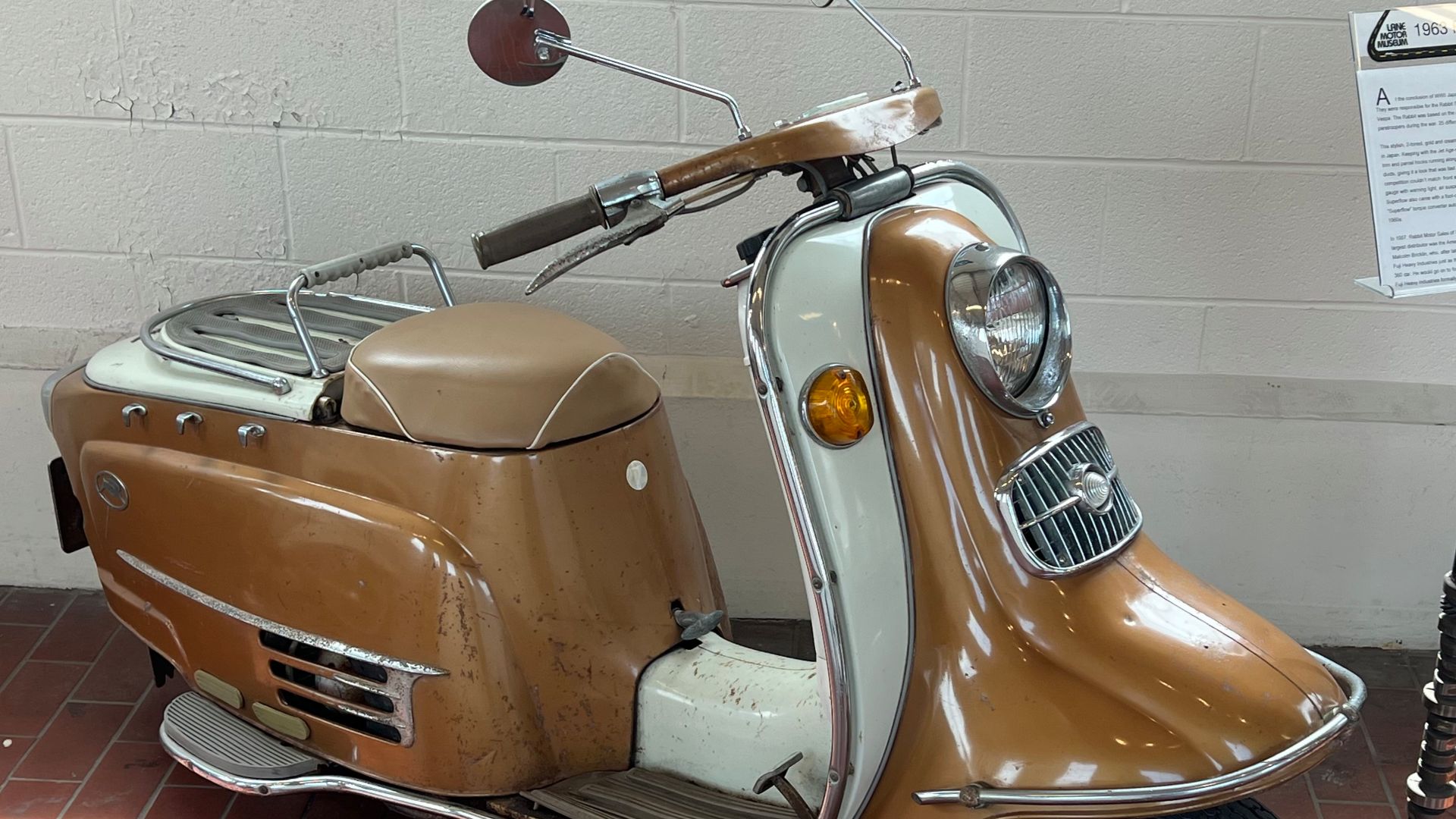 TaurusEmerald, Wikimedia Commons
Bajaj Chetak
The legendary horse of Indian warrior Maharana Pratap lent its name to a scooter that would transform mobility in India. First introduced in 1972, the Bajaj Chetak was based on the Italian Vespa Sprint, bringing European design sensibilities to the Indian subcontinent.
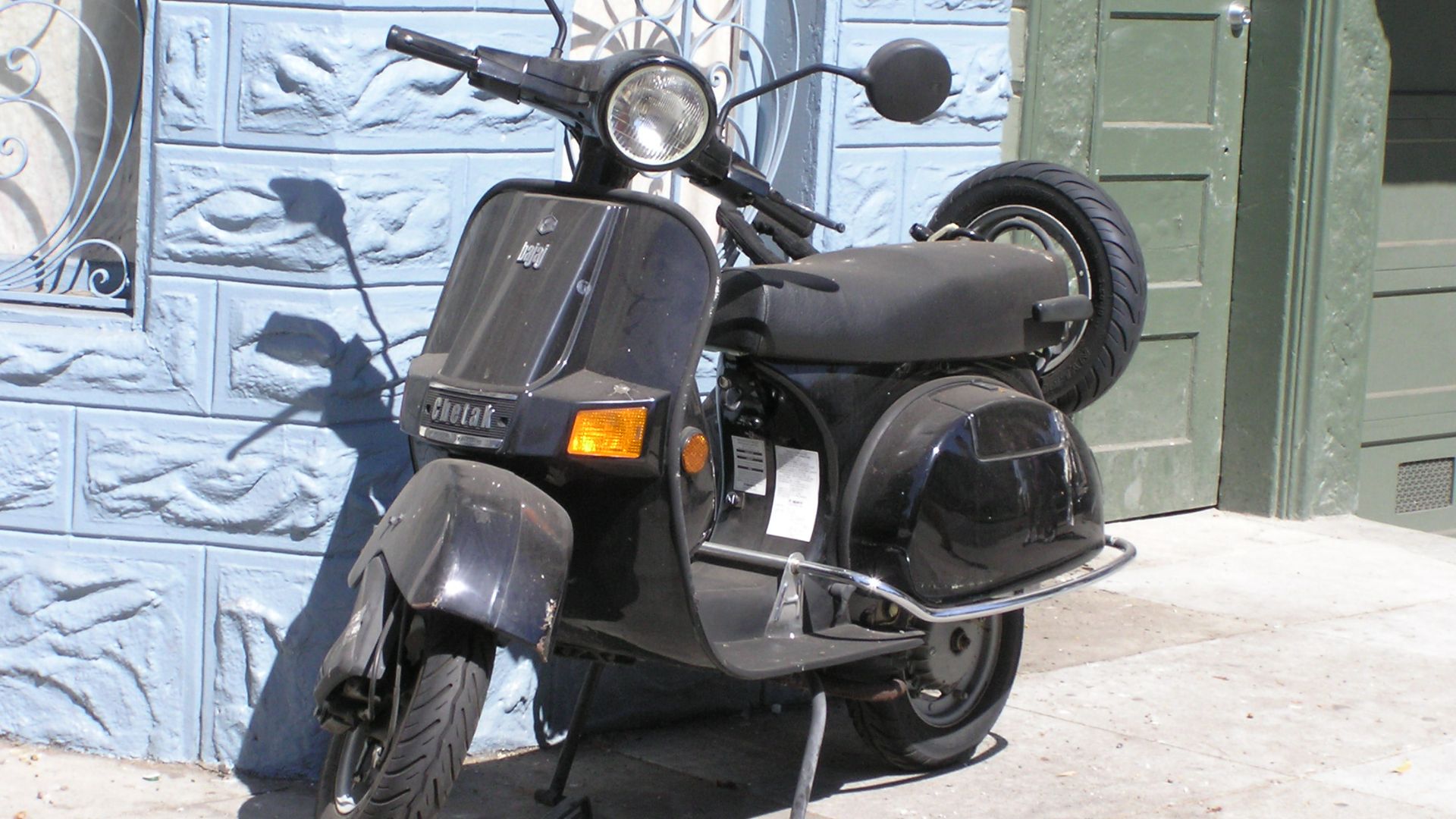 Dharmesh Patel, Wikimedia Commons
Bajaj Chetak (Cont.)
Featuring a 150cc two-stroke engine and manual transmission, these early Chetak models quickly became more than just transportation; they evolved into a symbol of middle-class mobility in India during the 1970s and 1980s. Families would sometimes wait years on waiting lists to purchase one.
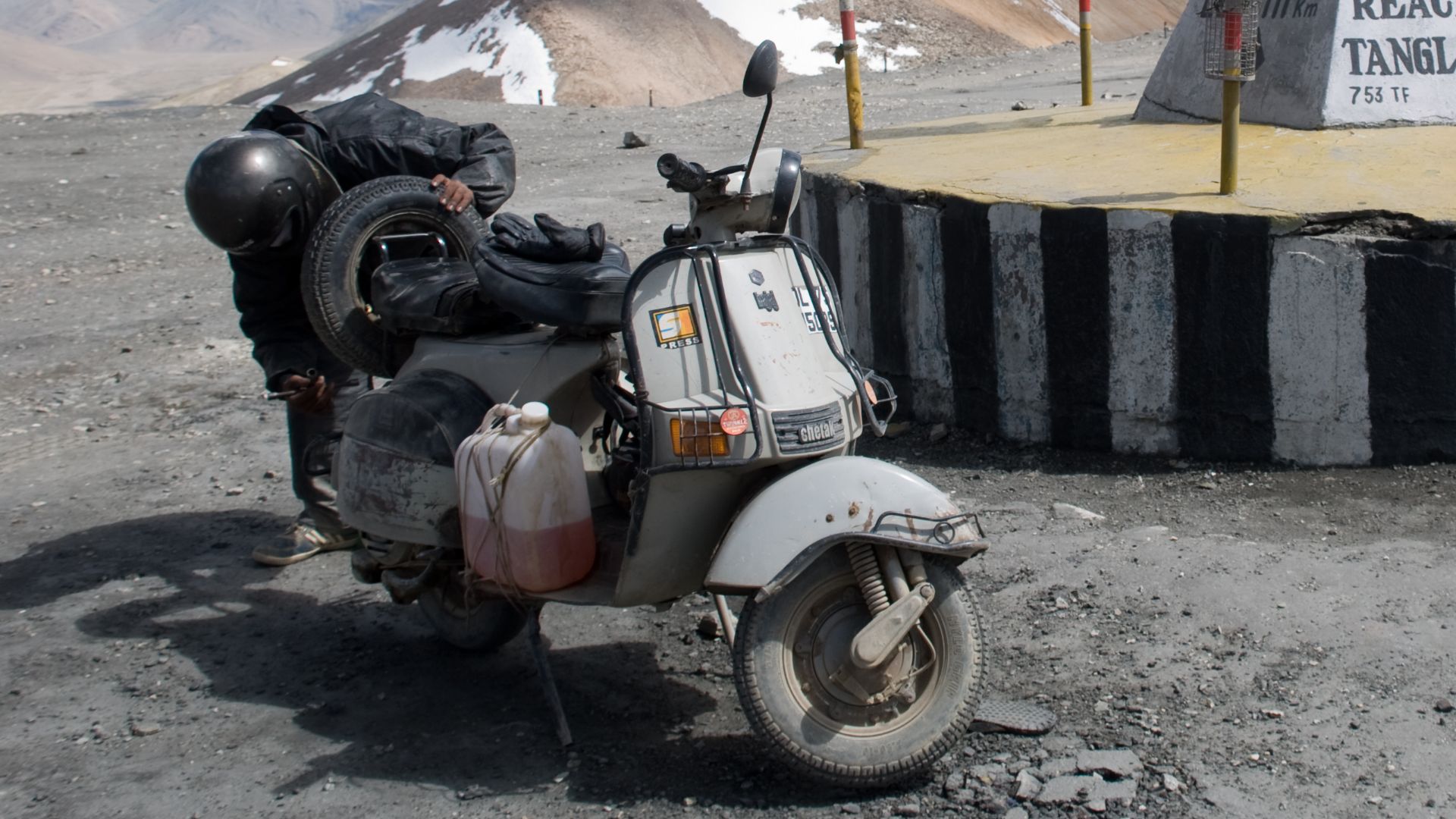 Kiran Jonnalagadda, Wikimedia Commons
Zundapp Bella R204
With its large wheels conquering rough post-war roads, the Zundapp Bella R204 offered German riders something rare in the 1950s. That was a comfortable long-distance touring capability. Its advanced suspension system and thoughtful design made it a standout choice for practical transportation.
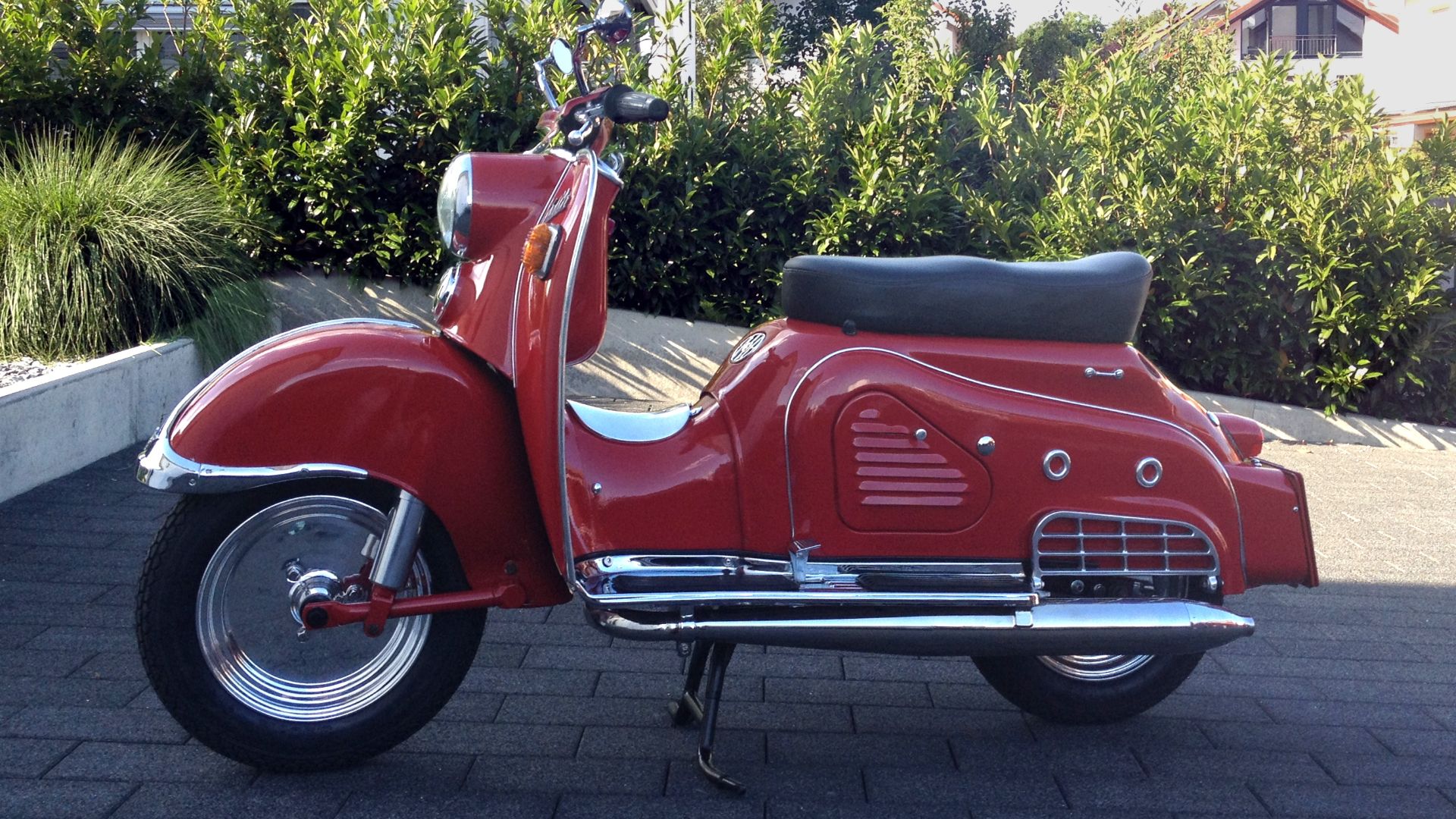
Zundapp Bella R204 (Cont.)
It was produced in Germany from 1953 to 1964. This distinctive machine came with a powerful 200cc two-stroke engine, providing reliable performance for both daily commuting and weekend adventures. The Bella R204's pressed steel body and telescopic front forks created a distinctive appearance.
 J.K. Rucker., Wikimedia Commons
Peugeot S57C
Elegant French design principles guided the creation of the Peugeot S57C, making it instantly recognizable among the sea of scooters flooding European streets in the post-war era. Its ressed steel frame and refined styling showcased the French approach to everyday objects.
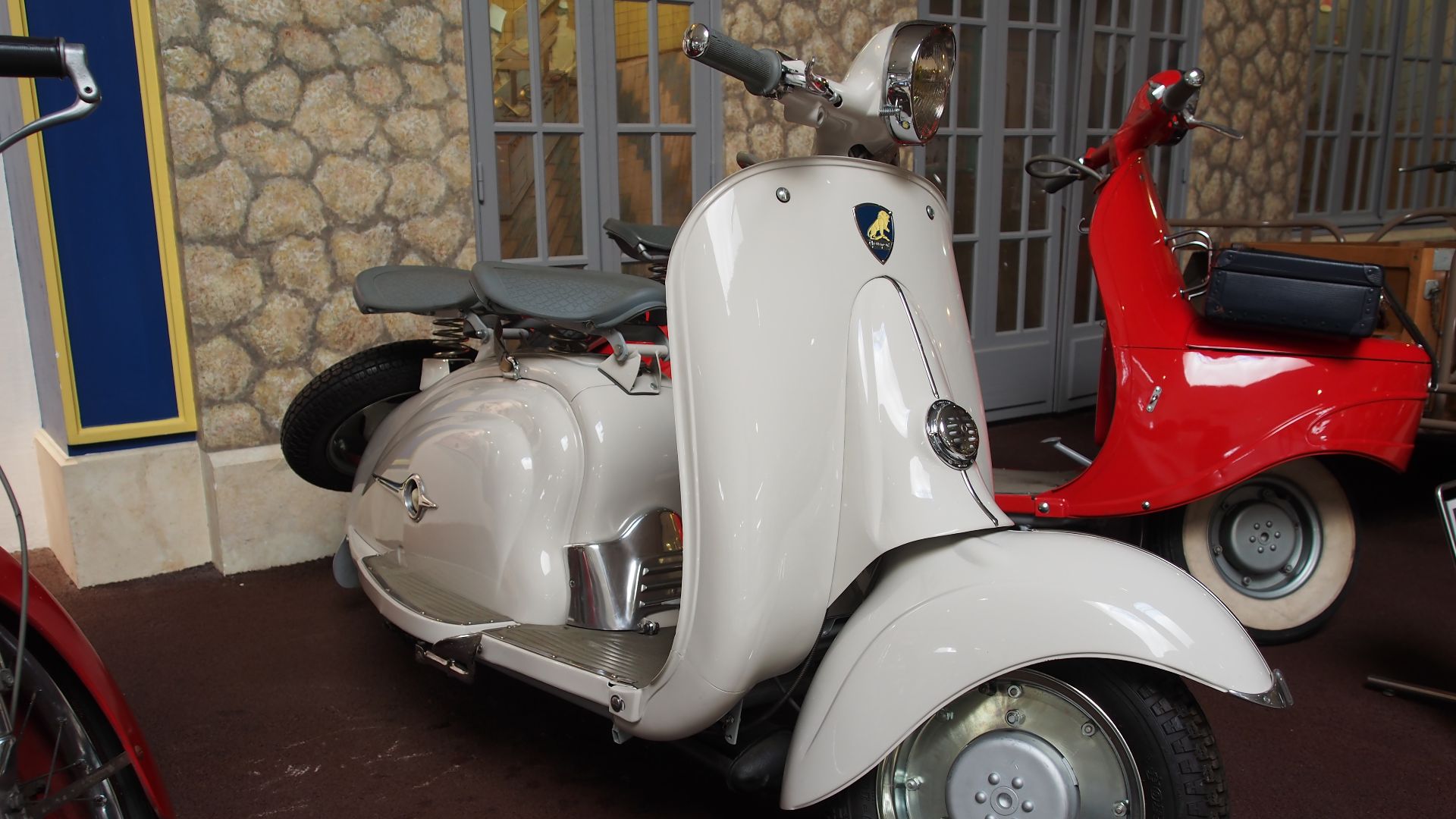 Alf van Beem, Wikimedia Commons
Peugeot S57C (Cont.)
This was about being functional, beautiful, and unmistakably Gallic. Launched in France in 1957, this collectible retro scooter was powered by a 125cc two-stroke engine that delivered adequate performance for city riding. Today, the S57C's rarity makes it particularly valuable among serious collectors.
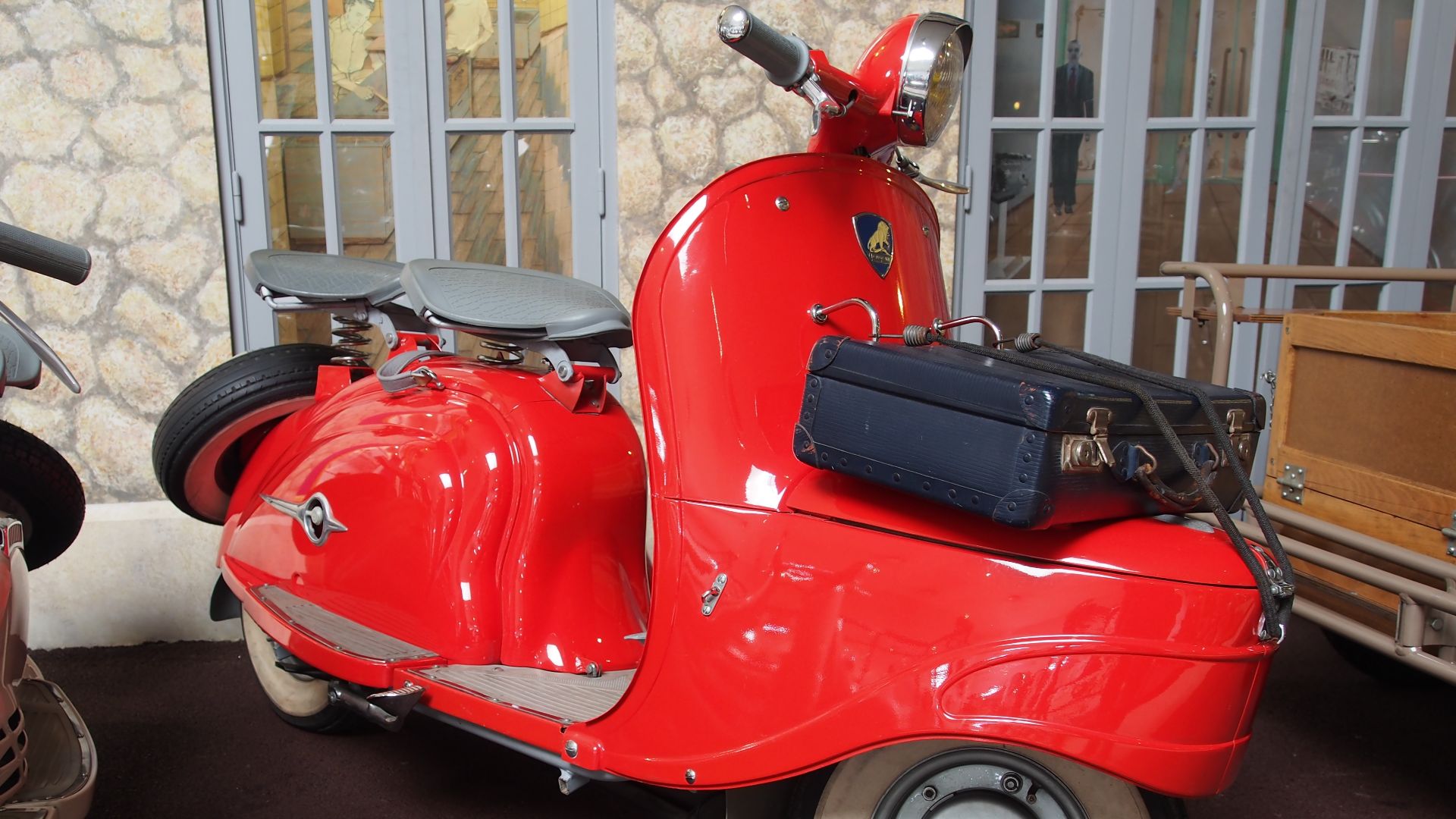 Alf van Beem, Wikimedia Commons
Maicoletta 250
Power enthusiasts of the 1950s found their perfect match in the Maicoletta 250, a scooter that challenged the very definition of the category. This machine was capable of reaching speeds up to 70 mph—a figure that would impress even on today's roads.
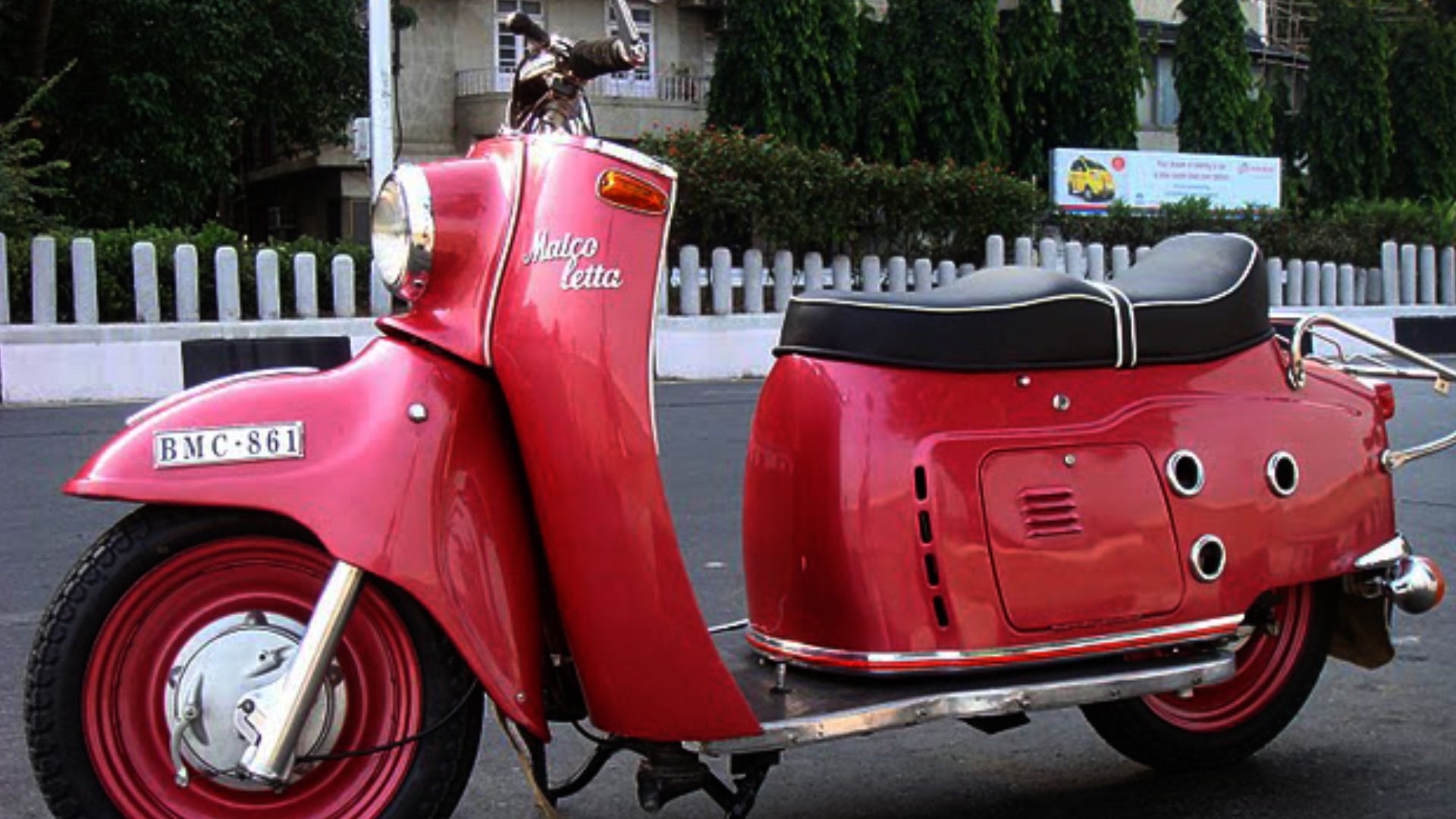 Smartabhijit, Wikimedia Commons
Maicoletta 250 (Cont.)
As a German powerhouse, it combined scooter convenience with motorcycle-like performance in a package that stood out from all other offerings on the market. The engineering behind this remarkable machine was equally impressive. It featured a muscular 247cc single-cylinder engine and an electric start.
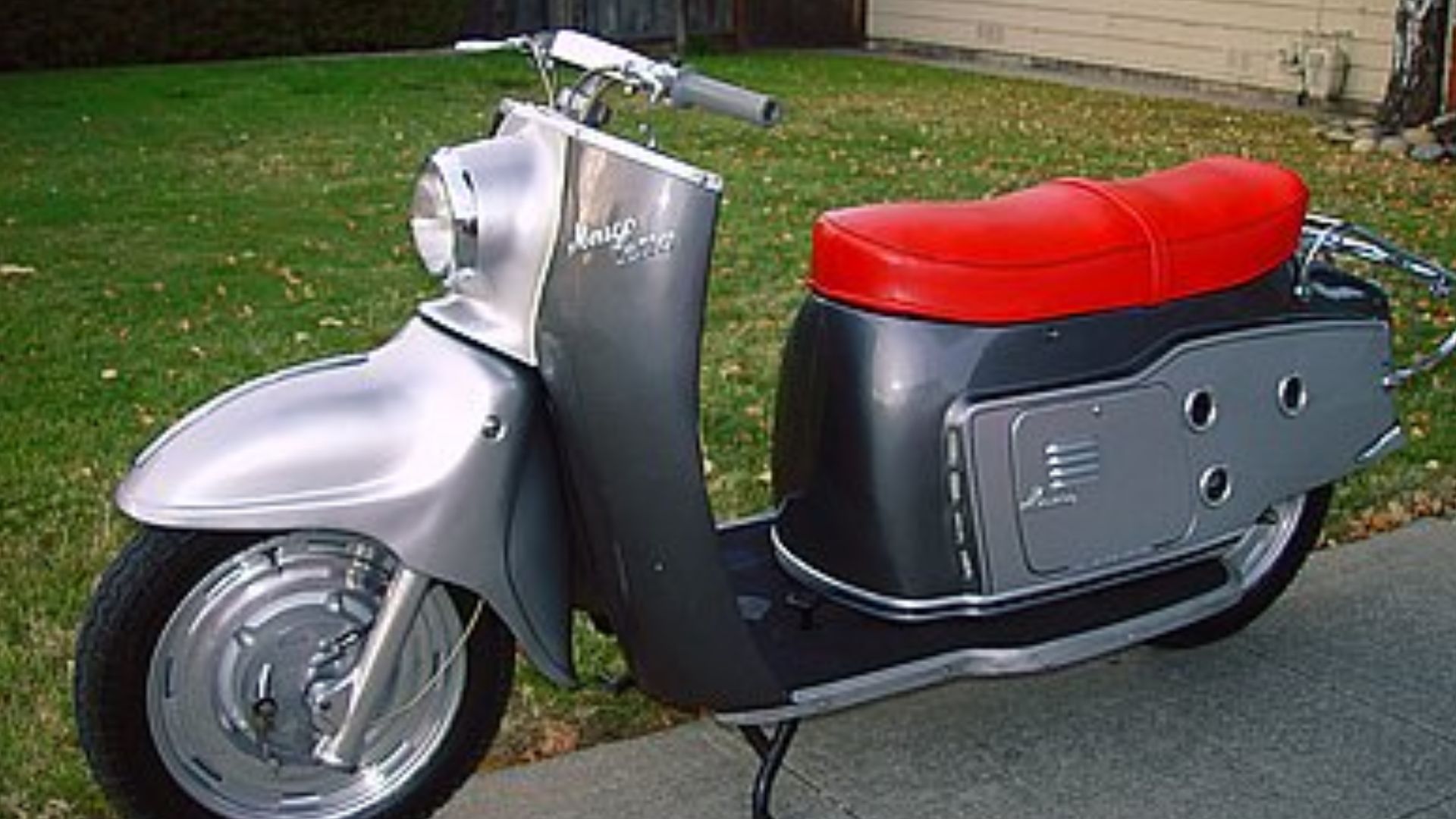 Original uploaded by Seat850 (Transfered by SamBlob), Wikimedia Commons
NSU Prima D
Simple German engineering philosophy created a piece that prioritized reliability above all else. Produced from 1956 to 1964, the NSU Prima D became known for its sturdy construction and dependability in an era when many vehicles required constant maintenance.
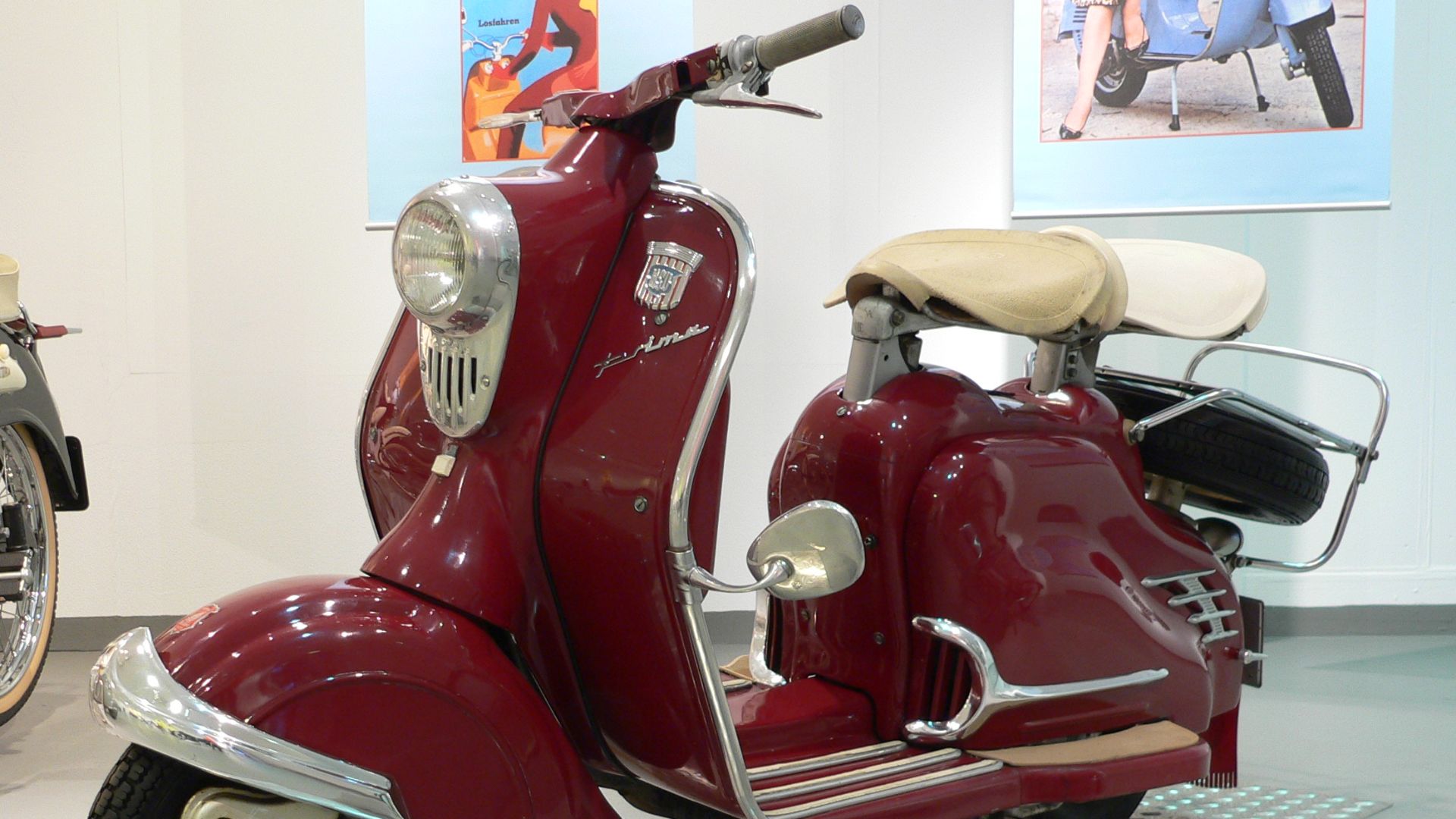 Joachim Kohler, Wikimedia Commons
NSU Prima D (Cont.)
These qualities made it particularly popular during post-war reconstruction when reliable transportation was essential. The Prima D's 150cc two-stroke engine generated adequate power while its classic styling reflected the conservative German design aesthetics of the 1950s.
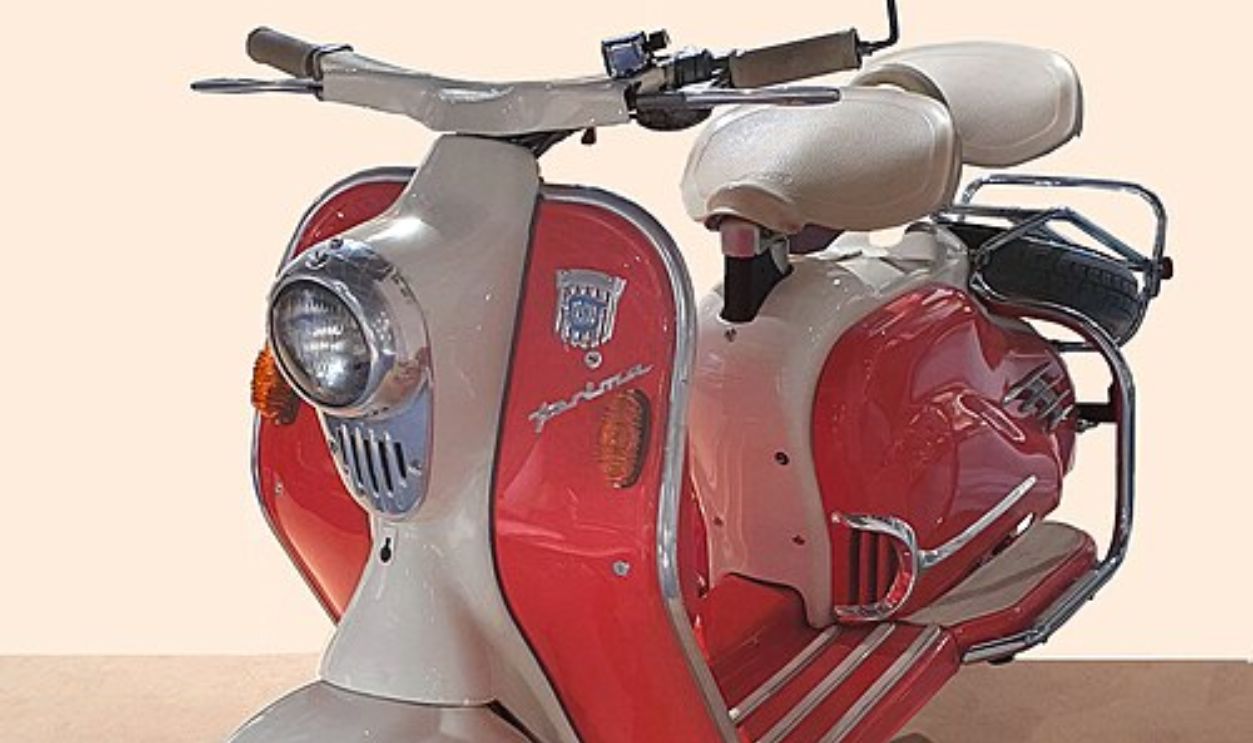 Bearbeitung des Fotos zum Freisteller: Lothar Spurzem, Wikimedia Commons
Allstate Compact
Mail-order shopping took an unexpected turn when Sears decided to enter the scooter market. In the 1960s, American shoppers could flip through the iconic Sears catalog and order not just appliances and tools but a complete scooter—the Allstate Compact, a rebadged Vespa.
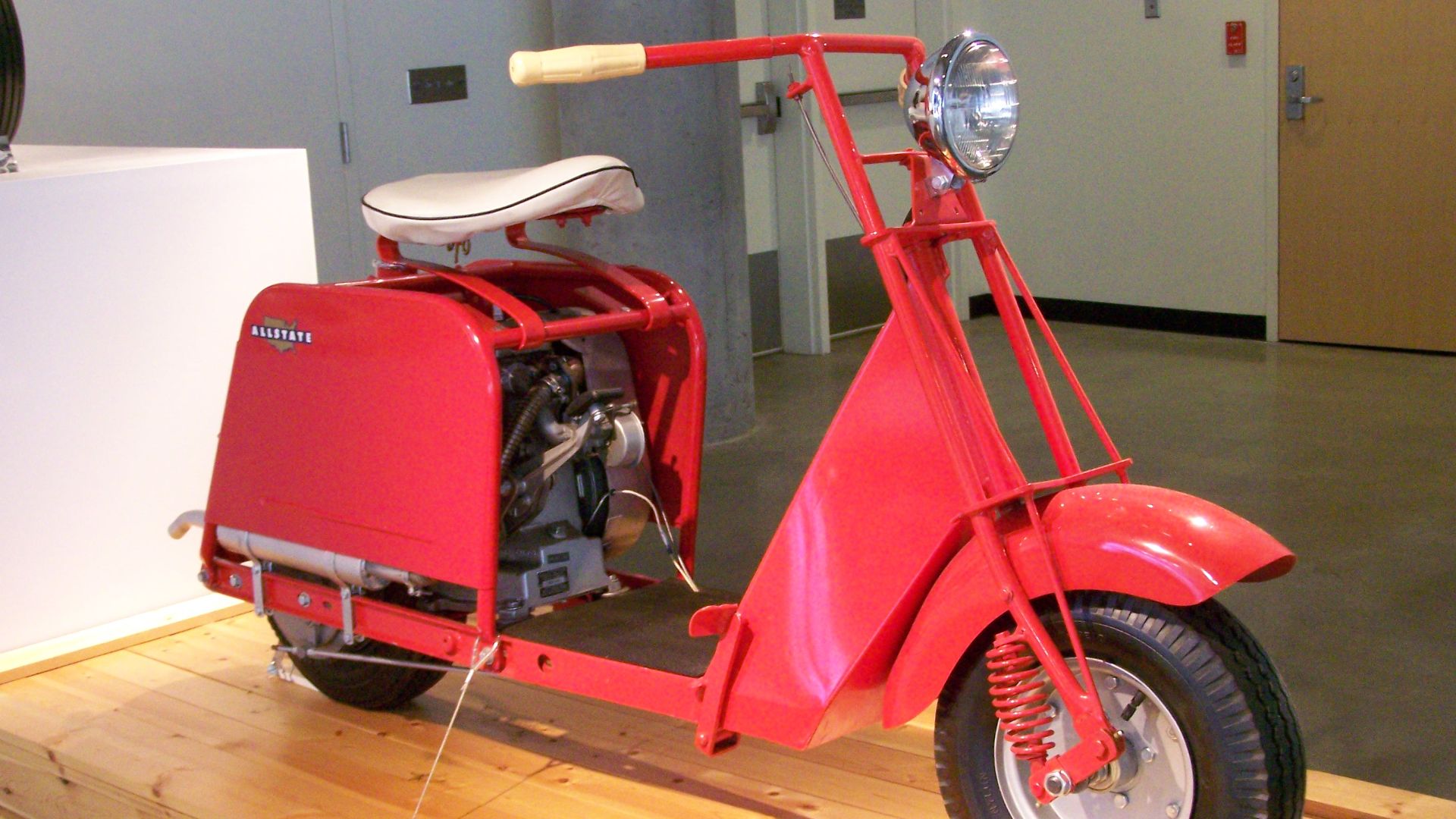 Chuck Schultz, Wikimedia Commons
Allstate Compact (Cont.)
This clever marketing approach made European scooters more accessible to average Americans who might have been intimidated by imported vehicles. Featuring a 125cc engine, the Allstate Compact was marketed as an affordable alternative to imported European scooters while actually being one itself.
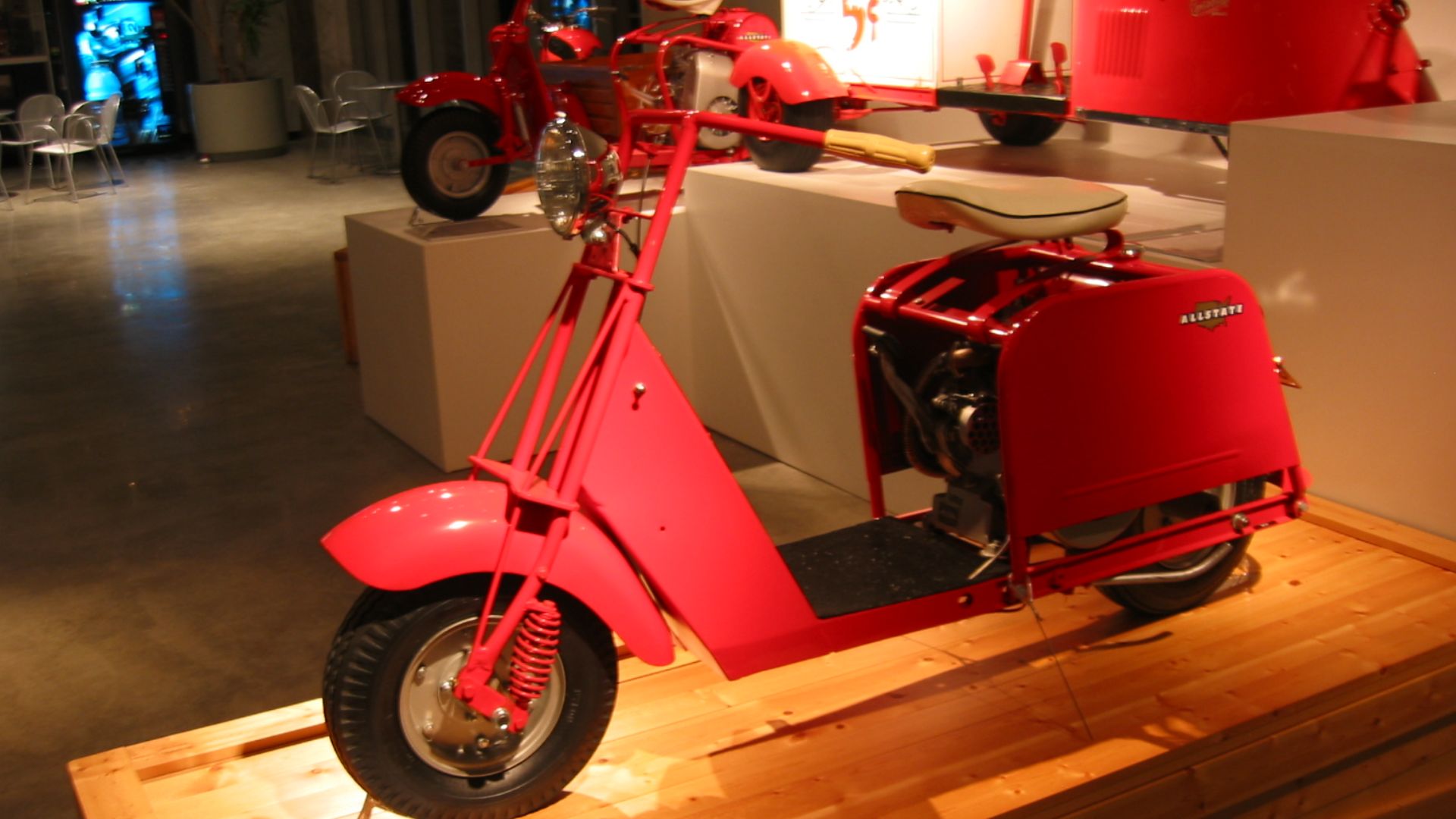 redhawkrider, Wikimedia Commons
Vespa 98
The buzzing sound and distinctive shape of this machine inspired its very name. Basically, "Vespa" means "wasp" in Italian. Launched in 1946 as the first production Vespa, this 98cc scooter represented the beginning of a transportation revolution that would eventually span the globe.
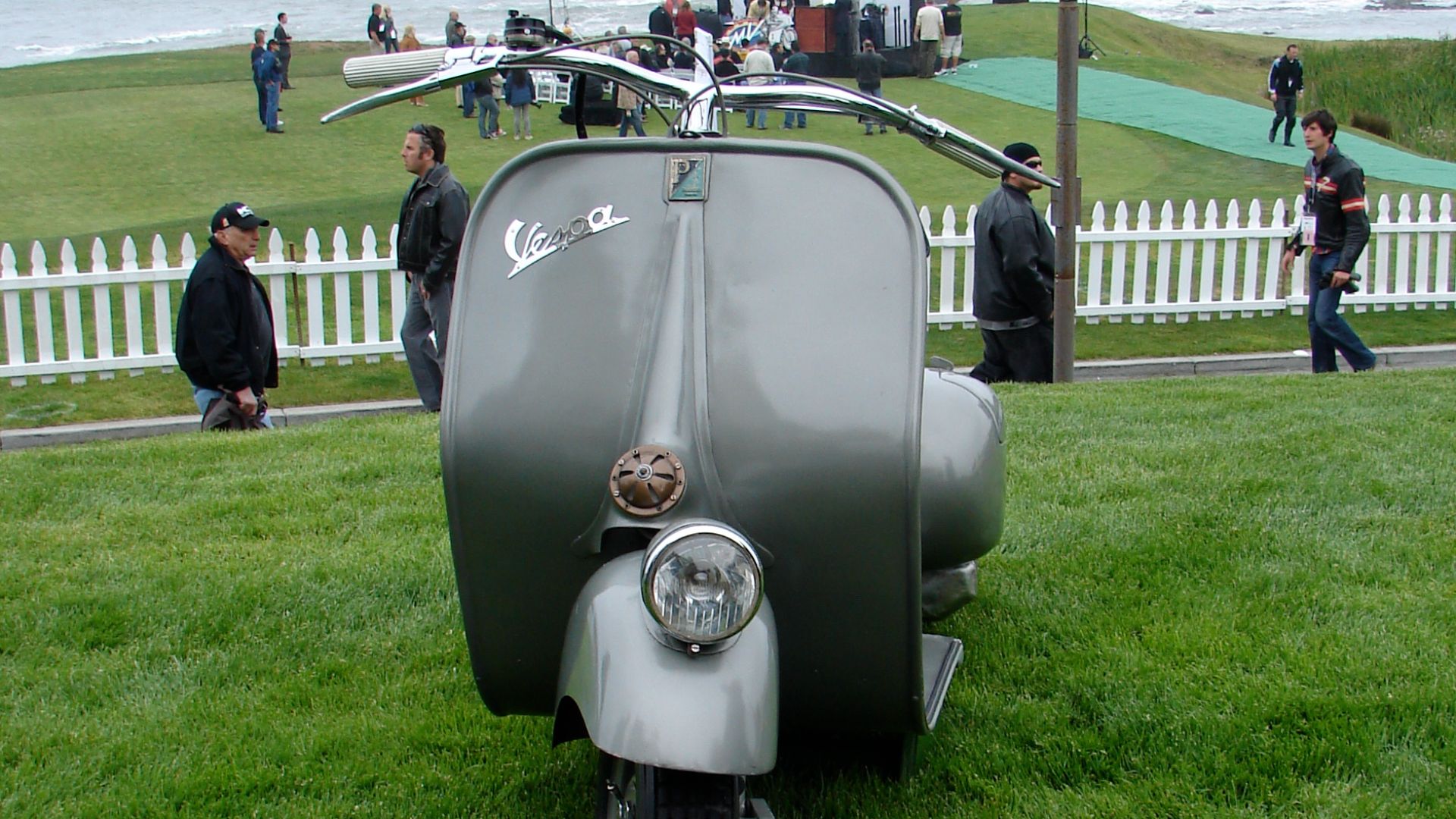
Vespa 98 (Cont.)
Engineer Corradino D'Ascanio's aircraft design experience proved invaluable in creating this groundbreaking vehicle. Approximately 18,000 Vespa 98 scooters rolled off production lines between 1946 and 1947, making early examples exceedingly rare and highly collectible today.
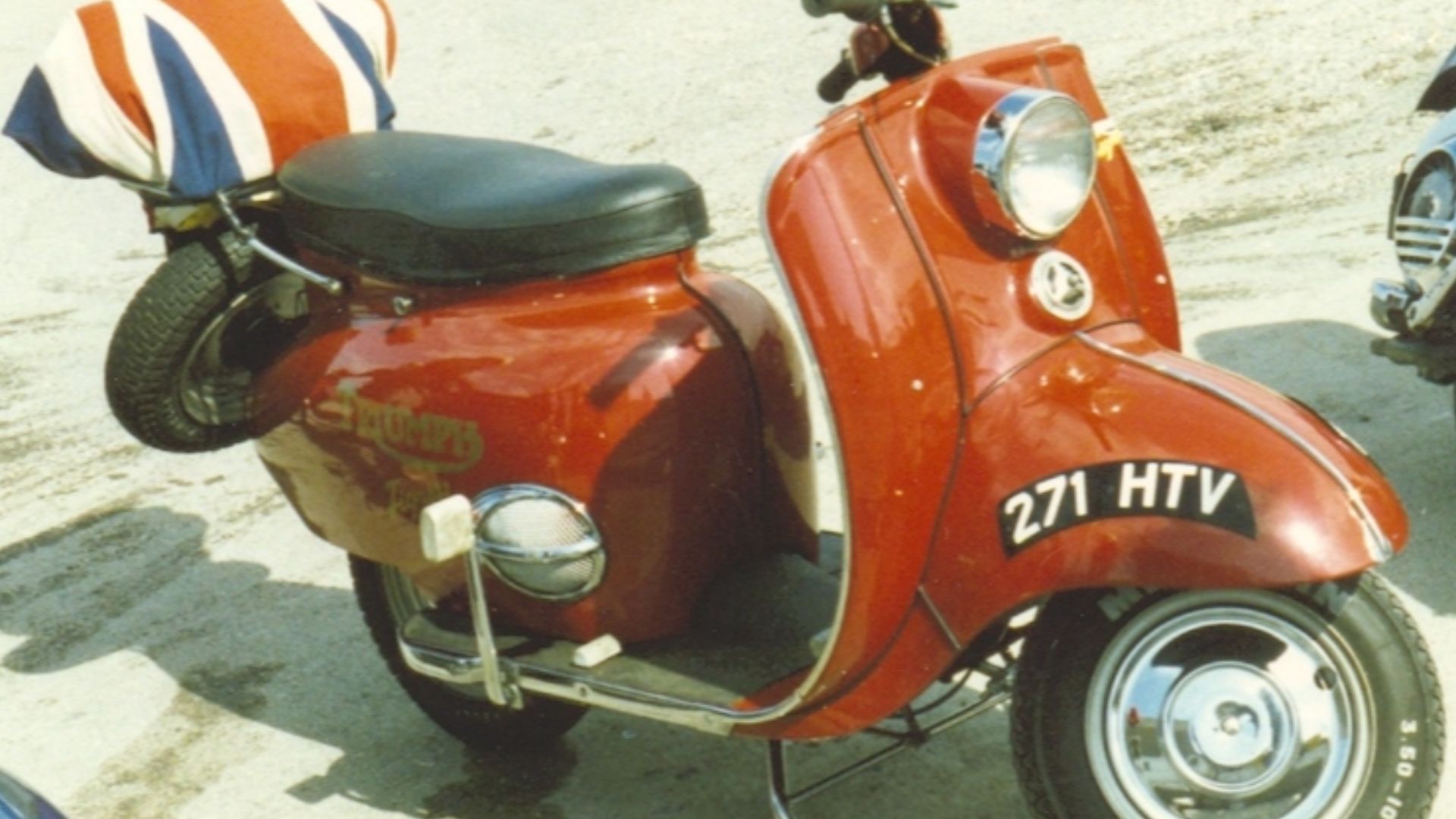
Triumph Tigress 250
Four-stroke engines were unusual in the scooter world of the 1960s, yet the Triumph Tigress 250 boldly chose this different approach. This technical choice crafted a smoother, more refined riding experience that distinguished it from the buzzing two-stroke engines.
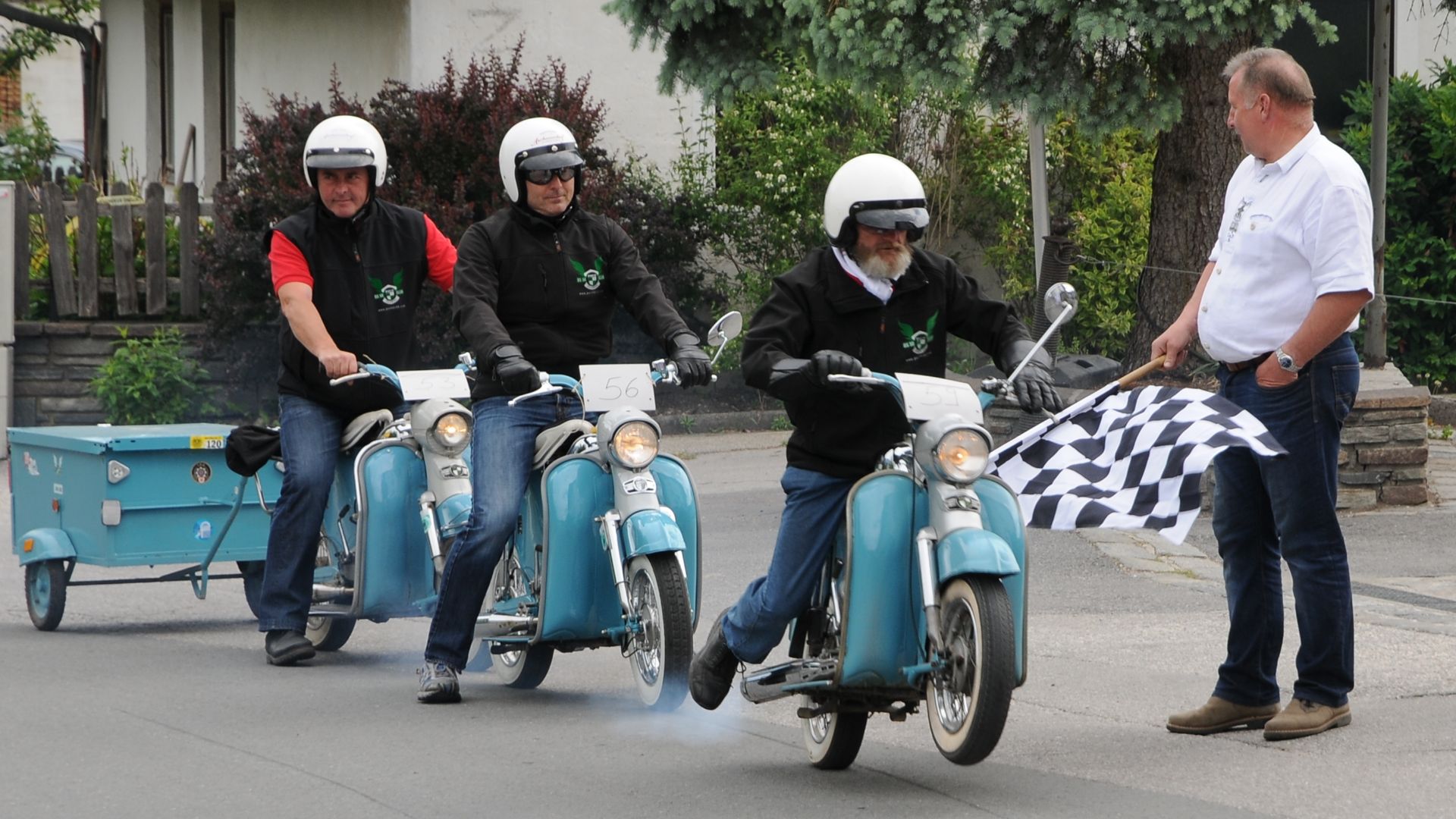
Puch DS50 RLS
Compact Austrian engineering resulted in one of the most space-efficient urban transportation solutions of the 1960s. The Puch DS50 RLS packed impressive utility into its small frame. It was produced in Austria in the early 1960s, powered by a modest yet reliable 49cc two-stroke engine.
 bohringer friedrich, Wikimedia Commons




.jpg)