
 Vitaly Gariev, Unsplash, ModifiedYou can trim plenty of expenses without much trouble, but health coverage never belongs on that list. People who cancel a policy to save money often discover the decision costs far more than the premium they wanted to avoid.
A broken leg shows how quickly the numbers shift when you’re uncovered. Once the ambulance ride, imaging, specialist care, and treatment stack up, the bill grows faster than most expect.
Understanding the usual flow of charges gives you a clearer view of what you’ll owe and how quickly the total rises. Even a straightforward fracture carries weeks of follow-up care, and every visit adds another line to the balance.
The Price Tag Nobody Sees Coming
A broken leg isn’t a minor expense. The Kaiser Family Foundation (KFF) reports that 49% of uninsured adults struggle to pay medical bills, compared to just 21% of insured adults. That gap becomes painfully clear when orthopedic surgery costs tens of thousands of dollars. Add imaging and follow-up visits, and the total can easily climb into the high five figures.
Worse, these bills only land when income has already taken a hit from missed work due to your injury. Without insurance, some people postpone follow-up care or physical therapy to save money. Choices like these can lead to chronic pain and higher medical costs later.
And while the burden feels personal, it has ripple effects.
When uninsured patients can’t pay their bills, hospitals classify the loss as “uncompensated care”. To recover, they raise prices for insured patients or negotiate higher rates with insurers. These costs trickle down through increased premiums and reduced hospital resources, creating a hidden cycle where everyone indirectly pays for unpaid medical debt. According to the American Hospital Association, uncompensated care exceeded $40 billion nationwide in recent years, a cost that ultimately falls on consumers and insurance plans.
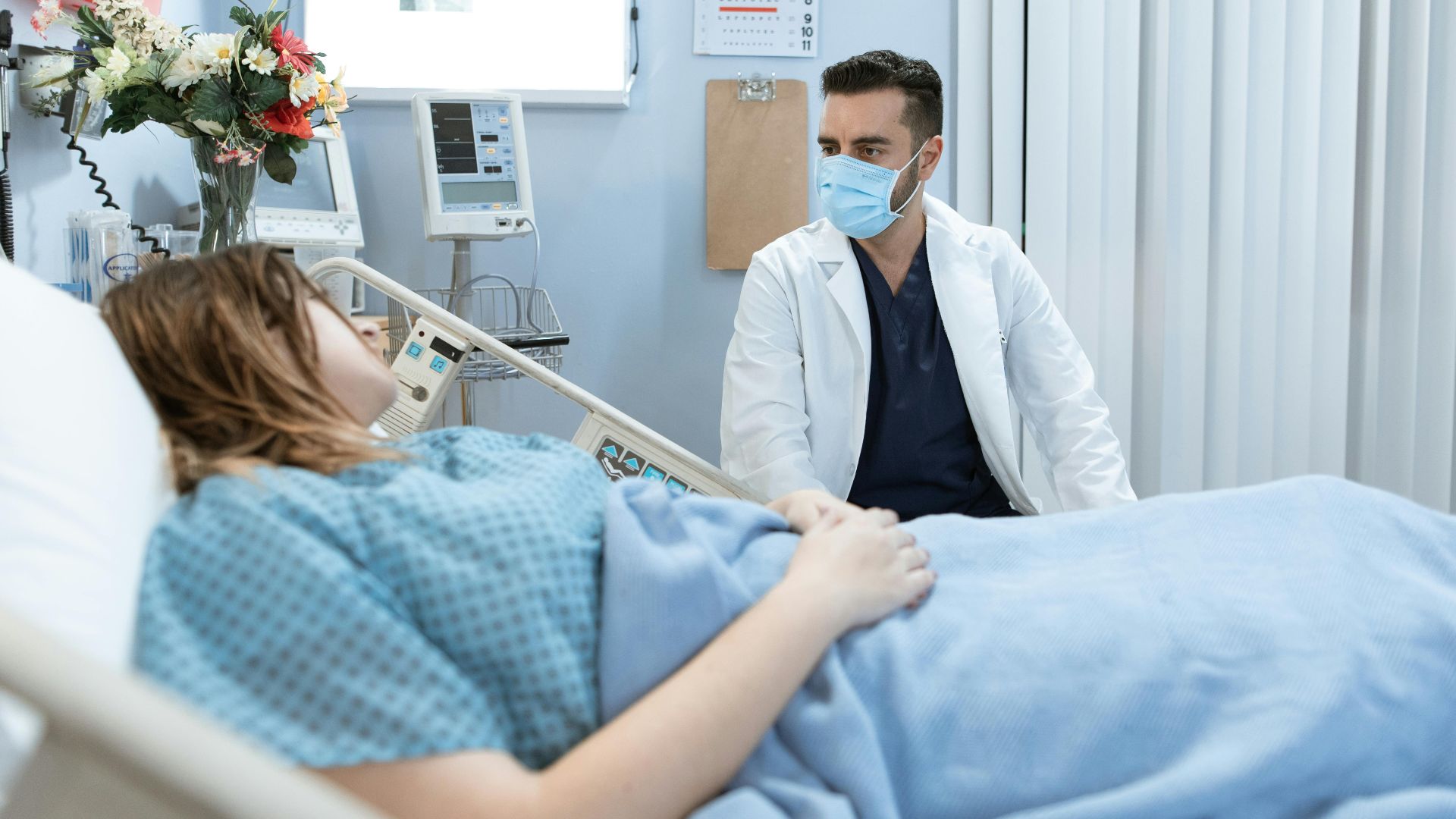
Why This Hits Harder After Age 45
For adults in their 40s through 60s, skipping insurance is even riskier. Brookings data show that uninsured rates among adults aged 50–64 dropped nearly in half after the Affordable Care Act, largely because coverage at this stage is critical.
As we age, bone density gradually declines and tissue repair slows. What’s a six-week inconvenience at 28 can derail half a year at 58—especially when caregiving duties or physically demanding work are part of daily life. A midlife fracture often carries both physical and financial consequences that take longer to recover from.
Additionally, preexisting conditions such as hypertension or arthritis become more common and can complicate treatment. Doctors may need to adjust medications or monitor symptoms more closely. Even minor injuries require added attention, which increases costs when you’re uninsured.
Research Supports This Claim
Research in The Bone & Joint Journal shows adults over 50 are significantly more likely to undergo surgery for fractures such as femoral neck and hip fractures compared to younger adults. Age-related bone fragility, reduced healing capacity, and higher complication risks make surgical intervention the preferred option. While rates vary by fracture type, older adults consistently face greater surgical need, underscoring age as a key factor in treatment decisions.

What You Can Do Before Things Spiral
Once the bills start arriving, denial is expensive. So, here’s what you can do before things get worse:
Assess Your Budget
Begin by reassessing your budget to compare what you saved by dropping insurance with what you’re now paying out-of-pocket. For most, the “savings” vanish within hours of hospital care.
Explore Coverage
Next, explore coverage options immediately. Medicaid expansion or special enrollment periods may make insurance more affordable than expected, especially after a major financial or health event. Sometimes, even limited plans can offer vital protection against future emergencies, and thankfully, many states allow immediate enrollment if you experience a “qualifying life event,” such as a sudden injury or loss of income.
Maintain Consistent Care Schedules
Recovery also depends on smart, consistent care. Physical therapy—even if done less frequently—helps prevent stiffness and re-injury. Skipping sessions to save money often leads to poor healing, which costs far more in the long run. In some cases, it may result in a permanent limp.
Keep A Realistic Recovery Plan
Finally, create a realistic recovery plan. Adjust workloads and stay in regular contact with healthcare providers and your employer. Clear updates help your workplace coordinate support while you heal and prevent additional strain during recovery.