
The Hidden Tax Trap
Retirement checks arrive with a promise of financial security after decades of work. But eight states quietly reduce those benefits through taxation and create an unexpected burden for retirees, and many Americans might not even realize it. Understanding which states take a cut matters.
 Kampus Production, Pexels, Modified
The Basics Of Social Security Number
Social Security is America’s foundational retirement safety net. It is funded by payroll taxes collected under the Federal Insurance Contributions Act (FICA). Every paycheck contributes toward future retirement. It creates a shared system designed to provide baseline financial stability for older people.

The Basics Of Social Security Number (Cont.)
More than 71 million Americans currently receive monthly payments, with eligibility based on lifetime earnings and claiming age. Benefit amounts adjust periodically for cost-of-living changes. It helps retirees maintain purchasing power as inflation and economic conditions shift over time.

How Social Security Was Born
During the Great Depression in 1935, millions of elderly Americans faced severe poverty. Franklin D. Roosevelt, the president at that time, signed the Social Security Act to address the national crisis. The program involved contributing throughout your working years and receiving support in retirement. It became America's most successful anti-poverty initiative.
 Unknown authorUnknown author or not provided, Wikimedia Commons
The Original Promise
For 48 years, Social Security benefits remained completely tax-free at all levels. The rationale was clear. Recipients had already paid taxes on this income during their working years. From 1935 to 1983, every Social Security dollar reached beneficiaries without taxation. This fundamental aspect changed in the 1980s.

The Federal Tax Surprise Of 1983
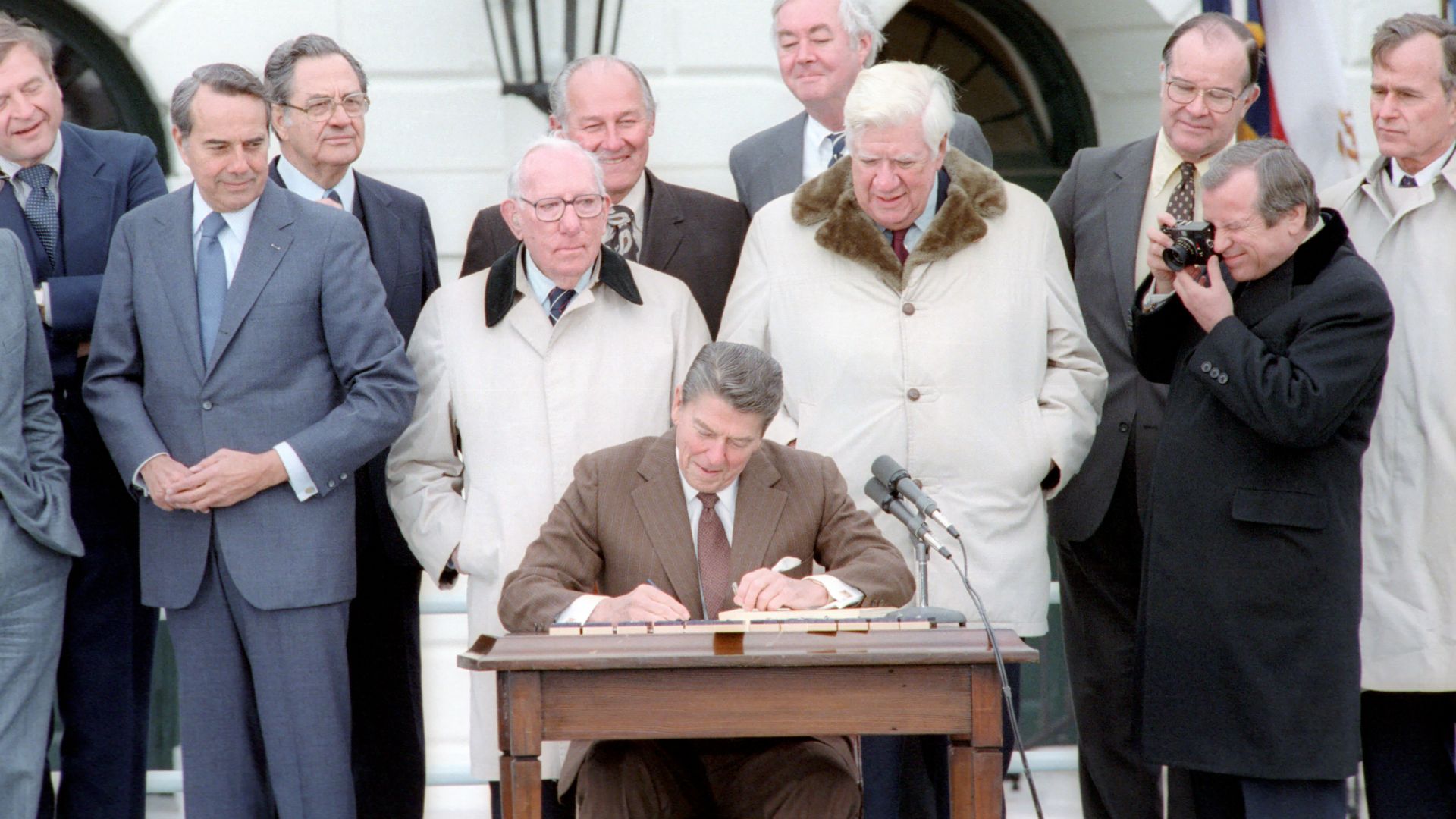
In 1983, President Reagan confronted a funding crisis threatening Social Security's solvency. Congress passed amendments introducing federal taxation on benefits for higher-income retirees. It marked the first time these benefits became taxable income. The decision established a precedent that eventually enabled states to implement their own taxes.
Understanding Combined Income
The federal government created "combined income" to determine if your benefits are taxable. The formula adds your adjusted gross income, nontaxable interest, and half your Social Security benefits. If this total exceeds $25,000 for individuals or $32,000 for married couples that file taxes jointly, your benefits become taxable.

Two Different Tax Systems
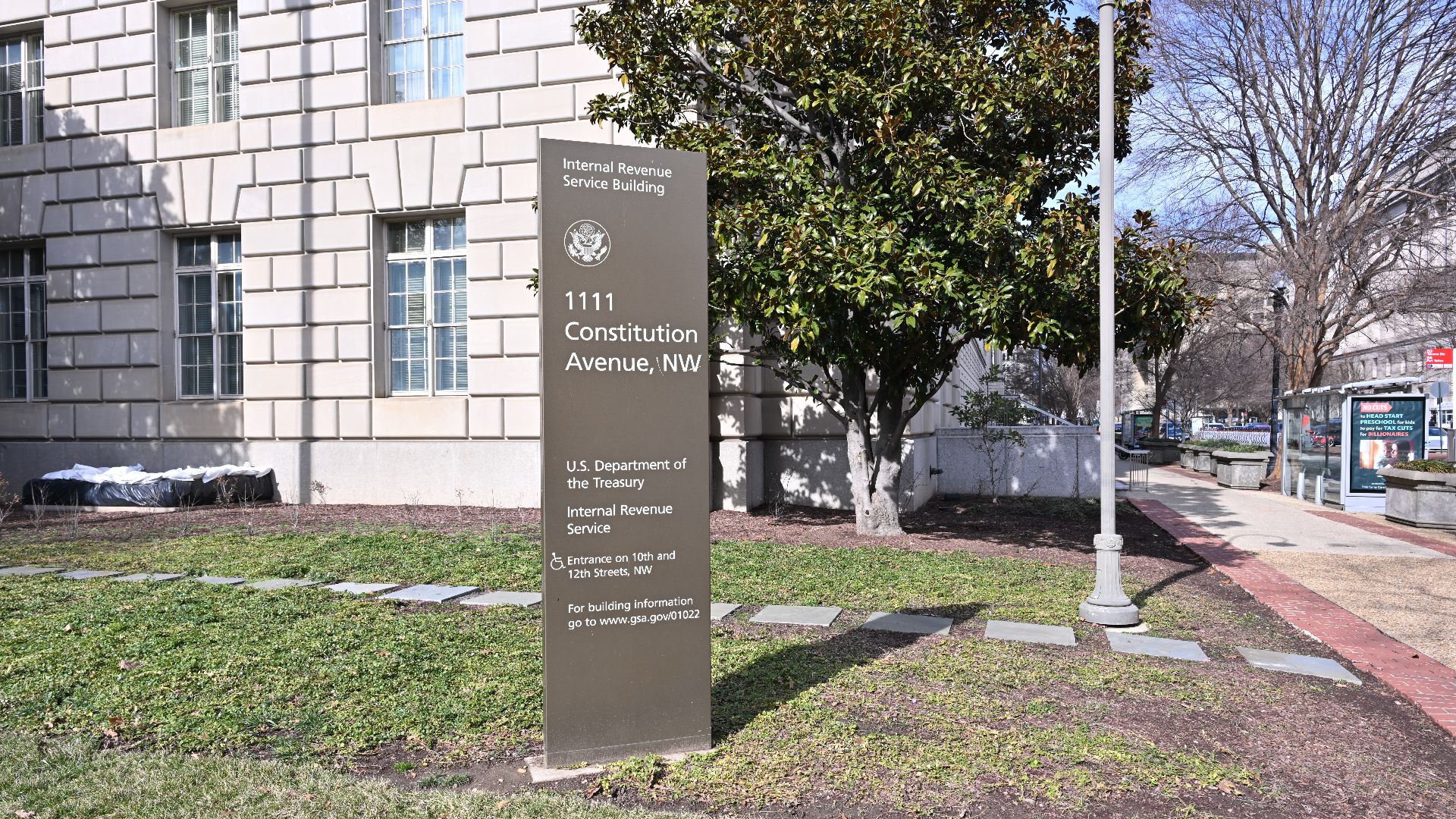
Federal and state taxation of Social Security operate independently. The IRS follows one set of rules, while each state decides its own approach. States have complete autonomy to tax benefits, wherein they can create unique formulas. It creates vastly different outcomes depending on where you live in retirement.
 G. Edward Johnson, Wikimedia Commons
States With No Social Security Tax
Most states protect Social Security benefits from taxation. 42 states, including the District of Columbia, do not tax these benefits at all. 9 states—Alaska, Florida, Nevada, New Hampshire, South Dakota, Tennessee, Texas, Washington, and Wyoming—have no income tax whatsoever, which makes them particularly retiree-friendly destinations.

The States That Tax Social Security In 2026
8 states will tax Social Security benefits in 2026. Connecticut, Minnesota, Montana, New Mexico, Rhode Island, Colorado, Utah, and Vermont. Each state applies different rules and income thresholds that significantly affect how much retirees actually pay.

Why Do Some States Tax Social Security?
States tax Social Security for several reasons. Budget constraints require broader revenue sources, especially as populations age and healthcare costs rise. Some states view it as progressive taxation that targets higher-income retirees. Others maintain historical tax structures established decades ago. Revenue from these taxes funds all types of state services.

States Eliminating The Tax
A significant shift began around 2020. Multiple states recognized that taxing Social Security drives retirees away and strains fixed incomes. Kansas, Missouri, and Nebraska recently eliminated their Social Security taxes entirely. The trend reflects growing competition among states to attract and retain retirees who boost local economies.

Understanding State Income Thresholds
The 8 taxing states don't tax every beneficiary equally. Most use income thresholds, age-based exemptions, or tax credits to protect lower and middle-income retirees. These provisions mean many residents pay little or nothing despite living in a taxing state.

Exemptions For Seniors
Colorado offers age-based deductions on retirement income. It includes Social Security. Residents aged 55 to 64 can deduct a portion of their benefits. Those 65 and older receive significantly larger deductions. The exact amounts adjust annually for inflation, and higher-income retirees may face reduced benefits through phaseouts.

Income-Based Full Exemptions
Connecticut provides full exemptions based on income levels. Single filers earning below approximately $75,000 and married couples below roughly $100,000 pay no state tax on Social Security. Above these thresholds, benefits become partially taxable. This structure protects the majority of retirees from taxation on their benefits.

Following Federal Rules With Subtractions
Minnesota mirrors federal taxation rules for Social Security benefits. However, the state allows Social Security subtractions based on provisional income thresholds that differ from federal calculations. Lower-income retirees often qualify for full subtractions, while higher earners face taxation similar to federal treatment. The system balances revenue needs with retiree protection.

Mirrors Federal Taxation
Montana takes the simplest approach among taxing states. It follows federal taxation rules almost identically by taxing Social Security based on the same combined income thresholds the IRS uses. Montana offers limited state-specific exemptions. If your benefits are federally taxable, they're likely taxable in Montana too. It creates predictability but fewer protections.

Generous Low-Income Protections
New Mexico stands out as the most retiree-friendly among taxing states. It offers full exemptions for married couples filing jointly, earning below $150,000, and single filers below $100,000. These generous thresholds protect the vast majority of New Mexico retirees from paying any state tax on Social Security benefits, despite the tax technically existing.
 Quintin Soloviev, Wikimedia Commons
Age And Income Double Filter
Rhode Island uses a two-part test for Social Security taxation. Beneficiaries must reach full retirement age and fall below specific income thresholds to qualify for exemptions. Those meeting both criteria receive full exemption from state taxation. This dual-filter approach targets tax relief toward traditional retirees.
 Kenneth C. Zirkel, Wikimedia Commons
Tax Credit System Instead Of Exemption
Utah takes a unique approach using tax credits rather than direct exemptions. The state offers a retirement tax credit that can offset Social Security taxation and other retirement income taxes. Credit amounts depend on income levels and phase out gradually for higher earners. The system provides flexible relief across different income brackets.
 Another Believer, Wikimedia Commons
Income-Based Exemptions
Vermont exempts Social Security from taxation for taxpayers below certain income thresholds. Single filers earning approximately $50,000 or less and married couples earning around $65,000 or less typically pay no state tax on benefits. Above these levels, taxation begins but affects primarily middle to upper-middle-income retirees. Vermont regularly adjusts these thresholds.

The Phaseout Timeline
West Virginia made a landmark decision to eliminate Social Security taxation completely. The state began phasing out the tax in recent years and is scheduled to reach full elimination by the 2026 tax year. This makes West Virginia effectively a non-taxing state going forward. It has joined the majority of states that protect benefits.

How Combined Income Is Calculated At The State Level
Understanding your specific state's formula is essential for accurate tax planning and estimating your actual liability after you have retired. It also makes your decision of settling down in a retirement-friendly state easier once you know which state taxes your social security income.

Who Gets Hit Hardest By State Taxes?
Middle to upper-middle-income retirees face the greatest impact from state Social Security taxes. Those earning $50,000 to $100,000 in combined retirement income often exceed exemption thresholds but aren't wealthy enough to absorb the burden easily. Retirees with multiple income sources are particularly vulnerable to taxation.

The Double Taxation Reality
Some retirees experience double taxation on identical Social Security income. They pay federal income tax because their combined income exceeds IRS thresholds, then pay additional state tax on the same benefits. It compounds the financial burden significantly. A retiree might lose 15-22% federally, plus another 3-7% to their state, substantially reducing their actual benefit.

Tax Planning Strategies If You Live in These States
Strategic planning can minimize state taxes on Social Security. Consider Roth IRA conversions before retirement to reduce future taxable income. Time withdrawals from traditional retirement accounts are carefully managed to stay below state thresholds. Maximize state-specific deductions and credits available for your age bracket.