The Shelf That Carried Heavy History
Some treasures hide between dusty photo frames in thrift stores, and if they could talk, their journeys would stun you. When Anna Lee Dozier grabbed a plain vase for pocket change, she had no clue it carried centuries of forgotten history.
The Day A Vase Changed Hands
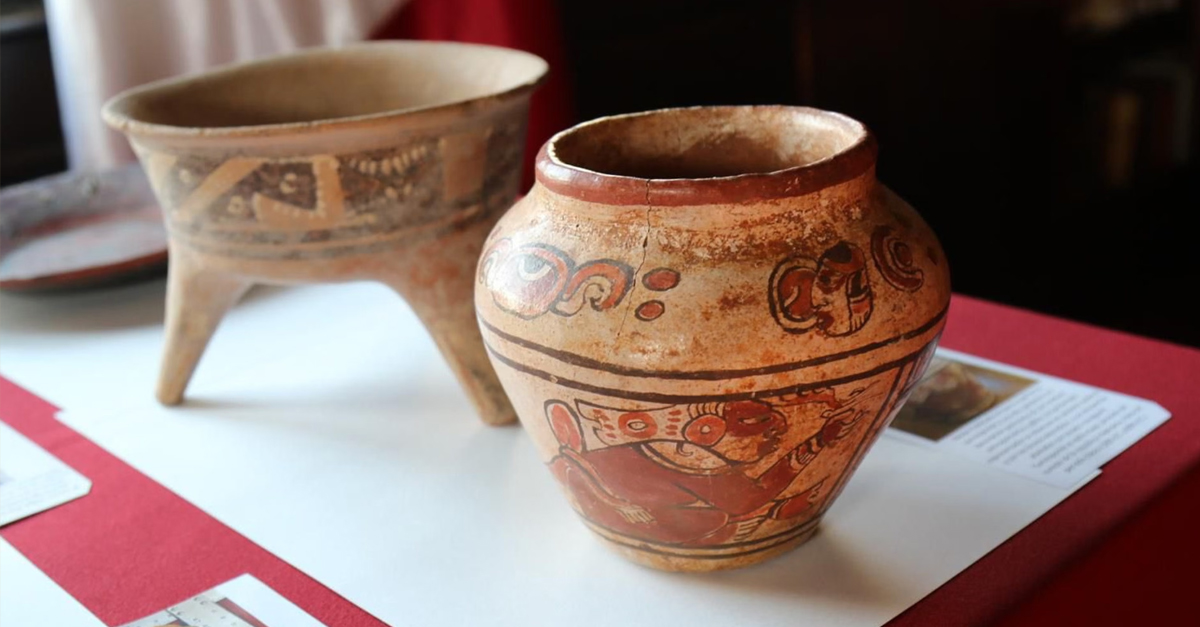
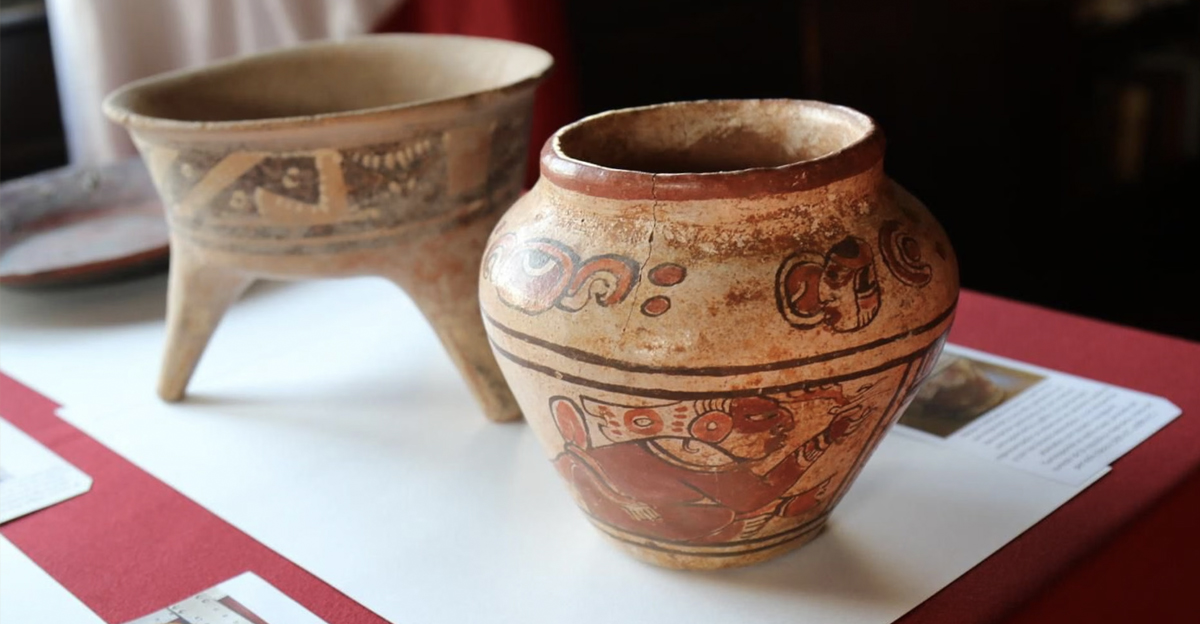
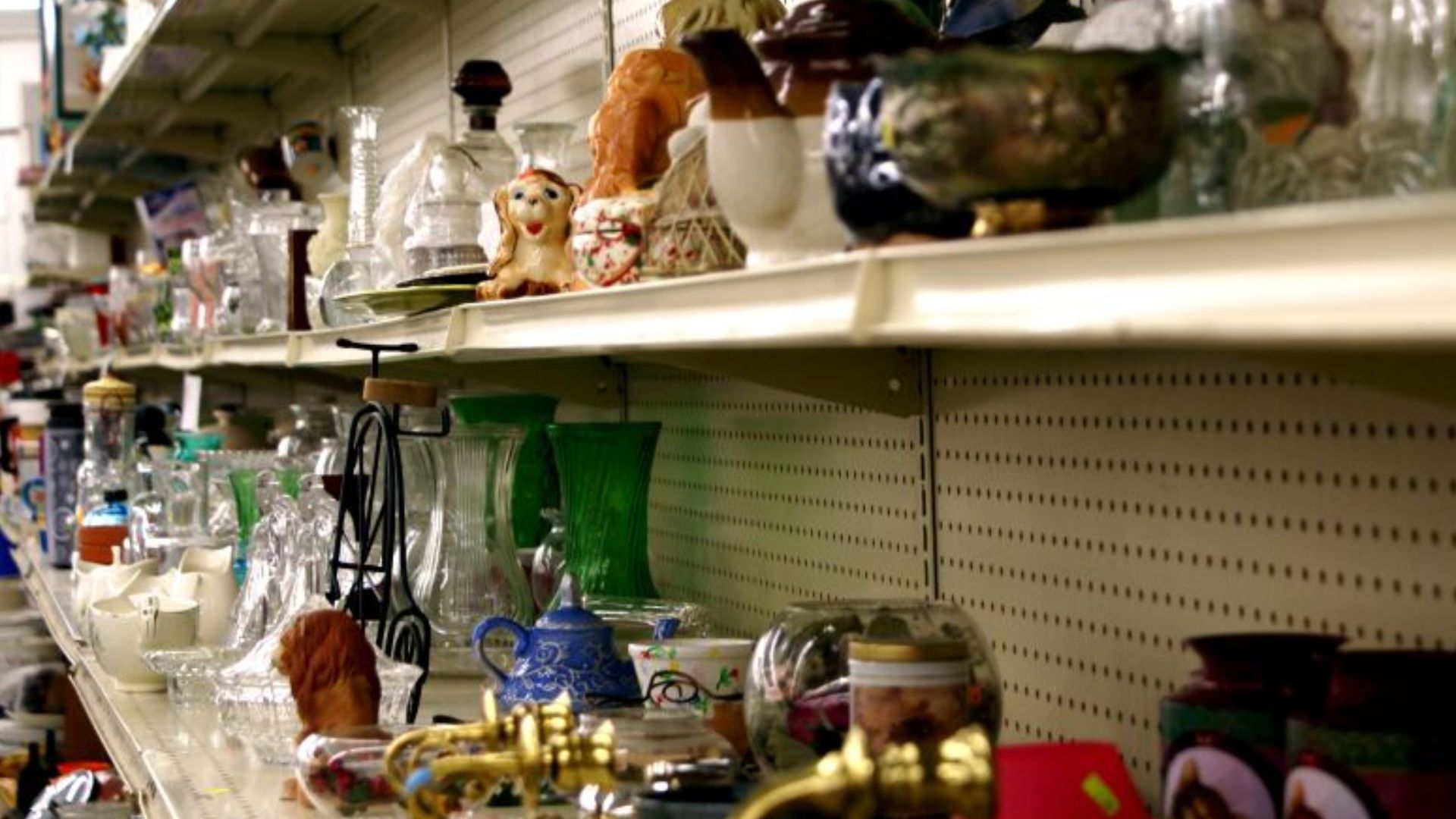
One quiet afternoon, a shopper named Anna Lee Dozier browsed a Maryland thrift aisle lined with odds and ends. Among them sat a small clay vase, worn but charming. She bought it for $3.99, thinking it would brighten a corner of her home. But that was far from the truth!
 Valerie Everett, Wikimedia Commons
The Decorative Piece Had An Interesting Past
The vase looked rustic enough to pass for decor, its faded orange surface blending with handmade souvenirs. Nothing about it screamed ancient. It sat quietly on a shelf until a vacation months later made her look twice.
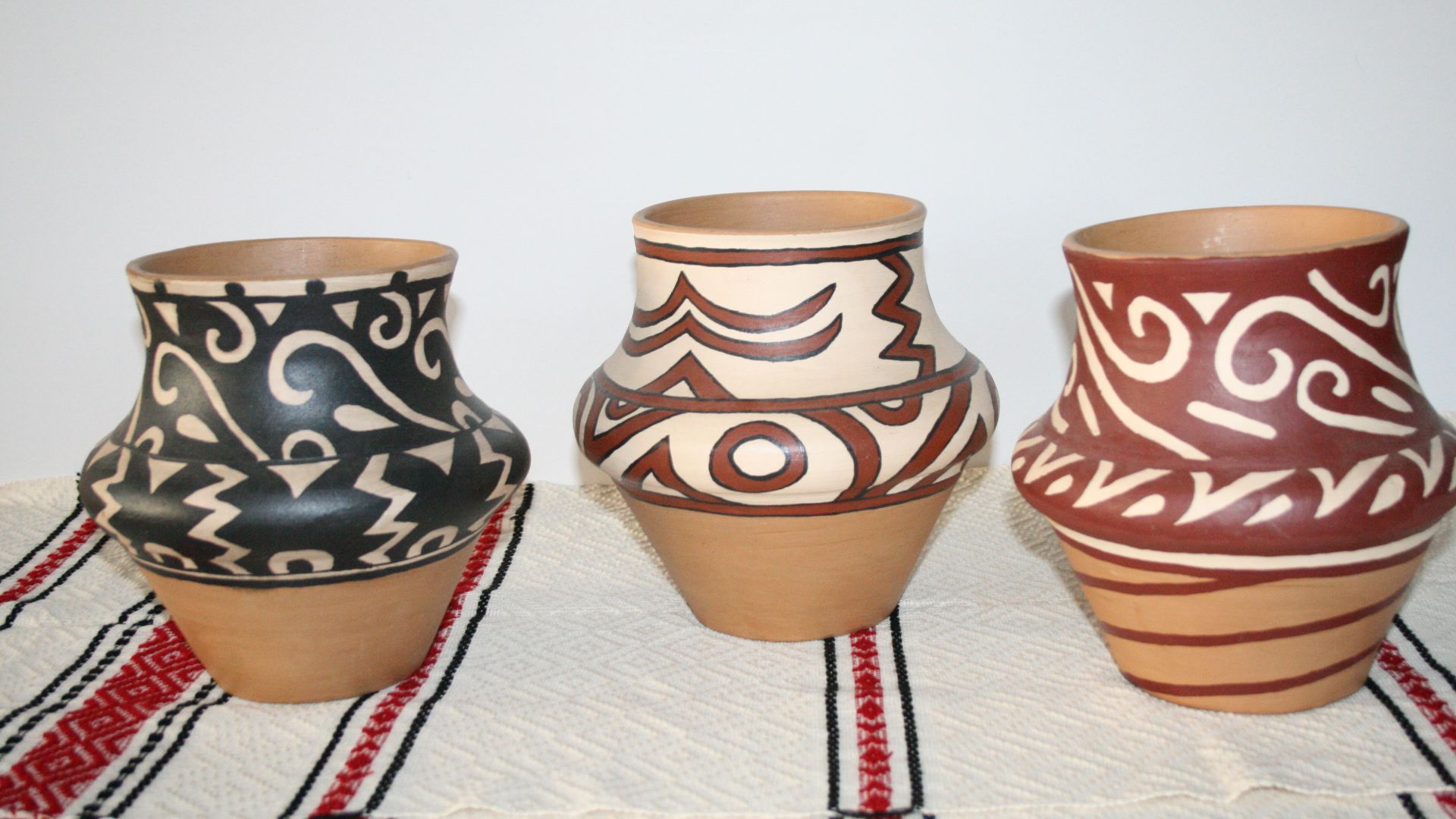
The Spark Of Recognition
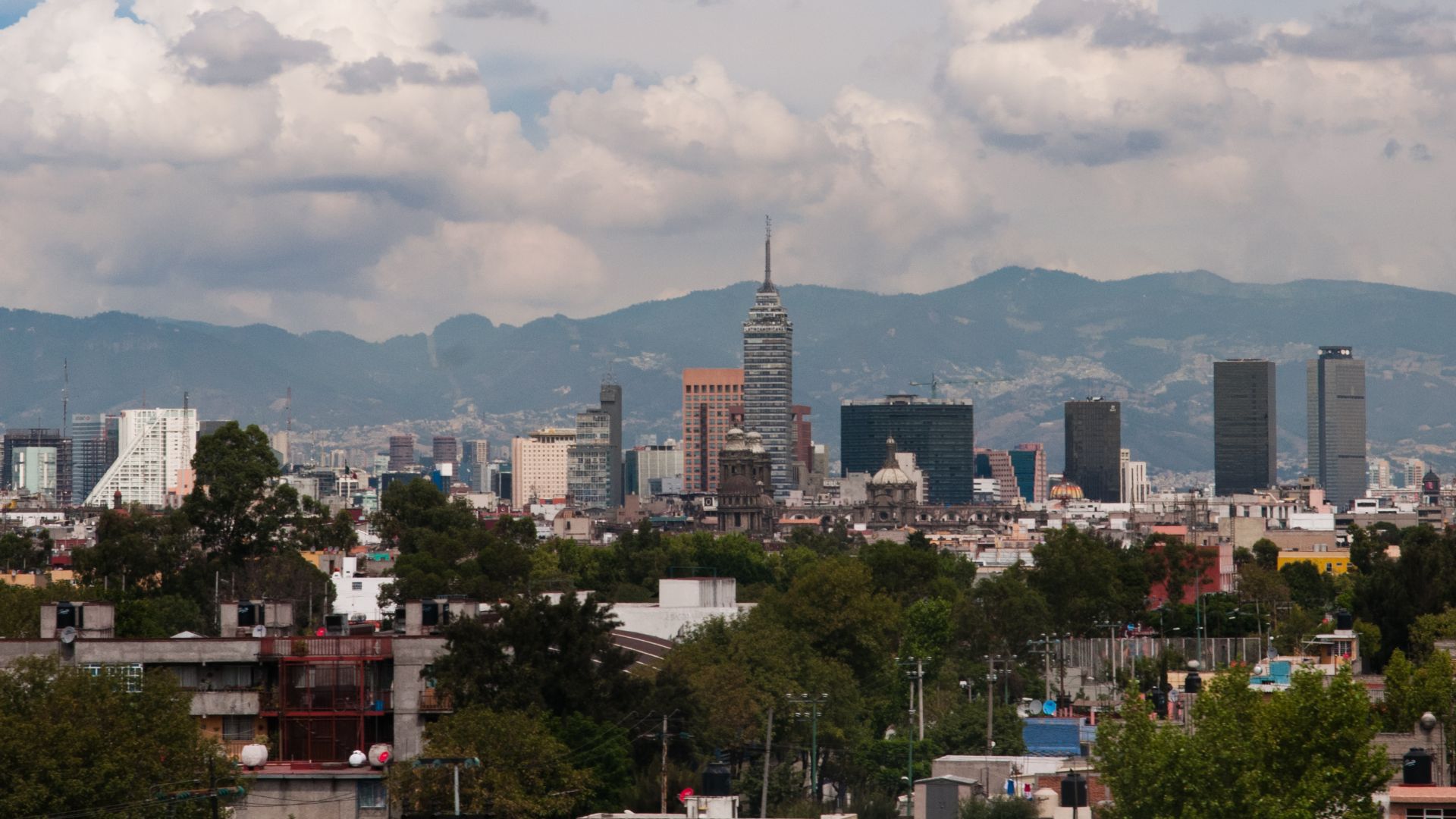
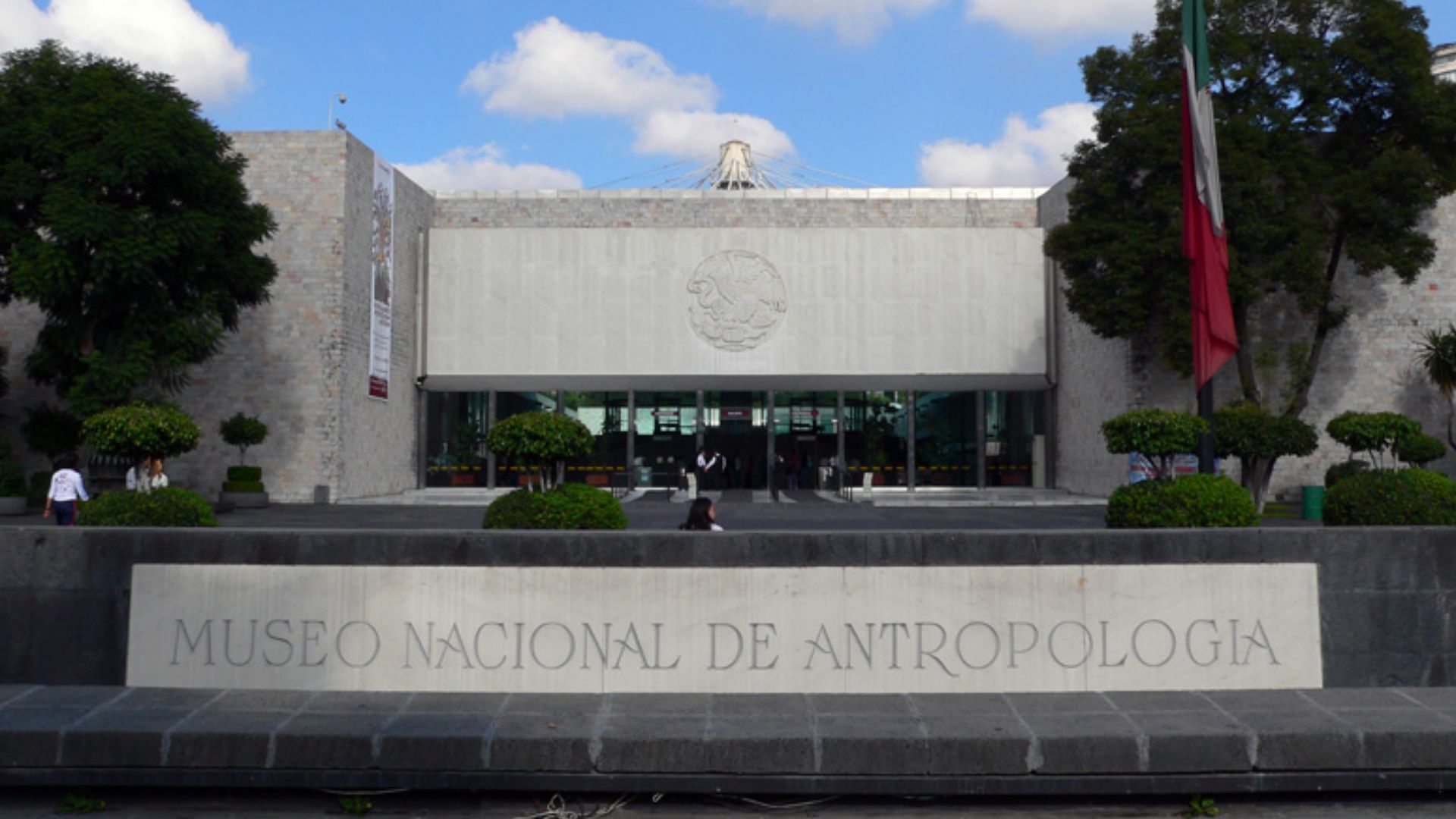
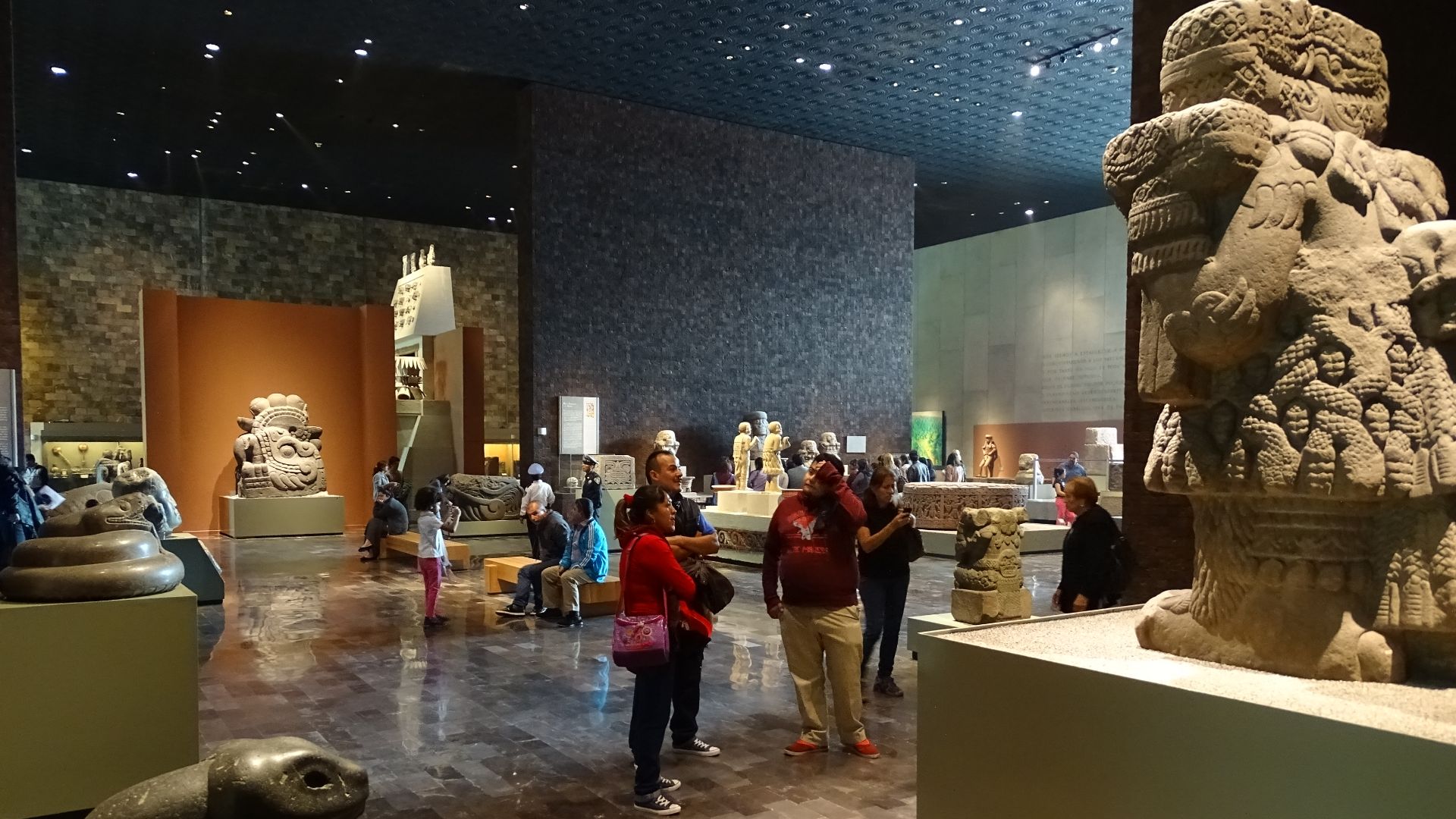
Inside Mexico City’s National Museum of Anthropology, Dozier stopped mid-stride. The displays in front of her—painted urns with flared rims and carved bands—felt oddly familiar. That thrift-store piece back home suddenly seemed less like a trinket and more like a twin.
Curiosity Becomes Investigation
Back in the States, she couldn’t shake the feeling. The patterns and even the clay’s hue—it all lined up. She took careful photos under daylight, opened her laptop, and took a deep dive into searching for anyone who might know what she’d really bought.

Reaching Out To The Experts
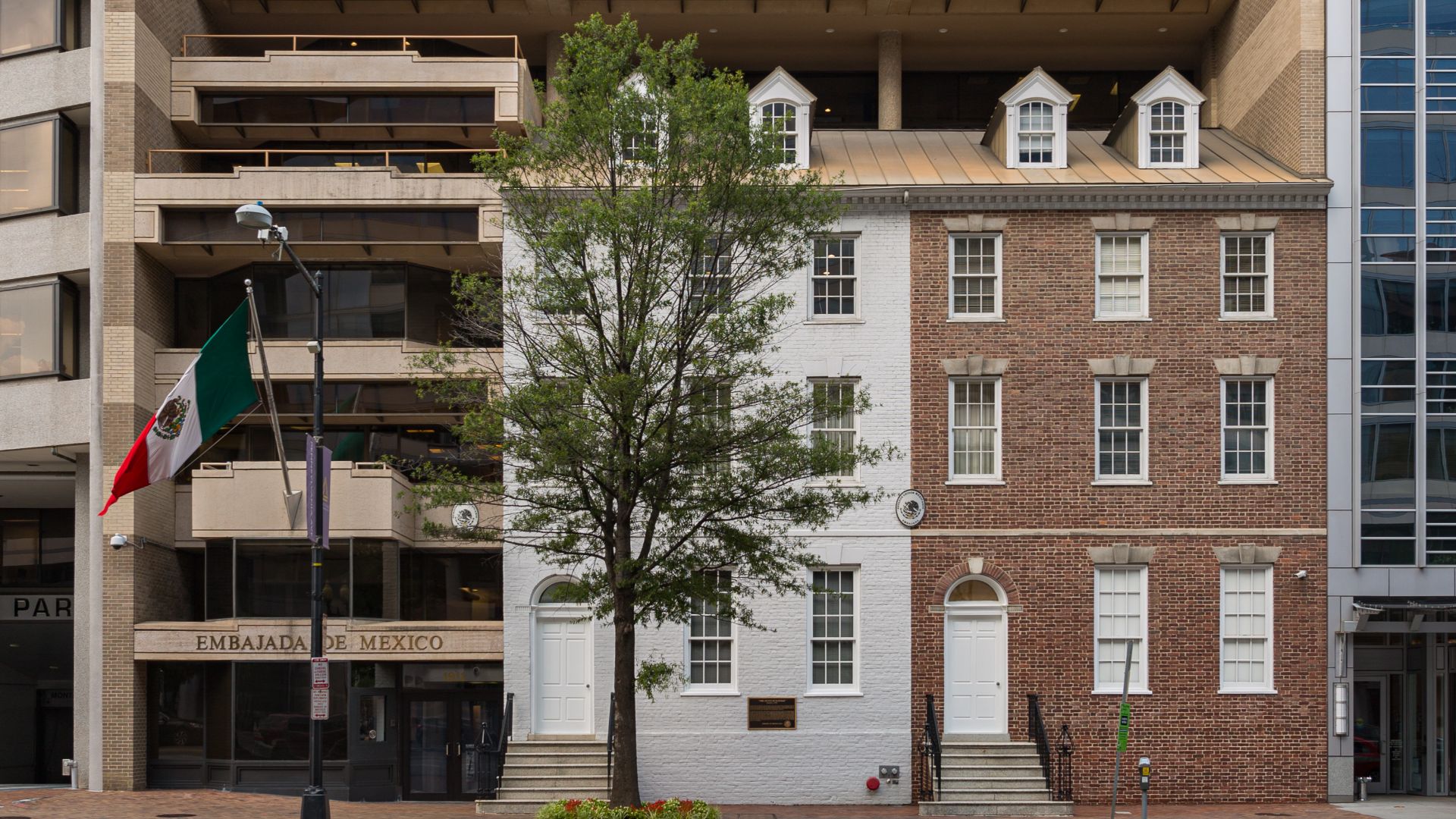
Her message landed in the inbox of Mexico’s embassy in Washington, DC. The attached images looked like hundreds of others they’d seen, but something about the workmanship caught their attention. Specialists forwarded them straight to Mexico’s top archaeology institute for review.
 Martin Kraft, Wikimedia Commons
Then The Verdict Comes In
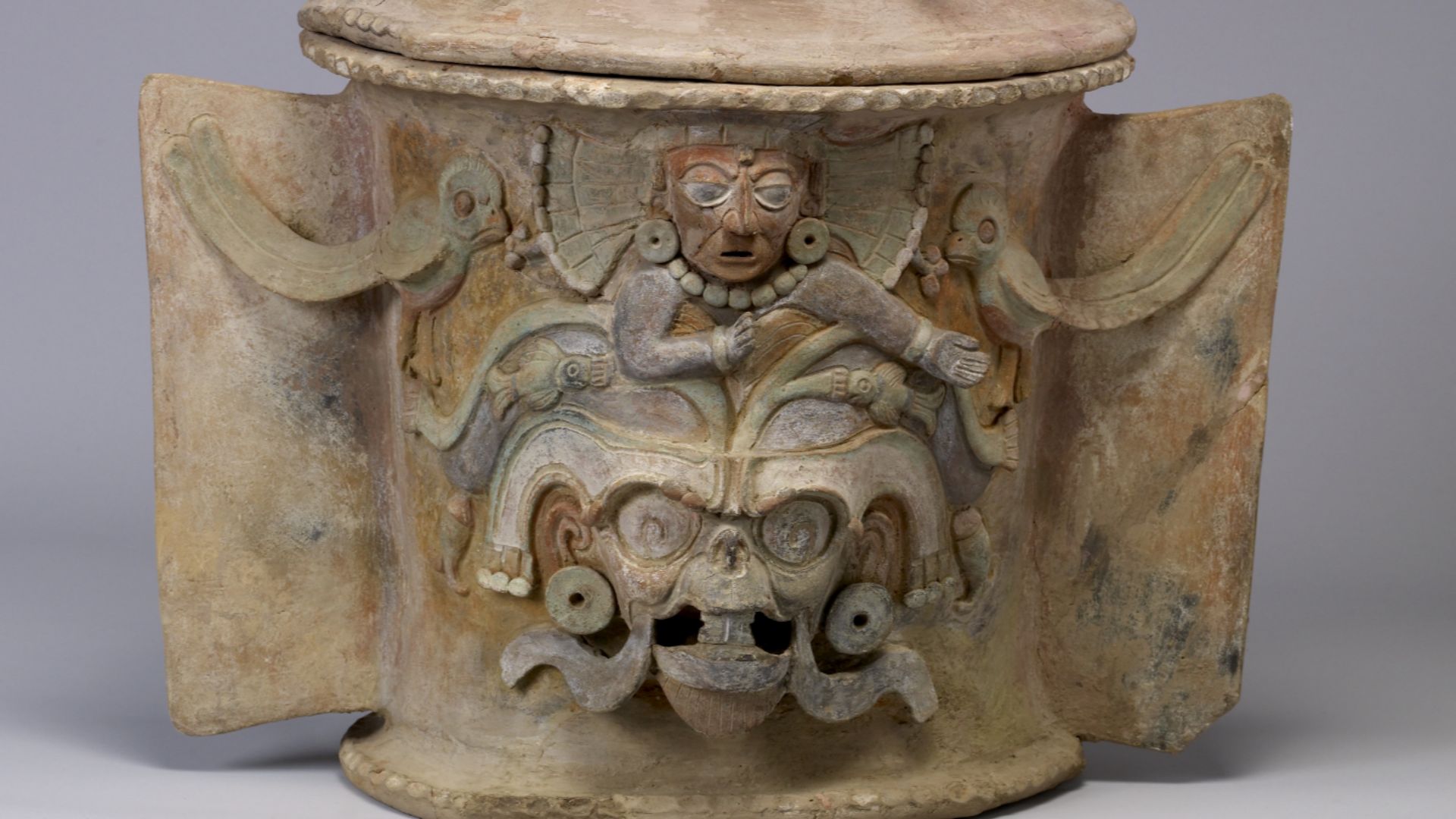
When the reply arrived, it carried history inside every word. The vase wasn’t a replica—it was a genuine Maya urn, hand-built more than a thousand years ago. That $3.99 purchase had crossed centuries without anyone realizing its importance.
 Anonymous (Mayan)Unknown author, Wikimedia Commons
A Closer Look At The Craft
Archaeologists explained how the vessel’s coiling marks revealed an ancient technique. Its slight asymmetry, once dismissed as amateur work, proved it was shaped by hand. Each imperfection whispered of ritual fires and purpose far beyond decoration.
The Timeline Unfolds
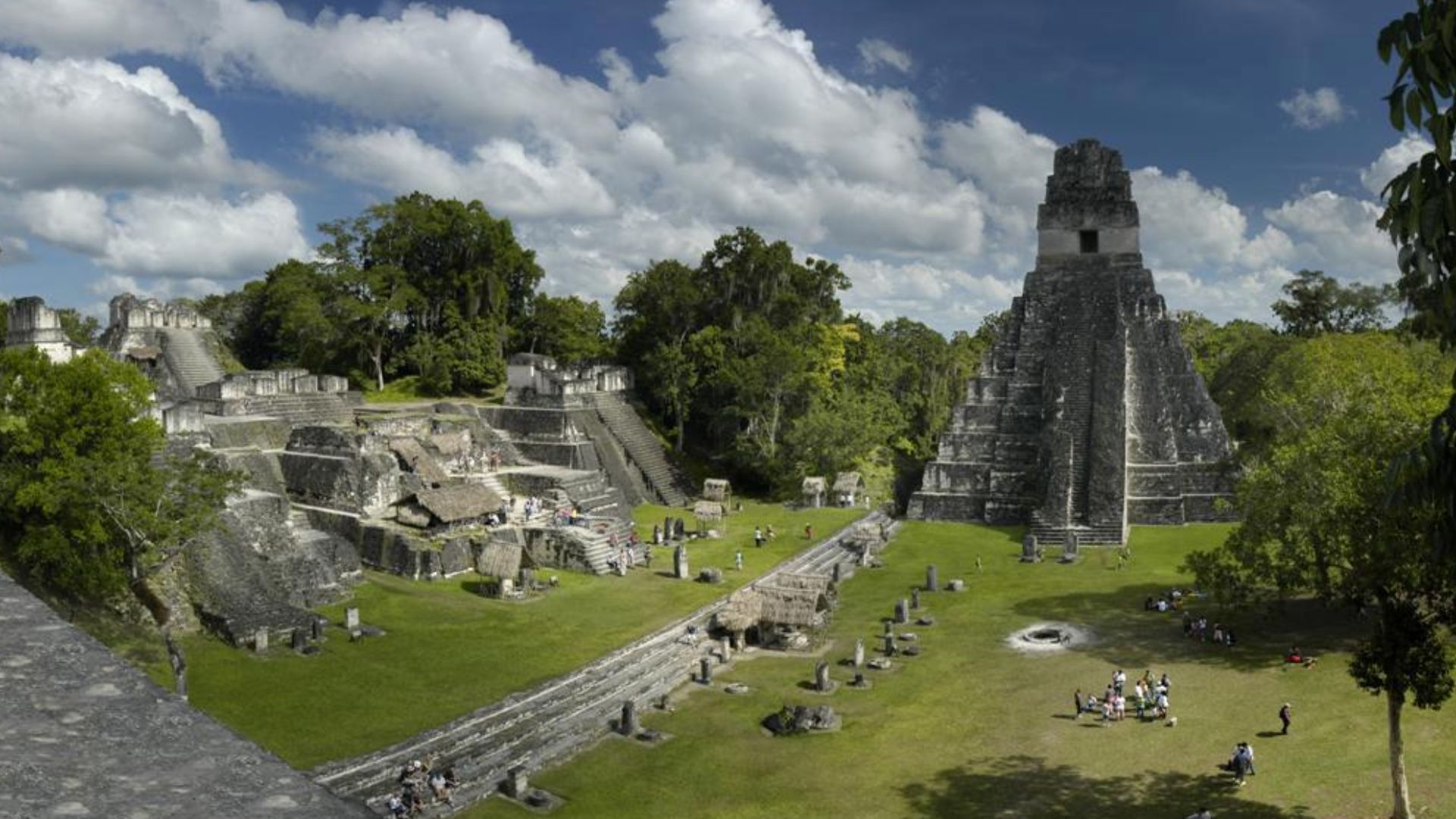
Further testing placed it squarely in the Classic period, between 200 and 800 CE. That was when Maya city-states like Tikal and Copan flourished. The urn could’ve once held incense or offerings—ordinary in its time, extraordinary in ours.
 Shark at Lithuanian Wikipedia, Wikimedia Commons
Reading The Designs
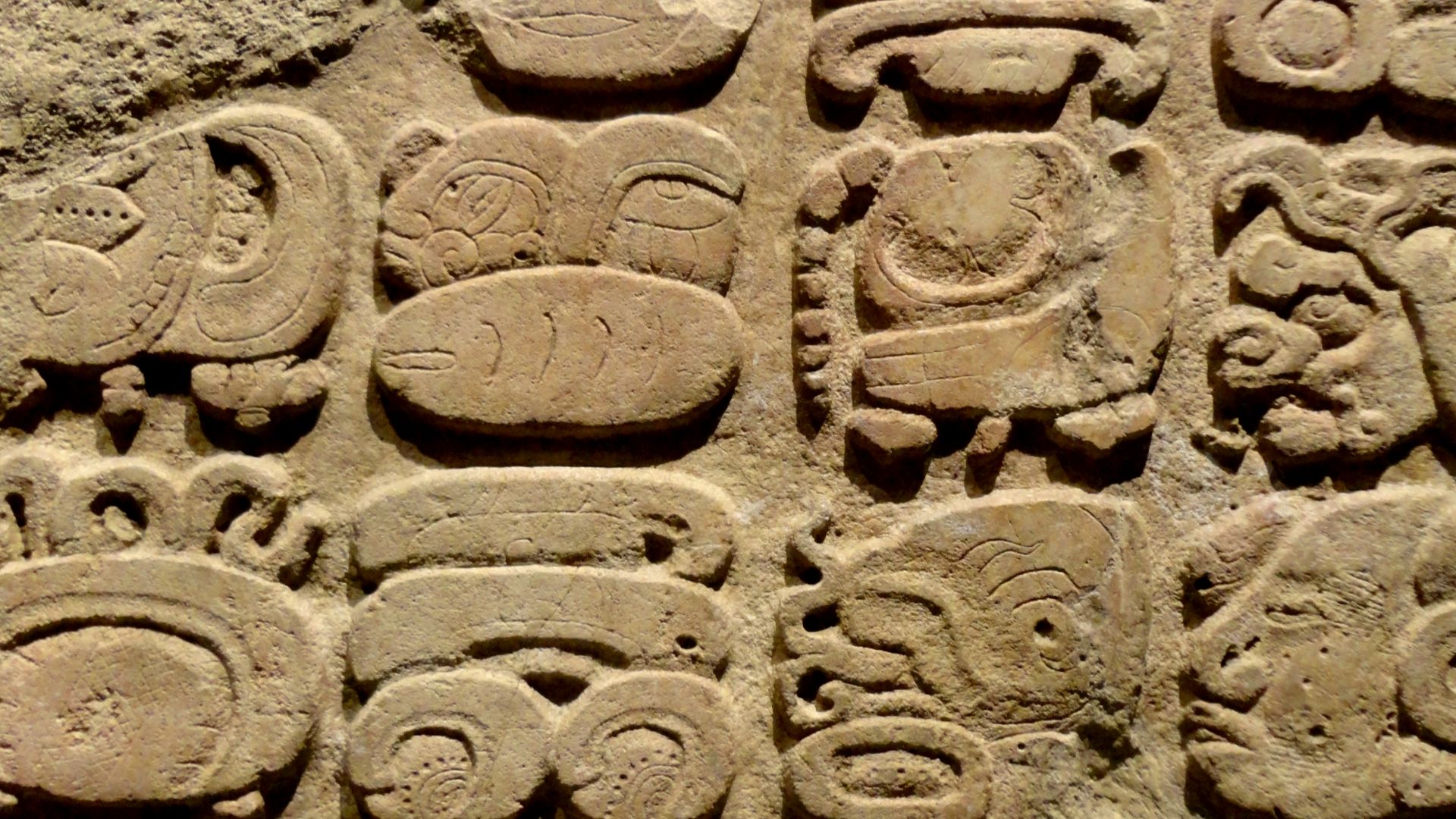
The carved symbols wrapped around its rim weren’t random. They mirrored motifs seen on ceremonial vessels linked to ancestors and the afterlife. Lines curved like smoke, spiraling in patterns the Maya used to honor continuity between the living and the dead.
 Juan Carlos Fonseca Mata, Wikimedia Commons
When Clay Tells Its Own Story
Microscopic analysis later confirmed natural mineral buildup consistent with centuries of aging underground. The surface patina, uneven yet beautiful, acted as proof written in chemistry. Without meaning to, a weekend shopper had rescued a survivor from a vanished world.
Clay That Carried A Signature
Tests traced the vessel’s clay to Mexico’s southern lowlands, a heartland of Maya civilization. Its reddish tint and fine texture were unmistakable—qualities unique to artisans who shaped objects for rituals rather than markets. The urn’s birthplace had finally been found.
Fire Marks And Ancient Hands
Under magnification, faint scorch lines appeared, baked deep into the surface. Those marked where it once touched ancient flames. The discovery tied it directly to a ceremonial kiln used by people who saw pottery as a bridge to the divine.
 Mav at English Wikipedia, Wikimedia Commons
A Quiet Message To The Embassy
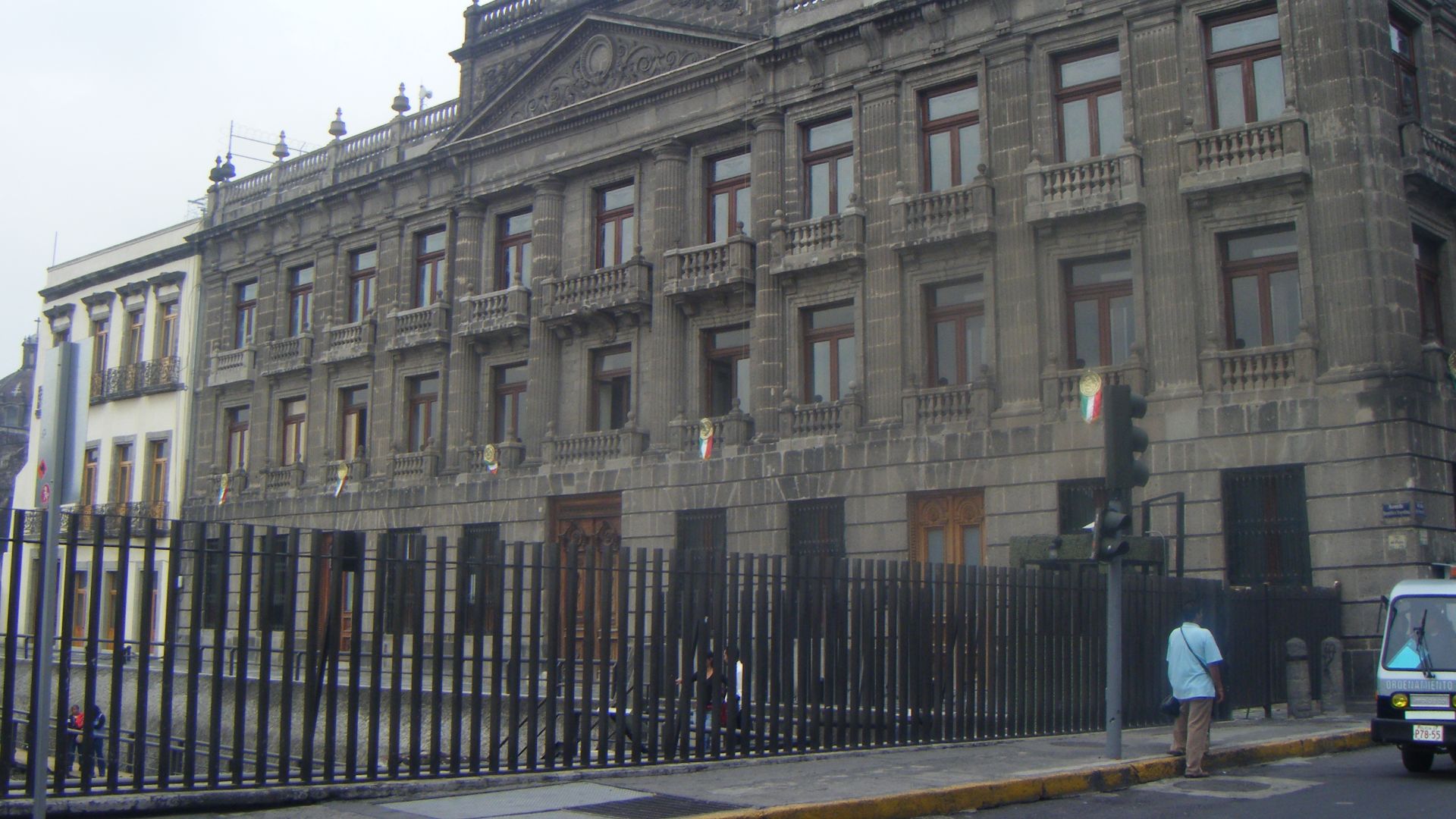
She packaged her story with care, sending a message to the Mexican Embassy explaining her discovery. The staff didn’t shrug it off. They saw something remarkable in those photos and quickly looped in experts from the National Institute of Anthropology and History (INAH).
The Confirmation Everyone Waited For
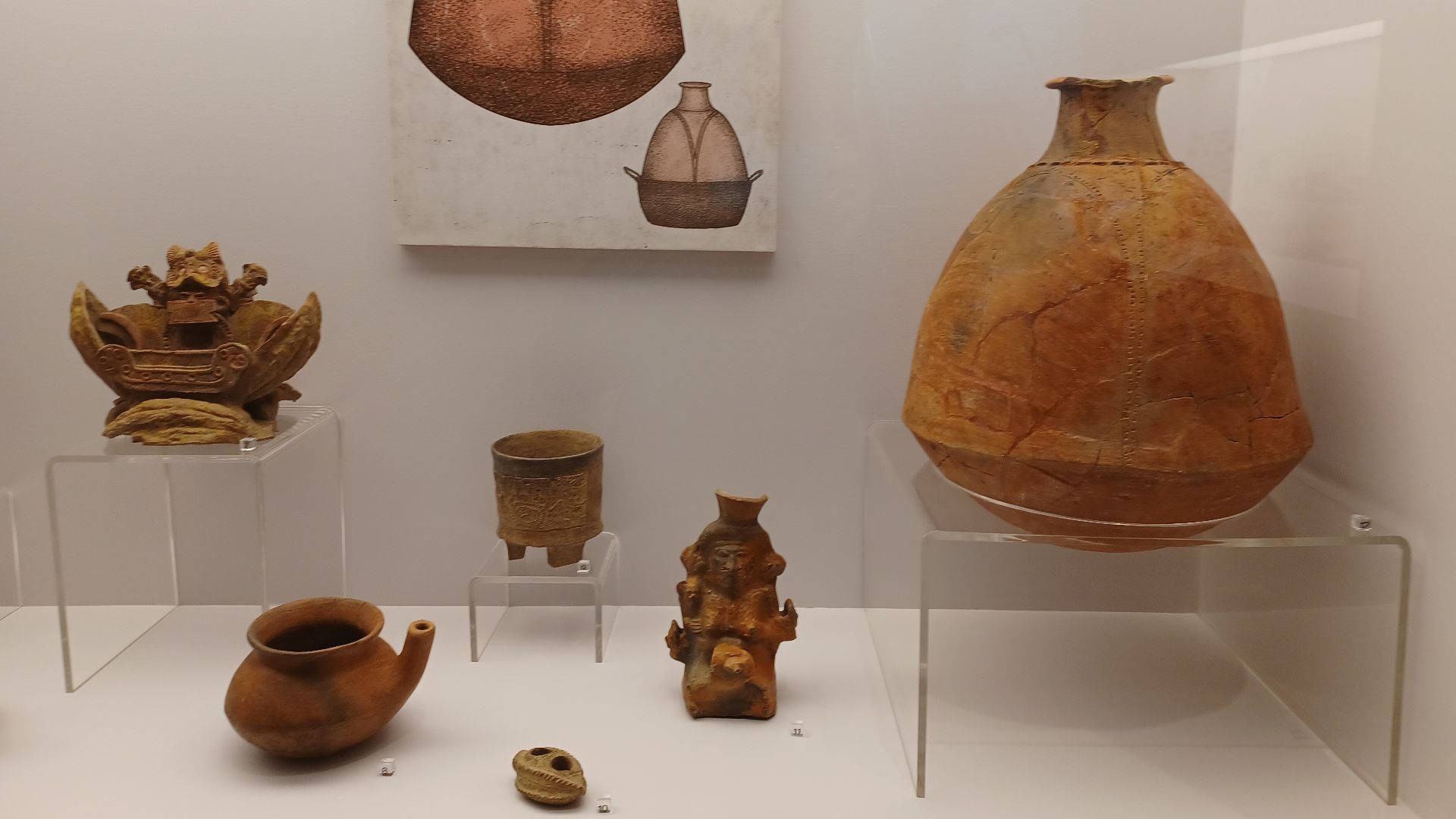
When INAH responded, the words left no room for doubt. The piece was genuine—a Classic-era urn crafted well over a millennium ago. Its patterns, mineral composition, and firing technique all aligned with documented Maya funerary artifacts discovered in temple sites.
 Simon Burchell, Wikimedia Commons
The Story Hits The Headlines
Soon after, reporters caught wind of the tale. It wasn’t the usual archaeological drama; there were no smugglers, no black-market sting. Just an everyday person finding a forgotten relic, and a story about how curiosity can outshine greed.

Plans For A Proper Return
With experts satisfied and papers verified, the embassy arranged for a formal return. The urn would journey back to Mexico as cultural patrimony—handled with gloves, escorted by diplomats, and treated like royalty.
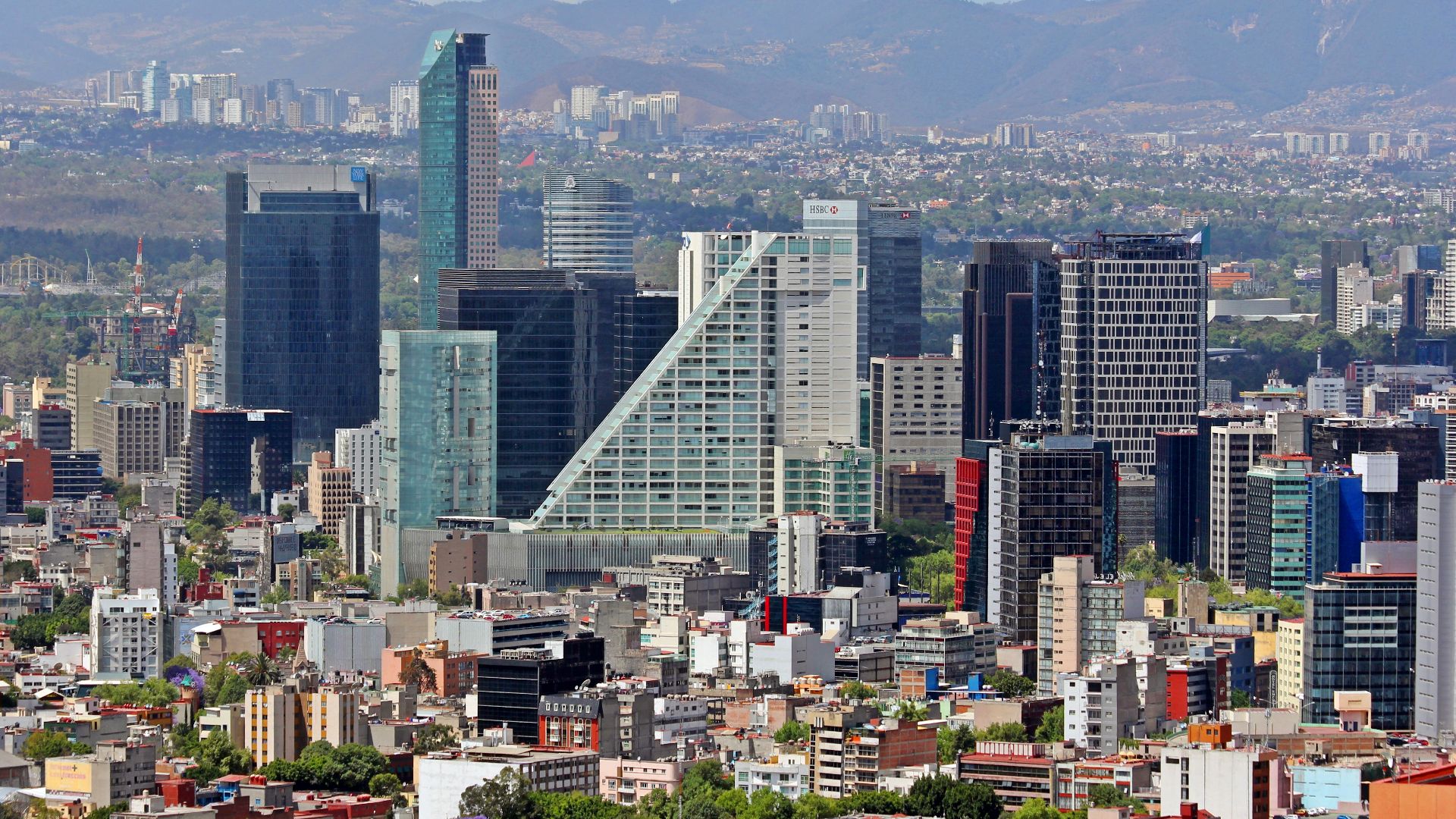 Alejandro Islas Photograph AC, Wikimedia Commons
Ceremony Of Homecoming
The Mexican Cultural Institute in Washington, DC, hosted the repatriation. Officials and art historians gathered around a simple display table. There were no dramatic speeches, just quiet respect for an object that had finally completed its long circle home.
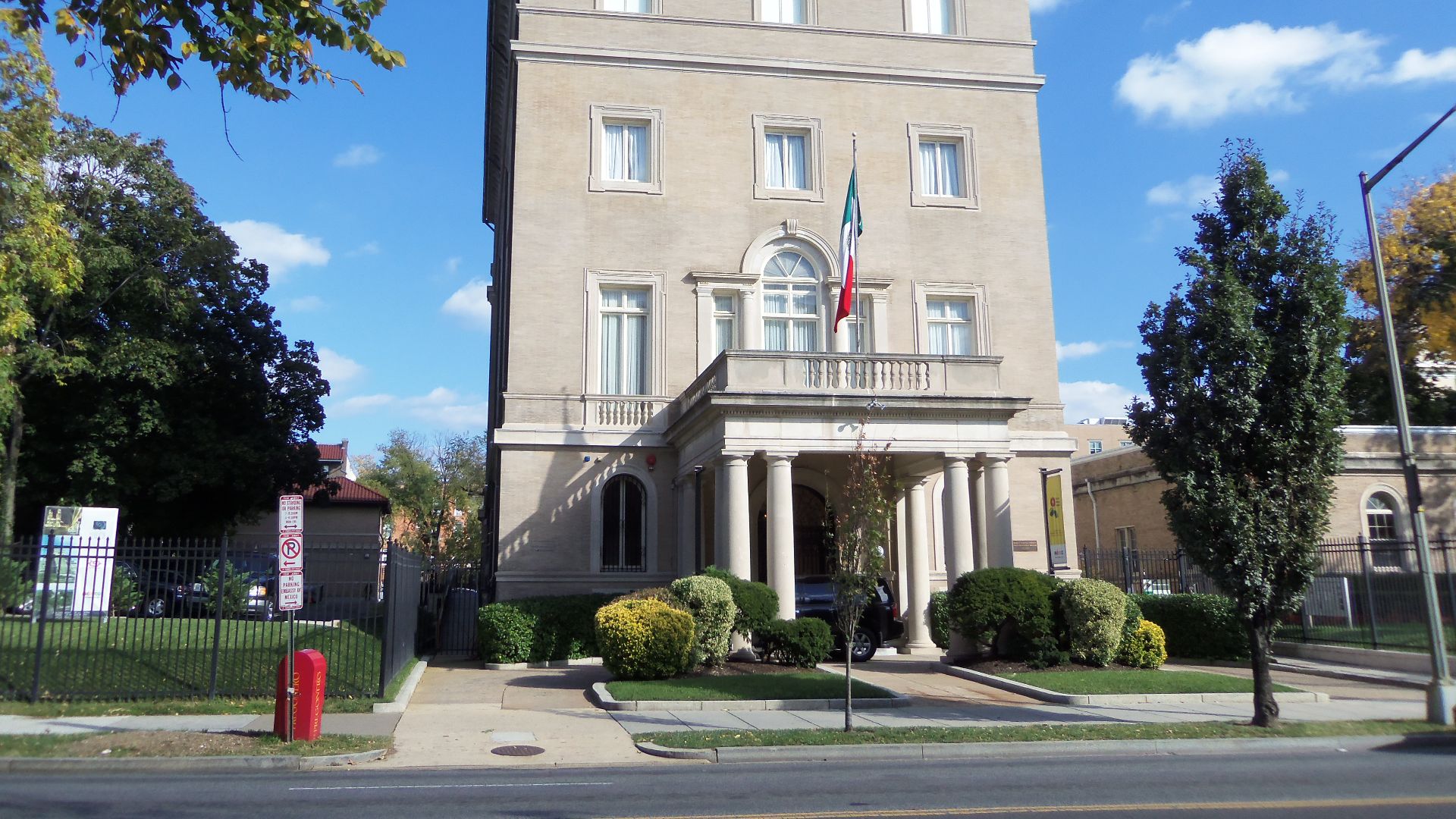 Farragutful, Wikimedia Commons
Applause For Doing What’s Right
Her decision to give it back earned international praise. Museums and heritage groups called it a model act. Anna Lee Dozier had done something far rarer, and that was to return a missing piece of history without being asked twice.

A Lesson For Every Collector
The story rippled through collector circles. Experts reminded buyers to double-check provenance, even for thrift bargains. History, after all, doesn’t always wear a price tag. Sometimes it’s hiding between old picture frames, waiting for someone with a sharp eye.
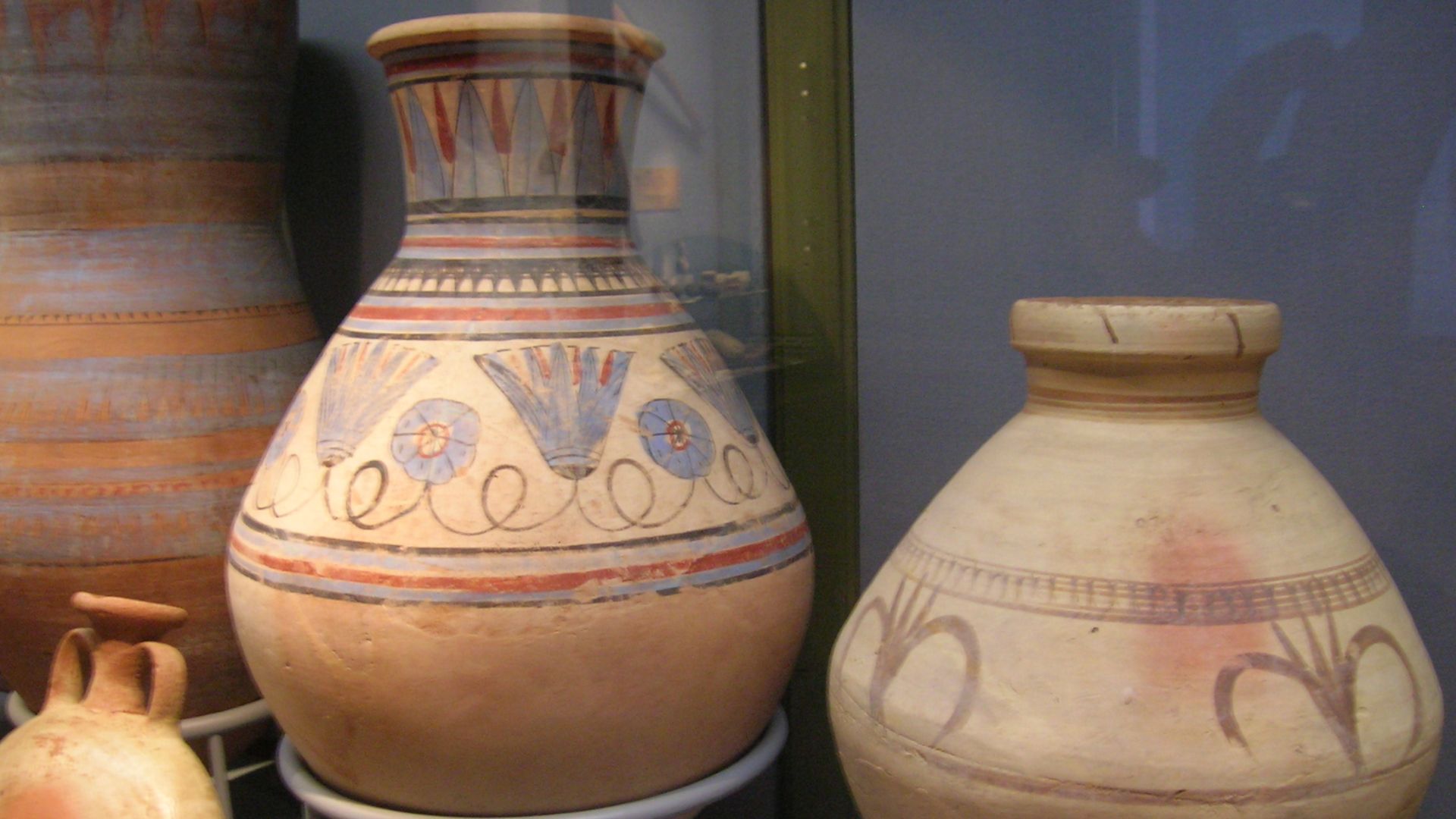
A Symbol That Outlived Its Makers
Now studied and preserved, the urn represents an ancient civilization that mastered astronomy, architecture, and art long before modern borders existed. Its survival is evidence of how human creativity can endure across continents and centuries, quietly refusing to fade.
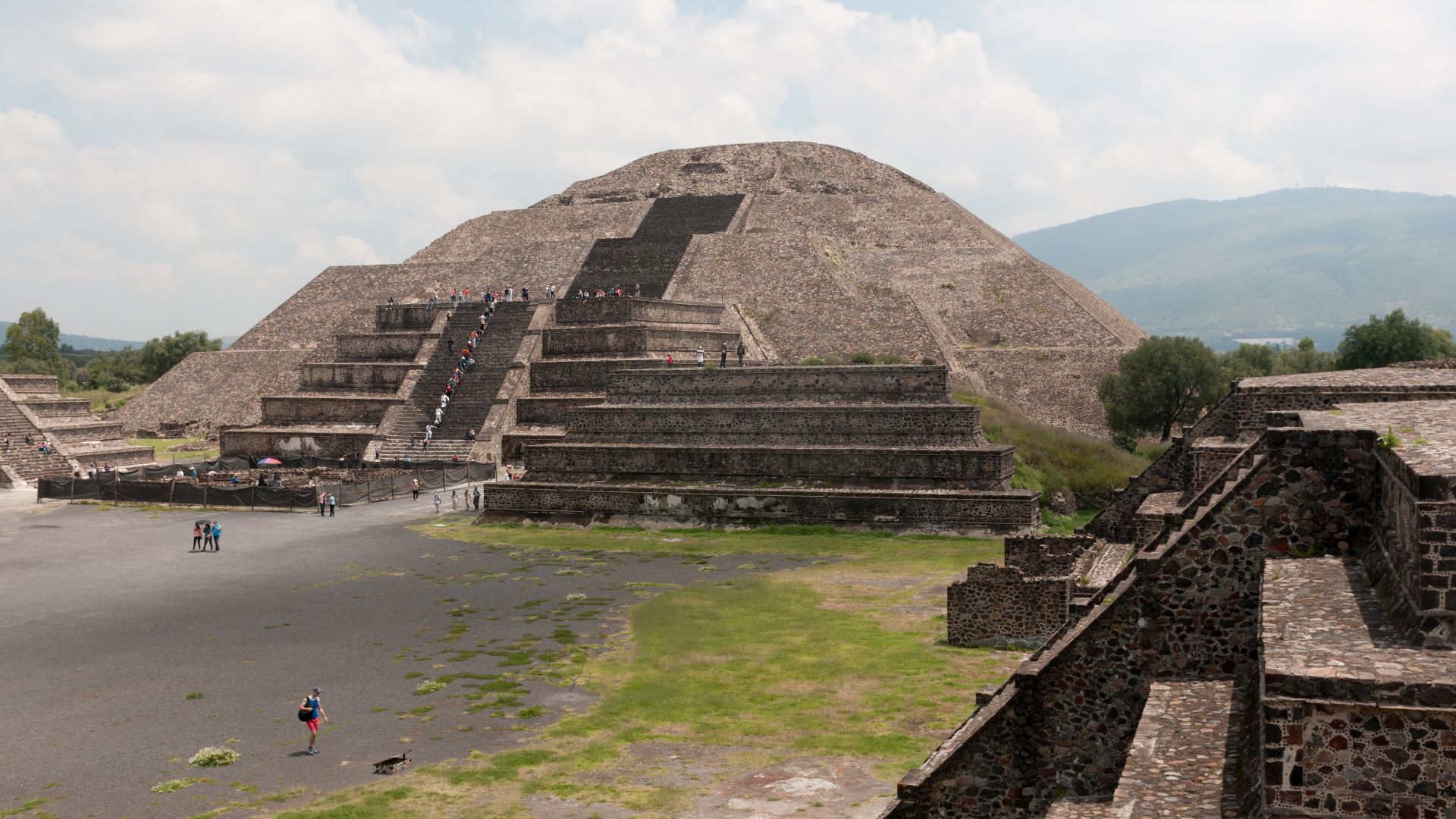 Ralf Roletschek, Wikimedia Commons
Museums Take Notice
After its return, curators and archaeologists in Mexico celebrated the urn’s arrival. Specialists compared its form to documented Maya ceramics, noting rare stylistic details. For researchers, it was a missing chapter suddenly restored to the archive.
 Adam Jones from Kelowna, BC, Canada, Wikimedia Commons
Scholars Dig Deeper
Experts were also not left behind. They, too, began analyzing pigment traces and clay residues to understand the vessel’s ceremonial use. Early findings hinted at incense once burned within it, perhaps during royal memorials.

A Story Shared Worldwide
The tale spread far beyond archaeology circles. Readers around the world saw in it something rare. It reminded people that preserving the past sometimes begins with one small act of care.
 Roman Kraft romankraft, Wikimedia Commons
A Bridge Between Two Nations
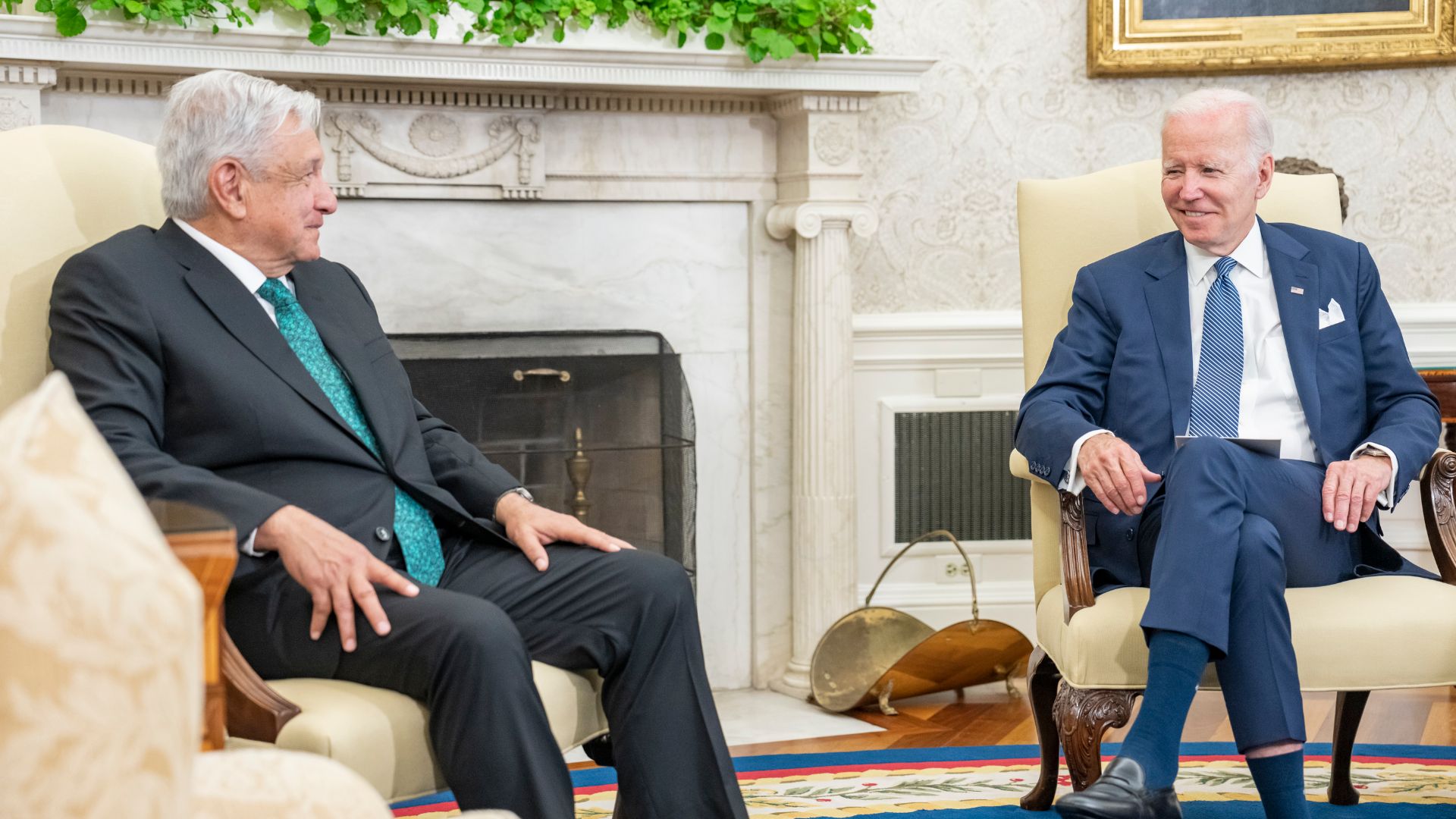
The find deepened cultural ties between the United States and Mexico. Officials highlighted it as an example of how shared responsibility can protect heritage. Behind the formalities, it was really about mutual respect for artistry that transcends borders and time.
 The White House, Wikimedia Commons
The Mystery That Remains
How the urn first left Mexico is still unknown. It could’ve slipped away decades ago through trade, estate sales, theft, or careless exports. Whatever its route, the fact that it surfaced intact remains one of the story’s greatest marvels. Now, it rests where it belongs.