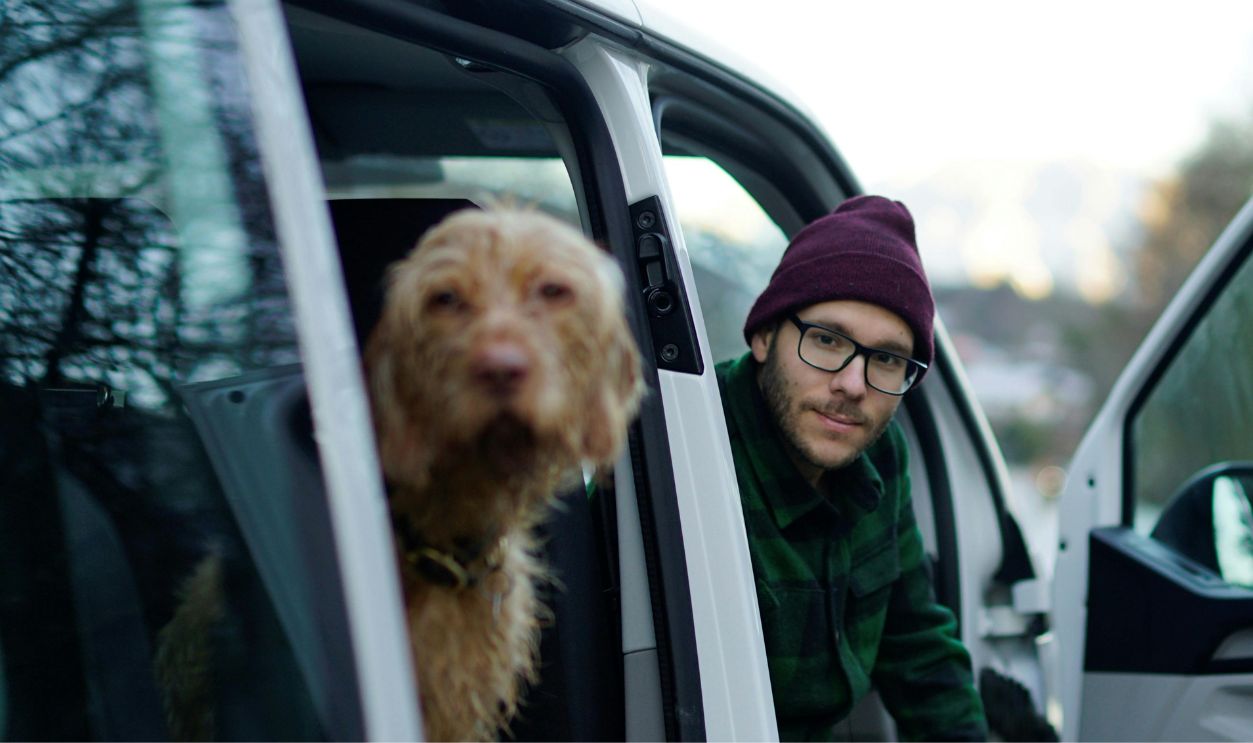
Starting a small business feels exciting until reality rear-ends you at a stoplight. You’ve got the leash clips, the loyal clients, the growing reputation, and the dream van that smells like treats and upholstery cleaner. Everything seems lined up for success, right up until one crash turns the entire plan upside down. In a split second, the van’s totaled, and the awful truth hits harder than the impact itself: you forgot to buy insurance. Now you’re staring at a mess that threatens to swallow your business, and the only question left is how to dig your way out before the fallout becomes permanent.
The Law Isn’t On Your Side
Once an accident happens without insurance, it quickly turns from a small mistake into a legal mess. Almost every state requires drivers to carry active coverage, and skipping it can bring serious trouble. You might be fined, lose your license, or have your van taken off the road until you prove you’re insured. After the crash, your state’s motor vehicle office will contact you, and they’ll likely require an SR-22 form to confirm you’ve purchased valid coverage. Without it, your license can stay suspended, keeping you off the road and out of business. You may also be required to appear in court, depending on your jurisdiction.
What many first-time business owners don’t realize is that states treat uninsured commercial driving even more strictly. If the accident report mentions that the vehicle was being used for work, some states apply higher reinstatement fees or require longer monitoring periods for SR-22 filings. The intention is to ensure that vehicles used for business, which tend to log more miles and face more risk, meet basic safety and insurance requirements. Failing to comply can delay your return to driving far longer than expected. Judges generally want to confirm that you’ve taken corrective steps—such as purchasing proper insurance and addressing outstanding fines—before they clear you to operate a vehicle again.
The Financial Hit You Can’t Ignore
Here’s the tough part: when you drive uninsured, every dollar of damage comes out of your pocket. That includes repairs, medical bills, and possibly the other driver’s expenses too. If someone else was injured, their insurance company can demand repayment from you directly, and they will. Even if you believed your personal policy covered business use, it doesn’t. Personal auto insurance stops working the moment you start using your vehicle for commercial purposes. That’s a surprise that has bankrupted more than a few small business owners. Now’s the time to call a lawyer who understands uninsured accident cases. They can help you set up payment plans or negotiate lower settlements.
Taking those steps quickly can prevent lawsuits or frozen accounts later on. It’s stressful, but tackling it head-on is far better than letting it snowball. The financial fallout can also affect your business credit, especially if you financed the van. Lenders require proof of insurance, and without it, they may classify the situation as a contract violation, which can damage your credit score or make it harder to secure future financing for equipment or expansion. Some lenders may even pursue collections if the vehicle is totaled but uninsured, leaving you responsible for the remaining balance.
How To Rebuild The Right Way
Once the legal dust settles, focus on rebuilding smartly. Start with proper commercial auto insurance—it’s the kind made for businesses that transport goods, pets, or clients. It covers accidents that happen during work hours and protects both your van and your livelihood. While you’re at it, keep your clients in the loop. Let them know about the setback and your plan to return. Most people appreciate honesty, especially when their pets are part of the story. Once you’ve handled the paperwork and covered your costs, you’ll walk away wiser and more prepared. The next time you load up those wagging tails and hear paws tapping on the floor of a freshly insured van, you’ll know your business is safe.