
The Bonus Promise That Suddenly Vanished
You were told that bonuses were coming at the end of the quarter, you've been banking on it—then your boss suddenly says they were “never guaranteed.” We understand if that feels like the straw that breaks the camel's back, but the good news is that employers do not always get the final say, especially if the bonus was promised in writing or tied to clear conditions.
 Mikhail Nilov, Pexels, Modified
Why This Question Matters So Much
For many workers, bonuses are not just a nice extra. They shape budgets, debt payments, and big financial decisions. When an employer backs away, the legal answer often comes down to one main question: was the bonus truly discretionary, or was it earned under a contract, policy, or commission plan?

The First Place To Look Is The Paper Trail
Start with every document that mentions the bonus. That includes your offer letter, employment contract, commission plan, employee handbook, emails, Slack messages, and performance review notes. A promised bonus is much easier to enforce if the terms were written down and tied to measurable goals or a clear payment date.

What “Discretionary” Usually Means
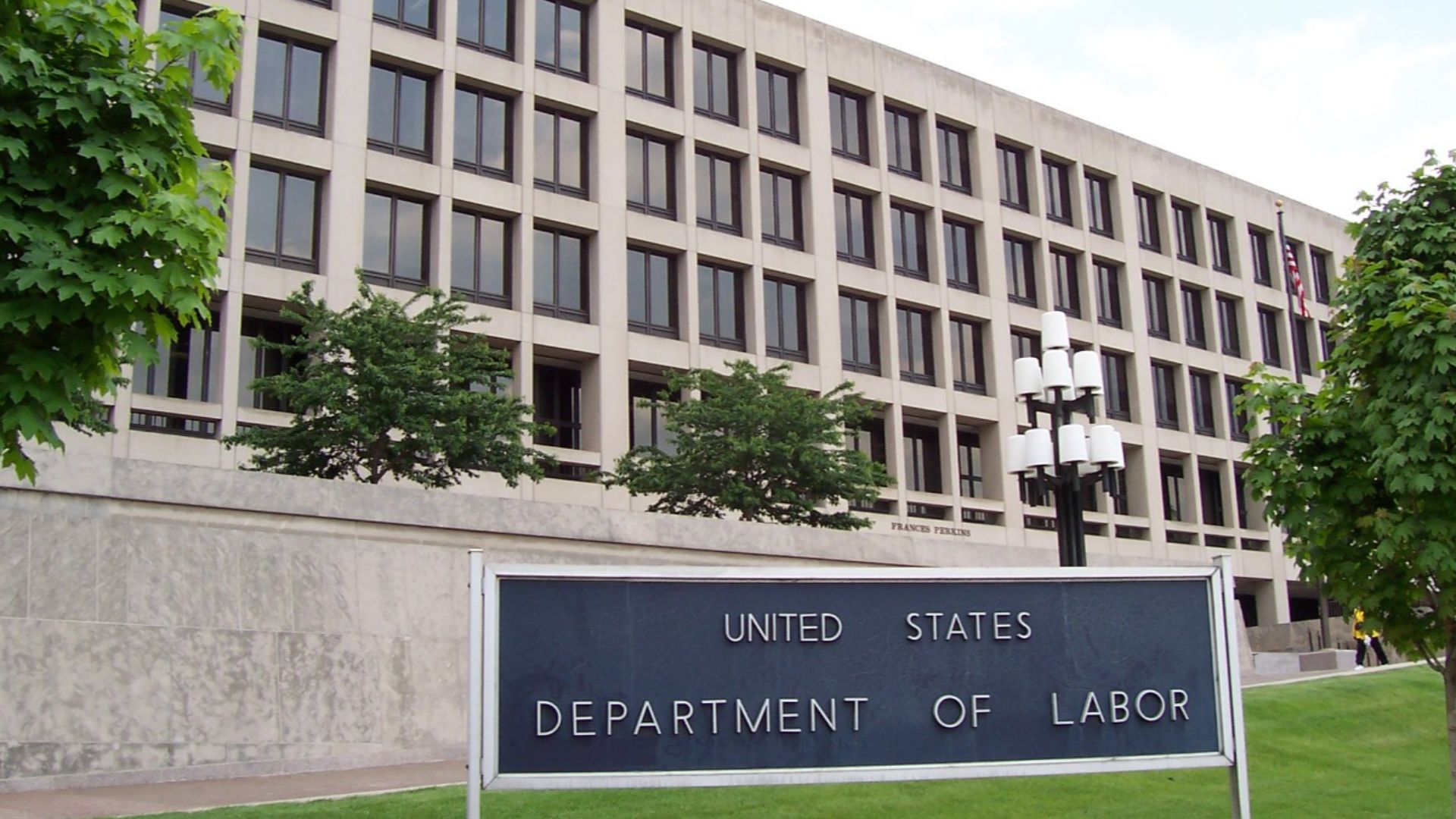
The U.S. Department of Labor draws a clear line between discretionary and nondiscretionary bonuses. A discretionary bonus is one where the employer keeps control over both whether to pay it and how much to pay until near the end of the period. If the company announced the bonus ahead of time to encourage performance or attendance, the Labor Department says that is generally nondiscretionary.
Why That Distinction Is A Big Deal
That federal distinction matters for more than wording. Nondiscretionary bonuses often count toward the regular rate of pay for overtime calculations under the Fair Labor Standards Act. That means an employer cannot just slap the label “discretionary” on a bonus that was promised in advance as an incentive and expect that label to settle the issue.

What Federal Guidance Says In Plain English
The Labor Department’s rules say a bonus is not discretionary when employees expect it regularly because of a promise, contract, or past practice. The agency also says bonuses announced to push workers to stay productive, efficient, or with the company are generally nondiscretionary. Put simply, if your boss used the bonus to drive performance, that may weaken the claim that it was never guaranteed.

State Law Can Matter Even More
Federal law does not answer every bonus fight. State wage laws often decide whether a bonus counts as wages, when it becomes earned, and what happens if an employee quits or is fired before payout. That means your rights may look very different in California than in New York or Texas.

California Gives Workers Strong Arguments
The California Labor Commissioner has made clear that whether a bonus must be paid depends on the specific agreement. California guidance says a bonus promised as part of a contract and earned by meeting stated conditions may be considered wages. Once earned, those wages generally cannot be taken away, even if the employer later tries to call the payment discretionary.

A Key California Court Case Turned Heads
In Schachter v. Citigroup, Inc., decided by the Supreme Court of California in 2009, the court looked at a bonus program with conditions attached. The case showed how much depends on the exact wording of the plan, including whether the worker had to stay employed through a vesting date. It is a reminder that the fine print can decide whether a promised payment holds up or slips away.
 Marincyclist, Wikimedia Commons
New York Has Its Own Important Rules
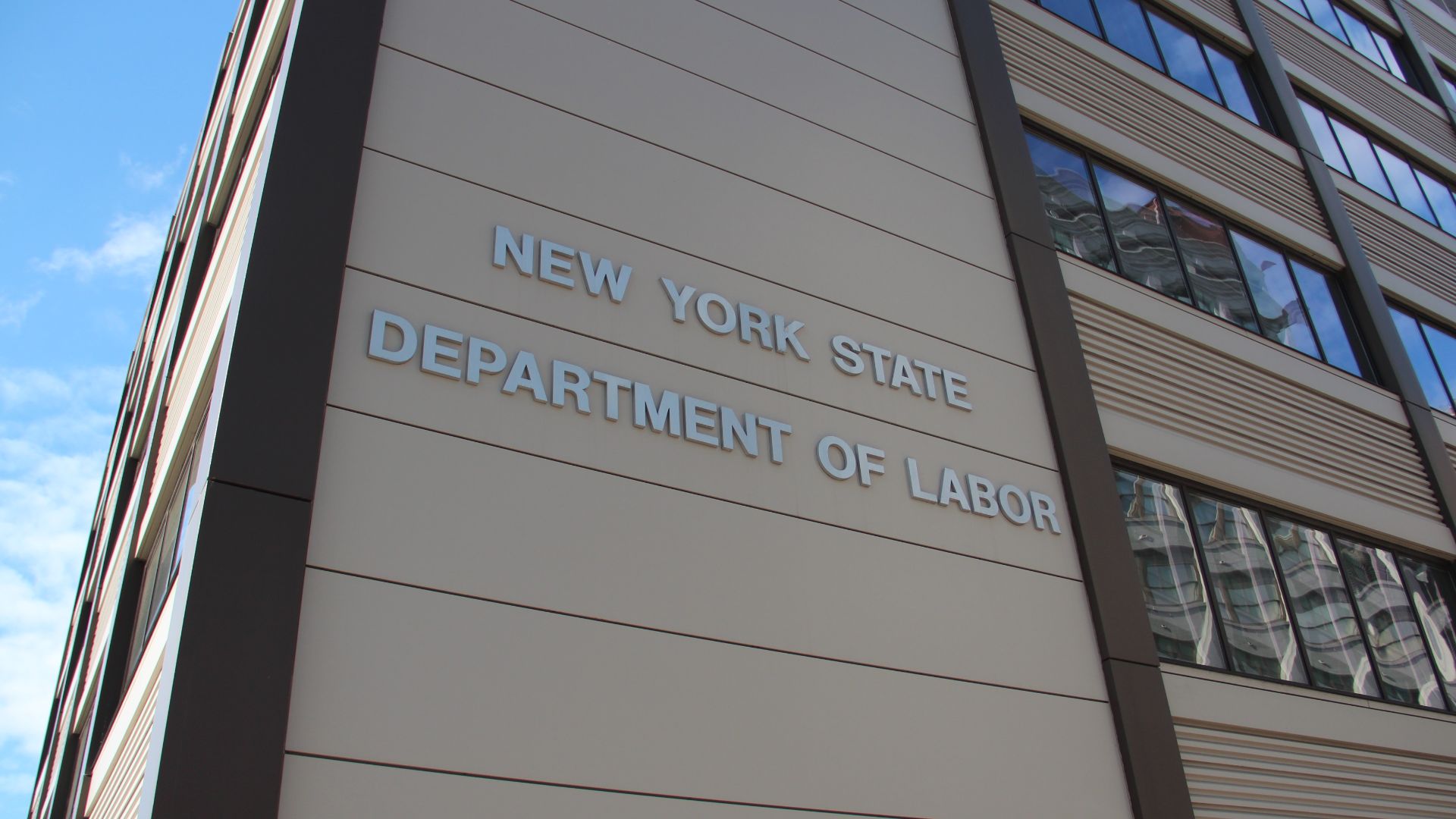
New York’s Department of Labor says bonuses are generally not considered wages unless they are guaranteed and nondiscretionary. That is a major difference for workers trying to bring a wage claim. In New York, a truly discretionary bonus often gives employers more room, but a promised bonus tied to objective criteria can create a stronger claim.
A New York Case Put The Issue In Sharp Focus
In Truelove v. Northeast Capital & Advisory, Inc., decided by New York’s highest court in 2000, the court found that a bonus based on company performance and handed out at management’s discretion was not “wages” under state law. Employers still cite that case. Workers should know, though, that a bonus with fixed terms and personal performance targets can look very different from the bonus in Truelove.

Texas Often Follows The Agreement
Texas Workforce Commission guidance says a bonus agreement can be enforceable if the employee met the conditions required for payment. If the policy says you must be employed on the payout date, that can matter a lot. If the policy instead says the bonus is earned once targets are hit, the worker may have a stronger argument.
 Michael Barera, Wikimedia Commons
Past Practice Can Strengthen Your Position
Sometimes the strongest evidence is not one sentence in a handbook but a repeated pattern. If your employer has paid the same type of bonus year after year after employees hit specific targets, that can help show workers reasonably expected payment. Courts and agencies may look at that history when deciding whether the bonus was really discretionary.

But Handbooks Often Try To Protect Employers
Many employee handbooks contain disclaimers saying that bonuses are discretionary and that policies can be changed at any time. Those words can help employers, but they do not automatically wipe out other promises. A signed offer letter, a compensation plan, or direct written statements from management may carry more weight depending on the facts and state law.

Email Promises Can Matter More Than You Think
If a manager wrote, “You will receive a $10,000 bonus if you hit this target by December 31,” that is not nothing. It can become key evidence that the bonus was offered as a concrete part of compensation. Save those messages, along with screenshots and dates, before access disappears.

Watch For Conditions Hidden In The Plan
Some bonus plans require you to be actively employed on the payout date. Others require board approval, company profitability, or compliance with policy standards. An employer may rely on those conditions to argue the payment never became fully earned.

Can A Company Change The Bonus Terms Midstream
Sometimes yes, but not always retroactively. Employers often have more freedom to change future compensation arrangements than to claw back compensation already earned under existing terms. If you already satisfied the stated conditions before the change, the company may have a harder time defending a refusal to pay.

The Timing Of The Change Is Crucial
Ask when the company first announced the bonus, when you met the targets, and when management claimed it was not guaranteed. Those dates can make or break a claim. A company that changes the rules after employees have already performed may face stronger legal and practical pushback.

Termination Before Payout Creates Messy Fights
This is where many disputes blow up. If the bonus plan says you must still be employed on the payment date, employers may argue you forfeited it after resigning or being let go. Some states and some contracts will enforce that term, while others may look at whether the bonus was already earned and therefore owed.
 ANTONI SHKRABA production, Pexels
Performance Bonuses And Commissions Are Not Always The Same
Do not assume all incentive pay is treated alike. Commissions are often governed by separate state rules and written plan requirements. A payment called a “bonus” may actually work more like a commission if it is formula-based and tied directly to sales or production.

Overtime Rules Can Add Another Layer
The Labor Department says nondiscretionary bonuses generally must be included in the regular rate used to calculate overtime. That matters if your employer paid overtime during the period when the bonus was earned. In some cases, a bonus dispute can also uncover unpaid overtime issues.

What To Do Before You Confront Your Boss
Gather documents first and build a timeline. Note who promised the bonus, the exact language used, the performance period, the targets, and when you met them. Keep the conversation calm and ask the company to point to the specific policy or contract language supporting its position.

Questions Worth Asking Human Resources
Ask whether the company considers the bonus discretionary or nondiscretionary and why. Request the current bonus plan, any prior versions, and any written changes issued during the performance period. If they say the payment was subject to approval, ask who had approval authority and when that was communicated.

When You Should Talk To An Employment Lawyer
If the amount is meaningful, a short consultation can be worth it. Employment lawyers can quickly spot whether your state treats the promised payment as wages, whether a contract claim may exist, and whether penalties could apply for nonpayment. Bring every version of the compensation plan and all written communications.

You May Also Have A Wage Agency Option
In some states, workers can file a wage claim with a labor agency instead of going straight to court. That process can be cheaper and faster, though it depends on whether the bonus legally counts as wages. State agencies often publish guidance that helps workers understand how these disputes are reviewed.

Do Not Let A Label End The Conversation
“Not guaranteed” sounds final, but it is often just an opening position. What matters is the underlying evidence, the wording of the plan, your state’s law, and the timeline. Employers can call a payment discretionary, but courts and labor agencies may look past the label to the actual facts.

The Practical Bottom Line For Workers
Your boss may be able to change future bonus terms in some situations, but that does not automatically mean they can erase a bonus already earned under a promise or written plan. If the payment was tied to clear goals, announced in advance, or paid regularly as part of compensation, you may have real leverage. Before you give up, collect the receipts, check your state rules, and get tailored advice.