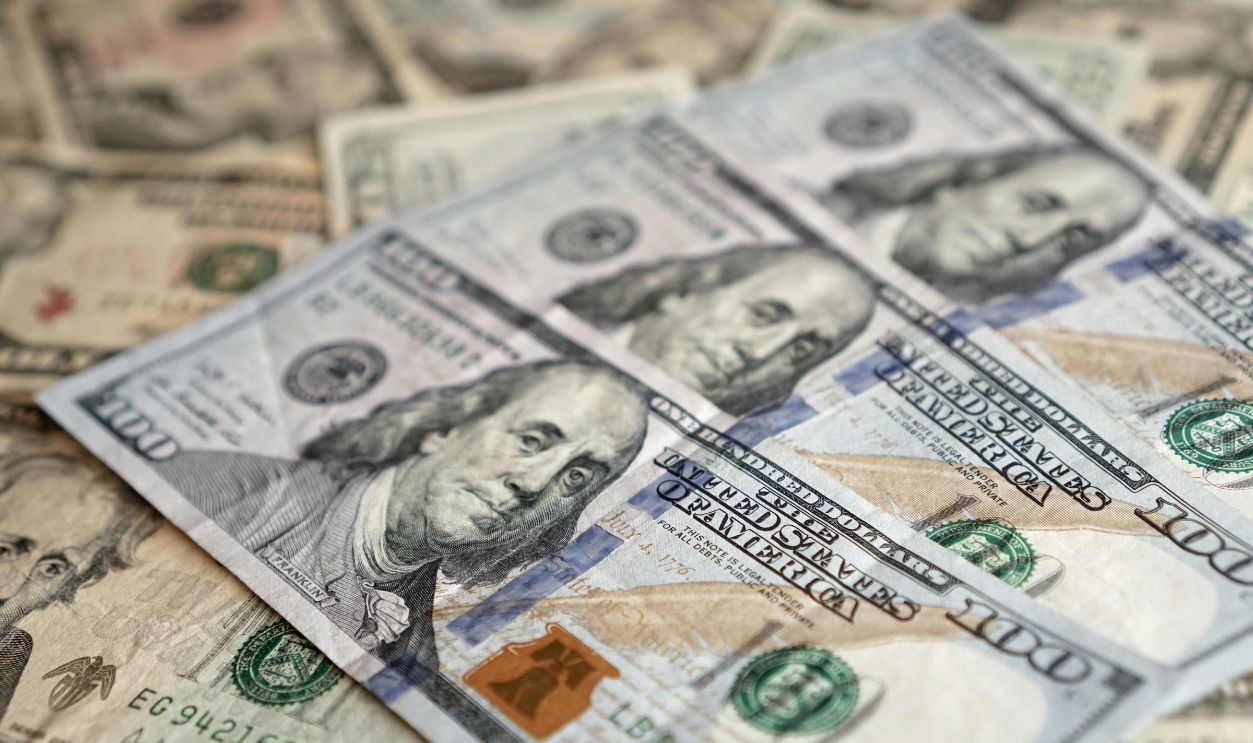
Truth About A Forgotten Bill
Unlike other denominations, the $50 bill sits at an uncomfortable crossroads between daily spending and large transactions. Over time, technology, security concerns, and consumer behavior quietly pushed it out of favor across the modern American economy.
 David Toledo, Pexels, Modified
Why US Currency Has Multiple Denominations
The US dollar is printed in multiple denominations to match different spending situations. Smaller bills help with daily purchases like food or gas, while larger bills support bigger withdrawals. This system keeps cash practical and easy to use everywhere.
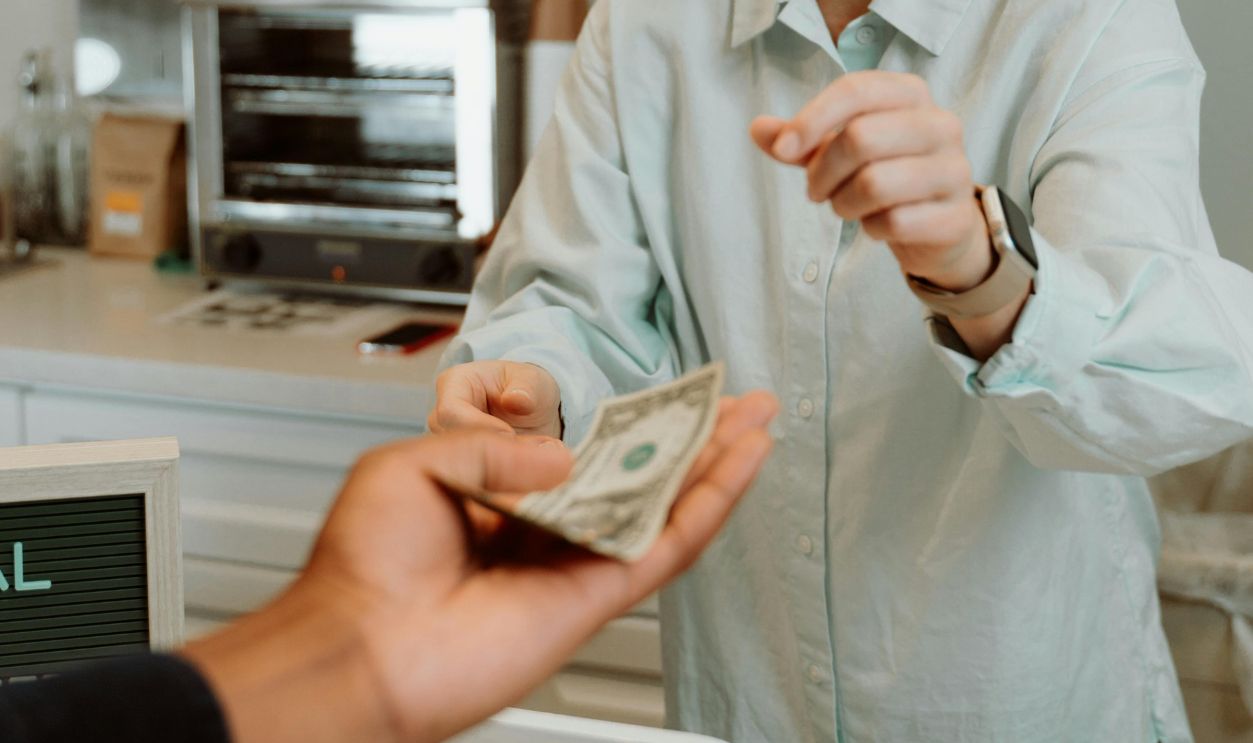
Cash Handling In US Banks
Walking into a bank for cash feels easy. But behind the counter, every bill is recorded and stored carefully. Banks operate with daily cash limits to make sure they have just enough money on hand to meet customer needs.

How Banks Predict Cash Needs
Banks study customer behavior closely. They track which bills people withdraw most often and adjust their orders accordingly. Since most withdrawals involve smaller bills, banks plan their cash supply around popular denominations instead of evenly stocking every type.

History Of The $50 Bill
The $50 bill first appeared in 1861, during the Civil War, when the government needed more paper money to fund operations. Today’s version features Ulysses S. Grant on the front, while the back shows the iconic US Capitol building.
 Karolina Grabowska www.kaboompics.com, Pexels
Counterfeiting History
For many years, the $50 bill was a common target for counterfeiters because it held good value without attracting the same attention as $100 bills. In 2004, the US government redesigned it with stronger security features to ensure it does not happen again.

Design And Security Features
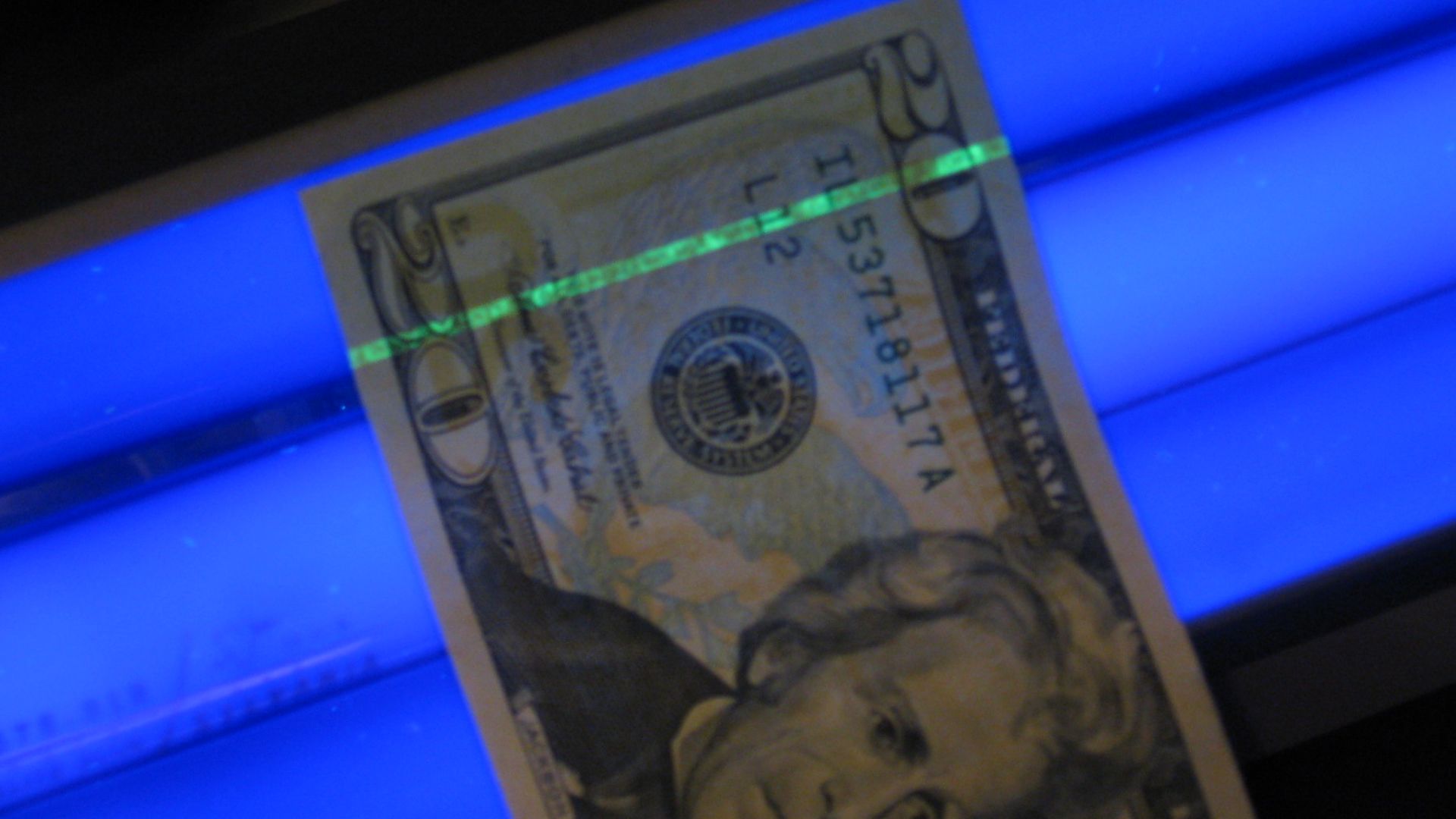
The bill includes several built-in protections. A faint image of Grant appears as a watermark when held to light. A security thread glows yellow under ultraviolet light, and special ink shifts color from copper to green. People now look out for these features for recognition.
 Scott Nazelrod, Wikimedia Commons
Superstitions And Bad Luck Beliefs
Over time, this particular banknote picked up an unlucky reputation as well. It’s often linked to the 1947 murder of gangster Bugsy Siegel, who was reportedly found with $50 in his pocket. As the story spread, many gamblers began avoiding it altogether.

Superstitions And Bad Luck Beliefs (Cont.)
Even today, some casinos still discourage its use at gaming tables. You will hardly get the tokens for this denomination at the casino cage, and even if they do, most gamblers end up refusing them. The $100 dollar bills dominate the market here.

Circulation Statistics
Despite its long history, the bill remains uncommon. In 2019, only about 3.5% of newly printed US notes were $50s. During the pandemic in 2022, production jumped to 756 million, though $20 bills still dominate circulation in official US currency production reports.
 Centre for Ageing Better, Pexels
Average Lifespan Of A $50 Bill
Because it’s used less often, the bill tends to last much longer than smaller notes. On average, it stays in circulation for about 12.2 years before needing replacement. By comparison, a $20 bill typically wears out after roughly 7.8 years as per official US currency data.
 Karolina Grabowska www.kaboompics.com, Pexels
Cash Inventory And Workflow
Each bank teller works with a limited cash drawer filled mostly with small and popular bills. Their job is to move customers quickly while keeping cash balanced. Since $50 bills aren’t requested often, tellers usually keep very few within reach.

Retail Acceptance Issues
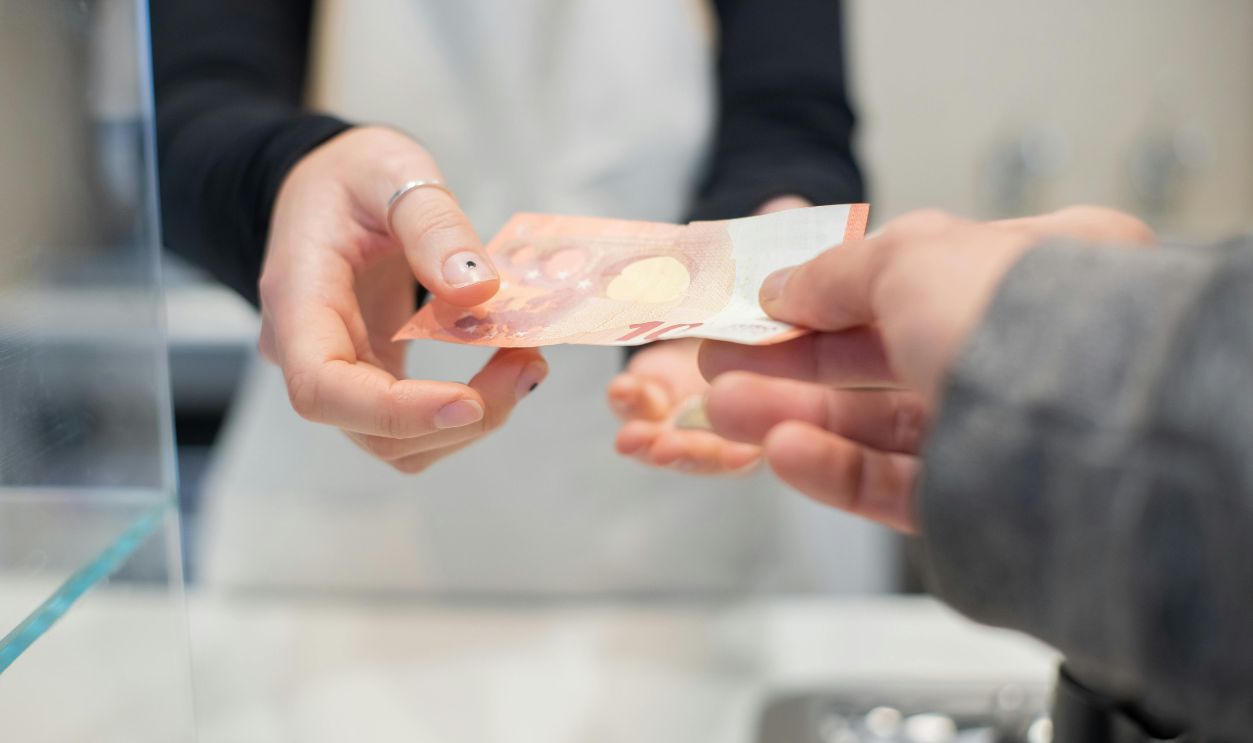
Using a $50 bill in stores often leads to hesitation. Many retailers avoid them due to counterfeiting risks, and smaller businesses simply don’t keep enough change to give back if you pick up something that is not worth $50.
Small Town Vs. Big City Availability
In smaller towns, local bank branches often don’t keep many $50 bills because customers rarely ask for them. Larger city banks may stock some, but even then, distribution is limited. How many $50s a branch carries mostly depends on regional demand.

Travel Abroad
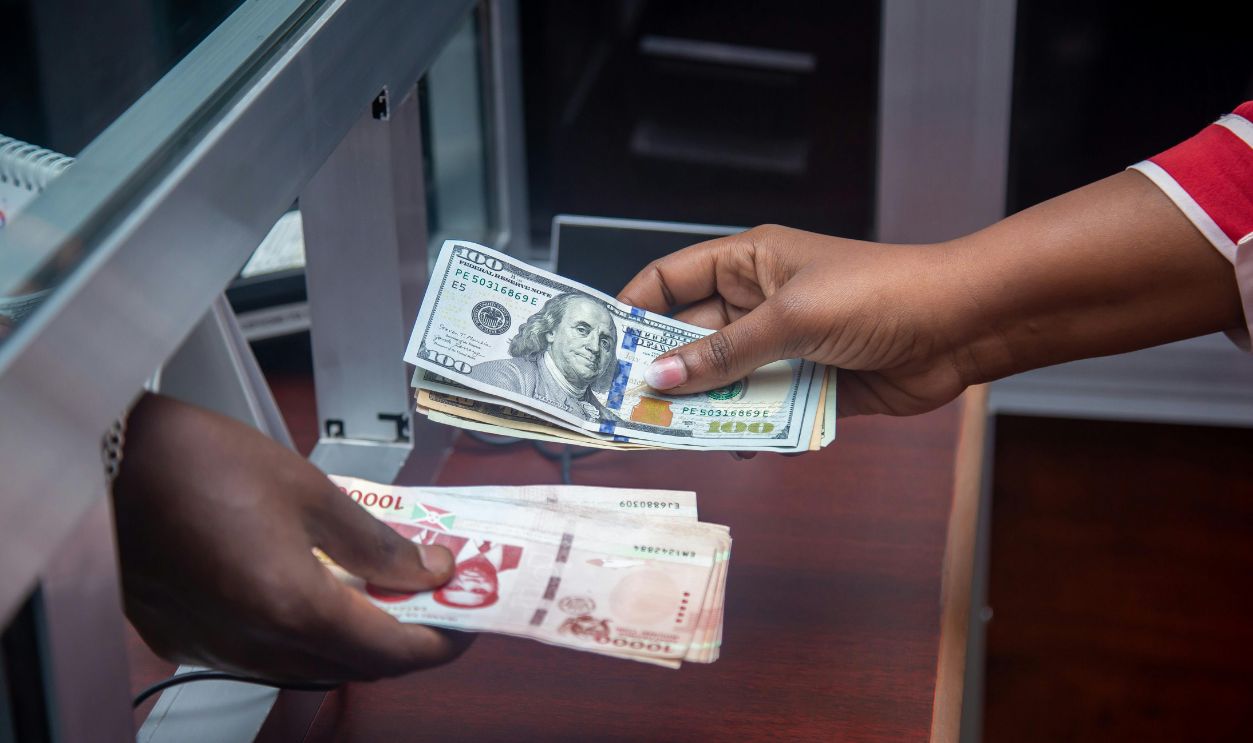
If you travel overseas with these bills, you may run into trouble exchanging them. Many foreign exchange counters prefer $20s or $100s, which are easier to verify and resell. In some countries, they are viewed as higher counterfeit risks despite the details.
Emergency Withdrawals
It is best not to ask the teller for it during urgent situations. It can slow things down because they may need to check multiple drawers or the vault to fulfill your demands. Since $20 bills are always readily available, they’re usually the fastest option when quick cash is needed.

When The Branch Is Low On Cash
Even if the tellers try to play by the books and stay fully stocked, they sometimes run low on cash. In such situations, asking them or a specific denomination may be an issue. They might have to call another branch to fulfill your request.

Role In Federal Reserve Distribution Strategy
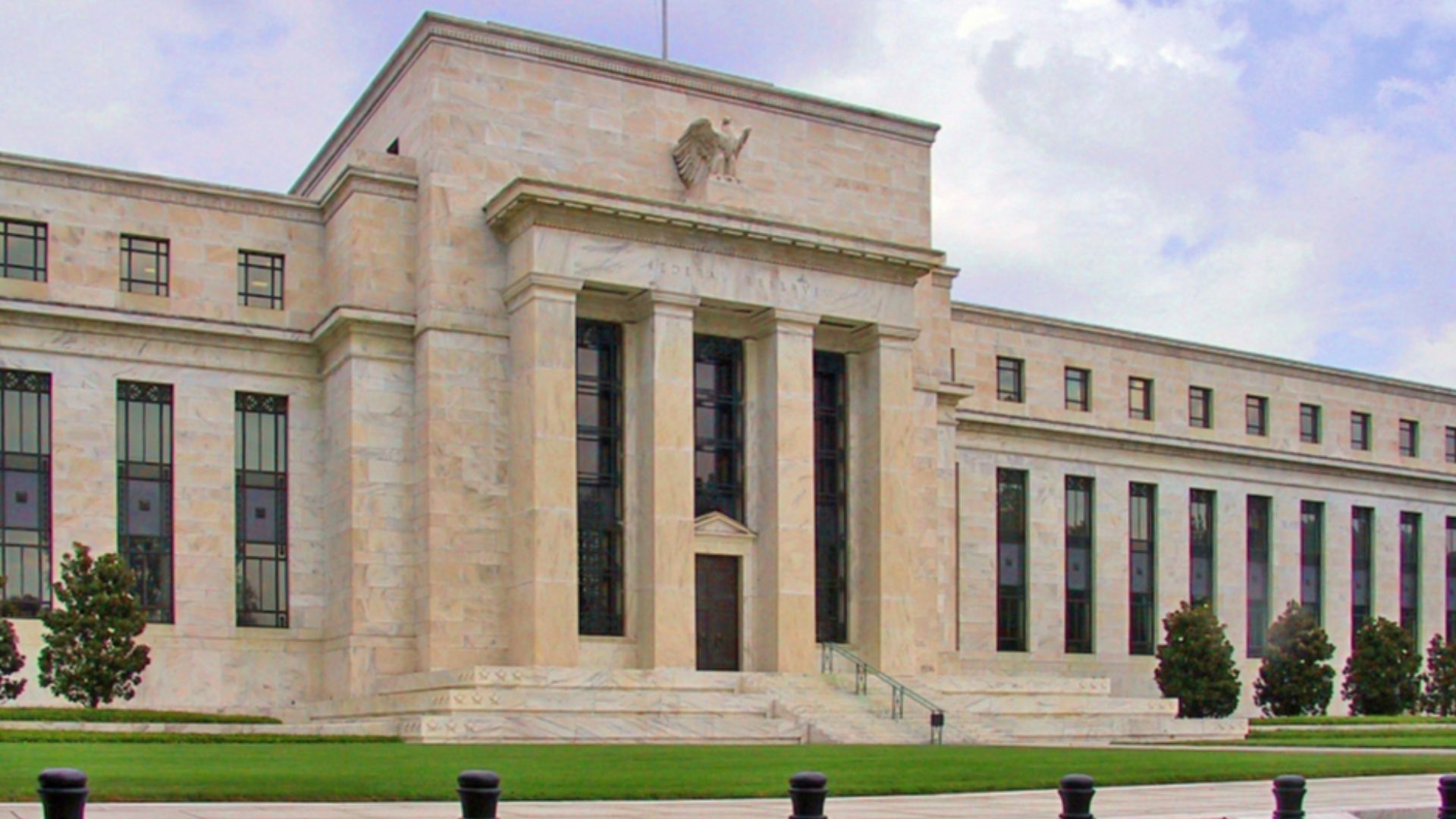
When planning currency distribution, the Federal Reserve prints far fewer mid-range notes because demand stays consistently low. The division is based on this demand, as they need to use resources optimally so the printing makes sense.
Holiday Seasons
As the holidays approach, banks adjust their cash supplies to match shopping habits. Large amounts of $20 bills are stocked for everyday purchases and gifting, and $100 bills support bigger withdrawals. Requests for mid-range denominations remain low, which makes them uncommon during busy holiday periods.
Digital Banking Shift
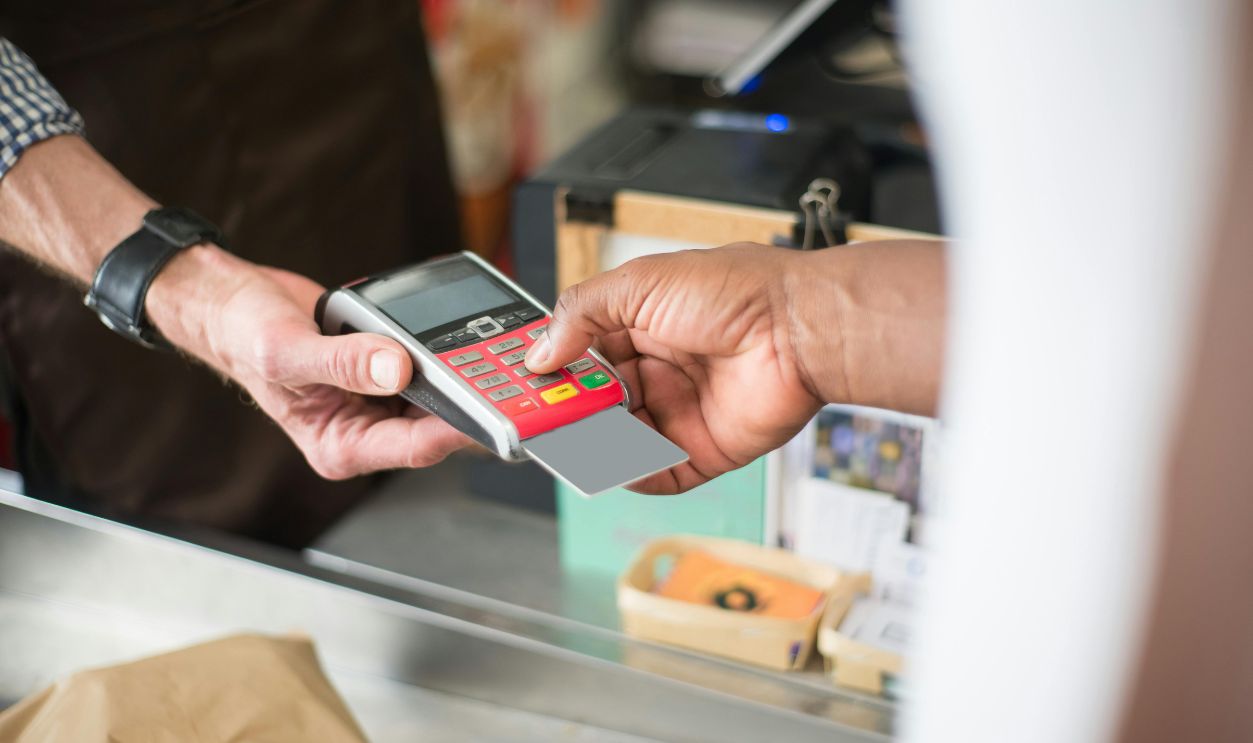
As Americans increasingly rely on debit cards and online payments, the need for physical cash continues to drop. When cash is used, smaller bills remain more practical for everyday spending. $50 denominations slowly lose relevance compared to other options.
Limited Cash Deliveries And Customer Impact
In situations where cash deliveries from the Federal Reserve or armored carriers are tight, banks prioritize the notes that are needed more, either for retail or the bigger holdings. Other notes are often reduced or skipped entirely. As a result, customers requesting them during shortages may be given other denominations instead.

ATM Configuration Costs
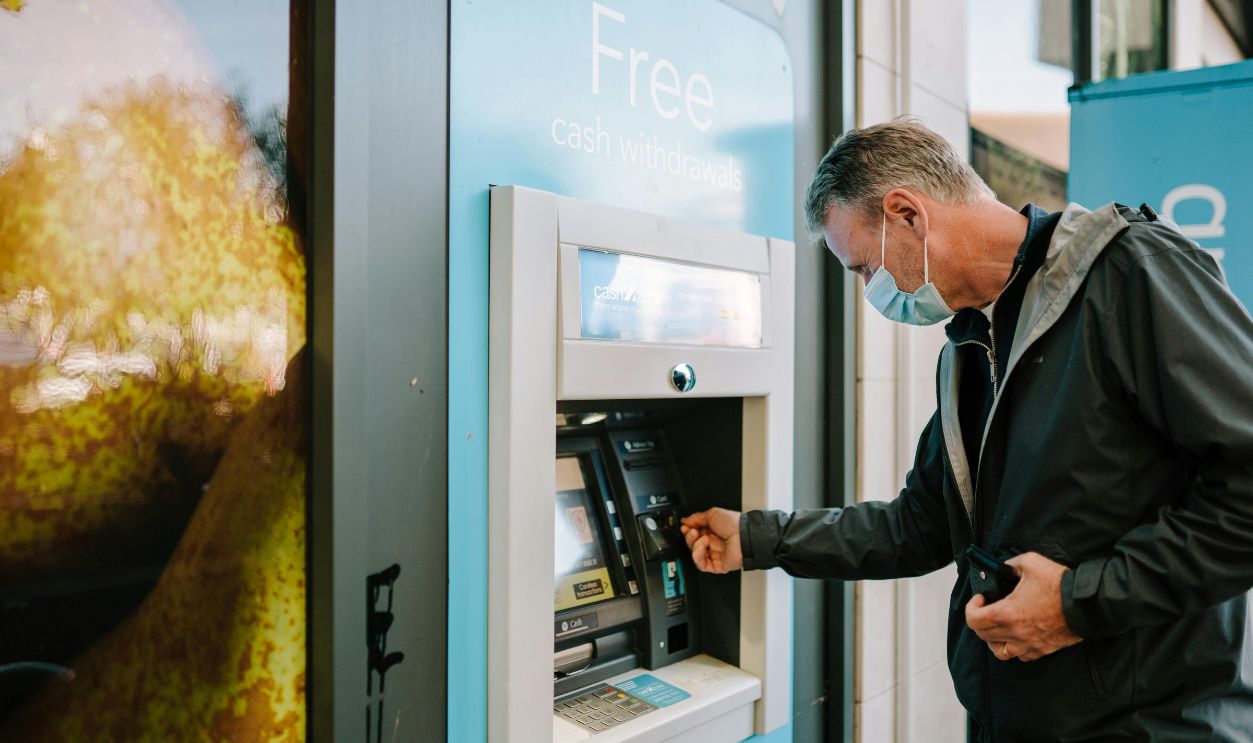
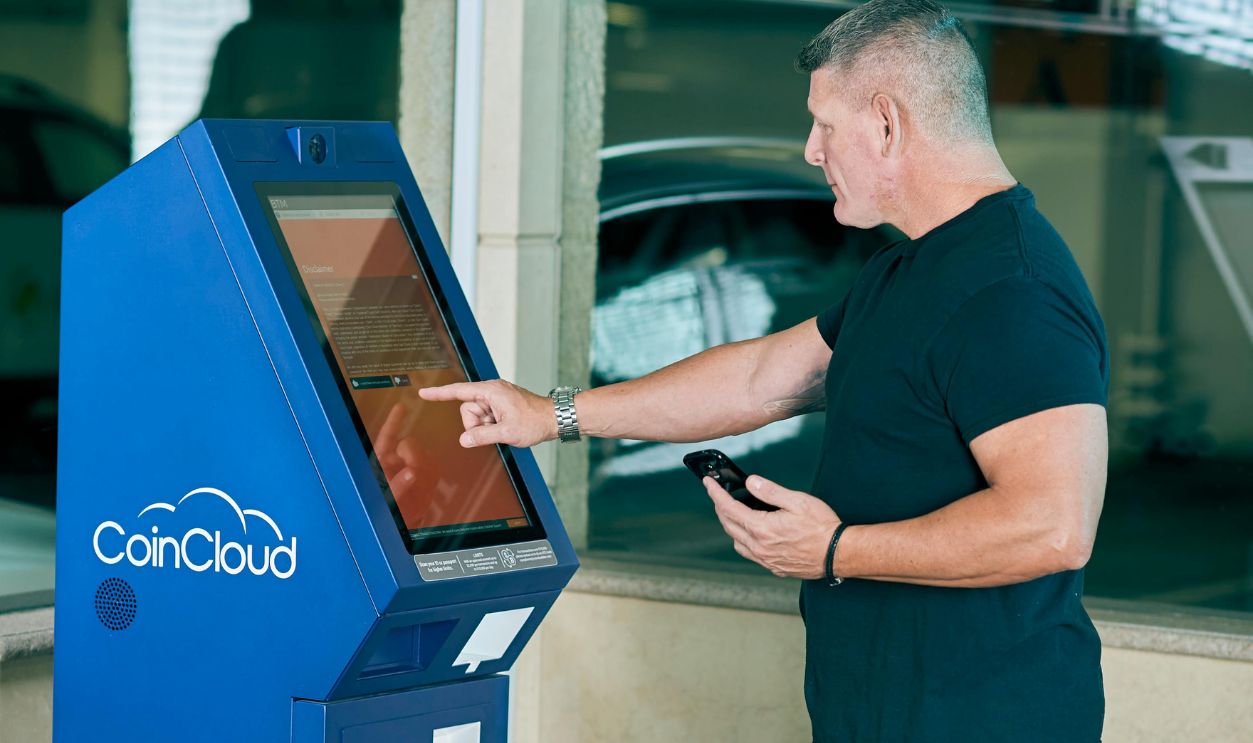
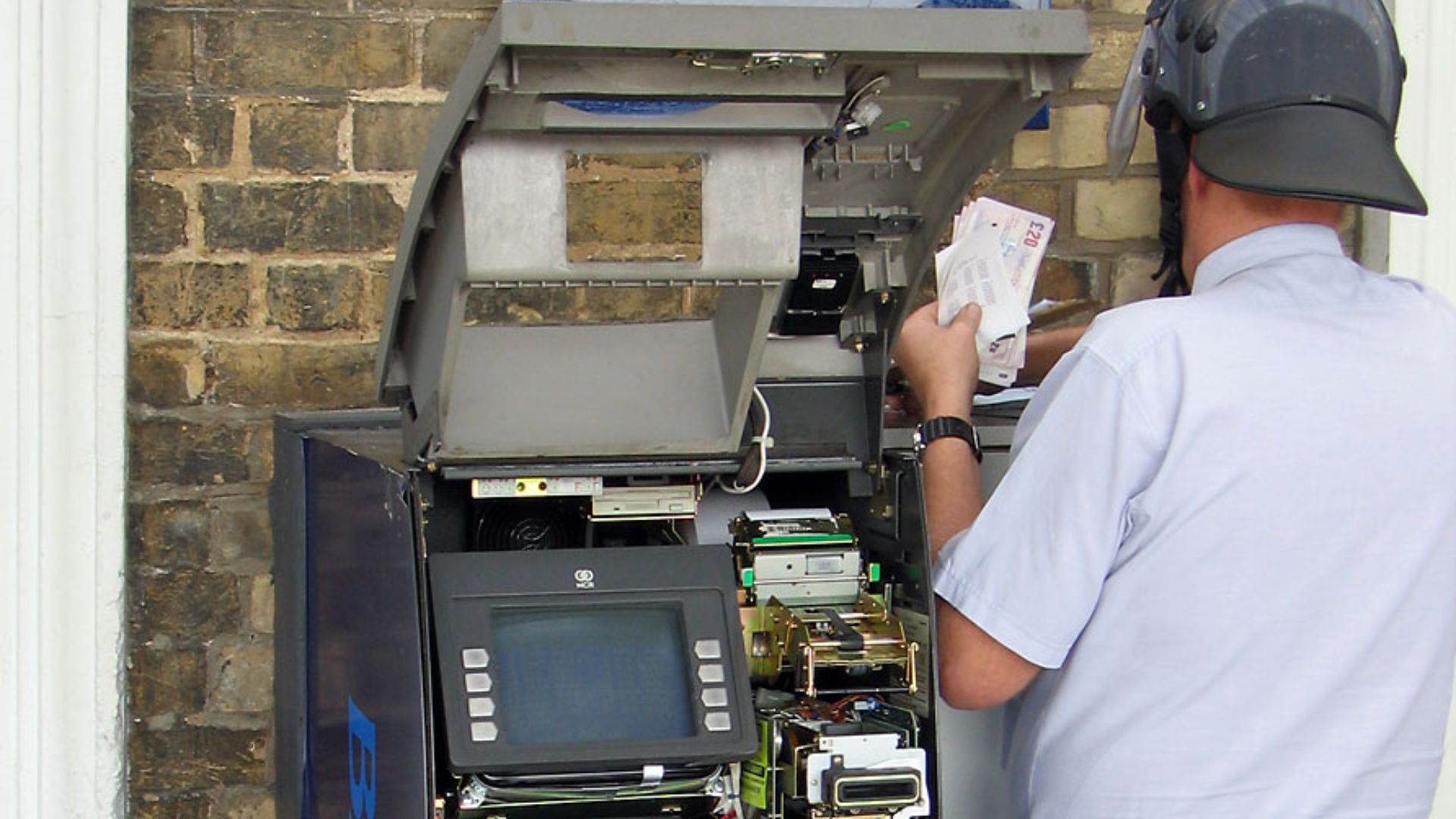
Each ATM has separate cash cassettes for different denominations, and adding more options increases maintenance and refill costs. Since a few customers request mid-range bills, banks rarely configure machines to dispense them.
 Andrew Dunn (EN Wikipedia User Page) (Official Website), Wikimedia Commons
Vending Machine Rejection
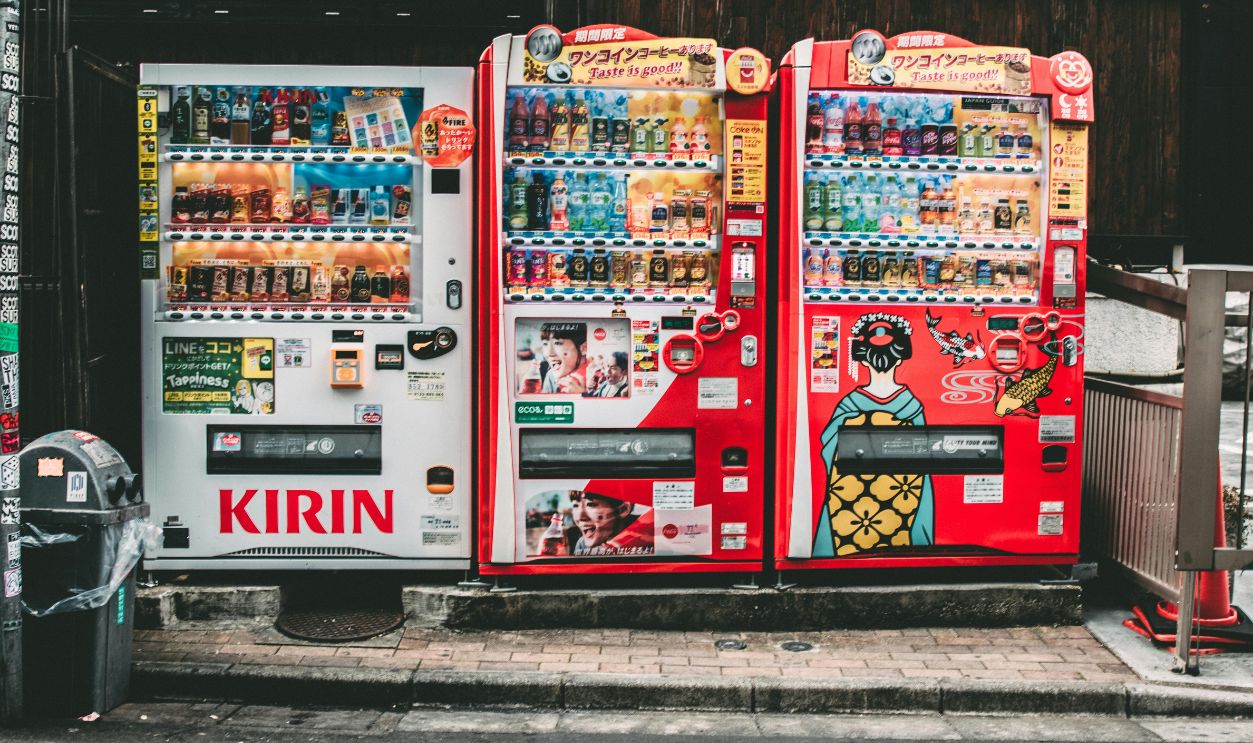
Most vending machines won't accept them because the technology costs too much to install. Operators stick with slots for singles or fives since those cover nearly every purchase. Your 50 sits useless while smaller bills work instantly.
Gift-Giving Awkwardness
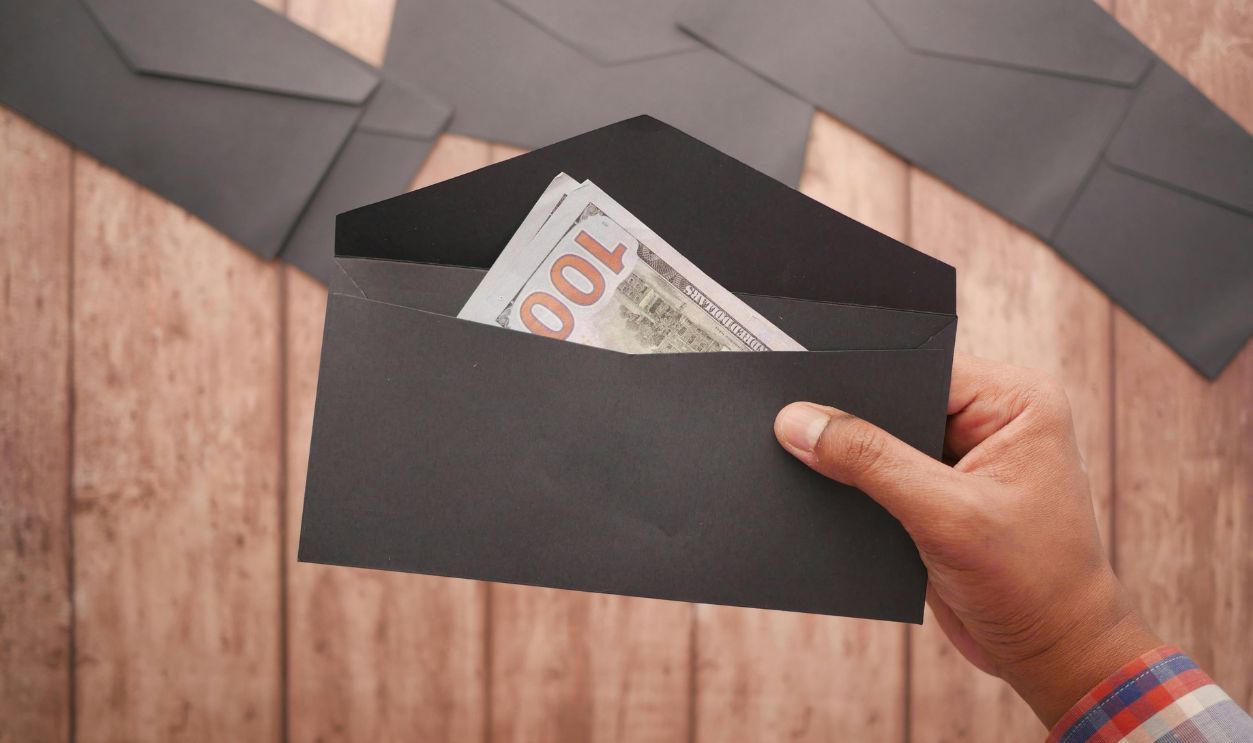
Handing someone a 50 feels oddly specific compared to crisp 20 or a clean 100. It's too much for casual thanks but feels insufficient for major occasions. Most people avoid this denomination entirely when choosing cash gifts for weddings or graduations.
Tipping Culture Complications
Leaving a 50 as a tip creates weird math for servers and bartenders. It's either too generous for small bills or forces them to make change when they're busy. Cash tippers usually carry smaller denominations to avoid awkward situations.
 Centre for Ageing Better, Pexels
Bill Redesign Timeline Gaps
The Treasury updated the 50 in 2004, then focused resources elsewhere for years. The $20 got refreshed multiple times while the $50 waited. This sporadic attention reflects how little the government prioritizes a denomination most Americans ignore anyway.