Pushing The $5,000 Mark
Few people expect a routine bank visit to slow down once a withdrawal grows larger, and pulling $5,000 from a bank account seems ordinary. However, extra questions and identity checks appear without warning, and behind the counter, a series of quiet rules come to life.
 BongkarnGraphic, Shutterstock, Modified
It Feels Simple To Withdraw Your Own Money
Withdrawing money feels straightforward because the balance already belongs to you. There is no purchase, no approval, and no debt involved. That assumption holds for small amounts, but it quietly starts to change once cash totals climb into the thousands.
The Moment Cash Stops Being Routine
Cash withdrawals feel routine until they reach a psychological threshold. Four figures signal something different to banks and systems. It is not about suspicion or wrongdoing, but about procedures designed for security and managing limited physical currency inside each branch.
As Four Figures Change The Tone At The Counter
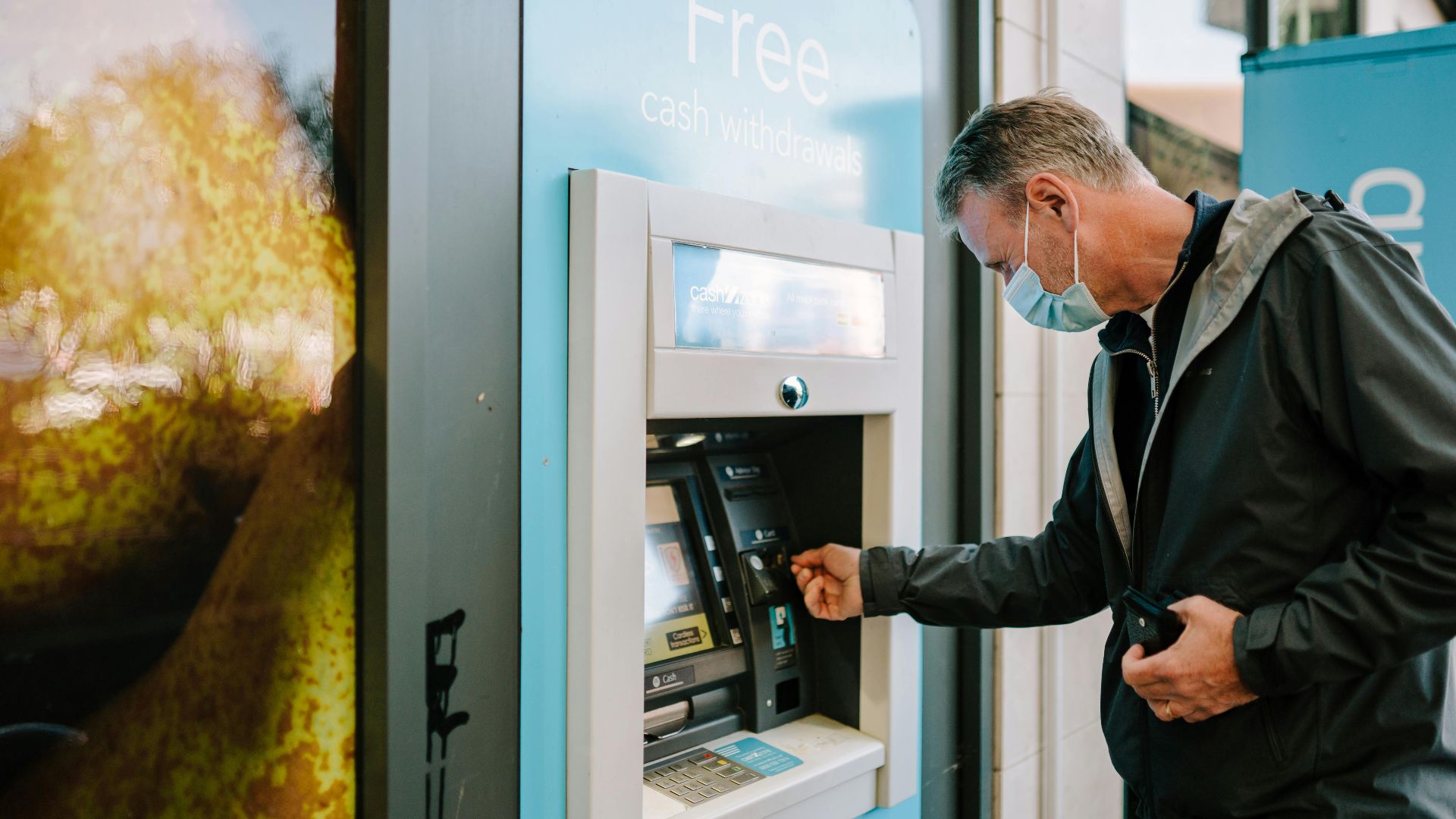
Large cash movements require tracking and awareness of daily limits. Once a withdrawal reaches four figures, banks shift from convenience to coordination. This protects customers, employees, and the institution itself, while reducing theft risk and fraud attempts.
 Centre for Ageing Better, Pexels
Most Branches Do Not Stock Unlimited Cash
Despite popular belief, most bank branches do not store unlimited cash. Smaller locations especially rely on scheduled deliveries and daily forecasts. Cash levels fluctuate constantly as customers deposit and withdraw money. In other words, availability can change quickly depending on traffic and on recent large transactions.

Timing Matters More Than People Realize
Mornings after heavy withdrawals or holiday weekends can drain supplies faster than expected. The same request may be approved instantly one day and delayed another due to demand patterns. Simply, the bank might not have enough cash to give you.

Tellers Sometimes Ask You To Come Back Later
Tellers may ask customers to return later when available cash runs low. This is usually logistical, not personal. Branches manage drawers carefully to avoid shortages. Ordering additional cash often requires overnight delivery, especially for nonstandard amounts or specific bill denominations.

Calling Ahead Can Quietly Solve Everything
Just so you know, a quick phone call before visiting a branch can prevent delays. Banks can confirm cash availability and note your request. This small step often turns a potentially frustrating experience into a smooth transaction completed quickly without unnecessary explanations.

Limits Make Cash Harder Than Expected
ATMs feel convenient, but daily withdrawal limits make large cash amounts difficult. Most banks cap withdrawals well below $5,000. Even premium accounts have ceilings. As a result, identification checks and cash availability become unavoidable parts of the process itself.

Why You Almost Always Need To Go Inside
For such withdrawals, banks require face-to-face verification. Seeing a customer helps prevent fraud or coercion. ATMs can’t assess context or confirm intent, so human review becomes essential when cash amounts increase beyond everyday norms.

The ID Check Feels Personal, But It Isn’t
Presenting identification during a large withdrawal can feel intrusive. However, it is standard procedure. Banks must verify identity to protect account holders. These checks reduce theft and scams, ensuring the person requesting cash is authorized and acting voluntarily under normal circumstances.

Why Banks Ask What The Cash Is For
Banks often ask about the purpose of a large withdrawal as part of fraud prevention. The question helps identify scams or unusual pressure. Customers are not required to share details, and simple answers usually satisfy internal policies.

What You Are And Are Not Required To Say
Customers control how much information they share during a withdrawal. Providing a broad explanation is enough. Banks cannot demand specifics unless activity appears suspicious. Understanding this boundary helps customers feel confident and informed without oversharing personal financial plans.

The $10,000 Line Everyone Worries About
Many people believe that any large cash withdrawal alerts the government, but that concern centers on a specific threshold. Federal rules require banks to file a report only when cash transactions exceed $10,000 in a single business day, not when amounts fall below it.

The $5,000 Amount Does Not Trigger An IRS Report
A $5,000 cash withdrawal stays well under federal reporting requirements. No automatic IRS notice occurs, and there is no tax consequence simply for accessing personal funds. The transaction is documented internally. It remains routine from a regulatory standpoint.

The Real Red Flag Banks Watch For Instead
Banks pay closer attention to patterns than to single transactions. Repeated withdrawals designed to stay under reporting limits can raise concern. This behavior, known as structuring, appears more suspicious than a single larger withdrawal and can prompt closer review by compliance departments.

How Structuring Causes More Trouble Than Cash
Structuring is illegal because it suggests intent to avoid reporting rules. Even unintentional patterns can be flagged by automated systems. Multiple smaller withdrawals across days may attract more scrutiny than a single transparent transaction, creating complications that most customers never anticipate.

Banks Slow Things Down For Your Protection
Your bank’s employees may pause or ask additional questions if they sense potential fraud, scams, or coercion. These delays protect customers from losing money under pressure. Staff are trained to recognize warning signs, especially when large cash amounts are involved, and circumstances seem unusual or rushed.

The Moment The Cash Becomes Your Responsibility
Once cash is handed over, the bank’s responsibility ends immediately. If money is lost or stolen, it can’t be replaced. This reality explains why financial institutions often caution customers and suggest alternatives when large sums are withdrawn in physical form.

Most Quietly Discourage Large Cash Carries
Carrying large amounts of cash increases personal risk without offering protection. Banks understand this and often recommend safer options. Cash lacks tracking or insurance, making it far less forgiving than electronic transfers or official checks once something goes wrong outside the branch.

But Cash Actually Sometimes Makes Sense
Despite the risks, cash still has practical uses. Certain private sales or situations without reliable digital access may require physical currency. In these cases, cash offers immediacy and simplicity, provided both parties understand the risks.

Safer Alternatives Many People Overlook
Many people default to cash without considering safer tools. Cashier’s checks, wire transfers, and electronic payments offer traceability and security. These options reduce theft risk and disputes, especially for large purchases like vehicles or deposits, while still providing speed and legitimacy.

The Hidden Cost Of Idle Money In Checking
Money sitting in a checking account may feel accessible, but it quietly loses value. Most checking accounts earn little or no interest. Over time, inflation erodes purchasing power, turning convenience into an unseen cost that adds up faster than many account holders expect.

Why High-Yield Savings Changed This Conversation
High-yield savings accounts now offer returns far above traditional checking. They provide liquidity with better growth and minimal risk. This shift has changed how people manage cash and made it easier to keep funds accessible without resorting to large withdrawals that carry added responsibility.

What To Remember Before Your Next Withdrawal
Withdrawing $5,000 is legal and common, but preparation matters. Calling ahead and weighing alternatives can save time and reduce risk. Knowing how banks operate helps you stay confident and in control of your money throughout the process.