

Debt Meets Saturation
Cellphone service used to feel predictable. Then prices jumped, promises changed, and loyalty vanished. What follows is a grounded look at how pressure quietly built across the industry, leaving carriers reacting instead of leading today.
 Tony Webster, Wikimedia Commons, Modified
Telecom Industry Overview
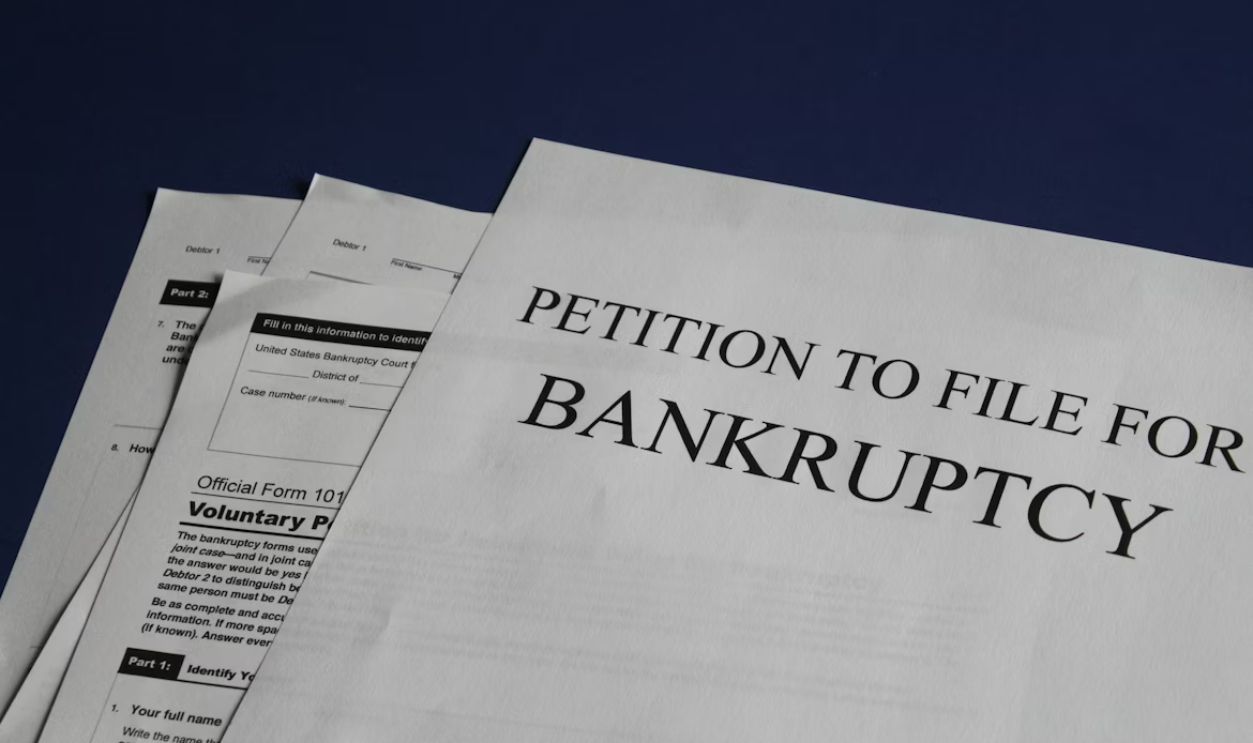
The wireless telecommunications sector enters 2026, allegedly facing a turbulent period since the early 2000s telecom implosion, when WorldCom collapsed, and 23 major companies filed for bankruptcy. Industry revenue declined at 0.8% annually to reach $326.4 billion in 2025, marking a significant contraction.
Historic Bankruptcy Wave Context
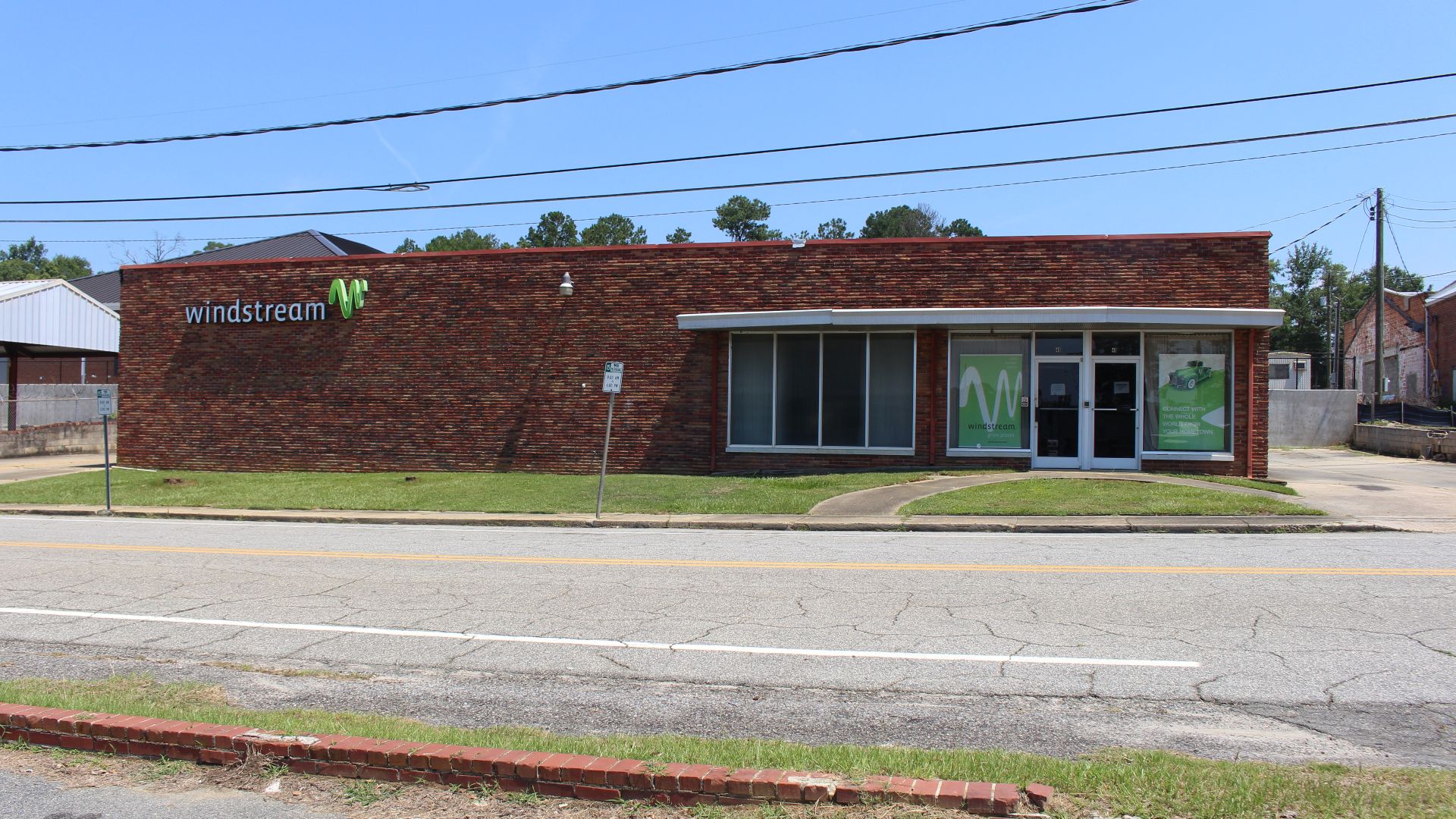
Between 2018 and 2023, more than 20 major telecommunications companies filed for bankruptcy protection, including giants such as Cyxtera, Starry, Frontier Communications, and Windstream. The Great Telecom Implosion of the early 2000s saw stock values plummet 86% for communication technology indexes and 89% for wireless communications specifically.
 Michael Rivera, Wikimedia Commons
EchoStar DISH Network Situation
EchoStar Corporation faces immediate bankruptcy risk after missing a $326 million interest payment due May 30, 2025, on its 10.75% senior notes. The company must make this payment by late June or enter Chapter 11 protection. MoffettNathanson analyst Craig Moffett predicted bankruptcy within four to six months.
 Dustin Moore, Wikimedia Commons
Boost Mobile Decommissioning Network
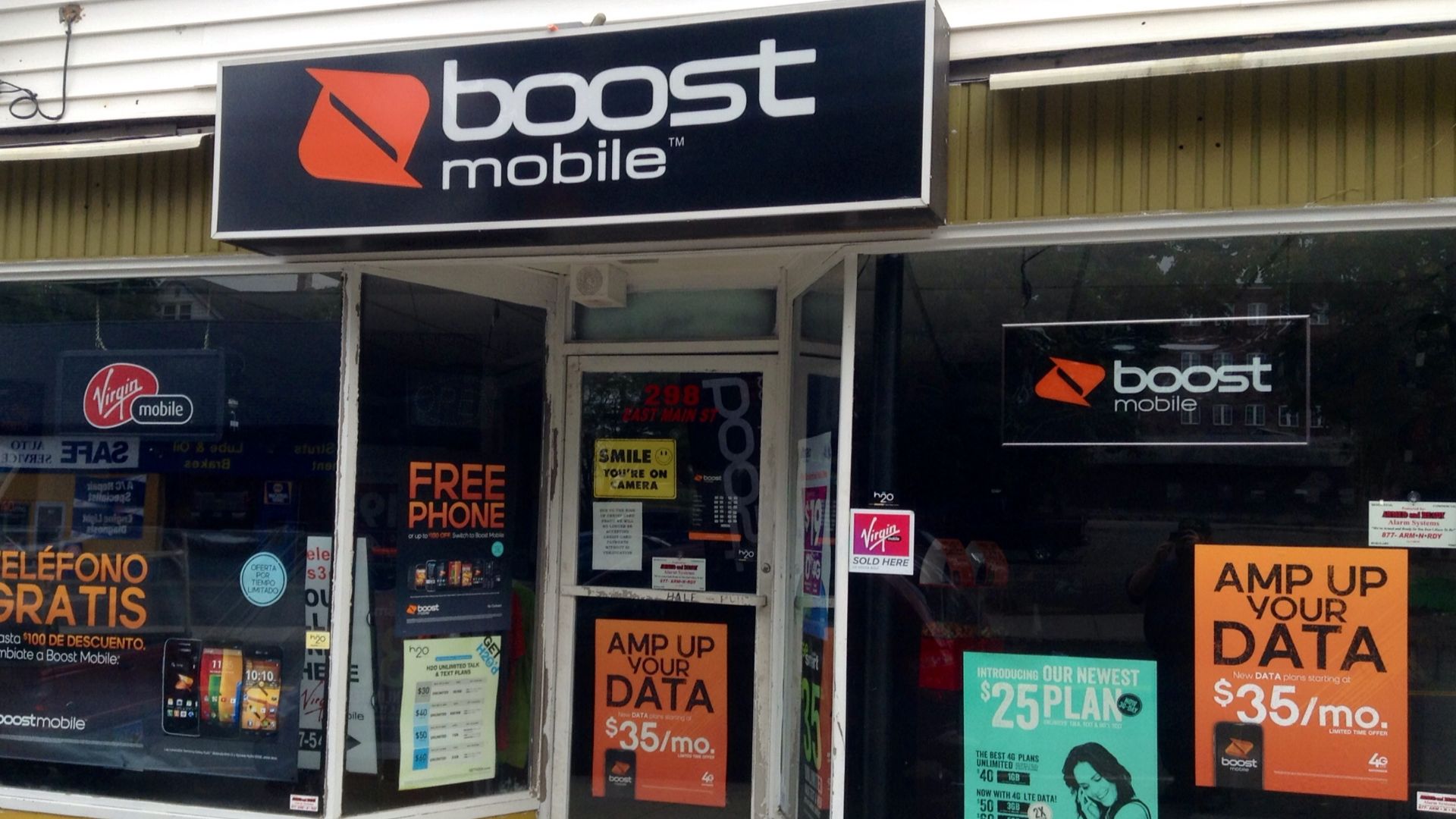
Elements of Boost's radio access network will be systematically decommissioned over time despite the company deploying over 25,000 5G sites nationwide. This represents a stunning reversal from 2020, when federal regulators positioned DISH to replace Sprint as America's fourth facilities-based wireless carrier.
 Mike Mozart from Funny YouTube, USA, Wikimedia Commons
UScellular Sold To T-Mobile
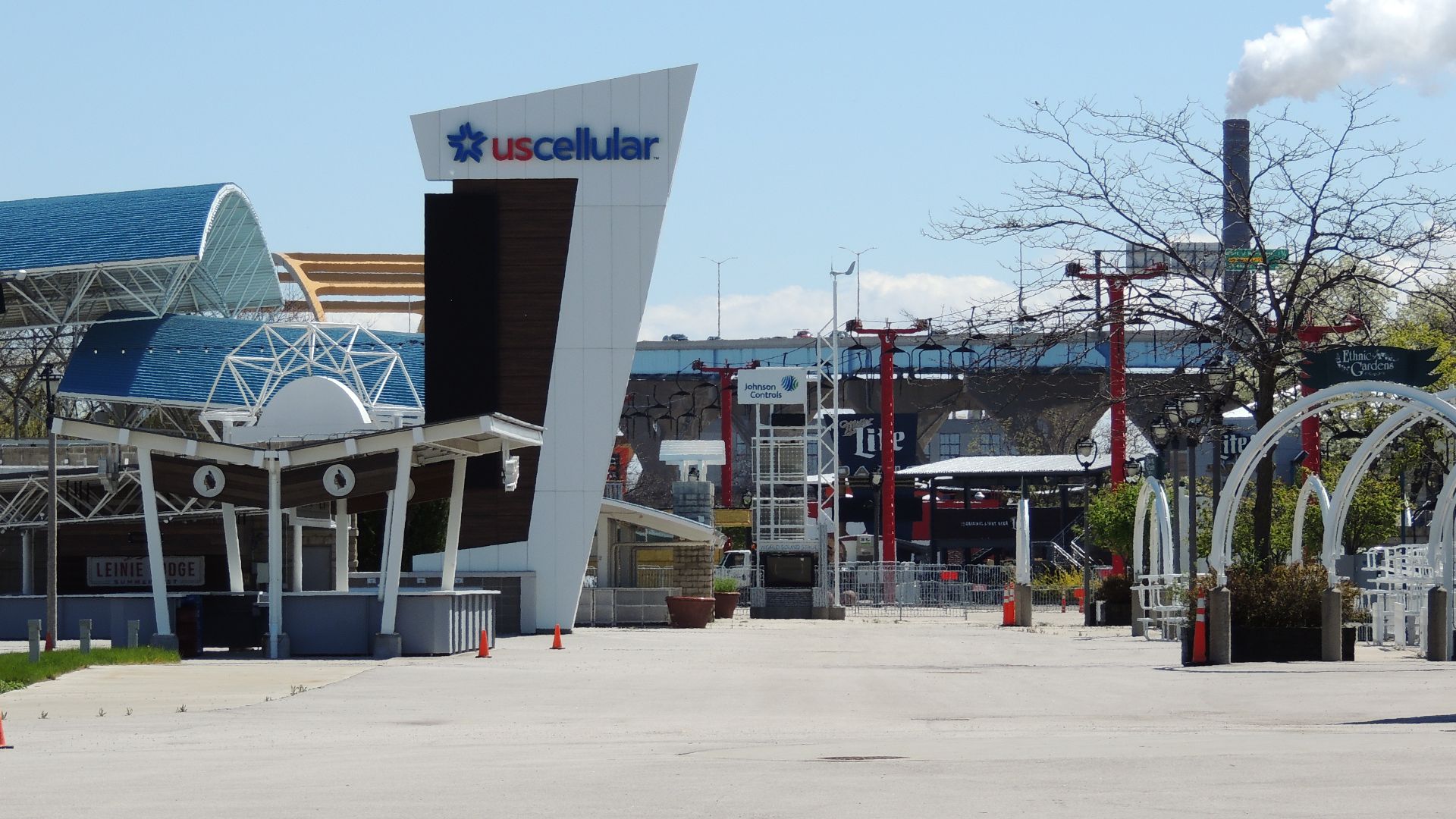
T-Mobile completed its $4.3 billion acquisition of UScellular's wireless operations on August 1, 2025, effectively eliminating America's fifth-largest carrier from the marketplace. The deal included $2.6 billion in cash and approximately $1.7 billion in assumed debt through bondholder exchanges.
 Asher Heimermann, Wikimedia Commons
Regional Carriers Vanishing Nationwide
The regional carrier landscape collapsed throughout 2025 as consolidation eliminated competition across dozens of markets. Beyond UScellular's absorption by T-Mobile, smaller regional players faced extinction through bankruptcy or forced asset sales. Analysts at S&P Global Ratings warned that subscriber and service revenue growth would slow significantly in 2026.
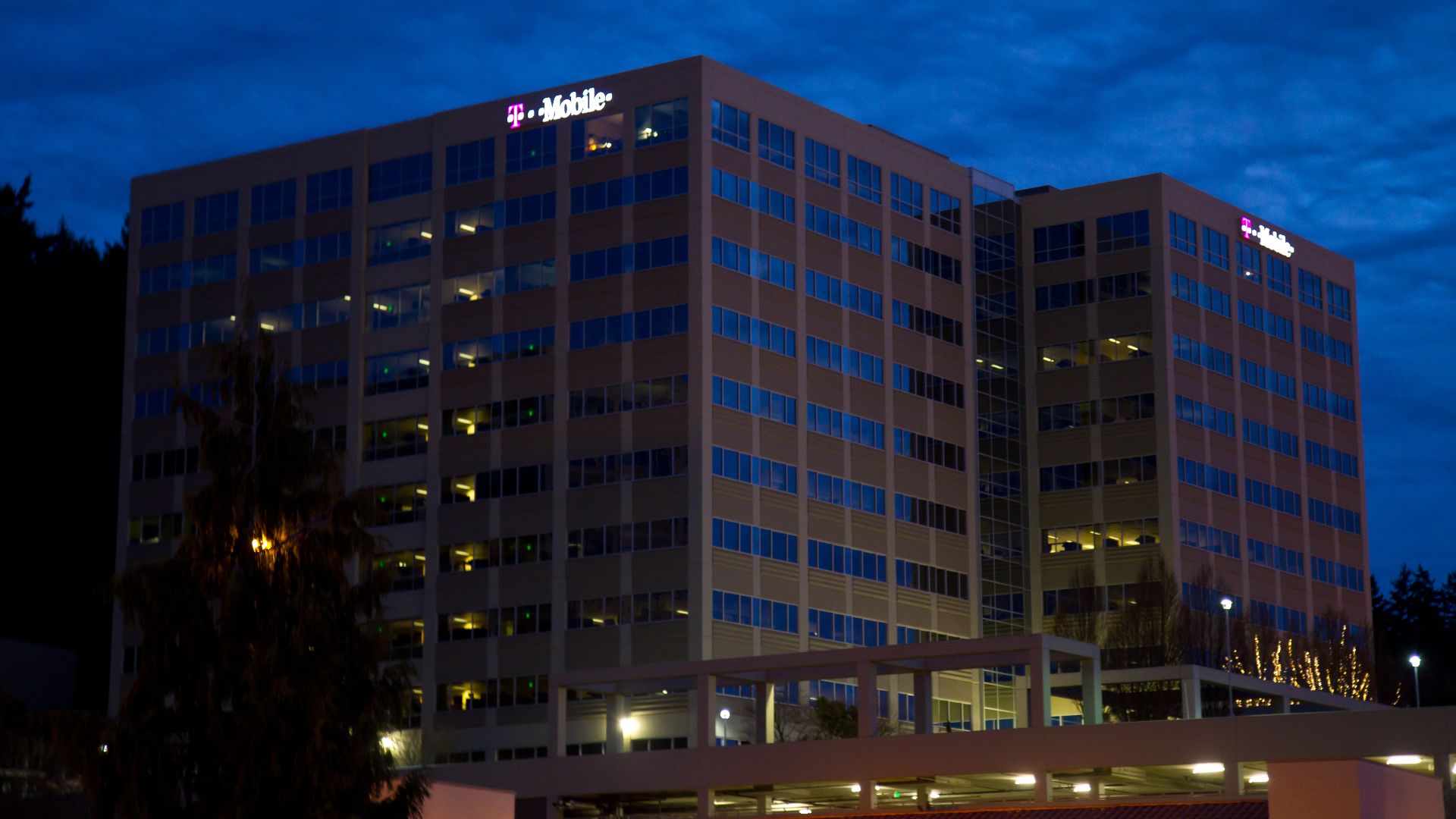
Verizon's Negative Subscriber Growth
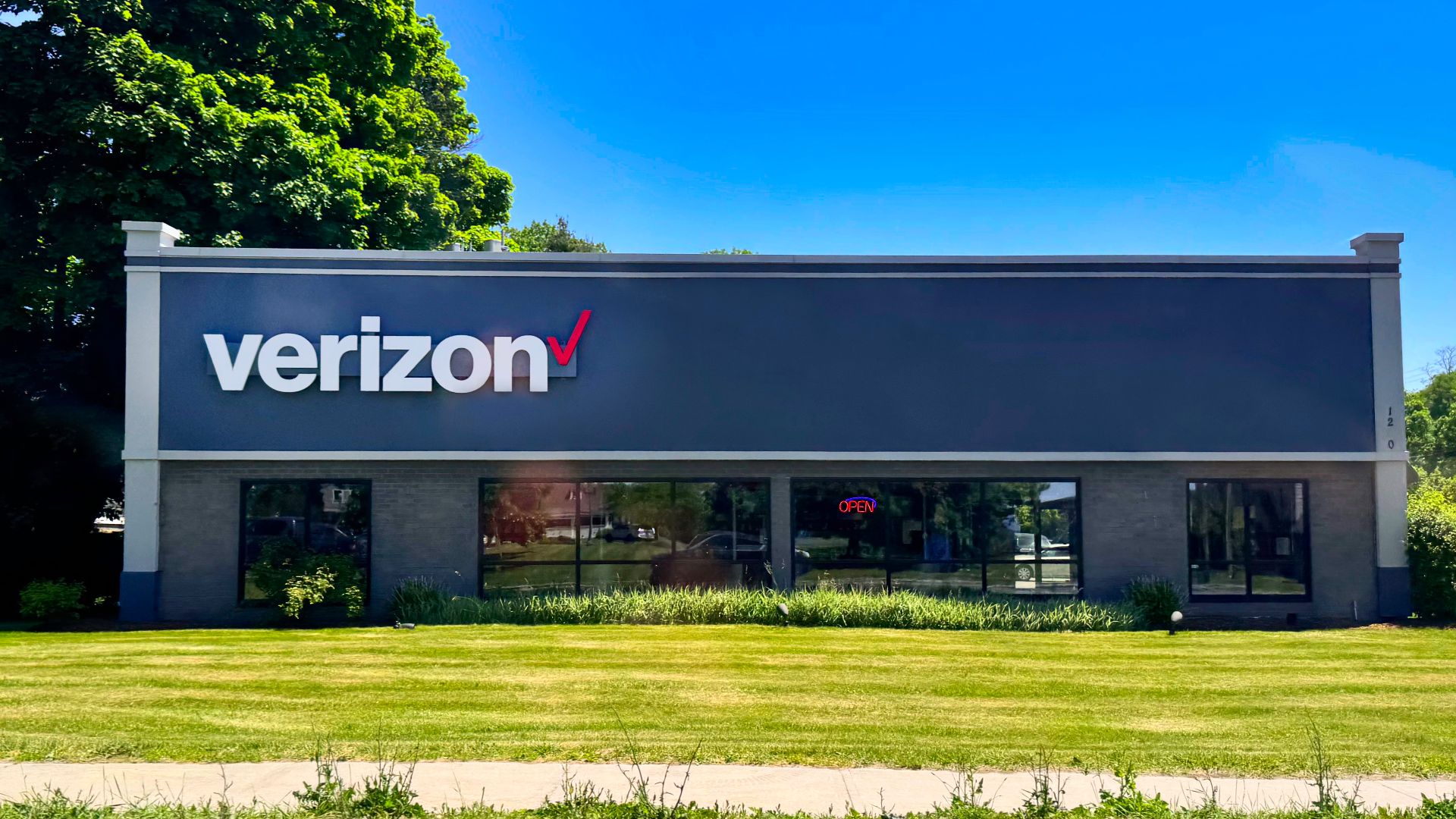
Verizon reported a net loss of 9,000 postpaid subscribers in Q2 2025, missing analyst expectations by 22,000 connections—a catastrophic decline for America's largest carrier. The company's churn rate ballooned to over 1.1% in late 2025 after implementing price hikes and removing previously promised discounts.
 Harrison Keely, Wikimedia Commons
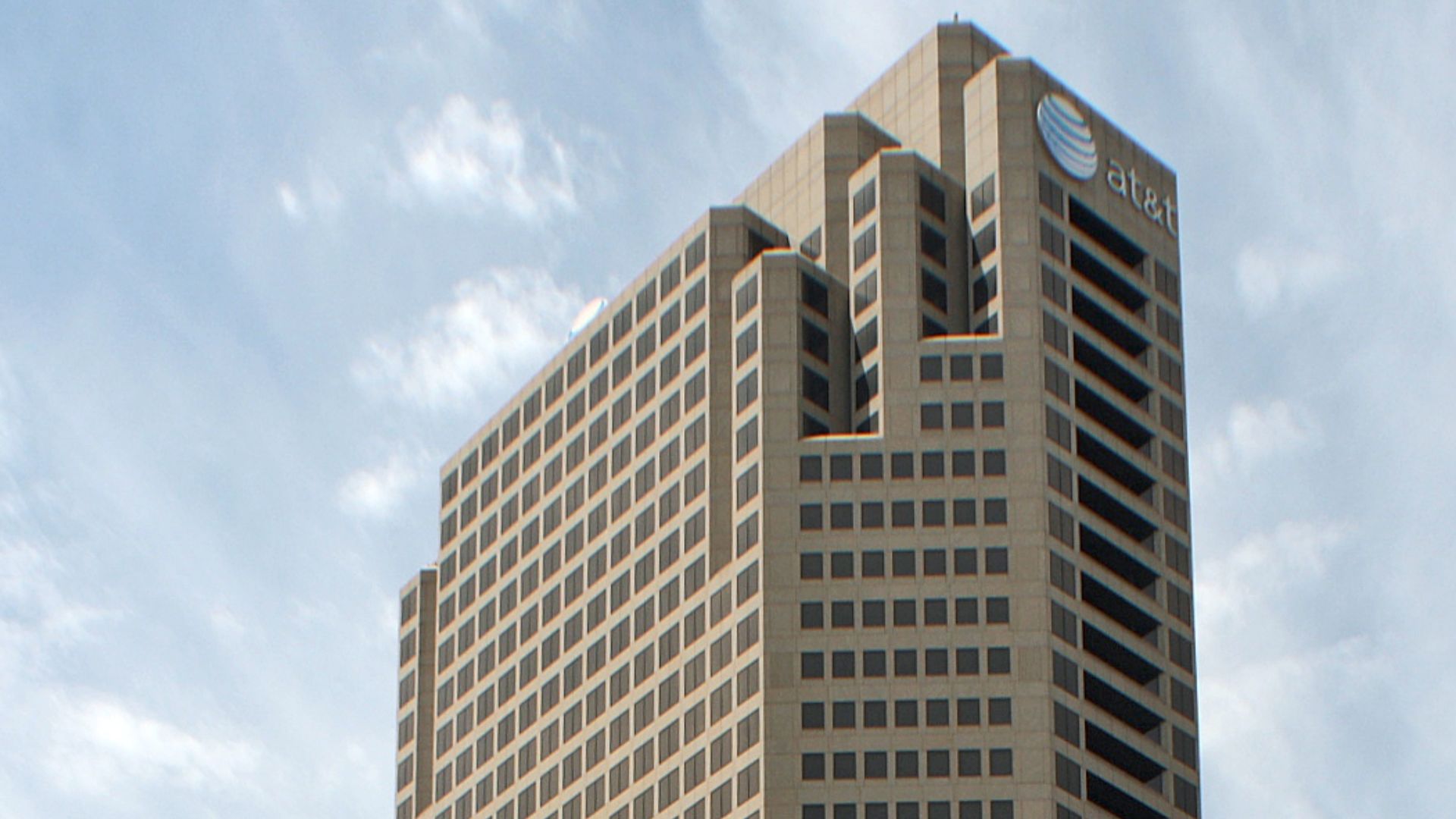
AT&T Autopay Discount Mistake
Then came AT&T's mid-2025 decision to eliminate autopay discounts for customers using credit cards. This triggered a devastating churn spike that competitors immediately exploited in aggressive 2026 marketing campaigns. Despite this unforced error, the company added 324,000 postpaid phone subscribers in Q1 2025.
 Matthew Black from London, UK, Wikimedia Commons
Price War Slashing Margins
The dawn of 2026 brought a scorched-earth pricing environment as the Big Three wireless carriers abandoned years of relative price stability in desperate market share battles. What began as targeted holiday promotions in late 2025 evolved into full-scale warfare characterized by multi-year price guarantees.

Three-Year Price Lock Guarantees
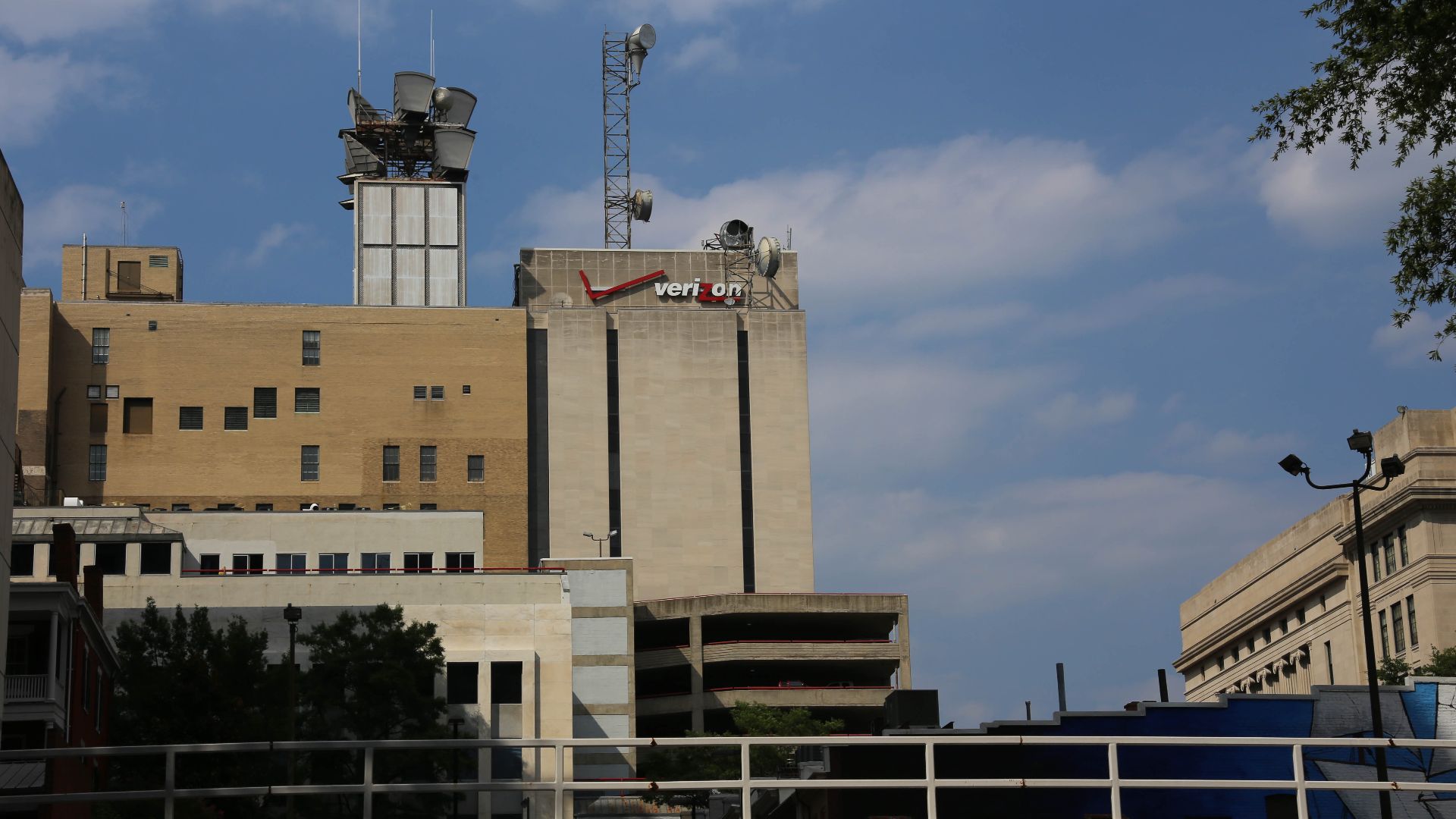
Carriers deployed unprecedented three-year price lock commitments throughout late 2025 and early 2026 as competitive weapons to reduce churn and stabilize revenue streams. Verizon pioneered this approach in April 2025 with its landmark guarantee for multi-line family accounts, directly challenging industry pricing norms.
 Paul Sableman, Wikimedia Commons
Cable Companies Stealing Customers
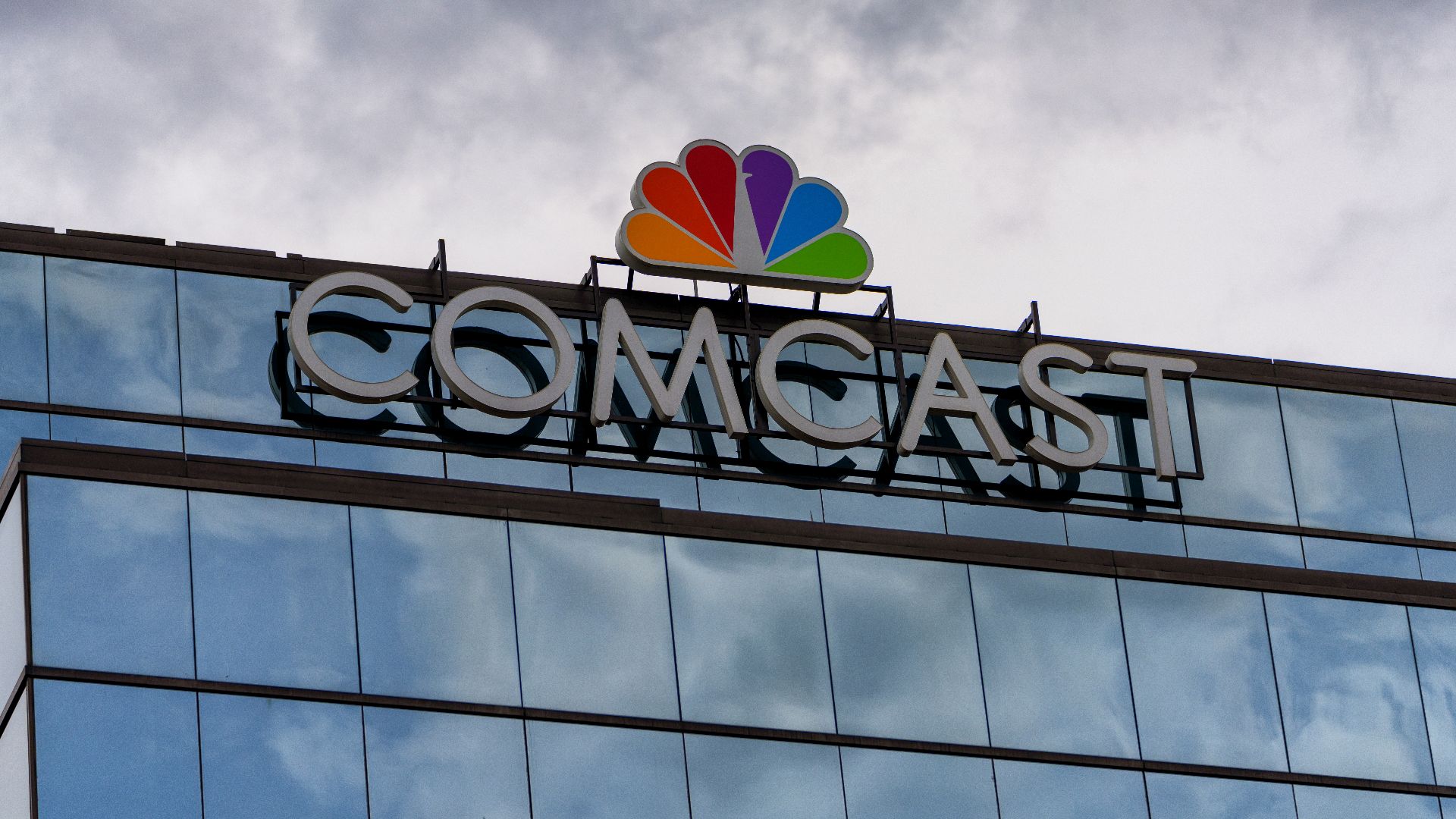
Comcast and Charter Communications captured nearly 39% of all new smartphone additions by the end of 2025, becoming the wireless industry's most disruptive force. These cable giants offer "free for a year" wireless lines to existing broadband customers, forcing the Big Three to slash prices just to remain competitive.
 Tony Webster, Wikimedia Commons
Comcast Xfinity Mobile Expansion
It is said that Xfinity Mobile leverages Comcast's 50% US household broadband coverage to bundle wireless services at unbeatable prices that traditional carriers cannot profitably match. The cable company's first-mover advantage in convergence allows aggressive customer acquisition without the massive infrastructure debts.

Charter Communications MVNO Success
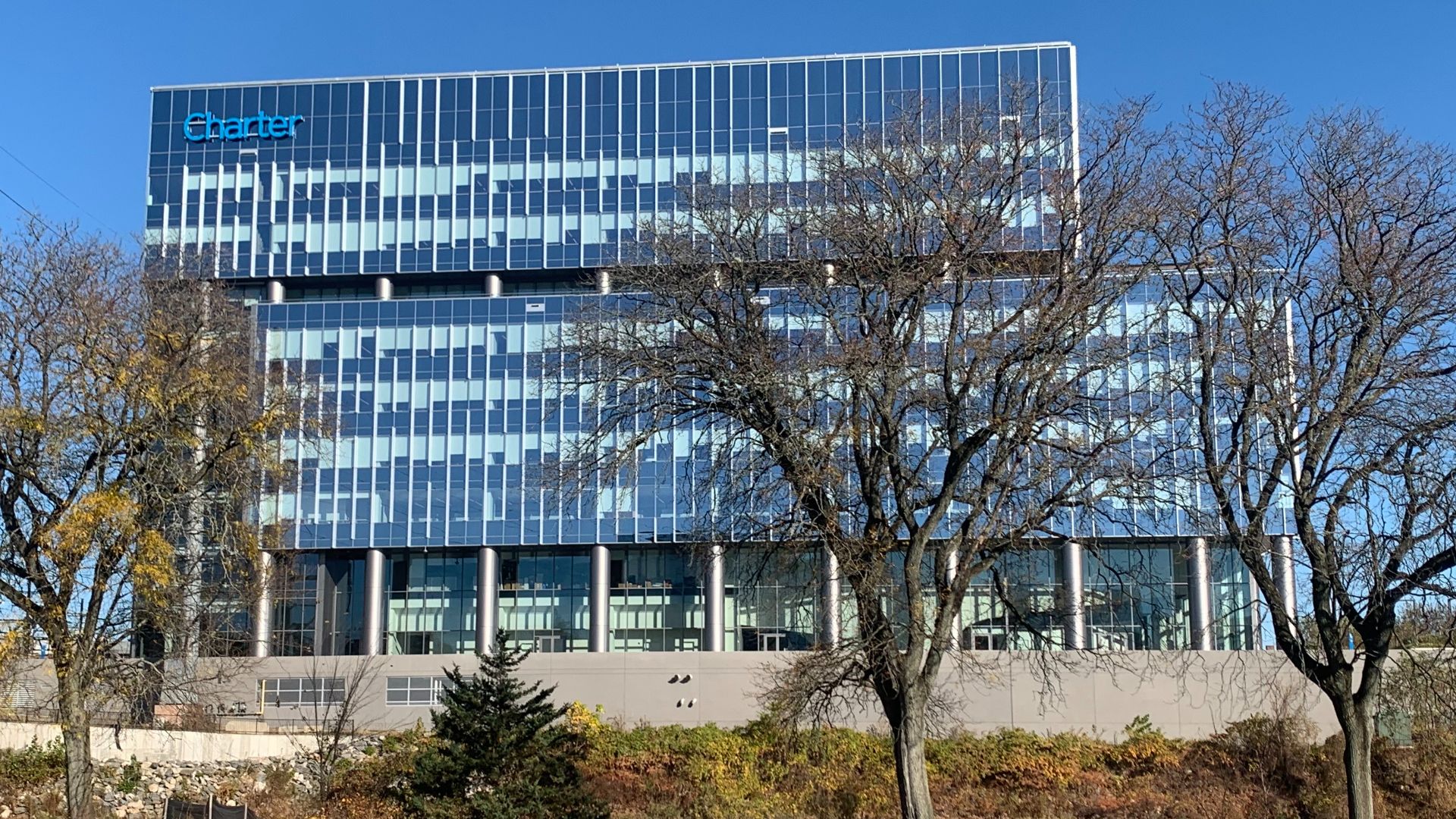
This company's strategy mirrors Comcast's approach but targets different geographic markets where Charter holds dominant cable positions. Together with Comcast, these cable MVNOs have fundamentally disrupted traditional wireless economics by treating mobile service as a value-added feature rather than a standalone profit center.
 AirportExpert, Wikimedia Commons
MVNO Thin Margin Crisis
Mobile Virtual Network Operators face brutal economics, with wholesale costs consuming a good percent of retail revenue, leaving razor-thin margins for operations, marketing, and growth investments. Customer acquisition costs continue to rise as competition intensifies, with many MVNOs spending $50 to $100 to acquire each new subscriber.

Customer Acquisition Cost Explosion
Attracting new wireless subscribers in saturated markets now costs carriers and MVNOs substantially more than the $50–$100 typical in previous years, as competition reaches fever pitch. Marketing expenditures skyrocketed throughout 2025 as carriers fought for every available customer in zero-sum market conditions.

Wholesale Rate Negotiation Failures
MVNOs increasingly struggle to negotiate favorable wholesale terms with host Mobile Network Operators who recognize the competitive threat these virtual operators represent. Host carriers deliberately structure wholesale agreements with unfavorable terms, imposing high per-gigabyte data costs that make unlimited or generous data plans unprofitable for MVNOs.

5G Infrastructure Debt Burden
Major carriers collectively owe hundreds of billions in debt accumulated through 5G network deployments, spectrum acquisitions, and fiber infrastructure buildouts necessary for competitive positioning. Verizon carries $146.8 billion in total debt while pursuing an expensive fiber expansion targeting 35 to 40 million premises.
 Palácio do Planalto from Brasilia, Brasil, Wikimedia Commons
Tower Company Lease Disputes
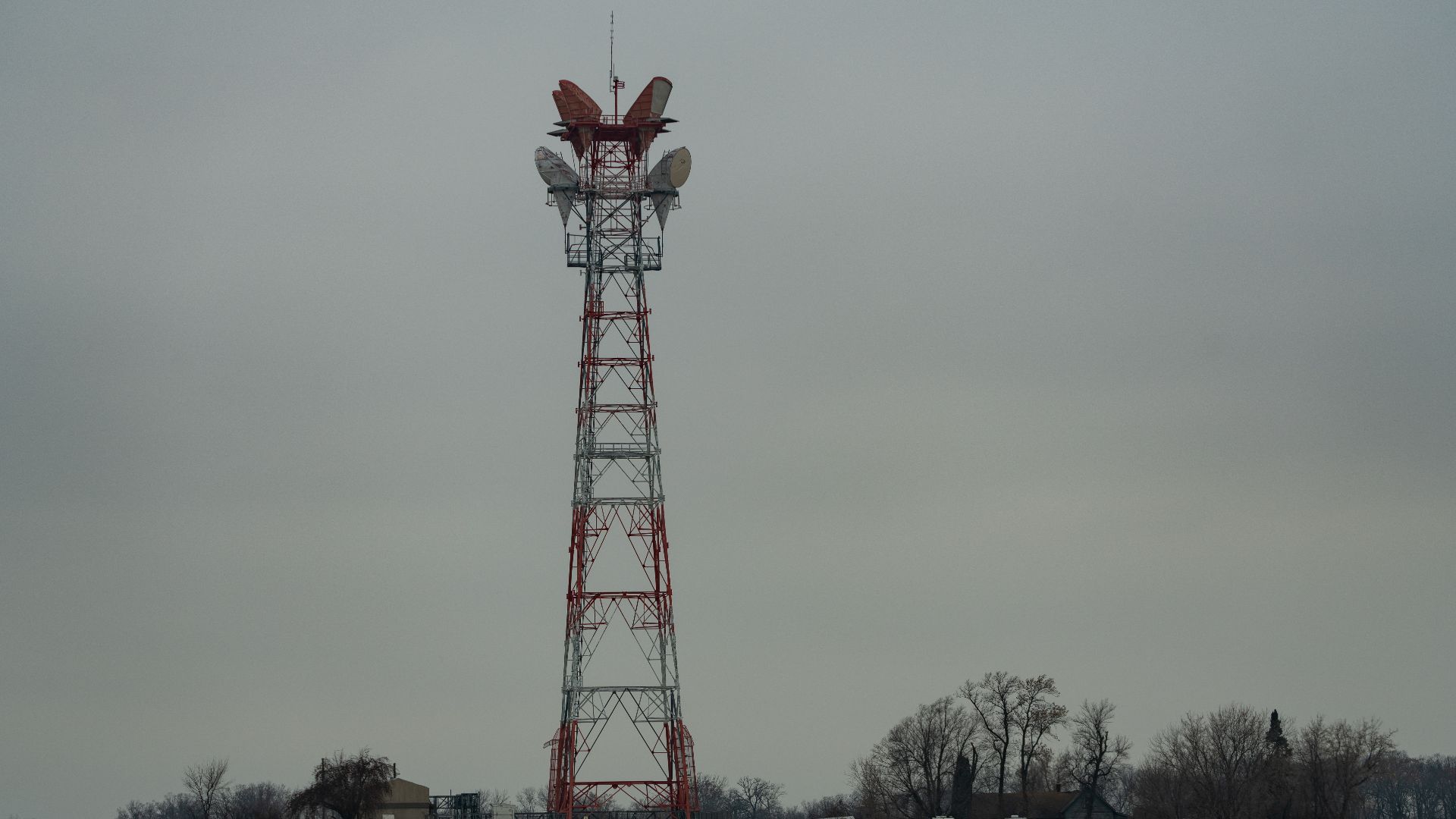
American Tower Corporation filed federal litigation against DISH Wireless in October 2025, warning that EchoStar's recent spectrum sales don't excuse continued rent obligations on thousands of cell tower sites nationwide. DISH argues its network decommissioning eliminates contractual lease requirements.
 Tony Webster from Minneapolis, Minnesota, United States, Wikimedia Commons
Spectrum License Sale Desperation
EchoStar's August 2025 sale of 3.45 GHz and 600 MHz spectrum licenses to AT&T for approximately $23 billion represents the desperate monetization of assets acquired over nearly two decades. DISH Chairman Charlie Ergen spent years accumulating spectrum licenses under promises to build nationwide 5G networks.
 Lettherebelegos, Wikimedia Commons
Affordable Connectivity Program Ended
The Affordable Connectivity Program provided up to $30 monthly discounts for low-income households and $75 for Tribal lands residents, helping approximately 23 million households at its peak before funding was exhausted in 2024. Boost Mobile alone lost 359,000 mobile customers in Q3 2025, directly attributable to ACP's termination.

Fixed Wireless Access Competition
T-Mobile's Fixed Wireless Access service reached 8 million customers by mid-2025, generating average revenue per user comparable to traditional postpaid phone offerings without requiring expensive fiber installations. The carrier's capital-light FWA strategy uses existing 5G towers to deliver home internet.
 Mike Mozart from Funny YouTube, USA, Wikimedia Commons
Postpaid To Prepaid Migration
Wireless customers increasingly abandon traditional postpaid contracts in favor of prepaid and pay-as-you-go plans offering greater financial flexibility without long-term commitments or credit checks. Consumer Cellular led the MVNO satisfaction category at 82, despite a 4% drop, demonstrating how value-focused prepaid providers retain loyal customers.

Interest Payment Defaults Rising
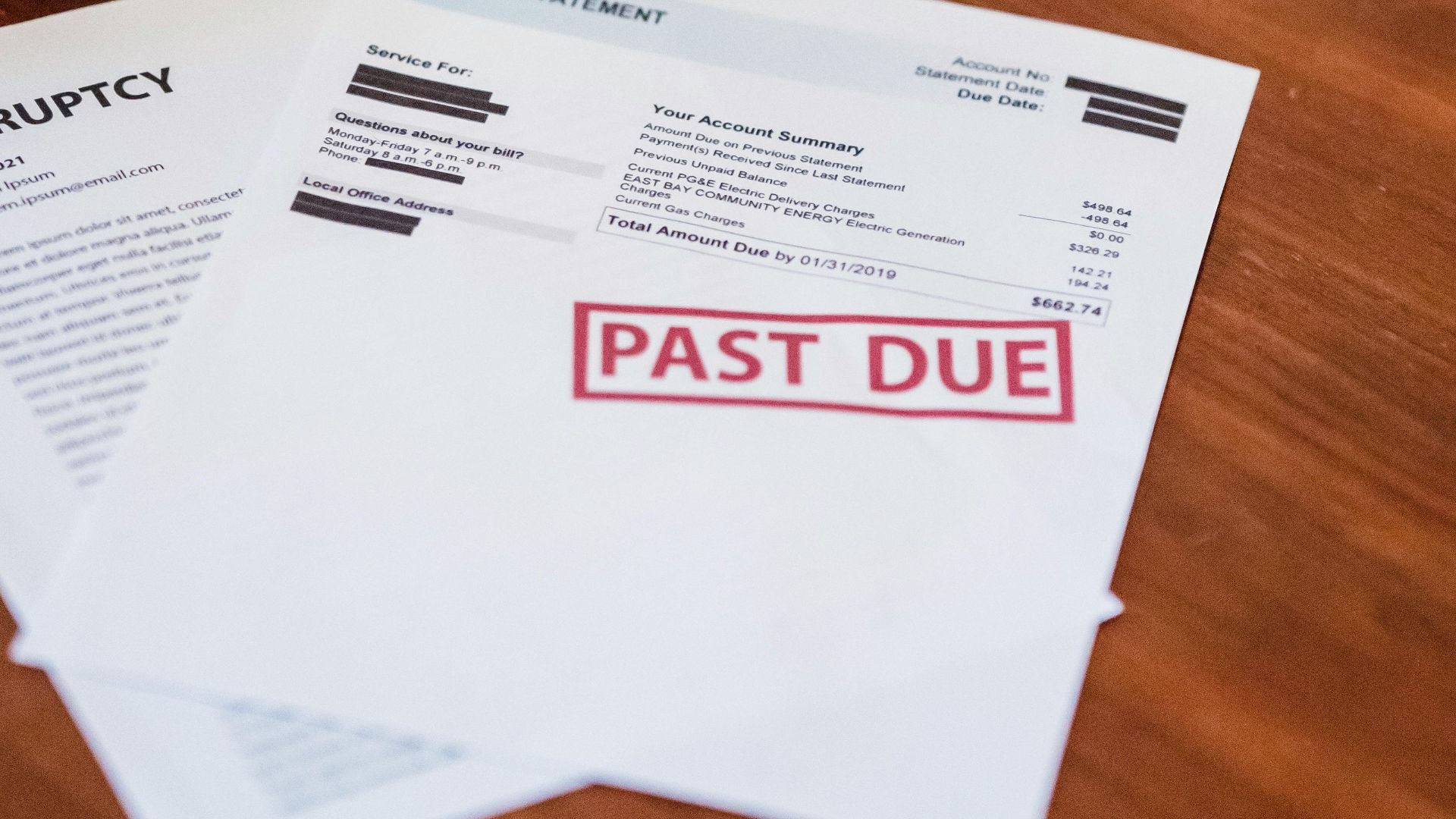
EchoStar's deliberate May 2025 decision to skip its $326 million interest payment signaled the beginning of potential default cascades across debt-laden telecommunications companies. The company has until late June to make this payment before triggering formal Chapter 11 bankruptcy proceedings.
FCC Regulatory Compliance Costs
Federal Communications Commission Chairman Brendan Carr launched an investigation into EchoStar's spectrum license compliance in mid 2025, effectively freezing the company's strategic decision-making for its Boost Mobile business. These regulatory reviews create substantial legal costs while preventing companies from executing necessary pivots or asset sales to improve their financial positions.
 The original uploader was Ser Amantio di Nicolao at English Wikipedia., Wikimedia Commons






.jpg)