
Backyards Just Got Interesting
Backyard housing has moved well past fringe idea status. Across the country, states are changing laws and quietly nudging cities to add small homes on existing lots. In some places, that nudge includes real money. Not everywhere, not for everyone, and rarely without conditions. Still, the shift is notable. These states show how housing pressure and local control, revealing where homeowners can get financial help and where permission alone is the deal.
 baranq, Shutterstock, Modified
California
Few states have gone as far as California in backing backyard housing. State-funded ADU incentives, administered by cities, can cover predevelopment or construction costs. However, programs often require the unit to be rented and may prioritize affordability or long-term tenancy.

Oregon
Under statewide housing policy, Oregon allows local governments to financially support accessory dwelling units. Depending on the city, homeowners may be eligible for grants, fee waivers, or low-interest loans. Owner occupancy is not required statewide, and rental use is permitted, though not mandatory.

Washington
Statewide ADU legalization opened the door for local incentives in Washington. Some cities now pair zoning reform with fee reductions or faster permitting. These programs focus on adding rental housing without changing neighborhood density through large developments.

Colorado
In Colorado, zoning reforms enabled municipalities to test ADU incentive programs. Participating cities may offer direct payments or construction assistance. Financial support often comes with conditions tied to tenant income limits, affordability requirements, or minimum rental periods.

Vermont
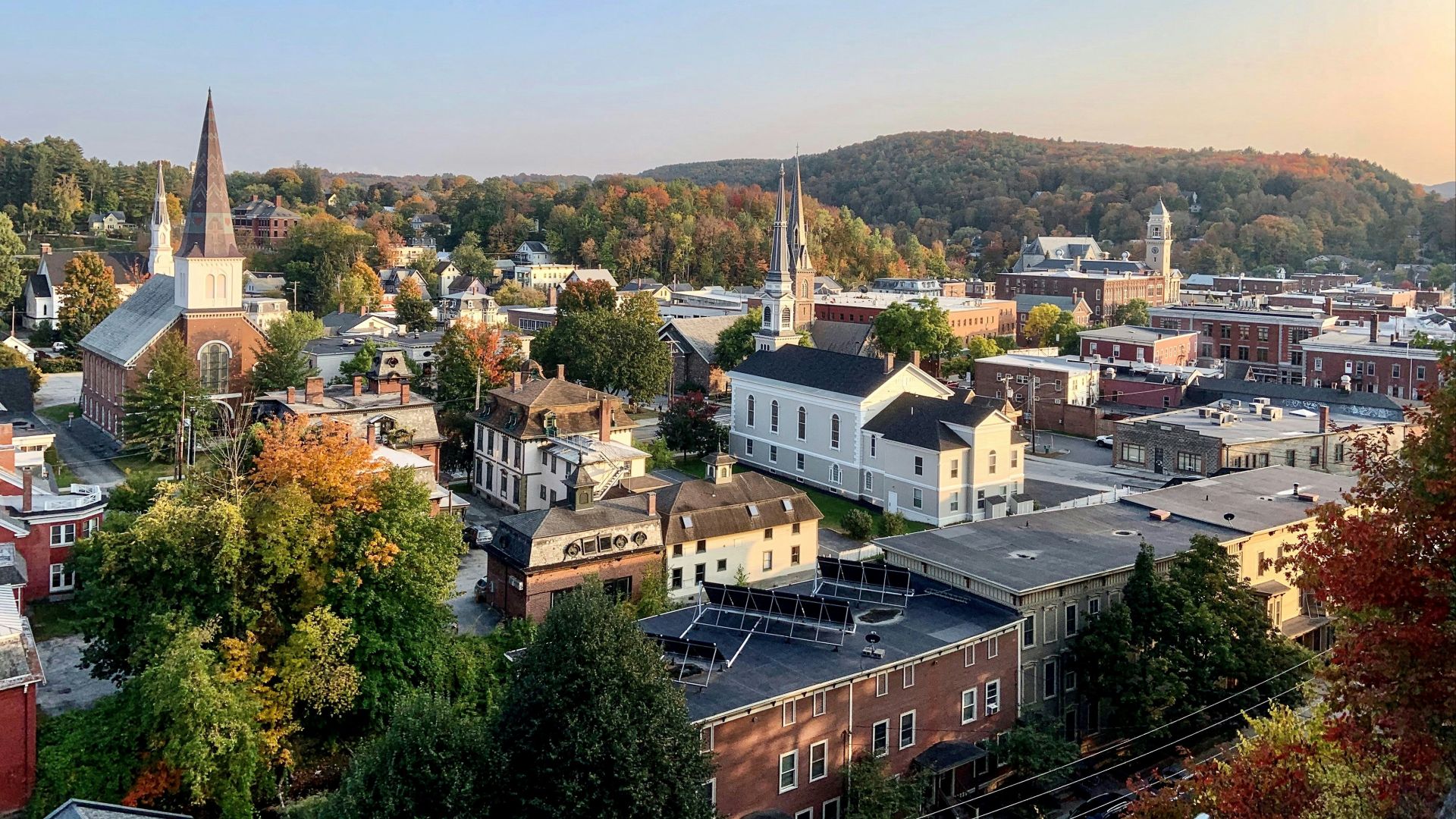
Rural housing pressures shaped how Vermont approaches backyard units. State-backed housing initiatives allow local grants to support accessory dwellings, especially for workforce rentals. While the state does not issue direct checks, homeowners can benefit through community-based funding programs.
New York
Change has arrived unevenly. New York does not permit ADUs statewide through a single legalization law, and financial assistance is limited to select counties and cities. Pilot programs such as the Plus One ADU initiative offer grants or forgivable loans tied to affordability goals, rental terms, or occupancy conditions rather than universal access.
 Ralph Mendoza, Wikimedia Commons
Massachusetts
Housing pressure near transit corridors influenced how assistance is offered. In Massachusetts, some municipalities provide grants and low-interest financing for accessory units under state housing policy. Support is still usually tied to modest rental use, with limits on unit size or tenant income.

New Jersey
Rather than blanket legalization, New Jersey advances ADUs through municipal choice. State frameworks allow cities to permit units while pilot programs test implementation. Financial help is inconsistent, relying on local housing trust funds or grants instead of assured statewide funding.
 David Merrett, Wikimedia Commons
Connecticut
Accessory units are allowed statewide, but financial help depends on local action. In Connecticut, some towns use housing grants or fee assistance to support backyard construction. Eligibility commonly hinges on owner-occupancy and on maintaining the unit as a rental.
 Quintin Soloviev, Wikimedia Commons
Rhode Island
Small size has not limited experimentation here. Housing funds tied to statewide policy allow certain municipalities to help homeowners add backyard units. Financial help is also modest, aimed at long-term rentals, and usually paired with clear occupancy or affordability conditions.
 Kenneth C. Zirkel, Wikimedia Commons
New Hampshire
Permission came quietly, money unevenly. While state law allows accessory units, only some towns provide financial help. Where available, assistance often appears as fee reductions or housing grants, with requirements focused on rental use rather than resale or short-term occupancy.
 Quintin Soloviev, Wikimedia Commons
Maryland
County governments take the lead. After state-level ADU reform, several Maryland counties began offering financial incentives tied to affordability goals. Homeowners may receive help covering construction or permitting, though eligibility depends on rental length and tenant income limits.

Virginia
Zoning changes unlocked options, but funding remains selective. In Virginia, a handful of localities use housing dollars to encourage backyard units. Assistance may target workforce housing, with expectations tied to long-term rental use instead of flexible or short-term arrangements.

North Carolina
Rapid growth pressured cities in parts of North Carolina to look inward, where local housing funds help homeowners add accessory units to existing lots. Financial help varies by city and is often linked to expanding rental supply rather than creating independent resale units.

Georgia
Rules vary sharply by city. Georgia has no blanket statewide legalization for accessory dwelling units and instead leaves regulation to municipalities. Some cities permit ADUs, but financial incentives remain rare and localized, with no consistent state-backed funding framework in place.
 Georgia National Guard from United States, Wikimedia Commons
Florida
Backyard housing fits into broader affordability efforts here. Some cities use housing dollars to encourage the development of accessory units, especially for long-term rentals. State law also allows ADUs, but payments depend on local priorities and may include income limits or restrictions on who can occupy the unit.
 Andrew Heneen, Wikimedia Commons
Arizona
Flexibility at the state level gives cities room to act. In Arizona, certain municipalities offer cash incentives or reimbursements tied to accessory units. These offers are often linked to housing shortages and may require owners to rent the unit at controlled or below-market rates.
 Urban~commonswiki, Wikimedia Commons
Utah
Rapid population growth changed local housing math. After statewide reforms, some Utah cities began offering financial help for backyard units. Assistance may address construction or utility costs, with requirements focused on maintaining the unit as a long-term rental within existing neighborhoods.

Montana
Legal change came first. Statewide ADU approval allowed towns to address housing gaps using local funds. In Montana, incentives remain limited and location-specific, often tied to workforce needs, with expectations centered on rental use rather than resale or seasonal occupancy.
 Quintin Soloviev, Wikimedia Commons
Idaho
State law permits accessory units, but financial help depends entirely on local choice. Only a handful of cities use housing or infrastructure funds to offset backyard construction costs. Any assistance usually comes with rental expectations rather than flexibility for resale or short-term use.
 Charles Knowles, Wikimedia Commons
Minnesota
Practical housing goals drive decisions here. Grants or forgivable loans for accessory units appear in some cities, backed by broader state housing priorities. Funding often targets long-term rentals and may include conditions related to affordability, owner occupancy, or tenant eligibility.
 AlexiusHoratius, Wikimedia Commons
Illinois
State law encourages accessory dwelling units but does not mandate universal approval. Local governments retain discretion, and enforcement varies by municipality. Cities such as Chicago, Evanston, and Oak Park permit ADUs, while others remain restrictive, and funding availability stays selective rather than guaranteed statewide.
 quinntheislander, Wikimedia Commons
Wisconsin
Allowance does not always translate into incentives. A small number of municipalities rely on local housing funds to encourage accessory units. Where money is offered, it usually supports rental housing needs and favors long-term occupancy over personal or short-term use.

Texas
Local discretion shapes outcomes. While permissive property rules allow accessory units, only some cities attach financial incentives. Housing funds may be used to encourage backyard rentals, often with conditions tied to tenancy length or affordability rather than unrestricted development.